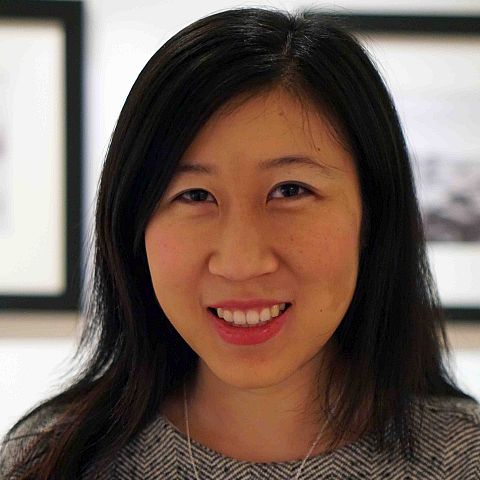
Amy R. Wu serves as Associate Professor in Mechanical and Materials Engineering at Queen's University and holds the Mitchell Professorship in Bio-inspired Robotics. She leads the Biomechanics x Robotics Laboratory (BxRL) and contributes to the Ingenuity Labs Research Institute. Her academic credentials include: Ph.D. in Mechanical Engineering, University of Michigan Postdoctoral Research, Biorobotics Laboratory, EPFL, Switzerland Dr. Wu's research bridges biomechanics and robotics to enhance legged mobility through innovations in human-robot interaction , exoskeleton design , and gait assistance . Her work focuses on developing robotic systems that adapt to human movement patterns, particularly for spinal cord injury rehabilitation and stability augmentation during walking. Analysis of her 2019-2023 publications reveals consistent advancement in exoskeleton control algorithms, gait stability metrics, and human adaptation studies. Key trends include modular exoskeleton systems (Symbitron), neuromuscular controllers for ankle assistance, and haptic feedback integration for motor learning enhancement. No scientific awards are documented in the provided materials. Dr. Wu mentors graduate students through BxRL, where her team conducts human subject testing and robotic development. Research is supported by institutional resources at Ingenuity Labs, though specific grant details remain unspecified. The Biomechanics x Robotics Laboratory operates within Queen's Ingenuity Labs Research Institute, facilitating interdisciplinary collaboration on projects like outdoor stability assessment, winter walking adaptations, and teleoperation interfaces for drone control.
Nick Graham is a Professor in the School of Computing at Queen's University, Canada. He holds a PhD from TU Berlin and teaches courses like Game Architecture and Digital Game Development. His research focuses on next-generation digital games, particularly exergames (combining exercise with play) and educational games. He directs the EQUIS Lab, which develops accessible gaming solutions for populations like children with cerebral palsy and spinal cord injury patients. Graham previously served as VP Research & Development at Namzak Labs and has held academic roles at York University and Queen's University. Education: PhD (Dr.-Ing.) in Engineering - TU Berlin (1995) MSc in Computer Science - Queen's University (1988) BSc in Computer Science - University of Toronto (1985) Research Interests: Exergames promoting physical activity through gaming Accessibility in game design for persons with disabilities Game networking and distributed algorithms Augmented reality tools for education Lab & Collaborations: The EQUIS Lab develops projects such as the Liberi exergame and conversion tools for existing games like Skyrim into exergames. Techniques like 'Partial Automation' enable gameplay accessibility. Professional Roles: Director, EQUIS Lab Member, IFIP Working Group 2.7 on User Interface Engineering VP Research & Development, Namzak Labs (2000–present)
Milos Popovic is a Professor and Director at the Institute of Biomedical Engineering, University of Toronto, and serves as Senior Scientist and Director of Research at the Toronto Rehabilitation Institute (KITE), University Health Network. He holds the Toronto Rehab Chair in Spinal Cord Injury Research and Neural Engineering and co-leads the Centre for Research in Advanced Neural Implant Applications (CRANIA). His leadership spans academic, clinical, and translational research domains in neuroengineering and rehabilitation. His research focuses on neurorehabilitation, neuroprosthetics, functional electrical stimulation (FES), brain-machine interfaces, and assistive technologies . He develops physiological control systems and therapeutic robotics to restore motor function after spinal cord injury and stroke. His work integrates biomechanics, signal processing, and human-machine interfaces to innovate rehabilitative solutions. Dr. Popovic's recent publications emphasize electrical neuromodulation, FES therapy for motor recovery, deep brain stimulation for cognitive deficits, and wearable/implantable technologies . The articles reflect a strong trend toward closed-loop systems, translational research, and interdisciplinary innovation in neuroengineering and rehabilitation. Swiss National Science Foundation Technology Transfer Award - 1st place (1997) Engineering Medal for Research and Development, Professional Engineers of Ontario (2008) Elected to the College of Fellows, American Institute of Medical and Biological Engineering (2011) 1st Prize and Best Intellectual Property Award, TiEQuest Business Venture Competition (2012) Morris (Mickey) Milner Award for Assistive Technologies (2013) University of Toronto Inventor of the Year Award (2013) University Health Network’s Inventor of the Year Award (2015) Dr. Popovic has secured significant research funding and leads the Neural Engineering and Therapeutics team at KITE. He co-founded MyndTec Inc. and the Canadian National Spinal Cord Injury Conference, demonstrating strong mentorship, innovation, and national impact. He advises graduate students and postdoctoral fellows in biomedical engineering and rehabilitation sciences. He leads the Rehabilitation Engineering Laboratory and the Neural Engineering and Therapeutics Team at KITE, fostering collaboration across engineering, neuroscience, and clinical rehabilitation. His lab develops advanced neurotechnologies with a focus on clinical translation and commercialization.
T.C. Nicholas Graham is a Professor of Computer Science at Queen's University's School of Computing, specializing in Human-Computer Interaction (HCI) and gaming technology. With a Dr.-Ing. from TU Berlin (1995), M.Sc. (1988) and B.Sc. (1985) from Queen's University and the University of Toronto respectively, he has held academic roles at York University and industry positions at Namzak Labs since 2000. Research Focus : Next-generation digital games, exergames combining physical activity with entertainment, and educational games using augmented reality. His EQUIS Lab explores heart rate power-ups, nudging mechanisms, and AI-assisted accessibility solutions for motor-impaired users. Teaching : Courses in Game Architecture (CISC 326) and Advanced Game Development (CISC 877), emphasizing game engine fundamentals, physics, networking, and AI algorithms. Labs & Collaborations : Director of the EQUIS Lab , co-founder of the Software Technology Laboratory , and former Chair of IFIP Working Group 2.7 on User Interface Engineering. Notable Projects : Liberi exergame for children with cerebral palsy, GAIM Exergaming Toolkit, and Partial Automation techniques for accessible gaming. His lab actively involves PhD, MSc, and undergraduate students in both technical and applied research.
Carolyn Sparrey is an Associate Professor and Graduate Student Supervisor in the School of Mechatronic Systems Engineering at Simon Fraser University (SFU). She leads the Neurospine Biomechanics Laboratory, focusing on injury prevention and management through biomechanical research. Her work bridges engineering principles with clinical applications, collaborating with Vancouver General Hospital and accident reconstruction experts. Dr. Sparrey holds a Ph.D. in Mechanical Engineering (UC Berkeley, 2008), M.A.Sc. (UBC, 2004), and B.A.Sc. (University of Waterloo, 2001). Her research emphasizes spinal cord injury mechanics, tissue material characterization, and patient-specific modeling. She teaches courses like MSE 420 (Biomechanical Engineering) and MSE 222 (Kinematics and Dynamics). Her lab’s current projects include mechanical characterization of neurological tissues, thermodynamic modeling of spinal cord injury treatments, and injury prevention device design. Funding opportunities are available for exceptional graduate students through NSERC and CIHR awards. Undergraduate and co-op students can engage in projects aimed at publishing or presenting results. Dr. Sparrey actively promotes interdisciplinary collaboration, with a focus on translating engineering solutions into clinical practice. Her teaching philosophy prioritizes preparing students for industry, research, and societal contributions through innovative curricula.
Dr. Julius Ebinu serves as an Associate Professor in the Department of Surgery at Queen's University, specializing in neurosurgery with clinical expertise in spinal surgery and neuro-oncology following advanced fellowship training at the University of Miami. His academic credentials include: Medical degree from the University of Calgary PhD in Biochemistry and Molecular Biology from the University of Alberta Residency and Clinical Fellowship in Neuro-Oncology and Skull Base Neurosurgery at the University of Toronto Fellowship in Complex and Minimally Invasive Spine Surgery at the University of Miami Research centers on neural repair mechanisms after spinal cord and traumatic brain injuries, alongside molecular investigations of central nervous system tumors, aiming to translate biological insights into improved rehabilitation strategies and targeted oncological therapies for enhanced patient recovery.
Jaynie Yang, PhD, is a full Professor in the Department of Physical Therapy, Faculty of Rehabilitation Medicine at the University of Alberta, where she has served since January 1990. She additionally holds adjunct appointments in the Department of Biomedical Engineering and is an active member of the Neuroscience & Mental Health Institute and the Women and Children’s Health Research Institute. She has previously acted as Graduate Coordinator for the thesis-based MSc and PhD programs and as Acting Chair of the Department of Physical Therapy. Education Post-doctoral Fellowship, Neuroscience, University of Alberta (1987–1989) PhD, Kinesiology, University of Waterloo (1987) BSc, Physical Therapy, Queen’s University (1978) Research Interests Dr. Yang’s research centres on how the nervous system controls human walking and how this control is altered following injury to the central nervous system. She investigates three inter-related themes: (1) neural mechanisms underlying gait control in healthy humans and how these are disrupted by spinal cord injury or perinatal brain injury; (2) optimization of task-specific training paradigms—such as intensive early therapy in infants with perinatal stroke or powered exoskeleton training in adults with spinal cord injury—to drive neuroplasticity and improve walking; and (3) developmental aspects of motor learning, comparing how children and adults acquire and retain novel walking patterns on split-belt treadmills. Recent Publication Trends Over the past decade her team has produced a high-impact portfolio that blends mechanistic studies of neural plasticity with pragmatic clinical trials. Common keywords across recent papers include “perinatal stroke,” “cerebral palsy,” “spinal cord injury,” “powered exoskeleton,” “functional electrical stimulation,” and “neuroplasticity.” The work spans bench-to-bedside translation, from rodent studies of critical periods through multi-centre randomized controlled trials evaluating early intensive rehabilitation protocols in infants and gait-retraining paradigms in adults. Current Studies & Funding Multi-centre RCT (Edmonton & Calgary) examining early, intensive leg training in children Cohort studies investigating cortical and spinal neuroplasticity induced by powered exoskeleton (ReWalk, Ekso) training in adults with chronic SCI. Split-belt treadmill studies comparing motor learning retention across children, young adults, and older adults. Laboratory & Team Dr. Yang leads an interdisciplinary group that integrates neurophysiology, biomechanics, and clinical rehabilitation. The lab is embedded within the University of Alberta’s Neuroscience & Mental Health Institute and has active collaborations with the Glenrose Hospital, Alberta Children’s Hospital, and Children’s Hospital of Eastern Ontario. At present she mentors one graduate student and is not accepting additional trainees for the upcoming cycle. Teaching She is the instructor for PTHER 500 – Movement Analysis, a core course in the MScPT curriculum covering mechanical and analytical concepts essential for physical therapy practice (scheduled for Fall Term 2025).
Dr. Kanwarpal Singh is an Associate Professor in the Department of Electrical & Computer Engineering at McMaster University. His research focuses on developing novel endoscopic devices using advanced optical imaging techniques, including optical coherence tomography (OCT), hyperspectral imaging, and multiphoton microscopy. His work aims to improve imaging of internal organs for medical applications, particularly in gastrointestinal and cardiovascular diagnostics. Dr. Singh leads a lab dedicated to advancing biomedical technologies, with a strong emphasis on device innovation and clinical translation. He teaches courses such as ECE 6BB3 (Cellular Bioelectricity) and IBEHS 4QZ3 (Modelling of Biological Systems). His research interests span biomaterials, health technology, and imaging systems. He has developed endoscopic devices for longitudinal monitoring of inflammatory bowel disease and coronary artery crystal detection. His publications emphasize optical imaging advancements, including motion-corrected microscopy and three-dimensional luminal reconstruction. Dr. Singh collaborates on projects involving tissue engineering, drug delivery, and material science. His work bridges engineering and medicine, with applications in cardiology, dermatology, and neurology. Dr. Singh’s lab also explores elastography and Brillouin microscopy for biomechanical property assessment. He has contributed to portable OCT systems and smartphone-based imaging platforms. While no formal awards are listed, his extensive publication record reflects significant contributions to biomedical imaging and device development. His research addresses clinical challenges through cutting-edge optical technologies, aiming to improve diagnostic accuracy and patient outcomes.
Dr. Amir Sanati Nezhad is a Full Professor in the Department of Biomedical Engineering and Mechanical and Manufacturing Engineering at the University of Calgary's Schulich School of Engineering. He leads the BioMEMS and Bioinspired Microfluidic Laboratory and holds memberships in the Hotchkiss Brain Institute, Snyder Institute for Chronic Diseases, and Arnie Charbonneau Cancer Institute. With a PhD in Mechanical Engineering from Concordia University (2013) and postdoctoral training at Harvard and McGill, he specializes in bioinspired microfluidics, tissue engineering, biosensors, and organ-on-chip technologies. His research focuses on developing point-of-care devices for cancer, brain injury, and infectious disease diagnostics, alongside bioinspired microdevices for disease modeling. He has published over 350 peer-reviewed works and holds prestigious awards like the Canada Research Chair and Governor General’s Gold Medal. His educational background includes degrees from Isfahan University of Technology (B.S., 2006), Amirkabir University (M.S., 2009), and Concordia University (PhD, 2013). Research interests include biosensing, microfluidics, and digital health technologies. Recent articles highlight innovations in wearable biosensors, molecularly imprinted polymers, and self-powered microfluidic systems. His awards reflect contributions to both research and teaching excellence. Grants and collaborations include licensing technologies to diagnostic companies. His lab emphasizes translational research, integrating microfluidics with AI for healthcare applications. He teaches advanced biomedical engineering courses and oversees interdisciplinary projects in organ-on-chip and biomaterials.
Molly S. Shoichet serves as a University Professor at the University of Toronto's Faculty of Applied Science and Engineering, holding the Pamela and Paul Austin Chair in Precision and Regenerative Medicine and previously the Michael E. Charles Chair in Chemical Engineering. She leads the Shoichet Laboratory (Room 514, 160 College Street) focused on biomaterials-driven solutions for regenerative medicine and drug delivery challenges. Her educational foundation includes a B.Sc. from MIT and M.Sc./Ph.D. from the University of Massachusetts. This training underpins her cross-disciplinary approach integrating engineering, chemistry, and biology to address unmet medical needs. Shoichet's research centers on four synergistic pillars: (1) Targeted cancer delivery using colloidal drug aggregates for breast, brain, lung, and lymphoma; (2) Injectable hydrogels enabling sustained biomolecule release to the CNS for spinal cord/retinal repair; (3) 3D biomimetic scaffolds modeling disease microenvironments for drug screening; and (4) Cell delivery systems enhancing stem cell survival in blindness/stroke applications. Her lab emphasizes translational impact through commercialization efforts like AmacaThera. Analysis of her 2021-2025 publications reveals accelerating innovation in RNA delivery platforms, neural repair strategies, and disease-specific hydrogel systems, with strong emphasis on pulmonary delivery, stroke recovery mechanisms, and ocular therapeutics. These works bridge nanomedicine, regenerative biology, and clinical translation across cancer and neurological disorders. Her exceptional contributions are recognized through over 30 major honors including: Gerhard Herzberg Canada Gold Medal (2020) Killam Prize in Engineering (2017) Foreign Membership in US National Academy of Engineering (2016) Fellowship in The Royal Society (2019) Officer of the Order of Canada (2018) L’Oréal-UNESCO For Women in Science Laureate (2015) Shoichet actively mentors graduate students (including OGS/QEII scholars Chris Ling, Nadiyah Khan, and Riley Li) and secures major funding from Natural Sciences and Engineering Research Council (NSERC), Canadian Institutes of Health Research (CIHR), Canada First Research Excellence Fund (Medicine by Design), Krembil Foundation, and McEwen Foundation. Her lab operates as a multidisciplinary hub collaborating with stem cell biologists, neurosurgeons, and cancer researchers to advance therapeutic pipelines. The Shoichet Lab maintains state-of-the-art facilities for polymer synthesis, cell culture, and in vivo testing, with current projects focused on RNA delivery stabilization, glaucoma treatment systems, and stroke recovery mechanisms. Her TERMIS-Americas leadership and commercialization initiatives demonstrate commitment to translating biomaterials innovations into clinical impact.
Dr. Jeremy Walsh is an Assistant Professor in the Department of Kinesiology at McMaster University, joining in 2020. He holds a PhD in Exercise Physiology from Queen’s University and postdoctoral training at the University of Ottawa and University of British Columbia Okanagan. His research focuses on mechanisms linking exercise, behavior, and cognitive health, aiming to develop interventions to optimize brain function across lifespans. Education: Bachelor of Arts (Honours Kinesiology) – Wilfrid Laurier University (2005-2009) MSc and PhD in Exercise Physiology – Queen’s University (2010-2017) Postdoctoral Fellowships: Children’s Hospital of Eastern Ontario Research Institute (2018-2020) and University of British Columbia Okanagan Research Interests: Dr. Walsh investigates how exercise, diet, sleep, and cognitive engagement impact brain health. Key areas include BDNF signaling, cerebral blood flow, and interventions to mitigate neurological decline. His work spans aging populations, obesity, and spinal cord injury rehabilitation. Teaching: Instructor for courses like Psychophysiology of Healthy Living, Exercise Psychology, and Movement Behaviors & Brain Health Supervises independent research projects in kinesiology Key Contributions: His studies on ketone supplementation’s effects on cognition, exercise responses in obesity, and BDNF modulation have been widely cited. Over 60 scholarly outputs since 2013 highlight his exploration of exercise neuroscience and metabolic health. Labs/Teams: Leads research groups studying neurophysiological adaptations to exercise and lifestyle interventions, collaborating with clinical partners in diabetes and spinal cord injury research.
Sylvie Nadeau is a Full Professor in the School of Rehabilitation at the University of Montreal's Faculty of Medicine. Her research focuses on locomotor activity assessment, rehabilitation interventions for neurological conditions, and biomechanical analysis of movement. She leads interdisciplinary projects addressing spinal cord injuries, stroke recovery, and mobility challenges in aging populations. Key affiliations include the INTER strategic research group and the REPAR provincial rehabilitation research network. She collaborates with institutions like the Institut de Réadaptation Gingras-Lindsay-de-Montréal (IRGLM) and has secured funding from agencies such as FRQNT, MITACS, and the Rick Hansen Institute. Her work integrates technologies like smart stationary bikes and real-time avatars to enhance rehabilitation outcomes. Research interests span gait analysis, dynamic balance, and sensorimotor rehabilitation. She has supervised over 30 graduate students, contributing to advancements in post-stroke mobility, incontinence management, and telerehabilitation. Recent projects include developing intelligent exercise systems and evaluating environmental impacts on mobility in museum settings. Directed the 2019 SOFPEL international congress Co-led the TRIVEL intelligent cycle prototype development Pioneered studies on bilateral upper limb coordination post-stroke Her teaching includes courses in physiotherapy and evidence-based practice, shaping future generations of rehabilitation professionals. She prioritizes translating research into clinical practice through innovative interventions and technology integration.
Dr. Alison Oates is an Associate Professor at the University of Saskatchewan's College of Kinesiology, specializing in biomechanics and motor control. Her research focuses on neuromuscular adaptations, healthy aging, and managing chronic conditions through gait analysis and balance control. She holds a PhD from the University of Waterloo, with postdoctoral training at McGill University on locomotor rehabilitation post-stroke. Her academic background includes a B.Sc. in Kinesiology from Waterloo, followed by advanced studies in dynamic stability during gait termination in Parkinson's patients. She teaches advanced courses such as Motor Control of Neurological Conditions (KIN 422.3) and Sensorimotor Control of Posture & Locomotion (KIN 822.3). Dr. Oates' research explores biomechanical and neuromuscular aspects of balance and gait, particularly in neurologically impaired populations and older adults. Recent work includes studies on haptic feedback systems, sex-and-gender-based analysis in balance research, and fall prevention strategies. Her articles highlight innovative methods like IMU-based motion capture and clinical applications for spinal cord injury and stroke rehabilitation. While no formal academic awards are listed, her contributions to gait rehabilitation and biomechanical measurement techniques are widely recognized. She currently oversees research projects investigating the efficacy of haptic input on walking stability and neuromuscular adaptation mechanisms. Her work bridges clinical practice and biomechanical theory to improve rehabilitation outcomes for individuals with neurological disorders.
Carl-Éric Aubin is a Full Professor in the Department of Mechanical Engineering at Polytechnique Montréal, an Adjunct Professor in the Department of Surgery at Université de Montréal, and a Researcher at CHU Sainte-Justine. He serves as the Executive and Scientific Director of the TransMedTech Institute , having secured $35.6 million from the Canada First Research Excellence Fund and $60 million in partner contributions. Research Interests : Biomechanics, Spine Modeling, Orthopedic Treatments, Finite Element Methods, Rehabilitation Engineering Grants : NSERC, CIHR, CFI, FRQS, Apogee Canada His 15 most recent articles focus on biomechanical modeling for scoliosis correction, rod contouring in spinal surgery, sacroiliac joint fixation, and growth modulation techniques. Topics include finite element analysis, 3D correction strategies, patient-specific simulations, and surgical load optimization. Scientific Awards : Officer of the Order of Canada (2021), Knight of the Order of Montreal (2023), Honorary Doctorate (Aix-Marseille, 2018), Fellow of the Canadian Academy of Engineering (2020), Prix Innovation (CHU Sainte-Justine, 2017) He has trained over 100 Master's and PhD students , many of whom hold leadership roles globally. His work integrates TransMedTech Institute as a hub for medical technology innovation, combining engineering with clinical applications.
Dr. Najib Ayas is an Associate Professor in the Division of Critical Care Medicine, Department of Medicine, Faculty of Medicine at the University of British Columbia. He graduated with distinction from the University of Alberta in 1992, completed Internal Medicine residency at the Mayo Clinic in 1996, and postgraduate training in Respiratory, Critical Care, and Sleep Medicine at Brigham and Women's Hospital/Harvard Medical School in 2000. He joined the Sleep Disorders Program at UBC in September 2002 and has maintained an active academic career since. Dr. Ayas received his undergraduate education at the University of Alberta (General Science, 1986-1988), followed by his MD (1988-1992). He completed a Rotating Internship at St Thomas Medical Center in Akron, Ohio (1992-1993), Internal Medicine Residency at Mayo Graduate School of Medicine in Rochester, MN (1993-1996), Pulmonary & Critical Care Fellowship at Harvard (1996-2000), and a Master of Public Health from Harvard School of Public Health (2000-2002). Dr. Ayas's primary research focus centers on the public health and safety consequences of sleep apnea and sleep deprivation. His work spans multiple domains including cardiovascular consequences of sleep disorders, epidemiology of obstructive sleep apnea, development of diagnostic tools, and cost-effectiveness of treatments. He has made significant contributions to understanding how sleep disorders affect occupational safety, cardiovascular health, and overall quality of life. His research often involves interdisciplinary collaborations across sleep medicine, critical care, public health, and epidemiology. Analysis of Dr. Ayas's recent publications reveals a strong focus on obstructive sleep apnea (OSA), particularly its cardiovascular consequences, diagnostic approaches, and treatment effectiveness. His work spans basic science investigating mechanisms like intermittent hypoxia effects on endothelial function, to clinical trials examining CPAP therapy, to large epidemiological studies on OSA prevalence and impact. A notable trend is his increasing focus on special populations including patients with spinal cord injuries, pregnant women, and those with comorbid conditions like COPD. His research maintains a strong translational emphasis, bridging laboratory findings to clinical applications. BC Lung Association Career Development Award (2002) New Investigator Salary Award, CIHR/BC Lung Association Award (2002-2007) Scholar Award, Michael Smith Foundation (2004-2009) Established Clinician Scholar Award, VCHRI (2009-2012) Award for Clinical Teaching Excellence, Division of Critical Care Medicine UBC (2013) Martin Hoffman Award Excellence in Research As an educator, Dr. Ayas has supervised numerous graduate students including Masters candidates, Doctoral students, and Post-doctoral fellows. His students have pursued research in areas including sleep apnea pathophysiology, cardiovascular consequences of sleep disorders, and clinical applications of sleep medicine. Dr. Ayas has served on multiple grant review panels for organizations including CIHR, Canadian Lung Association, and Michael Smith Foundation, contributing to the evaluation and funding of critical research in respiratory and sleep medicine. He has directed the Respiratory Physiology course (MED560/Path518) at UBC since 2006 and has been instrumental in developing clinical guidelines including the Canadian Thoracic Society and Canadian Sleep Society position paper on obstructive sleep apnea and driving.