Hubert Labelle is a Full Professor at the Department of Surgery within the Faculty of Medicine at the University of Montreal , and also holds a Full Professor position at the Institute of Biomedical Engineering (Montreal). Additionally, he serves as Head of the Orthopedics Department at Sainte-Justine University Hospital , a leading pediatric care center in Canada. His work focuses on musculoskeletal diseases and rehabilitation, particularly spine disorders in children and adolescents. Research Focus: 3D assessment and treatment of scoliotic deformities Computer-assisted surgery and 3D orthoses design Postural balance and sagittal alignment in spinal disorders Academic Contributions: Holder of the Research Chair in Movement Sciences at University of Montreal Over 15 peer-reviewed publications from 2005–2024 on spine surgery, biomechanics, and rehabilitation Collaborations with institutions like Harms Study Group and CSORN Investigators Scientific Awards: Research Chair in Movement Sciences
Jean-Marc Mac-Thiong is a Clinical Professor in the Department of Surgery at the Faculty of Medicine, University of Montreal, and a Regular Researcher at the Research Center of the Sacré-Coeur Hospital of Montreal. He practices as an Orthopedist at Sacré-Coeur Hospital. University: University of Montreal Faculty: Faculty of Medicine Department: Department of Surgery Research Affiliation: Sacré-Coeur Hospital Research Center Clinical Specialty: Spinal Trauma & Orthopedic Surgery Research Interests focus on spinal biomechanics, trauma care, scoliosis correction, and spinal cord injury outcomes. His work bridges clinical practice with quantitative analysis of spinal deformities and surgical interventions. Spine Biomechanics Sagittal Plane Alignment Pediatric Spinal Deformities Neurotrauma Biomarkers Implant Failure Analysis Outcome Prediction Models
Ziya L. Gokaslan is a Professor of Neurosurgery at Brown University's Warren Alpert Medical School and holds the Chair of Neurosurgery. His work focuses on spinal oncology, surgical outcomes, and translational research in neurosurgery. University: Brown University School: Warren Alpert Medical School Department: Neurosurgery Rank: Professor Research Interests: Gokaslan's research spans spinal tumor surgery, chordoma biology, glioblastoma immunotherapy, health disparities in spine care, and AI applications in neurosurgery. He investigates surgical complications, patient-reported outcomes, and radiographic scoring systems. Publications: Recent work includes patient-centered outcome surveys for spinal chordoma, AI-driven clinical tools like AtlasGPT, and analyses of surgical complications in metastatic spine tumors. His articles emphasize outcome prediction, health disparities, and multimodal therapy approaches.
Tristan P. Driscoll, Ph.D. is an Assistant Professor in the Department of Chemical and Biomedical Engineering at the joint Florida A&M University–Florida State University College of Engineering (FAMU-FSU CoE). He leads the Driscoll Lab , which investigates molecular-scale force transmission and mechanosensing in the context of tissue stiffness homeostasis, fibrosis, and regenerative medicine. Education & Training Postdoctoral Fellowship, Cardiovascular Medicine, Yale University, 2020 Ph.D., Bioengineering, University of Pennsylvania, 2015 B.Bm.E., Biomedical Engineering, University of Minnesota, 2009 Research Interests Dr. Driscoll’s research integrates biophysics, biomaterials, and cell biology to understand how cells sense and respond to mechanical cues. Core themes include: Mechanotransduction Across Networks: dissecting how forces propagate from the extracellular matrix (ECM) through integrins, focal-adhesion adaptors, and the cytoskeleton to the nucleus via the LINC complex. Directional Mechanosensing: studying durotaxis, contact guidance, and mechanical polarization in development and disease. Dynamic Forces in Mechanosensing: using quantitative live-cell imaging and molecular tension sensors to capture transient molecular-scale events. Fibrosis & Tissue Homeostasis: identifying microRNA-mediated feedback loops that maintain ECM stiffness and developing antifibrotic miRNA therapeutics. Publications Overview Since 2011, Dr. Driscoll has authored >30 peer-reviewed articles spanning biophysical modeling, integrin mechanobiology, stem-cell mechanosensitivity, biomaterial design, and fibrotic disease pathways. Highlights include seminal work on integrin conformational deformation, nuclear softening during migration, and miRNA regulation of tissue stiffness. Recent 2024–2025 contributions continue to advance therapeutic hydrogel design, organoid-derived extracellular vesicles, and nanoparticle-cell interactions. Scientific Awards & Honors No specific awards are listed in the provided text. Research Team & Mentorship Dr. Driscoll currently mentors six Ph.D. candidates, one M.S. student, and five undergraduate researchers. Former trainees include six B.S. and two M.S. alumni, many earning Honors in the Major or co-authoring publications. Laboratory & Infrastructure The Driscoll Lab is housed in the state-of-the-art Chemical & Biomedical Engineering building (Room B333). The lab is equipped for molecular biology, live-cell fluorescence microscopy, traction-force microscopy, microfluidic fabrication, and electrospinning of aligned nanofibrous scaffolds.
Henrik Odéen, PhD, is a researcher affiliated with the University of Utah, specializing in Magnetic Resonance Imaging (MRI) and its integration with thermal therapies like focused ultrasound. His work bridges physics, biomedical engineering, and clinical applications. MSc in Engineering Physics, Lund Institute of Technology PhD in Physics, University of Utah Dr. Odéen's research focuses on advancing MR thermometry, acoustic radiation force imaging, and MR-guided focused ultrasound (MRgFUS) for both transcranial and breast-specific applications. His innovations address challenges in temperature accuracy, tissue elasticity mapping, and real-time treatment monitoring. Recent publications highlight his leadership in developing ethylene glycol-based MR thermometry, improving blood-spinal cord barrier permeability quantification, and exploring deep brain ultrasonic neuromodulation. He holds multiple patents related to MRgFUS systems, B0 drift correction, and skin-cooling technologies. Expertise in MR temperature imaging Applications in neuroscience (essential tremor, spinal cord injury) and oncology Collaborations in preclinical and clinical MRgFUS platforms
Richard E. Bowen, MD is a pediatric orthopedic surgeon affiliated with UCLA Health , specializing in spinal deformity and sports medicine surgery. He practices at Santa Monica Orthopedics and Sports Medicine and the Orthopaedic Institute for Children (in alliance with UCLA Health), with hospital affiliations including Ronald Reagan UCLA Medical Center, UCLA Santa Monica Medical Center, and UCLA Mattel Children's Hospital. His research focuses on: Biomechanics of spinal and knee structures Surgical optimization for pediatric patients Opioid prescription trends in adolescent orthopedic care Bone health in chronic kidney disease Recent publications highlight his work in spinal flexibility studies, graft sizing for ligament reconstruction, and pain management strategies. He has received recognition as a Super Doctor® in Southern California (2022-2025) and a 2018 Los Angeles Magazine Top Doctor.
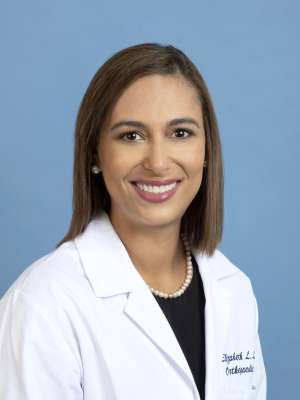
Dr. Elizabeth L. Lord is a Board-Certified Assistant Professor of Orthopaedic Surgery and Neurosurgery at the David Geffen School of Medicine, University of California, Los Angeles (UCLA). She specializes in complex spine conditions, including adult and adolescent spinal deformity, scoliosis, reconstructive surgery across cervical/thoracic/lumbar regions, and primary/metastatic spine tumors. Her dual fellowship training at New York University Langone/Hospital for Joint Disease focused on revision spine deformity, minimally invasive surgery, and robotic techniques. Education: MD from Columbia University (2012), Residency at UCLA (2018), Internship at Washington University/Barnes-Jewish Hospital (2013), Fellowship at NYU Langone (2019) Recognitions: Super Doctors® Southern California Rising Stars (2023–2025) Her research prioritizes bone biology, spinal deformities, and surgical innovation. She has published extensively on complications, risk modeling, and minimally invasive approaches in spine surgery. Her work spans clinical outcomes, biomechanics, and machine learning applications for predicting post-surgical risks. She actively serves as a reviewer for spine journals and is affiliated with professional societies including the North American Spine Society, Society for Minimally Invasive Spine Surgery, Lumbar Spine Research Society, Ruth Jackson Orthopaedic Society, and AOSpine. Her clinical focus areas include scoliosis, spondylolisthesis, spinal tumors, spinal stenosis, herniated discs, and interventional spine care.
Dr. Robert Knight is a Reader in Developmental Genetics at King’s College London, affiliated with the Centre for Craniofacial & Regenerative Biology and Faculty of Dentistry, Oral & Craniofacial Sciences. He obtained his PhD in Molecular Evolution from the University of Reading in 2000, followed by postdoctoral work at UC Irvine and University of Sheffield, focusing on AP-2 genes, neural crest, and cranial muscle development in zebrafish. His research explores molecular regulation of muscle regeneration and stem cell behavior, combining live imaging, transcriptomics, and zebrafish models. Key findings include the role of Ret tyrosine kinase in facial muscle development and FSHD therapy, RhoA coupling migration/differentiation, and NF-κB in macrophage function during repair. Collaborations span systems biology (Dresden), physiology (Amsterdam), and macrophage signaling (Lyon). Recent publications highlight trends in muscle stem cell dynamics , signaling pathways (Wnt, Notch, Ret), and age-related regeneration . His work aligns with SDGs via health (musculoskeletal diseases) and innovation (AI in biosciences, multiphoton microscopy). Scientific Awards: BBSRC Project Award MDUK Studentship NC3Rs Studentship Royal Society Partnership Award Carl Zeiss Collaboration Current projects address DUX4-activated Ret in FSHD, chromatin organization in aging, and macrophage-stem cell interactions . He leads grants from BBSRC, Dunhill Medical Trust, and Leverhulme Trust.
Patricia Phelps is a Professor and Vice Chair in the Department of Integrative Biology and Physiology at the David Geffen School of Medicine, University of California, Los Angeles (UCLA). Her laboratory is located in the Terasaki Life Science Building, focusing on spinal cord injury repair and neuronal migration mechanisms. Research interests include: Therapeutic effects of olfactory ensheathing cell (OEC) transplantation in spinal cord injury models Role of the Reelin signaling pathway in neuronal migration and nociceptive processing Molecular mechanisms of axon regeneration and neuroprotection Developmental neurobiology of cholinergic neurons Publications highlight her work on: Neuronal migration defects in reeler mutants Neuroimmunomodulatory effects of OECs Integration of cell therapy with motor training for spinal repair Developmental expression patterns of key proteins (Reelin, L1, GAD65) Neuroplasticity in spinal cord injury models Contact: Email: pphelps@physci.ucla.edu Office: Terasaki Life Science Building, Room 1024 Lab: Terasaki Life Science Building, Room 1031 Phone: (310) 825-8108
KeelYong Lee is an Assistant Professor at Sejong University's Department of Integrative Bioscience and Biotechnology. His research bridges bioengineering, stem cell biology, and regenerative medicine through innovative approaches like organ-on-a-chip systems and biohybrid robotics. Education: B.A. (2010) and Ph.D. (2017) from Sejong and Sungkyunkwan Universities. Professional Experience: Research Assistant at Sogang University (2013-2017), Postdoctoral Fellow and Research Associate at Harvard University (2017-2022), Senior Staff Scientist at Boston Children’s Hospital (2020-2022). Research interests focus on integrated biological systems , including biohybrid robotics, stem-cell-derived disease models, tissue engineering for regenerative medicine and artificial meat, liposome-based drug delivery, lipid membrane dynamics, and photophysics. His work contributes to UN Sustainable Development Goals related to health and innovation. Article trends highlight expertise in cardiac biophysics, tissue regeneration, and biohybrid systems, with recent studies on 3D-printed ventricle models, strain sensors for contractile organs, and iPSC-CM disease modeling. Labs and Teams: Leads the Kylee Lab at Sejong University, collaborating with institutions like Harvard Medical School and Boston Children’s Hospital. His team explores biohybrid systems and advanced biomaterials for clinical and industrial applications.
Markus Loibl is a spinal surgeon and academic researcher with appointments as Chief Physician of Spinal Surgery at Schulthess Clinic Zurich and Associate Professor at the University of Regensburg. His work bridges clinical practice and basic science, focusing on regenerative medicine applications for spinal disorders. Specialist in Orthopaedic Surgery and Traumatology Head of Spinal Surgery at Schulthess Clinic since 2024 Researcher in tissue regeneration and stem cell therapies His research interests include: Cell-based therapies for spinal regeneration Autologous growth factors and mesenchymal stem cells Spino-pelvic alignment studies Translational approaches to restore spinal function Scientific contributions include over 40 peer-reviewed publications and collaborations with leading institutions in Germany, Switzerland, and Austria. He regularly reviews for international journals like European Cells and Materials (eCM) and the Journal of Orthopedic Research (JOR) Spine. Scientific Awards: EUROSPINE Best Podium Presentation Award (2019) Professional memberships include AO Spine Switzerland (Chairperson 2021-2024), EUROSPINE, and the Swiss Society of Spinal Surgery. His training included fellowships at Harvard Medical School, Thomas Jefferson University, and the AO Forschungsinstitut Davos.
Dr. Michael Galgano is a Clinical Associate Professor at the UNC School of Medicine and practices in the Department of Neurosurgery at UNC Health. He holds leadership roles as Director of Spinal Oncology & Deformity , Vice Chair of Hillsborough Operations , and Chief Quality Officer . Education: MD from St. George’s University School of Medicine (2006-2010) Neurosurgery Residency at Upstate Medical University (2010-2017) Fellowship in Complex and Oncological Spine Surgery at Brown University (2017-2018) Dr. Galgano specializes in spinal oncology and deformity surgery , treating conditions like intrinsic spinal cord tumors, vertebral column tumors, scoliosis, and kyphosis. His research focuses on optimizing neurosurgical education through operative video and advancing surgical techniques for complex spinal pathologies. His recent publications explore topics in spinal deformity correction, viral pathogenesis, tumor resection, and traumatic brain injury management. Dr. Galgano has been recognized as a Fellow of the American Association of Neurological Surgeons (FAANS) and contributes to multidisciplinary care models in sarcoma treatment.
Paul Audu serves as Associate Professor of Clinical Anesthesiology and Division Head of Neuroanesthesiology at the Department of Anesthesiology, Cooper Medical School of Rowan University, Rowan University, where he leads specialized clinical and academic initiatives in neurological anesthesia care. His academic and clinical training pathway includes: Medical Degree: Ahmadu Bello University, Zaria, Nigeria Internship: Graduate Hospital, Philadelphia, PA Anesthesiology Residency: Thomas Jefferson University Hospital, Philadelphia, PA Neuroanesthesiology Fellowship: Thomas Jefferson University Hospital, Philadelphia, PA Dr. Audu's research and clinical expertise centers on Neuroanesthesiology and Critical Care, with emphasis on intraoperative management of complex neurosurgical procedures, neurological critical care interventions, and optimization of anesthesia protocols for cerebrovascular and spinal surgeries. His work aligns with the Society of Neuroanesthesia and Critical Care's focus on advancing neurological perioperative medicine through evidence-based practice. He maintains active board certification through the American Board of Anesthesiology (General Anesthesiology) and contributes to professional discourse via memberships in the American Society of Anesthesiology and International Anesthesia Research Society.
Yasemin ŞAHBAZ serves as an Assistant Professor, Vice Dean of the Faculty of Health Sciences, and Department Head of Physiotherapy and Rehabilitation at Beykent University. She also holds an academic position at Istanbul Okan University's Institute of Graduate Education in the Physiotherapy and Rehabilitation Master's program. With extensive administrative experience including roles as Program Head and Department Head, Dr. ŞAHBAZ has established herself as a prominent figure in Turkish physiotherapy education. Dr. ŞAHBAZ's research interests span multiple domains of physiotherapy and rehabilitation medicine. Her primary focus areas include cardiovascular rehabilitation , pediatric rehabilitation (particularly for cerebral palsy patients), neurological rehabilitation for conditions like multiple sclerosis, and orthopedic rehabilitation . She has made significant contributions to specialized rehabilitation techniques including vestibular rehabilitation, mirror therapy, and kinesiology taping applications. Analysis of Dr. ŞAHBAZ's recent publications reveals a strong emphasis on evidence-based rehabilitation approaches across various patient populations. Her work demonstrates particular expertise in post-operative rehabilitation following cardiac surgery, management of cerebral palsy complications, and innovative treatment methods for neurological conditions. The interdisciplinary nature of her research connects physiotherapy with cardiology, neurology, and orthopedics, reflecting a comprehensive approach to patient care. Dr. ŞAHBAZ actively mentors graduate students, currently supervising research on topics including comparative effectiveness of rehabilitation methods for lumbar disc herniation and post-operative care for cardiac surgery patients. Her leadership extends to administrative roles where she shapes curriculum development and academic standards for physiotherapy education at Beykent University. As an active member of both the Turkish Cardiovascular Surgery Association and Turkish Physiotherapists Association, Dr. ŞAHBAZ contributes to the professional community through conference presentations and collaborative research efforts across Turkey and internationally.
Onur Salman KÖRTELLİ is currently serving as a Lecturer at Beykent University's Faculty of Health Sciences, Department of Physiotherapy and Rehabilitation. He has been with the university since at least 2019, initially working as a Research Assistant before advancing to his current position as Instructor/Lecturer. His professional journey also includes clinical experience at special education and rehabilitation centers prior to his academic appointment. His educational background includes: Doctorate from Marmara University, Institute of Health Sciences (2020) Degree from Izmir Katip Çelebi University, Institute of Health Sciences (2018) Licence from ACIBADEM MEHMET ALI AYDINLAR UNIVERSITY, Faculty of Health Sciences (2016) Dr. KÖRTELLİ's research spans multiple domains of rehabilitation medicine with a focus on the intersection between physical function and psychological factors. His work examines postural balance across different BMI levels, dual-task training for children with cerebral palsy, telerehabilitation for stroke patients, and the psychological impact of caring for disabled children. He has developed particular expertise in neurological rehabilitation, pediatric conditions, and geriatric rehabilitation approaches, consistently exploring how mental health factors influence physical rehabilitation outcomes. His publication record over the past six years reveals a strong clinical research focus with direct patient care applications. He has published in both nationally indexed (TR INDEX) and internationally recognized (ESCI) journals, demonstrating growing recognition in both local and global rehabilitation communities. A notable trend in his work is the examination of how psychological factors like anxiety, depression, and caregiver burden interact with physical rehabilitation outcomes across diverse patient populations. Dr. KÖRTELLİ has also co-authored the scientific book 'Understanding Research in Physiotherapy' published by Hipokrat Publishing in 2022, reflecting his commitment to advancing research methodology in the field. His teaching responsibilities encompass Pulmonary Rehabilitation, Neurophysiological Approaches II, Occupational Therapy, Special Topics in Physiotherapy, and Physiology courses, indicating a comprehensive approach to physiotherapy education that bridges theoretical knowledge with practical clinical application.