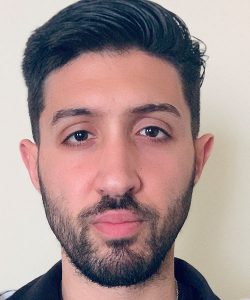
Nicolas Souli serves as a Research Associate at the KIOS Research and Innovation Center of Excellence, University of Cyprus, following the completion of his doctoral studies in 2024. His academic credentials include: B.Sc. in Electrical Engineering from Cyprus University of Technology (2016) M.Sc. in Biomedical Engineering from Imperial College London (2017) Ph.D. in Electrical and Computer Engineering from University of Cyprus (2024) His research focuses on autonomous agents and software-defined radio within telecommunication networks, with significant contributions to signal processing methodologies. These areas address critical challenges in adaptive network management and intelligent spectrum utilization. As a core member of the KIOS Research and Innovation Center of Excellence, he participates in advanced research initiatives for critical infrastructure systems through interdisciplinary collaboration.
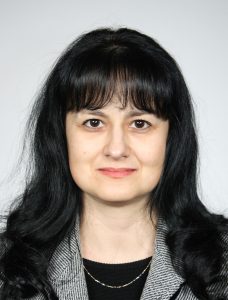
Daniel J Adams is an Associate Professor of Pediatrics at the Uniformed Services University of the Health Sciences (USUHS) School of Medicine, serving as a regional faculty member at Naval Medical Center Portsmouth (NMCP) since 2023. He is the USU Medical Student Clerkship Site Director and core residency teaching faculty at NMCP, where he previously worked from 2015 to 2020 as a pediatric hospitalist, infectious disease specialist, and educator. His academic journey includes a Pediatric Infectious Diseases Fellowship (2012-2015), Pediatrics Residency (2009-2012), and MD from USUHS (2005-2009), preceded by a B.S. in Molecular Biology from Grove City College (2001-2005). MD: Uniformed Services University of the Health Sciences (2005-2009) Pediatrics Residency: National Capitol Consortium (2009-2012) Pediatric Infectious Diseases Fellowship: National Capitol Consortium (2012-2015) Dr. Adams' research focuses on the microbiology and epidemiology of pediatric infections, particularly antimicrobial-resistant pathogens like Clostridioides difficile (CDI), Vancomycin-Resistant Enterococcus (VRE), Carbapenem-Resistant Enterobacteriaceae (CRE), and Extended-Spectrum Beta-Lactamase (ESBL) organisms. His work includes clinical investigations into orbital cellulitis, ventriculoperitoneal shunt infections, endocarditis, and tropical medicine applications in military and global health contexts. His recent publications (2016-2025) reveal a consistent focus on infectious disease epidemiology, antimicrobial resistance in pediatric populations, and clinical outcomes in military healthcare systems. Key trends include analyses of healthcare-associated infections, risk factors for community-acquired infections, and innovative antimicrobial therapies for rare pathogens. USU Dean’s Faculty Teaching Award (Junior National Faculty) - 2019 Dr. Adams is deeply committed to medical education, serving as USU Pediatric Clerkship Site Director (2018-2020, 2023-present) and core teaching faculty for the combined Air Force/Navy pediatrics residency program. He mentors residents and junior faculty while managing active clinical research projects, including the Microbiology and Epidemiology of Pediatric Infections in the US Military Health Care System (2021-present) and military humanitarian assistance training initiatives. His work has been supported by institutional grants within the US military health system.
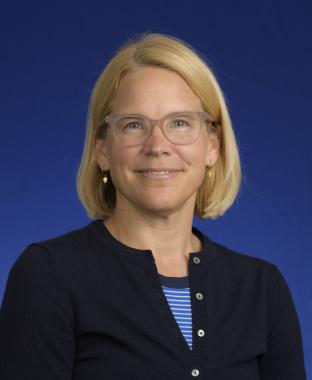
Apryl Susi is a Clinical Professor in the Department of Pediatrics at the Uniformed Services University of the Health Sciences (USU), located in Bethesda, MD. As a Clinical Epidemiologist III, she plays a vital role in military pediatric research and healthcare services within the USU School of Medicine, contributing to the university's mission of advancing military medicine through research and education. Dr. Susi's educational background includes a Doctor of Philosophy in Epidemiology from The George Washington University (2017-present), a Master of Science in Epidemiology from The George Washington University (2012-2014), and a Bachelor of Science in Medical Technology from the University of Connecticut (2006-2010). This strong foundation in both clinical laboratory science and advanced epidemiological methods has positioned her well for her current research-focused role. Her primary research interests center on Epidemiologic Methods as applied to pediatric populations within military contexts. Dr. Susi's scholarly work spans military pediatrics, mental health trends among military-connected children, health outcomes of military families, transgender youth healthcare, pediatric infectious diseases, and chronic condition management. Her research consistently employs rigorous epidemiological approaches to address critical healthcare questions affecting military children and families, with a particular emphasis on evidence-based solutions for the Military Health System. Analysis of Dr. Susi's publication record reveals a strong trajectory of impactful research in military pediatrics, with increasing focus on contemporary challenges. Her work spans epidemiological studies on mental health trends, the impact of parental military injuries on children, pediatric dyslipidemia, congenital conditions, and infectious disease patterns including RSV during the COVID-19 pandemic. A notable trend is her consistent examination of how military service and associated factors affect child health outcomes, demonstrating a sustained commitment to improving healthcare for military-connected children through methodologically sound research. Dr. Susi has published in high-impact journals including Pediatrics, Journal of Pediatrics, Psychiatric Services, Military Medicine, and Journal of Sex Medicine, reflecting the interdisciplinary nature and significance of her contributions to military pediatric health. As a Clinical Epidemiologist at USU, Dr. Susi likely mentors medical students, residents, and fellows in epidemiological methods and military pediatrics research. Her collaborative publication pattern suggests she works within multidisciplinary research teams that bridge pediatrics, epidemiology, and military medicine, contributing to the training of future military healthcare providers and researchers. While specific laboratory information isn't detailed in available sources, Dr. Susi appears to be an integral part of USU's military-focused pediatric research initiatives through the Department of Pediatrics in the School of Medicine, contributing to the university's mission of advancing military medical knowledge and practice.
Michela Meo is a researcher at Politecnico di Torino, Italy, focusing on energy-efficient and sustainable communication networks. Her work integrates renewable energy systems with wireless infrastructure, emphasizing green networking solutions. Key research areas: green communications, wireless network optimization, renewable energy integration, machine learning for real-time traffic, sustainable infrastructure. Her recent publications highlight advancements in energy-saving techniques for 5G/6G networks, including sleep mode strategies, dynamic frequency management, and network sharing for carbon footprint reduction. Collaborations span institutions like IEEE and ACM. Notable contributions: modeling energy consumption in RANs, renewable-powered base stations, ML-driven throughput prediction, and collaborations on 6G enablers like High Altitude Platform Stations (HAPS).
Dr. Marcela-Corina Roșu is a Senior Research Scientist at the National Institute for Research and Development of Isotopic and Molecular Technologies in Cluj-Napoca, Romania. She holds a PhD in Chemistry (2012) and MSc in Environmental Quality Analysis (2008) from Babes-Bolyai University, with a background in materials science and chemistry. Research Focus: Development of graphene-based nanocomposites for environmental remediation and biomedical applications Key Areas: Photocatalytic water treatment, dental biomaterials, heavy metal detection, and oxidative stress biomarker analysis Her work bridges materials science with practical solutions for: Environmental pollutant degradation using solar-driven catalysts Antimicrobial nanocoatings in textile/leather industry Advanced dental restorative materials with graphene reinforcement Current projects include: EEA Grants: TiO2/graphene hybrids for emerging contaminants PN-III-P1: Eco-nanotechnology for multifunctional textiles ATTRACT: Quantum dot/graphene sensor development
Dr. Geneviève Paquette is a Professor at the Department of Psychoéducation, Université de Sherbrooke (2020-present), previously serving as Associate Professor (2015-2020). Her work focuses on child and adolescent mental health, sexual abuse trauma, gender-based violence, vulnerable populations, and feminist research methodologies. Université de Sherbrooke (2009-PhD Education, 2004-MA Education, 1996-BA Psychoéducation) Member, Conseil du statut de la femme (2025, 2029) Recipient of the Quebec Psychoeducators' Association Prize (2018) Her research examines sexual violence impacts on vulnerable youth, trauma-informed interventions, and systemic factors in abuse prevention. Recent work explores intersectionality in campus sexual violence, slut-shaming dynamics, and neurodivergent child maltreatment. Grants from CIHR, FRQSC, and government bodies fund her studies on trauma recovery, gender stereotypes, and institutional preparedness. Key scientific awards : 2025 Faculty Excellence in Graduate Supervision 2017 Estrie Community Merit for Research Dissemination She leads the GRISE research group and collaborates with CRIPCAS, focusing on trauma-sensitive university policies, longitudinal child protection studies, and 2SLGBTQ+ violence prevention. Grants exceed $5M, including a 2022-2028 CIHR platform grant ($2.55M) and 2023-2025 FRQSC mental health observatory ($2.8M).
Changrui Xiao, MD, serves as an Assistant Professor in the Department of Neurology at the University of California, Irvine (UCI) School of Medicine, where he specializes in genomic approaches to diagnosing rare neurological disorders through clinical and research initiatives. His research spans genomics, neurology, and rare diseases with emphasis on neurodevelopmental disorders and clinical genomic testing. Key interests include novel gene discovery, variant interpretation frameworks, and leveraging advanced sequencing technologies to improve diagnostic yield for Mendelian conditions. His work addresses critical gaps in reporting variants in candidate genes and translating genomic findings into clinical practice. Recent publications (2024-2025) demonstrate consistent focus on genomic diagnostics for undiagnosed rare diseases, featuring telehealth evaluation methods, repeat expansion disorder discovery, and non-coding variant analysis. His research frequently involves large-scale consortia data and emphasizes practical implementation of genomic technologies in clinical settings. Dr. Xiao contributes to major NIH-funded initiatives including the Genomics Research to Elucidate the Genetics of Rare Diseases (GREGoR) Consortium and the Undiagnosed Diseases Network. His work is supported by multiple NHGRI grants (U01 HG011745, U24 HG011746, U01 HG011762) focusing on genomic infrastructure development and diagnostic pathway optimization. He actively participates in collaborative efforts integrating clinical expertise with genomic research through platforms like Matchmaker Exchange and ClinVar, emphasizing systematic data sharing to accelerate gene validation and improve diagnostic outcomes for rare disease patients.
Agata Bąba-Kubiś serves as an Assistant Professor in the Department of Psychiatry at the Faculty of Health Sciences, Pomeranian Medical University in Szczecin. Her clinical and research activities focus on severe mental illnesses with specialization in schizophrenia spectrum disorders across adult and young adult populations. Her research expertise spans psychiatric biomarkers , cohort study design , and demographic-clinical correlations in schizophrenia. Key investigation areas include paranoid subtypes, gastrointestinal comorbidities, and sex-specific manifestations (noting significant focus on male versus female patient cohorts). Her work integrates medical sciences (75% emphasis) with health sciences (25% emphasis) through multi-center collaborative frameworks. With 10 peer-reviewed publications contributing to a total impact factor of 18.607 and ministry research score of 645, her scholarly output demonstrates rigorous methodology in human subject research. Current investigations examine longitudinal biomarker trajectories in inpatient psychiatric settings, particularly exploring early-adulthood onset patterns. Dr. Bąba-Kubiś maintains active international research networks through multi-center publications and utilizes advanced cohort analysis techniques. Her clinical work at university-affiliated hospitals directly informs translational research objectives, with emphasis on improving diagnostic precision for treatment-resistant schizophrenia subtypes.
Dr. Zindan Çakıcı serves as an Assistant Professor in the Advertising Department at Üsküdar University's Faculty of Communication since 2024. Previously, she worked as a Research Assistant at the same institution starting in 2020. Her academic journey began with a Bachelor's degree in Public Relations and Publicity from Kadir Has University (2018), followed by a Master's in Strategic Communication Management from Galatasaray University (2020), and culminated with a Ph.D. in Media and Communication Studies from Galatasaray University (2024) with her doctoral thesis titled "Visual Representation of Irregular Migration in the Turkish Press: Afghan Migration After Taliban Rule". Dr. Çakıcı's educational background demonstrates a clear progression in communication studies, with her doctoral research focusing on migration representation in media. She has taught courses including Political Communication, Introduction to Communication, and Method in Communication Research at both undergraduate and graduate levels. Her research interests span Political Communication, Migration Representation, New Media, Social Media Analysis, Artificial Intelligence in Communication, and Environmental Communication. Dr. Çakıcı's scholarly work reveals a strong focus on digital platforms, particularly TikTok, examining how international organizations, political entities, and non-profits utilize these platforms for communication. Her recent publications (2024-2025) show a consistent pattern of analyzing social media representations of critical issues including migration, climate change, political communication, and AI perception across different cultural contexts. Universities Quality of Life Competition, Fourth Place Award in Women's Quality of Life Category (2017) Imagine and Implement/Environment Category First Place Award (2018) 17th Golden Compass Young Communicators Award (2018) TRT Future Communicators Competition, Third Place Award in Internet Broadcasting Category (2018) Imagine and Implement/Health and Sports Category First Place Award (2019) Imagine and Implement/Grand Award (2019) Imagine and Implement/Environment Category Third Place Award (2019) Imagine and Implement/Environment Category Second Place Award (2019) 18th Golden Compass Young Communicators Award (2019) Dr. Çakıcı serves as academic advisor for 100-150 students and participates in multiple administrative committees including the International Students Academic Committee, Exemption Committee, Event Committee, and Translation and Editing Committee. She has also served as co-editor for academic journals published by national publishers since 2020. Her extensive publication record includes numerous journal articles, book chapters, and conference presentations, demonstrating strong research productivity since completing her doctorate.
Michelle LaClair is a Senior Lecturer in the Department of Public Health Sciences, Division of Health Services and Behavioral Research. Her work focuses on critical issues in public health, including racial disparities in autism care, hospital performance metrics, and patient safety evaluation. Key research areas: Health Disparities, Patient Safety, Health Policy Recipient of Dean's Award for Excellence in Teaching (2020) Her publications analyze Medicaid waiver impacts on minority autism populations, critique hospital rating systems, and investigate healthcare utilization patterns. Recent studies examine safety grade misrepresentation and persistent high healthcare usage among insured populations. Scientific awards include: Dean's Award for Excellence in Teaching (2020)
Dr. Özlem ŞİMŞEK is a Researcher in the Department of Forensic Sciences at Uskudar University. Her academic career spans forensic chemistry, analytical chemistry, and spectroscopy techniques, with a particular emphasis on ink analysis and electromagnetic effects in forensic applications. BSc in Chemistry, Istanbul University (2012) MSc in Forensic Sciences, Istanbul University (2017) PhD in Forensic Sciences, Uskudar University (2025) Research interests include: Forensic discrimination of writing inks via dielectric constants and RGB profiling Electromagnetic bioeffects analysis Activated carbon production from agricultural waste Thermal and electrical characterization of ionic solutions Forensic document examination methodologies Integration of chromatography with digital analysis Recent publications demonstrate strong focus on: Forensic ink analysis (4 papers) Electromagnetic safety assessment (3 papers) Green material development (1 paper) Document authenticity verification (2 papers) Chemical characterization techniques (5 papers) Scientific recognition: Poster award at 13th International Forensic Sciences Congress (2016) Member of Royal Society of Chemistry (2025) European Science Education Research Association member (2024) Administrative roles: Head of Institutional Quality Commission (2025-) Bologna Process Committee member (2023-) Exam Scheduling Commission Head (2021-)
Aysenil Belger, PhD is an Adjunct Assistant Professor in the Department of Radiology at the University of North Carolina at Chapel Hill and a Faculty Network Member of the Duke Institute for Brain Sciences as well as a Member of the Center for Brain Imaging and Analysis. Her translational research integrates neuroimaging, electrophysiology, and experimental psychology to elucidate the cortical circuits underlying attention, executive function, and emotion processing and their disruption across neuropsychiatric disorders. Education Ph.D., University of Illinois, Urbana-Champaign (1993) Research Interests Dr. Belger’s laboratory employs functional magnetic resonance imaging (fMRI), electroencephalography (EEG), and functional near-infrared spectroscopy (fNIRS) to investigate: Neurobiological substrates of autism spectrum disorder across development Neural signatures predicting conversion from clinical high risk to psychosis Impact of early childhood adversity on adult brain structure, function, and substance abuse trajectories Stress regulation and neural circuitry maturation during adolescence Her interdisciplinary approach combines experimental psychology paradigms with advanced neuroimaging and electrophysiological techniques to map sensory and cognitive deficits onto underlying neural circuit abnormalities. Publication Trends Across 2019-2020, Dr. Belger and collaborators produced a prolific body of work (>15 peer-reviewed articles) concentrating on three major themes: (1) reliability and predictive utility of EEG biomarkers (mismatch negativity, P300, gamma oscillations) for psychosis onset; (2) multimodal neuroimaging investigations of temporal lobe asymmetry, dynamic functional connectivity, and cortical genetics in schizophrenia; and (3) neuroendocrine and stress-response studies relating acute psychosocial stress to cognitive disorganization and psychosis risk in youth. Scientific Awards No specific awards listed in the provided text. Funding & Mentorship Dr. Belger currently holds or has held major federal grants including: A High-Performance 3T MRI for Brain Imaging (2021-2022) fMRI Assessment of Attention and Memory in PTSD (2006-2012) She actively mentors a diverse cohort of trainees ranging from undergraduate and graduate students to postdoctoral fellows and junior faculty, and teaches the graduate course Cognitive Clinical Neuroscience at UNC. Laboratory & Team Dr. Belger leads an interdisciplinary laboratory embedded within the UNC-Chapel Hill radiology department and maintains collaborative ties with the Duke Institute for Brain Sciences and the Center for Brain Imaging and Analysis. Her team participates in multi-institutional consortiums such as the North American Prodrome Longitudinal Study (NAPLS) to leverage large-scale datasets in order to accelerate discovery and translation.
Stephanie Bielas serves as Associate Professor of Human Genetics and Pediatrics and Associate Chair for Research in the Department of Human Genetics at the University of Michigan Medical School. Her research program investigates neurogenetic mechanisms of neurodevelopmental disorders through chromatin biology and cell fate determination, utilizing mouse models and human brain organoids to study primary microcephaly and autism spectrum disorder. Key methodologies include functional analysis of high-confidence risk alleles and mammalian models of cortical neuron development. Scientific awards: None mentioned in source text. Dr. Bielas actively mentors graduate students and accepts new advisees for her neurogenetics research program, though specific grant funding details and current student names were not provided in the available information. The Bielas lab operates as a specialized research unit focused on modeling brain development disorders through innovative organoid technology and genetic analysis.
Gazi Ferdousi Azad, Ph.D. is a clinical psychologist serving simultaneously as Assistant Clinical Professor of Medical Psychology (in Psychiatry) at Columbia University College of Physicians and Surgeons and as Assistant Attending Psychologist at NewYork-Presbyterian Hospital . Since 2020 he has also held the appointment of Adjunct Clinical Assistant Professor of Psychology in Psychiatry at Weill Cornell Medical College , reflecting an active cross-institutional affiliation. Education Ph.D., University of California, Riverside – 2013 B.A., University of California, Los Angeles – 2006 Research Focus Dr. Azad’s scholarship is anchored in autism spectrum disorder , with particular attention to implementation science , family–school collaboration , and health-services disparities . His work interrogates how evidence-based practices can be effectively adapted and sustained within community settings, how systemic and sociocultural factors shape service access, and how parent–teacher partnerships can be optimized to improve developmental outcomes for children with ASD. Publication Trends Across more than two-dozen peer-reviewed articles since 2013, Dr. Azad has consistently examined autism services delivery , implementation barriers , and equity in diagnosis and intervention . Recent papers explore reciprocal imitation training, Medicaid waiver obstacles, COVID-19 impacts on school-based evaluations, and racial disparities in parental experiences during diagnosis. Collectively, these works blend quantitative, qualitative, and mixed-methods approaches to illuminate mechanisms that foster or hinder effective care. Grants & Support Although specific grant numbers are not listed, the volume and federal-journal caliber of his publications (e.g., Autism , Journal of Autism and Developmental Disorders ) indicate sustained extramural funding, likely from NIH and foundation sources focused on autism intervention and services research. Clinical & Academic Teams Dr. Azad operates within inter-professional teams at both NewYork-Presbyterian Hospital and Weill Cornell , conducting diagnostic evaluations, developing school consultation protocols, and mentoring junior clinicians and researchers in implementation science and ASD intervention.
Dr. Xiaohui Qu is a Researcher at Brookhaven National Laboratory's Center for Functional Nanomaterials (CFN). He specializes in integrating deep learning and data analytics with computational chemistry, focusing on energy storage systems, X-ray absorption spectroscopy, and nanomaterials. Education : B.S. in Environmental Engineering (Shandong University, 2004), Ph.D. in Environmental Science (Shandong University, 2009), Postdoc in Physics (Nanyang Technological University, 2011), Postdoc in Chemistry (Universidade Nova de Lisboa, 2013), Postdoc in Materials (Lawrence Berkeley National Lab, 2015). His research develops intelligent data pipelines for large-scale nanoscience challenges, leveraging deep learning, density functional theory, and in-situ experimental facilities. He explores structure-spectrum relationships, phase evolution in thin films, and kinetic modeling for materials synthesis. Recent publications emphasize machine learning applications in materials discovery, energy storage, and spectroscopy. Themes include predictive synthesis, quantum computing materials, and high-throughput characterization methodologies. Dr. Qu leads computational efforts at CFN's Theory/Computation Group, utilizing AI to address frontier problems in nanotechnology and advancing collaborations with state-of-the-art experimental facilities.