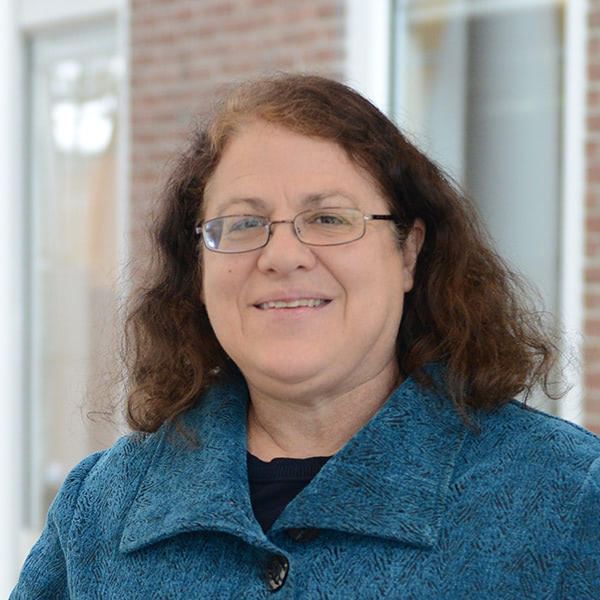
Matthew Louis Mauriello is an Assistant Professor in the Department of Computer and Information Sciences at the University of Delaware , where he directs the Sensify Lab . He holds a PhD in Computer Science from the University of Maryland (2018) and completed postdoctoral work at Stanford University (School of Medicine, 2020; School of Public Policy & Environmental Engineering Department, 2019). Research interests span Human-Computer Interaction (HCI), Ubiquitous Computing, and User-Centered Design with applications in: Sustainability Human-Building Interaction Wearable Technology Personal Informatics Educational Game Design Mental Health Interventions Recent publications highlight trends in stress monitoring (skin-like biosensors, workplace wellbeing), energy auditing (thermography systems), and educational technology (block-based programming tools for teachers). His work appears in ACM CHI, ACM Human-Computer Interaction, and Building and Environment. Scientific awards include: Best Paper Honorable Mention, CHI 2016 Best Paper Honorable Mention, CHI 2015 Best of WebSci'18 Teaching at University of Delaware encompasses courses like Educational Game Design Operating Systems Advanced Web Technologies Computing for Social Good with a focus on project-based learning and systems thinking.
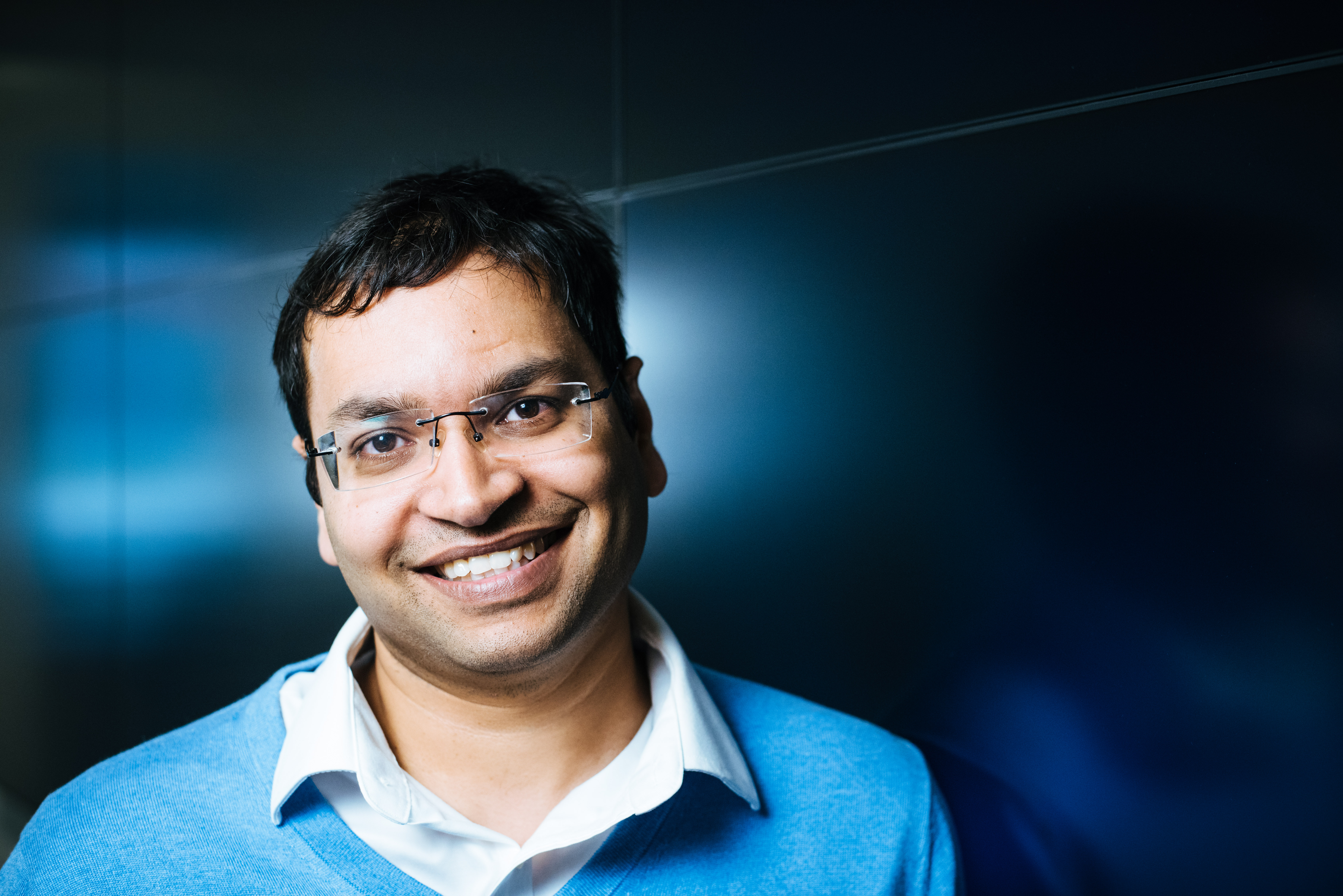
Rui Zhang is an Associate Professor in the Department of Computer and Information Sciences at the University of Delaware. He holds a PhD in Electrical Engineering from Arizona State University (2013) and has held academic positions at the University of Hawaii and industry roles at UTStarcom. His research focuses on cybersecurity, wireless networks, and privacy-preserving technologies, with notable work on secure edge computing and mobile authentication systems. Education: PhD, Electrical Engineering, Arizona State University, 2013 M.E., Communication and Information Systems, Huazhong University of Science & Technology, 2005 B.E., Communication Engineering, Huazhong University of Science & Technology, 2001 Research Interests: Rui’s work spans secure wireless systems, mobile crowdsourcing, accessibility technologies for visually impaired users, edge computing, and social network privacy. He has led NSF-funded projects on trustworthy hierarchical edge computing and secure mobile cloud sensing. Grants & Awards: Recipient of the NSF CAREER Award (2017) and multiple NSF grants totaling over $1M. Current focus includes NSF-funded research on edge computing security and privacy-preserving data aggregation. Teaching: Has taught courses in algorithms, network security, and computer networks at both University of Delaware and University of Hawaii. Labs & Teams: Leads research projects in secure edge computing and collaborates with Arizona State University on federally funded initiatives. Active in organizing academic conferences like ISC 2016 and serving on editorial boards of IEEE journals.
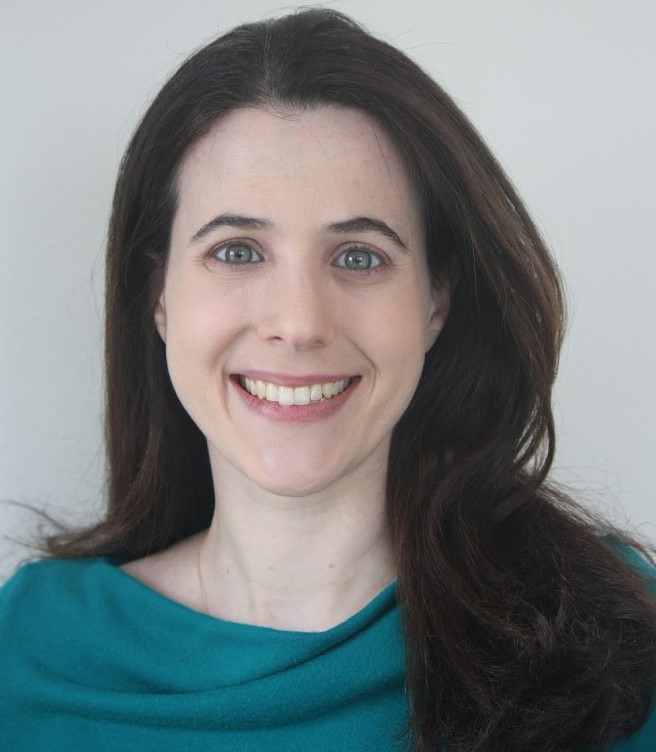
Daniel W. Bliss is a Professor in the School of Electrical, Computer and Energy Engineering at Arizona State University and Director of ASU's Center for Wireless Information Systems and Computational Architectures (WISCA). With over $50 million in research funding as principal investigator from organizations including DARPA, ONR, Google, and Airbus, his work bridges theoretical foundations with practical implementations across multiple domains of wireless systems. Dr. Bliss received his educational foundation with a B.S.E.E. from Arizona State University (1989), followed by M.S. and Ph.D. degrees in Physics from the University of California-San Diego (1995, 1997). His academic journey includes significant industry experience at General Dynamics (1989-1993) and MIT Lincoln Laboratory (1997-2012) before joining ASU. His research program focuses on advanced wireless systems spanning radar, communications, precision positioning, computational architectures, and medical monitoring applications. Bliss employs information theory, estimation theory, and signal processing to develop novel system concepts with disruptive capabilities. Current research emphasizes RF convergence, integrated sensing and communications, and anticipatory medical analytics using wireless technologies, with particular focus on extracting physiological data from radar signals. Analysis of recent publications reveals a strong trend toward integrated sensing and communications systems, particularly utilizing mmWave and radar technologies for medical monitoring applications. His work increasingly bridges traditional communications and radar domains while expanding into physiological monitoring, demonstrating a clear trajectory toward convergence of wireless technologies for healthcare applications and remote vital sign detection. Dr. Bliss has received significant recognition for his contributions: Fellow of the IEEE (2015) 2021 IEEE Warren D. White Award for Excellence in Radar Engineering 2016-2017 Top 5% Teaching Award at ASU 2017 ASU Fulton Engineering Exemplar Faculty As a dedicated mentor, Dr. Bliss has supervised numerous graduate students through successful dissertation and thesis defenses across both PhD and Master's programs. His research portfolio includes substantial funding from diverse sources with over $50 million secured as principal investigator. Current projects include the $17M DARPA DASH project focused on advanced software-reconfigurable heterogeneous SoCs for next-generation RF systems, and multiple initiatives in contactless vital sign monitoring using radar technologies. Dr. Bliss leads the BLISS Lab and serves as director of WISCA, fostering interdisciplinary research in wireless systems. His team includes researchers working on distributed coherent systems, MIMO radar, RF convergence, and medical monitoring applications, with recent successes including the Making Waves team that tied for first place in the Air Force Spark Tank challenge. He has founded two startup companies: DASH Tech Integrated Circuits Company and the Big Little Sensor Company, focusing on high-performance embedded processing and small-scale radar physiological monitoring, respectively.
Laura Ray is the Myron Tribus Professor of Engineering Innovation and Senior Associate Dean for Faculty Development at the Thayer School of Engineering, Dartmouth College. Her research focuses on autonomous robotics, system dynamics, and machine intelligence with applications in polar exploration and agriculture. She leads NSF- and NASA-funded projects, including the development of robots like Yeti and Cool Robot for remote terrain analysis. Education: BSE in Mechanical and Aerospace Engineering from Princeton University (1984), MSE in Mechanical Engineering from Stanford University (1985), and PhD in Mechanical and Aerospace Engineering from Princeton University (1991). Research Interests: Her work spans robotics navigation, cooperative multi-robot systems, and acoustic signal processing. Recent projects include tactile sensing for agricultural robotics and terrain identification algorithms for autonomous vehicles. Awards: Honored with the 2022 Outstanding Service Award, National Academy of Inventors Senior Membership (2020), and multiple fellowships in engineering. Notable contributions include patents for noise-canceling devices and adaptive filtering technologies. Leadership: Served as Interim Dean of Thayer School (2018–2021) and co-leads initiatives like the NSF-funded PhD Innovation Program. Teaches courses in control theory (ENGS 26) and systems engineering (ENGS 22). Key Achievements: Developed robots that reduce risks in polar regions, supported NASA missions, and pioneered precision agriculture technologies. Her lab's innovations have been highlighted in Science, National Geographic, and IEEE Spectrum.
Vincent Quagliarello, MD, is Professor of Medicine in the Department of Infectious Diseases at Yale School of Medicine, where he also serves as Clinical Chief of Infectious Diseases and Vice Chair for Education and Academic Affairs in the Department of Internal Medicine. His research focuses on infections among older adults, with particular expertise in endocarditis, meningitis, and antimicrobial stewardship in geriatric populations. Dr. Quagliarello has been an NIH R01-funded principal investigator studying infections in older adults and received an NIH K07 Academic Leadership Award to mentor postdoctoral trainees and junior faculty. His publication record demonstrates consistent focus on antimicrobial use in elderly patients, particularly those with advanced cancer, nursing home residents, and end-of-life care scenarios. His research has significantly contributed to understanding appropriate antimicrobial therapy in geriatric populations and the management of infections in complex elderly patients. Scientific Awards: Clinical Teacher Award (2011) from Infectious Diseases Society of America Leah Lowenstein Award (2007) from Yale School of Medicine Department of Internal Medicine Teacher of the Year (1998, 1990) Laureate Award (1997) from American College of Physicians (CT Chapter) Bohmfalk Teaching Prize (1997) from Yale School of Medicine Dr. Quagliarello has served as an educational leader at Yale, directing the Internal Medicine Clerkship, the Yale Infectious Diseases Fellowship program, and creating the Department of Medicine Research in Residency Program. His clinical work spans the spectrum of infectious diseases with a special focus on public health impact.
Allison Ross Eckard, MD is Professor in the Departments of Pediatrics and Medicine at the Medical University of South Carolina (MUSC) College of Medicine, serving as Division Chief for Pediatric Infectious Diseases and Director of MUSC's Ryan White Pediatric HIV Clinic and HIV Transition Clinic. She maintains an adjunct faculty position at Emory University and holds board certification in Pediatrics and Pediatric Infectious Diseases. Her primary research focuses on metabolic, cardiovascular, and nutritional complications of chronic HIV and antiretroviral therapy across age groups, with emphasis on inflammation's role in comorbidities like cardiovascular disease and bone disorders. Current investigations include NIH R01-funded research on interventions for weight gain and abdominal fat in HIV, vitamin D supplementation, and statin therapy. She has published nearly 60 peer-reviewed papers on HIV pathogenesis and treatment optimization. Dr. Eckard co-chairs the DHHS panel for Guidelines for the Prevention and Treatment of Opportunistic Infections in HIV-Exposed and HIV-Infected Children and serves on the DHHS panel for Guidelines for the Use of Antiretroviral Agents in Adults and Adolescents with HIV . Her clinical work specializes in comprehensive HIV care for children through young adults, with particular focus on adolescent/young adult transition issues and global health initiatives through Lespwa Timoun in Haiti. Recent efforts include developing COVID-19 treatment guidelines for children and school safety protocols. HIV Specialist certification (American Academy of HIV Medicine) Fellow, Infectious Diseases Society of America Fellow, Pediatric Infectious Diseases Society Fellow, HIV Medical Association Member, HIV Medical Association's 'Ending the HIV Epidemic' working group She leads MUSC's HIV education initiatives and serves as inpatient consultant for pediatric infectious diseases, with advanced training in tropical medicine. Her NIH-funded research examines targeted interventions to minimize comorbidity development in HIV, while her clinical leadership spans the Ryan White HIV program, transition clinics, and global health partnerships.
University of Illinois Urbana-ChampaignUnited States
Rakesh Kumar is a Professor and John Bardeen Faculty Scholar in the Electrical and Computer Engineering Department at the University of Illinois at Urbana-Champaign. His work focuses on computer architecture, system-level design automation, and low-power computing. PhD in Computer Engineering from University of California, San Diego BS in Electrical Engineering from IIT Kharagpur His research spans all layers of the computing stack, with key contributions to flexible computer systems , waferscale computing , error-resilient architectures , and approximate computing . He has pioneered work on voltage-reliability tradeoffs and peak power management techniques. Recent publications highlight trends in space microdatacenters , printed microprocessors , and neural graph accelerators . His work on plastic chips was recognized as one of the three biggest semiconductor headlines of 2022 by IEEE Spectrum. IEEE Fellow (2024) ISCA Influential Paper Award MICRO Test-of-Time Award ICCAD Ten Year Retrospective Most Influential Paper Award Best Paper Awards at CASES, SELSE, HPCA He has received teaching accolades including the Stanley H. Pierce Faculty Award and Ronald W. Pratt Outstanding Teaching Award . His research group explores hardware-software co-design for emerging applications in AI, IoT, and sustainable computing.
Adriana Schulz is an Assistant Professor in the Department of Computer Science & Engineering at the University of Washington's College of Engineering. She leads a research group focused on computational design, computer-aided design (CAD), and digital fabrication. Her work bridges computer science with practical applications in manufacturing, robotics, and sustainable design. Dr. Schulz received her Ph.D. in Computer Science from MIT in 2018 under the supervision of Professor Wojciech Matusik. Prior to her doctoral studies, she earned a Master's degree in Mathematics from IMPA (Instituto Nacional de Matemática Pura e Aplicada) in Rio de Janeiro, where she worked with Professor Luiz Velho, and a Bachelor's degree in Electronics Engineering from UFRJ (Federal University of Rio de Janeiro). Her research interests center around computational tools that enhance design and manufacturing processes. She develops novel algorithms for CAD systems, computational fabrication techniques, and sustainable design approaches. Her work spans multiple domains including robotics, textiles, electronics, and architecture, with a strong emphasis on creating practical tools that designers and engineers can use in real-world applications. She explores how machine learning, particularly neurosymbolic approaches, can improve design workflows and enable new capabilities in computational design systems. Analysis of her recent publications reveals a strong trend toward more intelligent and user-centered design tools. Her research increasingly integrates machine learning with traditional CAD systems to create more intuitive interfaces, supports sustainable design practices with computational tools, and develops novel fabrication techniques that push the boundaries of what's possible with digital manufacturing. She has made significant contributions to zero-waste fashion design, immersion cooling for high-performance computing, and CAD program understanding through novel representation learning techniques. Innovators Under 35 - MIT Technology Review Bolsa Aluno Nota 10 from FAPERJ Engineer 20000 award Dr. Schulz actively mentors several PhD students and postdoctoral researchers, including Haisen Zhao, Ben Jones, Yuxuan Mei, and others, often in collaboration with colleagues across different departments. Her research has attracted significant media attention, with coverage in major outlets including MIT News, BBC, IEEE Spectrum, Wired, and TechCrunch. Her work on Interactive Robogami was noted as the most read article in the International Journal of Robotics Research in its publication year. She leads a vibrant research group at the University of Washington that focuses on computational design systems, with particular emphasis on creating tools that bridge the gap between digital design and physical fabrication. Her team develops novel algorithms for CAD systems, computational fabrication techniques, and sustainable design approaches that have practical applications across multiple industries.
California Institute of Technology (Caltech)United States
John P. O'Doherty serves as the Fletcher Jones Professor of Decision Neuroscience within Caltech's Division of Humanities and Social Sciences, holding continuous faculty appointments since 2004 (Assistant Professor 2004-07, Associate Professor 2007-09, Professor 2009-present, Fletcher Jones Professor 2021-present). He previously directed the Caltech Brain Imaging Center (2013-17) and maintains affiliations with the T&C Chen Center for Social and Decision Neuroscience. His educational background includes a B.A. from University of Dublin, Trinity College (1996) and D.Phil. from University of Oxford (2000). His research focuses on computational and neural mechanisms of reward-based learning and decision-making , employing fMRI, intracranial recordings, and mathematical modeling to investigate how the brain solves complex decision problems through evolutionarily conserved algorithms. Key areas include Reinforcement learning systems (model-based/model-free arbitration) Observational and social learning mechanisms Neural representation of value, risk, and uncertainty Computational phenotyping of mental disorders Temporal dynamics of goal persistence Analysis of his 2023-2025 publications reveals dominant trends in computational psychiatry (problem gambling, autism traits), hierarchical decision-making, and neuroeconomic modeling of social behavior. His work consistently integrates cross-species computational frameworks with human neuroimaging to identify transdiagnostic mechanisms. While specific awards beyond his endowed professorship aren't detailed, his leadership as Brain Imaging Center Director and prolific high-impact publications demonstrate significant recognition. Current advising includes graduate researcher Sneha Aenugu on goal-persistence projects, with administrative support from Mary A. Martin (mmartin@caltech.edu). His active research program continues to pioneer computational approaches to understanding decision pathologies.
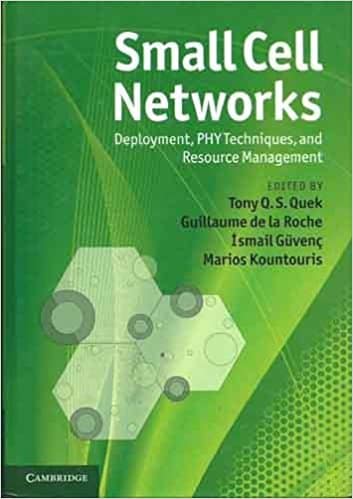
Dr. Ismail Guvenc is a Full Professor in the Department of Electrical and Computer Engineering at North Carolina State University. He holds an IEEE Fellowship and is a Senior Member of the U.S. National Academy of Inventors. His research focuses on 5G/6G wireless systems, UAV communications, heterogeneous networks, and spectrum management. He leads the NSF AERPAW project and serves as the NC State Site Director for the NSF BWAC I/UCRC center. Dr. Guvenc has authored/co-edited four books and holds over 30 U.S. patents. Education: Ph.D. in Electrical Engineering, University of South Florida (2006) Master's in Electrical and Computer Engineering, University of New Mexico (2003) Bachelor's in Electrical Engineering, Bilkent University, Turkey (2001) Research Interests: Dr. Guvenc’s work spans UAV communication systems, 5G/6G networks, spectrum sensing, and machine learning for network optimization. He emphasizes experimental validation through platforms like AERPAW, focusing on drone-based networks, radio dynamic zones, and testbed-driven innovation. His contributions address challenges in UAV localization, interference management, and energy-efficient networks. Grants & Leadership: PI and Director of NSF AERPAW (2019–Present) NC State Site Director for NSF BWAC I/UCRC (2019–Present) Recipient of NSF CAREER Award (2015) and NC State Faculty Scholar Award (2021) Publications & Awards: He has authored over 130 peer-reviewed papers and contributed to standardization efforts. His awards include the R. Ray Bennett Faculty Fellow Award (2019) and the USF Outstanding Dissertation Award (2006). Labs & Teams: Dr. Guvenc directs research in the ECE’s wireless communications group, leveraging AERPAW’s experimental capabilities to advance UAV networks and 6G technologies. His team collaborates with industry and government on spectrum policy and autonomous systems.
Ashli Owen-Smith is a behavioral scientist affiliated with the School of Public Health at Georgia State University , where her research focuses on mental health disparities, suicide prevention, and integrative/complementary approaches for complex mental-physical health conditions. She works with underserved populations including refugees/immigrants, incarcerated individuals, and LGBTQ+ communities through community-based participatory research and mixed-methods frameworks. Her current projects are funded by CDC , DBHDD , and DPH . Education: Ph.D. in Behavioral Sciences (Emory, 2009), S.M. in Public Health (Harvard, 2005), B.A. in Psychology (Smith College, 2001) Her research spans mental health , trauma , suicide prevention , and mindfulness-based interventions . Recent work examines telehealth adaptations for chronic pain and mental health, vaccine hesitancy in refugee communities, and social determinants of suicide . She leads studies on gender-affirming care and health disparities in LGBTQ+ populations. Key article trends include epidemiological analysis of suicide risk factors, COVID-19 impacts on mental health, ICD-10 coding for autism, and complementary medicine in trauma recovery. Subfields span telehealth , health equity , mental-physical comorbidity , and community engagement . Students she has mentored include C.A. Scarlett , T. Griner , and M.M. Sesay . Her work integrates public health policy , clinical research , and health systems analysis .
Wei Sun is an Associate Professor in the Department of Electrical and Computer Engineering at the University of Central Florida, where he also serves as the Director of the Siemens Digital Grid Lab. His research focuses on power system restoration, self-healing smart grids, cyber-physical security, and renewable energy integration. Dr. Sun received his Ph.D. from Iowa State University in 2011, and his M.S. and B.S. from Tianjin University in 2007 and 2004, respectively. Prior to joining UCF, he was an Assistant Professor at South Dakota State University (2013-2015), a power system engineer at Alstom Grid (2011-2012), a visiting scholar at the University of Hong Kong (2011), and an intern at California Independent System Operator (2010). His research interests include: Power System Restoration and Self-healing Smart Grid Resilient and Secure Critical Infrastructure Cyber-Physical Systems Renewable Energy and Microgrid Distributed Energy Resources Integration Dr. Sun's recent publications demonstrate strong focus on cyber-physical security in power systems, distributed energy resource integration, and resilient grid operations. His work shows increasing emphasis on AI and machine learning applications for grid security and resilience, particularly in the context of high renewable penetration. His notable scientific awards include: Microsoft Software Engineering Innovation Foundation Award (2014) Best Paper Award, 2019 IEEE PES ISGT Asia Mentor of the Year, UCF Graduate Student Association (2019) Dr. Sun has successfully secured multiple research grants totaling millions of dollars from agencies including the US Department of Energy, National Science Foundation, Florida Center for Cybersecurity, and Microsoft. He currently serves as PI or Co-PI on several major projects including "Secure and Resilient Operations Using Open-Source Distributed Systems Platform (OpenDSP)" funded by the Department of Energy. He leads the Siemens Digital Grid Laboratory at UCF, which is equipped with utility-grade software and hardware including Spectrum Power Microgrid Management System, Power System Simulator for Engineering, and Siemens Distribution Feeder Automation. The lab provides capabilities for both software modeling and hardware-in-the-loop testing of power systems.
Prof. Martin Haenggi is the Frank M. Freimann Professor of Electrical Engineering and Concurrent Professor in the Department of Applied and Computational Mathematics and Statistics at the University of Notre Dame. He holds a Dr.sc.techn. (Ph.D.) from ETH Zurich and has been at Notre Dame since 2000. His research focuses on stochastic geometry and wireless networks, including cellular, heterogeneous, vehicular, and millimeter-wave systems. He has held sabbaticals at UCSD (2007–2008), EPFL (2014–2015), and ETH Zurich (2021–2022). Education: Dipl.-Ing. (M.Sc.), ETH Zurich, 1995 Dr.sc.techn. (Ph.D.), ETH Zurich, 1999 Research interests emphasize stochastic geometry for analyzing network performance, including coverage, interference, and reliability in wireless systems. Key areas include meta distributions, spatial-temporal analysis, and network optimization. His work has been recognized with IEEE Fellow status, Clarivate Highly Cited Researcher distinction, and NSF CAREER Award (2005). Grants and Awards: NSF Award (Deep Stochastic Geometry: 2020–2023) NSF Award (Toward a Stochastic Geometry for Cellular Systems: 2015–2019) Rice Prize (2017), Best Survey Paper Award (2017), and Best Tutorial Paper Award (2010) from IEEE Communications Society Teaching includes advanced courses on stochastic geometry, wireless networks, and signal processing. His lab focuses on theoretical and applied aspects of network modeling, with collaborations in industry and academia.
Dr. Kyle Jamieson is a Professor of Computer Science at Princeton University, leading the Princeton Advanced Wireless Systems (PAWS) lab within the Department of Computer Science. He is also Affiliated Faculty in the Department of Electrical and Computer Engineering. His research focuses on wireless networking systems, 5G architecture, IoT networks, and quantum computing applications in wireless communication. He has pioneered work in reconfigurable intelligent surfaces, MIMO detection algorithms, and metamaterials for millimeter-wave networks. Dr. Jamieson has developed courses such as COS 597S: Recent Advances in Wireless Networks (graduate seminar), COS 463: Wireless Networks , and COS 418: Distributed Systems . His teaching emphasizes interdisciplinary approaches to networking challenges, including physical-layer design, computational structures for wireless processing, and cross-layer optimization. His lab’s research spans smart surfaces for 5G networks, quantum annealing for MIMO processing, and edge computing for live video analytics. Recent work includes deploying reconfigurable metamaterials for enhanced mmWave networks and developing tools like NR-Scope for 5G telemetry. While no awards are listed in the provided text, his contributions to wireless systems have advanced both academic and industrial applications in areas such as network resilience, IoT scalability, and quantum-enabled wireless processing. Dr. Jamieson’s advising focuses on graduate and undergraduate students working in wireless systems, though specific advisee names are not provided. His lab collaborates on projects like Wall-Street for roadside networking and Spider for multi-hop mmWave video analytics. External collaborations include work with Microsoft Research and guest lecturing roles at Berkeley. His research bridges theoretical foundations with practical implementations, often addressing real-world challenges in wireless infrastructure and next-generation communication systems.
Yuchen Liu is an Assistant Professor in the Department of Computer Science and Department of Electrical & Computer Engineering (by courtesy) at North Carolina State University. He earned his Ph.D. in Electrical and Computer Engineering from Georgia Institute of Technology. His research spans networking, machine learning, and cybersecurity, focusing on wireless systems, digital twins, and networked agentic systems. Research areas: Networking (3D UAV networks, mmWave/THz communication, cybersecurity), Machine Learning (generative AI, LLMs, reinforcement learning), Digital Twins (synchronization optimization, edge caching), Software Development (differentiable simulators, open-source testbeds) His recent publications emphasize neurosymbolic AI, diffusion models for wireless systems, and multi-agent approaches to spectrum sensing. Articles highlight applications in UAV networks, vehicular security, satellite localization, and federated learning defenses. Honors include NSF CAREER (2025), NVIDIA Academic Grant (2025), NCSU Carla Savage Award (2025), and multiple IEEE/ACM Best Paper Awards. Current projects are supported by NSF CNS (#2312138), NSF SaTC (#2350075), and NSF NAIRR Pilot Demonstration (#2506757) grants.