Jürgen Gauss is a Professor of Theoretical Chemistry at Johannes Gutenberg-Universität Mainz, Germany. With over 350 publications and an h-index of 85 (ISI WebOfScience)/96 (Google Scholar), his work focuses on high-accuracy quantum-chemical methods for energy and property calculations. Education: PhD in Theoretical Chemistry (1988), Universität zu Köln Positions: Full Professor (2001-present), Associate Professor (1995-2001), Research Associate (1991-1995), Postdoctoral Researcher (1990-1991) His research revolutionized NMR chemical shift calculations through the GIAO-MP2 scheme, extended to Cholesky decomposition techniques. He pioneered the first CCSD(T)-level analytic second derivatives for magnetic properties and developed the HEAT protocol for sub-kJ/mol thermochemical accuracy. Scientific Awards: Carl-Duisberg Gedächtnispreis (1996) Medal of International Academy of Quantum Molecular Science (1997) Akademiepreis (2003) Gottfried-Wilhelm Leibniz-Prize (2005) Foreign Member, Norwegian Academy of Science and Letters (2018) Advisees: Current PhD students include Sophia Burger, Florian Mast, Max Erichsen, and Malte Hellmann. His group develops the widely-used CFOUR quantum chemistry software package (over 1,000 licenses).
Dr. Enrico Da Como is a Reader (equivalent to Associate Professor) in the Department of Physics at the University of Bath, UK, where he has been since 2012. He serves as Head of the Condensed Matter and Quantum Materials Group and is affiliated with the Centre for Photonics and Photonic Materials. His research focuses on the interaction of light with condensed matter systems, particularly using advanced spectroscopic techniques to study fundamental excitations in quantum materials. His academic journey includes: University Assistant (W1) at the Department of Physics, LMU Munich (Germany), 2008-2012 Visiting Scientist at the Department of Physics, University of Utah (USA), 2008 Post-Doc at the Photonics and Optoelectronics Group, LMU Munich (Germany), 2006-2007 PhD from C.N.R. and University of Bologna (Italy), 2003-2006 MSc from University of Modena (Italy), 2002 Da Como's research primarily investigates the interaction of light with condensed matter, with a focus on fundamental excitations such as excitons, plasmons, polarons and phonons in molecular solids and nanostructures. His work employs a range of experimental techniques from single molecule spectroscopy to femtosecond nonlinear optical methods. This fundamental research is complemented by collaborations with industry partners exploring applications in solar energy conversion, sensing technologies, and information systems. His current research emphasizes charge density wave materials, quantum phase transitions, and the development of novel spectroscopic approaches to probe non-equilibrium states in quantum materials. Analysis of his most recent publications reveals a strong focus on charge density wave systems, particularly 1T-TaSe 2 and related materials. His work combines ultrafast spectroscopy with theoretical modeling to understand the interplay between electronic, lattice, and magnetic degrees of freedom in quantum materials. A significant portion of his research investigates non-equilibrium phenomena, using light to induce and probe metastable states in quantum materials, with potential applications in next-generation electronic and optoelectronic devices. Da Como has secured significant research funding from prestigious organizations: Principal Investigator for "New quantum platforms for nanomagnetic sensing in 2D" (UK Research & Innovation, 2025-2027) Principal Investigator for "Light induced metastable phases in quantum materials" (The Royal Society, 2022-2025) Principal Investigator for "Controlling Charge Density Waves with Light and 2D Self Assembly" (The Royal Society, 2017-2019) Co-Investigator for "Pyroelectric water splitting and water treatment using ferroelectric materials" (The Leverhulme Trust, 2019-2021) As an active supervisor, Da Como is accepting doctoral students and has supervised 10 research projects. His laboratory combines advanced optical techniques with low-temperature and high-pressure methodologies to probe quantum materials under extreme conditions. His group collaborates extensively with researchers across Europe and the United States, contributing to the international effort to understand and harness quantum phenomena for future technologies.
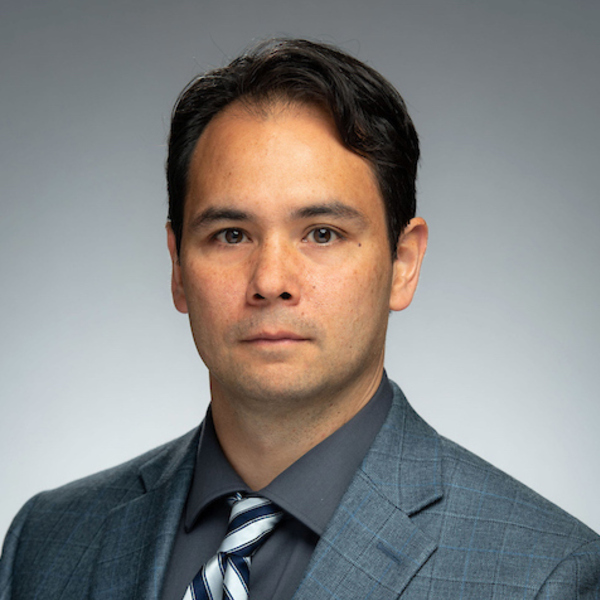
David Go is the Vice President and Associate Provost for Academic Strategy at the University of Notre Dame, where he also holds the Viola D. Hank Professorship in Aerospace and Mechanical Engineering. He oversees implementation of the University Strategic Framework and manages faculty appointment processes, with administrative oversight of institutes including the Lucy Institute for Data and Society and the Fitzgerald Institute for Real Estate. His research focuses on plasma science, heat transfer, fluid dynamics, and chemical analysis, with significant contributions to plasma-electrochemistry and sustainable chemical synthesis. Education: B.S. (2001) and M.S. (2004) from University of Notre Dame, Ph.D. (2008) from Purdue University His work explores plasma-liquid interfaces, solvated electron dynamics, and plasma-assisted catalysis, particularly for light hydrocarbon conversion. Recent publications highlight advancements in non-aqueous plasma electrolysis, machine learning-enhanced plasma sintering, and interfacial transport phenomena. Awards include the Air Force Young Investigator Award, NSF CAREER award, and multiple honors for teaching and innovation. Current research trends integrate plasma physics with chemical engineering and materials science, focusing on sustainable energy solutions and microscale manufacturing. Scientific recognitions include: Fellow of the American Society of Mechanical Engineers Senior Member of IEEE IEEE Early Achievement Award First-Source Bank Commercialization Award Go has supervised graduate studies and received patents for technologies in plasma-assisted synthesis and microfluidic diagnostics. His leadership roles involve committees addressing academic governance, risk management, and foreign influence in research.
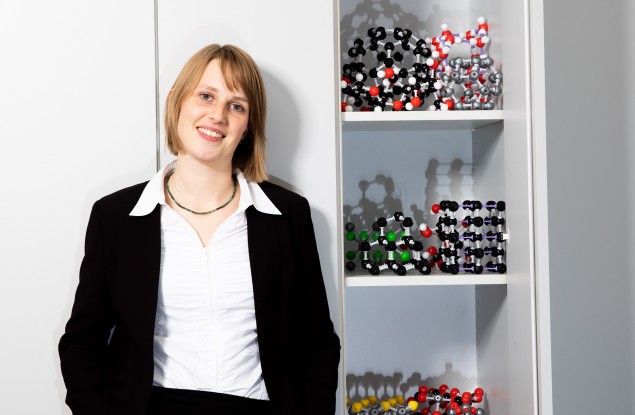
Prof. Dr. Vera Krewald is a Professor for Quantum Chemistry at Technische Universität Darmstadt, Department of Chemistry. She leads a research group focused on theoretical and quantum chemistry approaches to understand electronic structures and properties of inorganic and transition metal complexes. Her work bridges computational methods with experimental spectroscopy to explore magnetic interactions, electron transfer processes, and catalytic mechanisms. Professor for Quantum Chemistry (W3) at TU Darmstadt (since 11/2023) Professor for Theoretical Chemistry (W2, tenure track) at TU Darmstadt (12/2018-10/2023) Research Group Leader at University of Bath (01/2017-11/2018) Prof. Krewald's research focuses on applying quantum chemistry methods to understand the electronic structure and functioning of inorganic complexes. Her group makes predictions about spectroscopic, magnetic, and other measurable properties of transition metal complexes, with particular interest in systems that exhibit unexpected properties, magnetic coupling, challenging molecular transformations, or promising catalytic activity. Key research areas include electron transfer processes, photophysics and photochemistry of transition metal complexes, nitrogen activation and splitting, oxygen reduction catalysis, and the development of theoretical methods like the Angular Overlap Model. Analysis of Prof. Krewald's recent publications reveals a strong focus on iron-based catalysis, particularly for energy-related applications like the oxygen reduction reaction in fuel cells. Her work frequently combines computational quantum chemistry with experimental spectroscopy, especially Mössbauer spectroscopy, to characterize active sites in catalysts. There's also significant emphasis on electron transfer processes, photochemical activation of small molecules like dinitrogen, and the development of computational tools for analyzing magnetic properties and metal-ligand bonding. 2022: Dozentenpreis from the chemical industry fund (Fonds der Chemischen Industrie) 2021: Award from the Dr. Hans Messer Stiftung for early career researchers 2021: ADUC Award from the German association of university professors in chemistry 2014: Otto Hahn Medal of the Max-Planck-Society 2013: Participant at 63rd Lindau Nobel Laureate Meeting 2008-2013: German National Academic Foundation fellowship Prof. Krewald leads a research group with 2 postdocs, 6 PhD candidates, and several B.Sc./M.Sc. students. Her group has secured funding from multiple sources including the DFG, Leverhulme Trust, Merck'sche Gesellschaft für Kunst und Wissenschaft e.V., NHR Verein e.V., and Deutsche Bundesstiftung Umwelt. She serves as vice-speaker of SFB 1487 "Iron, upgraded!" (2022-2025), demonstrating her leadership in coordinated research efforts. Her group actively collaborates with experimental researchers to elucidate reaction mechanisms and identify catalytically active species. The Krewald Research Group operates within the Department of Chemistry at TU Darmstadt, with strong connections to collaborative research centers including SFB 1487 "Iron, reimagined!", SFB 1633 "Pushing Electrons with Protons", and SPP 2491 "Interactive Switching of Spin States". The group is also involved in the Quantum Bio-Inorganic Chemistry Society, which Prof. Krewald co-founded and serves as Secretary General. Their work combines high-level quantum chemical calculations with experimental validation to address fundamental questions in inorganic chemistry and catalysis.
Dr. Valeri Goncharov is an Assistant Professor (Research) in Mechanical Engineering at the University of Rochester and Senior Scientist at the Laboratory for Laser Energetics. His research focuses on computational physics and hydrodynamic instabilities in inertial confinement fusion (ICF), with expertise in laser-plasma interactions, implosion dynamics, and plasma diagnostics. His analytical models of Rayleigh-Taylor instability have advanced understanding of fusion target performance. Dr. Goncharov's publications address critical challenges in direct-drive ICF, including target design optimization, laser-energy coupling efficiency, and mitigation of hydrodynamic instabilities. Recent work employs advanced statistical modeling and first-principles simulations to predict fusion yields and improve equation-of-state tables for deuterium.
Terrance Hadlington is a researcher at the Department of Chemistry, Technical University of Munich, working within the Chair of Inorganic Chemistry with a Focus on New Materials under Prof. Fässler. His institutional affiliation includes contact details: email terrance.hadlington@tum.de and telephone numbers +49 (89) 289-13109, 13128, 54219 at the Garching campus. Dr. Hadlington's research centers on Inorganic Chemistry with specialization in Main-Group Element Chemistry and Catalysis . His work explores low-valent group 14 elements (particularly germanium, tin, and lead) and their transition metal complexes, focusing on cooperative bond activation, hydrogenation catalysis, and small-molecule transformations. Key methodologies include synthetic chemistry, structural characterization (X-ray crystallography), spectroscopy, and DFT computational analysis. His investigations often reveal novel bonding motifs and reactivity patterns distinct from carbon analogues. Analysis of his recent publications reveals dominant trends in main-group/transition metal cooperative systems for catalytic applications. Over 70% of his 2023-2025 work involves germanium/nickel or tin/iron interfaces for dihydrogen activation and alkene hydrogenation. Significant emphasis exists on ligand design to modulate thermodynamic and kinetic parameters, alongside exploration of heavier tetrylene chemistry (group 14 analogues of carbenes). His articles consistently bridge fundamental bonding studies with practical catalytic applications, particularly in sustainable chemistry contexts like CO 2 reduction. As a core member of Prof. Fässler's research group, Dr. Hadlington contributes to the Chair of Inorganic Chemistry with a Focus on New Materials. This team specializes in synthesizing novel main-group compounds with applications in catalysis and advanced materials, utilizing state-of-the-art facilities at TUM's Garching campus for molecular characterization and reactivity studies.
Kyle Crabtree is an Associate Professor in the Department of Chemistry at the University of California, Davis, focusing on molecular spectroscopy and quantum chemical calculations for astrochemical applications. He joined the UC Davis faculty in 2014 after postdoctoral work at the Harvard-Smithsonian Center for Astrophysics. Ph.D., University of Illinois (2012) B.S., Ball State University (2006) Research Interests The Crabtree Lab investigates: Photodissociation dynamics of diatomic molecules Fourier transform microwave spectroscopy of astrochemical radicals Mid-infrared spectroscopy technique development Chemical models for interstellar molecule formation Quantum chemical calculations for astrophysical identification Low-temperature nuclear spin chemistry Scientific Awards UC Davis Hellman Fellow (2016) NASA Earth and Space Science Fellowship (2011-2012) Astrochemical Impact His research bridges laboratory experiments and theoretical models to identify space molecules and explain their formation/destruction pathways. Recent work focuses on nitrogen-containing radicals, carbon chains, and advanced spectroscopic tools.
Prof. Diego Fernando da Silva Paschoal is an Adjunct Professor IV of Physical Chemistry at the Instituto Multidisciplinar de Química (IMQ) of the Federal University of Rio de Janeiro (UFRJ), since 2015. He is also a guest researcher at Vrije Universiteit Amsterdam (VU) under a CNPq Postdoctoral Fellowship. His research focuses on theoretical and computational chemistry, including computational protocols for molecular modeling, atomic basis sets, nonlinear optical properties, and sustainable drug design. He leads the Núcleo de Química Teórica e Computacional de Macaé (NQTCM) and Núcleo de Estudos em Química Energética e Ambiental de Macaé (NEQEAM), and coordinates research initiatives at UFRJ-Macaé. Notable contributions include studies on anticancer gold complexes, CO2 capture using graphene-based materials, and drug discovery against SARS-CoV-2. His work aligns with UN SDGs 3 (Health), 4 (Education), 7 (Energy), and 13 (Climate Action). Education: PhD in Chemistry (2014), Federal University of Juiz de Fora (UFJF); BSc and Licenciatura in Chemistry (2009/2008). Affiliations: Brazilian Chemical Society (SBQ), International Society of Theoretical Chemical Physics (ISTCP). Research interests span computational nuclear magnetic resonance (NMR) parameters, relativistic effects in quantum chemistry, and educational technology. He has authored over 47 publications, with recent work on drug design, sustainable materials, and computational methods for spectroscopic analysis. Awards: Young Scientist of Our State (JCNE) Fellowship from FAPERJ. He supervises research in the NQTCM and NEQEAM labs, focusing on interdisciplinary projects combining chemistry, materials science, and environmental sustainability. Collaborations include studies on solar cell development and digital education tools.
Zuhal Er serves as a Docent (Associate Professor) in the Department of Basic Sciences at Istanbul Technical University, Istanbul, Turkey. With an active research profile spanning from 2005 to 2024, she has established herself as a leading researcher in solar energy engineering and renewable energy systems through 23 research outputs and two major funded projects. Research Interests: Dr. Er's work centers on solar radiation engineering (100% fingerprint match), photovoltaic systems including CdTe/CZTS/CZTSe solar cells (61-100% relevance), and solar collector optimization. Her research extends to computational materials science for energy applications, neutron shielding materials, and hybrid wind-solar systems for practical implementations like water pumping. She integrates engineering principles with materials science to solve real-world renewable energy challenges. Publications and Research Trends: Analysis of her 23 publications reveals a strategic evolution from fundamental solar calculations (2005-2010) toward advanced materials engineering (2015-2024). Recent work (2021-2024) demonstrates strong focus on computational modeling of doped semiconductors, optimization of chalcogenide solar cells, and development of radiation shielding materials, with increasing interdisciplinary collaboration evidenced by international co-authorships. Scientific Awards: THE RUNNERUP FOR THE BEST PAPER (2004) Advising and Grants: Dr. Er has supervised 5 students as indicated by institutional records. She successfully led two significant projects: Güneş radyasyonu tahmini ve PV panellerin bozulma modlarının bir uygulama çalışması (Solar Radiation Forecasting and PV Panel Failure Modes, 2019-2022) and Solar Enerjili Sistemler için Simülasyon ve Hesaplama (Simulation and Calculation for Solar Energy Systems, 2015-2018), demonstrating sustained research leadership in applied renewable energy. Labs and Teams: Her research is conducted within Istanbul Technical University's Department of Basic Sciences infrastructure, with extensive collaborative networks visible in co-authorships spanning computational materials science, photovoltaic engineering, and radiation physics teams across multiple international institutions.
Dipayan Datta is Assistant Professor of Chemistry and Biochemistry at Ohio University, leading the Quantum Molecular Theory Group. His research develops quantum-mechanics methods to simulate molecular electronic structure and chemical processes. Current projects include excited state dynamics simulations, catalysis in solution environments, and non-covalent interaction quantification. The group creates high-performance computing algorithms for CPU-GPU platforms enabling large-scale quantum chemistry simulations. Datta's methodological work includes coupled-cluster implementations for heterogeneous architectures and spin-adapted open-shell theories. Applications span materials science, biochemistry, and energy research.
Elon Ison is a Professor in the Department of Chemistry at North Carolina State University. His research focuses on developing novel organometallic complexes for catalysis, particularly in catalytic oxidation reactions and green chemistry applications. He holds a B.S. from Kean University, a Ph.D. from the University of Florida, and a postdoctoral fellowship from Purdue University. His work integrates synthetic, mechanistic, and computational approaches, utilizing techniques such as NMR spectroscopy, stopped-flow kinetics, and density functional theory calculations. Ison leads the Ison Group, which explores organometallic mechanisms and catalytic oxidations, emphasizing sustainable methodologies. Key research areas include frustrated Lewis pairs, rhenium-based catalysts, and the design of bioconjugation systems. His publications span over two decades, addressing topics like oxorhenium complexes, hydrosilylation, and CO insertion mechanisms. Ison has been involved in REU programs fostering undergraduate research at the interface of computation and experimentation. His contributions bridge fundamental inorganic chemistry with practical catalytic applications. Education: B.S. Chemistry, Kean University (1999) Ph.D. Chemistry, University of Florida (2004) Postdoctoral Fellow, Purdue University (2006) Research Highlights: Development of oxorhenium(V) catalysts for selective oxidation reactions. Studies on transition metal oxos as components of frustrated Lewis pairs. Design of green chemical processes using organometallic mediators. Grants & Programs: REU Site: Integrated Computational and Experimental (ICE) Research Experiences for Undergraduates. CAREER: Rational Design of Green Catalysts for Chemical Oxidations. His lab emphasizes interdisciplinary training, combining synthetic organic/inorganic chemistry with advanced analytical techniques. Current projects explore novel ligand systems to enhance catalytic efficiency and sustainability.
Luyao Zou is an Assistant Professor at the University of the Coastal Opal Coast, affiliated with the LPCA laboratory (UMR 4493). He holds a Junior Professor Chair and focuses on molecular spectroscopy in millimeter-wave and THz ranges for atmospheric and interstellar applications. His expertise includes instrument design, software development, and analysis of complex rotational spectra with techniques like supersonic expansion and chirped-pulse spectroscopy. Education: PhD in Chemistry, Emory University (2017) His research targets high-resolution spectroscopic detection of molecules in extreme environments, such as interstellar clouds and atmospheric studies. He specializes in supersonic expansion for cooling unstable species (radicals, van der Waals complexes) and develops advanced spectrometers for signal enhancement and precision measurements. Recent publications highlight his work in interstellar molecule detection (e.g., nitrosomethane, 2-propanimine), quantum chemistry of torsional barriers, and instrumental innovations (e.g., chirped-pulse spectrometers). His studies bridge astrophysical observations with laboratory experiments, particularly in identifying astrochemical species and their dynamics. Scientific Awards: Marie Skłodowska-Curie Postdoctoral Fellowship (2020-2022) At LPCA, Zou leads projects in molecular spectroscopy, collaborating with institutions like Université de Lille (PhLAM) and Université Paris-Est Créteil (LISA). He has contributed software tools (e.g., GOBASIC) for interstellar chemistry analysis and pioneered techniques for broadband spectral surveys in astrochemistry.
Jose Alberto Guerrero Cruz is a Doctoral Research Fellow at the Hylleraas Centre for Quantum Molecular Sciences, University of Oslo. He holds a visiting position as Visiting Assistant Professor at the University of California, Santa Barbara. His primary affiliation is with the Department of Chemistry under the Faculty of Mathematics and Natural Sciences at UiO. Education: M.Sc. Chemistry (2017-2020), Thesis: Interpretation of x-ray absorption spectra via ligand field parameters Bachelor's Degree in Chemical Engineering (2011-2017), Thesis: Charge transfer analysis in curcumin Research Interests: Focuses on relativistic NMR parameter calculations using DFT for transition metal complexes (Pt and Group-4 metallocenes). Integrates theoretical methods with experimental techniques like XAS and NMR to elucidate chemical reactivity and electronic structure. Specializes in understanding ligand field effects, electronic structure correlations, and spectroscopic parameter predictions. Key Research Trends: Recent work emphasizes Pt(II) and Group-4 metallocene systems, exploring how substituent effects, ancillary ligands, and environmental factors influence NMR chemical shifts. Utilizes relativistic DFT models to bridge theory-experiment gaps in transition metal complexes. Awards & Grants: Conacyt Fellowship (2017-2020) SEP/PRODEP Grant (2015-2016) National Chemistry Olympics 3rd Place (2011) Additional Roles: Previously worked as a Technical Service Engineer in water treatment systems (2020-2021). Active in theoretical chemistry research groups, focusing on molecular-level spectroscopic analysis.
Cassady Harraden is a postdoctoral research fellow at the Mineral Deposit Research Unit (MDRU) within the Department of Earth, Ocean and Atmospheric Sciences at the University of British Columbia. She holds a PhD in geometallurgy from the University of Tasmania (2018), where she developed methods for geotechnical rock mass and grain size assessment using multi-sensor systems. Her current research focuses on porphyry exploration and vectoring in British Columbia, with emphasis on mineralogy and mineral chemistry derived from LIBS data. Prior to UBC, she spent four years at Corescan advancing hyperspectral data interpretation and geometallurgical/geotechnical applications of automated core logging technology. Her expertise spans analytical techniques like Laser-Induced Breakdown Spectroscopy (LIBS), micro-XRF, and LA-ICP-MS, applied to mineral exploration, orebody characterization, and geotechnical assessments. Key contributions include real-time orebody knowledge via pLIBS, integration of hyperspectral and structural data for robust interpretations, and automated core logging methodologies for deposit characterization. She has published extensively on porphyry systems, geometallurgical domain mapping, and the application of advanced spectroscopic tools in mining geology. Education: PhD in Geometallurgy (University of Tasmania, 2018) Research Themes: LIBS mineralogy, automated core analysis, porphyry exploration, geometallurgical modeling Collaborations: MDRU, Corescan, CODES group (Australia) Her work bridges field-based analytical innovation with practical geotechnical and metallurgical applications, contributing to more efficient mineral resource evaluation strategies.
Andrew Hanlon is an Assistant Professor of Physics at Kent State University. His research focuses on theoretical nuclear and particle physics, particularly using Lattice Quantum Chromodynamics (QCD) to study hadron interactions and structure. He investigates nucleon/nuclei structure, meson-baryon scattering, and QCD dynamics requiring supercomputer simulations. Hanlon holds a Ph.D. in Physics from the University of Pittsburgh (2017) and a B.Sc. in Physics and Computer Science from Michigan State University (2013). His work bridges experimental data with QCD theory, emphasizing numerical methods for complex systems. Research interests include hadron resonance spectroscopy, multi-hadron systems, and the application of lattice QCD to understand QCD phenomena at both high and low energies. Key topics involve nucleon-nucleon interactions, exotic meson states (e.g., K₀*(700), a₀(980)), and Λ(1405) resonance dynamics. His computational work leverages supercomputers to model systems requiring precise finite-volume and quark mass treatments. Publications emphasize lattice QCD predictions for scattering amplitudes, parton distribution functions, and resonance pole structures. Recent studies explore two-pole nature of Λ(1405), quarkonium spectroscopy in quark-gluon plasma, and pion/kaon form factors at high momenta. He collaborates on projects involving SU(3) flavor symmetry and distillation methods for baryon-baryon interactions. Hanlon co-edits the Delocalized Editorial blog via Theory Girls, promoting science communication. His grants and advising focus on advancing lattice QCD techniques for precision nuclear physics. Ongoing work targets QCD predictions for meson electromagnetic form factors and NN scattering dynamics at physical quark masses.