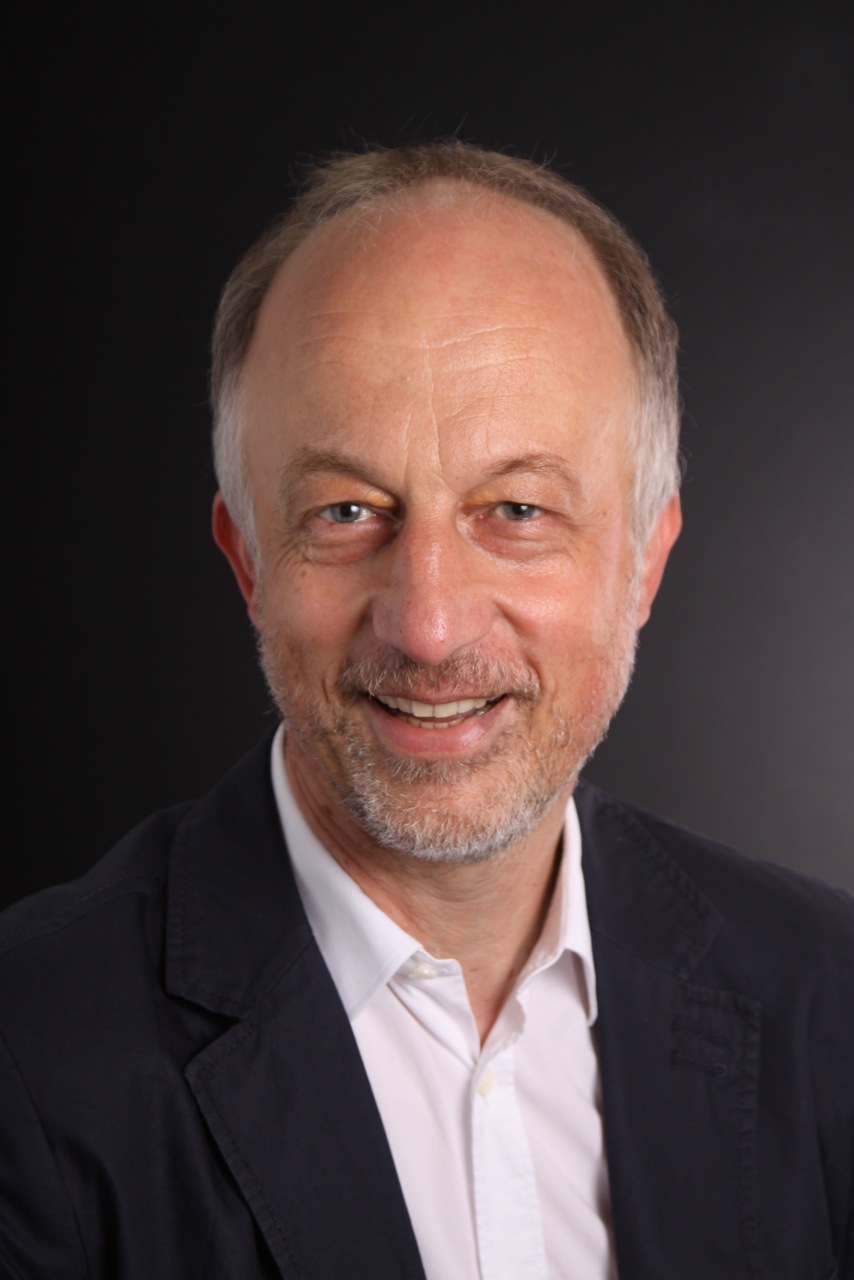
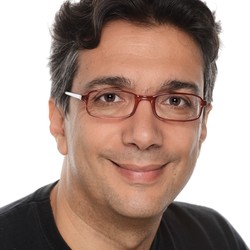
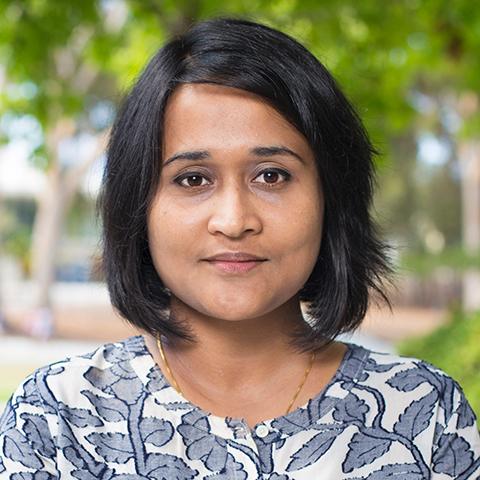
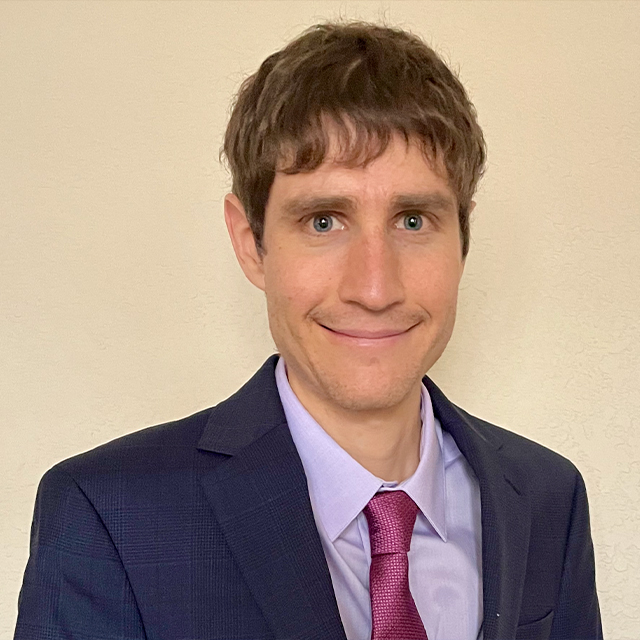
Niclas Jansson is a researcher at the PDC Center for High Performance Computing at KTH Royal Institute of Technology. He holds an M.S. in Computer Science (2008) and a Ph.D. in Numerical Analysis (2013) from KTH. His career spans roles such as postdoctoral researcher at RIKEN Advanced Institute for Computational Science (2013-2016) and visiting scientist at RIKEN (2018-2021), where he contributed to the Japanese exascale program Flagship 2020. A core focus of his research involves extreme-scale computing and numerical method development. He is a key developer of RIKEN's multiphysics framework CUBE , the HPC branch of FEniCS , and the spectral element flow solver Neko . His work is currently supported by a Swedish Research Council Starting Grant aimed at enhancing high-order spectral element methods for exascale fluid simulations. Niclas has published extensively on topics such as GPU acceleration , adaptive finite element methods , in situ visualization , and extreme-scale turbulence modeling . He also teaches Computational Fluid Dynamics (SG2212) at KTH.
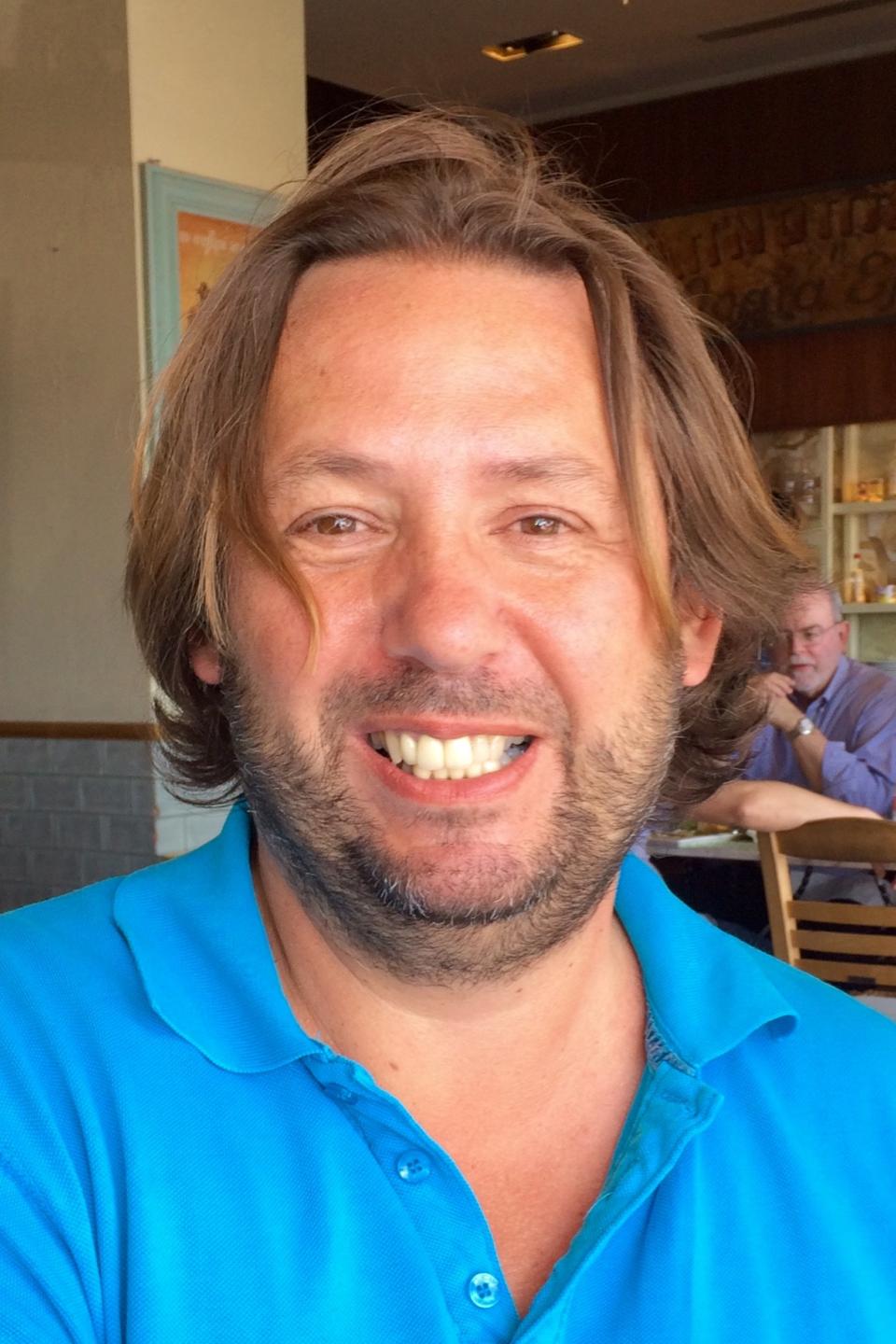
Immo Trinks is Associate Professor (Privatdozent) at the University of Vienna and Head of the Vienna Institute for Archaeological Science . He coordinates a comprehensive teaching programme in archaeological prospection, archaeometry and scientific documentation, and leads large-scale geophysical projects across Europe. Education & qualifications: Dipl.-Geophys. (Diploma in Geophysics) PhD (awarded) Habilitation (Privatdozent, Austrian post-doctoral lecturing qualification) Research interests revolve around non-destructive mapping of buried archaeological landscapes . He specialises in ground-penetrating radar , magnetometry and multi-sensor robotic platforms , developing workflows that fuse high-resolution geophysical data with 3D archaeological interpretation. Coastal wetlands, Roman towns, Viking harbours and prehistoric pile dwellings serve as key study areas. Recent publications demonstrate a clear trend toward automated, large-coverage surveys and multi-method data fusion . Papers in 2022-2025 report motorised GPR arrays on snow-covered fields, semi-autonomous driverless systems, and integrated interpretation frameworks that combine magnetics, GPR and remote sensing to reveal Roman military compounds, Etruscan cities, Swedish war camps and Neolithic monumental landscapes. Scientific awards & honours: No specific awards are listed in the supplied text; however, his continuous funding and invited keynote contributions (e.g., ArchaeoProspection conference series) indicate international recognition. Teaching & student supervision: Regular courses: Introduction to Archaeological Prospection, Archaeometry, Magnetic Prospection, GPR Practical, Underwater Prospection, Human Evolution & Archaeological Science, LaTeX for Archaeologists Excursions: 2-day field schools at Alpine pile-dwelling sites and around Vienna Thesis seminars: continuous Master Thesis Topic Search & Exposé and final thesis colloquia every semester Labs & facilities: Trinks heads the Vienna Institute for Archaeological Science (VIAS), operating several motorized multi-channel GPR systems, high-resolution magnetometer arrays, electromagnetic induction sensors, underwater sonar and multi-spectral cameras. The institute maintains dedicated GIS/visualisation labs and field vehicles for pan-European surveys within the international ArchPro and Stonehenge Hidden Landscapes initiatives.
Caroline Margaux Gevaert serves as Associate Professor in the Department of Geo-information Processing at the University of Twente's Faculty of Geo-Information Science and Earth Observation (ITC), while also holding an appointment at the Digital Society Institute. Her academic career spans geospatial information systems, remote sensing, and the ethical applications of AI in geographical contexts. Dr. Gevaert earned her PhD in Informal Settlement Mapping with Unmanned Aerial Vehicles from the Faculty of Geo-Information Science and Earth Observation (ITC) in 2018, following Master's degrees in Geospatial Information Systems from Lund University (2014) and Remote Sensing from Universitat de Valencia (2013), and a Bachelor's in International Land and Water Management from Wageningen University & Research (2011). Her research focuses on the intersection of artificial intelligence and geospatial science, with particular emphasis on ethical dimensions of AI, algorithmic fairness in geo-intelligence workflows, and applications of machine learning for environmental monitoring. She has developed expertise in UAV applications for informal settlement mapping and flood vulnerability assessment, bridging technical innovation with societal impact. Analysis of her recent publications reveals a strong trend toward addressing ethical challenges in geospatial AI, with increasing focus on algorithmic fairness, explainable AI systems, and accountability frameworks. Her work demonstrates a consistent evolution from technical remote sensing applications toward socio-technical systems that consider both technological capabilities and societal implications. PhD Cum Laude (2018) Professor J.M. Tienstra Onderzoeksprijs 2020 Student Paper Competition Finalist (2017) Dr. Gevaert serves as Chair of De Jonge Akademie (2022-2027) and the International Society for Digital Earth (ISDE), while participating in the Frontier Technology Livestreaming Programme. Her external engagement includes consultancy for the World Bank and presentations on accountability in digital humanitarianism, demonstrating her commitment to applying geospatial intelligence for global development challenges. Her research activities center around geo-intelligence workflows, with particular focus on developing accountable and fair AI systems for spatial analysis. Current projects investigate causality frameworks for bias detection in flood vulnerability assessments and explainable workflows for ecological monitoring, positioning her at the forefront of ethical geospatial AI research.
Joachim Wambsganss is a Full Professor at the Faculty of Physics & Astronomy of the University of Heidelberg and serves as Director of the Astronomisches Rechen-Institut (ARI) and former Director of the Zentrum für Astronomie der Universität Heidelberg (ZAH) until 2015. Studied at Ruprecht-Karls-University Heidelberg, Ludwig-Maximilians-University Munich, and Princeton University Doctorate in 1990 with supervisors Peter Schneider and Rudolf Kippenhahn Research Interests: Extrasolar planets via microlensing Quasar studies and dark matter distribution Gravitational lensing techniques eScience and open-access astrophysical data His group has advanced microlensing planet detection and lensed quasar analysis. He led the German Astrophysical Virtual Observatory (GAVO) within the International Virtual Observatory Alliance and organized public outreach projects like the 70-lecture series "Uni(versum) für alle!". Publications span exoplanets, gravitational lensing, dark matter, and quasars, with major contributions in microlensing techniques and planetary system demographics.
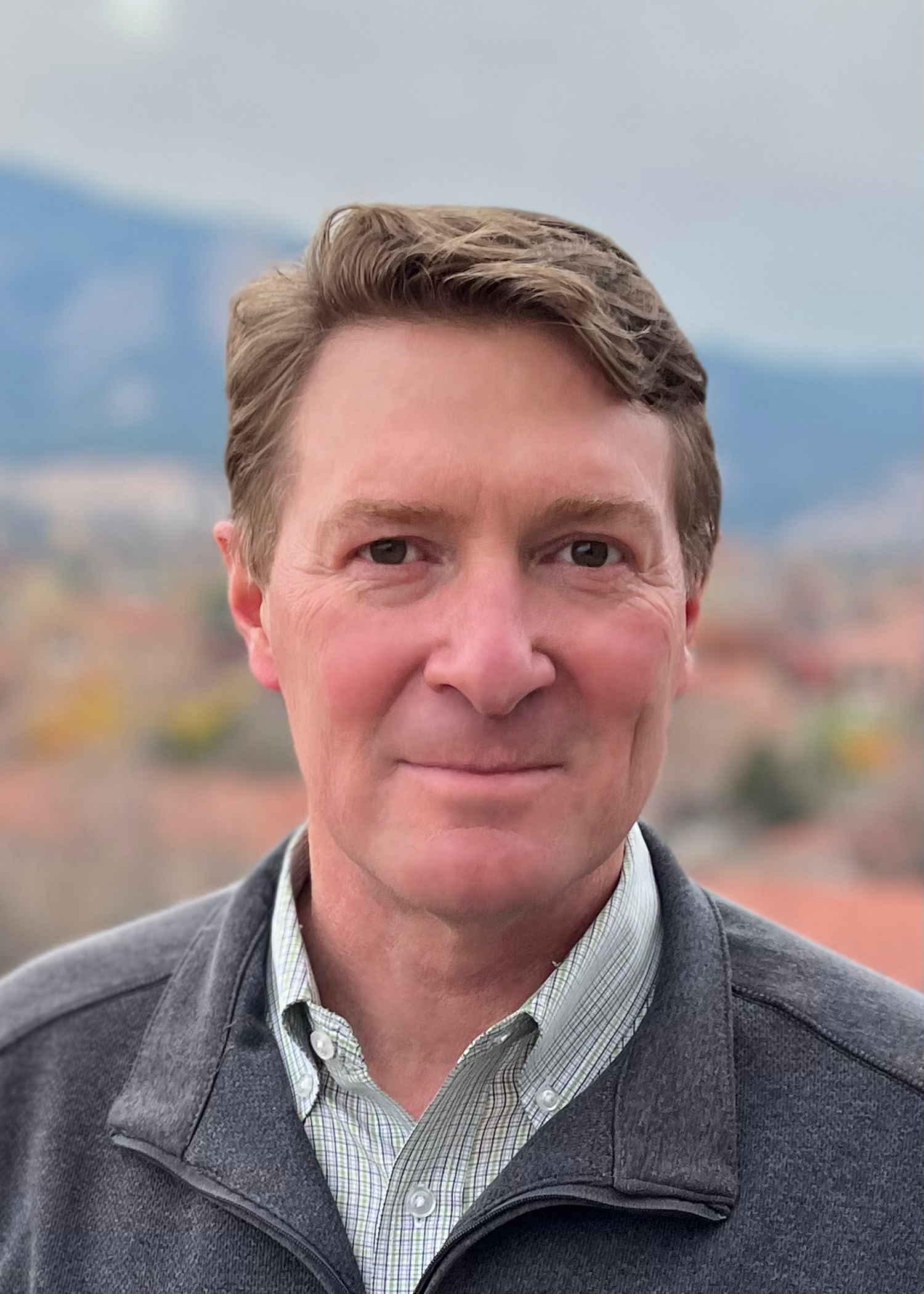
Scott Diddams is the Robert H. Davis Endowed Chair and Professor of Electrical Engineering and Physics at the University of Colorado Boulder. He leads the Quantum Engineering Initiative in the College of Engineering and Applied Science. His research focuses on precision spectroscopy, quantum metrology, nonlinear optics, and ultrafast lasers, with pioneering contributions to optical frequency combs for applications in optical clocks, fundamental physics tests, and astronomy. He holds over 750 publications and has received prestigious awards including the Department of Commerce Gold Medal and PECASE. **Education**: PhD in Physics from the University of New Mexico (1996). Postdoctoral work at JILA, NIST, and CU Boulder. Former NIST Fellow and Group Leader. **Research Interests**: Frequency comb technology for astrophotonics and metrology Exoplanet detection via advanced spectroscopy Ultrafast laser systems and high-harmonic generation Quantum engineering and integrated photonics **Awards**: Distinguished Presidential Rank Award IEEE Rabi Award C.E.K. Mees Medal (OPTICA) **Grants & Labs**: Directs the Quantum Engineering Initiative and maintains active collaborations with NIST. His lab develops cutting-edge instrumentation for space science and precision measurement. **Current Projects**: Focuses on miniaturized Fabry-Pérot cavities, quantum-enhanced dual-comb spectroscopy, and exoplanet characterization via the GEMS survey.
Alain Hecq is a Full Professor in the department of QE Econometrics at the School of Business and Economics, Maastricht University. His research focuses on econometric methodologies, particularly in time series analysis, noncausal models, and financial econometrics. He has contributed significantly to the understanding of volatility dynamics, cryptocurrency markets, and inflation targeting regimes. His work often addresses policy-relevant questions in macroeconomics and financial markets. Key research interests include mixed causal-noncausal autoregressive models, volatility modeling with MARMA-GARCH frameworks, and the application of these techniques to real-world phenomena such as oil price bubbles and cryptocurrency volatility. He has also explored the credibility of central banking policies during crises, such as the Brazilian inflation-targeting regime during the pandemic. His recent work emphasizes methodological advancements in high-dimensional time series analysis, including spectral estimation, hierarchical regularizers for mixed-frequency data, and reduced-rank matrix autoregressive models. These contributions reflect a blend of theoretical rigor and practical applicability in addressing complex economic and financial problems. While no formal awards are listed, his extensive publication record and focus on cutting-edge econometric techniques underscore his scholarly impact. Advising and grant activities are not detailed in the provided information, but his research demonstrates sustained engagement with both academic and policy-oriented audiences.
Marinko Sarunic is an Adjunct Professor at the School of Engineering Science , Simon Fraser University . He holds a PhD in Biomedical Engineering from Duke University and has been recognized as a Michael Smith Foundation for Health Research Scholar . His research focuses on biomedical imaging , particularly optical coherence tomography (OCT) , microscopy , and low-coherence interferometry , with applications in diabetic retinopathy , Alzheimer’s disease , and age-related macular degeneration . Dr. Sarunic's work spans adaptive optics , deep learning , and sensorless OCT systems , emphasizing clinical translation and open-source software development (e.g., OCTAVA ). His Google Scholar publications highlight multimodal imaging , vascular heterogeneity analysis , and AI-driven diagnostics for retinal diseases. His contributions include the Michael Smith Foundation for Health Research Scholar award. Though not currently teaching courses, his collaborations and leadership in retinal imaging and medical device innovation are pivotal for advancing non-invasive diagnostics in neurodegenerative and diabetic conditions .
Sarah Dodson-Robinson is a Professor of Physics & Astronomy at the University of Delaware, part of the College of Arts & Sciences. She joined UD in 2014 and holds a Ph.D. from the University of California, Santa Cruz (2008) and a B.S. from Rochester Institute of Technology (2002). Her research focuses on observational and theoretical astrophysics, particularly planet formation mechanisms, exoplanet detection, and frequency-domain analysis of stellar activity. She develops advanced statistical methods to analyze time-series data from telescopes and spacecraft, addressing challenges like stellar variability in exoplanet searches. Her work spans protoplanetary disks, debris disks, and the interplay between planetary systems and their host stars. Notable contributions include studies on dust dynamics in disks, the role of magnetized turbulence in disk evolution, and the use of spectral line diagnostics to identify planetary signals. She collaborates with NASA missions and leads projects like the EXPRES Stellar Signals initiative, aiming to refine radial velocity techniques. Publications highlight her expertise in analyzing binary star systems, detecting Earth-mass exoplanets, and modeling giant planet formation. Her research bridges astrophysics and data science, with applications to upcoming NASA missions targeting exoplanet habitability.
Petros Dellaportas holds dual appointments as a Professor of Statistical Science at University College London (UCL) and a Professor of Statistics at the Athens University of Economics and Business (AUEB). His research focuses on Bayesian statistics, machine learning, financial econometrics, and dynamic pricing. He leads projects on topics such as Poisson processes for cybersecurity, reservoir computing for macroeconomic forecasting, and probabilistic fault detection in wind parks. His recent publications emphasize advancements in Bayesian methods, variational autoencoders, and spatio-temporal point processes. Dellaportas has supervised over 20 PhD students, contributing to areas like stochastic volatility models and inverse reinforcement learning. He co-founded Thales and Friends, an organization bridging mathematics and cultural activities, and organizes the Greek Stochastics workshop series on topics ranging from causal learning to computational statistics. Key projects include anomaly detection in VAT networks and scalable Gaussian process models. His work often integrates statistical theory with applications in finance, sports analytics, and environmental science. Dellaportas maintains active collaborations with institutions globally, advancing interdisciplinary research and methodological innovations in statistical science.
Thomas Donoghue is a researcher in the Department of Cognitive Science at the University of California, San Diego, specializing in neural oscillations and computational neuroscience methods. His work focuses on developing rigorous approaches for analyzing brain signals, particularly EEG and MEG data. Dr. Donoghue's research interests center on understanding the methodological considerations for studying neural oscillations, with particular emphasis on verifying the presence of oscillations, validating oscillation band definitions, and accounting for concurrent non-oscillatory aperiodic activity. His work addresses critical issues in the field such as temporal variability, waveform shape of neural oscillations, and separating spatially overlapping rhythms. His publication record demonstrates expertise in developing computational tools for neural signal processing, including contributions to the NeuroDSP software package. His research bridges theoretical neuroscience with practical methodological considerations for interpreting neural data. Dr. Donoghue has received funding support from the Halıcıoğlu Data Science Institute Fellowship, National Science Foundation (BCS-1736028), and National Institute of General Medical Sciences (R01GM134363-02). His collaborative work extends across multiple research groups at UCSD, including the Neurosciences Graduate Program, Halıcıoğlu Data Science Institute, and Kavli Institute for Brain and Mind.
Duncan Farrow is an Adjunct Associate Professor at the School of Physics, Mathematics and Computing, University of Western Australia. His research focuses on fluid dynamics, mathematical modeling, environmental science, biomedical engineering, astrophysics, and hydrology. He has an h-index of 17 and has contributed to over 3 citations in his field. Farrow collaborates globally on projects addressing sustainable development goals, particularly in areas impacting environmental and health sciences. Education details are not explicitly provided in the text. Research interests include free surface flows, porous media interactions, retinal hydrogen dispersal models, and galaxy environment studies. His work often bridges theoretical models with practical applications, such as in biomedical systems and environmental fluid mechanics. Key research areas: Fluid Mechanics, Mathematical Modeling, Environmental Science, Biomedical Engineering, Astrophysics, Hydrology While specific grants or advising roles are not detailed, his publications suggest active engagement in collaborative research projects. Recent studies involve fluid flow into line sinks, hydrogen diffusion in biological tissues, and mid-infrared galaxy properties analysis. No labs or teams are explicitly mentioned in the provided text.
Stefano Martiniani is an Assistant Professor of Physics, Chemistry, Mathematics, and Neuroscience at New York University, affiliated with the Center for Soft Matter Research and the Simons Center for Computational Physical Chemistry. His interdisciplinary research explores computational physics of complex systems, including neural circuit theories, non-equilibrium statistical mechanics, and AI-driven materials discovery. He has pioneered methods for analyzing high-dimensional energy landscapes and received prestigious awards like the NSF CAREER Award (2024) and IUPAP Early Career Prize (2023). Education: PhD in Physics (2017), University of Cambridge MPhil in Physics (2013), University of Cambridge BSc in Physics (2012), Imperial College London Research Interests: His work bridges statistical physics and artificial intelligence, focusing on: Engineering disordered materials with tailored spectral properties Quantifying entropy production in active matter Developing open science frameworks like ColabFit for machine learning interatomic potentials Neural circuit models for cortical communication Grants & Collaborations: Funded by NSF, NIH, Chan Zuckerberg Initiative, and Simons Foundation. Leads interdisciplinary teams in computational physics, AI, and materials science. Labs/Initiatives: Core member of NYU's Center for Soft Matter Research; develops software tools like FReSCo and KLIFF-Torch for computational materials science.
Prof. Piya Pal is a Professor in the Department of Electrical and Computer Engineering at the University of California, San Diego. Her research focuses on high-dimensional statistical signal processing, energy-efficient sampling techniques, and covariance-driven inference. She previously held an Assistant Professor position at the University of Maryland, College Park, and was affiliated with the Institute for Systems Research. Education: Ph.D. in Electrical Engineering from California Institute of Technology (2013). Notable achievements include the NSF CAREER Award (2016) and the 2014 Charles and Ellen Wilts Prize for her thesis on sparse sampling and estimation. Her work emphasizes structured sampling and robust algorithms for undersampled data analysis, with applications in sensor arrays, compressive sensing, and optical imaging. Research Interests: Energy-efficient sparse array design Correlation-aware sparse estimation Covariance compression and statistical inference Tensor methods in machine learning High-resolution imaging systems Publications highlight advancements in sparse array geometries (nested/coprime samplers), Cramér-Rao bound analysis, and hybrid beamforming. Recent work explores super-resolution imaging and millimeter-wave channel sensing with learned empirical priors. Her contributions address fundamental trade-offs between sample size, resolution, and domain knowledge integration. Scientific Awards: NSF CAREER Award (2016) 2014 Charles and Ellen Wilts Prize (Caltech) Advising & Grants: Current research is supported by NSF CAREER funding. Her lab focuses on interdisciplinary projects combining signal processing with medical imaging and wireless communication challenges.
Dr. Daniel Trugman is an Assistant Professor in the Department of Geological Sciences and Engineering at the University of Nevada, Reno (UNR), affiliated with the Mackay School of Earth Sciences and Engineering. He holds a BS in Geophysics from Stanford University and MS/PhD in Earth Sciences from Scripps Institution of Oceanography at UC San Diego. Previously, he was a Richard P. Feynman Postdoctoral Fellow at Los Alamos National Laboratory (2018–2020) and an Assistant Professor at the University of Texas at Austin (2020–2022). His research focuses on earthquake rupture processes, seismic hazards, and leveraging machine learning and big data in seismology. He leads projects at the Nevada Seismological Laboratory, investigating Nevada seismicity, fault interactions, and earthquake early warning systems. Education: • Ph.D., Earth Sciences, UC San Diego (2017) • M.S., Earth Sciences, UC San Diego (2015) • B.S., Geophysics, Stanford University (2013) Research interests include: Nevada seismicity and tectonics Earthquake source properties (stress drop, radiated energy) Seismic hazard analysis Machine learning for glacier dynamics and seismic monitoring Induced seismicity and fracking impacts Awards: Charles F. Richter Early Career Award (2023) Mousel-Feltner Award for Research Excellence (2023) His work integrates high-fidelity physical modeling with data-driven techniques, including studies on glacier basal sliding, ground motion prediction, and fault network complexity. He teaches courses on Python for Earth Sciences and earthquake engineering. Labs/Teams: Active member of the Nevada Seismological Laboratory and collaborates with the Southern California Earthquake Center (SCEC) and USGS.
Philip J. Reid serves as Professor and Vice Provost for Academic & Student Affairs at the University of Washington's Department of Chemistry. With a Ph.D. from the University of California at Berkeley (1992), he maintains an active research program while holding significant administrative responsibilities within the university structure. Professor Reid's research focuses on molecular photophysics at the single-molecule level, particularly investigating fluorescence intermittency (blinking) , charge transfer processes , and guest-host interactions in various materials systems. His laboratory employs advanced confocal microscopy and femtosecond spectroscopy techniques to study phenomena in semiconductor nanocrystals, polymer matrices, and molecular crystals. Key research areas include understanding the nature of non-emissive states that serve as gateways to material decomposition, temperature-dependent photophysics around polymer glass transitions, and proton transfer mechanisms in crystalline environments. Analysis of Professor Reid's recent publications reveals consistent focus on single-molecule spectroscopy applied to nanomaterials and polymers. His work demonstrates how molecular-scale photophysical measurements can provide insights not obtainable through bulk techniques, particularly regarding environmental effects on photostability and emission properties. The research bridges fundamental physical chemistry with practical applications in photonic materials. Professor Reid has advised numerous graduate students and postdoctoral researchers who have gone on to diverse careers in academia, government, and industry. His laboratory collaborates extensively with other research groups, notably the Gamelin Lab at UW and the Kahr Group at New York University, reflecting the interdisciplinary nature of his work. The Reid Lab operates custom-built confocal microscopy systems designed for single-molecule investigations. Research focuses on chromophore-polymer systems and mixed-crystal materials where single molecules are isolated in well-defined environments. This approach allows precise investigation of molecular photophysics while minimizing complications from oxygen permeability and nonradiative relaxation.