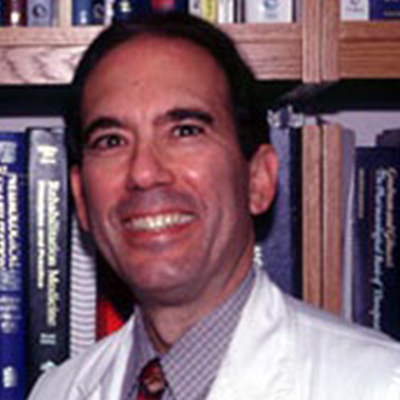
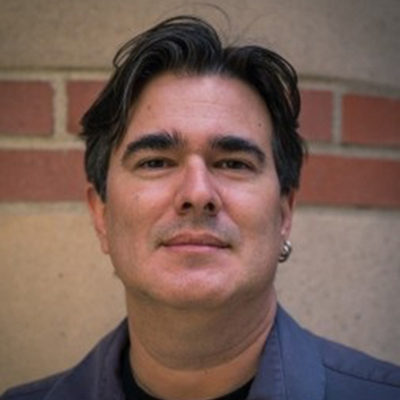
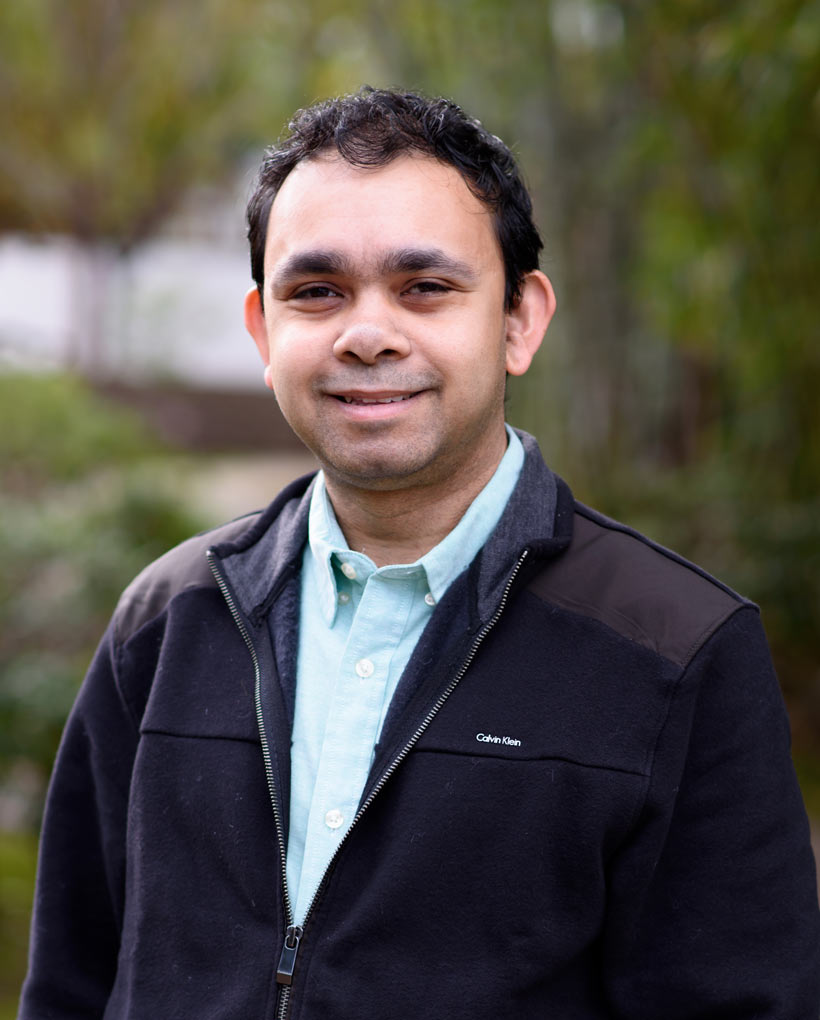
Francisco de Arriba Perez serves as an Assistant Professor in the Department of Computer Science at the School of Telecommunications Engineering, University of Vigo, where he contributes to the Research Center for Telecommunication Technologies and leads research within the TC1 Group of Information Technologies. He earned his PhD from the University of Vigo in 2019 with a dissertation titled Application of wrist wearables in educational environments for the characterization of sleep and stress , supervised by Dr. Manuel Caeiro Rodríguez and Dr. Juan Manuel Santos Gago. His research centers on Explainable Artificial Intelligence and Natural Language Processing , with pioneering applications in mental health monitoring (postpartum depression, anxiety, cognitive decline), wearable technology integration , and real-time stream analysis for social networks and financial systems. He specializes in developing interpretable machine learning frameworks that bridge theoretical AI advancements with practical healthcare implementations, particularly through large language models for clinical decision support. Analysis of his 15 most recent publications reveals a dominant research trajectory toward healthcare AI (60% of works), with significant contributions to mental health diagnostics using conversational interfaces, followed by applications in social network security (20%) and financial forecasting (20%). His methodology consistently emphasizes explainability , real-time processing , and stream-based adaptation to address data drift challenges. As an active member of the TC1 Group of Information Technologies, he collaborates on interdisciplinary projects advancing telecommunication technologies and information systems, with recent work exploring robotic avatars for social pilgrimage and accessibility enhancements through wearable computing.
Ayşe Tuna serves as a Lecturer at Trakya University's School of Foreign Languages, holding this academic position continuously since September 2011. She earned formal recognition as Lecturer Doctor following her 2020 doctoral completion in English Language Teaching. Her academic credentials include: Doctoral Degree in ELT, Trakya University (2020) Master's Degree in ELT, Trakya University (2009) Bachelor's Degree, Middle East Technical University (2003) Her research synthesizes English Language Teaching with cutting-edge assistive technology development, specifically targeting communication and accessibility barriers for neurodiverse and physically challenged populations. Key focus areas include autism spectrum disorder interventions, speech disorder accommodations, and elderly/disabled support systems through smart environments. Analysis of her publication trajectory reveals consistent interdisciplinary innovation across computer science and special education domains. Her work progresses from computer-assisted autism interventions (2017) to secure communication platforms for speech disorders (2016), culminating in integrated smart home ecosystems (2015), demonstrating a cohesive research vision centered on human-centered technological adaptation.
Ekateryna Todorova, PhD, is an Associate Professor at the Department of Health Care and Social Work, New Bulgarian University. She specializes in developmental dyslexia, speech therapy, and special educational needs. Her career spans over two decades in academic and clinical roles. Research Interests: Dyslexia diagnostics and therapy Articulation and phonological disorders Executive function in learning disabilities Educational technology for special needs Developmental language impairments Inclusive education practices Academic Contributions: She has authored multiple books and chapters on developmental dyslexia and articulation disorders, including Bulgarian adaptations of international diagnostic tools like DDE-2. Her recent research focuses on literacy training for children with physical disabilities using assistive technologies. Professional Roles: Former dean of the Bachelor's Faculty (2016-2020), former director of quality commission, and academic mentor in EU-funded projects like Erasmus+ and Human Resources Development Program.
Hao Wu, PhD is an Associate Professor of Genetics at the University of Pennsylvania's Perelman School of Medicine. He is a Core member of the Penn Epigenetics Institute, Member of the Penn Cardiovascular Institute (CVI), Member of the Penn Institute of Regenerative Medicine (IRM), and Member of the CHOP Center for Mitochondrial and Epigenomic Medicine (CMEM). His educational background includes: B.S. in Biological Sciences and Biotechnology from Tsinghua University (2002) Ph.D. in Epigenetic regulation of neural stem cell differentiation from University of California Los Angeles (2009) Dr. Wu's research focuses on understanding how epigenetic processes regulate gene expression to establish diverse cell types and respond to environmental signals. His lab combines experimental approaches with bioinformatics to study cell-type specification and maturation from mammalian stem cells, particularly in cardiovascular and neural lineages. The Wu lab investigates molecular mechanisms regulating the interaction between environment and epigenome, and how extrinsic signals modify epigenetic marks to influence development or disease. Their long-term goal is to quantitatively analyze and engineer cell-type specific epigenomes to inform therapeutic approaches for human diseases. Analysis of Dr. Wu's recent publications reveals a strong focus on single-cell and spatial multiomic technologies to investigate epigenetic regulation. His work spans cardiovascular biology, neuroscience, and stem cell biology, with emphasis on DNA methylation/demethylation, transcriptional control, and development of novel genomic sequencing methods. Recent publications highlight advances in single-cell epigenomic profiling, time-resolved RNA sequencing, and their application to neural development, cardiac maturation, and disease mechanisms. As a mentor, Dr. Wu oversees a diverse research group including postdoctoral fellows, graduate students, research specialists, and undergraduates. His lab members work on various projects related to epigenomic profiling, epigenome editing, and single-cell technologies. Dr. Wu's research is supported by grants enabling the development of innovative genomic technologies and their application to understand fundamental biological processes. The Wu Lab maintains a collaborative environment focused on developing high-precision single-cell epigenomic profiling methods, novel epigenome editing tools, and time-resolved single-cell RNA sequencing approaches. Current projects investigate neural development, cardiac lineage specification, and the environment-epigenome interaction, bridging fundamental epigenetic mechanisms with translational applications.
Giacomo Severini is a Lecturer in Biomedical Engineering at the School of Electrical and Electronic Engineering, University College Dublin. His research focuses on human motor control, motor learning, and rehabilitation robotics, aiming to develop innovative tools for rehabilitating individuals with movement impairments. He holds an MS (2008) and PhD (2012) in Electrical Engineering and Biomedical Engineering from Roma Tre University, Italy, and previously worked as a Research Associate at Spaulding Rehabilitation Hospital (2011–2015) and postdoctoral researcher at Harvard Medical School (2012–2015). Research Interests: Dr. Severini investigates neuromuscular control mechanisms using robotics, computational modeling, and clinical biomechanics. Key areas include: Rehabilitation engineering for stroke, cerebral palsy, and spinal injuries Muscle synergy analysis to decode motor recovery patterns Robot-assisted gait and upper-limb training Neural-inspired controllers for adaptive movement Biomechanical assessments of sit-to-stand, walking, and cycling Publication Trends: His 15 most recent articles (2023–2025) emphasize quantitative rehabilitation science , with recurring themes in muscle synergy applications for clinical diagnostics, robot-assisted therapy efficacy, and predictive simulations of movement. Studies frequently integrate multimodal data (EMG, EEG, kinematics) and target neurological populations (stroke, cerebral palsy). Awards: No scientific awards mentioned in available sources. Affiliations: As a Funded Investigator in the Personal Sensing research group, he collaborates on projects bridging engineering and clinical rehabilitation. No specific labs or student advising details are provided.
Dr. Francesco Turci serves as a Lecturer in Scientific Computing within the School of Physics at the University of Bristol, where he conducts theoretical and numerical research on nonequilibrium phenomena in disordered systems. His work bridges statistical physics, soft matter, and biophysics through investigations of emergent properties across diverse systems—from molecular glasses and colloidal gels to biological collectives like zebrafish swarms and bone structures. Education: PhD from Montpellier II University Turci's research centers on heterogeneous disordered media and active matter, with emphasis on collective behavior, spatial organization, and non-equilibrium dynamics. He employs computational methods to unravel hydrophobic interactions in biomolecular contexts, wetting phenomena in active particle systems, and structural signatures of glass transitions. His approach integrates molecular simulations with statistical mechanical frameworks to extract universal principles from system-specific complexities. Analysis of his 15 most recent publications (2020–2025) reveals three dominant thematic clusters: (1) Hydrophobic interactions and solvation thermodynamics featuring inverse temperature dependencies; (2) Active matter systems exploring wetting transitions, phase separation, and collective behavior in biological and synthetic particles; (3) Glass physics investigations linking structural order to dynamical arrest in supercooled liquids. These strands consistently leverage computational physics to address fundamental questions in soft condensed matter. Supervision and Collaborations: Turci has mentored 2 research students, collaborating extensively with N.B. Wilding (Bath), R. Jack (Cambridge), and C.P. Royall (Bristol) across 12 co-authored papers. His work receives support through institutional resources and likely research council grants, though specific funding acknowledgments aren't detailed in the source material. Network analysis indicates strong ties to statistical physics groups in the UK and Europe. He actively contributes to the Theoretical Physics research group at Bristol, where his computational focus complements experimental efforts in soft matter and biophysics. Current projects involve multiscale modeling of active-inertial particle mixtures and structural analyses of biological tissues using zebrafish models, positioning his work at the interface of fundamental physics and biomedical applications.
Professor Matthias Eberl is a Professor of Translational Immunology in the Division of Infection and Immunity at Cardiff University's School of Medicine. He also serves as the Joint Academic Lead for Public Involvement and Engagement for the School of Medicine, demonstrating his commitment to bridging scientific research with community engagement. His research career spans over two decades with significant contributions to understanding unconventional T cell biology, particularly focusing on γδ T cells and their role in immune responses. Professor Eberl completed his PhD at the University of Giessen (1995-1998), followed by postdoctoral positions at the University of York (1998-2000), University of Giessen (2000-2005), and University of Bern (2005-2006) before joining Cardiff University in 2007. His academic progression at Cardiff includes positions as RCUK Fellow (2007-2011), Senior Lecturer (2011-2015), Reader (2015-2018), and Professor (since 2018). Professor Eberl's research centers on the molecular and cellular basis of host-pathogen relationships, with a particular focus on human γδ T cells and their unique role in bridging innate and adaptive immune responses. His work has evolved from early studies on schistosome antigens to current investigations of early immune responses in acutely infected patients, defining pathogen-specific signatures of cellular and soluble biomarkers. His research program is highly interdisciplinary, involving collaborations with immunologists, microbiologists, biochemists, epidemiologists, mathematicians, clinicians, and commercial partners. This work has direct implications for diagnosis, treatment of microbial infections, vaccine design, and immunotherapy. Analysis of Professor Eberl's recent publications reveals a consistent focus on γδ T cell biology across multiple disease contexts including sepsis, peritoneal dialysis complications, neonatal immunity, and antimicrobial resistance. His work increasingly incorporates computational approaches and machine learning to analyze immune responses. Notably, there's a growing emphasis on public engagement with science, particularly through the "Superbugs" initiative which combines research training with public education about antimicrobial resistance. Microbiology Outreach Prize, Microbiology Society (2022) Poster Prize "Education & Public Engagement", British Society for Immunology (2021) Promotion to Personal Chair, Cardiff University (2018) Promotion to Reader, Cardiff University (2015) Promotion to Senior Lecturer, Cardiff University (2011) Best Free Communications Prize, European Peritoneal Dialysis Meeting (2009) RCUK Fellowship in Translational Research in Experimental Medicine (2007) Wellcome Trust 'VIP' Award (2007) Professor Eberl is actively involved in research supervision and academic leadership. He has served as Chair of PhD Appraisal Panels since 2014 and as PhD examiner for numerous institutions including Cardiff University, King's College London, and universities in Ireland, Belgium, France, and Portugal. His engagement with funding bodies is extensive, having reviewed proposals for major organizations including the European Research Council, Wellcome Trust, MRC, and various national research councils. He founded and administers the γδ T Cell Forum, demonstrating his commitment to building research communities. Professor Eberl leads interdisciplinary research teams focused on translational immunology, with particular emphasis on the role of unconventional T cells in infection and immunity. His work with the "Superbugs" team exemplifies his approach to integrating research with public engagement, creating educational resources that address antimicrobial resistance. His research benefits from strong collaborations across Cardiff University's Systems Immunity Research Institute and with clinical partners at the University Hospital of Wales.
Bruce Dobkin, M.D. is a Professor of Neurology at the David Geffen School of Medicine, UCLA , and Director of the UCLA Neurological Rehabilitation and Research Program . He co-leads the UCLA Stroke Program and contributes to the UCLA Wireless Health Institute , Brain Research Institute , and CTSI (Clinical and Translational Science Institute). Research Focus: Neurorehabilitation, stroke recovery, spinal cord injury, neuroplasticity, wearable sensor technology, robotic-assisted rehabilitation. Awards: Honorary Fellow of the Royal College of Physicians (2005), multiple research awards including the Kenneth Viste Memorial Award and Furst von Donnersmarck Prize for lifetime achievement. Leadership: Editor-in-Chief of Neurorehabilitation and Neural Repair (since 2006), former Scientific Officer for Neural Repair at the Adelson Medical Research Foundation (2006–2009). Recent Publications highlight trends in sensor-integrated rehabilitation systems , plasticity assessment , stroke outcome metrics , and neurological applications of machine learning . His work bridges clinical trials , neuroimaging , and technology-driven rehabilitation . Scientific Awards & Leadership: Honorary Fellow, Royal College of Physicians, London (2005) Editor-in-Chief, Neurorehabilitation and Neural Repair (2006–present) Irwin Levy Lectureship (2006) Kenneth Viste Award (2006) International Furst von Donnersmarck Prize (2006) Grants & Collaborations: Directed NIH-funded trials like LEAPS and SIRRACT, focusing on locomotor training, wireless health, and stroke recovery across global populations. His lab develops sensor-based systems for real-time activity monitoring and outcome assessment.
Allan Mackenzie-Graham is an Assistant Professor at the University of California, Los Angeles (UCLA) with affiliations in Neurology and Neuroscience. His research focuses on neuroimaging, neuroimmunology, and neurodegenerative diseases, particularly multiple sclerosis and sex-based differences in brain anatomy. His work integrates computational biology, magnetic resonance imaging (MRI), and preclinical models to explore neuroprotective mechanisms and pathological processes. Research Interests: His studies span neuroimaging methodologies (e.g., voxel-based morphometry, CLARITY), hormonal therapies (e.g., estriol, estrogen receptors), and sex differences in neurodegenerative diseases. Key topics include axonal injury, brain atrophy, and neuroinflammatory processes, often using mouse models to bridge bench-to-bedside applications. Publications: Recent work highlights computational advancements in brain segmentation, hormonal neuroprotection in multiple sclerosis, and cross-species neuroimaging comparisons. Projects involve machine learning (e.g., SwinUNETR), neuroanatomical sex differences, and in vivo/ex vivo MRI analysis.
Supriyo Bhattacharya, Ph.D., is an Assistant Research Professor at the Department of Computational and Quantitative Medicine, City of Hope National Medical Center. His work focuses on integrating multiomics data with protein structure and dynamics to advance computational drug discovery, particularly for intrinsically disordered proteins (IDPs). Education: Ph.D. in Chemical Engineering (North Carolina State University, 2006), B.Tech. in Chemical Engineering (IIT Kharagpur, 2000) Key Research Areas: Multiomics-structure integration via AI (e.g., AlphaFold) IDP dynamics and drug targeting GPCR allosteric communication His publications emphasize computational methods for protein dynamics, with trends in Bayesian networks (2024), machine learning for conformational transitions (2025), and IDP interactions in diseases like cancer and diabetes (2021–2024). Recent work (2025) explores paxillin-GPCR dynamics and β-cell homeostasis. Scientific Recognition: NIH R01 grants (2015, 2023) GPCR DOCK 2010 top-3 ranking Editorial roles (Frontiers, Biomolecules MDPI) Anton supercomputer grant Grants & Collaborations: Co-investigator in NIH R01LM013876-02 (2023), key personnel in multi-institutional immunotherapy projects (2019), and computational resource grants. Lab & Teams: Leads integrative genomics core at City of Hope, collaborating with molecular immunology and computational therapeutics teams.
Stephanie White , a Professor in the Department of Integrative Biology & Physiology at the College of Life Sciences , University of California, Los Angeles, investigates the interplay between social behaviors and neuronal plasticity in zebra finches . Her research focuses on how vocal learning—a critical reproductive behavior—is shaped by gene expression and neural circuitry, particularly through comparative studies of sexually dimorphic brain structures. Her recent publications highlight diverse research directions, from genomic analyses of domestication syndrome in songbirds to RNA diagnostics and clinical implications in neurodevelopmental disorders . Collaborative studies include FOXP2 transcriptional targets and microRNA regulation in vocal learning . Stephanie’s lab employs behavioral experiments , electrophysiology , and molecular techniques to explore how social interactions modulate gene expression and neural properties. She also contributes to interdisciplinary discussions on genetics in palliative care and terminology standardization in genomics . Contact: sawhite@ucla.edu | Lab Website
Charles L. White, III, M.D., is a Professor of Pathology at the University of Texas Southwestern Medical Center. He holds the Nancy R. McCune Distinguished Chair in Alzheimer Disease Research and serves as Director of Neuropathology and the Neuropathology Core for the UT Southwestern Alzheimer Disease Research Center. Additionally, he directs the Winspear Family Special Center for Research on the Neuropathology of Alzheimer's Disease and oversees the ACGME-accredited Neuropathology Fellowship program, which has trained 22 board-certified neuropathologists since 1988. Clinical/Research Focus: Neurodegenerative brain disorders, tauopathies, TDP-43 encephalopathy, amyloid-β pathology, and digital pathology applications. Leadership: Past President of the American Association of Neuropathologists. Awards: 2020 Award for Meritorious Contributions to Neuropathology. His research explores the molecular and cellular mechanisms underlying Alzheimer's disease, chronic traumatic encephalopathy (CTE), and other tauopathies, with a focus on genetic modifiers, immune dysfunction, and diagnostic biomarkers. He has pioneered AI applications in neuropathology and contributed to standardized criteria for LATE-NC staging and progressive supranuclear palsy.
Linqi Lu is an Assistant Professor in the Department of Communication at the University of North Dakota. She holds her position in the College of Arts and Sciences, specializing in interdisciplinary research that bridges communication, computer science, and psychology. Her work focuses on multimodal framing, emerging AI technologies, and communication's critical role in advancing public health, social justice, and public safety. Ph.D. in Communication with minors in Computer Science and Educational Psychology University of Wisconsin-Madison, 2025 Dr. Lu's research interests span Human-AI Communication, Health Persuasion, Computational Social Science, Multimodal Framing, and Human-Computer Interaction. Her work demonstrates a strong interdisciplinary approach, connecting communication theory with practical applications in health technology and AI. She teaches courses including Risk and Crisis Communication (COMM 451) and Principles of Professional Communication (COMM 516). Her publication record shows a consistent trajectory of impactful research since 2020, with significant growth in 2022-2025. Her work primarily appears in high-impact health communication journals, with increasing focus on AI applications in communication research. Notably, she has published several 2025 articles exploring cutting-edge topics like multimodal LLaVA chatbots, visual framing in social protests, and advanced AI applications for content analysis. Through her Google Scholar profile, she has accumulated 247 citations with an h-index of 7 and i10-index of 6, indicating solid scholarly impact in her field. Dr. Lu frequently collaborates with researchers from the University of Wisconsin-Madison, including prominent scholars like Douglas McLeod and Dhavan Shah. Her research demonstrates strong connections between communication theory and practical applications in public health crises, particularly during the pandemic. She has secured research funding for projects related to health communication, risk perception, and digital interventions, though specific grant details aren't provided in the source material. Her work with interdisciplinary teams demonstrates her ability to bridge communication theory with computer science applications, particularly in developing AI tools for health communication research and interventions.
Hari Arthanari is an Associate Professor in the Department of Biological Chemistry and Molecular Pharmacology at Harvard Medical School . His research focuses on protein-protein interactions and transcriptional Regulation in disease contexts, utilizing NMR spectroscopy , biophysical assays , and cell-based models . He operates the Arthanari Laboratory at Dana-Farber Cancer Institute, with a lab size of 5-10 members. Develops novel NMR methods for fragment screening and metabolite analysis Investigates transcriptional condensates and translation machinery dysregulation in cancer Applies integrative structural biology to therapeutic target discovery Research trends in his publications highlight therapeutic targeting of protein interactions across diverse diseases including cancer and viral infections . His work spans method development for NMR experiments, metabolomics marker identification , and structural characterization of both viral and human proteins. Articles frequently employ techniques like fluorine NMR , 15N TROSY experiments , and computational screening for drug candidate discovery. Scientific awards or formal recognition were not explicitly mentioned in the provided texts. His lab's publications emphasize collaborative multi-institute research and open-source drug discovery platforms , though no specific student advising or grant details were extracted. The Arthanari Lab (website: artlab.dana-farber.org) maintains focus on structural and functional characterization of proteins involved in disease mechanisms, particularly through NMR-derived metabolomics data and protein-ligand interaction identification .
Lia Litosseliti is a Senior Lecturer in the Department of Language and Communication Science at City St George's, University of London, within the School of Health Sciences. She has been a faculty member since 2003 and has held significant leadership roles, including Associate Dean International (2018–2021). She holds a PhD in Linguistics from Lancaster University and is a Senior Fellow of the Higher Education Academy. Her educational background includes: PhD in Linguistics , Lancaster University, UK (1999) MA in Language Studies , Lancaster University, UK (1994) BA Hons in English Language & Literature , University of Athens, Greece (1993) Lia Litosseliti's research centers on gender and language , discourse analysis , and research methodologies . She investigates how gender identities are discursively constructed, particularly in professional and educational contexts. Her work extends to postfeminism, transgender language, and gendered professions such as speech and language therapy. She has pioneered methodological scholarship, especially on focus groups, and is the editor of the Research Methods in Linguistics series (Bloomsbury). Her research often involves interdisciplinary and international collaboration, including projects on African linguistic contexts and AI in healthcare. Her recent publications reflect a growing engagement with applied and health-related discourse, including feminist critical analysis of maternity policies and cultural competence in therapy. The articles show a strong trend toward qualitative, discourse-based methodologies applied to gender, identity, and professional practice. She has received notable recognition, including: Dean’s Excellence in Internationalisation Award (2019) Shortlisted for BAAL Book Prize (2007) Shortlisted for IGALA Book Prize (2008) Lia supervises PhD students on topics such as transgender identity, postfeminism in media, and European identity during crises. She has served as an external examiner at institutions including Trinity College Dublin and King’s College London. Her grant involvement includes the Research Sustainability Fund at City University London and the EU-funded SCALE project on argumentation. She leads initiatives in educational development and internationalization, and has contributed to curriculum design and academic practice. She is actively involved in professional communities, having served as President of the International Gender and Language Association (IGALA) and as Associate Editor of the journal Gender and Language . She also contributes to editorial boards and peer reviews for major publishers and funding bodies globally.