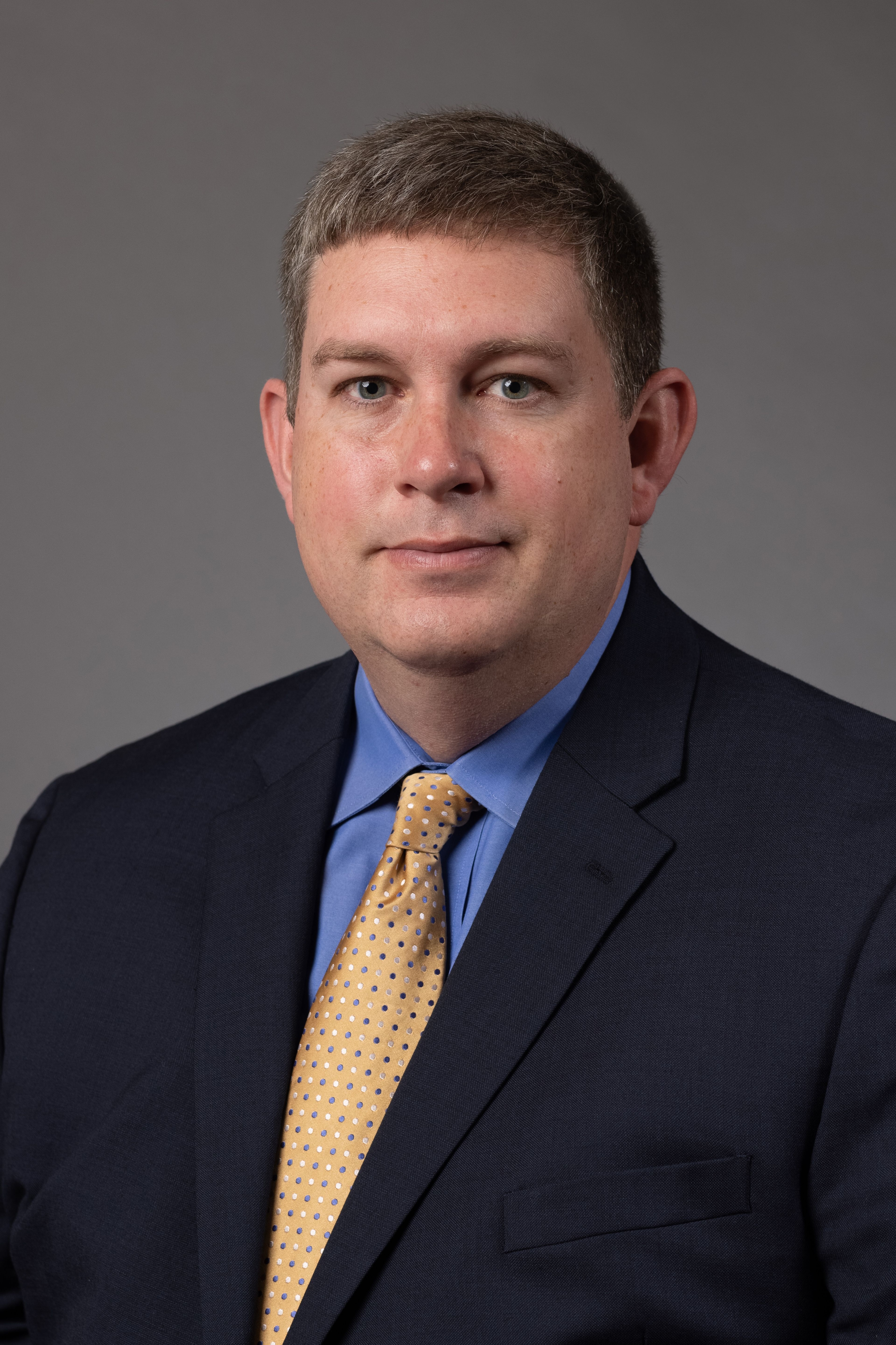
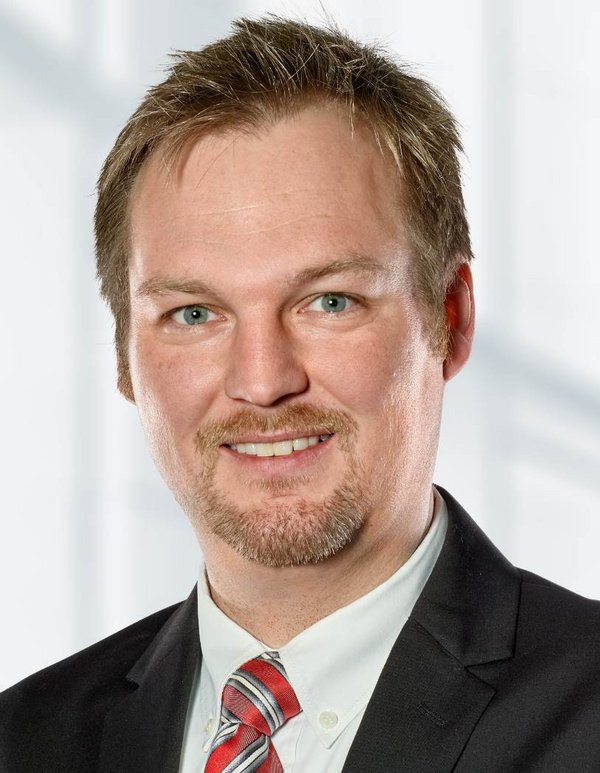
Prof. Dr. Haris Gačanin is a faculty member at RWTH Aachen University, affiliated with the Institute for Distributed Signal Processing under the College of Electrical Engineering. His research focuses on integrating machine learning with wireless communication systems, particularly in industrial IoT, edge computing, and network optimization. Current academic rank: Professor Contact: harisg@dsp.rwth-aachen.de Research Interests: Wireless systems, machine learning, signal processing, and network optimization. Key contributions include: Adaptive resource allocation in IIoT and vehicular networks AI-driven channel estimation and feedback mechanisms Security-oriented emitter identification via metric learning Federated/transfer learning for edge environments Hardware-efficient deep learning models for mmWave and THz communications Methodological Focus: Combines reinforcement learning, attention mechanisms, and robust neural architectures with practical implementations on FPGA and vehicular systems.
Saeed Ur Rehman serves as a Senior Lecturer in Cybersecurity and Networking within the College of Science and Engineering at Flinders University. He holds leadership positions as Course Leader for BIT and MIT (Networks and Cybersecurity) programs and Deputy Research Section Lead for Data and Information Sciences. His institutional affiliations include membership in the Centre for Defence Engineering Research and Training and the South Australia Cyber Security Innovation Node (SA Node) Advisory Board. Dr. Rehman's educational background includes: PhD in Electrical and Electronic Engineering from the University of Auckland (2015) Graduate Diploma in Higher Education from Unitec Institute of Technology (2016) Master of Engineering from the University of Auckland (2009) BSc Engineering from Pakistan (2004) His research spans cybersecurity, wireless communication, and network security with specific expertise in physical layer security, satellite communication, visible light communication, and fog computing. Dr. Rehman has developed innovative approaches in RF fingerprinting for device authentication and has contributed to vital sign monitoring technologies using radar systems. His work bridges theoretical security frameworks with practical applications in digital agriculture, vehicular networks, and energy harvesting systems. Analysis of his recent publications reveals a strong focus on emerging security challenges in next-generation networks, particularly addressing vulnerabilities in digital agriculture systems, privacy preservation in fog computing environments, and physical layer security enhancements for 6G networks. His research demonstrates consistent interdisciplinary collaboration across computer science, electrical engineering, and healthcare technology domains. Dr. Rehman has received significant recognition including: IEEE Senior Member status (2016) Fellowship from The Higher Education Academy, UK (2019) Cisco Networking Academy instructor certifications (2019, 2022) PhD Completion Award from University of Auckland (2014) As an active researcher and supervisor, he has secured substantial research funding including AUD$810,000 for the SmartSat CRC project (2020), AUD$150,000 from Defence Innovation Partnership (2023), and multiple grants from Flinders University and New Zealand institutions. He supervises PhD and Master's students in cybersecurity, with completed projects focusing on IoT security and privacy-preserving data aggregation, and current projects exploring intelligent reflective surfaces, RF emitter geolocation, and vehicular data communication frameworks. Dr. Rehman contributes extensively to the academic community as an IEEE Senior Member serving multiple societies, conference chair, journal editorial board member, and peer reviewer for numerous publications in his field.
Shui Yu is a Professor of the School of Computer Science in the Faculty of Engineering and Information Technology at the University of Technology Sydney (UTS), where he also serves as the Deputy Chair of the UTS Research Committee. His academic career spans over 20 years in Australia and 7 years in China, with additional teaching experience in Hong Kong and Indonesia. He has developed more than 10 units in cybersecurity, computer science, data analytics, and computer games, serving as the Course Director for Computer Science undergraduate programs. Professor Yu's research interests center on cybersecurity, privacy, networking aspects of Big Data, and applied mathematics for computer science. He pioneered the field of 'networking for big data' in 2013 and edited the seminal book 'Networking for Big Data' published in 2015. His work has practical applications in industry, including Amazon Cloud's auto-scale strategy against distributed denial-of-service attacks. Current research focuses include privacy and security concerns associated with big data, security issues in smart grids, anonymous transactions on Blockchain, and anonymous communication for web browsing privacy. Analysis of his recent publications reveals a strong research trajectory spanning cybersecurity, privacy-preserving technologies, networking for big data, and applied mathematics. His work shows increasing focus on quantum-resistant cryptography, federated learning security, and adversarial robustness in AI systems. The interdisciplinary nature of his research bridges theoretical foundations with practical applications in IoT, blockchain, and cloud environments. Fellow of IEEE (2023) Distinguished Lecturer of IEEE Communications Society (2018-2021) Distinguished Visitor of IEEE Computer Society (2022-2024) Professor Yu has secured numerous research grants from the Australian Research Council, including current projects on privacy and fairness in high intelligence models (DP240100955), improved security and privacy for online platforms (LP220200808), and secure blockchain for financial applications (LP220100453). He has served on editorial boards of multiple IEEE journals including IEEE Communications Surveys and Tutorials, IEEE Communications Magazine, and IEEE Internet of Things Journal. His service extends to organizing major conferences such as IEEE Globecom 2015 and IEEE INFOCOM 2016-2017.
Alan J. Michaels is a Professor and Director of the NSI Spectrum Dominance Division at Virginia Tech, leading research in digital communications, electronic warfare, and quantum algorithms. He holds affiliations with the Bradley Department of Electrical and Computer Engineering and the Department of Mathematics. Previously, he served at Harris Corporation in engineering leadership roles. Education includes multiple degrees from Georgia Institute of Technology (B.S., M.S., Ph.D. in ECE; B.S., M.S. in Applied Mathematics; M.S. in Operations Research) and an MBA from Carnegie Mellon University. Research focuses on RF spectrum dominance, applied mathematics, and cybersecurity. Notable contributions include 44 U.S. patents, over 80 peer-reviewed publications, and leadership in $171M+ research projects. He pioneered initiatives like the Vertically Integrated Projects (VIP) model for undergrad research and the Southwest VA node of the Commonwealth Cyber Initiative (CCI). Awarded Fellow of the National Academy of Inventors for his inventive impact. His work bridges academia and industry, emphasizing practical applications in restricted research domains.
Prof. Dr.-Ing. Stefan Brüggenwirth serves as a Professor at Ruhr University Bochum within the Faculty of Electrical Engineering and Information Technology, specifically leading the Cognitive Sensors department. His institutional address is Cognitive Sensors, Postbox ID 37, Universitätstraße 150, D-44801 Bochum, with departmental contact via sekretariat@est.rub.de. He maintains an active research profile with continuous publications in IEEE journals and major radar conferences, demonstrating his leadership in integrating artificial intelligence with radar technology. Brüggenwirth's research centers on cognitive radar systems, where he pioneers the application of machine learning techniques to enhance radar capabilities. His work spans neural network architectures for SAR target recognition, reinforcement learning for radar resource management, and explainable AI methods for radar applications. He investigates both theoretical foundations and practical implementations, with research addressing military applications, autonomous vehicle navigation, and aerospace systems. His department connects with related research areas including plasma technology and microwave systems within the faculty's ecosystem. Analysis of his publication trends reveals a distinct progression from early cognitive systems for UAVs (2010-2013) to increasingly sophisticated AI-radar integration (2015-present). Recent work emphasizes explainable AI techniques (grad-CAM, LIME, SHAP), neural network robustness, and quality of service frameworks for radar resource management. His 2024 publications demonstrate cutting-edge applications of YOLO and complex-valued networks for target recognition and signal denoising. Brüggenwirth has contributed to significant collaborative projects including SPERI (super-resolution and target identification), PolRad (polarimetric radar technology for European defense), and KI-ROJAL. His special issue contributions in IEEE Aerospace and Electronic Systems Magazine (2020) highlight his role as a thought leader in cognitive radar. While specific grant details aren't provided, his extensive project involvement suggests successful funding acquisition across defense, aerospace, and autonomous systems domains. The Cognitive Sensors department at Ruhr University Bochum serves as his primary research base, with his work intersecting with related groups in Learning Technical Systems, Medical Engineering, and Photonics & Terahertz Technology. His research has practical applications in defense systems, autonomous driving (RADAR SLAM), and aerospace, particularly in hypersonic plasma signature measurement. He maintains connections with international researchers including S. Z. Gurbuz and M. Rangaswamy for collaborative book chapters.
Raul Zamorano is a research-active academic at Northumbria University , Newcastle, United Kingdom. His work is centered on the intersection of optical wireless communication , sensor networks , and machine learning applications in both healthcare and agriculture. He is a key contributor to interdisciplinary projects that integrate 5G technologies , visible light communication (VLC) , and AI-driven diagnostics . Education: Raul holds a BA degree, as listed in his qualifications on the Northumbria staff profile. Research Interests: Optical wireless communication systems Hybrid RF-optical sensor networks AI applications in smart agriculture and medical diagnostics 5G-enabled digital twins Energy harvesting for IoT devices His recent work demonstrates a strong focus on real-world applications , such as remote COVID-19 detection, crop stress monitoring, and underground mining safety systems. These projects highlight his ability to translate complex theoretical models into practical, scalable technologies. Scientific Contributions: While no formal awards are listed, his prolific publication record in top-tier journals and conferences reflects significant academic impact. His collaborative work spans multiple sectors, including telecommunications, healthcare, agriculture, and environmental monitoring. Collaboration & Labs: Raul is actively involved in cross-disciplinary research teams, often working with co-authors from institutions across Europe and beyond. His affiliations suggest participation in both university-led and externally funded research initiatives, though specific lab or grant details are not disclosed in the provided text.
Satyendra Kumar Singh is a Researcher at the Institute for Global Health within the College of Engineering at Michigan State University. His work focuses on biomedical engineering applications in oncology, radiation biology, and toxicology. He investigates targeted therapies including alpha-particle emitters, novel PET imaging agents, and mechanisms of chemical warfare agent-induced skin toxicity. Singh’s research integrates preclinical models to evaluate therapeutic efficacy and disease mechanisms. Key research areas include: medical imaging probe development, cancer radiotherapy optimization, inflammatory response modulation in toxicological exposures, and parasitic disease pathogenesis. His work spans translational medicine bridging basic science and clinical applications. Recent studies emphasize immune-competent mouse models for evaluating combined radiation/immunotherapy and the role of mast cells in chemical injury pathways. Publications (2020-2025) reveal a strong focus on: 1) Hepatospecific PET agent design (Cu-64 labeled compounds), 2) Bismuth-212 based targeted radiotherapy for solid tumors, 3) Mechanisms of phosgene oxime-induced skin damage, and 4) RAGE signaling pathways in oncogenesis. Current laboratory work involves developing supersaturated oxygen emulsions for corneal injury treatment and exploring the Lysophosphatidic acid-RAGE axis in tumor progression. Awards section: No specific honors listed in provided materials. Grant information not explicitly detailed but implied through publication activity. Labs/Teams: Active in the Institute for Global Health's biomedical engineering research group, collaborating across departments in the College of Engineering and College of Veterinary Medicine (implied through parasitology work).
Dr. Themiya Nanayakkara is a Research Fellow at the Swinburne University of Technology , associated with the School of Science, Computing and Emerging Technologies. Her research focuses on high-redshift galaxy formation, cosmology, and astrophysical applications of JWST data. Active in galaxy spectral modeling and chemical evolution studies Key participant in the UNCOVER and GLASS-JWST programs Recipient of grants like the Space Data Analysis Workshop for African Researchers (2024) Her recent work analyzes stellar mass gradients , ionizing photon production , and dust distribution in quiescent galaxies using NIRSpec , NIRCam , and ALMA data. Publications demonstrate expertise in galaxy morphology , metallicity calibration , and reionization-era AGN detection . As a Laureate Postdoctoral Research Associate , she develops 3D spectroscopy pipelines for slit-stepping techniques and explores non-parametric star formation histories that challenge traditional models. Her work bridges observational data with cosmological simulations (IllustrisTNG, SHARK) to understand early galaxy quenching mechanisms.
Xuyang He is an Assistant Professor at the University of Southern Mississippi, affiliated with the Department of Forensic Chemistry. He holds a PhD from the University of Notre Dame (2008). His research expertise spans forensic chemistry, with a focus on analytical techniques such as Surface Enhanced Raman Scattering (SERS) for drug analysis, alongside materials chemistry involving organic light-emitting diodes (OLEDs) and supramolecular systems. Professional affiliations include the International Association of Identification. Education: PhD - University of Notre Dame (2008) Research Interests: Dr. He's work integrates forensic science and materials chemistry. In forensic areas, he develops advanced analytical methods for drug identification and toxicology, leveraging SERS technology. His materials research explores OLED host materials and ambipolar systems, emphasizing chemical stability and device performance. Additionally, he investigates supramolecular structures like pseudorotaxanes and molecular imprinting for sensor applications. His contributions bridge fundamental chemistry with practical forensic and electronic device advancements. Publications Trends: His articles reflect a dual focus on forensic analytical methods and OLED material development. Recent work (2022) highlights real-time dopamine detection using electrochemical sensors, while earlier studies (2009–2001) delve into organic reaction mechanisms, metal amides, and surfactant effects on enzymatic activity. This trajectory underscores a shift toward applied forensic science while maintaining foundational chemical inquiry. Awards: None explicitly listed in the provided texts. Advising & Grants: No advisees or grant details are mentioned. Teaching responsibilities include courses like FSC 320/L Forensic Analysis, FSC 430/L Survey of Forensic Toxicology, and FSC 440/L Drug Identification, reflecting his expertise in forensic science education. Labs/Teams: No specific laboratory or team affiliations are described in the text.
Seth B.C. Shonkoff is an environmental and public health scientist serving as Executive Director of PSE Healthy Energy and an Associate Researcher in the Environmental Health Sciences Division at UC Berkeley's School of Public Health. He is also an affiliate at Lawrence Berkeley National Lab's Energy Technologies Area. His work focuses on the health and climate impacts of energy systems, particularly oil and gas development, hydraulic fracturing, and produced water management. With over 20 years of experience, he has authored >50 peer-reviewed publications and testified before Congress, emphasizing science-based policy. Education: PhD in Environmental Science, Policy, and Management (UC Berkeley) and MPH in Epidemiology (UC Berkeley). Research interests include climate-health intersections, air pollution exposure, energy transitions, and policy analysis. His high-impact studies include IPCC AR5’s Human Health chapter and state-level evaluations of oil/gas systems. Current projects address hazardous pollutants from gas appliances, methane super-emitters, and environmental justice in energy transitions. Recent articles analyze benzene risks from gas stoves, VOC emissions in natural gas supply chains, and groundwater contamination from produced water. Shonkoff sits on science-policy panels, advocating for evidence-driven decisions to protect public health and climate resilience.
Dr. Yue Wang is an Assistant Professor in the Department of Computer Science at Georgia State University (GSU), Atlanta. Previously, he served as an Assistant Research Professor in Electrical and Computer Engineering at George Mason University. His research focuses on trustworthy AI, machine learning, sparse signal processing, and wireless communications, particularly in cyber-physical systems and reconfigurable intelligent surfaces (RIS). He is a Senior Member of IEEE. Education: B.S. in Electrical Engineering, Beijing Union University (2004) M.S. in Electrical Engineering, Beijing University of Posts and Telecommunications (2007) Ph.D. in Electrical Engineering, Beijing University of Posts and Telecommunications (2011) Research interests span AI security, federated learning, edge computing, and wireless systems. His work addresses challenges in 5G/6G networks, spectrum efficiency, and robust distributed learning. Notable contributions include RIS-aided physical layer security schemes, energy-efficient optimization for wireless systems, and deep learning-based channel estimation techniques. Publications emphasize interdisciplinary applications of machine learning and signal processing, with over 50 papers in top-tier journals/conferences. Awards include IEEE Senior Membership. He leads efforts in trustworthy AI and next-generation wireless communications at GSU.
Dr Varinder Jeet is a Research Fellow/Health Economist at the Macquarie University Centre for the Health Economy (MUCHE), specializing in health economics and clinical research. He holds a PhD in Cancer Medicine from UNSW Sydney and a Master of Health Economics from The University of Queensland. Prior roles include Postdoctoral Research Fellow at Queensland University of Technology (2010–2018) and Research Officer at Mater Medical Research Institute (2009–2010). His work focuses on health technology assessment, prostate cancer biomarkers, and equity in healthcare utilization. Research interests include: Developing economic models for genomics and precision medicine Healthcare policy and cost-effectiveness analysis Cancer biomarkers and therapeutic interventions Key achievements include 6 MRFF grants (4 as Chief Investigator, 2 as Associate Investigator), 44+ publications in journals like PharmacoEconomics and Social Science & Medicine, and prestigious awards such as the Macquarie Business School Impact Competition (2022). He supervises PhD and MD students and serves on healthcare evaluation committees for Australia's Department of Health. Recent articles highlight work on PSMA-PET/CT imaging, model-based economic analysis uncertainties, and newborn screening for genetic disorders. Dr Jeet collaborates with multidisciplinary teams on projects like the PRISIMA-PECO Trial and genomic implementation in primary care.
Donald R. Reising serves as a Guerry and UC Foundation Professor of Electrical Engineering in the College of Engineering and Computer Science at the University of Tennessee at Chattanooga (UTC). He holds appointments in both the Electrical Engineering department and the Computational Science program, with active roles in university governance as Faculty Senate Chair (2022-2025) and member of multiple strategic committees including the PhD Computational Science Committee. B.S. in Electrical Engineering, University of Cincinnati (2006) M.S. in Electrical Engineering, Air Force Institute of Technology (2009) Ph.D. in Electrical Engineering, Air Force Institute of Technology (2012) Dr. Reising's research spans three interconnected domains: wireless security through Specific Emitter Identification (SEI) and RF fingerprinting, smart grid intelligence for real-time disturbance analysis, and radiation effects characterization in microelectronics. His work integrates machine learning with signal processing to solve critical infrastructure protection challenges, particularly in adversarial environments where traditional security measures fail. Recent publications demonstrate increasing focus on deep learning countermeasures against SEI spoofing attacks and edge-computing solutions for power grid resilience. His 15 most recent publications reveal strong emphasis on adversarial machine learning (6 articles), SEI robustness under environmental stressors (5 articles), and smart grid data analytics (3 articles), with growing interdisciplinary work in quantum correlations and transportation safety. This trajectory shows evolution from foundational RF fingerprinting techniques toward comprehensive security frameworks for critical infrastructure. IEEE Chattanooga Chapter's Outstanding Engineer Award (2022) UTC’s Outstanding University Service Award (2018) AFRL Sensors Directorate Dr. Samuel M. Burka Award (2013) Association of Old Crows Research Excellence Award (2009) MASINT Committee Academic Excellence Award (2009) Dr. Reising leads multiple research initiatives including the RF Security Lab and Smart Grid Analytics Group, securing consistent funding from DoD agencies (AFRL, ARL), NSF, and industry partners like EPRI. His service extends to advising graduate students through the Computational Science PhD program and directing undergraduate research in radiation effects characterization. Current projects focus on SEI resilience against deep learning attacks, quantum-enhanced signal processing, and edge-computing solutions for grid cybersecurity.