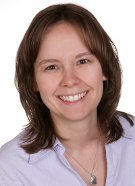
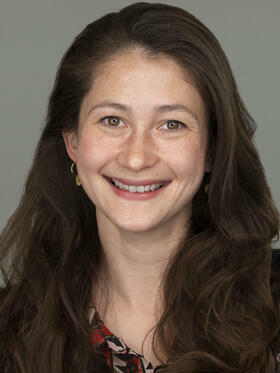
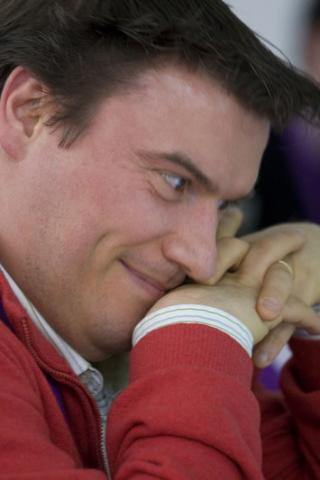
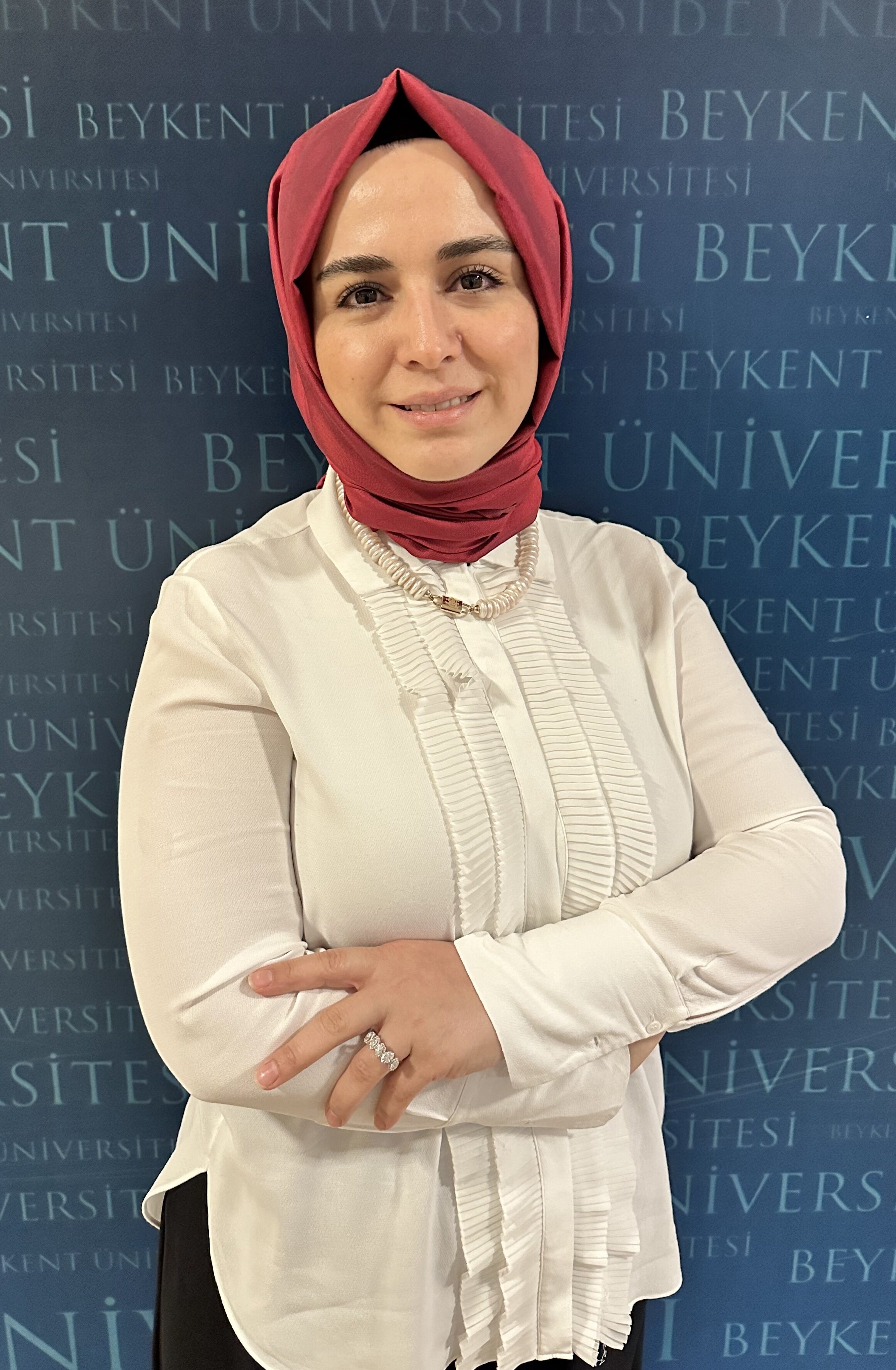
Dr. Insa Otte is a Research Fellow at the University of Würzburg , affiliated with the Institute of Geography and Geology under the Faculty of Philosophy . Her work focuses on datacubes , climate change , and spatio-temporal analysis in alpine and tropical ecosystems. PhD: 2017, University of Marburg — "Global Climate Change vs. Local Land-Use Change and its Impact on Atmospheric Water Input at Mt. Kilimanjaro" Diploma: 2012, University of Marburg — "Nutrient Input in South Ecuadorian Rainforests" Her research spans East and Southern Africa , analyzing precipitation isotopes , extreme weather , and ecosystem responses through GIS and remote sensing . She contributes to agricultural decision support systems and invasive species modeling like Lantana camara in savannahs. Current projects integrate Earth observation datacubes for climate adaptation in West Africa. Her work combines satellite data (Landsat, Sentinel) with ground observations to study vegetation dynamics and land degradation in tropical mountains and savannahs.
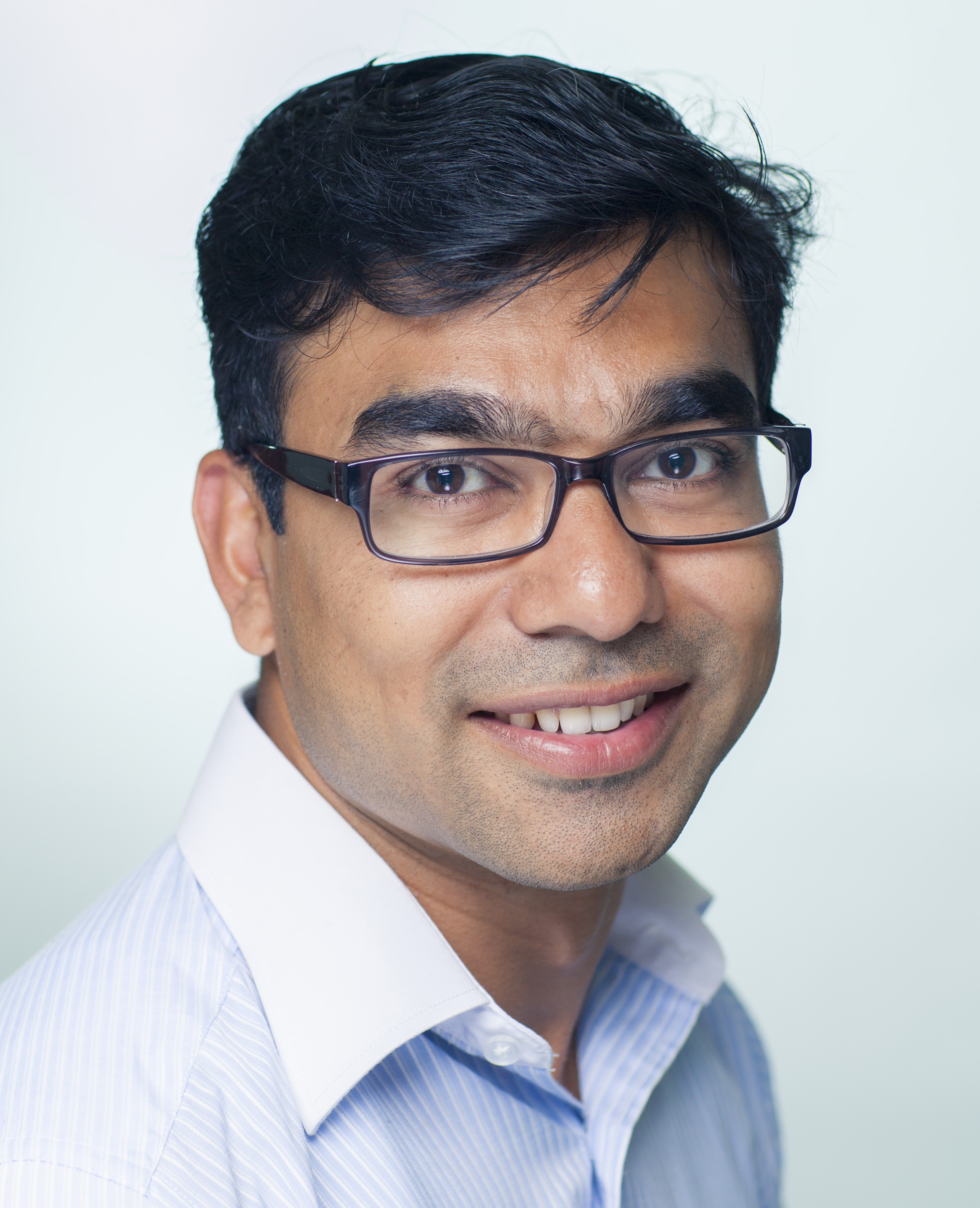
Dr. Orkun Furat is a Lecturer at the Institute of Stochastics, University of Ulm, Germany, where he conducts research at the intersection of machine learning, stochastic modeling, and image analysis for materials science applications. His work focuses on developing advanced computational methods to characterize and reconstruct 3D microstructures from 2D image data, with significant contributions to battery materials and particle systems. His primary research interests include generative adversarial networks (GANs) and spatial stochastic models for tomographic image analysis of functional materials. He has pioneered techniques for super-resolving microscopy images, quantifying electrode degradation in batteries, and modeling particle morphology/separation processes in mineral processing. His interdisciplinary approach bridges statistics, computer science, and materials engineering through rigorous mathematical frameworks. Recent publications (2024-2025) reveal a concentrated focus on lithium-ion and all-solid-state battery technologies, particularly analyzing how operating conditions (charge rate, temperature, cycling) induce electrode degradation. Simultaneously, his particle systems research employs multidimensional stochastic models to optimize mineral beneficiation processes like flotation, using copula-based approaches for particle property distributions. Dr. Furat actively supervises seminar students in generative machine learning and spatial stochastic modeling while teaching core courses including Point Processes and Advanced Statistics. His research impact is evidenced by numerous invited talks at premier venues like the Dagstuhl Seminar (2025) and European Congress for Stereology (2025), where he presents as a plenary speaker on AI-driven microstructure reconstruction. Collaborating with interdisciplinary teams across materials science and engineering, his work on digital twins for battery electrodes and virtual materials testing has been featured in University of Ulm press reports (2024) highlighting applications in efficient battery recycling and sustainable material design. Current projects integrate generative AI with stochastic geometry to solve industrial-scale challenges in energy storage and mineral processing.
Samuel McDougle is an Assistant Professor in the Department of Psychology at Yale University, where he leads the Action, Computation, and Thinking (ACT) Lab. His research explores the interplay between cognitive processes and motor behavior using behavioral experiments, computational modeling, neuroimaging, and neuropsychology. Research Interests: McDougle investigates how humans acquire and perform motor skills, emphasizing cognitive demands beyond habit formation. Key areas include instrumental learning, reinforcement learning, working memory, and sensorimotor adaptation, with applications to attention, metacognition, and brain-computer interfaces. Recent Trends: His recent publications focus on dual-tasking in learning, memory of observed actions, spectrotemporal correlations in pitch detection, and the role of prediction errors in adaptation. The ACT Lab also studies attentional modulation by rewards and non-Markovian learning structures. Scientific Awards: NIH R01 grant (2023) Labs & Teams: The ACT Lab at Yale (100 College St.) conducts interdisciplinary research on motor cognition, recruiting PhD students and postdocs. The lab emphasizes collaborations between human learning and computational neuroscience.
John Kelsey is a Professor (Teaching) at The Bartlett School of Sustainable Construction, University College London. He has been with UCL since 2000, progressing from Research Fellow to Lecturer in Construction and Project Management (2003), Associate Professor of Construction, Project Management and Economics (2019), and finally to Professor (Teaching) in 2023. His educational background includes: Bachelor of Arts in Economics and Philosophy from University College, Oxford (1972) Graduate Diploma from the Royal Institution of Chartered Surveyors (1977) Certified Diploma from the Association of Chartered Certified Accountants (1980) Master of Science in Construction Economics and Management from University College London (2000) Professor Kelsey's research spans multiple areas of construction management and sustainable development. His primary focus has been on construction planning , particularly spatio-temporal aspects, computer-aided construction logistics, and critical chain/last planner methods. He has significant expertise in the construction industry in lower-income countries , including technology transfer, domestic contractor development, and international project management. His work also addresses urban planning challenges, particularly rural housing shortages, sustainable urban regeneration, and stakeholder engagement in large infrastructure projects. More recently, he has researched organizational culture in health and safety , taking a critical realist approach and incorporating lessons from the Grenfell tragedy. Analysis of his publication record shows consistent scholarly output across construction economics, project management, and sustainable development. His recent work demonstrates growing interest in big data applications in construction and housing policy challenges, reflecting alignment with UN Sustainable Development Goals 2 (Zero Hunger) and 11 (Sustainable Cities and Communities). His interdisciplinary approach bridges practical construction experience with academic research. His scientific recognition includes the Best Papers award from CIB in 2003 . Professor Kelsey has been actively involved in organizing conferences on "Big Data and BIM" and "Sustainable Resources for Sustainable Cities" (2012-13), reflecting his engagement with emerging technological trends in construction. Throughout his career at UCL, Professor Kelsey has held various teaching leadership roles, including Programme Leader for the MSc Construction Economics and Management (2011-2018) and MSc Project and Enterprise Management (2018-19). His teaching spans multiple programs including BSc Project Management for Construction and MSc Project and Enterprise Management (Network Rail).
Dr. Mateusz Kramkowski is a Researcher at the Department of Environmental Resources and Geohazards , Institute of Geography and Spatial Organization, Polish Academy of Sciences, where he has been affiliated since 2013. He holds a PhD in Earth Sciences (Geography) from 2017, with a doctoral thesis on environmental changes in Lake Jelonek sediments. His education includes a Bachelor's and Master's in Geography from Kazimierz Wielki University and postgraduate studies in Geology at Adam Mickiewicz University. Research Focus: Kramkowski specializes in reconstructing past environmental changes using geochemical and sedimentological methods. His core interests include: Paleogeography and geomorphology of Quaternary landscapes Analysis of laminated lake deposits for climate records Tephrochronology and dead-ice landform dynamics Human-environment interactions in medieval Central Europe Publication Trends: His recent work (2021–2025) emphasizes lacustrine sedimentology, glacial/periglacial processes, and anthropogenic impacts on landscapes. Common themes include varve chronology, charcoal production effects, and LiDAR-based glacial landform mapping. Collaborations frequently involve multi-proxy approaches across Polish and German institutions. Projects & Teams: Kramkowski actively contributes to field-based projects like ICLEA (Integrated Climate and Landscape Evolution Analysis), focusing on Northern Poland's glacial history. He co-leads paleolimnological sessions and collaborates with interdisciplinary teams on peatland, soil, and geoarchaeological studies.
Dr. Conny Junghans is a researcher in computer science with expertise in data mining, spatio-temporal analysis, and information security. She completed her diploma at Ilmenau University of Technology (2005) and earned her PhD at the University of California, Davis (2009). From 2009-2011, she worked at Ruprecht-Karls-University of Heidelberg in the Database Systems Research group under Prof. Dr. Michael Gertz. Education: Diploma in Computer Science, Ilmenau University of Technology (2005) PhD in Computer Science, University of California at Davis (2009) Her research focuses on data stream mining with adaptive resource management, spatial/sensor network anomaly detection, and data quality assurance. She has contributed to multilingual document similarity models and burst detection in stream engines. Recent publications highlight trends in quality-aware systems, obstacle handling in sensor networks, and adaptive spatio-temporal prediction. She has served on program committees for SSDBM and CIKM conferences and acted as an external reviewer for multiple journals and conferences.
Associate Professor Furqan Hussain is a distinguished academic at the University of New South Wales, Faculty of Engineering, specializing in petroleum engineering and carbon sequestration research. Based in the Tyree Energy and Technology Building at the Kensington Campus, he leads cutting-edge research in CO 2 geosequestration and enhanced oil recovery techniques. PhD in Petroleum Engineering from the University of New South Wales, Sydney, Australia BSc and MSc in Petroleum Engineering from the University of Engineering & Technology, Lahore, Pakistan Professor Hussain's research focuses on CO 2 geosequestration in aquifers and hydrocarbon reservoirs, with particular emphasis on enhancing feasibility in heterogeneous and low-pressure formations. His groundbreaking work includes the discovery of water-saturated CO 2 injection into oil reservoirs to simultaneously improve oil recovery and CO 2 storage capacity. His expertise spans petroleum engineering, carbon capture utilization and sequestration (CCUS), and laboratory investigation of CO 2 injection processes. His recent publications demonstrate a strong focus on addressing mobility control challenges in high-pressure reservoirs, pore heterogeneity effects in carbonate rocks, and fines migration phenomena during water injection. These works represent significant contributions to both petroleum engineering and environmental sustainability through carbon management. Professor Hussain is actively involved in research supervision, focusing on experimental investigation of CO 2 injectivity and trapping, co-optimization of CO 2 storage and oil recovery, and related areas including CO 2 -water wettability and trapping mechanisms. A spatio-temporal partitioning approach to colloidal flows in porous media (Australian Research Council / Discovery Project, 2020-2022) Multiscale physics for enhanced oil recovery (University of Adelaide / ARC Linkage Project, 2020-2023) Low Salinity Fines-Assisted Waterflooding (Wintershall Holding Gmbh, 2019-2021) EOR assessment phase-1 (Bridgeport Energy Limited, 2019-2021) Core testing – Boggabri Mine (Boggabri Coal Operations, 2019-2020) He teaches core petroleum engineering courses including PTRL 3001 Reservoir Engineering B and PTRL3040 Numerical Reservoir Simulation, integrating his research expertise into the classroom while exploring innovative teaching methods to enhance student engagement in engineering education.
Søren Wengel Mogensen is an Associate Professor at the Department of Finance, Copenhagen Business School, Denmark. His research focuses on developing advanced statistical and machine learning methodologies for complex systems analysis. Research Interests: Dr. Mogensen's work spans causal inference, stochastic processes, survival analysis, and time-series modeling. Key themes include: Causal discovery algorithms for industrial and biological systems Graphical representations of dependencies in high-dimensional data Time-varying mediation in survival contexts Bayesian networks for cascade modeling Publication Trends: His recent articles (2021-2025) demonstrate a strong emphasis on theoretical-statistical innovation with applications in healthcare, industrial monitoring, and computational finance. Dominant methodologies include kernel-based independence tests, continuous-time Bayesian networks, and constrained stochastic process modeling.
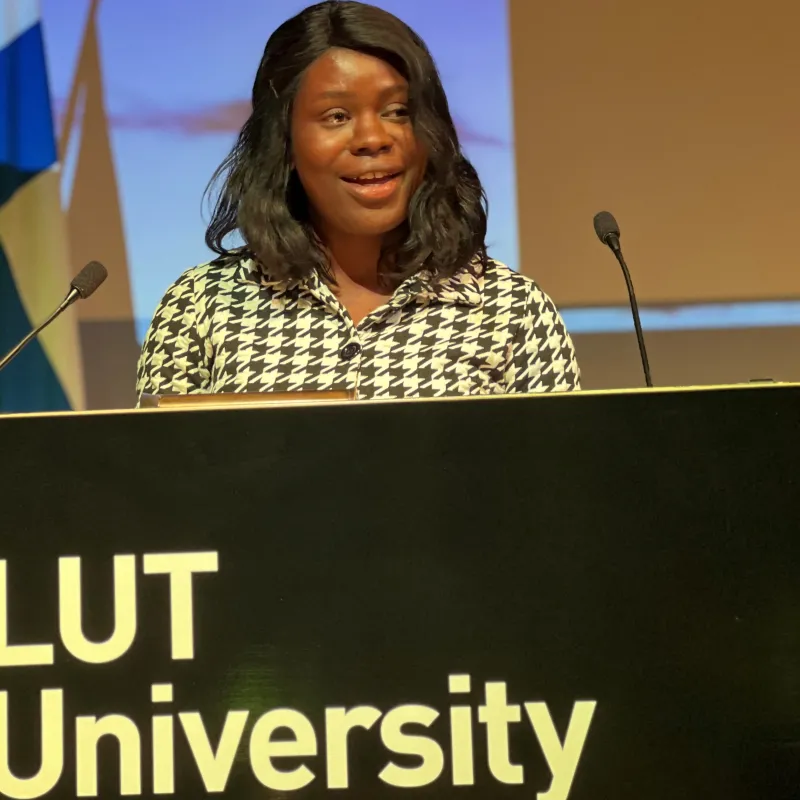
Miracle Amadi is a Postdoctoral Researcher (Research Fellow) in the Department of Computational Engineering at the School of Engineering Sciences, Lappeenranta-Lahti University of Technology (LUT University), Finland. Amadi's research focuses on developing and applying computational and statistical models to study infectious disease dynamics, including malaria, HIV, dengue, and COVID-19, with a particular emphasis on the impact of environmental factors and intervention strategies. Amadi's research interests span computational epidemiology, mathematical modeling of infectious diseases, Bayesian statistics, and public health. Their work integrates advanced statistical techniques such as Bayesian model selection, parameter estimation, and uncertainty quantification with epidemiological data to address critical public health challenges. Recent projects have examined the relationship between meteorological factors and disease incidence, the evolution of insecticide resistance in malaria vectors, and the effectiveness of non-pharmaceutical interventions during the COVID-19 pandemic. Analysis of Amadi's recent publications (2018-2025) reveals a strong trend in applying hybrid modeling approaches, including agent-based and spatio-temporal models, to complex epidemiological problems. A significant portion of the work focuses on malaria, with additional contributions to HIV, dengue, lumpy skin disease, and COVID-19. The research consistently emphasizes the role of environmental and climatic factors in disease transmission and the evaluation of control strategies, demonstrating a commitment to data-driven public health decision-making.
Jingwei Ji is a Research Scientist at Waymo LLC, specializing in computer vision and machine learning. He holds a Ph.D. in Electrical Engineering from Stanford University, where he was co-advised by Prof. Juan Carlos Niebles and Prof. Silvio Savarese, and a B.Sc. in Physics from Peking University. Education Ph.D. in Electrical Engineering, Stanford University B.Sc. in Physics, Peking University His research focuses on human activity understanding , video analysis , 3D vision , and scene graph modeling . He pioneered the Action Genome dataset, which bridges human actions and human-object relationships through spatio-temporal scene graphs. Jingwei's recent publications emphasize temporal alignment in few-shot learning, semantic segmentation of actors/actions, and 3D shape reconstruction. His work spans both theoretical advancements and practical applications in autonomous systems. Academic services include serving as a reviewer for top-tier conferences like CVPR, ICCV, AAAI, and journals including The Visual Computer. He organized workshops at CVPR 2020 and ECCV 2020 on compositional perception. Previously, he worked as an Applied Scientist Intern at Amazon Go (2018) and contributed to open-source projects like ActionGenome, a Python-based video dataset framework under MIT license.
Edward Kroc is an Associate Professor in the Department of Educational and Counselling Psychology, and Special Education at the University of British Columbia (UBC), Faculty of Education. He joined UBC in 2018 as part of the Measurement, Evaluation, and Research Methodology (MERM) program. His work bridges statistical theory, psychometrics, and ecological applications. Ph.D., Mathematics, University of British Columbia (2015) M.Sc., Applied Mathematics in Statistics, DePaul University (2007) B.Sc., Mathematics, DePaul University (2006) Kroc's research focuses on generalized measurement error, causal inference, and spatio-temporal modeling, with applications to urban ecology (e.g., gull populations) and psychometric validity. His methodological work challenges traditional assumptions in educational measurement and regression analysis. Recent publications highlight his interdisciplinary approach, combining statistics, ecology, and psychology. Key trends include the development of robust measurement frameworks, Bayesian methods for ecological data, and methodological critiques of reliability estimation techniques. Edward Kroc actively supervises graduate students in the Measurement, Evaluation and Research Methodology program and collaborates on interdisciplinary research projects and grants.
Dr Julie-Anne Akiko Tangena is a public health entomologist affiliated with the Liverpool School of Tropical Medicine (LSTM), Lancaster University, and Malawian institutions. Her work focuses on mosquito surveillance and vector control for malaria and arboviral disease prevention. Education : Biology BSc and MSc from Wageningen University and Research; PhD from Durham University. Her research explores innovative entomological surveillance tools to enhance vector control efficiency in resource-limited settings. She specializes in spatio-temporal patterns of insecticide resistance and risk assessment for vector-borne diseases in rural occupational environments like rubber plantations. Recent work includes collaborations with Oxford University and development of field evaluation frameworks for mosquito protection methods. Scientific achievements include an MRC Skills Development Fellowship (2019) and publications in journals such as Parasites & Vectors and PLoS One . Her career spans 8 years across Asia (Lao PDR) and Africa (Côte d’Ivoire, Malawi), with a focus on improving vector control through practical research.
Alejandro Omar Blenkmann is a Researcher at the RITMO Centre for Interdisciplinary Research on Rhythm, Time and Movement , Department of Psychology, University of Oslo. His work focuses on brain prediction mechanisms, auditory sensory processing, and intracranial electrode localization. He holds a PhD in Engineering (2012) from the National University of La Plata, Argentina, and has academic affiliations with institutions in Norway, Argentina, and the United Kingdom. Education: PhD in Engineering (2012) - National University of La Plata MSc in Biomedical Engineering (2007) - Favaloro University BSc in Engineering (2004) - Favaloro University Research Interests: Neuronal networks in auditory prediction Intracranial recordings (ECoG/SEEG) Frontal lobe role in prediction iElectrodes open-source toolbox development Collaborations: University of Cambridge University of California, Berkeley International Biomedical Cooperation Network
Michele Loreti is Full Professor in Computer Science at the University of Camerino within the School of Science and Technology and serves as Director of the School of Advanced Studies. His career includes roles as Research Associate at University of Firenze (2002-2017) and Visiting Professor at IMT Institute for Advanced Studies (2012-2016). He holds a PhD in Mathematical Logic and Theoretical Computer Science from University of Siena (2001) and a Computer Science degree from University of Rome 'La Sapienza' (1997). Research interests: Formal tools for concurrent/distributed systems Quantitative analysis of collective adaptive systems Spatio-temporal model checking Process calculi and modal logics Programming languages for network-aware applications Runtime verification and dynamic system adaptation Article trends: His work focuses on formal verification of cyber-physical systems, spatio-temporal properties, stochastic process calculi, attribute-based communication, and tools like CARMA and muG for collective system analysis. Editorial roles: Assistant editor for Elsevier Journal on Logical and Algebraic Methods in Programming and member of the Reproducibility Board for ACM Transactions on Modelling and Computer Simulation.
Betül Bulut is an Assistant Professor in the Department of Industrial Engineering at Beykent University , Turkey. She teaches courses such as Technical English , Enterprise Resource Planning , and Engineering Economics , combining industrial engineering principles with applied analytics. Research Focus Her research spans fraud detection , ergonomic risk assessment , healthcare process optimization , and retail analytics . She employs machine learning and simulation modeling to address spatio-temporal patterns in banking fraud, hospital workflows, and retail product clustering. Publication Trends Recent work emphasizes unsupervised learning for ATM fraud detection and multi-agent systems in healthcare. Earlier studies focus on analytical network processes for software selection and ergonomic risk evaluation in occupational safety.