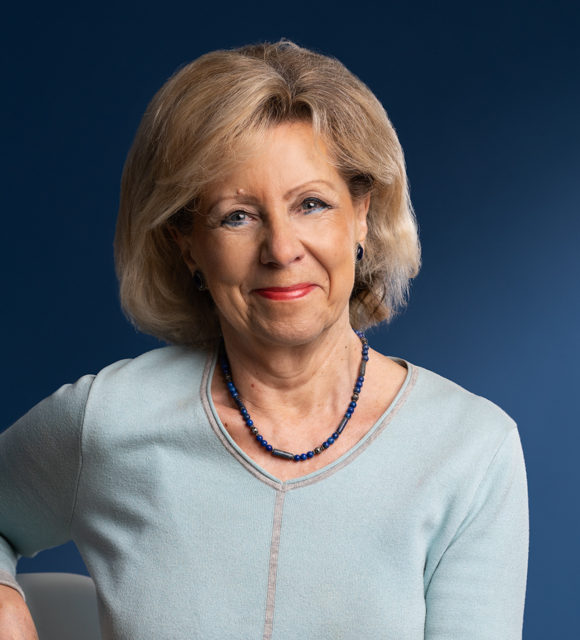
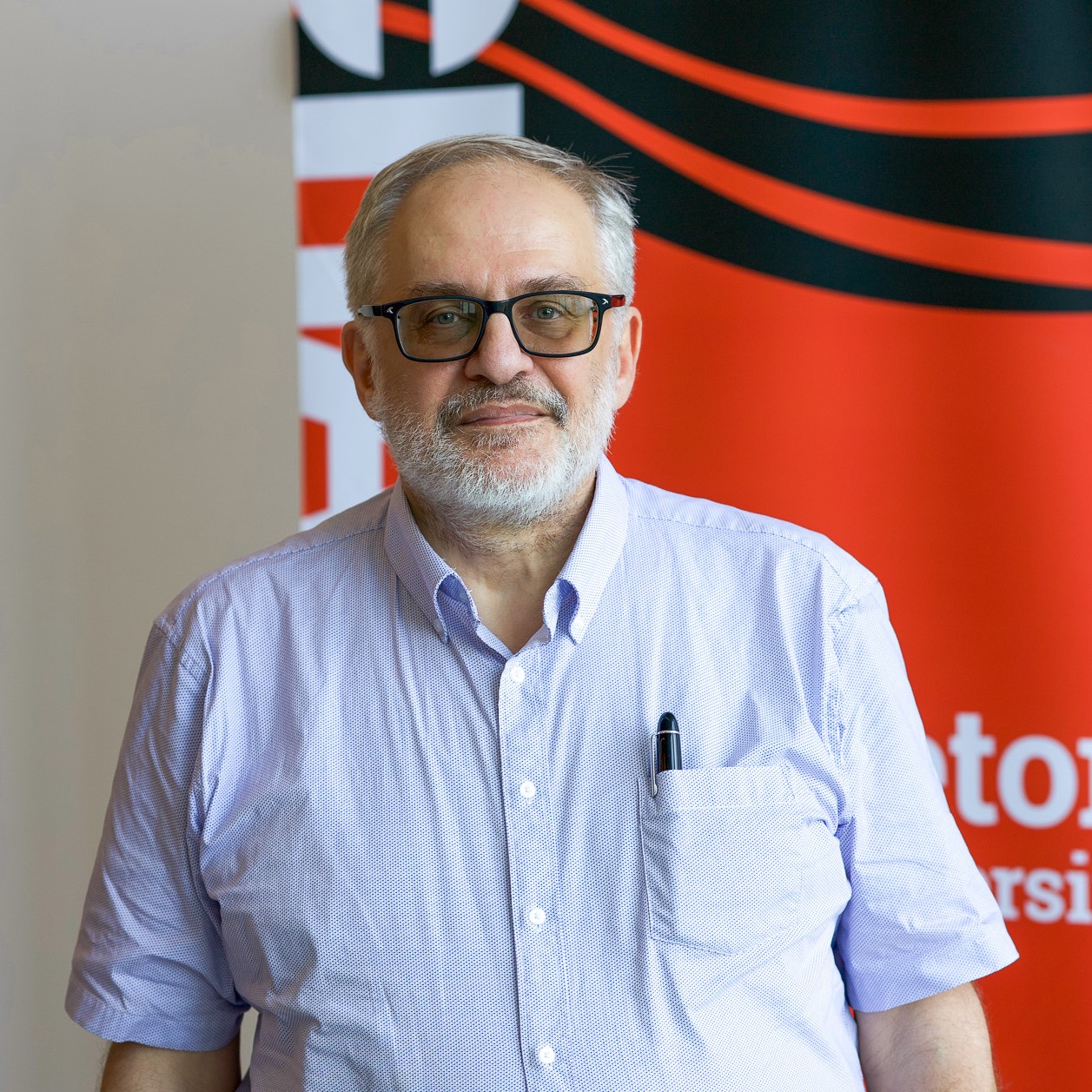
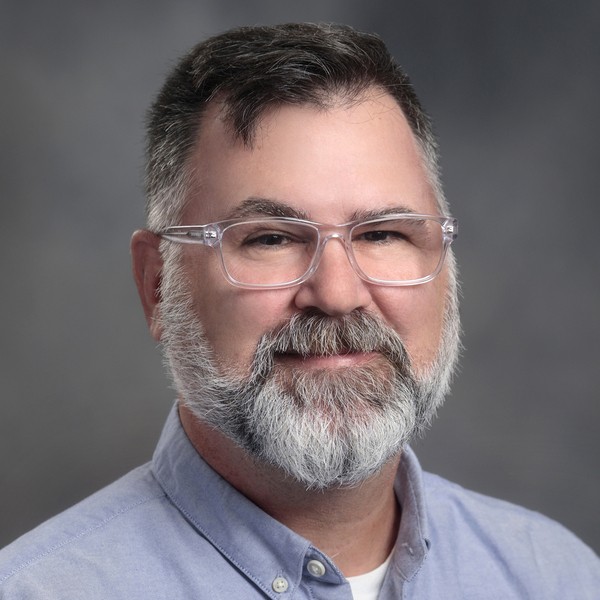
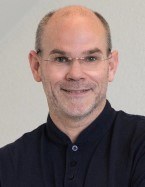
Vera M. Hesslinger is a Researcher at the Department of General Psychology and Methodology , Faculty of Human Sciences, Otto-Friedrich-Universität Bamberg. She earned her PhD in Experimental Psychology from Johannes Gutenberg University Mainz , supervised by Univ.-Prof. Dr. Heiko Hecht. Her work focuses on the perception and experience of art , cognitive maps , and social perception dynamics . Research Interests : Art perception, cognitive processing of visual ambiguity, social factors in aesthetics, and psychophysical analysis of color and depth perception. Key Contributions : Co-authored studies on the Mona Lisa’s 3D implications, #TheDress color perception, and social conformity in aesthetic judgments. Explored semantic instability in art and cognitive mapping. Recent Trends : Her 2022-2023 publications examine analytic vs. synthetic art perception and cross-cultural emptiness in architecture , reflecting a blend of experimental psychology and applied aesthetic research. Teaching : Conducts seminars on perception and observation exercises for BSc Psychology students, emphasizing empirical methods. Contact : Located at Markusplatz 3, Bamberg; office hours by appointment via email vera.hesslinger@uni-bamberg.de .
Ludwig Huber is a faculty member at the University of Vienna's Faculty of Life Sciences, Department of Behavioral and Cognitive Biology, since 1996. He holds the academic rank of Researcher with a focus on behavioral and cognitive biology across species. Key Research Areas: Behavioral Neuroscience, Social Learning, Animal Behavior, Neuroimaging, Comparative Psychology, and Conservation Biology Huber's publication record spans over 116 works, with recent emphasis on social cognition in canines (2023), nonverbal child psychology (2024), and cross-species neural engagement (2024). His projects include evolutionary psychology research for "Like me" (2012-2016) and physics understanding studies (2009-2012). While no explicit awards are documented here, his 107 conference activities and 7 media engagements (including 2016 coverage of amphibian kin recognition) demonstrate significant academic outreach. Current work continues through 2024 with neuro-cognitive studies in animal behavior.
David Mullich is an Adjunct Professor in the Entertainment Design department at ArtCenter College of Design, where he teaches foundational and advanced game design courses. He is also a seasoned video game designer and producer with extensive industry experience at Activision, Disney, Cyberdreams, EduWare, 3DO, and Spin Master. Mullich currently serves as Development Director at Say Games and is a co-creator of the Boy Scouts of America Game Design Merit Badge. He is a board member of the International Game Developers Association (IGDA) Los Angeles chapter and a recognized expert in gamification. Adjunct Professor, ArtCenter College of Design Development Director, Say Games Co-Creator, Game Design Merit Badge (Boy Scouts of America) Board Member, IGDA Los Angeles David Mullich's research and professional interests center on game design, gamification, game education, and the societal impact of games. He explores how games foster resilience, productivity, and social connection, particularly in challenging contexts such as war and labor struggles. His work emphasizes ethical game development, inclusive design, and the educational potential of interactive media. He is deeply engaged in understanding the cultural narratives embedded in games and how they reflect and shape human experiences. The recent articles reflect a strong thematic focus on the intersection of games with culture, history, and social issues. Mullich analyzes games as tools for emotional resilience, cultural preservation, and social commentary. His writings delve into labor practices in the industry, diversity in game content, and the psychological benefits of play. He also shares practical insights on game pitch design and virtual world creation, demonstrating a blend of theoretical and applied expertise. Rated 14th 'Gamification Guru' at 2014 Gamification World Congress Winner of Electronic Games Magazine’s Best Science-Fiction/Fantasy Game of the Year award David Mullich mentors emerging game developers through his teaching, public speaking, and involvement with IGDA. He has advised students through workshops and career panels at institutions like CSULA and GDC. His professional work includes consulting and production roles across major studios, contributing to both commercial success and educational outreach. While specific grant details are not mentioned, his initiatives like the Game Design Merit Badge and public advocacy suggest funded or institutionally supported outreach programs. Mullich collaborates with international organizations and conferences such as Slitherine Games, the University of Gdansk, and the Game Access Conference. He is actively involved in the global game development community, participating in events across Europe and North America. His work with Say Games and ArtCenter indicates affiliations with both industry and academic labs focused on game innovation and education.
Amoon Jamzad is an Adjunct Assistant Professor at the School of Computing, Queen's University, and a postdoctoral fellow at Med-I Lab. He holds a BSc in Electrical Engineering (Electronics) from University of Tehran (2007), an MSc in Biomedical Engineering (2010), and a PhD in Biomedical Engineering (2015). His doctoral research focused on noninvasive ultrasound analysis of kidney stones. He later served as a guest lecturer and lab instructor at University of Tehran for 3 years before joining Queen's University in 2019. BSc: Electrical Engineering (Electronics), University of Tehran (2007) MSc: Biomedical Engineering, University of Tehran (2010) PhD: Biomedical Engineering, University of Tehran (2015) Dr. Jamzad's research centers on cancer cell detection, particularly in developing ultrasonic and optical spectroscopic devices for surgical margin detection. His work integrates advanced machine learning techniques with clinical applications, focusing on breast and prostate cancer surgery. He has pioneered the use of mass spectrometry imaging for cancer margin assessment and developed open-source platforms like ViPRE and MassVision for AI-driven medical data analysis. His recent publications demonstrate expertise in self-supervised learning, domain adaptation, and uncertainty quantification within medical imaging contexts. While no specific awards are mentioned, his contributions to surgical oncology tools and multi-center prostate cancer studies indicate significant clinical impact. He has also explored temporal enhanced ultrasound for composite defect detection and electrosurgical cautery state recognition through deep learning.
Tina Asmussen serves as Head of the Research Department for Mining History at the German Mining Museum Bochum and holds a Junior Professorship in Early Modern Mining History at Ruhr University Bochum. Her interdisciplinary work bridges historical research with contemporary resource challenges, connecting museum-based scholarship with academic teaching. Her educational background includes: History and German Studies at University of Basel PhD in Early Modern Knowledge History (2012) from University of Lucerne Postdoctoral research at Max Planck Institute for History of Science (2014-2017) SNF Ambizione Fellowship at ETH Zurich (2017-2020) Asmussen's research centers on the interconnected histories of knowledge, economy, and environment in early modern Europe, with particular focus on mining cultures. She examines how resource extraction shaped material practices, ecological understandings, and cosmological frameworks through innovative approaches combining material culture studies with environmental history. Her current book project Subterranean Oeconomies – Mining and Resource Cultures in Early Modern Europe explores the complex relationships between underground labor, economic systems, and environmental transformations. Analysis of her recent publications reveals consistent thematic trajectories across mining history, demonstrating how material resource flows intersected with knowledge production, economic networks, and cultural belief systems. Her work increasingly addresses the historical roots of contemporary resource challenges, particularly through collaborations examining toxic legacies and sustainable resource practices. Key scientific recognition includes: Ambizione Research Fellowship (Swiss National Science Foundation) Heinrich Winkelmann fellowship Forum Basiliense Fellowship (University of Basel, 2025) Asmussen actively leads major research initiatives including the DFG/AHRC-funded Toxic Heritage project examining pollution landscapes in Harz and Cornwall, and the Leibniz-funded Commodity Frontiers in Eastern Europe network. She coordinates the Minescapes international workshop series and serves as PI for the DFG Graduate College Wissen – Glauben – Behaupten . Her grant portfolio reflects strong collaborative leadership across European and transatlantic institutions including Columbia University and Max Planck Institute. She directs the Mining History Research Department at the German Mining Museum, which integrates museum collections with academic research through projects like Anthropocene Commons and the Metals, Minerals and Life Cycle initiative. Her team combines archaeological, historical, and environmental approaches to investigate long-term resource dynamics, with particular emphasis on material flows and socio-ecological transformations.
Professor Susanne Rau serves as Professor for the History and Cultures of Spaces in Modern Times within the Department of History at the University of Erfurt's Faculty of Arts and Humanities. She holds multiple significant academic roles including Fellow and Spokesperson of the Kolleg Research Group at the Max Weber Center for Advanced Cultural and Social Studies, Program Supervisor for the Master's program in Collection-Related History of Knowledge and Culture, and Member of the Doctoral Committee of the Faculty of Philosophy since 2009. Her institutional leadership extends to coordinating Erasmus partnerships with universities across France, Spain, and Italy, and serving as contact person for university cooperation with Jamia Millia Islamia and Kannur University in India. Professor Rau's research establishes her as a pioneer in spatial history , with groundbreaking work on the intersections between urban development and religious practices . Her scholarship reveals sophisticated analysis of how spaces are constructed, perceived, and utilized across historical contexts, particularly examining European and South Asian urban centers. She has developed innovative frameworks for understanding urbanity as a historical concept , exploring how different cultures have conceptualized urban spaces through time. Her research on early modern European cities, especially Lyon and Hamburg, demonstrates exceptional attention to public spaces, tavern cultures, and spatial configurations that shaped social interactions. Her extensive publication record shows consistent methodological innovation, particularly in the spatial turn in historical scholarship . Recent work demonstrates increasing emphasis on comparative urban studies between European and South Asian contexts, with significant focus on Calicut (Kozhikode). Professor Rau has pioneered digital approaches to historical research through projects like the GlobMapLab , which uses computational tools to analyze historical cartographic collections, particularly the renowned Perthes collection in Gotha. Her collaborative work with the "Religion & Urbanity" research group represents a major contribution to understanding how religious practices both shape and are shaped by urban environments. 2023 Thuringian Research Prize (Basic Research) 2023 Palmes Académiques ("chevalier") 2021 Award for internationalization of the University of Erfurt 2018-2021 Distinguished Visiting Professorship at the École Normale supérieure de Lyon 2017 Gay-Lussac Humboldt Prize of the French Academy of Sciences 2017 "Geisteswissenschaften International" Prize for promoting humanities translation 2015 Vienna Prize for urban history research 2009 Heisenberg Professorship of the German Research Foundation 2008 Young Talent Award from the Alfried Krupp von Bohlen und Halbach Foundation As an academic leader, Professor Rau has directed substantial research initiatives including the "Religion & Urbanity" collaborative research group funded by the German Research Foundation, and previously served as Vice President for Research and Young Talent Development at the University of Erfurt (2014-2017). She has secured funding from prestigious organizations including the Alexander von Humboldt Foundation, German Research Foundation, and various European funding bodies. Her editorial leadership extends to co-editing the SpatioTemporality series with De Gruyter and serving on multiple journal editorial boards, significantly shaping scholarly discourse in urban and spatial history. Professor Rau leads the Erfurt SpaceTime Research group, which develops innovative methodological approaches to spatial and temporal analysis in humanities research. Her GlobMapLab initiative represents a cutting-edge integration of digital humanities with traditional historical methods, enabling new forms of analysis of historical cartographic materials. Through her extensive international collaborations spanning France, India, and Italy, she has established herself as a key figure in global scholarly networks focused on urban history, spatial analysis, and cross-cultural historical studies.
Laurent Charlin is an Associate Professor at HEC Montréal and holds an adjunct appointment in Computer Science at Université de Montréal. His research focuses on machine learning for decision-making with applications in recommender systems, reinforcement learning, and optimization.
Annick Germain is a Professor at the National Institute of Scientific Research (INRS) and Director of the Urban Studies Program at the Urbanization Culture Society Research Centre in Montréal, Québec. She holds a PhD in Sociology from the Université de Montréal (1981) and has established herself as a leading expert in urban sociology with a focus on immigration, intercultural cohabitation, and municipal diversity management. PhD in Sociology, Université de Montréal, 1981 MSc in Sociology, Université de Montréal, 1974 Licence in Sociology, Université catholique de Louvain (Belgium), 1971 Professor Germain's research focuses on the sociological understanding of urban phenomena, particularly examining public spaces and sociability, social mix, neighborhood life and lifestyles, housing and social ties, and urban heritage and planning. Her work specifically investigates the interface between cities and immigration, exploring interethnic cohabitation in neighborhoods, controversies surrounding the planning of places of worship, municipal management of diversity, and cultural communities in urban life (including participation, housing, racism, and more). She has directed the Metropolis Centre of Quebec – Immigration and Metropolises, one of five Canadian centers of excellence that contributed to the Metropolis project on integration, diversity and urban dynamics. Her recent publications demonstrate a consistent focus on urban diversity, particularly examining the role of immigrant communities in reshaping suburban landscapes, religious diversity in Montréal, and interethnic cohabitation in middle-class neighborhoods. Her work employs both qualitative and quantitative approaches to understand how diverse populations navigate urban spaces, with particular attention to the everyday practices of cohabitation and the municipal policies that shape diversity management. Prix Planète INRS, Carrière d'excellence en recherche National Metropolis Award in immigration, university researcher category, 2017 Professor Germain has supervised numerous graduate students and postdoctoral fellows throughout her career, including over 30 master's and doctoral students. Her research has been supported by various funding agencies including SSHRC, FQRSC, and municipal partnerships. She is actively involved in multiple research networks, including the Quebec Interuniversity Centre for Ethnic Studies and serves as a Fellow at the Institute for Research on Public Policy. Her collaborative work extends internationally, with partnerships in Europe and North America examining comparative urban diversity. She is a member of the research team for FRQ (dir. M. Paquet, Concordia), the Quebec Immigration Research Team, a Fellow at the Institute for Research on Public Policy (IRPP), and a member of the steering committee of the Interdisciplinary Research Centre in Montreal Studies (CRIEM) at McGill University. Her work has significantly influenced municipal approaches to diversity management in Montréal and beyond.
Dr. Juan Manuel Sáez Martínez is a full professor in the Department of Computer Science and Artificial Intelligence at the University of Alicante's Higher Polytechnic School II. With a PhD in Computer Engineering and over two decades of academic experience since 2000, he specializes in Computer Vision and Mobile Device Applications for accessibility, particularly for the blind and visually impaired. His groundbreaking NaviLens project—a digital signage system patented internationally by the University of Alicante and licensed to Neosistec SL—represents a significant contribution to assistive technology. Teaching experience across 15+ years in programming fundamentals, computer systems, and internships for telecommunications and multimedia engineering Supervised one PhD thesis on structural similarity in object recognition Active in public research projects including airport navigation systems and airborne obstacle detection for the visually impaired His research interests focus on computer vision algorithms , stereo-based wearable devices , and ultra-efficient artificial vision systems for mobile platforms . Recent work includes biomedical informatics applications like 3D obstacle detection and accessibility-oriented UI design. He has participated in 10+ competitive public research projects (2016-2021) while contributing to technology transfer initiatives. Teaching contributions include 4 quinquennials (five-year terms) and 14+ years of instruction in Programming Fundamentals I for Telecommunication Sound and Image Engineering. Notable collaborations include co-authorship with Dr. F. Escolano on entropy-based SLAM algorithms and Gaussian mixture models for image processing. Current research emphasizes practical applications through the Mobile Vision Research Laboratory (MVRLab) .
Ioannis Lambadaris is a Full Professor and Chancellor’s Professor at Carleton University's Department of Systems and Computer Engineering, Faculty of Engineering and Design. Holding a Ph.D. from the University of Maryland, he has contributed extensively to network performance analysis over 25+ years. Specializes in stochastic processes, cloud computing, and wireless edge systems Led Ericsson 5G Chair initiatives Supervised over 70 graduate students His research spans QoS control , VNF placement optimization , and IoT indoor localization , with over 170 publications. Recent work focuses on reinforcement learning and deep learning in network resource allocation. Scientific Recognition: Chancellor’s Professor Ericsson 5G Chair Contact: ioannis@sce.carleton.ca | Office: Mackenzie 4448, Ottawa, ON
Arminda Guerra Lopes is a Professor at the Polytechnic Institute of Castelo Branco, Portugal, with 25 years of academic service. She holds a PhD in Human-Computer Interaction from Leeds Metropolitan University (UK) and maintains a research fellowship at the Interactive Technologies Institute (ITI/LARSyS) in Portugal. Her institutional leadership includes roles as School Vice Director and President of scientific/pedagogical boards. Her research focuses on human-centered technology design, with expertise in: Social informatics and collaborative systems Human-Work Interaction Design (HWID) Creativity support tools Quality-of-life technologies AI-human interaction paradigms She maintains active international collaborations across Europe and Asia. Recent publications (2017-2023) demonstrate strong focus on AI interactions, workplace systems, and accessibility solutions, with recurring themes of pilot implementation studies, artistic interfaces, and wellbeing technologies. Her work frequently employs mixed-methods approaches bridging technical development with human behavioral analysis. Dr. Guerra leads research teams exploring affective computing, augmented reality navigation, and game-based learning, with projects involving multisensory installations, gesture recognition systems, and community information platforms.
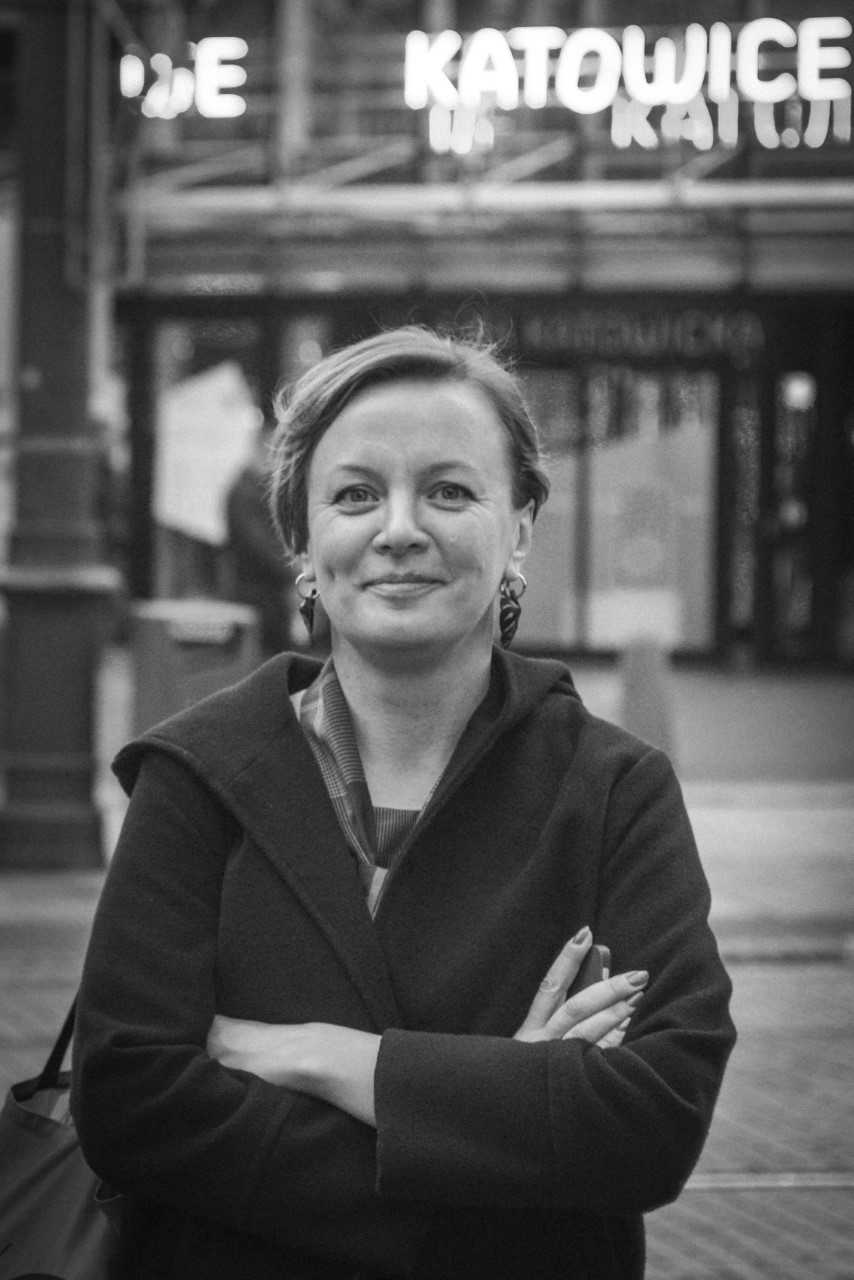
Dr. hab. Anna Kmita is a Professor at the Academy of Fine Arts in Katowice , where she teaches Color Design and co-runs the Design Foundations Studio . As a co-founder of the Polish Color Association , her work bridges information design , comprehensive branding , and color parameterization with a focus on Silesian cultural heritage and applied arts . Research interests center on the clarity of visual messages , heritage preservation , and reviving regional design traditions . Her projects often involve interdisciplinary collaboration , such as the "Ckliwie na szkliwie" ceramic initiative funded by Ministry of Culture scholarships (2020), which combines personal memory documentation , historic commemorative plate traditions , and educational campaigns . Scientific awards include the 2016 Śląska Rzecz Special Award for Silesian Park visual identity and the 2021 Honorable Mention at International Ceramics Festival Mino . She has presented at conferences like the 14th AIC Congress (2021) and Color Impact Conference (2023). Her design projects span urban information systems (Katowice, Zawiercia), industrial collaborations (BHH Mikromed, Valbruna), and cultural preservation initiatives such as the O!pole Color Palette Project (2014) for Opole folk embroidery.
Marine Beaudoin is a Maître de conférences HDR (Associate Professor) at the University of Savoie Mont Blanc, specializing in cognitive psychology with a focus on aging populations. Her research spans motivation, self-perception, and cognitive performance across the lifespan, with particular emphasis on elderly populations. Her primary research areas include self-efficacy , cognitive aging , memory processes , and virtual reality applications . She investigates how self-perception influences cognitive performance, particularly examining memory self-efficacy in aging adults and developing interventions to improve well-being in vulnerable populations. Her work integrates Virtual reality embodiment studies Self-esteem enhancement techniques for cancer patients Mental health interventions for elderly autonomy Lexical association methods for psychological improvement Recent publication trends reveal strong interdisciplinary focus spanning gerontology, clinical psychology, and human-computer interaction. Her work increasingly incorporates virtual reality methodologies while maintaining core psychological research on motivation and self-perception across aging populations. Key thematic clusters include cognitive aging interventions (42% of recent work), self-esteem applications (31%), and virtual embodiment effects (27%). Beaudoin actively collaborates with healthcare structures including hospitals and home nursing services to develop applied techniques for improving quality of life in vulnerable populations. Her research program includes randomized controlled trials and systematic reviews focused on mental health promotion for elderly individuals with physical limitations.
Dr. Jeffrey Stratford is Professor and Chair of the Biology Department at Wilkes University, based in the Cohen Science Center. His research examines landscape-scale ecological transformations including urbanization impacts on birds, mine reclamation, river restoration, and recently, soil microbial dynamics in grassland ecosystems. Educational Background: Bachelor's in Biology from Rutgers University Master's from Southeastern Louisiana University studying rainforest fragmentation effects on birds Ph.D. from Auburn University on urbanization impacts on southeastern birds Research Focus: Dr. Stratford's interdisciplinary work spans: Avian ecology in fragmented landscapes Tropical conservation biology Urban ecosystem dynamics Soil-plant-microbe interactions in grasslands Wildlife responses to habitat restoration Physiological and behavioral adaptations in birds Publication Trends: His 15 most recent articles (2014-2025) reveal: Early focus on tropical birds, forest fragmentation, and avian parasites Mid-career expansion into rodent foraging ecology and reclamation studies Recent pivot toward grassland microbial ecology and plant-soil interactions Consistent themes in urbanization impacts and conservation applications
Kai Hamburger serves as Assistant Professor in the Department of Experimental Psychology and Cognitive Science at Justus Liebig University Gießen, where he conducts research at the intersection of spatial cognition and sensory processing. His institutional role is evidenced by office location (Room F 161, Phil. I) and inclusion in the university's research team listings. His academic credentials include: Dipl.-Psych. from University of Frankfurt (2004) Dr. rer. nat. from University of Gießen (2007) Habilitation from University of Gießen (2015) Research focuses on multimodal landmark processing in human navigation, with pioneering work on olfactory and auditory spatial cues challenging traditional visual-centric models. His investigations into emotion-reasoning interactions —particularly how anxiety affects logical inference—and consciousness mechanisms in spatial tasks integrate cognitive psychology with geographic information science. Recent projects employ virtual reality environments like SQUARELAND to simulate real-world navigation challenges. Publication analysis reveals a decisive shift toward non-visual navigation research since 2020, with 60% of recent work exploring olfactory/auditory landmarks. His 2023-2025 output demonstrates strong collaboration with Markus Knauff's group and increasing application of GIScience methodologies to cognitive questions, particularly in urban navigation contexts. Dr. Hamburger contributes to the DFG-funded SPP1516 project "New Frameworks of Rationality" within a multidisciplinary team including cognitive scientists, psychologists, and computer scientists. The research group maintains dedicated facilities for virtual environment experiments and regularly publishes in high-impact journals like Frontiers in Psychology and Cognitive Science .