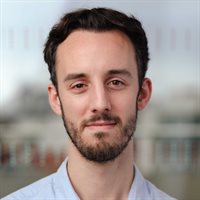
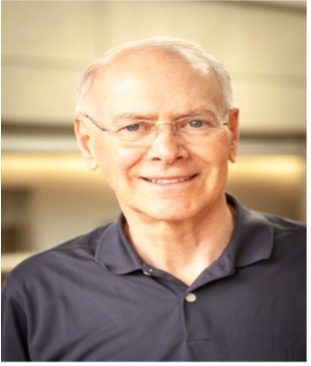
Dr. Stephen Jarvis is an Assistant Professor in Environmental Economics at the London School of Economics and Political Science's Department of Geography and Environment. His expertise spans environmental economics, electricity markets, and public policy. He holds a PhD from UC Berkeley’s Energy & Resources Group and has conducted postdoctoral work at the University of Mannheim. His research focuses on energy transitions, climate policy, and applied econometrics. Education: BSc (Economics & Economic History) from LSE (2012), MS (Energy & Resources) from UC Berkeley (2017), PhD (Energy & Resources) from UC Berkeley (2020). Research interests include renewable energy economics, utility regulation, and the political economy of clean energy. Notable publications address NIMBYism in renewable projects, Germany's nuclear phase-out costs, and air conditioning inequality. He has received grants including the UKRI New Investigator Award and the European Economic Association's Hicks-Tinbergen Award. Teaching includes MSc courses on energy markets, quantitative methods, and economic appraisal. He advises numerous graduate students and serves on LSE's Equity, Diversity, and Inclusion Committee.
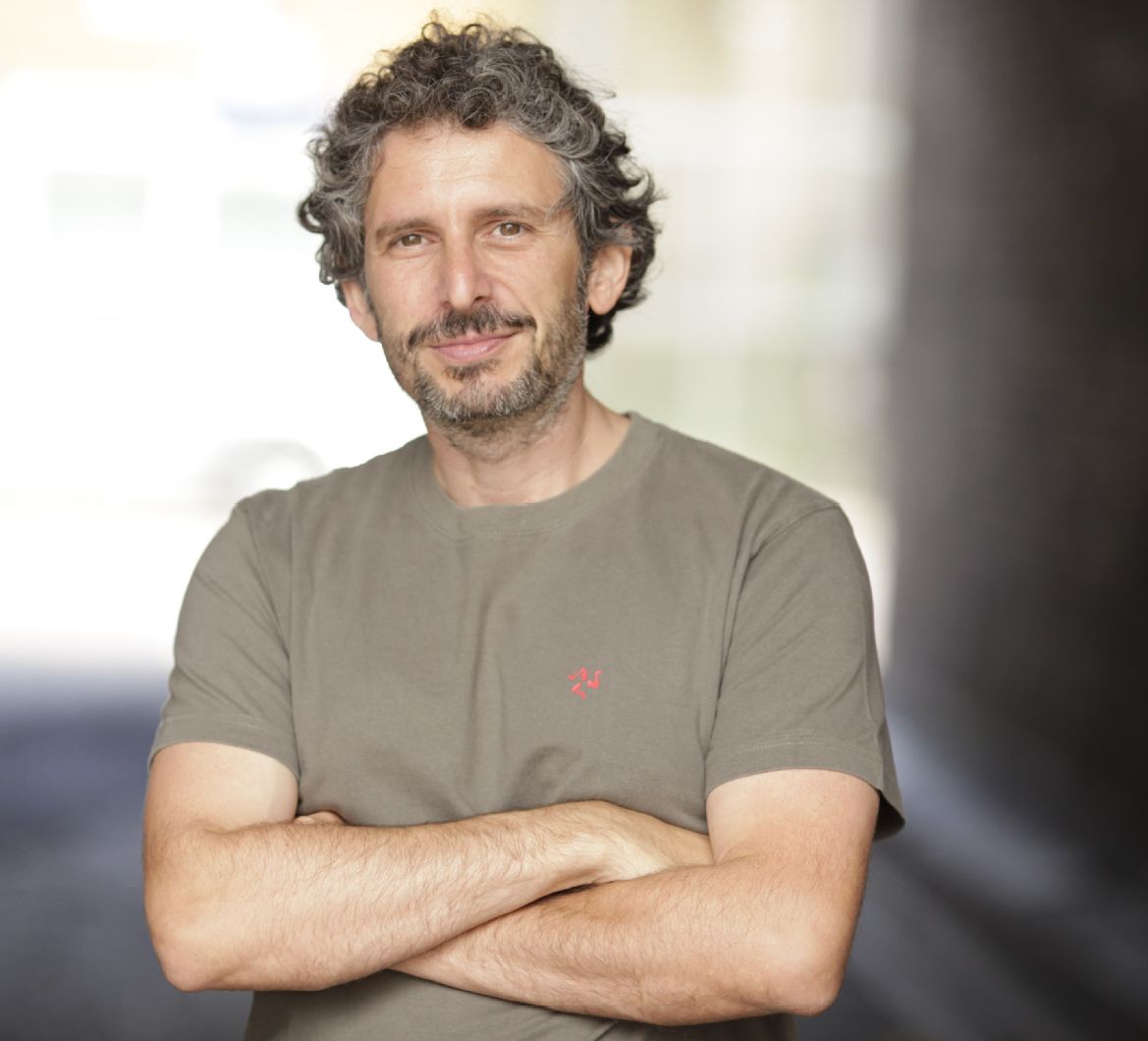
Professor Daniele Condorelli is a faculty member in the Department of Economics at the University of Warwick. His research focuses on Microeconomic Theory, Networks and Platforms, and Mechanism Design. He holds a Professor title and is affiliated with the Department of Economics. His work explores topics such as consumer hold-up in ecosystems, data-driven envelopment, and surplus bounds in Cournot competition. His research interests span strategic models of intermediation networks, auction design, and information economics. Notable publications include studies on vertical mergers in digital ecosystems, privacy-policy impacts on data monetization, and optimal mechanism design for market efficiency. Recent articles highlight his contributions to understanding platform competition, resale networks, and algorithmic game theory. His work often intersects with antitrust policy, digital market governance, and incentive design in networked environments. Professor Condorelli advises students in economics and is involved in academic administration, offering office hours by appointment.
Dr. Jonathan Liebenau is an Associate Professor (Reader) in Technology Management at the London School of Economics (LSE), part of the Department of Management. He also holds a visiting professorship at Columbia University’s Graduate School of Business and School of Engineering. His expertise spans technology management, innovation policy, and the socio-economic impacts of information systems in developing countries. He has authored/co-authored over 70 publications and advised global organizations such as Dell, IBM, and the UK Office of Science and Innovation. Education: PhD in History and Sociology of Science (University of Pennsylvania, 1981), BA in Science Policy (University of Rochester, 1976). His career includes roles at the Smithsonian Institution, Boston University, and academic leadership roles at LSE. Research focuses on technology policy, telecommunications, and the role of digital infrastructure in development. He leads LSE Tech, a research group exploring internet economics and policy. Notable work includes studies on payment systems modernization, blockchain regulation, and the economic implications of cloud computing in emerging economies. Advisory roles include membership on boards at Istanbul Bilgi University and the American University in Cairo. He has supervised numerous PhD students researching topics like ICT in Sub-Saharan Africa, banking innovation in Thailand, and DSS applications in national debt management. His recent articles address global technological competition with China, urban mobility policy, and fintech innovation mechanisms. He emphasizes interdisciplinary approaches to understanding how technology shapes economic development and regulatory frameworks.
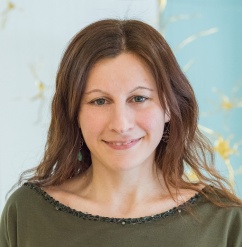
Kalle Lampela is a University Researcher and University Lecturer at the Faculty of Art and Design, University of Lapland. His academic background includes a Doctorate in Arts (TaT) and a Master's in Social Sciences (YTM). His research focuses on intersections between visual arts/design, sociology, and cultural policy, with a particular interest in public art, institutional critique, and language in art discourse. **Education:** Doctor of Arts (Taiteen tohtori) Master of Social Sciences (Yhteiskuntatieteiden maisteri) **Research Interests:** Kalle's work critically examines how art engages with societal structures, particularly through projects like the Specialisation Programme in Public Art and collaborations with institutions like Lapland Central Hospital. He explores themes such as self-referentiality in art, temporalities in artistic practice, and the accessibility of art discourse. His sociological lens often bridges art theory with public policy. **Grants & Projects:** Principal Investigator for LSHP:n taidehankinnat (2019-2021) Co-lead on Art Experts - Masters’ Degree Programme Development Project (2020-2022) Consultant for Lapland Central Hospital Expansion Project (2020) **Collaborations:** Active in Nordic and international networks, with recent projects involving cross-disciplinary teams in art, healthcare, and urban planning. His work frequently integrates public engagement and community-based art initiatives.
Matthew V. Bilskie is an Assistant Professor at the University of Georgia's School of Environmental, Civil, Agricultural & Mechanical Engineering. His research focuses on coastal hydrodynamics, storm surge modeling, and nature-based solutions for flood mitigation. He leads the Coastal Ocean Analysis and Simulation Team (COAST), which develops computational models to simulate coastal processes. Key areas include hurricane impacts, compound flooding, and ecosystem resilience. Dr. Bilskie's work integrates engineering, ecology, and policy to address climate change challenges. He has collaborated on projects assessing flood vulnerability, barrier island dynamics, and the effectiveness of natural features like wetlands and oyster reefs. His team produces tools for decision-makers, including real-time forecasting systems and inundation maps. Key Projects: Compound Flood Manual of Practice, ASCE guidelines, Savannah flood vulnerability mapping Research Themes: Coastal resilience, climate adaptation, interdisciplinary modeling Tools Developed: PyVF (LiDAR analysis), COAMPS-TC ensemble models He holds a Ph.D. and has published extensively on topics like marsh attenuation, levee setbacks, and socio-economic flood risk assessments in coastal regions.
Marta Kryven is an Assistant Professor in the Faculty of Computer Science at Dalhousie University. Her research integrates artificial intelligence, cognitive science, and experimental psychology to develop computational models of human cognition, focusing on planning, perception, and behavior. She is actively engaged in interdisciplinary research and is accepting graduate students. Research Interests: Computational models of cognition and behavior Large Language Models and their alignment with human thought Spatial navigation and environmental interaction Program synthesis and induction Representation learning and cognitive modeling Human-AI alignment and interpretability Her recent publications demonstrate a strong trend in combining symbolic AI with neural models to simulate human-like reasoning, particularly in spatial and social contexts. She frequently collaborates with leading researchers at MIT, especially Joshua Tenenbaum. Her work appears in top-tier venues such as NeurIPS, Cognitive Science, and Nature Computational Science. Scientific Awards: No awards explicitly mentioned in the provided text. Advising and Grants: Marta Kryven is currently accepting applications from graduate students and has several projects available for both undergraduate and graduate researchers. While specific grants are not listed, her active publication record in high-impact journals suggests ongoing funded research. She also offers consulting in AI system design, behavioral modeling, and data science for businesses. Labs and Teams: She is part of the Big Data Analytics, AI & Machine Learning research cluster at Dalhousie University. Her work is closely affiliated with cognitive science and AI research groups, likely involving collaboration with MIT’s Center for Brains, Minds and Machines. She leads a research group focused on human-like AI and computational cognitive modeling.
James O. Fiet is a Professor of Management and the Brown-Forman Chair in Entrepreneurship at the University of Louisville College of Business . His work bridges strategy and entrepreneurship , with over 175 publications and leadership roles in academia. Education : PhD in Entrepreneurship & Strategic Management (Texas A&M), MBA in Entrepreneurship (USC), BA in English (Brigham Young University) His research spans entrepreneurship theory , strategic management , and social enterprises , focusing on institutional logics, poverty alleviation, and time-space dynamics. Recent publications include Time, Space and Entrepreneurship (2021) and Poverty Alleviation and the Science of What's Possible (forthcoming 2022). Scientific recognition includes being ranked 5th most productive U.S. entrepreneurship researcher (2009) and 8th globally . He served as editor of Entrepreneurship Theory and Practice , the #2 cited business journal globally. Awards: Top 1% entrepreneurship researcher (2021), Top 2% scientist worldwide (2021), Emerald Certificate of Excellence (2017).
Professor Anthony Burke is a Professor of Architecture in the Faculty of Design Architecture and Building at the University of Technology Sydney (UTS), where he currently serves as Course Director for the Master of Architecture program. Previously, he held significant leadership roles including Associate Dean of International and Engagement (2017-2019) and Head of the School of Architecture (2010-2016). Internationally recognized for his work in architectural design, curation and commentary, Burke specializes in contemporary design theory at the intersection of technology, urbanism and practice, with a particular focus on ethical considerations in smart city development. Burke holds an M.Sc. in Advanced Architectural Design from Columbia University (2000) and a B.Architecture (First Class Honors) from UNSW Australia (1995). Prior to his current position at UTS, he was an Assistant Professor in Architecture at the University of California, Berkeley between 2002 and 2007. He has also served as a Visiting Professor at the Beijing Institute of Technology (2018-2020) and Institut Teknologi Bandung (2018-2019). Professor Burke's research explores the complex relationship between architecture, technology, and urban environments, with particular emphasis on how design can address societal challenges while maintaining human-centered values. His work spans architectural theory, urban technologies, and innovative practice models, often bridging academic scholarship with practical applications through numerous funded research projects and industry collaborations. He has published extensively on topics including the ethics of smart cities, architectural restoration, and the evolving role of architects in contemporary society. His recent publications reveal a consistent exploration of architecture's role in contemporary society, with recurring themes including the intersection of technology and design, ethical considerations in urban development, and innovative approaches to architectural practice. This body of work demonstrates both theoretical depth and practical relevance, connecting academic discourse with real-world applications. 2024 ACTAA Award for Lifestyle Category - Grand Designs Australia Season 11 2024 Honorary Fellow Beyond traditional academic work, Burke actively supervises PhD students and has secured significant research funding from organizations including Cumberland Council, IKEA, and the NSW Office of the Government Architect. His projects frequently involve interdisciplinary collaboration, bringing together architects, urban planners, technologists, and policymakers to address complex urban challenges. He has also founded initiatives like Open Agenda, an annual speculative design research competition for emerging Australian architects. Professor Burke extends his impact through media engagements, serving as host and presenter for popular television programs including Grand Designs Australia (Seasons 4-11), Restoration Australia (Seasons 4-7), and Culture X Design. These platforms allow him to communicate architectural concepts to broad audiences, with Grand Designs Australia reaching approximately 1 million viewers per episode in Australia and more internationally. His public outreach includes regular contributions to The Conversation, ABC News, and other media outlets, making architecture and design accessible to the general public while showcasing innovative Australian architecture.
Michelle Borkin is an Assistant Professor in the Khoury College of Computer Sciences at Northeastern University’s Boston campus, where she co-leads the Visualization @ Khoury Lab and co-directs the Northeastern Visualization Consortium (NUVis). She additionally serves as Affiliated Faculty with the NULab for Text, Maps, and Networks and with the Information Design & Data Visualization Program in the College of Arts, Media, and Design. Education PhD, Applied Physics, Harvard University School of Engineering and Applied Sciences (2014) MS, Applied Physics, Harvard University BS, Astronomy & Astrophysics and Physics, Harvard University Research Interests Borkin’s research integrates data visualization and human-computer interaction to create novel techniques that enable discovery across disciplines. Her work spans: Multidimensional brushing-and-linking methodologies 3D data visualization and selection techniques Tree and network visualization Visualization evaluation methodologies and perception/cognition theory Accessibility and visualization for social good Medical and astrophysical visualization applications Publication Trends Across more than 50 peer-reviewed papers, Borkin’s research exhibits three dominant threads: (1) foundational studies on visualization perception and memorability, (2) design and evaluation of novel interactive tools for complex data (medical, astronomical, political, and social media), and (3) methodological contributions such as the Design Study “Lite” Methodology that accelerate visualization pedagogy and community-engaged research. Awards & Honors CHI 2020 Best Paper Award IEEE VIS 2020 Best Poster Honorable Mention IEEE VIS 2018 Best Poster Award NSF Graduate Research Fellowship NDSEG Graduate Fellowship TED Fellow Advising & Grants Borkin currently advises five PhD students—Jane Adams, Mackenzie Creamer, Franc O, Aditeya Pandey, and Laura South—and has previously mentored Michail Schwab and Uzma Haque Syeda. Her research has been supported by NSF, NDSEG, and TED fellowships, as well as internal Northeastern awards. Labs & Teams Co-Lead, Visualization @ Khoury Lab Co-Director & Co-Founder, Northeastern Visualization Consortium (NUVis) Affiliated Faculty, NULab for Text, Maps, and Networks Affiliated Faculty, Information Design & Data Visualization Program, CAMD
Jill Dunham is an Associate Professor in the Department of Mathematics at Schmid College of Science and Technology , Chapman University. Her research spans topological graph theory , computational problems in discrete mathematics , recreational mathematics , and pedagogy , focusing on tactile learning and course assessment. She earned a B.Sc. from Iowa State University and M.Sc. and Ph.D. from George Mason University. Education: B.Sc. in Mathematics, Iowa State University M.Sc. in Mathematics, George Mason University Ph.D. in Mathematics, George Mason University Her research projects include finding the maximum touching number for coin graphs , enumerating solutions to paper-folding problems , and applying graph theory to commutative algebra structures . She also contributes to pedagogical innovations through hands-on activities in undergraduate mathematics education. Recent publications include work on round-robin tournaments , edge colorings in Hamiltonian cycles , and coin graph representations . Her collaborations appear in volumes like The Mathematics of Various Entertaining Subjects and Numery .
Jonathan Hersh is an Associate Professor at Chapman University's George L. Argyros College of Business and Economics, specializing in Economics and Management Science. His research bridges artificial intelligence, machine learning, and economics to address business, labor, and societal challenges through diverse data sources like satellite imagery and economic records. Education: University of Chicago (BA), University of Pennsylvania (MS), Boston University (PhD) Research focuses on AI's societal impact, including digital platform strategy, online piracy, and development economics. He has pioneered methods for poverty mapping using satellite data and war destruction analysis with AI. Recent publications explore AI skills gaps in financial institutions, API-driven economic growth, and satellite-based poverty estimation. His work has appeared in Management Science , MIS Quarterly , PNAS , and NeurIPS . Awards: BBVA Foundation Frontiers of Knowledge Award (2023) Previously worked as a data scientist for startups and the World Bank. Teaches AI, machine learning, and development economics to undergraduate and MBA students.
Dr. Andrea Baden is an Associate Professor in the Department of Anthropology at Hunter College, School of Arts and Sciences, and a Doctoral Faculty member at the CUNY Graduate Center. She directs the Primate Molecular Ecology Laboratory (PMEL) and contributes to the New York Consortium in Evolutionary Primatology (NYCEP). Her fieldwork in Madagascar focuses on the Ruffed Lemur Project, integrating ecology, genetics, and behavior. Hunter College, CUNY (2013–present) CUNY Graduate Center (Doctoral Faculty) New York Consortium in Evolutionary Primatology (Core Faculty) Her research explores how landscape features influence primate distribution, migration, and genetic diversity, linking these to social behavior evolution. Publications span journals like Nature Scientific Reports , Animal Behaviour , and American Journal of Primatology , with themes in landscape genetics, conservation, and behavioral endocrinology. Dr. Baden has received the Feliks Gross Endowment Award and a Fulbright Fellowship for her work. She teaches human evolution, primatology, and conservation biology, mentoring future scientists through fieldwork and lab research. PhD in Anthropology, Stony Brook University MA in Anthropology, Stony Brook University BA in Anthropology, University of Miami Postdoctoral Research, Yale University
Lung-Pan Cheng is an Associate Professor in the Department of Computer Science and Information Engineering at National Taiwan University. His research focuses on creating innovative interfaces that bridge physical and virtual realities, with particular emphasis on virtual reality systems, haptic feedback mechanisms, and perceptual illusions. Dr. Cheng's work explores how to create more immersive and believable virtual experiences through: Novel haptic feedback systems that simulate physical interactions in virtual environments Real walking techniques that overcome physical space limitations in VR Perceptual illusions that enhance the sense of presence in virtual worlds Human actuation approaches that leverage people as part of the VR infrastructure Optical illusions applied to digital media and gaming experiences Advanced fabrication techniques for interactive physical objects His recent publications (2022-2024) demonstrate a continued trajectory of innovation in VR interaction techniques, with work focusing on directional force feedback, infinite vertical navigation, and the integration of optical illusions into virtual experiences. Dr. Cheng's research consistently combines hardware innovation with perceptual psychology to create compelling user experiences that push the boundaries of virtual environments. Dr. Cheng has received notable recognition for his work: Best Paper Award at CHI 2022 for 'AirRacket: Perceptual Design of Ungrounded, Directional Force Feedback to Improve Virtual Racket Sports Experiences' SIC People's Choice Award at UIST 2022 for 'Garnish into Thin Air' His research has been featured in media outlets including MIT News and New Scientist, indicating broader impact beyond academic circles. Dr. Cheng maintains active collaborations with researchers worldwide, as evidenced by his international co-authorship patterns across multiple disciplines including computer science, psychology, and engineering.
Dr. Angela Stercken is a Research Fellow at the Institute for Art and Art History, University of Duisburg-Essen. She specializes in art theory, aesthetics, and transcultural exchanges, particularly focusing on the Black Atlantic, diasporic art practices, and temporalities in contemporary art. Key research areas: transatlantic art, postcolonial critique, transmedial aesthetics Active in DFG-funded projects (2017-2020) and international networks Her recent publications explore diasporic image politics, maritime spaces in art, and temporal concepts in global modernism. She has received fellowships from prestigious institutions in the USA, Senegal, and Germany. Scientific awards include: DFG Research Funding (2017-2020) Grimme Online Award (2013) International fellowships (2018) She co-edits collaborative projects on aesthetic temporalities and contributes to exhibitions and digital humanities initiatives.
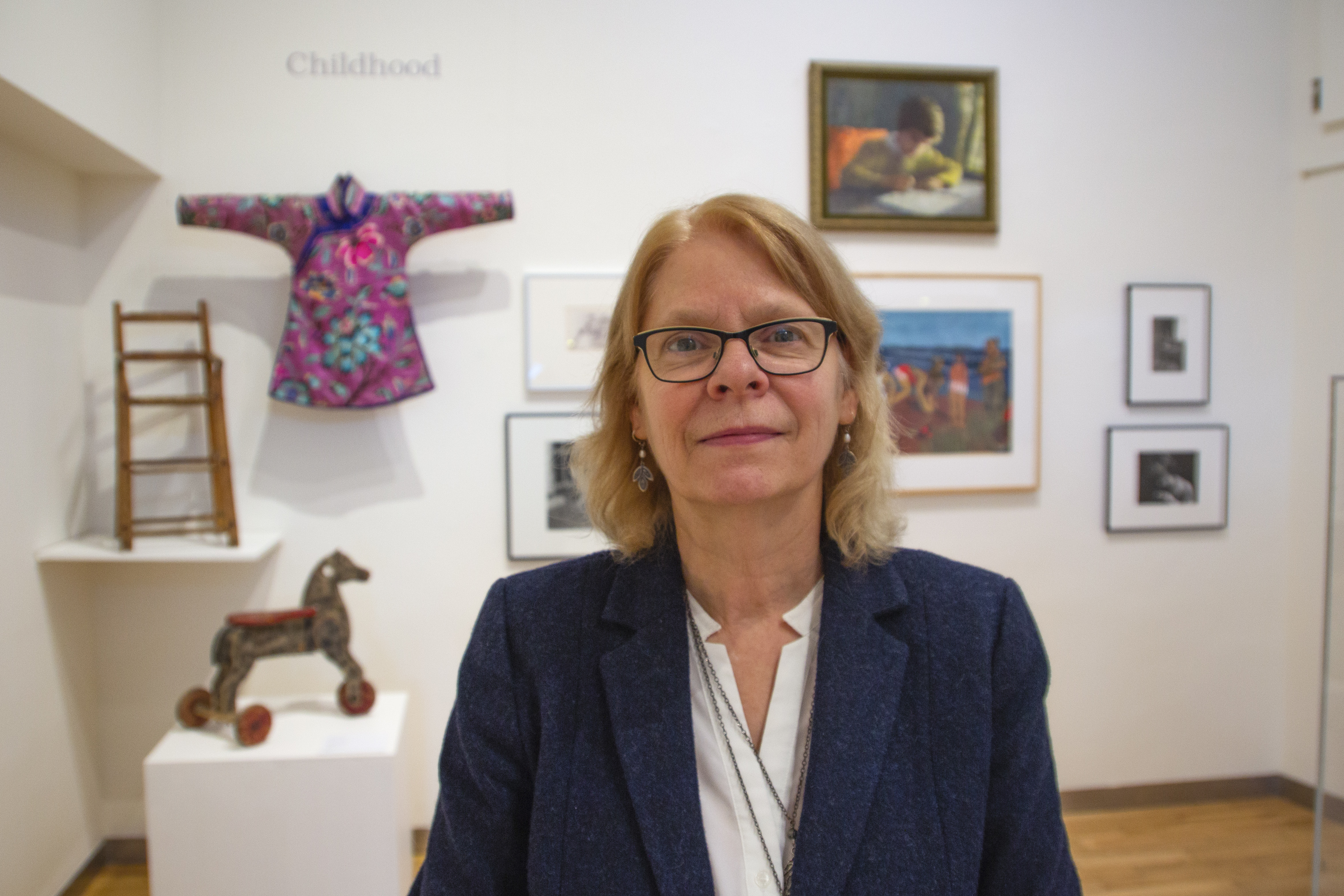
Erin Campbell serves as Chair and Professor in the Department of Art History & Visual Studies within the Faculty of Fine Arts at the University of Victoria. Holding a BA, MA, and PhD from the University of Toronto, she has established herself as a leading scholar in Early Modern European art with particular expertise in domestic interiors, aging studies, and gender representation. Her educational journey began with a fascination for European art during her undergraduate studies at Toronto, followed by archaeological fieldwork at Kommos, Crete during her MA program. Her PhD research under Philip Sohm rekindled her passion for European art, particularly focusing on Italian art theory and criticism through extensive research in Venice, Florence, and Rome. Professor Campbell's research centers on Early Modern European art and material culture, with specific focus on the domestic interior, representations of aging, and gender dynamics. Her interdisciplinary approach bridges art history with anthropology and sociology, examining how objects function within domestic spaces across the life course. She explores cross-cultural connections, particularly in the context of imported goods like porcelain in Venetian households, and investigates how material culture reflects social structures and individual identities. Her scholarly output demonstrates consistent engagement with themes of aging, domesticity, and material culture across two decades. Campbell's publications reveal a methodological evolution from traditional art historical analysis toward more interdisciplinary approaches incorporating material culture theory, sensory studies, and ecological frameworks for understanding domestic spaces. SSHRC Insight Grant (2016-2024) University of Victoria Internal Research Grant (2013-2014) Learning and Teaching Curriculum Development Grant (2013) Nelson Prize: Best manuscript submitted to Renaissance Quarterly in 2010 (2011) Faculty of Fine Arts Excellence in Teaching Award (2010) SSHRC Standard Research Grant (2009-2012) Professor Campbell has secured substantial research funding, most notably multiple SSHRC grants supporting her work on domestic interiors and aging in Early Modern Europe. Her recent SSHRC-supported project focuses on art and the stages of life in early modern domestic interiors in Bologna. She has also been recognized for her teaching excellence with the Faculty of Fine Arts Excellence in Teaching Award. Beyond traditional academic outputs, Campbell has curated significant exhibitions including Life Stories at the Legacy Art Gallery and co-edited special journal issues that extend her scholarly impact into public engagement and interdisciplinary dialogue. Her scholarly networks extend internationally through conference presentations at venues like the Renaissance Society of America and Sixteenth Century Studies conferences. She has collaborated with colleagues across disciplines, including sociologist Stephen Katz on aging studies, demonstrating her commitment to interdisciplinary research approaches.