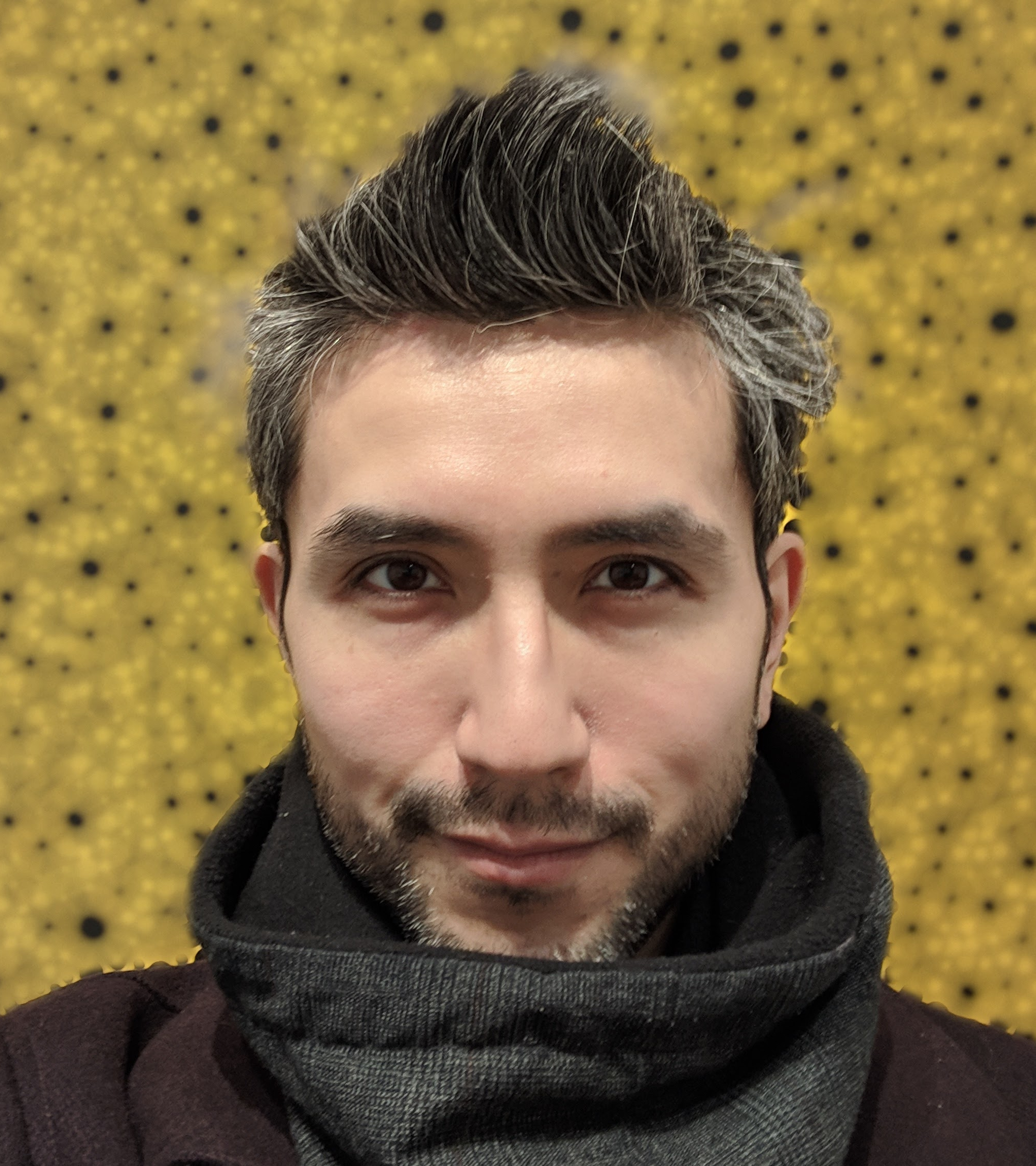
Prof. Dr. Martin Vinck is a Professor at the Donders Centre for Neuroscience in the Department of Neurophysics , Radboud University. He is also a Research Group Leader at the Ernst Strüngmann Institute for Neuroscience and a faculty member at the International Max Planck Research School for Neural Circuits . Current affiliations: Radboud University, ESI Frankfurt, Max Planck Research School Positions: Professor, Research Group Leader, Review Editor for eLife Research Interests span computational and systems neuroscience, focusing on predictive processing in biological and artificial neural networks. His lab investigates: How distinct excitatory/inhibitory neurons regulate plasticity and flexible information processing Neural ensemble coding via spatio-temporal patterns and spike sequences Self-supervised learning mechanisms using spatial/temporal predictions Gamma oscillations, synchronization, and their role in visual encoding Scientific Contributions include developing algorithms for high-dimensional neural data analysis, co-supervising key studies on interneuron dynamics, and pioneering work on predictive coding in V1. His grants include the ERC Starting Grant (2019) and VIDI Grant (2024) . Lab Members include PhD students Jinke Liu, Jahan Esfandiarii, Athanasia Tzanou and alumni Irene Onorato, Marius Schneider, Ana Clara Silveira Broggini . He actively promotes open science , develops the Spike Toolbox , and reviews for journals like Neuron, eLife, PLoS Computational Biology .
Dr. Stavros Sakellariou serves as a Research Fellow (Marie Curie) in Civil and Environmental Engineering at Brunel University London's College of Engineering, Design and Physical Sciences. His expertise centers on geospatial analysis of natural disasters, particularly wildfires and droughts, leveraging remote sensing and AI for risk management. His educational background includes: PhD in Environmental Hazards Management and Spatial Planning, University of Thessaly (2016) MSc in Geospatial Technologies (Erasmus Mundus Joint Degree), 2016 MSc in Spatial Planning & Development, University of Thessaly (2010) MEng in Spatial Planning and Regional Development, University of Thessaly (2008) Dr. Sakellariou's research integrates geographic information systems , remote sensing , and artificial intelligence to address wildfire dynamics, drought/flood modeling, and climate change impacts. His work emphasizes spatial decision support systems for disaster prevention and resilience engineering in Mediterranean ecosystems, with significant contributions to early warning frameworks and urban-wildland interface safety. Recent publications reveal a concentrated focus on wildfire risk assessment (40% of works), drought monitoring (30%), and climate adaptation modeling (20%), predominantly utilizing satellite data fusion and spatiotemporal analytics. Key innovations include optimization methods for firefighting resource deployment and vulnerability assessments of agroecosystems. His accolades include: Marie Skłodowska-Curie Postdoctoral Fellowship (FIREWISE project, 2024) 7 national/international scholarships and awards With 11.5 years of teaching experience across undergraduate and master's programs at Greek universities, he has contributed to 8 multi-partner research projects on disaster management. His service includes reviewing for 25+ journals and guest-editing special issues on natural hazards. Current work centers on the FIREWISE project's integrated framework for proactive wildfire resilience.
Jorge Arede is a lecturer at the Polytechnic Institute of Viseu (School of Education) and the University of Trás-os-Montes and Alto Douro, with a PhD in Sports Science (2021) and Master's in Team Sports (2016) from the University of Trás-os-Montes and Alto Douro. He received FCT PhD funding (SFRH/BD/122259/2016) and a grant for the DEM project in youth sports talent development. Doctorate: University of Trás-os-Montes and Alto Douro (2021) Master's: University of Trás-os-Montes and Alto Douro (2016) Bachelor's: Polytechnic Institute of Viseu (2014) His research focuses on youth athletic development, biological maturation, strength and conditioning, and talent identification in basketball and football. He has published over 30 indexed articles, five book chapters, and edited a textbook on basketball physical preparation. His work explores maturity-based training adaptations, injury prevention, and game-specific performance metrics. Recent publications analyze the FIFA 11+ warm-up program, differential learning approaches, and bio-banding in youth sports. His h-index ranges from 12 (Web of Science) to 15 (Google Scholar), with over 40,000 publication reads. He has received nine research distinctions and the 2020 Outstanding Reviewer Award (Journal of Sport and Health Science, IF=9.7). Grants: SFRH/BD/122259/2016 (FCT), DEM (UTAD) Awards: 2020 Outstanding Reviewer Award, nine high-level research distinctions Peer Review: Scientific Reports, Journal of Sports Sciences, PLOS ONE As a Level II Basketball Coach, he has worked with the Portuguese U16 Men's Basketball Team and tutored FPF Level I/II trainees. He collaborates with CIDESD, ISCE-Douro, and the International Basketball Research Network.
Russell Carr , PhD, is a Professor at Mississippi State University's College of Veterinary Medicine. Holding a PhD in Animal Physiology (MSU, 1994) and MS in Biological Sciences (MSU, 1990), he focuses on neurotoxicology, pesticide mechanisms, and endocannabinoid system interactions. His career spans 30+ years studying organophosphate effects on neurotransmitter systems across developmental stages. Key Research Areas: Organophosphate pesticide neurotoxicity Endocannabinoid system disruption Developmental neurochemical impacts Cross-species enzyme inhibition Recent Publications (2023-2021) reveal trends in nanochannel CBD delivery systems, chlorpyrifos-induced proteomic changes in amygdala, and multi-omics approaches to pesticide-immune interactions. Earlier works establish foundational knowledge on cholinesterase inhibition kinetics and age-dependent toxicity profiles. Notable Contributions: Elucidated mechanisms of endocannabinoid enzyme inhibition by pesticides, demonstrated neurochemical impacts of low-dose exposures, and developed comparative models across species (rodents, fish).
Dr. Yevhen Suprunenko is a Visiting Researcher in the Department of Plant Sciences at the University of Cambridge, actively contributing to the Epidemiology and Modelling research group. His work bridges theoretical physics and plant pathology to address critical challenges in agricultural sustainability and global food security through advanced spatial modeling of disease dynamics. He holds a PhD in Theoretical Physics (Condensed Matter) from Lancaster University, UK, which provides the mathematical foundation for his interdisciplinary research in plant disease epidemiology. This unique background enables innovative approaches to complex biological systems. Suprunenko's research centers on mathematical modeling of spatial epidemic spread in agricultural systems, focusing on intrinsic scales of epidemics, cropping patterns, and host landscape structure. He investigates how spatially explicit dynamics, stochasticity, and time-variability influence pest/pathogen distribution, epidemic severity, and optimal control strategies for threats like oak processionary moth and cassava brown streak disease. His work integrates computational methods with field data to develop practical solutions for crop protection. Analysis of his publication trajectory reveals a distinct evolution from chronotaxic systems in physics (2012-2017) to advanced spatial epidemiology in plant sciences (2019-2025). Recent work demonstrates increasing sophistication in modeling landscape-pathogen interactions, with strong emphasis on analytical approximations for invasion thresholds, individual-based model frameworks, and real-world applications in crop disease management. Key thematic areas include spatial scaling effects, infection rate optimization, and data refinement techniques for improved predictive accuracy. No scientific awards were explicitly documented in the provided materials. While specific student supervision details are absent from available records, Suprunenko's collaborative publications indicate active mentorship within the Epidemiology and Modelling group. Grant funding specifics are not disclosed, though his research aligns with major initiatives in agricultural security and environmental sustainability at Cambridge. As a core member of the Epidemiology and Modelling research group, Suprunenko collaborates on projects addressing plant-pathogen interactions within the Department of Plant Sciences. His work interfaces with Cambridge's broader environmental research ecosystem including the Centre for Global Wood Security and Global Food Security IRC, contributing to interdisciplinary efforts in ecosystem conservation and agricultural resilience.
Enrico R Crema is an Associate Professor in Computational Analysis of Long-Term Human Cultural and Biological Dynamics at the Department of Archaeology , University of Cambridge, and a Fellow at the McDonald Institute for Archaeological Research. His work integrates computational modeling, quantitative analysis, and cultural evolutionary theory to address long-term human societal changes. Research Focus: Cultural evolution, prehistoric demography, settlement archaeology, and the Jomon-Yayoi transition in Japan. Key Projects: ERC-funded ENCOUNTER on rice farming diffusion, Leverhulme-funded BuckBee on crop-pollinator dynamics, and Marie Sklodowska-Curie supervised projects on archaeological modeling. Recent Publications highlight his expertise in Bayesian radiocarbon analysis, demographic modeling, and cultural transmission studies. His methodological contributions include the rcarbon and nimbleCarbon R packages for open science in archaeology. Scientific Awards include the McDonald Anniversary Research Fellowship Philip Leverhulme Prize in Archaeology Marie Sklodowska-Curie Fellowship (Host Supervisor) Advising involves mentoring current PhD candidates like Leah Brainerd Christiane-Marie Cantwell Alexes Mes Charles Simmons Finn Stileman Andriana Xenaki and former students including Rachel Blevis Jasmine Vieri Benjamin J Utting .
Ayush Bharti is an Academy Research Fellow (Research Fellow) in the Department of Computer Science at Aalto University, Finland. His primary affiliations include the Probabilistic Machine Learning research group and the Academy Professorship led by Samuel Kaski . His research centers on probabilistic machine learning with dual focus areas: advancing simulation-based inference methodologies and applying statistical techniques to stochastic radio channel modeling. Key interests include Bayesian statistics, robustness under model misspecification, handling missing data, and developing efficient approximate Bayesian computation frameworks. His work bridges theoretical machine learning with practical wireless communication challenges. Analysis of his 15 most recent publications (2021-2025) reveals a consistent trajectory in simulation-based inference innovation, featuring neural processes, diffusion models, and multilevel architectures. Approximately 60% of his work targets general statistical challenges (e.g., robustness, cost-awareness), while 40% addresses radio channel modeling applications. Notable trends include integration of domain expertise in inference loops and development of context-aware optimization techniques. No information is available regarding student supervision or research grants. Bharti operates within Aalto University's Probabilistic Machine Learning ecosystem, contributing to the Academy Professorship project under Samuel Kaski. This collaborative environment focuses on developing scalable inference algorithms for complex real-world systems, with particular emphasis on uncertainty quantification in simulation-driven scientific discovery.
David A. Vasseur serves as Professor and Chair of the Department of Ecology and Evolutionary Biology at Yale University, where his research laboratory investigates fundamental questions in theoretical ecology. His work integrates mathematical modeling, laboratory experiments, and analysis of long-term ecological data to understand community dynamics in aquatic systems. Dr. Vasseur received his BSc (1999) and MSc (2002) from the University of Guelph, Canada, followed by a PhD from McGill University (2006). He completed a postdoctoral fellowship at the University of Calgary (2006-2008) before joining Yale University. His research program focuses on three interconnected themes: the maintenance of biodiversity in aquatic communities, spatial population synchrony, and eco-evolutionary dynamics of competitive communities. His laboratory has produced significant research on how environmental variability affects ecological systems, with recent publications examining temperature-nutrient interactions in primary producers, forecasting extinction risk using thermal performance curves, and the productivity-stability relationship in global food systems. His work bridges theoretical approaches with empirical validation to address pressing ecological questions with implications for conservation and ecosystem management. Dr. Vasseur teaches General Ecology (EEB 220a/520a EVST 223a) in the fall semester, covering ecological theory and practice across multiple scales. In spring, he leads graduate seminars on quantitative methods, fundamental readings in ecology, and time-series analysis. He serves as an associate editor for American Naturalist and Ecology and Evolution. His laboratory includes postdoctoral fellow Carling Bieg and graduate students Misha Kummel, Alison Robey, and Abby Skwara, continuing a tradition of mentoring that has produced numerous successful ecologists now at institutions including University of Guelph, University of Nebraska Lincoln, UCLA, and Oxford University.
Douglas Jackson-Smith is a Professor and the Kellogg Endowed Chair of Agroecosystem Management at The Ohio State University's School of Environment and Natural Resources. He serves as Director of the Agroecological Management Program and is based at the Ohio Agriculture Research and Development Center (OARDC) in Wooster, Ohio. His work focuses on interdisciplinary research at the intersection of social science and environmental systems, with particular emphasis on agricultural landscapes, water resources, and sustainable food systems. Dr. Jackson-Smith earned his three graduate degrees from the University of Wisconsin: a MS in Rural Sociology, an MA in Agricultural Economics, and a PhD in Sociology. His undergraduate work was completed at Deep Springs College in California and Cornell University in New York. Born in Boston and raised in Utah, he brings diverse regional perspectives to his research. His research program spans multiple scales to understand the structural and behavioral drivers of farm structural change, land use transformations, and environmentally-relevant behaviors. He employs mixed methods including surveys, interviews, focus groups, and geospatial analysis to investigate complex socio-ecological systems. His work frequently addresses questions of farmer decision-making, conservation behavior, water resource management, and the social dimensions of agricultural sustainability. Analysis of his recent publications reveals a strong focus on participatory research methods, interdisciplinary collaboration, and the integration of social science into environmental modeling. His work spans multiple domains including soil health assessment, water conservation, crop-livestock integration, organic farming systems, and stakeholder engagement in environmental management. A consistent theme across his research is the importance of understanding human behavior within complex working landscapes. Director, Agroecological Management Program Kellogg Endowed Chair of Agroecological Management Professor, School of Environment and Natural Resources Dr. Jackson-Smith has developed extensive collaborative networks across disciplinary boundaries, working with natural scientists, engineers, and policymakers to address complex environmental challenges. His research on participatory approaches to agricultural research has emphasized the importance of engaging farmers and stakeholders in the research process. He maintains active collaborations with researchers across the United States, particularly on projects related to watershed management, sustainable agriculture, and climate-resilient farming systems. His laboratory and research team are based at the Ohio Agriculture Research and Development Center in Wooster, where he leads an interdisciplinary group of SENR faculty, graduate students, and post-docs focused on social and environmental aspects of complex working landscapes. The team frequently collaborates with agricultural producers, extension specialists, and policy makers to ensure research relevance and impact.
Prof. Dr.-Ing. Joachim Denzler is a Professor leading the Chair for Digital Image Processing (Lehrstuhl für Digitale Bildverarbeitung) at Friedrich-Schiller-Universität Jena. His research spans computer vision, machine learning, medical imaging, and remote sensing applications across diverse domains including biomedical analysis, environmental monitoring, and facial recognition systems. His research interests focus on explainable AI, causal discovery, physics-informed neural networks, and bias mitigation in deep learning models. He has made significant contributions to fine-grained classification, concept activation vectors, and privacy-preserving techniques in facial recognition. His work often bridges theoretical computer vision with practical applications in medical diagnostics, environmental science, and infrastructure monitoring. His recent publications demonstrate a strong trend toward causal discovery methods, physics-informed neural networks, and addressing bias in machine learning systems. His work spans both theoretical advancements in model interpretability and practical applications in medical imaging, environmental monitoring, and infrastructure safety. The interdisciplinary nature of his research is evident from collaborations with ecologists, neuroscientists, and civil engineers. Best Paper Award at International Conference on Pattern Recognition (ICPR) 2024 Prof. Denzler actively mentors numerous PhD students and postdoctoral researchers, with frequent co-authors including Maha Shadaydeh, Niklas Penzel, Gideon Stein, and Tim Büchner appearing as first authors on significant publications. His laboratory has secured research funding across multiple domains including medical imaging, environmental monitoring, and AI safety. His work on CausalRivers represents a major contribution to benchmarking causal discovery methods with real-world time series data. The Chair for Digital Image Processing maintains strong industry and clinical partnerships, particularly in medical imaging applications for facial palsy analysis and neonatal care. Prof. Denzler's team has developed novel techniques for dam deformation monitoring using remote sensing data and created advanced methods for analyzing plant diversity effects on ecosystem functioning.
Atsushi Hamada is an Associate Professor at the Faculty of Sustainable Design, University of Toyama, where he is affiliated with the Department of Earth System Science. He concurrently serves as a Visiting Associate Professor at the Center for Environmental Remote Sensing (CEReS) at Chiba University. His academic career spans multiple institutions and research collaborations focused on atmospheric science and remote sensing. Dr. Hamada's research focuses on several interconnected areas within atmospheric science: Precipitation systems and cloud physics analysis Satellite meteorology and remote sensing techniques Tropical meteorology and extreme rainfall events Global precipitation measurement using spaceborne instruments Climate change impacts on precipitation patterns His publication record demonstrates extensive work with satellite missions including the Global Precipitation Measurement (GPM) and Tropical Rainfall Measuring Mission (TRMM). Recent research emphasizes spectral latent heating retrieval algorithms, drop size distribution analysis, and precipitation mechanisms across diverse geographical regions. His work consistently involves international collaborations with researchers from multiple institutions across Japan and globally. Dr. Hamada has developed significant tools for the meteorological community, including the Equidistant color scale generator (with Inatsu, 2016) and the CTOP (Cloud-Top Height Product) estimated by geostationary satellites. His research bridges theoretical meteorology with practical applications for weather prediction, climate monitoring, and environmental studies. His work on precipitation systems has particular relevance for understanding regional weather patterns around Japan and in tropical regions.
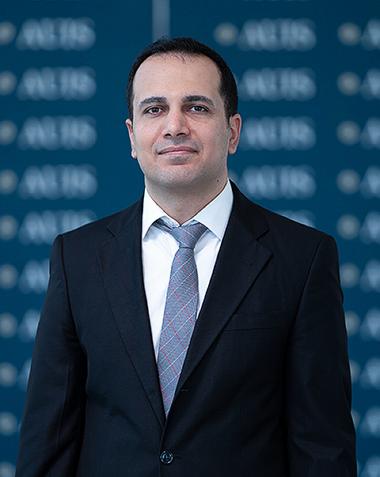
Mustafa Alattar serves as an Assistant Professor in the Department of Engineering at the American University of Iraq, Sulaimani (AUIS), where he has been employed since 2021. He holds a Ph.D. in Civil Engineering from Lehigh University (USA) and an M.A. from the University of Babylon. His academic qualifications include: Ph.D. in Civil Engineering, Lehigh University, USA M.A., University of Babylon, Iraq Dr. Alattar's research centers on hydrology with specialized focus on surface water-groundwater interactions, employing advanced modeling frameworks like MODFLOW-OWHM to analyze water budgets across the United States and Iraq. His work addresses critical water resource challenges including baseflow recession dynamics, groundwater mapping through multi-source data integration, and climate variable impacts on regional hydrology. Recent publications demonstrate increasing emphasis on Iraq's water systems, particularly groundwater dynamics in the Euphrates basin and climate analysis of precipitation-temperature patterns. His 11 publications from 2013-2024 reveal a clear research trajectory: early work focused on flood routing in Iraqi rivers using Saint Venant equations, evolving into large-scale US water budget modeling, and culminating in recent composite modeling approaches for baseflow analysis and Iraq-specific groundwater dynamics. The consistent thread is integrated hydrological modeling addressing both theoretical advancements (e.g., composite Boussinesq equations) and practical water management applications in data-scarce regions. No scientific awards are documented in the available information. The provided materials do not indicate any student advisees or research grant funding. Professional activities include membership in the American Geophysical Union where he presents research annually. Prior to AUIS, he served as research/teaching assistant at Lehigh University and the Institute of Technology in Baghdad, plus industry experience as a CAD Engineer for Nippon Koei Co., Ltd. on Iraqi infrastructure projects.
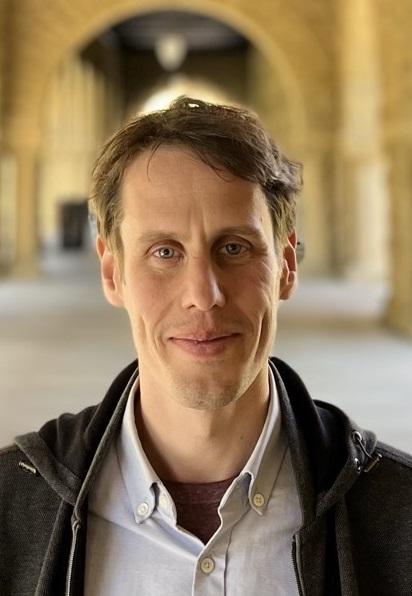
D. Kip Solomon is a Professor at the University of Utah where he currently holds the Brown Presidential Chair and serves as the Interim Chair of the Department of Geology and Geophysics within the College of Mines and Earth Sciences. With over 30 years of academic experience, Solomon has established himself as a leading expert in hydrogeology and environmental tracer applications. Dr. Solomon earned his Ph.D. in Earth Sciences from the University of Waterloo (1992), an M.S. in Geology from the University of Utah (1985), and a B.S. in Geological Engineering from the University of Utah (1979). Prior to his academic career, he worked at Oak Ridge National Laboratory in various positions ranging from Research Staff to Groundwater Group Leader. His research focuses on the innovative use of environmental tracers to evaluate groundwater flow and solute transport processes across various spatial scales. Solomon has pioneered methods using dissolved gases including helium-3, CFCs and SF 6 to determine groundwater ages, travel times, recharge locations and rates, and groundwater resource sustainability. He constructed and operates one of only a few laboratories worldwide that measures noble gases in groundwater. His work spans diverse environments from desert aquifers to mountain watersheds and even firn aquifers in Greenland, demonstrating remarkable versatility in hydrogeological investigation. Analysis of Solomon's recent publications (2020-2025) reveals a consistent focus on advancing groundwater age-dating techniques, understanding water storage dynamics in snowmelt-dominated systems, and investigating contaminant transport. His research shows increasing integration of multiple tracers, sophisticated modeling approaches, and field instrumentation development. The work spans multiple continents and addresses critical water resource challenges including climate change impacts, PFAS contamination, and sustainable groundwater management. Dr. Solomon's scientific contributions have been recognized through prestigious awards including the O.E. Meinzer Award from the Geological Society of America and Fellowship in the American Geophysical Union. His research has been supported by numerous grants from the National Science Foundation, Department of Energy, and various state agencies. With more than 160 journal articles, book chapters, and technical reports, Solomon has made substantial contributions to understanding groundwater systems worldwide. His laboratory serves as a national resource for noble gas analysis, and his work on the automatic seepage meter represents significant innovation in field measurement techniques. Solomon has also contributed extensively to professional service, including serving on National Research Council committees and as the U.S. Representative for various Advisory Groups at the International Atomic Energy Agency.
Dr. Christian Klassert is a researcher at the Department of Economics, Helmholtz Centre for Environmental Research (UFZ) in Leipzig, Germany, where he serves as co-speaker of the Working Group Social-Science Water Research. His work spans international water security projects focusing on Jordan, India, and Germany. Current Position: Postdoctoral Researcher, Department of Economics, UFZ (since 09/2021) Previous Positions: Researcher at UFZ (2017-2021), Researcher at Leipzig University (2014-2017), Research Assistant at UFZ Bioenergy Department (2011-2014), Visiting Postdoctoral Scholar at Stanford University (2022-2023) Dr. Klassert holds a PhD in Economics from Leipzig University (2021), where he received summa cum laude honors for his thesis on decentralized private water service provision in intermittent supply systems in Jordan. He also earned a European Master in Law and Economics and LL.M. from the Universities of Hamburg, Ghent, and Haifa, and a German academic law degree from Mainz University where he ranked second in his state-wide examination. His research combines coupled human-natural systems modeling, agent-based modeling, and econometrics to assess water security impacts of unequal urban water access and agricultural droughts. Klassert contributes to major international projects including the Jordan Water Project, FUSE Project in India's Upper Bhima Basin, and agricultural drought adaptation research through UFZ Graduate Schools AGRI-TRANSFORM and Thirsty Cities. His interdisciplinary approach integrates economic, social, and environmental dimensions of water security challenges. Analysis of his publication record reveals a strong focus on urban water security, particularly examining informal water markets, household water demand under intermittent supply, and the water-energy nexus. His work increasingly incorporates climate change impacts on water resources and agricultural systems, with a growing emphasis on equity dimensions of water access and infrastructure planning. The geographic scope of his research spans the Middle East (particularly Jordan), South Asia (India), and Europe (Germany). Dr. Klassert received the UFZ Research Award in 2022 for his interdisciplinary work assessing future water crisis risks in Jordan. He serves as a reviewer for prestigious journals including Nature Water, One Earth, and Water Resources and Economics, and co-chairs the Working Group Human Systems Modeling within the MultiSector Dynamics community of practice. His research is supported through multiple international projects including the UFZ Graduate Schools AGRI-TRANSFORM and Thirsty Cities, Future Earth project NexusFootprints, Belmont Forum projects FUSE and Jordan Water Project, and BMUB project JordanCap. These projects involve extensive international collaboration with research institutions in Germany, the United States, Jordan, and India. Klassert's work is conducted within the Department of Economics at UFZ, which focuses on interdisciplinary environmental economics research. His projects often involve close collaboration with stakeholders through workshops and participatory approaches, particularly in the Food-Water-Energy Nexus research in Amman, Jordan and Pune, India.
Dr. Ahmet Coskun is an Assistant Professor of Biomedical Engineering at Georgia Institute of Technology and Emory University, where he holds the Bernie-Marcus Early-Career Professorship. He directs the Single Cell Biotechnology and Spatial Omics Laboratory, an interdisciplinary program focused on multiparameter imaging of single cells within their spatial context. His work bridges the fields of bioengineering, computational biology, and systems biology to address fundamental challenges in cancers, immunology, and pediatric diseases. Dr. Coskun received his PhD from the University of California, Los Angeles (UCLA) working with Aydogan Ozcan. He completed postdoctoral training at the California Institute of Technology with Long Cai and served as an Instructor at Stanford University with Garry Nolan. His educational background has provided him with a strong foundation in both engineering principles and biological systems. Dr. Coskun's research lies at the nexus of multiplex bioimaging, microfluidic biodynamics, and big data biocomputation. His laboratory pursues three main research thrusts: spatial genomics (using seqFISH and correlation FISH methods), spatial proteomics (using CODEX technology combined with super-resolution imaging), and spatial metabolomics (using computational and isotope barcoding approaches with MIBI). His team develops machine learning algorithms to analyze the resulting high-dimensional imaging datasets, creating image-based 'omic technologies to reveal the spatial nature of biological systems. Their work has significant implications for understanding therapeutic response variability and cellular organization in health and disease. NSF CAREER Award 2024 NIH R35 MIRA Award 2023 BMES-CMBE Rising Star Award 2023 American Lung Association Innovation Award 2022 Student Recognition of Excellence in Teaching: Class of 1934 CIOS Award NIH K25 Award Burroughs Wellcome Fund CASI Award Dr. Coskun leads an interdisciplinary research team comprising PhD students from Bioengineering, Electrical and Computer Engineering, Mechanical Engineering, and Biomedical Engineering programs. His lab has been supported by numerous federal and private grants, including funding from multiple NIH institutes (NIA, NIAID, NCI, NIDCR, OD, and ORIP), Wellcome LEAP, Burroughs Wellcome Fund, NSF CMaT, American Cancer Society IRG, Multi-cellular engineered living systems (M-CELS), and Regenerative Medicine Center. In addition to his research, Dr. Coskun leads outreach programs through BioCrowd Studio, which engages K12 and undergraduate students through interactive virtual media and distributed biokits. The Single Cell Biotechnology and Spatial Omics Laboratory is strategically positioned at the forefront of spatial biology research. The lab benefits from advanced technologies including super-resolution microscopy, imaging mass spectrometry, combinatorial molecular barcoding, and machine learning to enhance the information capacity of cellular data. The team's innovative approaches to spatial multi-omics profiling have positioned them as leaders in understanding cellular heterogeneity and organization within tissues.