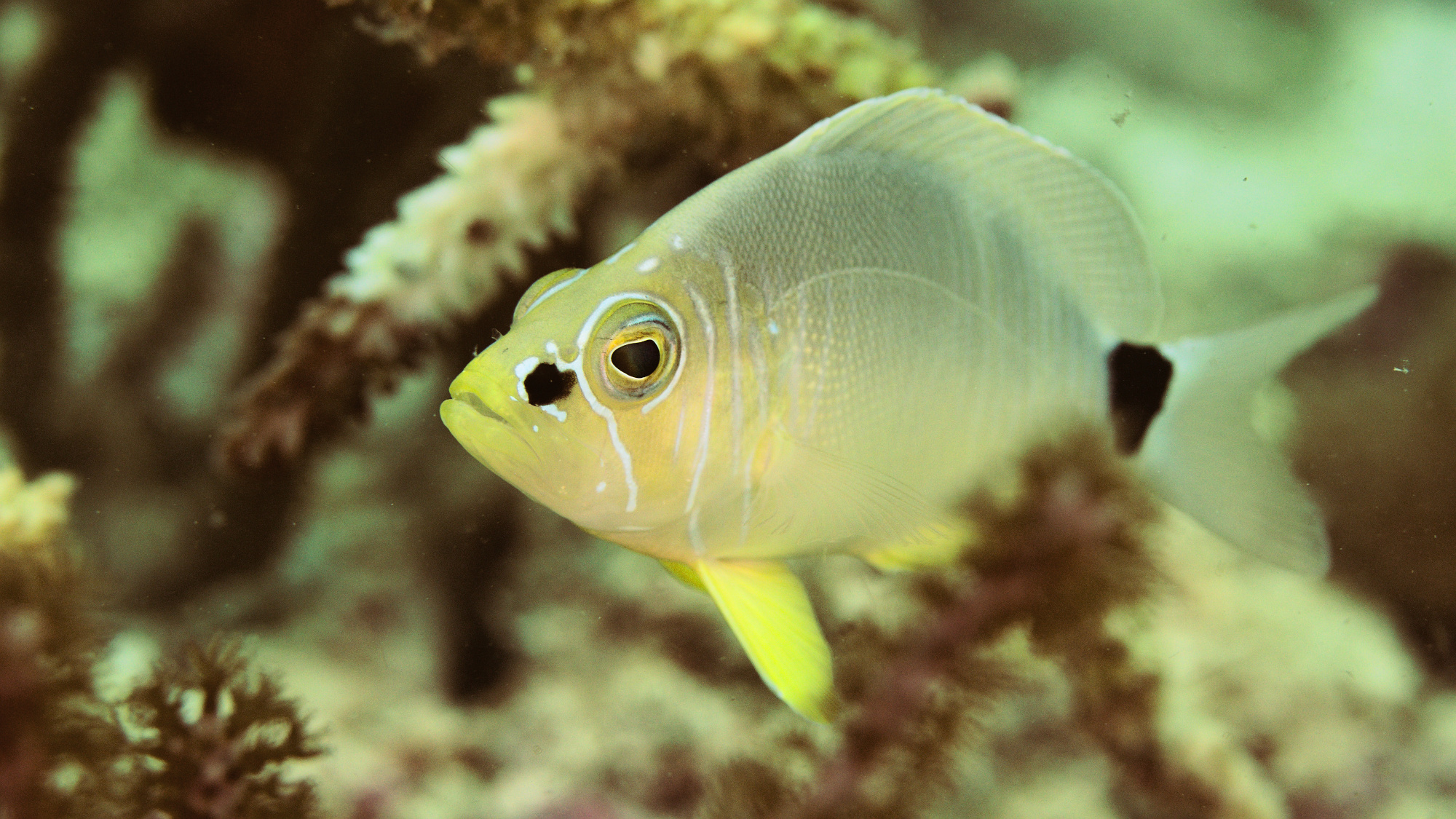
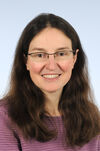
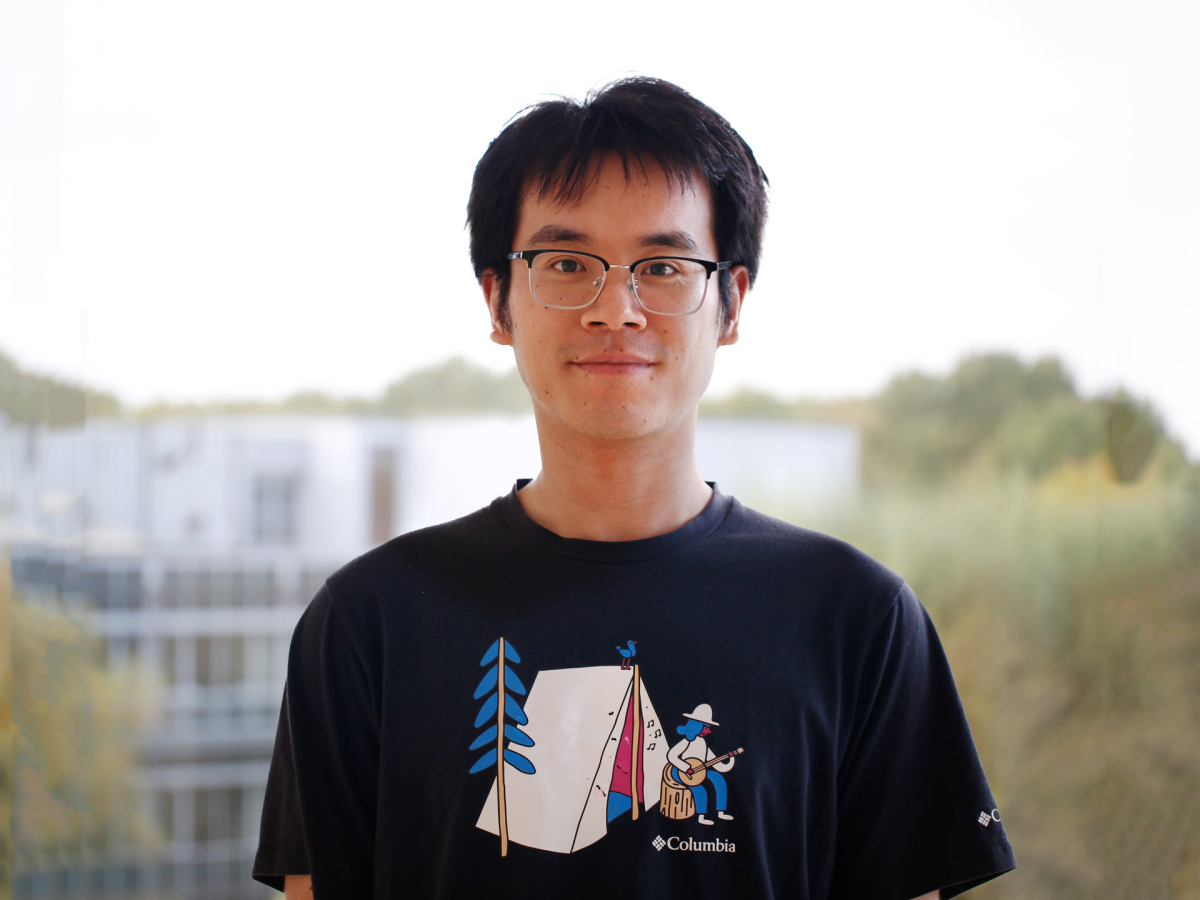
Kosmas Hench is a Research Fellow at the Max Planck Institute of Animal Behavior, Department for the Ecology of Animal Societies. His work focuses on evolutionary processes linking social and genetic inheritance in wild populations, particularly gene-culture co-evolution and feedback dynamics between animal behavior and gene flow. He combines behavioral ecology and population genetics approaches. Key research interests include adaptive radiation in marine environments, genomic architecture of phenotypic diversity, and conservation genomics. Notable publications address rapid radiation in Caribbean hamlet fishes and Antarctic fur seal genome refinement. Fieldwork includes expeditions to Svalbard and collaborative projects on primate home range estimation. He develops bioinformatics tools and Docker containers for genomic analysis (e.g., genome assembly, population genetics).
Dr. Yuanyuan Wang is a retired Professor at the Faculty of Biology, Ludwig Maximilian University of Munich (LMU). Their research focuses on fish genomics, population genetics, and ecological conservation, particularly in teleost species like eels and catfish. They have contributed to studies on sex determination mechanisms, invasive species genomics, and island ecosystem vulnerability. Key areas of expertise include molecular phylogeny, comparative transcriptomics, and DNA barcoding. Research interests encompass the genomic basis of sexual dimorphism, adaptive evolution in invasive species, and the application of chromosome-level genome assemblies to understand species biology. Dr. Wang has also conducted extensive work on evaluating ecological vulnerability in island ecosystems, combining spatial analysis with environmental factors. Publications from 2016–2025 highlight a strong focus on aquatic species conservation, genomic technologies, and ecological modeling. Their work integrates molecular tools with ecological studies to address biodiversity challenges. Grants and advising details are not specified in available records.
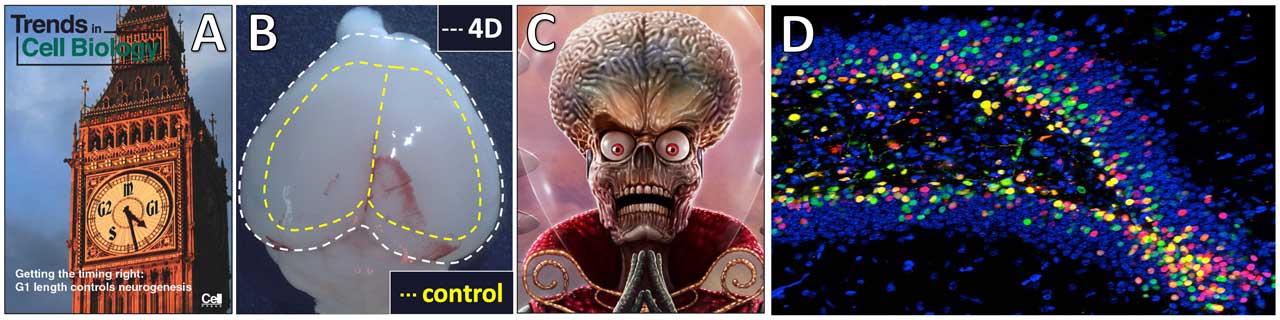
Federico Calegari is a Professor for Proliferation of Mammalian Neural Stem Cells at the Center for Regenerative Therapies Dresden (CRTD), Technical University Dresden. He has led his research group at CRTD since November 2006, following positions as a staff scientist and postdoctoral fellow at the Max Planck Institute of Molecular Cell Biology and Genetics (MPI-CBG) in Dresden. He received his Ph.D. from the University of Milano, Italy in 2000. Professor Calegari's research focuses on neural stem cells and how controlling the cell cycle, particularly the G1 phase, influences neural stem cell proliferation and differentiation. His lab has pioneered approaches to expand neural stem cells through molecular manipulation, demonstrating that shortening the cell cycle promotes neural stem cell expansion and increased neuron production. This work has important implications for understanding brain development, evolution, and potential therapeutic applications. The Calegari Group has published significant research in high-impact journals including Nature Communications, EMBO Journal, and Cell Stem Cell. Their work spans developmental neuroscience, adult neurogenesis, and the relationship between neural stem cells and cognitive functions. Recent publications highlight connections between neurogenesis and olfactory processing, hippocampal function, and cognitive aging. EMBO Journal (2023): Research on how adult-born neurons modulate hippocampal learning and memory Frontiers in Neuroscience (2022): Investigation of neurogenesis and olfactory function Nature Communications (2020): Study on how increased neurogenesis rejuvenates cognitive function throughout life EMBO Journal (2019): Research on neural stem cells and odor discrimination Professor Calegari's lab actively trains graduate students and postdoctoral researchers, with team members leading innovative projects that have resulted in significant publications. The lab employs diverse methodologies including transgenic models, viral vector delivery, transcriptomics, and in vivo electrophysiology. Current research directions include understanding how neural stem cells contribute to sensory systems and cognitive functions, with the ultimate goal of improving 'the most sophisticated machine in the universe: the brain.'
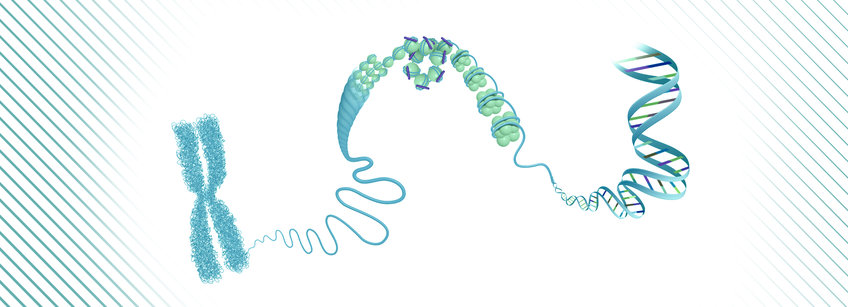
P. Tessarz leads the Max Planck Research Group on Chromatin and Aging at the Radboud Institute for Molecular Life Sciences, Radboud University Nijmegen since late 2023. The research group investigates how chromatin structure and gene activity change during the aging process, with particular focus on epigenetic mechanisms and their relationship to cellular metabolism. Research interests center on chromatin structure, epigenetic regulation of gene expression, aging processes, metabolism-chromatin interactions, and cell fate decisions. The lab combines mechanistic approaches in baker's yeast S. cerevisiae with established cell culture systems and analysis of primary cells and tissues using biochemistry, cell biology, and advanced deep sequencing technologies. Recent publications reveal a strong focus on the intersection of chromatin biology, metabolism, and aging, with particular emphasis on mitochondrial-nuclear communication, histone modifications, and their roles in stem cell differentiation and age-related functional decline. The work spans multiple model systems from yeast to mammalian cells and tissues. Scientific Funding and Recognition: Marga and Walter Boll Foundation (2022-2024) BMBF Research Consortium IDEpiCo (2021-2024) Max Planck Society BOOST! program (2019-2025) DFG Research Grant on H2AQ105 methylation (2017-2020) Alexander-von-Humboldt Foundation Postdoctoral Fellowship (2016-2017) The Tessarz Lab maintains active collaborations across molecular biology, genomics, and aging research fields, with particular emphasis on developing and applying cutting-edge technologies for multi-omic analysis at single-cell and spatial resolution. Current work focuses on understanding how metabolic changes during aging impact chromatin structure and gene expression patterns in various tissues.
Dr. Julia Liebing serves as a Researcher in the Neurotoxicology and Chemosensation group at the Leibniz Research Centre for Working Environment and Human Factors (IfADo), affiliated with Technical University of Dortmund. Her work focuses on advanced in vitro methodologies for assessing neurotoxic and developmental effects of chemicals, with significant contributions to nanosafety data standardization and transcriptome-based toxicology. Her primary research areas include Neurotoxicology (particularly mechanisms of organophosphate and acrylamide neurotoxicity), Developmental Toxicology (stem cell-based assays for chemical safety evaluation), and Nanotoxicology (metadata frameworks for reproducible nanosafety studies). She employs cutting-edge techniques such as micropatterned neuronal networks, transcriptome analysis, and microfluidic co-culture systems to investigate chemical impacts on neuronal function and development. Analysis of her 14 publications (2010-2022) reveals evolving expertise from foundational neurotoxicity screening of vehicle emissions toward sophisticated nanosafety data infrastructure and transcriptome-based classifiers for developmental toxicants. Her work consistently bridges toxicology with data science and bioengineering, emphasizing reproducibility through standardized metadata and modular assay design. As part of Prof. Dr. Jan G. Hengstler's research team, Dr. Liebing contributes to IfADo's mission of addressing occupational and environmental health risks through interdisciplinary collaboration. The Neurotoxicology and Chemosensation group utilizes specialized in vitro platforms including stem cell-derived neuronal models and microfluidic systems for comprehensive neurotoxicity assessment.
Professor Vasily Zaburdaev is a Principal Investigator leading the Department of Immunophysics at the Max Planck Center for Physics and Medicine, which is affiliated with Friedrich-Alexander University Erlangen-Nuremberg. His research group develops theoretical models to understand complex biological phenomena and their impact on disease, with expertise in theoretical biophysics, statistical physics, and numerical methods. His research spans several interconnected areas: Bacterial biofilms as complex materials, focusing on their mechanical properties and wound healing capabilities Immunophysics, studying how physical interactions govern immune cell behavior and response to pathogens Statistical physics of active systems, developing new theoretical approaches for understanding biological processes outside thermal equilibrium Zaburdaev's work combines theoretical modeling with close collaboration with experimental groups, utilizing approaches from stochastic processes and continuum theory of active hydrodynamics. His research has significant implications for understanding organizational principles that operate across various biological scales, from chromatin in the nucleus to multicellular aggregates. His recent publications demonstrate a strong focus on cellular organization, cytoplasmic dynamics, and the physical mechanisms governing biological systems. The research shows how concepts from statistical physics can reveal analogies and general behaviors in biologically diverse systems. Scientific Recognition While specific awards aren't listed in the provided information, Zaburdaev's research has been published in high-impact journals including Nature Communications, Physical Review Letters, and Nature Cell Biology, indicating significant recognition in his field. Academic Service Professor Zaburdaev is actively involved in teaching, offering courses such as "Stochastic Models for Life Sciences" and "Physics and biology of active systems" at the university level. His commitment to education complements his research activities, helping to train the next generation of scientists working at the intersection of physics and biology. Research Infrastructure His department is part of the Max Planck Center for Physics and Medicine, which includes various core facilities such as the Core Facility In-vivo Model Systems, Core Facility Microscopy, and Core Facility Lab-on-a-Chip, providing comprehensive research infrastructure for interdisciplinary work.
Prof. Dr. med. Björn Spittau holds the Professorship for Anatomy and Cell Biology at the Medical Faculty OWL of the University of Bielefeld . He serves as Vice Dean for Research and Career Development and chairs multiple committees including the Research Commission and Library Commission , while being a deputy member in the Habilitation Committee and APL Committee . Research Focus: Microglia biology, TGF-beta signaling, neurodegenerative disease modeling, and deep brain stimulation target regions Teaching: Module responsibilities in 'Brain, Nerves and Psyche I' and 'Scientific Work' courses His recent research explores: Microglial diversity and aging-related brain changes through single-cell analysis Development of tools like the DgeaHeatmap R package for transcriptomic studies Mechanisms of TGF-beta signaling in microglial homeostasis Clinical applications in botulinum toxin treatment for neurological conditions
Dr. Myron Evans is an Assistant Professor in the Department of Pediatrics at the University of Washington School of Medicine, where he leads the Myron Evans Lab at the Ben Towne Center for Childhood Cancer and Blood Disorders Research. His laboratory focuses on understanding the molecular mechanisms behind pediatric brain tumors, with particular emphasis on medulloblastoma, diffuse midline glioma, and atypical teratoid/rhabdomyosarcoma tumor. Dr. Evans' research spans developmental neurobiology and cancer genomics, investigating how normal brain development pathways become hijacked in tumor formation. His work employs cutting-edge molecular tools including single-cell sequencing, functional genomics, and spatial transcriptomics to identify novel therapeutic targets. Key areas of investigation include the role of YBX1 in postnatal brain development and oncogene-dependent vulnerabilities in aggressive medulloblastoma subtypes. His publication record demonstrates expertise across multiple cancer types, with recent work focusing on pediatric brain tumors but earlier contributions to breast cancer research. The research trends show a progression from fundamental cancer biology toward increasingly specialized work in pediatric neuro-oncology, particularly exploring epigenetic mechanisms as therapeutic targets. Dr. Evans received his PhD in experimental pathology from Duke University under Dr. Gayathri Devi and completed postdoctoral training at St. Jude Children's Research Hospital with Drs. Jamy Peng and Mark Hatley. His laboratory collaborates with clinical teams on translational projects, including work related to the BrainChild-01 clinical trial that uses CAR T-cell therapy for pediatric brain tumors.
Dr. Simon Mages serves as Group Leader at the Gene Center and Department of Biochemistry, Ludwig Maximilians University Munich (LMU), within the Faculty of Medicine. His research bridges bioinformatics, high-performance computing, and theoretical physics to develop computational frameworks for spatial omics data analysis. Previously, he held positions as Scientist at LMU (2021-2022), Visiting Scientist at the Broad Institute of MIT and Harvard (2020-present), and Research Scientist at Siemens Corporation (2019). His research focuses on the physics of high-dimensional biological data , specifically developing methods to analyze cellular dynamics in joint position-internal state spaces using spatial omics. Key areas include spatial transcriptomics, single-cell data integration, and physics-inspired algorithm development. The Mages Lab collaborates extensively with clinical researchers to translate computational insights into biological understanding, particularly in cancer progression and tissue organization. Analysis of his publication record reveals a strong trajectory from theoretical physics ( 2015-2017 lattice QCD work ) to computational biology ( 2022-present spatial omics leadership ). His recent work demonstrates expertise in algorithm development (TACCO, SlideCNA), multi-omics integration, and clinical applications in oncology. The publications consistently emphasize scalable computational frameworks and physical modeling approaches. Selected scientific awards: German Research Foundation (DFG) Research Fellowship (2020-2022) Studienstiftung des Deutschen Volkes PhD Fellowship (2012-2015) Studienstiftung des Deutschen Volkes Scholarship (2008-2011) Mages advises doctoral researchers including Antonia Eicher and collaborates with major institutions like the Broad Institute. His lab develops open-source tools (BoReMi) and participates in high-impact consortia such as the Regev Lab collaborations. Current research integrates physics-based modeling with cutting-edge spatial technologies to decode multicellular functional units in cancer and tissue organization. The Mages Lab operates within LMU's BioSysM infrastructure at Butenandtstraße 1, leveraging high-performance computing resources for large-scale biological data analysis. The group maintains strong ties with both computational physics (through prior Jülich Supercomputing Centre work) and clinical research communities.
Professor Kevin Thurley is a faculty member at the Institute of Experimental Oncology within the Medical Faculty of the University of Bonn. His research focuses on chronic inflammation , intercellular communication , and systems biology , with particular emphasis on deciphering the regulatory mechanisms behind immune tolerance and therapeutic interventions. Key Research Goals: Developing an interdisciplinary framework for analyzing cell communication networks and optimizing targeted immunotherapies Methodological Expertise: Mathematical modeling of biological systems, computational analysis of signaling pathways, and experimental validation Research Themes: Thurley’s work systematically investigates how complex cellular interactions drive chronic inflammatory processes. His team specializes in response-time distribution modeling , cytokine signaling networks , and stochastic intracellular signaling analysis. This research has direct implications for autoimmune diseases , cancer immunology , and targeted therapy development . Collaborative Networks: As a member of TRA Life and Health, he collaborates with transdisciplinary teams across medicine, computational sciences, and experimental oncology. His research integrates with broader initiatives like the European Research Council -funded projects and DFG collaborative research centers. Scientific Contributions: Thurley has authored significant publications in Cell Systems , Nature Immunology , and PLoS Biology , including works on actin network assembly in neutrophils , circadian metabolic regulation , and adaptive immune cell communication .
Jie Hao is a researcher at the Information Security Center of Beijing University of Posts and Telecommunications , with a focus on interdisciplinary applications spanning Bioinformatics , Artificial Intelligence , and Medical Informatics . His work bridges computational methods with real-world challenges in healthcare, ecology, and network optimization. Recent publications highlight his contributions to Single-cell RNA sequencing deconvolution (2025) AI-driven intergenerational communication in VR (2025) Digital health applications for COPD management (2025) Deep reinforcement learning for vehicle routing (2025) His methodological innovations include adaptive attention mechanisms for object detection (2025), memory-efficient DNN accelerators (2025), and bilevel optimization algorithms with unbounded smoothness (2024). Collaborations span institutions like University of Melbourne and Chinese Academy of Sciences , reflecting his cross-disciplinary impact.
Prof. Dr. Barbara M. Grüner is a faculty member at the Department of Medical Oncology , University Hospital Essen , and affiliated with the West German Cancer Center (WTZ) and the Center for Molecular Medicine (ZMB) . Her research centers on cell plasticity and metastasis in pancreatic and lung cancers, utilizing advanced patient-derived murine models and genetic tools. Her research interests include: Molecular mechanisms of tumor metastasis Therapy resistance in pancreatic cancer Cell plasticity and tumor microenvironment In vivo modeling and CRISPR-based screening Metabolic and epigenetic drivers of metastasis Her recent publications reveal a strong focus on pancreatic ductal adenocarcinoma (PDAC) and lung cancer , with work spanning genetic modeling , drug response , chromatin accessibility , and in vivo screening platforms . Her articles, published in top journals like Nature , Cell , and Nature Medicine , highlight her contributions to understanding metastatic cell states and therapeutic vulnerabilities. She has not been mentioned with specific scientific awards or students in the provided texts. She leads a research group focused on mechanistic oncology, collaborating with experts in proteomics, genetics, and pharmacology to advance personalized cancer therapy.
Jun.-Prof. Dr. Juliane Bremer serves as an Assistant Professor and group leader at the Department of Neuropathology, University Hospital Aachen (RWTH Aachen University), where she also works as an attending physician specializing in neuropathological diagnostics and research. Her academic foundation includes medical training and a PhD from the University Hospital Zürich under Prof. Adriano Aguzzi, followed by postdoctoral research at the University of Pennsylvania with Prof. Michael Granato. This multidisciplinary background bridges clinical neuropathology with molecular neuroscience. Dr. Bremer's research program centers on zebrafish models of neuromuscular diseases , integrating CRISPR/Cas9 gene editing , transgenesis , spinning disc confocal microscopy , and compound library screening to investigate ALS, hereditary peripheral neuropathies, and muscle disorders. Her team examines how disease-causing mutations disrupt nerve and muscle development, maintenance, and regeneration, with direct clinical correlations to patient pathology. Analysis of her 15 most recent publications reveals three dominant research thrusts: molecular mechanisms of axon regeneration (using zebrafish nerve injury models), prion disease pathophysiology (including metabolic disruptions in skeletal muscle), and neuro-oncological applications (spatial transcriptomics of nerve sheath tumors). Her work consistently bridges basic science with clinical neuropathology. Dr. Bremer actively mentors doctoral researchers and secured competitive DFG funding in 2022 for a spinning disk confocal microscope with ablation/FRAP capabilities. Her laboratory team comprises medical doctoral students (Yan Feng, Xiaomeng Zhang), a PhD candidate (Martin Groß), and technical staff (Tayfun Palaz), reflecting an integrated clinical-research environment focused on neuromuscular disease mechanisms.
Edward S. Boyden is the Y. Eva Tan Professor in Neurotechnology at MIT, where he holds appointments in the Department of Brain and Cognitive Sciences, Media Arts and Sciences, and Biological Engineering. He is a full member of the McGovern Institute for Brain Research, co-director of the Center for Neurobiological Engineering and the K. Lisa Yang Center for Bionics, and an investigator at the Howard Hughes Medical Institute. Boyden joined the MIT faculty in 2007 and was awarded tenure as a full professor seven years later. Boyden's research spans multiple areas of neurotechnology, with groundbreaking contributions in optogenetics, expansion microscopy, deep brain stimulation, and multiplexed imaging. His work has transformed neuroscience by providing researchers with powerful tools to observe and manipulate brain activity at unprecedented resolution. Boyden's research integrates principles from physics, engineering, chemistry, and biology to develop novel approaches for understanding and treating brain disorders. His publications reveal a consistent focus on developing innovative technologies that push the boundaries of what's possible in neuroscience. The trend shows increasing clinical translation of his basic science discoveries, with recent work moving from fundamental tool development toward therapeutic applications, particularly in vision restoration through optogenetics and non-invasive brain stimulation for memory enhancement. Breakthrough Prize in Life Sciences (2016) The Brain Prize (2013) Rumford Prize (2019) National Academy of Sciences (2019) Gairdner Foundation International Award (2018) Warren Alpert Foundation Prize (2019) Wilhelm Exner Medal (2020) Boyden has mentored numerous students who have gone on to establish their own research programs, including Deblina Sarkar, Christian Wentz, and Kate Adamala. His research has been supported by significant grants from the NIH, NSF, and private foundations. Through his leadership of the Synthetic Neurobiology Group, Boyden has fostered interdisciplinary collaborations across multiple institutions and fields. Boyden leads the Synthetic Neurobiology Group at MIT, which brings together researchers from diverse backgrounds including neuroscience, engineering, physics, and computer science. The group operates state-of-the-art facilities for developing and testing new neurotechnologies, with close connections to clinical researchers for translational work.
Bowei Gu is a researcher at the Max Planck Institute for Marine Microbiology in Bremen, Germany. His work focuses on marine microbial ecology, biogeochemical cycles, and climate change impacts on microbial communities. Research Interests: Gu's research examines how environmental factors like temperature, nutrient availability, and algal blooms shape microbial community dynamics and carbon/nitrogen cycling in coastal and oceanic ecosystems. His studies integrate field experiments and high-frequency sampling to understand ecological responses at microbial scales. Key Article Trends: His recent publications highlight microbial adaptations to warming oceans, interactions in harmful algal blooms, and the role of prokaryotic communities in nutrient-limited environments. Multi-omics approaches and spatial/temporal sampling are methodological hallmarks of his work. Laboratory Affiliation: Gu is affiliated with the Microsensor Group led by Dr. Dirk de Beer, which investigates microbial processes using high-resolution techniques like microsensors and planar optodes.