Frederick A. A. Kingdom is a Professor in the Department of Ophthalmology at McGill University's Faculty of Medicine, focusing on Perception, Cognition and Cognitive Neuroscience . His research explores the interplay between early visual feature detection (edges, bars) and intermediate stages forming contours, textures, and surfaces through spatial vision, color vision, stereopsis, texture perception, brightness/lightness perception, and transparency studies . Email: fred.kingdom@mcgill.ca Key research domains include: Perceptual Mechanisms : Lateral inhibition, contrast normalization, spatial bandpass filters, and their role in brightness/lightness perception and illusions like simultaneous brightness contrast. Color Vision : Red-green vs blue-yellow system distribution, chromatic contrast requirements for stereopsis, color-based depth processing limitations, and color-shading effects that parse surfaces vs illumination. Texture Analysis : Detection thresholds for orientation/frequency/contrast modulated textures, co-circularity in texture perception, and texture statistical sensitivity (e.g., kurtosis importance). Shape Processing : Shape-frequency/shape-amplitude aftereffects, global vs local shape coding, and contour inflection adaptation. His work combines psychophysics , fMRI , image processing , and computational modeling to dissect visual system architecture, particularly how color and luminance signals are integrated/separated in early cortical processing.
Prof. Stephen Mayhew is a Professor at Aston University's School of Life & Health Sciences, affiliated with the College of Health and Life Sciences. He leads the Cognition & Neuroscience Research Group (CNRG) and contributes to the Aston Research Centre for Health in Ageing. His research focuses on multimodal neuroimaging (EEG/fMRI/MRI/MEG) to study brain activity in health and cognition, particularly negative BOLD responses and their role in neural inhibition and behavior. Recent work includes investigating task-demand effects on BOLD responses, brain state dynamics during rest, and neurovascular coupling methods. Education & Affiliations: Affiliated with Aston University's School of Life & Health Sciences Member of CNRG and Health in Ageing Centre Research Interests: His work explores collaborative/antagonistic brain networks, lifespan changes in brain function, and the functional significance of negative BOLD responses. Techniques include fMRI, EEG, and advanced neuroimaging analysis methods like fractal dimension and laminar 7T MRI. Key Contributions: Published over 30 peer-reviewed articles on neuroimaging and brain networks Systematic reviews on neurovascular coupling and transcranial Doppler methods Labs & Teams: Active in CNRG and collaborates across disciplines in health sciences and bioengineering.
Angelika H. Mader is an Associate Professor at the University of Twente, holding dual appointments at the Digital Society Institute and within the Human Media Interaction research group. Her work bridges computer science, design, and human factors with a focus on embodied interaction technologies and educational innovation. Her research centers on Haptics and Human-Computer Interaction , specializing in Social Touch systems, textile-based actuators, and pressure perception thresholds. She investigates emotional and sensory qualities of mediated touch while contributing to programming education through automated assessment tools. Her interdisciplinary approach integrates computer science, psychology, and design to develop novel user experiences for social and educational contexts. Recent publications (2023-2025) reveal a concentrated focus on haptic interfaces for social interaction, including textile actuators for pressure feedback, spatiotemporal touch illusions, and systems for social breath awareness. Her programming education work addresses automated assessment for learning-by-doing, demonstrating a clear trend toward embodied interaction in health, education, and collaborative environments. Professional recognition includes: Best Practices in Education Award (2018) She has supervised 3 students and maintains active research through dataset contributions on psychophysics and social touch. Her work shows consistent funding through collaborative projects evidenced by 6 public datasets and high-impact publications. As a core member of the Human Media Interaction group, she contributes to multimodal interaction research while advancing the Digital Society Institute's mission of addressing societal challenges through digital innovation. Her cross-disciplinary collaborations span engineering, psychology, and design teams focused on tactile communication systems.
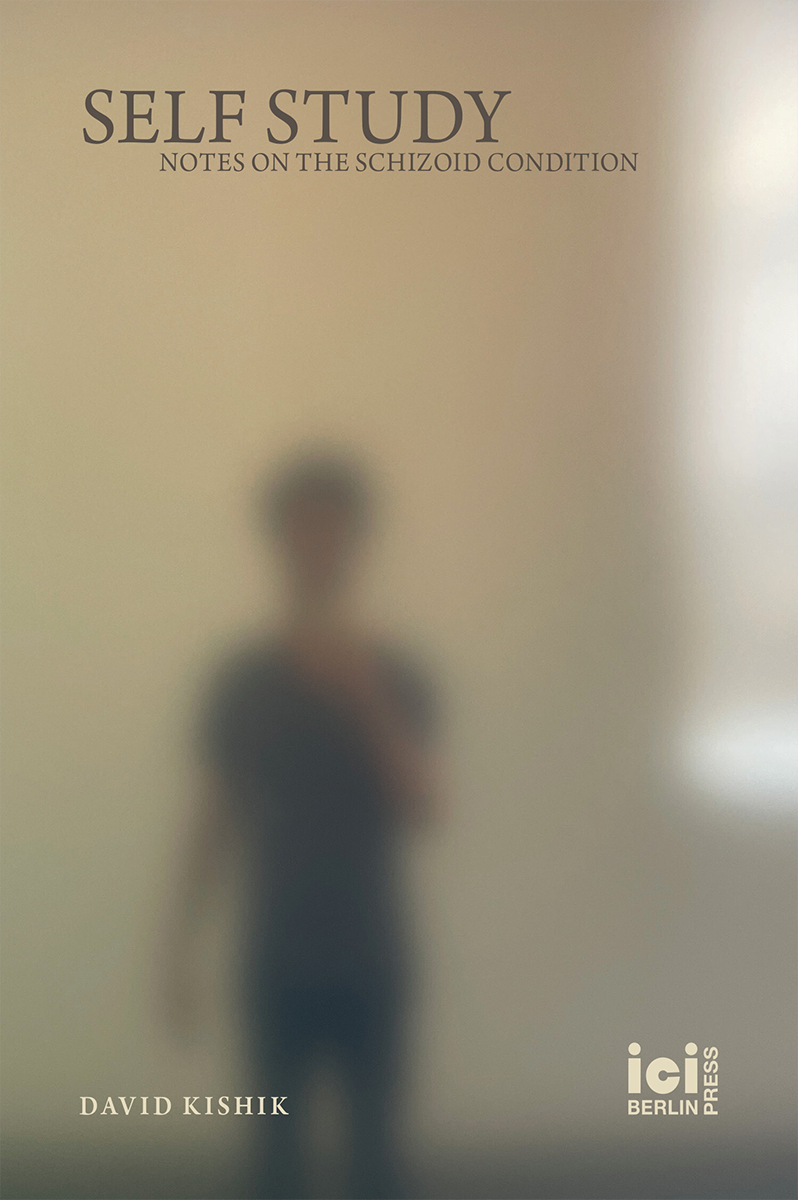
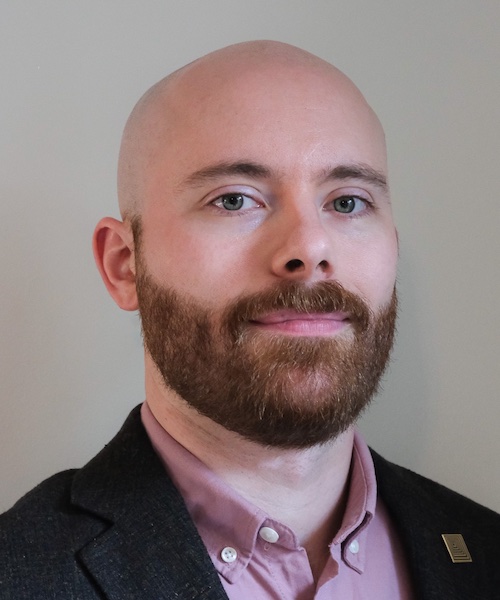
David Kishik is an Associate Professor of Philosophy at the Marlboro Institute for Liberal Arts & Interdisciplinary Studies at Emerson College in Boston, where he has received the Miller Award for Outstanding Teaching (2016) and the Huret Award for Faculty Excellence (2020). Born in Beersheba, he holds a Ph.D. from the New School for Social Research and a B.A. from Haifa University. His work bridges academic philosophy with creative writing and performance art. His educational journey began at Haifa University, followed by doctoral studies at the New School for Social Research, a prominent institution for continental philosophy. Previously, he was a fellow at the ICI Berlin Institute for Cultural Inquiry, establishing his international scholarly presence. Kishik's research spans continental philosophy with distinctive explorations of Wittgenstein's language philosophy, Agamben's biopolitics, and Benjamin's urban theory. He approaches biblical texts through a post-secular lens and investigates the philosophical dimensions of cities, particularly New York. His methodology combines rigorous philosophical analysis with experimental forms that challenge conventional academic boundaries, creating what he terms 'paraphilosophical' works. His current decade-long project represents an innovative approach to philosophical practice through 'practical philosophy' involving transcription, conversion, education, circumnavigation, and summation. His publications reveal a coherent intellectual trajectory from Wittgenstein studies through political philosophy to urban theory and biblical interpretation. The most recent phase of his work moves beyond traditional academic writing into more experimental forms of philosophical engagement with the world, culminating in his 'Self Study' volume as the conclusion of his 'To Imagine a Form of Life' series. Miller Award for Outstanding Teaching (2016) Huret Award for Faculty Excellence (2020) Kishik has translated Giorgio Agamben's works 'Nudities' and 'What Is an Apparatus?' into English, significantly contributing to bringing continental philosophy to English-speaking audiences. His shorter pieces have appeared in The New York Times, Los Angeles Review of Books, Lapham's Quarterly, 3:A.M. Magazine, Public Seminar, and Alaxon. As a performer, he has engaged with philosophical ideas through artistic expression, notably appearing in Netta Yerushalmy's 'Paramodernities,' demonstrating his commitment to interdisciplinary approaches. His work has achieved international recognition with translations into German, Russian, Korean, Farsi, and Hebrew. His current projects through 2030 indicate ongoing scholarly activity and innovation. The 'current decade' project represents his most experimental phase, moving philosophical practice into tangible actions including defacing coins and handwritten editions of his previous works, challenging conventional boundaries between theory and practice.
Tirso Gonzalez Alam is a Lecturer in Psychology at Bangor University’s School of Psychology & Sport Science. He holds a PhD in Cognitive Neuroscience and Neuroimaging from the University of York (2020) and an MSc in Clinical Neuropsychology from the National Autonomous University of Mexico (2011). His research focuses on understanding how large-scale brain networks, particularly those involving semantic cognition and the default mode network, underpin complex behaviors like language comprehension and contextual decision-making. Key areas include hemispheric differences in semantic processing, functional connectivity gradients, and the interplay between perceptual and higher-order systems. Education: PhD in Cognitive Neuroscience (University of York, 2020); MSc in Clinical Neuropsychology (National Autonomous University of Mexico, 2011); BSc in Psychology (Anahuac Mayab University, 2005). Research employs fMRI, DTI, TMS, and computational modeling. He has secured funding through the National Council of Science and Technology (Mexico) and holds a UK Global Talent Visa. Research Interests: Semantic cognition, brain connectivity, hemispheric specialization, neuroimaging techniques (fMRI, MEG), and open science practices. Current projects explore metaphor comprehension, non-literal language processing, and discourse semantics using multivariate fMRI and naturalistic stimuli. He investigates how neural gradients influence post-stroke cognitive deficits and the structural basis of semantic control via white matter tractography. Scientific Awards: PhD Viva with no corrections (2020), Global Talent Visa (2021), leadership roles in Mexican neuropsychology initiatives. His work has been published in NeuroImage , Brain Structure and Function , and Imaging Neuroscience . Grants & Collaborations: ERC-funded FLEXSEM project (2023), collaborations with UCL (stroke research), CNRS (structural connectivity), and Queen’s University (visual-DMN pathways). Supervises PhD students in semantic cognition and language impairments. Labs/Teams: Active in the York Neuroimaging Centre and collaborates with global research networks. Engaged in open science initiatives, promoting data-sharing and reproducibility.
Lindsay Rountree serves as Lecturer in Optometry and Programme Lead for the MOptometry Programme at the School of Optometry and Vision Sciences within the Faculty of Life Sciences, University of Bradford, a position she has held since January 2020. Her academic credentials include: BSc(Hons) in Optometry and Vision Sciences from Cardiff University (qualified 2007) PhD from Cardiff University (2018) on Optimisation of Perimetric Stimuli for Mapping Changes in Spatial Summation in Glaucoma Research expertise spans: Glaucoma symptomatology and treatment adherence Structural/functional changes in glaucoma Mental health among optometry professionals Myopia management and contact lens innovations Ophthalmic public health initiatives She actively contributes as Training Lead for Women in Vision UK (WVUK) and organizes conferences for WVUK, British Congress of Optometry and Vision Science (BCOVS), and Imaging and Perimetry Society (IPS). Prospective PhD students are invited to contact her regarding research opportunities in her specialty areas.
Alex Baldwin is an Assistant Professor at McGill University within the Department of Ophthalmology & Visual Sciences. He serves as a Junior Scientist in the Brain Repair and Integrative Neuroscience (BRaIN) program at the Research Institute of the McGill University Health Centre. Supervisor in McGill's Integrated Program in Neuroscience (IPN) Supervisor in Quantitative Life Sciences program Laboratory located at Montreal General Hospital Research focuses span computational neuroscience, visual psychophysics, and binocular vision mechanisms , particularly examining: Amblyopia and spatial scrambling Aging-related changes in stereopsis Visual noise adaptation Contrast summation models Contour integration processes Digital therapeutic development His lab employs Matlab/Octave (Psychtoolbox), Python (PsychoPy), and Unity/C# for experimental design, with Python (Jupyter) and Matlab (Palamedes Toolbox) for data analysis. Collaborations include Wenzhou Medical University. Scientific recognition includes: NSERC Discovery Grant (2022-2027) HBHL Ignite Funding FRQ-S Vision Health Research Network Pilot Training opportunities available for undergraduate (PSYC-396/COGS-444/COGS-401) and graduate students , with current advisees working on topics including: Visual snow syndrome neural mechanisms Binocular imbalance in aging Contour integration modeling Adaptive strategies in amblyopia Dichoptic ebook therapy development
Professor Ingvars Birznieks is a Senior Research Fellow at the Department of Physiology, School of Medical Sciences, UNSW Medicine in Sydney, where he leads the Tactile Research Group at Neuroscience Research Australia (NeuRA). Previously, he held an academic position as Senior Lecturer (Physiology) at the School of Science and Health, Western Sydney University from 2011 to 2014. Dr. Birznieks is a sensory neurophysiologist specializing in sensory information encoding mechanisms, with research spanning tactile perception, neural coding, and bionic applications. His work integrates neuroscience, biomedical engineering, and clinical rehabilitation to understand how touch receptors encode information and how this knowledge can be applied to develop advanced prosthetics and rehabilitation technologies. His research program covers tactile receptors and sensorimotor control of the human hand, with applications in stroke rehabilitation, diabetic neuropathy, and bionic hand development. His recent publications reveal a strong focus on neural coding mechanisms in tactile perception, particularly the burst gap code for frequency perception, friction sensing mechanisms, and intensity coding. These studies consistently bridge fundamental neuroscience with practical applications in bionics and rehabilitation. His interdisciplinary approach connects neurophysiological findings with engineering solutions for artificial touch. Dr. Birznieks has secured significant grant funding, including ARC Discovery Projects and NHMRC Ideas Grants totaling over $2.5 million, supporting research on neural coding, sensorimotor control, stroke rehabilitation, and bionic technologies. His current major project 'The secret of tiny hand movements to feel and manipulate objects' (ARC DP230100048) investigates how humans use micro-movements to extract tactile information during object manipulation. He actively supervises students across neuroscience, biomedical engineering, and computer science disciplines, with recent publications featuring undergraduate and graduate students as first authors. His research group maintains collaborations with institutions in France and Sweden, providing international research opportunities for students. Dr. Birznieks' laboratory has developed unique non-invasive mechanical stimulation technology that allows precise control of neural communication at the single neuron level, enabling unprecedented investigation of how spiking activity influences perceptual experience.
Arthur Kosmala is a Doctoral Fellow at the Munich Data Science Institute (MDSI) and a PhD candidate at the Department of Informatics - I26 , Technical University of Munich. His research bridges machine learning with physics, chemistry, and materials science , focusing on neural network architectures for modeling long-range interactions in molecular systems. Education : MSc in Theoretical and Mathematical Physics (Technical University & LMU Munich, 1.1), MSc in Mathematical and Theoretical Physics (University of Oxford, Distinction), BSc in Physics (LMU Munich, 1.0) Research Interests include: Integrating physics-based long-range methods (e.g., Ewald summation) into graph neural networks Compressing autoregressive time series models and exploring differential privacy in ML Interdisciplinary collaborations at the MDSI , merging insights from applied mathematics, computational chemistry , and materials science Scientific Awards : Runner-up for the MDSI Best Paper of 2023 Recipient of the Linde/MDSI Doctoral Fellowship , Max Weber-Program scholarship , and a DAAD grant He contributes to open-source projects like EwaldMP (Python) and Fermat (C++), with active GitHub collaborations.
Professor Christopher Tyler is a visual neuroscientist specializing in visual and oculomotor function and disorders at City St George's, University of London. He joined the institution in 2013 after working at several universities in the United States and maintaining a long-standing affiliation with the Smith-Kettlewell Eye Research Institute in San Francisco, where he established its Brain Imaging Center. His research spans multiple disciplines including neuroscience, psychology, and vision science, with active international collaborations across France, Germany, United States, Taiwan, Israel and Australia. Professor Tyler received his training in Experimental Psychology at the Universities of Leicester, Aston and Keele before taking postdoctoral fellowships at Northeastern University, Boston, University of Bristol and Bell Laboratories. His educational background provides a strong foundation for his interdisciplinary research that bridges visual neuroscience, psychophysics, and computational modeling. His research interests focus on the neural processing of visual information, with particular emphasis on form, symmetry, flicker, motion, color, and stereoscopic depth perception. Professor Tyler has developed effective psychophysical and electrophysiological tests for diagnosing retinal, optic nerve, visual cortical and oculomotor disorders. His current work investigates the effects of traumatic brain damage on eye movements and their brainstem control mechanisms, with significant implications for understanding and treating traumatic brain injury. Professor Tyler's extensive publication record demonstrates consistent contributions to understanding visual perception across multiple dimensions. His recent work shows a strong focus on traumatic brain injury effects on vision, advanced computational modeling of visual processes, symmetry processing, and the intersection of visual science with art history. His research bridges fundamental neuroscience with clinical applications, particularly in understanding how brain trauma affects visual function. Smith-Kettlewell Eye Research Institute (1996) Kettlewell Chair Smith-Kettlewell Eye Research Institute (1985) Kettlewell Chair American Academy of Optometry (1982) Garland-Clay Award Professor Tyler has taught courses at numerous prestigious institutions including Northeastern, UCLA, UC Santa Barbara, UC Berkeley and the University of Paris. His research has been supported by significant grants from CDMRP (US) for studying human oculomotor functions in traumatic brain injury, AFOSR (US) for encoding 3D structure in visual scenes, and NSF (US) for investigating neural dynamics of conceptual learning. He maintains an active research laboratory focused on visual neuroscience and has collaborated with numerous researchers worldwide. His research center is focused on Optometry and Visual Neuroscience, where he leads investigations into visual perception mechanisms and their applications to clinical problems. Professor Tyler's work bridges fundamental neuroscience with practical applications in vision science and clinical optometry.
Marta Shocket serves as a Lecturer in Ecology within the Lancaster Environment Centre at Lancaster University, with additional affiliations at the Data Science Institute and Centre of Excellence in Environmental Data Science. Her research program investigates environmental drivers of infectious disease transmission, specializing in temperature effects on pathogen dynamics in invertebrate host systems through integrated field, laboratory, and mathematical approaches. Dr. Shocket's work centers on ecological epidemiology with emphasis on vector-borne diseases including malaria, dengue, and West Nile virus. She examines thermal constraints on transmission, host-pathogen coevolution under climate change, and cross-scale mechanisms linking organism physiology to epidemic patterns. Current projects include fungal pathogen research in insect hosts, for which she is recruiting a PhD student starting autumn 2024. Analysis of her publication record (2015-2025) reveals consistent contributions to climate-disease modeling, particularly demonstrating how mean daily temperatures better predict malaria transmission limits than hourly summation, and how thermal acclimation influences host-pathogen interactions. Her research increasingly incorporates fluctuating temperature regimes and ecological complexity to refine transmission forecasts. Dr. Shocket actively seeks PhD candidates for fungal pathogen research while contributing to the Centre of Excellence in Environmental Data Science's Ecology and Conservation group. Her work bridges ecological theory, data science, and public health applications through interdisciplinary collaboration at Lancaster University.
Michael J. Hawken is a Professor of Neural Science at New York University's College of Arts & Science. He holds a Ph.D. from the University of Otago. His research focuses on understanding how visual perception arises from neural circuits in the primate visual cortex, combining connectomics, functional characterization of receptive fields, and computational modeling. Key areas include neuronal population dynamics, functional clustering in cortical layers, and long-range circuit motifs. Research emphasizes structural connectomics (e.g., thalamic inputs to V1 layer 4C), functional clustering of neurons in layer 6, and computational models simulating cortical dynamics. Collaborations with NYU mathematicians have produced large-scale models of V1 layers, exploring direction selectivity and feedforward information flow. Publications span over three decades, with recent work in Journal of Neuroscience , PNAS , and Current Opinion in Physiology . His studies bridge neurophysiology and theory, addressing how cortical circuits underpin visual perception. Notable contributions include defining laminar distributions of neuronal subtypes (Kv3.1b, PV) and identifying functional clusters through multi-dimensional stimulus analysis. Ongoing projects extend findings to human cortex to compare macaque-human homologies.
Ke Yi is a Professor in the Department of Computer Science and Engineering at the Hong Kong University of Science and Technology (HKUST), where he also serves as Director of the MSc Program in Big Data Technology. His research spans database theory and systems, query processing, data security and privacy, parallel and distributed algorithms, and computational geometry, with a focus on bridging theoretical guarantees with practical implementations. Dr. Yi earned his B.Eng. in Computer Science and Technology from Tsinghua University (1997-2001) and his Ph.D. in Computer Science from Duke University (2001-2006), advised by Professors Pankaj K. Agarwal and Lars Arge. Before joining HKUST in 2007, he was a Research Specialist at AT&T Labs-Research (2006-2007). His research interests center on database theory and systems with particular emphasis on query processing techniques, data security and privacy mechanisms, and efficient algorithms for big data. Yi's work consistently demonstrates the rich interdependence between theoretical foundations and practical implementations, favoring simple algorithms with elegant analyses that provide valuable insights for real-world applications. His research group has developed several notable system prototypes including Quorion (query optimization), DPSQL (differentially private SQL), SparkSQL+ (next-generation query planning), SecYan (secure query processing), CROWN/Cquirrel (continuous query processing), and XDB (online aggregation). Yi's publication record shows a clear evolution toward privacy-preserving database technologies, particularly differential privacy, with an increasing focus on practical implementations that maintain theoretical guarantees. His recent work has centered on query processing under differential privacy, secure multi-party computation for databases, and efficient algorithms for big data analytics, demonstrating consistent contributions to both theoretical foundations and practical systems. ACM SIGMOD Best Paper Award (2016, 2022) ACM PODS Test-of-Time Award (2022) ACM Distinguished Member (2021) Multiple ACM SIGMOD Best Paper Honorable Mentions Google Faculty Research Award (2010) HKUST School of Engineering Young Investigator Research Award (2012) Professor Yi has supervised numerous Ph.D. and MPhil students, many of whom have gone on to prestigious academic and industry positions at institutions including Nanyang Technological University, University of Waterloo, EPFL, Alibaba Cloud, and Google. His research has been generously supported by Hong Kong RGC, Alibaba, Huawei, ByteDance, Microsoft, and Google. In addition to his research leadership, Yi has made significant contributions to the academic community through editorial roles (ACM TODS, IEEE TKDE), program committee chairs (PODS 2026, ICDT 2021), and numerous service roles in top database conferences. His laboratory, the HKUST Database Lab (hkustDB), has become a leading center for database research in Asia, developing innovative prototypes that bridge theoretical database research with practical implementations. The lab maintains active GitHub repositories for their open-source projects and collaborates extensively with both academic and industry partners worldwide.
Yutaka Kosaki is Professor of Psychology at Waseda University’s School of Humanities and Social Sciences, where he has taught since 2017 and served as full Professor from 2022. After obtaining his Ph.D. in Experimental Psychology from the University of Cambridge (2008), he held research positions at Durham, Cardiff, Keio and Waseda universities, building an international profile in learning psychology, behavioural neuroscience and pharmacology. Education Ph.D. Experimental Psychology, University of Cambridge, 2008 Research Interests Kosaki’s work integrates associative learning theory with behavioural neuroscience to clarify how animals and humans acquire, extinguish and re-instate goal-directed versus habitual actions. His recent projects examine (i) reinforcement-schedule determinants of habit formation, (ii) context and renewal effects in extinction, (iii) spatial learning and higher-order conditioning without a cognitive map, and (iv) aberrant associative processes in mouse models of autism and schizophrenia, including ketamine-induced disruptions of stimulus selection. Publication Trends Across 29 Scopus-listed papers (h-index 11, 413 citations) his articles consistently combine rigorous behavioural assays (operant schedules, place/response mazes, US devaluation, conditioned reinforcement) with neuropharmacological manipulations (ketamine, methamphetamine, oxytocin) and lesion or optogenetic approaches. Dominant themes are the neural and computational mechanisms governing the transition from flexible, outcome-sensitive actions to inflexible, stimulus-bound habits, and how these processes malfunction in neuropsychiatric conditions. Scientific Awards Waseda Research Award (International Research Dissemination), 2018 Indo-Taro Prize, 2018 Japanese Association of Basic Psychology Excellent Paper Award, 2016 Nakajima Memorial International Exchange Scholarship, 2004 Grants & Editorial Service He currently leads JSPS KAKENHI and alcohol-science-foundation projects on habit formation and addiction, and serves as Editor of the Japanese Journal of Animal Psychology after six years as editorial assistant. He is a member of the Japan Neuroscience Society, Japanese Society for Animal Psychology and Society for Neuroscience. Laboratory & Teaching At Waseda he supervises undergraduate and graduate theses and teaches core courses including Psychology of Learning, Introduction to Psychology and Experimental Practicals. His lab accepts domestic and international graduate students and JSPS post-doctoral fellows interested in associative learning, spatial cognition and the neurobiology of mental disorders.
Aleksandra Budzisz is an Assistant Professor at the Jagiellonian University's Faculty of Philosophy, Institute of Psychology, and at the Jerzy Kukuczka Academy of Physical Education in Katowice. Her academic home is primarily at the Department of General Psychology at Jagiellonian University where she conducts research and teaching in the field of body perception and pain mechanisms. Dr. Budzisz earned her PhD in Medical and Health Sciences from Jagiellonian University in 2020. Her doctoral work laid the foundation for her current research trajectory focusing on the intersection of psychological and physiological aspects of human experience. Her primary research interests center on body image perception, particularly in athletic populations. Dr. Budzisz investigates the complex relationships between body image, pain perception, and the psychological mechanisms underlying placebo and nocebo effects. Her work often employs experimental methodologies to examine how verbal suggestions and pain experiences alter body perception, with special attention to back-related awareness. Analysis of Dr. Budzisz's publication record reveals a consistent focus on body image assessment tools, particularly adaptations of the Fremantle Back Awareness Questionnaire for Polish populations. Her research increasingly incorporates experimental pain paradigms to study how physical sensations influence body perception, with growing interest in the role of social factors like empathy in modulating pain responses through observational learning. Dr. Budzisz serves as Principal Investigator for the National Science Center PRELUDIUM project titled "You have a crooked back!" - The influence of verbal suggestion and experimental pain on body image. This research represents a significant contribution to understanding how verbal information about one's physical condition can alter body perception and potentially influence pain experiences. As an active member of the Pain Research Group at Jagiellonian University, Dr. Budzisz collaborates with interdisciplinary teams to advance knowledge in pain mechanisms and body perception. Her research methodology spans laboratory experiments, psychometric validation studies, and systematic reviews, demonstrating methodological versatility in addressing complex questions at the psychology-neuroscience interface.