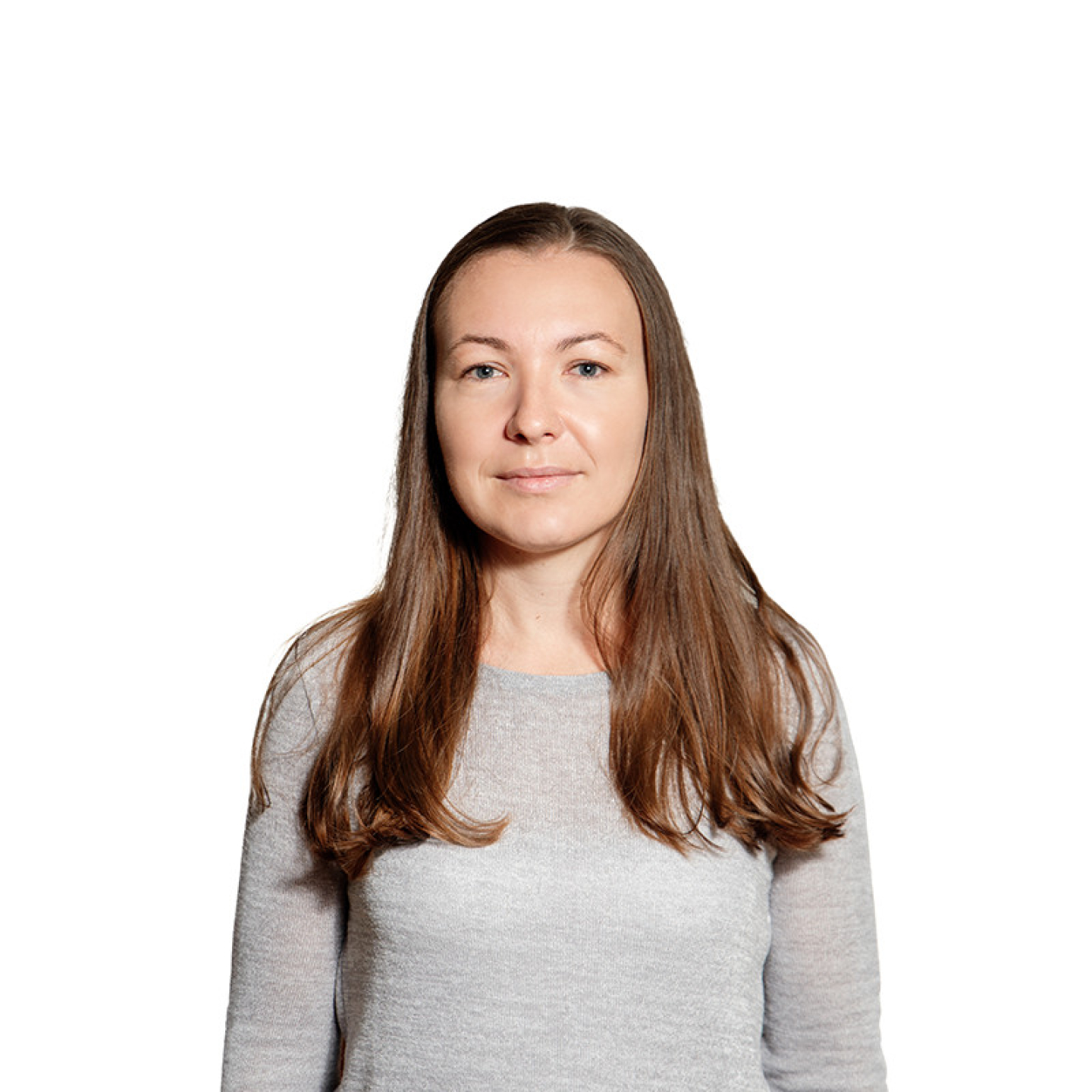
Milka Bubalo-ŽivkovićView profile
Professor
Milka Bubalo-Živković serves as Full Professor and Head of the Department of Geography, Tourism and Hotel Management at the Faculty of Sciences and Mathematics, University of Novi Sad. Her career spans over 25 years with progressive appointments from Assistant (1995) to current leadership role since 2018, reflecting deep institutional integration. Her educational foundation includes: Diploma (1994): Department of Geography, Tourism and Hotel Management, Faculty of Philosophy, Novi Sad (Thesis: 'Demographic changes in Novi Slankamen until 1995') Master's (2000): Same department (Thesis: 'Regional-geographical problems of refugees in Banat 1990-1996') Doctorate (2003): Same department (Dissertation: 'Contemporary geographical functions of Novi Sad and its gravitational area') Research focuses on three interconnected pillars: demographic transformations across Serbia's regions, settlement geography examining urban-rural dynamics, and regional studies of Vojvodina's ethnic composition. Her work uniquely bridges historical analysis (Kingdom of Yugoslavia era) with contemporary challenges including refugee impacts, aging populations, and border region sustainability. Methodologically, she combines spatial analysis with longitudinal demographic datasets. Publication trends reveal evolving expertise from early migration studies (2001-2009) toward integrated environmental-demographic research (2014-2018), addressing thermal waters utilization and urban noise pollution while maintaining core demographic focus. Her 14 articles demonstrate consistent regional contribution through Serbian Academy journals and international Balkan-focused publications. Project leadership includes seven nationally funded initiatives: 'Demographic transitions in Serbia' (2006-2010) 'Ethnic groups of Vojvodina in 21st century' (2016) 'Population and settlements of Vojvodina' (2010-2016) Ministry of Science projects on Serbia's geographical development (2001-2005) These secured funding from Serbian Science Ministry, Provincial Secretariat, and Matica Srpska, addressing depopulation, ethnic sustainability, and migration patterns. Professional engagement includes membership in Serbian Geographical Society and Serbian Demographic Society, with teaching covering Geography of Serbia, Western Balkans, and doctoral-level geopolitical processes. Foreign language proficiency in English supports international collaboration.