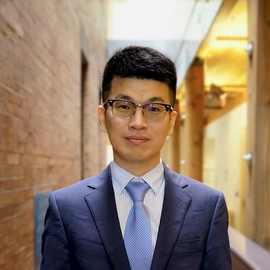
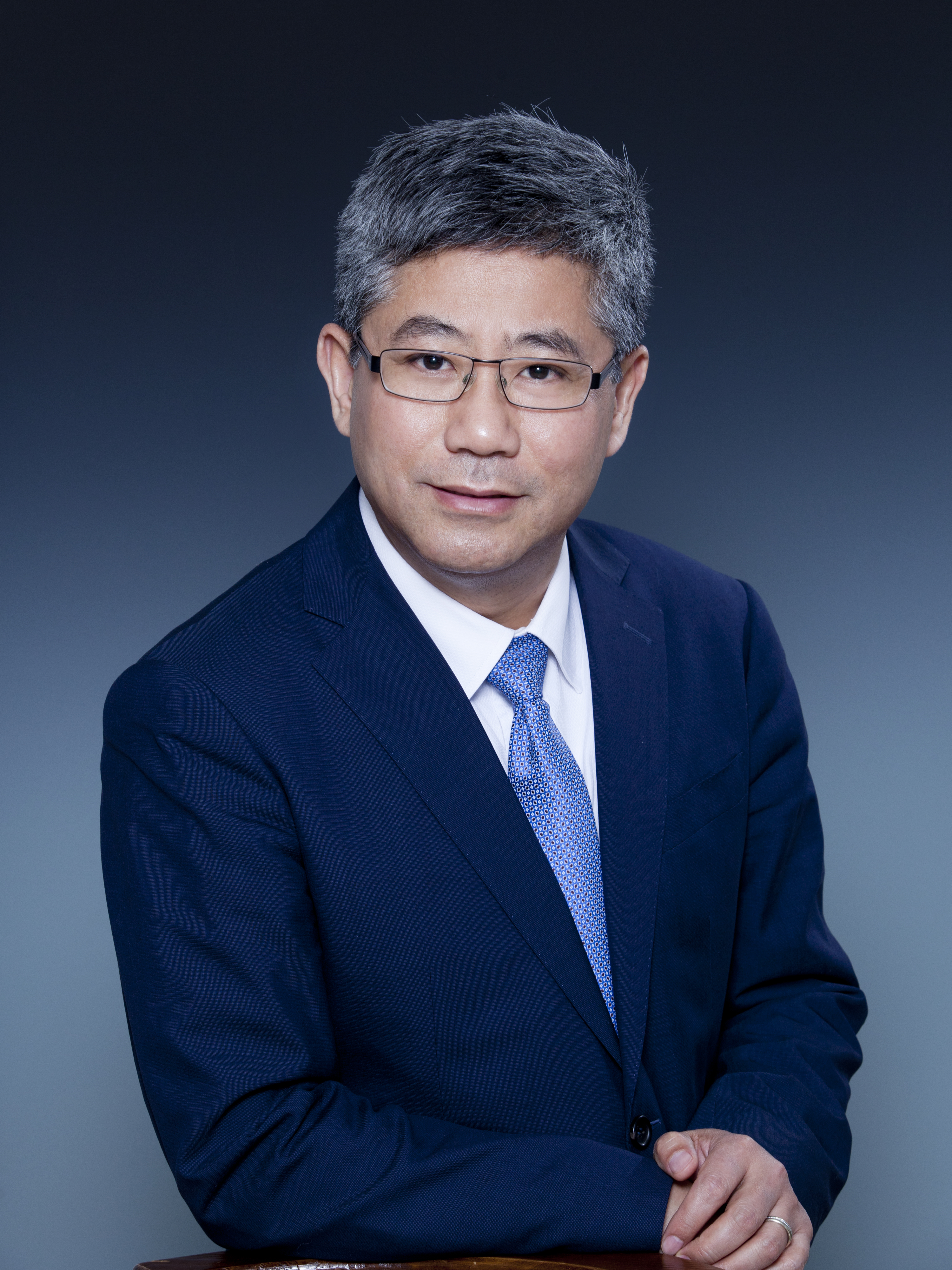
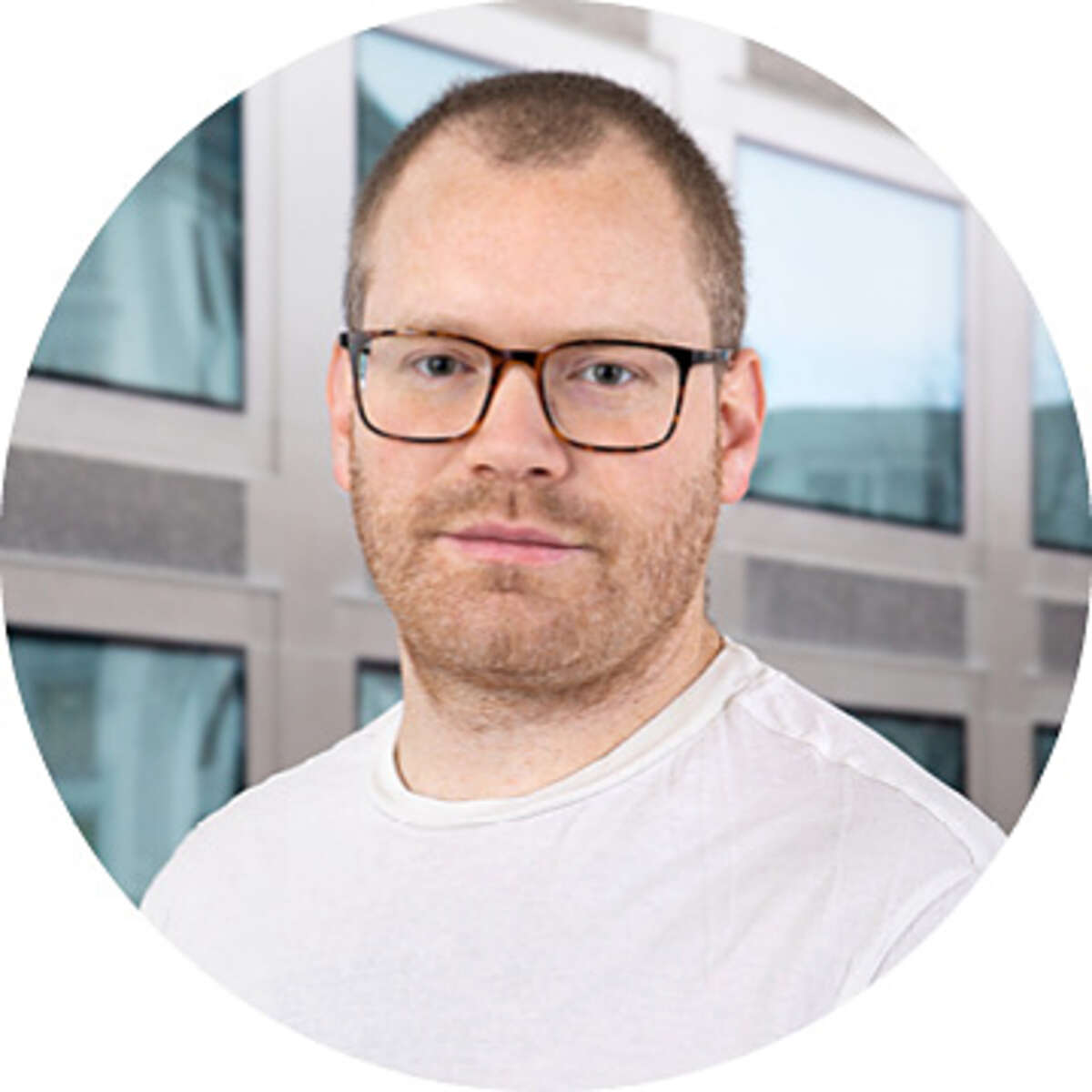
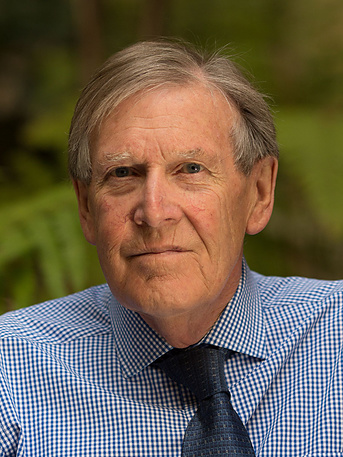
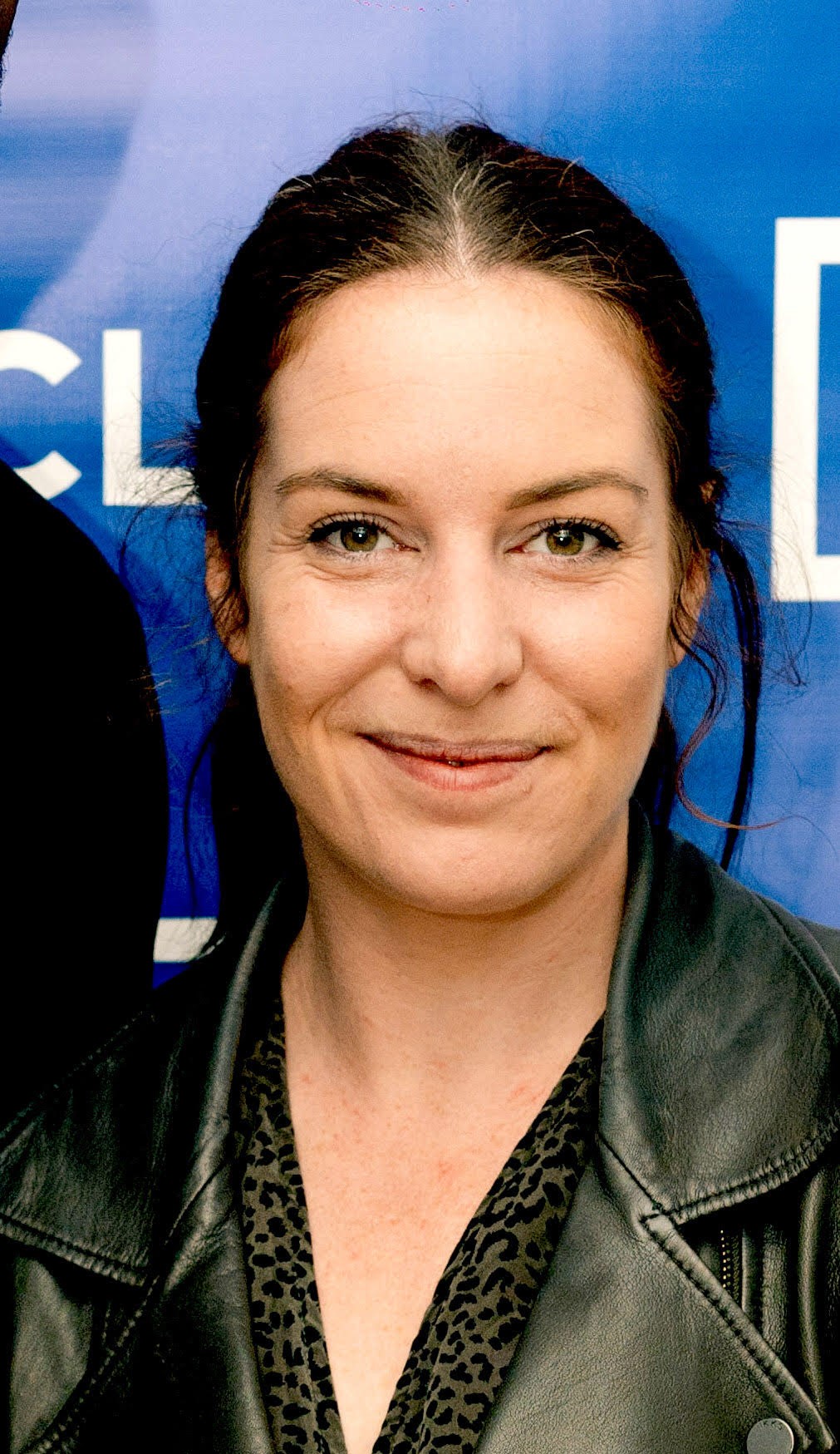
Guangbin Hong is a Postdoctoral Fellow at the Mansueto Institute of Urban Innovation and the Kenneth C. Griffin Department of Economics at the University of Chicago. In 2025, he will join Michigan State University as an Assistant Professor of Economics. He holds a Ph.D. in Economics from the University of Toronto (2024). His research focuses on urban and spatial economics, international trade, and macroeconomics, particularly examining how microeconomic heterogeneity impacts distributional and aggregate outcomes. Key research interests include taxation of multinational enterprises, spatial inequality, firm-worker sorting, and housing policy. His work bridges theoretical models with empirical analysis, addressing topics like profit shifting, gentrification, and optimal tax design. Notable contributions include studies on global tax reforms, scalable technologies, and urban redevelopment policies. His articles explore macroeconomic implications of tax policies, spatial sorting effects, and urban redevelopment. Awards include the Bank of Canada Graduate Student Paper Award and the European Economic Association & UniCredit Foundation Best Job Market Paper Award. Teaching experience spans international trade, macroeconomic theory at multiple academic levels, and principles of economics. His future work aims to deepen insights into urban economic dynamics and global taxation frameworks.
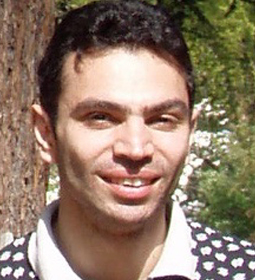
Imad Agha is an Associate Professor with a joint appointment in the College of Arts and Sciences (Physics) and the School of Engineering (Department of Electro-Optics and Photonics) at the University of Dayton. He is a full-time faculty member actively engaged in cutting-edge research in photonics, quantum optics, and nanomaterials. His research interests include: Photonics and integrated photonic circuits Phase change materials (e.g., GST, Sb2Se3) for optical switching and memory Orbital angular momentum and optical vortex beams Metasurfaces and spatially variant photonic crystals Infrared detection using hyperdoped silicon Ultrafast and real-time spectroscopy GeSn-based optoelectronic devices His recent publications (2023–2025) demonstrate a strong focus on reconfigurable optical devices, tunable mid-infrared filters, quantum photonic transceivers, and advanced spectroscopy techniques. The work leverages machine learning, nanofabrication, and novel materials to enable next-generation photonic systems for communication, imaging, and sensing. Key themes include energy efficiency, ultrafast response, and chip-scale integration. Scientific awards are not listed in the provided text. Dr. Agha advises graduate students and likely leads a research group involved in experimental and theoretical photonics. His work is supported by grants related to materials development, optical device engineering, and quantum technologies, though specific grants are not listed. He collaborates across engineering and physics disciplines, particularly in the development of hybrid photonic systems. His research is conducted within advanced photonics and nanofabrication laboratories at the University of Dayton, focusing on optical characterization, device testing, and materials synthesis.
Witold Andrzejewski is an active researcher in computer science, focusing on data deduplication pipelines, co-location pattern mining, and GPU-accelerated algorithms. His work bridges academia and industry, with publications analyzing customer record deduplication in the financial sector, performance optimization of spatial data processing, and comparative studies of statistical modeling versus machine learning approaches. 2025: Co-location pattern mining with Euclidean metrics 2024: Customer data deduplication parameter tuning 2023: Text similarity measures in financial applications
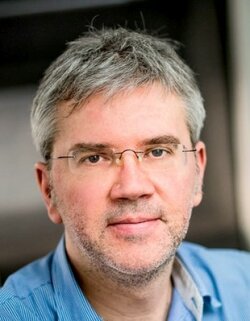
Prof. Dr. Christian Klaes leads the KlaesLab at the Ruhr-University Bochum 's Department of Neurotechnology , focusing on advanced neuroprostheses and assistive devices for paralysis rehabilitation. His work integrates neuroscience , machine learning , and virtual reality to decode brain signals for controlling exoskeletons and BCI systems . Key research areas: Brain-Computer Interfaces , Neural Implants , VR-based Neurorehabilitation , and AI-driven Medical Diagnostics Collaborations with Caltech , German Primate Center , and University of Madeira expand his interdisciplinary impact. Recent publications highlight advancements in EEG decoding accuracy , spike sorting algorithms , and somatosensory feedback systems , demonstrating his lab's contributions to neural signal processing and embedded AI platforms for future implants. Current projects include developing smart upper-limb exoskeletons , exploring terahertz brain imaging , and pioneering phantom touch illusions for sensory augmentation in VR environments.
Bin Xu is a Professor of Finance (Chair in Sustainable Finance) and Director of Research and Innovation in the Accounting and Finance Department at the University of Leeds. He holds a PhD in Finance from Loughborough University and previously served as a Lecturer at Queen’s University Belfast. His affiliations include editorial roles at the Journal of Business Finance and Accounting and International Journal of Finance and Economics , and he directs postgraduate research programs like the MSc Financial Risk Management. His research focuses on corporate finance , sustainable finance , and corporate governance , emphasizing stakeholder influence on corporate decisions. This includes analyses of capital markets, managerial incentives, and sustainability frameworks, positioning his work at the intersection of finance and socio-economic impact. His publications predominantly explore environmental science, biomedicine, and remote sensing, with recurring themes in tissue engineering, climate-driven ecosystem changes, and regenerative medicine. Recent articles highlight innovations in diabetic wound management, forest encroachment dynamics, and stem cell therapies. Scientific Awards: QUB Rising Star Teaching Award (2017) He mentors postgraduate researchers including Wenqi Guo and Minh Tran. As Programme Director for MSc Financial Risk Management (2020-2024), he oversees curriculum development and industry engagement. He collaborates with the International Banking Institute and Centre for Advanced Studies in Finance, driving interdisciplinary research initiatives.
Bai Chongen is a distinguished Professor in the Department of Economics at Tsinghua University's School of Economics and Management, where he also serves as Dean of the School since August 2018 and Executive Dean of the Institute for Global Co-development since September 2022. He holds the position of Senior Professor of Humanities at Tsinghua University since January 2024 and serves as Dean of the Institute of Modern State-owned Enterprises since May 2019. His extensive administrative roles include former positions as Executive Vice Dean (2016-2018) and Vice Dean (2009-2016) of the School of Economics and Management, and Director of the Department of Economics (2005-2016). Ph.D. in Economics, Harvard University (1993) Ph.D. in Mathematics, University of California, San Diego (1988) Bachelor's degree in Mathematics, University of Science and Technology of China (1983) Bai Chongen's research spans multiple critical areas of economics with particular focus on Institutional Economics, Economic Growth and Development, Public Economics, Finance, Corporate Governance, and the Chinese Economy. His work on income distribution in China has been particularly influential, examining the factors behind China's national income distribution patterns and their implications for economic rebalancing. His research on state-owned enterprise reform has provided important theoretical frameworks and empirical evidence on incentive structures and performance. More recently, his work has expanded to include pension systems, health insurance effects on consumption, and the impact of fiscal policies on China's economic structure. Analysis of Bai Chongen's recent publications reveals a consistent focus on empirical studies of Chinese economic institutions and policy impacts. His work combines rigorous theoretical frameworks with careful empirical analysis using Chinese data. Key thematic areas include income distribution dynamics, state-owned enterprise governance, financial sector reforms, and the effects of social policies on household behavior. His research increasingly incorporates experimental and quasi-experimental methods to establish causal relationships, as evidenced by his field experiment on pension enrollment. The interdisciplinary nature of his work bridges traditional economics with public policy analysis. National Natural Science Foundation Outstanding Youth Fund (2006) New Century Hundreds of Thousands of Talents Project national candidate (2007) First Pu Shan Zhong Yin World Economics Excellent Paper Award (2008) 13th Sun Yefang Economic Science Award (2008) Fourth Zhang Peiga Development Economics Excellent Achievement Award (2012) Elsevier Chinese Highly Cited Scholars list 2014-2024 17th Sun Yefang Economic Science Award (2016) Bai Chongen has supervised numerous doctoral students, including Qian Zhenjie whose dissertation on China's factor income distribution won the Fourth Huang Da-Mundell Economics Award. His research has been supported by major grants from the National Natural Science Foundation, the World Bank, Asian Development Bank, and various Chinese government agencies including the National Development and Reform Commission, Ministry of Finance, and State-owned Assets Supervision and Administration Commission. He has led major research projects on China's economic growth potential, state-owned enterprise reform, fiscal policy, and social security system development. Bai has also served on numerous academic journal editorial boards including Economic Research Journal and Financial Research, and has been actively involved in policy advisory roles including as a member of the Monetary Policy Committee of the People's Bank of China (2015-2018).
Eva Andersson is a Professor at Stockholm University within the Department of Human Geography. Her research focuses on urban and social geography, residential and school segregation, neighborhood effects, life course analysis, migration patterns, and elderly housing. She employs Swedish register data combined with spatial analysis methods to investigate how residential contexts influence socioeconomic outcomes. Current research projects include Migrant Trajectories (2019-2024), exploring migrant life courses across five domains. Lyckliga gatan examines spatial polarization and social cohesion in Sweden. Socio-spatial stratification analyzes housing tenure trajectories across 21 years. Her work demonstrates that neighborhood context at multiple scales affects educational attainment, income trajectories, and family formation. She finds stronger microscale effects on education and macroscale impacts on income, with Sweden showing less segregation than the Netherlands. Schools in 75% of municipalities successfully mix students from diverse backgrounds, though performance gaps correlate with socioeconomic peer groups. She teaches urban social geography at both undergraduate and graduate levels, supervises doctoral students, and contributes methodological innovations through individualized neighborhood analysis. Her housing research reveals increasing homeownership trends in Sweden and age-related shifts toward central urban housing for elderly populations.
Charles Fox is a Professor at the University of Kentucky's Martin-Gatton College of Agriculture, Food and Environment. He teaches ABT 461G: Introduction to Population Genetics and serves as a Career and Professional Mentor and Research Mentor. His research focuses on evolutionary biology, entomology, and ecological dynamics, particularly in seed beetles and yellow dung flies. Ph.D., Department of Integrated Biology, University of California, Berkeley (1993) B.S., Department of Zoology (1987) His work explores peer review processes , inbreeding depression , host shifts , and phenotypic plasticity in insects. Recent publications emphasize open research practices, gender equity in publishing, and spatial sorting of traits in ecological contexts. Professor Fox leads the Fox Lab , which investigates evolutionary genetics and insect adaptation. His articles reveal trends in reproductive biology , genetic architecture , and environmental interactions affecting insect populations.
Marc van Oostrum is a molecular neuroscientist and proteomics researcher at the Biozentrum , University of Basel. His work bridges molecular neuroscience , synaptic proteomics , and systems biology to unravel the protein networks governing synaptic function and neuronal circuits. Institution: University of Basel (Biozentrum) Academic Rank: Researcher Key Grants: SNSF Ambizione Fellowship Research Focus: Van Oostrum's group investigates how synaptic protein dynamics determine neuronal connectivity, circuit development, and disease mechanisms. Their approach combines mass spectrometry-based proteomics , fluorescence-activated sorting , and in vivo labeling of synaptic populations. Notably, they explore synaptic diversity in healthy brain function and its dysregulation in neurological disorders. Scientific Contributions: His recent publications address: Proteasome maturation factors' role in transcriptional stress responses Molecular diversity of synapses through spatial proteomics Tissue-specific protein interaction atlases for disease gene discovery Synaptic proteome changes in neurodegenerative disease models Awards & Recognition: Van Oostrum has received the Best Talk Prize (2025) at the Swiss Proteomics Meeting and holds a prestigious SNSF Ambizione Fellowship . Collaborative Network: He collaborates with leaders in proteomics and neuroscience, including Biozentrum colleagues , Erin Schuman , and international teams in synaptic and proteomic research.
Dimitrios Stamou is a Professor of Bionanotechnology and Nanomedicine in the Department of Chemistry at the University of Copenhagen's Faculty of Science. He also serves as Director of the Center of Excellence for Geometrically Engineered Cellular Systems (2018-2024) funded by the Novo Nordisk Foundation with 60M DKK. Previously, he was Associate Professor (2006-2010) and Assistant Professor (2004-2006) in the Department of Neuroscience and Pharmacology at the same university, and has been a member of the Nano-Science Center since 2004. Education: 1992-1995: B.Sc. Hon. Physics, Leeds University (UK) 1996-2000: Ph.D. Physical Chemistry, Ecole Polytechnique Fédéral de Lausanne (CH) 2000-2002: Postdoctoral Fellow, Ecole Polytechnique Fédéral de Lausanne (CH) Professor Stamou's research focuses on membrane biophysics and single molecule biology. He has developed innovative technologies to investigate membrane curvature, membrane protein dynamics, and cellular organization. His work bridges nanotechnology, biophysics, and medicine, with significant contributions to understanding how membrane curvature influences protein localization and function. His laboratory pioneered methods for single-molecule analysis of membrane proteins that resolved ionic currents with sensitivity 1,000,000-fold higher than patch clamp techniques, enabling observation of single transporter molecules. He also developed methods to investigate individual proteoliposomes, revealing dramatic heterogeneities in ensemble populations that can skew measurements but also enable high-throughput ultraminiaturized assays with 1,000,000,000-fold lower sample consumption. His recent publications demonstrate a continued focus on GPCR organization, membrane curvature effects on protein localization, and single-molecule analysis of membrane proteins. The research spans biophysics, molecular biology, and nanotechnology, with applications in understanding cellular signaling pathways relevant to cancer and other diseases. His work often involves collaborations with leading institutions worldwide, including UC Berkeley, Stanford University, Cambridge University, and the Max Planck Institute. Selected Awards: 2019: Thomas E. Thompson Award, Biophysical Society 2017: Best research at Dept. of Chemistry, University of Copenhagen 2016: Torkil Holm, National Prize in chemical science 2010: Annual Award of the Danish Biotechnology Society Professor Stamou has established and directs the Bio-Nanotechnology and Nanomedicine Laboratory at the University of Copenhagen, securing approximately 210M DKK in external funding. He previously served as Director of the Center of Excellence for Biomembranes in Nanomedicine (35M DKK, Lundbeck Foundation, 2010-2015) and PI of the NABIIT council Frame grant (23M DKK in collaboration with Novo Nordisk A/S, 2014-2018). His laboratory has received strategic research funding from multiple foundations and agencies. Since 2005, Professor Stamou has supervised 13 postdocs and graduated 12 PhD, 12 MSc, and 16 BSc students. He has been an active member of the scientific community, serving on editorial boards including the Biophysical Journal (2017-2019) and the Journal of General Physiology (2019-2021). His laboratory maintains collaborations with leading researchers worldwide, including J.T. Groves (UC Berkeley), B. Kobilka (Stanford University), D. Owen (Cambridge University), R. Jahn (Max Planck Institute), and T. Ha (Johns Hopkins).
William A.V. Clark is a Distinguished Research Professor in the Department of Geography at the University of California, Los Angeles and a faculty associate of the California Center for Population Research. His academic career spans decades of research in demographic change, residential mobility, and residential segregation in urban environments. Clark's research interests focus on demographic change, models of residential mobility, and the sorting processes that bring about residential segregation in the urban mosaic. His work examines life course decisions, particularly regarding family formation, housing choices, and migration patterns across different cultural contexts, with significant attention to China's changing society. His research integrates behavioral economics, particularly prospect theory, with geographical analysis to understand residential decisions. His publications reveal a consistent focus on residential mobility patterns, housing market dynamics, family formation transitions, and segregation processes. Over time, his work has expanded from traditional Western contexts to include comparative international studies, particularly in China, examining how cultural and economic factors influence life course decisions. The recent publications show increasing attention to digital technology's impact on geographical diversity and pandemic-related behavioral adaptations. Fellow at Netherlands Institute for Advanced Studies in the Humanities and Social Sciences (1993) Guggenheim Fellowship (1994-95) Elected member of American Academy of Arts and Sciences (2003) Elected member of U.S. National Academy of Sciences (2005) Senior Fulbright Scholar at Victoria University Wellington (2008) United Kingdom Economic and Social Research Council Professorship at St Andrews (2011) Clark has published ten books, including the recent co-edited volume The Sage Handbook of Housing (2012). His research has been supported by prestigious fellowships and professorships across multiple countries, reflecting the international significance of his contributions to demographic and geographical sciences.
Dr. Jun Li is a Senior Lecturer at the School of Computer Science, Faculty of Engineering and Information Technology, University of Technology Sydney (UTS), Australia. He received his Ph.D. in Computer Science from Queen Mary University of London in 2009 and is affiliated with the Australian Artificial Intelligence Institute (AAII) at UTS. His research spans multiple domains within artificial intelligence, with primary focus on Machine Learning applications in computer vision and 3D geometry. Dr. Li has published extensively in high-impact journals including IEEE Transactions (TPAMI, TIP, TNNSLS) and Pattern Recognition, with recent work expanding into interdisciplinary research in earth science and marine applications. His research output demonstrates consistent productivity with numerous publications each year across diverse AI application areas. Dr. Li's work shows strong thematic progression from foundational computer vision techniques to applied interdisciplinary research. Early work focused on face hallucination and video super-resolution, while more recent publications address environmental applications using Graph Neural Networks for wave prediction and damage classification for disaster response. His research consistently bridges theoretical AI advances with practical real-world applications across healthcare, autonomous systems, and environmental science. AI to assist disaster emergency response (2023-2026) Applying Generative Adversarial Network in Medical Image Analysis (2020-2021) Big Massive Open Online Course (MOOC) Data Retrieval (2017-2020) As an educator, Dr. Li teaches core courses including '31005 Machine Learning' and '32513 Advanced Data Analytics Algorithms' at UTS, and is available for Masters Research and PhD student supervision, contributing to the development of next-generation AI researchers.
Dr. Yi Gu serves as an Investigator leading the Spatial Navigation and Memory Unit within the Division of Intramural Research at the National Institute of Neurological Disorders and Stroke (NINDS), part of the National Institutes of Health. She received her B.S. and M.S. degrees from Tsinghua University and completed her Ph.D. at Johns Hopkins University under Dr. Richard Huganir, focusing on neurotransmitter receptor trafficking. Dr. Gu conducted postdoctoral research with Dr. David Tank at Princeton University, investigating medial entorhinal cortex function during spatial navigation using in vivo imaging and virtual reality paradigms. Her research program centers on understanding the neural basis of spatial navigation and memory, with particular emphasis on the medial entorhinal cortex (MEC). The lab employs advanced in vivo optical approaches combined with virtual reality behavioral paradigms in mouse models to investigate how spatial information is represented, computed, and stored in neural circuits. Key research areas include: MEC circuit mechanisms for spatial representation Encoding of spatial memory in the MEC MEC interactions with other brain regions MEC dysfunction in Alzheimer's Disease Recent publications demonstrate the lab's leadership in uncovering how the entorhinal spatial map integrates visual landmarks, how multisensory information is processed in the MEC, and how consistent spatial maps support memory formation. The lab's work bridges molecular, cellular, and systems neuroscience to address fundamental questions about spatial cognition and its impairment in neurological disorders. Dr. Gu maintains active collaborations with researchers at MIT, Washington University School of Medicine, and Academia Sinica in Taiwan. Her lab currently includes multiple postdoctoral fellows, postbaccalaureate researchers, and international collaborators working at the intersection of neuroscience, engineering, and computational modeling.
Dr. Camille Dormoy is a Post-doctoral Research Fellow in sociology at the University of Picardie Jules Verne, affiliated with the Habiter le Monde laboratory. Her research investigates urban waste management, local public policies, and socio-territorial inequalities through ethnographic fieldwork, examining how technical systems shape social relationships and urban order. She earned her doctorate from the University of Picardie Jules Verne with a thesis on waste management practices in Amiens Métropole, revealing how sorting and cleanliness systems involve negotiations among municipal agents, residents, and service providers that produce social boundaries. Her work demonstrates that waste management is a social process where working-class neighborhoods become labeled 'problematic' through institutional discourses and everyday judgments. Dr. Dormoy's research interests prioritize Urban Waste Management , Local Public Policies , and Socio-territorial Inequalities , with methodological emphasis on ethnography. She explores how urban infrastructure practices construct social hierarchies, professional norms, and spatial stigmatization, contributing to critical urban sociology and policy analysis. As a post-doctoral researcher in the Habiter le Monde laboratory, she engages with the lab's cross-disciplinary focus on urban technological infrastructures and cultural heritage. Her current work extends doctoral findings to broader questions about how technical systems mediate social inclusion and exclusion in contemporary cities.
Mattias Polborn is a Professor in the Department of Economics at Vanderbilt University and holds the distinguished position of Distinguished CESifo Affiliate within the CESifo Research Network. His academic career centers on the intersection of political processes and economic policy design. Professor Polborn's research spans three interconnected domains: Political Economy : Analyzing electoral competition, candidate positioning, and voter behavior through game-theoretic models Public Economics : Investigating tax policy, social insurance design, and the political economy of redistribution Industrial Organisation : Examining market structures, externalities, and strategic firm behavior His methodological approach combines theoretical modeling with empirical analysis, particularly evident in structural studies of U.S. presidential elections and policy polarization. Recent work addresses pressing societal challenges including electoral gerrymandering, property rights institutions in developing economies, and the impact of media bias on democratic processes. Professor Polborn's scientific contributions are recognized through his Distinguished CESifo Affiliate status and extensive publication record in top economics venues. His research provides critical insights for policymakers addressing inequality, electoral reform, and institutional design in contemporary democracies. As a Vanderbilt faculty member, Professor Polborn actively supervises graduate students and maintains strong international collaborations through CESifo. His research program demonstrates sustained productivity across four decades, with working papers spanning from 1998 to 2020, reflecting continuous engagement with evolving political-economic challenges.