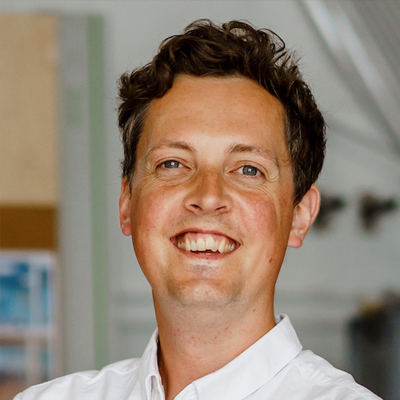
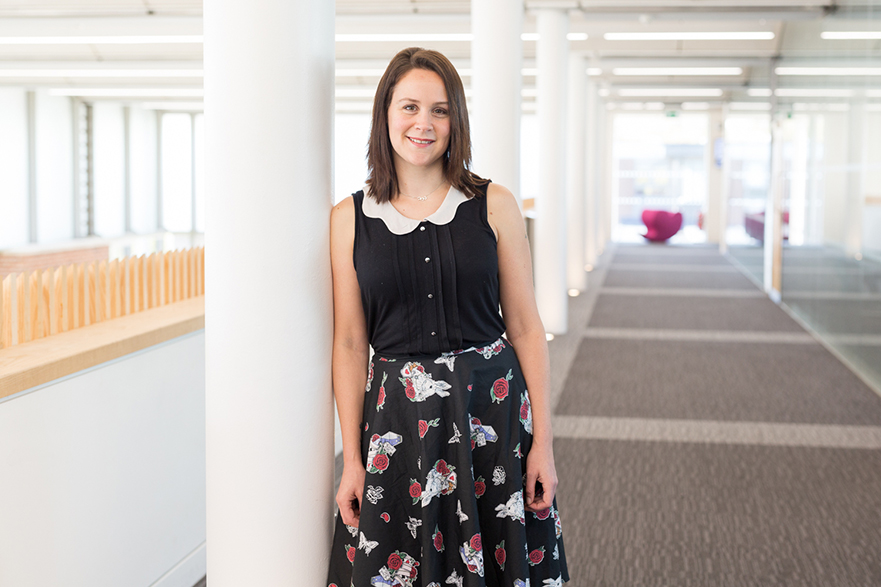
James Sale is a Lecturer at Bath School of Design, Bath Spa University, teaching BA (Hons) Product and Furniture Design and BA (Hons) Architecture courses. He serves as module leader for Human Centred Design and Collaborative Design. Academic Qualifications: BSc (Hons) Architecture, University College London Dip Architecture, London Metropolitan University MA Spatial Planning and Urban Design, London Metropolitan University Research Focus: Co-design practices in education, cultural, and creative sectors Role of co-created material environments in early childhood development and family wellbeing Areas of Expertise: Architecture Product and Furniture Design Urban Design Collaborative Design Joinery and Cabinet Making Early Years Education Professional Affiliations: Associate Fellow, Higher Education Academy (AFHEA) External Roles: Director, Collaborative Design and Build Ltd Director, Play Build Play CIC
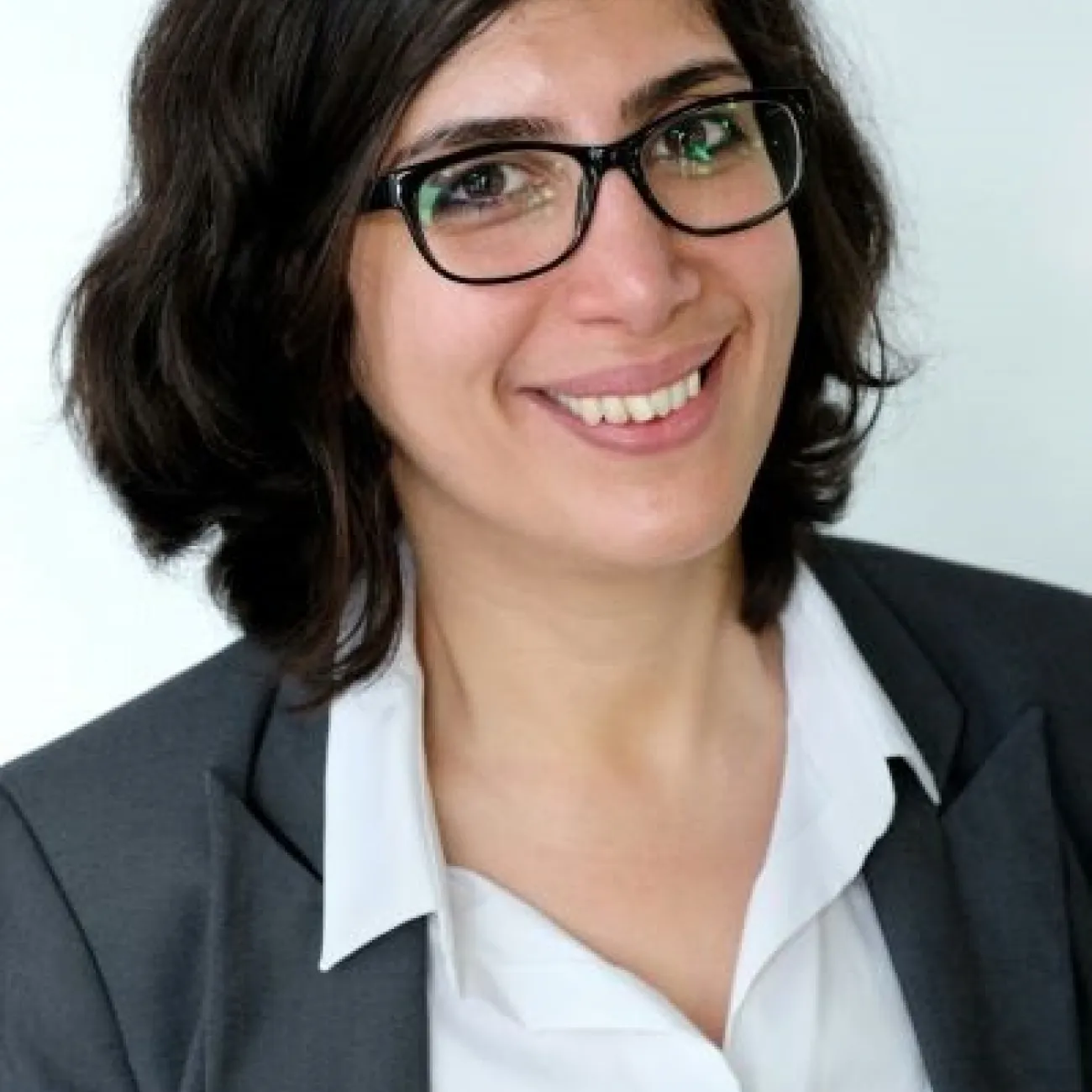
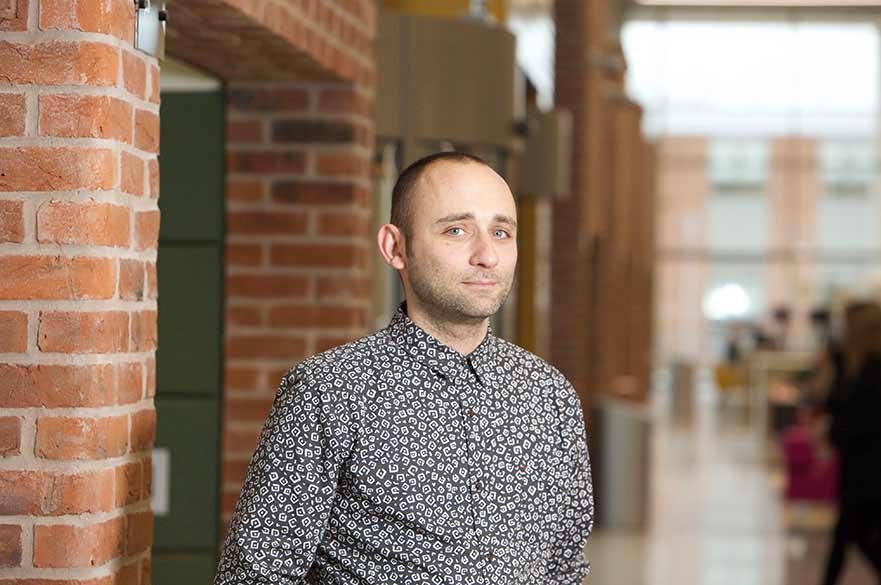
Dr Arezoo Pooresmaeili (MD, PhD) is an Associate Professor at the University of Southampton, specializing in cognitive neuroscience and sensory perception. She actively supervises PhD students in Psychology and leads research projects exploring reward processing, attention mechanisms, and decision-making processes through neuroimaging and eye-tracking methodologies. Current Research: Examines how reward value influences sensory perception across modalities, neural mechanisms of attention-reward interaction, and development of cross-cultural psychological measures Key Techniques: fMRI, ERP, eye-tracking, computational modeling Collaborative Groups: Institute for Life Sciences, Centre for Perception and Cognition (CPC), Centre for Behavioural Experimental Action and Research (C-BEAR) Her recent publications focus on modality-specific value representation in frontal cortex, audiovisual reward interactions, and perceptual asymmetries in effort comparison tasks. She welcomes PhD applications from candidates interested in cognitive neuroscience and perception research. Research Trends: 80% of her 2023-2024 publications investigate reward-perception interactions using neuroimaging (fMRI/ERP), with 60% specifically examining cross-modal effects. Three papers introduce novel methodological approaches including culturally tailored political orientation measurement and computational models of perceptual asymmetry. Supervision: Currently mentoring three PhD students in experimental psychology, focusing on reward processing, cognitive modeling, and perceptual neuroscience.
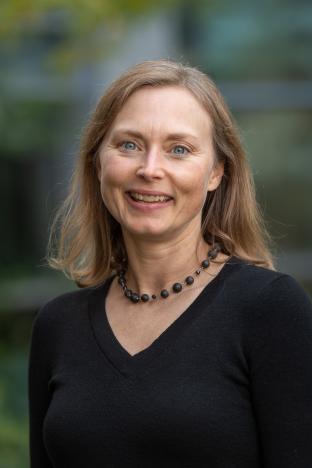
Professor Malcolm Tait is affiliated with the University of Sheffield , serving in the Department of Urban Studies and Planning under the School of Geography and Planning . With a career spanning over two decades, he has held roles from Lecturer (2001), Senior Lecturer (2009), to his current Professor of Planning (2016). His work bridges planning theory, political ecology, and urban renewal. Education : BA in Geography (Durham University), MA (1997) and PhD (2000) in Town and Regional Planning (University of Sheffield) Research Themes : Planning and Public Purposes : Investigates the political ideologies shaping planning’s legitimacy, focusing on trust, neoliberalism, and the contested concept of the public interest. Ecological Crisis : Explores biodiversity integration into planning systems, examining balancing act between conservation and development priorities. Urban Renewal : Analyzes urban village models, historic conservation, and age-friendly urban design, including post-COVID cultural sector recovery. Selected Awards & Grants : ESRC-funded Working in the Public Interest (2016) Natural Environment Research Council grant for Bringing ecology and land use planning into dialogue AHRC project on Covid pandemic impacts on cultural ecology EPSRC-funded Designing for Wellbeing in Environments for Later Life (DWELL) Advising & Teaching : Supervises PhD student Helen Brown (Housing and Ageing). Teaches modules including Values in Planning , Plan-making , and Transport Planning , emphasizing concept-practice linkages through real-world simulations. Contact : Room D11b, Geography and Planning Building, University of Sheffield, S3 7ND. Email: m.tait@sheffield.ac.uk
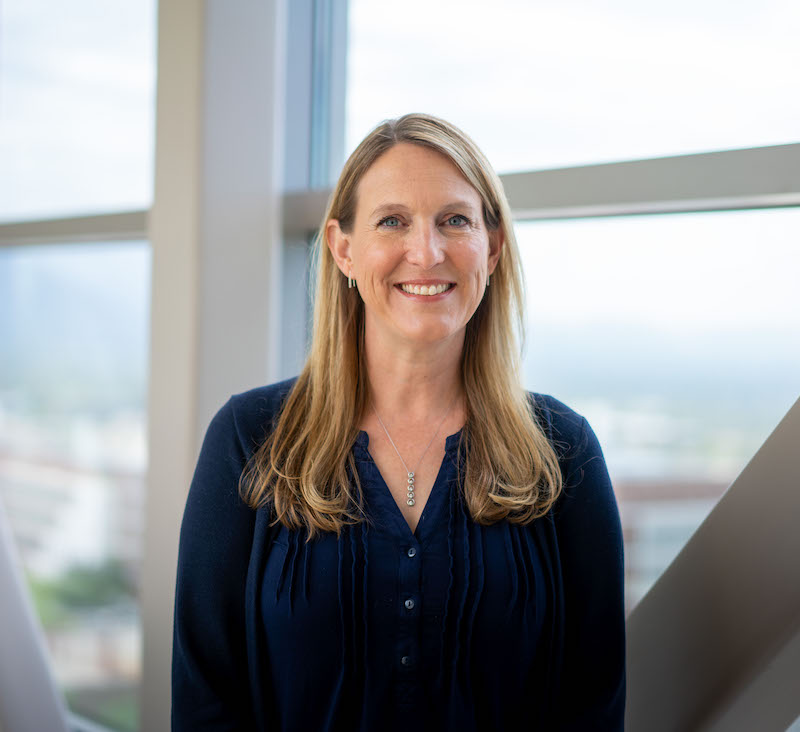
Steve M Taylor is a Professor of Medicine and Research Professor of Global Health at Duke University , specializing in Malaria and its intersections with Epidemiology , Genetics/Genomics , and Infectious Diseases . Based in the School of Medicine and Duke Global Health Institute , his work spans field and translational research in Western Kenya , Mali , Mozambique , and Democratic Republic of the Congo . Duke University, School of Medicine (2004 MD) University of North Carolina, Chapel Hill (2003 MPH) Duke University (1998 BS) Taylor's research focuses on falciparum malaria , particularly: Transmission dynamics and vector control in hyperendemic regions Genetic epidemiology of drug resistance markers Impact of sickle cell trait on parasite pathogenesis First-trimester malaria effects on pregnancy outcomes Development of nanophotonic diagnostic tools His recent publications emphasize molecular tracking of parasite haplotypes, vector behavior modulation, and longitudinal cohort analyses of immunity development. Scientific Awards : American Society for Clinical Investigation (2024) Grants : Major NIH/NIAID funding (2023-2028) for malaria immunity studies, plus multiple R01 and R21 grants for chemoprevention trials and genetic surveillance projects.
David O'Carroll is a Professor in Sensory Biology at the Department of Biology, Lund University, Faculty of Science. His research centers on visual processing in insect brains, using electrophysiological methods and computational modeling to understand motion detection and attention mechanisms. He is particularly known for his work on dragonflies and hoverflies, revealing complex neural functions once thought unique to mammals. University: Lund University School: Faculty of Science Department: Department of Biology Position: Professor Email: david.ocarroll@biol.lu.se His research explores how insect brains efficiently process visual information despite their small size. Using nanoelectrodes, he investigates neural circuits in the optic lobe, focusing on target detection, motion tracking, and sensory adaptation. His interdisciplinary work bridges neuroscience and engineering, contributing to bio-inspired technologies such as collision avoidance systems and artificial vision chips. Collaborations extend to neural stem cell research for developing bionic interfaces. The most recent articles show a strong focus on temperature-dependent neural tuning, long-term adaptation in visual neurons, photoreceptor sensitivity in wasps, and the neurotoxic effects of pesticides like imidacloprid on pollinators. These studies reflect a dual interest in fundamental neurobiology and ecological implications. David O'Carroll actively supervises graduate students and leads multiple research projects, including dissertations on electrophysiology, optical mapping, and pesticide effects. He has recently participated in the International Conference on Invertebrate Vision and hosted visiting researchers such as Andrew D. Straw. His work contributes to UN Sustainable Development Goals related to life on land and responsible innovation. Modulation of motion-detecting neurons by odors and pesticide exposure (supervision of master’s student) Hosting and collaboration with international researchers Active supervision of PhD candidates on visual physiology and neurotoxicology He is involved in interdisciplinary research teams focusing on sensory biology, neural computation, and pollinator health, with ongoing projects exploring electrophysiological responses, optical mapping across species, and the impact of sublethal pesticide exposure on insect behavior and ecosystem function.
Dr. Filip De Ceuster serves as a Teaching Associate in Dutch within the Department of Modern Languages and Cultures at the University of Sheffield's School of Languages, Arts and Societies. His academic base is located in the Ella Armitage Building (E08, 40 Leavygreave Road, Sheffield S3 7RD). As Director of the Association for Low Countries Studies (ALCS) in the UK and Ireland and editor for The Golden Compasses. Journal for Book History , he maintains significant professional leadership roles in Low Countries scholarship. His research centers on nation building, national identity construction, ecocriticism, and intercultural transfer, with particular focus on Flemish literature. Current projects examine the Anglophone reception of Gerard Reve's fiction and Maurice Gilliams' quest for Flemish cosmopolitanism during the interwar period. His scholarly output reveals consistent engagement with 20th century Dutch and Flemish literary history, book history, and transnational literary circulation. His publication record demonstrates specialization in critical editions (notably of Maurice Gilliams' work), literary biography, and reception studies. Key contributions include the monograph Breng die Elias terug op onze wereld! (2022) analyzing Gilliams' search for Flemish cosmopolitanism, and numerous articles exploring rural-urban dynamics in Flemish modernism. His editorial work for De Gulden Passer underscores his commitment to book historical research. Teaching responsibilities include undergraduate modules on Dutch language (Beginners through Advanced levels), the historical development of Netherlands and Belgium ( Born Out of Revolt & Consensus ), and contemporary Dutch/Flemish fiction ( Towards a New Pastoral? Urban Idylls ). Professional affiliations include membership in the Association for Literary Urban Studies and the International E.M. Forster Society, reflecting interdisciplinary research interests spanning urban studies and Anglo-Dutch literary connections.
Jason D. McKinney serves as an Associate Professor in the Department of Electrical and Computer Engineering at Purdue University's College of Engineering, West Lafayette campus. He maintains dual office locations in MSEE 260 (ECE) and MSEE 270 (Vertically Integrated Projects program), with contact via mckinnjd@purdue.edu or (765) 496-0959. Dr. McKinney's research spans microwave photonics, quantum optics, and RF engineering with emphasis on optical frequency combs and photonic signal processing. His work addresses critical challenges in wideband RF spectral analysis, nonlinear distortion mitigation, and integrated photonic circuit design. Key contributions include Rayleigh backscattering-based spectrometry, Vernier-stabilized microcombs, and stimulated Brillouin scattering applications for comb control. His research bridges fundamental optical phenomena with defense and telecommunications applications requiring high-fidelity RF signal handling. Analysis of his 2022-2025 publications reveals accelerating innovation in quantum photonics and practical microwave photonics implementations. Recent work demonstrates progression from component-level advances (e.g., multicore fibers) to system architectures for compact downconversion and wideband analysis. His quantum-focused 2025 publications indicate strategic expansion into quantum nonlocality applications while maintaining core expertise in RF photonic link optimization. Scientific Awards: No awards were documented in the provided source material. Dr. McKinney actively mentors students through Purdue's Vertically Integrated Projects (VIP) program, overseeing multi-year research initiatives that integrate undergraduates into advanced photonics projects. While specific grant details are absent from the source text, his publication trajectory suggests sustained funding in microwave photonics from defense and communications-focused agencies. His advisory role extends beyond VIP to traditional graduate supervision, though student names weren't specified in the available documentation. His laboratory work centers on experimental microwave photonics within Purdue's Electrical and Computer Engineering facilities, with emphasis on optical frequency comb generation, RF photonic link characterization, and integrated photonic circuit testing. The VIP program affiliation indicates team-based research structures engaging cross-disciplinary student cohorts in long-term photonics system development.
Nicola Bowring is a Senior Lecturer at Nottingham Trent University (NTU) within the School of Social Sciences, Department of Humanities. She serves as Module Leader for Romantic Revolutions (Level 2) and Gothic Rebels and Reactionaries (Level 3), teaches Travel Writing (Level 3), and contributes to the MRes in English program while supervising postgraduate students. Her career spans teaching roles at the University of Nottingham, Lincoln, Leicester, and Derby, with a focus on Gothic and Fantasy literature. Education: PhD from the University of Nottingham, supervised by Dr. Matthew Green, focusing on monstrosity, language, and communication in gothic fiction. Dr. Bowring is a member of the International Gothic Association and actively researches communication, space, and place in Gothic fiction. Her current monograph explores spatial readings of communication across Gothic texts from the 18th century to the present, emphasizing language and deconstruction in themes of fear, desire, and identity. She also investigates intersections between the Gothic and Travel Writing genres, particularly concepts of revolution, terror, and exoticism. Her recent publications include analyses of Richard Matheson’s I Am Legend (2015) and the film 28 Days Later (2015), reflecting her interests in adaptation, postcolonial studies, and theoretical approaches to Gothic themes. Postgraduate Supervision: Co-supervises PhD students Dawn Whatman and Amy Watson. Centres and Teams: Member of the Centre for Travelling Writing Studies.
Dr. Cüneyt Çakırlar is Associate Professor in Film and Visual Culture at Nottingham Trent University's School of Social Sciences, Department of Humanities. He teaches across undergraduate and postgraduate programs including core film theory modules and MA Global Media (including NTU-ICUC Beijing joint degrees). His educational background spans engineering and humanities: BS in Chemical Engineering (Bogaziçi University), MA in Cultural Studies (Istanbul Bilgi University), and PhD in Gender Studies (University College London). Prior teaching appointments include University College London, Bogaziçi University, Koç University, and Istanbul Bilgi University. Gender and Sexuality Studies Transnational Queer Cinema Horror and Genre Studies Visual Arts Curation Postcolonial Cultural Politics His recent scholarly output focuses on transnational horror cinema, queer regional formations, and Turkish film cultures. Current projects examine LGBTQIA+ film scale dynamics, monogamy/promiscuity representations, and Eurasian queer art. As co-director of NTU's Centre for Inequality, Culture and Difference, he leads collaborative research on cross-cultural translation in visual arts. Dr. Çakırlar supervises 9 current PhD candidates and has completed 11 doctoral projects spanning digital queer cultures, body art, pornography studies, and world cinemas. His external engagements include British Academy-funded projects like 'Transnational Horror, Folklore, and Cultural Politics' and curatorship of the 'House of Wisdom Nottingham' public program. He has organized major events including the 'Queer/ing Regions' symposium and curated international LGBTQ film seasons for Nottingham Pride. His invited lectures at Cambridge, Glasgow School of Art, and Oxford address queer aesthetics in autocratic contexts.
Maximilian Lenz is a Professor at the University of Freiburg's Faculty of Medicine, affiliated with the Institute of Anatomy and Cell Biology. His research focuses on neural plasticity, brain stimulation, and neurophysiological mechanisms, with emphasis on synaptic adaptation and neural network dynamics. Research interests include: Synaptic Plasticity : Homeostatic scaling, structural adaptations, and denervation-induced changes. Neurostimulation : Magnetic stimulation protocols (e.g., iTBS600) and neuromodulation platforms. Neuropathology : Stroke recovery, microglial responses, and inflammation-related synaptic alterations. His publications (15 most recent) predominantly explore plasticity mechanisms across rodent and human neural tissues, with methodological innovations in slice-culture models and transcriptomic/proteomic analysis. Awards: Doctoral Prize of the Dr. Walter and Luise Freundlich Foundation (2018) Advising & Collaborations: He mentors doctoral candidates (e.g., Kruse, Pia) and collaborates on interdisciplinary projects involving neuroengineering, molecular biology, and clinical neuroscience.
Luis Gimenez Noya is a Senior Lecturer in Marine Biology at Bangor University's School of Ocean Sciences, specializing in larval ecology of benthic invertebrates and benthic ecology. Originally from Uruguay, he earned his Licenciatura (1991), MSc (1996), and PhD (2000) in Biological Sciences at Universidad de la República, with his doctoral work conducted at the Alfred Wegener Institute in Germany. His research spans multiple institutions, including significant work at the Marine Station of Helgoland where he conducted postdoctoral research funded by the Alexander von Humboldt Foundation (2003-2005). His research focuses on determining causes of patterns of distribution of marine organisms with emphasis on larval ecology of marine benthic invertebrates. He investigates eco-physiology (effects of environmental conditions on larval growth, development and survival), larval supply, phenotypic plasticity (maternal, carry-over, latent and other developmental effects), and community ecology at multiple spatial scales. His recent work increasingly addresses marine heatwaves and climate change impacts on marine organisms, particularly crustaceans. He has developed a framework to understand biological responses to environmental fluctuations through the concept of 'biological time'. His publications from 2023-2025 demonstrate active research in marine heatwaves, larval responses to temperature and salinity stressors, invasive species ecology, and climate change impacts on marine ecosystems. His work shows a strong interdisciplinary approach combining physiology, ecology, and climate science to address pressing environmental challenges. Luis has secured significant research funding including NERC grants, Welsh Government contracts, and international collaborations. His current projects examine climate change impacts on marine crustaceans, lobster larval dispersal, and heatwave effects on coastal lagoons in Uruguay. As a supervisor, he has guided numerous PhD students through research on climate-driven changes in recruitment success, intertidal community structure, crustacean biology, and Antarctic zooplankton ecology. His teaching encompasses undergraduate and postgraduate modules in marine ecology, with a focus on larval ecology and climate change biology.
Dr. Matthew Lewis is an Honorary Senior Research Fellow at Bangor University's School of Ocean Sciences, specializing in physical oceanography with applications to blue economy industries and coastal flood risk. His research employs computer models to simulate marine processes, including wave-tide interactions, estuarine dynamics, and future changes to coastal hazards. With affiliations spanning multiple research projects and international collaborations, Dr. Lewis plays a significant role in advancing marine renewable energy and coastal resilience science. Dr. Lewis's research interests focus on numerical modeling of marine systems, with particular expertise in wave-tide interactions, estuarine flood risk, marine renewable energy resource assessment, and marine plastic pollution. His work combines physical and biological processes to better understand marine systems, with applications ranging from coastal flood risk mitigation to optimizing offshore renewable energy deployment. His research bridges the gap between fundamental oceanographic processes and practical applications for coastal communities and industries. His recent publications demonstrate a strong focus on tidal and wave energy resource assessment, coastal flooding mechanisms, and the environmental impacts of marine renewable energy. The research shows increasing emphasis on interdisciplinary approaches, combining physical oceanography with ecological and social considerations, particularly in addressing compound flooding events and marine plastic pollution. His work has evolved from fundamental process studies toward more applied research with direct policy and industry relevance. Dr. Lewis actively supervises PhD and MRes students, with current projects covering renewable energy resource assessment, microplastic dispersal, coastal flooding mitigation, and estuarine dynamics. He teaches the ocean modeling module at Bangor University and serves as an Associate Editor for Frontiers in Marine Science and Guest Editor for Elsevier's Renewable Energy journal. His research is supported by multiple grants from NERC, EPSRC, and other funding bodies. As a member of the EPSRC Associate Peer Review College and the Digital Environment Expert Network, Dr. Lewis contributes significantly to the research community beyond his own projects. He has collaborated with numerous research partners including the UK Met Office, Deltares, CSIRO Australia, and NIWA New Zealand, demonstrating strong international engagement in marine science.
Dr. Yulia Sandamirskaya is the Head of Research Center "Cognitive Computing in Life Sciences" at Zurich University of Applied Sciences (ZHAW), focusing on neuromorphic computing applications for embodied artificial intelligence. Her work bridges computational neuroscience and robotics, emphasizing neural-dynamic architectures for real-time decision-making, learning, and sensorimotor integration in autonomous agents. Key Research Areas: Neuromorphic hardware, dynamic neural fields, spiking neural networks, spatial language modeling, and autonomous sequence generation. Projects: Developed controllers for UAVs and robotic arms using event-based vision sensors, explored on-chip unsupervised learning, and designed models for spatial language interpretation in robots. Scientific Contributions: Her publications span robotics conferences and journals like Science Robotics and Frontiers in Neurorobotics , addressing topics such as path integration, obstacle avoidance, and cognitive architectures. Recent work (2024) includes visual odometry with resonator networks and hyperdimensional scene factorization on neuromorphic chips. Advising: Supervised multiple MSc theses at ETH Zurich and NSC/INI programs, mentoring students on neuromorphic navigation, spiking networks, and tactile learning. Collaborated with institutions like ETH Zurich, University of Queensland, and INI Bochum. Labs & Collaborations: Leads the "Neuromorphic Computing Applications: Embodied AI" group at ZHAW, partnering with INIvation (Zurich) and Jörg Conradt (KTH) on neuromorphic hardware implementations. Projects integrate cognitive models with robotic platforms, emphasizing energy efficiency and low-latency interaction.
J. Michelle Kahlenberg is a physician-scientist and Associate Professor of Internal Medicine at the University of Michigan School of Medicine . She holds dual appointments in Dermatology and Rheumatology and serves as Vice Chair of Basic and Translational Research in the Department of Internal Medicine. Her clinical focus includes complex lupus management, particularly refractory cutaneous manifestations. Research Interests: Her work bridges innate immunity, interferon biology, and epithelial dysfunction in autoimmune diseases. Key areas are cutaneous lupus pathogenesis, photosensitivity drivers, and skin-systemic disease connections. She employs single-cell multi-omics and murine models to identify therapeutic targets like the IL-36/IFNK axis, inflammasome regulation, and mitochondrial Z-DNA sensing. Interferon Signaling Photosensitivity Mechanisms Keratinocyte Immunology Single-Cell Profiling Translational Autoimmunity Recent Publications emphasize cutaneous immunology, fibrosis, and epithelial-immune crosstalk across lupus, psoriasis, and scleroderma. Articles highlight therapeutic advances (e.g., TYK2 inhibitors) and novel pathogenic networks (e.g., cDC2A-CXCL13+ CD8+ T cell communication). Scientific Awards: 2018 PECASE (Presidential Early Career Award for Scientists and Engineers) 2022 American College of Rheumatology Henry Kunkel Young Investigator Awardee 2023 Henry Kunkel Society admission Inaugural Giles Boles and Dorothy Mulkey Research Chair in Rheumatology Training: She mentors students in the Immunology Training Program since 2013 and accepts new advisees. Her lab focuses on trainee development in translational immunology and dermatology research.
Alana Welm is a Professor and Chair of Oncological Sciences at the University of Utah. She leads groundbreaking research on breast cancer metastasis and precision oncology, with a focus on the Macrophage Stimulating Protein (MSP)/RON pathway and patient-derived xenograft (PDX) models. Developed PDX models for spontaneous metastasis modeling Defined RON signaling in immune suppression and bone remodeling Contributed to precision medicine through PDX/organoid platforms Pioneered collaborations with global labs and pharmaceutical companies Research Interests span metastatic mechanisms, tumor immunology, and drug discovery. Her work on RON kinase's role in tumor-immune interactions has led to therapeutic strategies combining kinase inhibitors with immunotherapies. Recent Publications highlight advances in: Collagen biology and tumor dormancy (2025) Deep learning for precision treatment selection (2025) Targeted inhibition of RON in bone metastasis (2022) Immunotherapy combinations in triple-negative breast cancer (2021) Lab Contributions include creating standardized PDX platforms used by over 100 labs worldwide, establishing protocols for functional precision oncology, and elucidating molecular mechanisms of metastasis across multiple organs.