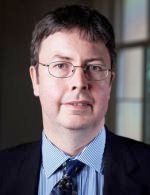
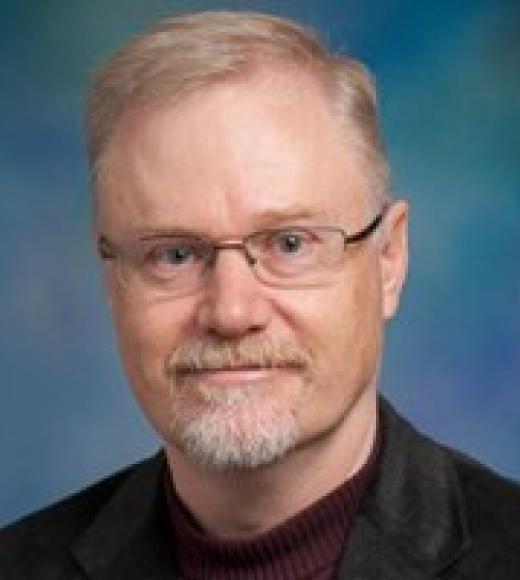
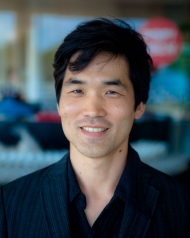
David A. Stephens is a Professor in the Department of Mathematics and Statistics at McGill University, Montreal. He served as Chair of the Department from 2015 to 2019 and as Vice-Dean in the Faculty of Science from 2019 to 2025. His research focuses on Bayesian inference, biostatistics, causal inference, bioinformatics, and statistical genetics. He holds prestigious fellowships: International Statistical Institute (2015), American Statistical Association (2019), and Royal Society of Canada (2024). His work addresses challenges in epidemiology, HIV transmission dynamics, and clinical trial design. Key research themes include: Bayesian hierarchical modeling for infectious diseases (e.g., SARS-CoV-2, HIV) Causal inference in dynamic treatment regimes Survival analysis and censored data methods Statistical genomics and epigenetics His publications analyze public health trends, such as HIV transmission clusters in Quebec and SARS-CoV-2 seroprevalence in Canada. Methodologically, he develops novel techniques for time-series analysis, recruitment forecasting in clinical trials, and computational statistics. Notable contributions include: Advancing phylogenetic cluster inference in HIV studies Optimizing warfarin dosing strategies via SMART trials Modeling gut microbiota impacts on growth faltering in infants His academic leadership includes roles at McGill and prior experience at Imperial College London. His work bridges statistical theory and practical healthcare applications, emphasizing interdisciplinary collaboration.
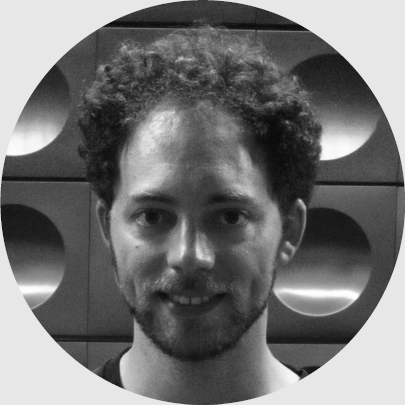
Dr. Alexander Paulus serves as a Researcher at the Chair of High-Frequency Engineering within the Department of Electrical Engineering at the Technical University of Munich (TUM), School of Computation, Information and Technology. Working under Prof. Dr.-Ing. Thomas Eibert, he contributes to advanced electromagnetic research and measurement systems development at TUM's Arcisstr. 21 campus in Munich. Research Expertise His core specialization lies in near-field antenna measurement and transformation techniques, with significant contributions to phase retrieval algorithms, inverse source methods, and UAV-based electromagnetic field measurements. He addresses critical challenges including probe correction with unknown antennas, sparse sampling for directive antennas, and electromagnetic modeling of environmental effects like rain attenuation. His work bridges theoretical electromagnetics with practical antenna characterization solutions. Publication Trends From 2014-2025, Paulus has published 25+ papers focusing on near-field to far-field transformations, particularly in phaseless and multi-probe scenarios. Recent work (2023-2025) demonstrates innovation in spectral filtering, sparse reconstruction, and UAV-based systems for defect localization and wet antenna modeling. His research increasingly integrates computational techniques to solve complex inverse problems in antenna measurements. Scientific Recognition No formal awards documented in available information Academic Contributions Student Mentoring: No advisees listed in provided materials Research Funding: Grant details not specified in source text Research Environment Paulus operates within TUM's Chair of High-Frequency Engineering facilities, which include advanced near-field measurement ranges, UAV-based electromagnetic characterization systems, and laboratories for metamaterials research and electromagnetic compatibility testing. His work supports applications in 5G/6G communications, aviation navigation systems, and precision antenna diagnostics.
Dr. Laura B. Balzer is an Associate Professor of Biostatistics at the University of California, Berkeley. Her work focuses on causal inference, machine learning, and addressing methodological challenges in both randomized trials and observational studies, particularly in global health contexts. She leads collaborations in East Africa, focusing on HIV elimination and community health in rural regions. Her research emphasizes translating academic findings into real-world impact. Education: PhD in Biostatistics, UC Berkeley (2015) MPhil in Computational Biology, University of Cambridge (2009) BS in Applied Mathematics, University of Vermont (2008) Research Interests: Dr. Balzer’s work addresses causal inference in complex settings, including semi-parametric methods, measurement challenges, and dependence structures. Her global health projects target HIV prevention, tuberculosis transmission, and hypertension management in sub-Saharan Africa. She designs interventions like the SEARCH Dynamic Choice model, which offers flexible HIV prevention options, and evaluates community health worker programs. Publications highlight her contributions to HIV/AIDS research, including studies on PrEP uptake, viral suppression in adolescents, and tuberculosis-HIV co-infection. Methodologically, she advances causal inference frameworks to handle missing data and clustered designs. Awards: While no specific awards are listed, her work has been funded by initiatives like the SEARCH trials, reflecting its scientific and public health significance. Advising & Grants: Balzer collaborates with multidisciplinary teams in Uganda and Kenya, focusing on translational research. Her grants support interventions linking statistical innovation to healthcare delivery improvements in resource-limited settings. Labs/Teams: Her research is embedded within global health partnerships, particularly within the SEARCH trials network, which integrates biostatistics with clinical and community-based implementation.
Wesley McGee serves as Associate Professor of Architecture and Director of the Fabrication and Robotics Lab (FABLab) at the University of Michigan Taubman College of Architecture and Urban Planning. He co-founded Matter Design, a studio pioneering innovative applications of advanced manufacturing in architectural production across global contexts including the US, Europe, Middle East, and Australia. Education Bachelor of Science in Mechanical Engineering, Georgia Tech Master of Industrial Design, Georgia Tech McGee's research critically interrogates material production methods in architecture through robotics and digital fabrication, developing novel connections between design, engineering, and manufacturing processes. His work explores spatial-laminated timber systems, geometrically adaptive robotic workflows, and real-time fabrication-aware form finding to create material-efficient architectural solutions. His publications trend toward integrating computational design with physical construction, emphasizing topological optimization, adaptive robotic motion planning, and additive manufacturing techniques that reduce material usage by up to 46% compared to conventional systems. Scientific Awards Architectural League Prize for Young Architects & Designers Design Biennial Boston Award ACADIA Award for Innovative Research Architect Magazine R+D Award (multiple) McGee leads NSF Regional Innovation Engines semifinalist projects including Next-Generation Factory-Built Housing and secures University of Michigan grants for climate action initiatives. His Matter Design studio collaborates with architects, engineers, and artists on exhibitions like Climate Futures and SPLAM, advancing equitable city-making through material innovation. As FABLab Director, he operates a cutting-edge robotics facility where industrial tools are reconfigured for architectural production, mentoring students in courses like ARCH 581 (Advanced Robotics) and ARCH 702 (Robotic Engagement) while pushing boundaries in mass timber and glass fabrication.
Ye Wang is an Assistant Professor in the Department of Political Science at the University of North Carolina at Chapel Hill since 2022. He previously held postdoctoral and predoctoral research positions at UC San Diego’s School of Global Policy and Strategy (2020–2022). His research bridges political methodology and comparative politics, focusing on statistical tools for policy spillover effects, research transparency, and social learning under non-democratic regimes. He also explores electoral dynamics in contentious political contexts. Ye earned a PhD in Political Science from New York University (2021), with a committee including Nathaniel Beck, Matthew Blackwell, Adam Przeworski, Cyrus Samii, and Joshua Tucker. He holds an MA in Economics from Peking University (2014) and a BS in Mathematics from Fudan University (2011). He withdrew voluntarily from a concurrent PhD in Economics at the University of Wisconsin-Madison (2014–2015). His research interests emphasize causal inference methodologies and their application to understanding political phenomena in non-democratic settings. He develops statistical techniques to address interference in temporal, spatial, and networked data, while also studying how protests and international tensions impact political systems and scientific collaboration. Recipient of the John T. Williams Dissertation Prize (2020), Chiang Ching-kuo doctoral fellowship (2020), and NYU’s MacCracken fellowship (2015–2020). In advising and teaching, Ye has served as a teaching assistant for courses in political methods, comparative politics, and quantitative methods at NYU and the City University of Hong Kong. He has also taught workshops on quantitative methods at Renmin University and contributed to academic seminars at institutions like Yale and Tsinghua. His programming skills include C++, R, Python, GIS, and Stata, complementing his work in methodological research.
Dr. Lorenzo Pellis is a Research Fellow at the University of Manchester, holding the Sir Henry Dale Fellowship, and a Visiting Fellow at the University of Warwick's Mathematics Institute and Zeeman Institute. He is also an Honorary Research Associate at the Medical Research Council (MRC) Centre for Outbreak Analysis and Modelling, within the Department of Infectious Disease Epidemiology at Imperial College London. His research bridges applied mathematics and epidemiology, focusing on developing models that inform public health decisions. He earned his Doctoral degree in Mathematical Biology from Imperial College London in 2009, with a dissertation titled Mathematical models for emerging infections in socially structured populations: the presence of households and other social structures II: Comparisons and implications for vaccination . Pellis's research interests include the development of novel deterministic and stochastic methods to model infection spread dynamics, particularly in human populations with complex social structures. He focuses on directly transmitted infections and the impact of co-infections on epidemiological and evolutionary outcomes. His work emphasizes multi-scale models integrating within-host and between-host processes, with applications to antimicrobial resistance, HIV-TB co-infections, and respiratory syncytial virus (RSV) transmission in Kenya. He also explores model comparison techniques to assess the utility of simple models in public health decision-making. His recent articles collectively explore mathematical modeling in infectious disease dynamics, with a focus on network-based approaches, multi-strain infections, and the integration of within-host and between-host processes. They highlight challenges in metapopulation and network models, as well as the evolutionary dynamics of HIV and TB co-infections. Sir Henry Dale Fellow , funded by the Wellcome Trust and Royal Society His grants include support for his Sir Henry Dale Fellowship, which funds research on co-infections and multi-scale models. He collaborates with Prof. Matt Keeling and Dr. Thomas House at Warwick and Prof. James Nokes on RSV studies in Kenya. His work also involves improving epidemic dynamics approximation methods on networks. He is affiliated with the applied Mathematics group at Manchester's School of Mathematics, the Zeeman Institute at Warwick, and the MRC Centre at Imperial College. His interdisciplinary collaborations span institutions and disciplines, including applied mathematics, epidemiology, and public health.
Professor Gareth Roberts is a Professor in the Department of Statistics at the University of Warwick. His research focuses on Computational Statistics, particularly MCMC methods, stochastic processes, Bayesian inference, statistical privacy, and applications in infectious disease modeling and sports analytics. He leads the OCEAN project with Eric Moulines, Michael Jordan, and Christian Robert, and teaches the ST923 lecture course on advanced statistical methods. His research interests include developing efficient sampling algorithms (e.g., MCMC, PDMP), statistical methodology for missing data, and privacy-preserving statistical techniques. Recent work emphasizes high-dimensional Bayesian models, quasi-stationary Monte Carlo, and scalability of computational methods. Publications span innovations in MCMC theory, applications to epidemiology, and sports probability modeling. His work on the Zig-Zag process and stereographic MCMC demonstrates contributions to PDMP-based sampling. Collaborations include interdisciplinary projects on bacterial transmission dynamics and statistical methods for big data. He actively participates in academic leadership, including organizing courses and contributing to the statistical community through projects like OCEAN. Contact: Gareth.O.Roberts@warwick.ac.uk .
Prof. Dr. Katja Thoring is a Full Professor of Integrated Product Design at the Technical University of Munich (TUM School of Engineering and Design). She holds a doctorate in Design Research from Delft University of Technology and has previously served as Professor of Integrated Design at Anhalt University of Applied Sciences in Dessau from 2009–2022. Her research bridges product design, architectural space, and technology, focusing on how physical environments stimulate creativity and design processes across functional, emotional, and cognitive dimensions. Key areas include generative AI applications in design, innovative research methodologies, and creative workspace design. She developed methods like the 'Delphi Design Sprint' and contributed to frameworks such as the FOD (Future-Oriented Design) model. Thoring is a member of prominent design societies (DGTF, Design Society, DRS) and a founding member of the Academy of Design Innovation Management (ADIM). Notable awards include the 'Best Paper Award' at ADIM Conference (2017) and recognition as a top early-career researcher (2019). Her work integrates design education innovation, with studies on pedagogical spaces and cross-cultural design thinking. She has published extensively on design knowledge models, creative environments, and future-oriented design strategies.
Steve Luck is a Distinguished Professor at the University of California, Davis, holding appointments in the Department of Psychology and the Center for Mind and Brain (CMB). He served as CMB Director from 2009–2019 and is affiliated with the UC Davis MIND Institute and the Center for Neuroscience. His research focuses on attention, working memory, and cognitive dysfunction in psychiatric disorders (e.g., schizophrenia), employing ERP recordings, eye tracking, and behavioral methods. He is a leading developer of ERP methodologies, including the ERPLAB Toolbox and global ERP Boot Camp workshops. Education: Ph.D., Neurosciences, UC San Diego, 1993 M.S., Neurosciences, UC San Diego, 1989 B.A., Psychology, Reed College, 1986 Research Interests: Dr. Luck explores mechanisms of cognitive control, with a focus on working memory's role in guiding attention. His lab investigates ERP correlates of attentional deficits in schizophrenia and develops standardized ERP protocols. Recent work emphasizes multivariate decoding of EEG signals and transdiagnostic neurocognitive biomarkers. Awards: Troland Award (2001) APA Distinguished Scientific Award (1998) McGuigan Young Investigator Prize (2004) Elected Fellow, Society of Experimental Psychologists and AAAS Teaching & Leadership: Professor Luck pioneered hybrid course formats in Cognitive Science and teaches advanced topics in perception and cognitive neuroscience. He co-founded the UC Davis Cognitive Science major and advocates for innovative undergraduate education models. Labs & Collaborations: The Luck Lab integrates clinical and basic research, collaborating globally on ERP method development and schizophrenia biomarker studies. Key projects include ERP Core resources and the CNTRACS consortium for neurocognitive reliability studies.
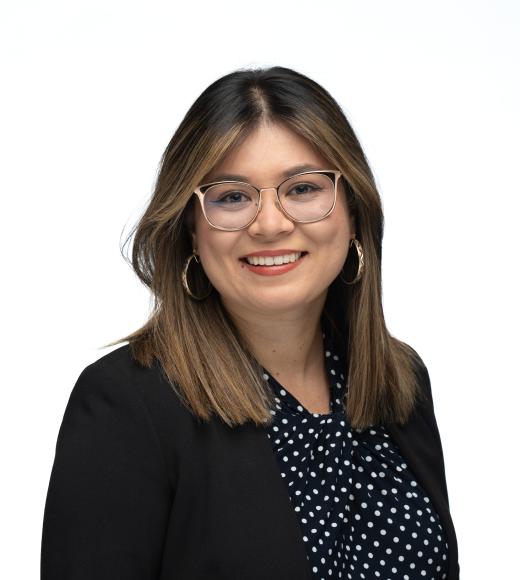
Dulce Wilkinson Westberg is an Assistant Professor in the Department of Psychology at the University of California, Davis. Her research lies at the intersection of personality, identity, and social structures, with a focus on racially and ethnically diverse populations. She employs both qualitative and quantitative methodologies to explore how systems of power and oppression influence life narratives and psychosocial adjustment. PhD in Social and Personality Psychology, University of California, Riverside (2022) BS in Psychology, University of California, Riverside (2017) Dr. Westberg's research centers on life narratives as internal constructions of identity, examining how race, ethnicity, gender, and social class shape personal meaning-making. She investigates how marginalized individuals navigate structural barriers and how such experiences influence personality development. Her work emphasizes intersectionality and the cultural contexts of identity formation. Her recent publications (2020–2024) reflect a strong focus on narrative identity, ethnic-racial life scripts, identity shifting, and the integration of intersectionality into personality psychology. These works span journals in personality, developmental, and social psychology, highlighting interdisciplinary engagement and methodological diversity. Association for Research in Personality (ARP) – Programming Committee Member (2023) Association for Research in Personality (ARP) – Diversity and Inclusion Committee Member (2020–present) Society for Personality and Social Psychology (SPSP) – Member International Society for Research on Identity (ISRI) – Member Society for Research on Child Development (SRCD) – Member Society for the Study of Emerging Adulthood (SSEA) – Member Dr. Westberg is actively mentoring and building her research program. She is recruiting undergraduate students for qualitative data analysis and accepting applications from prospective graduate students for the 2024–2025 cycle. While no specific grants are mentioned, her active publication record and lab recruitment suggest ongoing research funding and academic momentum. She leads a research lab focused on narrative and identity processes in diverse young adults.
Eva Cantoni is a Full Professor at the Research Center for Statistics within the Geneva School of Economics and Management , University of Geneva. Her expertise spans robust statistical methodology, model selection, and applications in ecology and medicine. Ph.D. from University of Geneva Accredited European Statistician (FENStatS) Research Interests : She specializes in Robust statistics for real-world data Variable/model selection in high-dimensional settings Nonparametric and semi-parametric regression Zero-inflated and overdispersed count models Longitudinal and spatiotemporal data analysis Her work addresses ecological challenges (fish stock assessment), medical applications (hospital congestion modeling), and housing market analysis. Recent Trends in Publications : Recent articles focus on Confidence intervals for robust mixed models Editorial leadership in robust statistics Applications to fisheries science and public health Flexible modeling frameworks for complex data Comparative studies of statistical measures Extremes modeling in healthcare Leadership & Grants : She has served as: Vice-Dean for Teaching (2020-2023) Director of Master's in Statistics (2012-2019) Director of Applied Statistics Certificate (2015-2019) President, Swiss Federal Statistics Committee (2024-2027) Specialty Chief Editor, Frontiers in Applied Mathematics (2024) Grants include projects on Robust solutions for modern data (2023-2025) Sustainable fisheries modeling (2018-2021) Advancements in state-space models (2014-2017) Software Contributions : Developed R packages for robust statistical methods: confintROB (bootstrap confidence intervals) RobSSM (robust state-space models) R2_LMM (explained variation measures)
Dr. Kiran T. Thakur serves as the Herbert Irving Associate Professor of Neurology at Columbia University Irving Medical Center and practices as an inpatient neurologist at NewYork-Presbyterian/CUIMC. Her clinical expertise spans neuroinfectious diseases, neuroimmunology, emergency neurology, and global health, with active clinical and research engagements across eight countries in Africa, Southeast Asia, and the Caribbean. She holds leadership roles including Neurology Clerkship Director at Perdana University Graduate School of Medicine (Malaysia) and serves as a neurology consultant for the World Health Organization. Her educational background includes an MD from Tufts University School of Medicine (2008), internship at Johns Hopkins Hospital's Osler Medical Service, neurology residency at Harvard's Brigham & Women's Hospital (where she served as chief resident), and fellowship in neuroinfectious disease/neuroimmunology at Johns Hopkins Hospital. She is additionally pursuing a Master of Science in clinical trials at the London School of Tropical Medicine and Hygiene. Dr. Thakur's research program focuses on improving detection and management of neuroinfectious diseases in hospital settings, with particular emphasis on vulnerable populations including HIV-positive individuals and immigrants. Her work integrates clinical, translational, and implementation science approaches to address cerebral malaria, tuberculous meningitis, Zika-related complications, and SARS-CoV-2 neurological outcomes. Current projects investigate novel diagnostics for infectious meningoencephalitis, risk factors for neuroinvasive infections, and therapeutic strategies for viral encephalitis. Analysis of her 15 most recent publications reveals consistent focus on neuroinfectious disease epidemiology (particularly in resource-limited settings), diagnostic challenges in immunocompromised patients, and global health implementation strategies. Her work prominently features Zika virus complications, tuberculous meningitis management, and CNS infections in travelers, reflecting her dual expertise in tropical medicine and neuroimmunology. Scientific recognition includes: Lewis P. Rowland Teaching Award (Columbia University, 2016) CDC Nakona Citation Award (2014) Dr. Thakur directs the NIH NINDS K23-funded study on pathogen identification in neurological infections (2018-2023) and leads Columbia's post-doctoral neuroinfectious disease fellowship for physician-scientists from low/middle-income countries. Her research program receives support from the NIH, World Federation of Neurology, and American Academy of Neurology, with implementation studies conducted in collaboration with WHO, PAHO, and CDC. The Thakur Laboratory at Columbia's Neurological Institute coordinates international research networks across Malawi, Vietnam, Bangladesh, Uganda, and the Dominican Republic. Her team conducts clinical trials on antimicrobial dosing, develops diagnostic algorithms for resource-limited settings, and implements training programs to build neuroinfectious disease capacity in underserved regions, with current emphasis on SARS-CoV-2 neurological sequelae and tropical disease management.
Sebastian Seung is a Professor at Princeton University , affiliated with both the Department of Computer Science and the Princeton Neuroscience Institute . His career spans Harvard University (Ph.D., 1990), Bell Laboratories, and Massachusetts Institute of Technology before joining Princeton in 2014. An External Member of the Max Planck Society and 2008 Ho-Am Prize recipient, Seung merges machine learning with neuroscience . Research Focus : Pioneering connectomics , Seung developed technologies for reconstructing neural circuits from high-resolution brain images, including FlyWire for collaborative brain mapping. His work explores brain function, development, and plasticity , drawing parallels between fly visual systems and convolutional networks . Awards & Affiliations : 2008 Ho-Am Prize in Engineering External Member, Max Planck Society Technical Contributions : Led breakthroughs in 3D connected component labeling and high-throughput EM imaging for mammalian brains, partnering with NIH’s BRAIN Initiative to scale connectomics to whole mouse brains. Seung’s team has shifted from EM analysis to interpreting connectomes , focusing on neural circuit function and biological mechanisms in flies and mice. His lab alumni network spans institutions, advancing AI and neuroscience globally.
Sophie Hadfield-Hill is a Professor in Human Geography at the University of Birmingham , affiliated with the School of Geography, Earth and Environmental Sciences. Her work bridges children's geographies, urban transformation, and sustainable communities, with a focus on diverse contexts like the UK, India, and Brazil. Education: BA, MSc, PhD in Geography from the University of Leicester (2009). Research interests encompass young people's everyday experiences in urban change, co-developed digital tools like ‘Map my Community’, and the interplay between sustainability, participation, and cultural nuances. She explores topics such as housing, play, and the food-water-energy nexus through ethnographic and participatory approaches. Grants awarded include the ESRC Future Research Leaders Grant (2013–2016) and multiple ESRC-IAA and RCUK-funded projects. She collaborates internationally with institutions in India and Brazil, influencing urban design for youth needs. Supervision: Currently guiding seven PhD students. Recognition: National and international acclaim for her work on sustainable urbanism and youth participation.
Jacques Gautier is an Assistant Professor in Geovisualization at LASTIG, part of the French National Geographic Institute (IGN France) since September 2020. He is a member of the GEOVIS research team focusing on advanced geovisualization techniques for spatio-temporal data analysis. Prior to his current position, he served as a Postdoctoral Researcher at LASTIG working on the Urclim European project, developing geovisualization methods for climate data in urban environments. His educational background includes a PhD in Geography from Université Grenoble Alpes (2015-2018), where his dissertation focused on "GrAPHiST: An exploratory analysis approach for identifying the dynamics of spatio-temporal phenomena," and an Engineering degree in Geographical Information Science from ENSG (2009-2012). Dr. Gautier's research focuses on innovative approaches to visualize complex spatio-temporal data across multiple domains. His expertise spans meteorological data visualization, epidemiological data visualization, 2D/3D geovisualization techniques, and exploratory data analysis of spatio-temporal phenomena. He has developed specialized methods for identifying cyclic patterns in time-series data, visualizing uncertainty in ensemble forecasting systems, and creating interactive visualization environments for domain experts in urban planning, public health, and emergency response. Analysis of Dr. Gautier's publication record reveals a consistent focus on developing visualization techniques that bridge theoretical advances with practical applications. His work spans urban climate analysis, pandemic response (particularly during COVID-19), and mountain rescue operations. A distinctive aspect of his research is the integration of harmonic analysis with visual exploration to identify cyclic patterns in spatio-temporal data, as demonstrated in his GrAPHiST framework. Dr. Gautier has been actively involved in several significant research projects including ORACLES (focusing on ensemble forecasts of marine submersion), Urclim (aiming to develop integrated Urban Climate Services), and Choucas (an interdisciplinary project to assist mountain rescue operations). These projects highlight his ability to translate visualization research into practical decision-support tools for critical situations. As a member of the GEOVIS research team, Dr. Gautier contributes to advancing geovisualization methodologies through both theoretical development and practical implementation. His work on mixed temporal diagrams, helical time representations, and uncertainty visualization has provided new approaches for exploring complex spatio-temporal datasets across multiple disciplines.