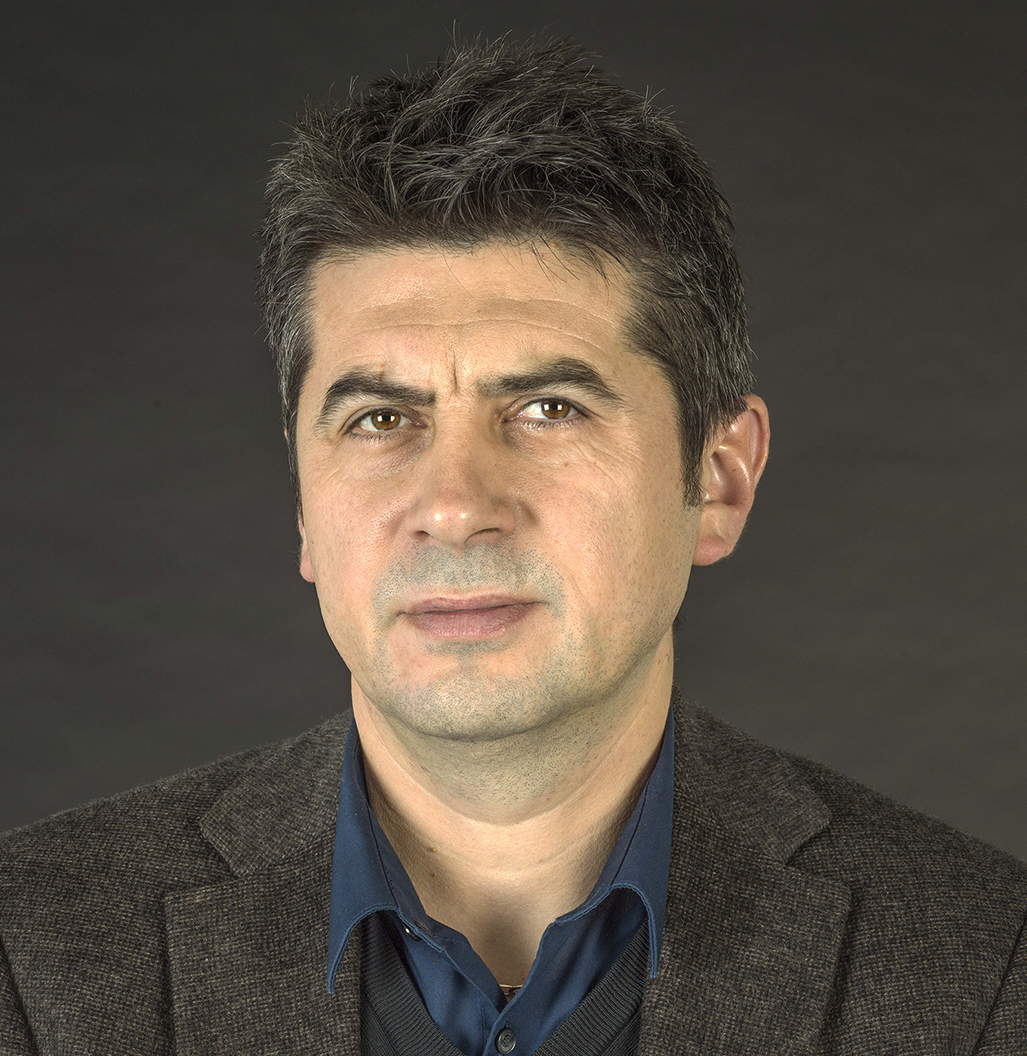
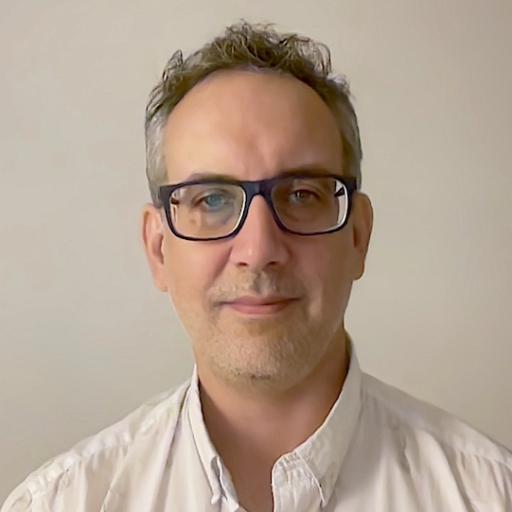
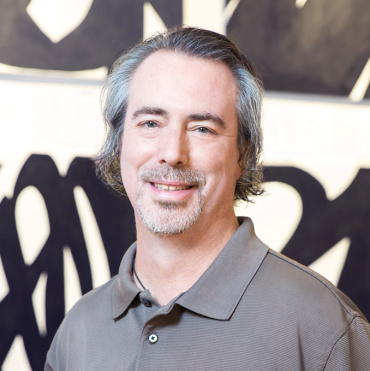
Professor Ergin Cavusoglu leads Fine Art programs at Middlesex University, creating video installations and sculptures that examine liminal spaces and cultural mobility. His internationally exhibited work explores border zones, migration pathways, and historical sites through multi-sensory experiences. Recent exhibitions at Whitechapel Gallery and Istanbul Modern investigate ontological questions through tarot symbolism and chess metaphors. Current PhD supervision focuses on transcultural aesthetics and spatial narratives in contemporary practice.
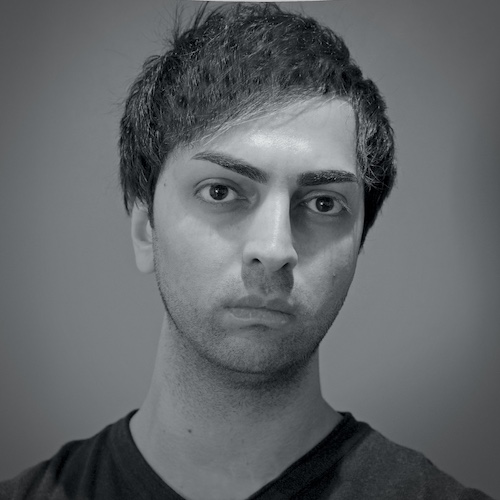
Hadi Bastani is an Independent Researcher at the Faculty of Liberal Arts and Sciences, University of Greenwich. His interdisciplinary work bridges sound art, anthropology, and electroacoustic composition, examining relationships between creative practice, digital technology, and social-spatial dynamics. His pioneering research on Iran's experimental electronic music scene represents the first academic study of this field. As a practitioner, he creates electroacoustic compositions, improvised performances, and site-specific installations using synthesizers, microphones, and transducers. His artistic practice emphasizes sound-based ethnography and the politics of cultural production.
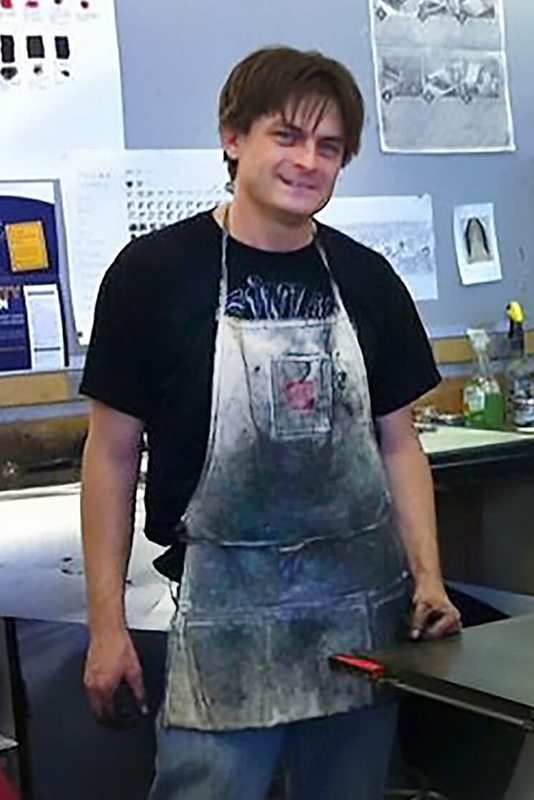
Derek Cracco is an Associate Professor of Printmaking and Computer Graphics at the University of Alabama at Birmingham (UAB). He holds a B.F.A. from Louisiana State University and an M.F.A. from Syracuse University. His work focuses on the innovative fusion of traditional printmaking techniques with digital media, creating intricate, pointillist-style works that explore themes of light, color theory, and astronomical imagery. Cracco’s exhibitions span prestigious venues such as the Brooklyn Museum of Art, the Guggenheim Museum, and international institutions like the T.E.N.T. Center for Contemporary Art in Rotterdam. His art has been acquired by major museums including the Ogden Museum of Southern Art and the Birmingham Museum of Art. Education: B.F.A., Louisiana State University; M.F.A., Syracuse University Exhibitions: Over 20 solo exhibitions since 2001, including 'In a Flash' (2024) and 'Blinded' (2021), alongside group shows at venues like the High Museum of Art and the Guggenheim Museum. Recognition: Renowned for bridging traditional and digital art forms, with works featured in major collections globally. Cracco’s research interests emphasize the interplay between technology and classical printmaking, often incorporating astronomy and particle physics themes to explore macro/micro scales of existence. His installations and paintings, such as the 'Blinded' series, use retinal illusions and color gradients to create multi-layered visual experiences. Beyond academia, he maintains an active international exhibition schedule, reflecting his commitment to pushing the boundaries of contemporary art.
Professor Meg Keating is Head of the School of Creative Arts and Media at the University of Tasmania and chairs the Rosamund McCulloch studio residency program in Paris. With a 20-year international career as a visual artist and a decade in academic leadership, she specializes in practice-based research and curriculum design in Fine Arts, Music, Theatre, and Media. Her roles include former Associate Dean for Higher Degree Research (2017–2019) and leadership in strategic planning and cultural engagement. Education: PhD (Fine Art) from University of Tasmania (2003), Bachelor of Fine Arts (Hons) and Diploma in Fine Art from National Art School (Sydney), and Diploma in Graphic Design (1990). Research focuses on interdisciplinary creative practices, screen and visual cultures, performance studies, and surveillance studies. She explores new ways of experiencing environments through screen-based technologies and traditional techniques like paper cutting. Recent projects include The Insider Out (2018), a multimedia performance/installation examining surveillance culture, and collaborations with Tasmanian communities through arts initiatives like The Pet Project . Awards include Australia Council grants (2012, 2005), Hobart Art Prize (2011), and residencies in Malaysia, Taiwan, and Paris. She has exhibited globally since 1999, with works in major collections like the National Gallery of Australia. Grants and projects include the Ross Female Factory Mixed Reality Experience (2018), Salamanca Arts Centre 40th Anniversary Art Commission (2017–2018), and research on climate change representation (2023). She actively supervises over 20 HDR candidates, focusing on contemporary painting and interdisciplinary practices.
Dr. Troy Ruffels is a Lecturer in the School of Creative Arts and Media at the University of Tasmania, specializing in visual arts, photography, and place-based research. He holds a PhD from the Tasmanian School of Art (2003), a PGDip from Glasgow School of Art (2001), and BFA degrees from the Tasmanian School of Art (1994, 1996). His research explores how environment and atmosphere shape human perception, emphasizing practice-led methodologies. Ruffels has been Head of Photomedia, Honours Coordinator, and contributed to course development, mentoring over 70 students. He is an award-winning artist with exhibitions globally, including major commissions like the 2021 HIVE Cultural Precinct project. His work investigates Tasmania’s landscapes, ecology, and the interplay between human experience and natural phenomena. Awards include the 2005 Burnie Art Prize and multiple grants from Arts Tasmania and Australia Council. Ruffels actively advocates for contemporary art through judging roles and public speaking, and co-founded Sawtooth ARI in Launceston. His current research focuses on ‘weathering’ as a metaphor for environmental and psychological transformation. Education: PhD, Tasmanian School of Art (2003) PGDip, Glasgow School of Art (2001) BFA (Hons), Tasmanian School of Art (1996) BFA, Tasmanian School of Art (1994) Research Interests: Place-based aesthetics and environmental perception Photography and digital imaging techniques Ecological and atmospheric representation Tasmanian cultural identity Awards & Commissions: HIVE Cultural Precinct Commission (2021) Biennale of Australian Art Commission (2018) Burnie Art Prize, Major Award (2005) Service & Advocacy: Founding Chair, Sawtooth ARI (Launceston) Judge for national art prizes Panel member for university course development
Dr. Steven Carson is a Lecturer in Art and Graduate Research Coordinator (Art) at the School of Creative Arts and Media, University of Tasmania. He holds a PhD (2016) and Master of Visual Arts (1997) from the University of Tasmania and Griffith University, respectively. His art practice focuses on sculpture, mixed media installations, and ceramics, exploring materiality, everyday life, and human-environment interactions. Key research themes include material transformation, uncertainty, and instability in abstract works. Professional Experience: Previously served as Studio Head – Sculpture and Installation at the University of South Australia (2001–2012) and lectured at Hunan University of Technology (China). Awards include the Whyalla Art Prize (2007), Hobart Art Prize (1999), and multiple teaching accolades. Major projects include The Pet Project (community-focused art with pets) and Alzheimer’s Tasmania’s creative arts programs for dementia patients. Research Interests: Materiality, process-led art, everyday aesthetics, arts and health, interdisciplinary practices, and public art. His installations often use reclaimed materials to critique contemporary life and environmental themes. Grants & Projects: The Pet Project - Covid Companions (Regional Arts Australia, 2021–2022) Eliston Family and Community Centre Public Art Commission (City of Casey, 2021) Hutchins School Artist-in-Residence (2021) Supervision & Teaching: Supervised over 20 HDR/Masters students in sculpture, installation, and interdisciplinary practices. Teaches Contemporary Art, Ceramics, and critical practices, emphasizing material experimentation and community engagement.
Florian Grond is an Assistant Professor in the Department of Design and Computation Arts within Concordia University's Faculty of Fine Arts. His interdisciplinary work bridges media arts, technology, and disability studies through innovative sonic research. His research focuses on Spatial and Immersive Audio , Assistive Technology Design , and Critical Disability Studies , with significant contributions to auditory display, human-computer interaction, and participatory design methodologies. Grond develops technologies that center disability perspectives, particularly through collaborations with blind scholars and autistic individuals. His publication trends reveal strong specialization in 3D sound recording techniques using Ambisonic microphone arrays Biomusic systems for autism intervention Ethical frameworks for disability technology Artistic sonification practices with recent work advancing brain-computer interfaces and spatial audio reproduction. Grond actively engages in artistic practice through installations like DELAY (collaborating with Mary Sherman and Piet Devos) and has curated disability-focused exhibitions including Hands On! at Concordia's Critical Disability Studies Working Group. His academic trajectory includes postdoctoral research at McGill University's CIRMMT and Shared Reality Lab, where he pioneered 6-degrees-of-freedom sound recording systems. He previously served as research lead for ZYLIA, a VR/AR microphone array company.
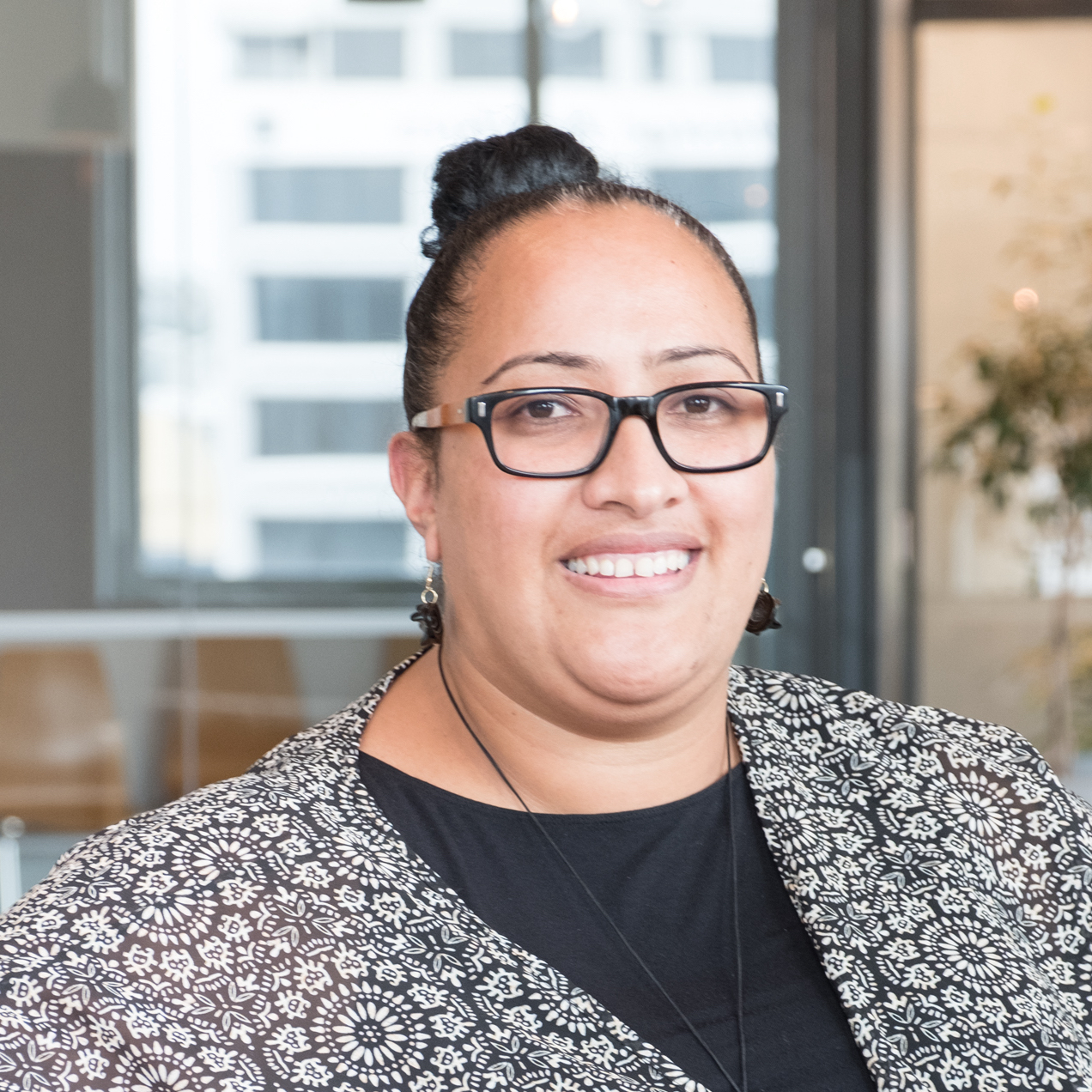
Nina Tonga is an Assistant Professor of Art History at the University of Hawaii. Specializing in contemporary Pacific art and visual culture, her interdisciplinary work explores gender representation, intercultural relationships between Pacific nations, and the digital age's impact on art practices. She holds a PhD from the University of Auckland (2022), following earlier MA (2008) and BA (2008) degrees there. Her research bridges art history with curation, focusing on Indigenous digital practices and diaspora communities. As an acclaimed curator, she organized major exhibitions like Pacific Sisters: Fashion Activists (2018-2019) and To Make Wrong/Right/Now (2019). She served as inaugural Curator of Pacific Art (2017-2019) and Curator of Contemporary Art (2019-2023) at Te Papa Tongarewa, Wellington. Her writing appears in journals like Art New Zealand and A Companion to Contemporary Art , addressing topics from Indigenous photographic histories to museum engagement with Pacific communities. Her publications analyze digital platforms' influence on art, including works on Māori moving image and Pacific digital homelands. Courses taught include Contemporary Pacific Art and Pacific Art: Polynesia/Micronesia. Her research emphasizes decolonizing art practices, curatorial ethics, and the intersection of technology with cultural preservation.
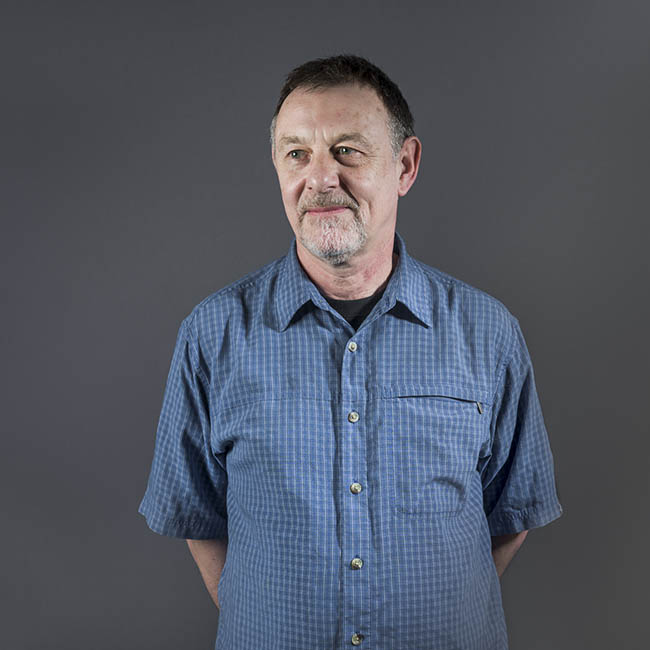
Ron Wright is a Senior Lecturer in Sound Art Design at Sheffield Hallam University, affiliated with the Art and Design Research Centre and Culture and Creativity Research Institute. His work explores psycho-geography, sonic heritage, and experimental sound narratives, focusing on the interplay between environment and human consciousness. He teaches sound theory and practice across media disciplines, designing an MA in Sound Design. Notable projects include the award-winning film Jelly Dolly , the Sci-Art exhibition Hylo , and the immersive Rift collaboration with Neil Webb. His research investigates urban soundscapes and Sheffield's industrial heritage, culminating in publications like Sonic Heritage, Identity and Music-making in Sheffield . Wright has exhibited globally, from Kunstmuseum Thun to Vienna's Replugged venue, and his work often bridges sound art with interdisciplinary practices. Recent collaborations include the Burning Pool project exploring post-industrial Sheffield and talks on the city's musical legacy.
Candice Ivy serves as Part-time Faculty in Studio Art at Boston College within the Department of Art, Art History, and Film, where she explores the intersections of history, landscape, and narrative through multimedia installations and community-engaged projects. Her academic foundation includes a B.F.A. from Coker College (1999) and an M.F.A. from the School of the Museum of Fine Arts/Tufts University (2006), establishing her technical and conceptual framework for interdisciplinary art practice. Ivy's research manifests through site-responsive works that transform historical contexts into sensory experiences, blending video, sound, and physical materials to interrogate collective memory and environmental relationships. Her international exhibitions—from Venice to Santiago—demonstrate a consistent methodology of embedding artistic inquiry within specific geographic and cultural landscapes, often activating dialogue between past and present through immersive spatial interventions. Analysis of her major projects reveals a trajectory toward increasingly ambitious community collaborations, with recent works emphasizing participatory storytelling frameworks that challenge passive viewership. The evolution from gallery-based installations like "Palladium" (2006) to large-scale public performances such as the 2015 Civil War Sesquicentennial project demonstrates growing sophistication in mobilizing collective action through art. Professional recognition includes: Augustus Saint Gaudens Fellowship (2016) Ivy's grant-funded initiatives consistently involve cross-sector partnerships—from Accessibility Columbia to international festivals—generating sustainable community networks that extend beyond individual projects. Her current "Songs of the South" series exemplifies this approach, weaving local narratives into regional cultural fabric through iterative performance formats. Her studio practice operates through mobile production teams that adapt to each site's unique requirements, frequently incorporating local volunteers as co-creators while maintaining rigorous conceptual frameworks developed through years of exhibition experience at institutions like the Museum of Fine Arts, Boston and Taipei Artists Village.
Bruce Jenkins is a Professor of Film, Video, New Media, and Animation at the School of the Art Institute of Chicago (SAIC), where he has served since 2004. He holds a BA from New York University (1974) and a PhD from Northwestern University (1984). Jenkins has extensive teaching experience at Harvard University, the University of Cincinnati, Macalester College, the University of Minnesota, and SUNY Buffalo. His curatorial work includes roles as the Stanley Cavell Curator at the Harvard Film Archive, Director of Film/Video at the Walker Art Center, and Film Programmer at Media Study in Buffalo. Jenkins is a prominent scholar in experimental film and video art, with major publications such as Gordon Matta-Clark: Conical Intersect (2011) and On the Camera Arts and Consecutive Matters: The Writings of Hollis Frampton (2009). His research focuses on intersections between cinema, contemporary art, and cultural theory. Recent projects include co-editing Andy Warhol Film Catalogue Raisonné (vol. 2, 2016). Jenkins has received the Chevalier de l'Ordre des Arts et des Lettres (1999) from the French Ministry of Culture. He currently teaches courses like Film Analysis and Advanced History of Video Art , reflecting his commitment to bridging historical and contemporary media studies. Jenkins' articles span Artforum , October , and Millennium Film Journal , analyzing works by artists such as Michael Snow, Marcel Broodthaers, and Tacita Dean. His writing often explores the materiality of film, institutional critique, and the post-medium condition in contemporary art.
Lauren DeLand is a Professor of Art History at Savannah College of Art and Design (Atlanta), specializing in contemporary art, performance, and queer studies. She previously held roles including Assistant Professor at Indiana University Northwest and Adjunct positions at The Art Institute of Chicago and Efrain Lopez Gallery. Education: Ph.D., Art History, University of Minnesota M.A., Art History, University of Minnesota B.F.A., Fiber & Art History, Kansas City Art Institute Research Interests: DeLand focuses on performance art, queer theory, and the intersection of art with cultural politics. Her work critiques media representation, identity formation, and the ethical dimensions of contemporary art practices. She has curated exhibitions exploring queer forms and multidisciplinary art. Publications: Her recent work includes critiques of Jeff Koons, Carole McCurdy, and David Wojnarowicz, published in TDR , Criticism , and Art in America . Her writing often bridges scholarly analysis with accessible art criticism. Awards: Midwest Art History Society Emerging Scholar Award (2018) Summer Faculty Fellowships (Indiana University Northwest, 2016–2017) Curatorial & Professional Work: As Associate Director at Efrain Lopez Gallery, she managed exhibitions and artist relations. Her curatorial projects include Queer Forms at Katherine E. Nash Gallery, emphasizing interdisciplinary art practices.
Jeffrey Scot Hicks is a Professor of Foundation Studies at Savannah College of Art and Design (SCAD), holding this position since 2001. He previously served as Department Chair at Archbishop Spalding High School (2000–2001) and held roles at Greenville Technical College (1997–1999) and Benedict College (1994–1997). His educational background includes an M.F.A. in Art from Winthrop University and a B.A. in Art from Pembroke State University. His research interests span mixed media, art education methodologies, and foundational art theory. He actively participates in exhibitions, including the Neighborhood: Group Exhibition (2018) and recurring Foundation Studies Faculty Drawing Exhibition (2004–2017). His work often explores experimental techniques in printmaking, drawing, and collaborative installations. Notably, Hicks is affiliated with the Society of Mixed Media Artists and Foundations in Art: Theory and Education. His exhibitions reflect a focus on material innovation, curatorial practices, and interdisciplinary approaches to art. No grants or awards are explicitly listed, though his exhibitions indicate sustained creative output.
Stephen Shaw is the Chair of the Department of Environmental Resources Engineering and a Professor at the SUNY College of Environmental Science and Forestry. His research focuses on climate change impacts on water resources, including drought vulnerability of residential wells, low-power sap flow sensor technology, and the effectiveness of agricultural best management practices (BMPs). He leads projects involving PhD student Justin Beslity to develop innovative sensors and collaborates with Ryan Ruggiero on watershed-scale BMP assessments. His teaching includes Fluid Mechanics (ERE 339), Hydrology in a Changing Climate (ERE 570), and Numerical Computing Methods (ERE 335/530). Research highlights include analyzing drought-driven well drilling patterns in the Northeast US, developing energy-efficient sap flow measurement tools, and evaluating beaver dam analogs' ecological benefits. Shaw's work integrates field observations with modeling to bridge gaps between theoretical predictions and real-world hydrological responses. He emphasizes interdisciplinary approaches, combining remote sensing, climatology, and engineering principles to address water resource challenges. His advising efforts focus on graduate students exploring environmental engineering solutions, while his grants and collaborations reflect a commitment to both applied and basic research. Shaw's lab (418 Baker Lab) serves as a hub for developing sustainable water management strategies and advancing sensor technologies for ecological monitoring.
Arnold J. Kemp is a multidisciplinary artist, writer, and educator born in Boston, MA, in 1968 to Caribbean parents. His work engages with socio-political themes, decolonization, and the Black psyche, often through performances, artist’s books, and collaborative projects. Affiliated with institutions like Boston University, UC Davis, and Pacific Northwest College of Art (PNCA), he holds an MFA from Stanford University and a BA/BFA from Tufts University and the School of the Museum of Fine Arts, Boston. Education: MFA, Stanford University (2005) BA/BFA in English Literature & Studio Art, Tufts University and SMFA Boston (1991) Kemp’s research spans decolonization , postcolonial crisis , cultural difference , and Black queer identity . His exhibitions, such as Less Like an Object and More Like the Weather (2022) and False Hydras (2021), critique colonial legacies and explore hybrid narratives. Recent publications include plays like In Arms (2022) and essays on decolonization (2020). His grants feature the Ellis-Beauregard Foundation Fellowship (2022), Guggenheim Fellowship (2012), and Art Matters Grant (2009). Kemp’s work is collected by institutions like the Metropolitan Museum of Art and the Studio Museum in Harlem. Labs/Teams: Collaborated with Raymond Boisjoly and Joar Nango at Banff Centre (2014), and co-led thematic programs exploring postcolonialism and Indigenous practices.