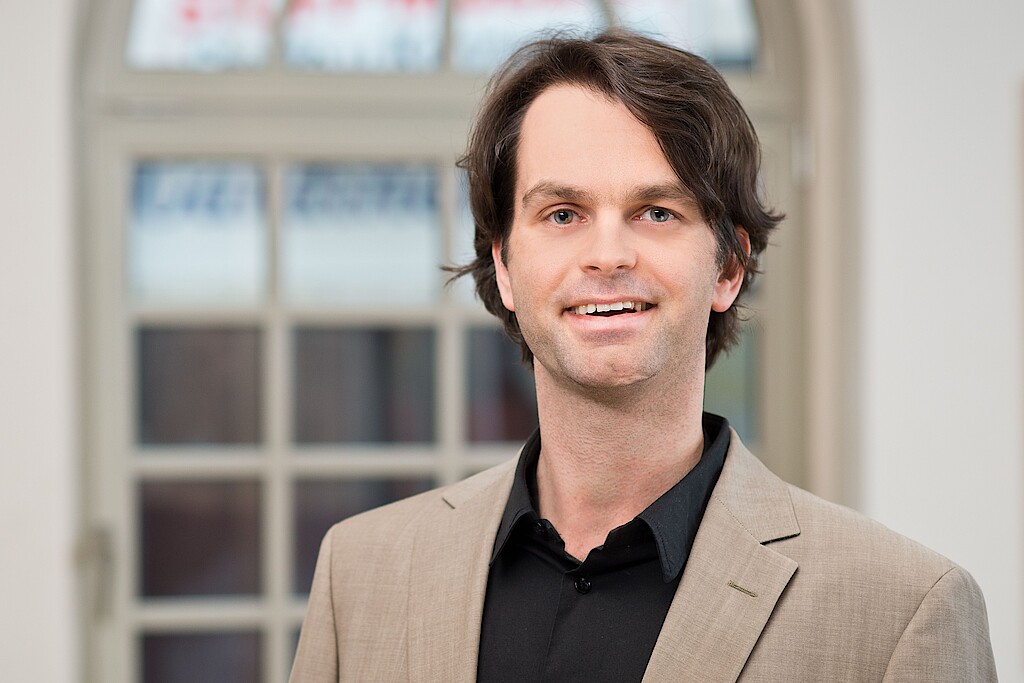
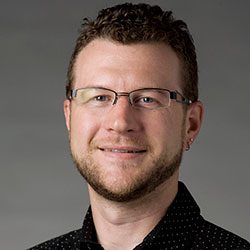
Prof. Dr. Oliver Müller serves as Chair of Business Information Systems, especially Data Analytics, at the University of Paderborn within the Faculty of Economics . His research focuses on sociotechnical approaches combining machine learning with human decision-making, sustainable energy systems, and sports analytics. Human-AI Interaction AI for Sustainable Energy Sports Analytics Process Mining & Digital Transformation His team operates the soda.lab – a high-performance computing lab with GPUs for deep learning and real-time visualization. Current projects include DC2HEAT (Data Center Heat Recovery), HeatTransPlan (Industrial Heat Supply Transformation), and KIAM (AI Competence Center for Industrial SMEs). His group has successfully supervised doctoral candidates like Matthew Caron and Dirk Leffrang. Their recent publications analyze causal machine learning for energy systems, uncertainty visualization in forecasting, and algorithmic advice utilization. They received three international awards in 2021 for AI and social media research, plus multiple teaching recognitions (2021, 2020). Prof. Müller's team collaborates with industry partners including FORVIA HELLA, hellblau Software GmbH, and Böllhoff.
Lovisa Högberg serves as Senior Lecturer at Mid Sweden University within the Department of Economics, Geography, Law and Tourism (EJT), where she also acts as Subject Representative in Economics. Her academic foundation includes a PhD in Engineering from KTH Royal Institute of Technology (2014) and a Licentiate degree (2011), both focused on energy efficiency in housing. Her research centers on sustainable real estate development, with evolving expertise spanning energy efficiency in multi-family buildings, social sustainability in renovation contexts, and economic valuation of outdoor recreation. Early work analyzed technical and behavioral aspects of energy-saving measures in Sweden's Million Homes Programme, while recent publications explore craft breweries' role in rural development, social sustainability frameworks, and lifecycle economic-environmental integration in property management. Current projects like RETURN (Regenerative Economic Transfers) and Östersund CCI examine cultural industries' contribution to place development. Högberg contributes significantly through The Centre for Research on Economic relations (CER), leading studies on sustainable business models in the green transition (HSE 2.0 project) and community development through craft industries (CraBloom). Her publications demonstrate consistent interdisciplinary engagement with sustainability's economic, social, and environmental dimensions, particularly in Nordic contexts. Her advising and research initiatives focus on practical applications for local communities, evidenced by projects like "Good examples of sustainable living and entrepreneurship - lessons from rural areas". The CraBloom project specifically investigates how craft beer production stimulates local economic networks, while RETURN develops frameworks for resilient northern economies through regenerative transfers. Högberg operates within Mid Sweden University's research ecosystem through CER, collaborating on place-based development initiatives that integrate economic theory with practical community engagement. Her work with the Östersund CCI project exemplifies this approach, linking cultural industries to spatial development strategies in regional contexts.
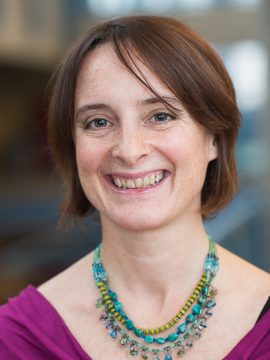
Rebecca Todd is an Associate Professor in UBC's Department of Psychology within the Faculty of Arts, and a member of the Centre for Brain Health. She specializes in cognitive neuroscience with a focus on the interaction between emotion and cognition in health and psychopathology. Her research employs brain imaging methods and laboratory experiments to investigate how we process affective salience and how this influences perception, learning, and memory. Dr. Todd earned her PhD in Developmental Science and Neuroscience from the University of Toronto in 2008. Prior to her academic career in neuroscience, she was a contemporary dance choreographer and journalist, which has informed her unique interdisciplinary approach to studying cognition through movement and interaction. Her research program focuses on neurocognitive processes underlying the interaction between human emotion and cognition. She investigates how we process affective salience (emotional/motivational importance) of objects and events, and how this influences perception, learning, and memory. Her work examines individual differences in how we filter the world to perceive specific categories of salient events (threatening vs. rewarding), how such filters develop over time, and their consequences for emotional health. Specific programs include investigation of neurocognitive processes underlying effects of acute stress on attention, learning, and memory, and attentional biases predicting treatment outcomes in depression. Dr. Todd's recent publications show an evolving research trajectory that increasingly integrates participatory sensemaking, ecological approaches to cognition, and multidisciplinary perspectives. Her work spans cognitive neuroscience, clinical applications, dance cognition, and embodied approaches to understanding how we interact with our environment. The breadth of her research demonstrates a commitment to understanding cognition as embedded in real-world contexts rather than isolated laboratory settings. Michael Smith Foundation for Health Research Scholar Award (2017) CIHR New Investigator Award (2016) Dr. Todd leads the Motivated Cognition Lab at UBC, where she employs a multi-method approach including EEG, fMRI, psychophysiology, eye tracking, and genotyping to assess how common genetic variations interact with life experience to shape brain activity. Her lab investigates how these interactions influence emotional filters for perceiving and remembering. She is affiliated with MATRIX-N: Multidisciplinary Alliance for Translational Research and Innovation in Neuropsychiatry, reflecting her commitment to interdisciplinary collaboration. While she is not currently accepting graduate students, her research continues to advance understanding of the neurocognitive basis of emotional experience and its impact on cognition.
Alice Barreca (Politecnico di Torino, Department of Architecture and Design) is a fixed-term assistant professor and researcher specializing in real estate appraisal and project evaluation within civil engineering and architecture (Area 0008). Her work bridges economic sustainability , cultural heritage , and fragile territories , with a focus on urban vulnerability, circular economy, and energy retrofit. Scientific expertise: CEAR-03/C - Appraisal and Evaluation ERC sectors: Behavioral economics, Development economics, Econometrics, Environmental economics SDG contributions: #3, #4, #5, #10, #11 Research Themes : Barreca investigates the intersection of economic feasibility and territorial resilience , particularly in rural and heritage contexts. Her work combines data-driven methodologies ( GIS , machine learning ) with collaborative planning to address challenges in real estate markets and energy policy . Key projects include SYSTOUR (2023-2027) for sustainable tourism and Challenge@PoliTo (2022-2023) focused on renewable energy communities . Recent Publications highlight her contributions to understanding daylight valuation in housing markets, territorial potential mapping through collaborative approaches, and fiscal inequality in urban contexts. She has developed cross-cutting analyses for rural development and cultural heritage enhancement strategies in locations like Ivrea and Alta Valsesia. Teaching : Barreca serves as course lecturer for modules including Heritage Renovation and Economics for Sustainable Architecture , mentoring through problem-based learning frameworks across 2019-2025 academic years. Scientific Networks : Co-author with Rolando, Malavasi, Rebaudengo, and Coscia Contributions to journals like Journal of Building Engineering and conferences including ICCSA 2024 Member of Project Teaching Center (DAD) and Branding4Resilience collaborations
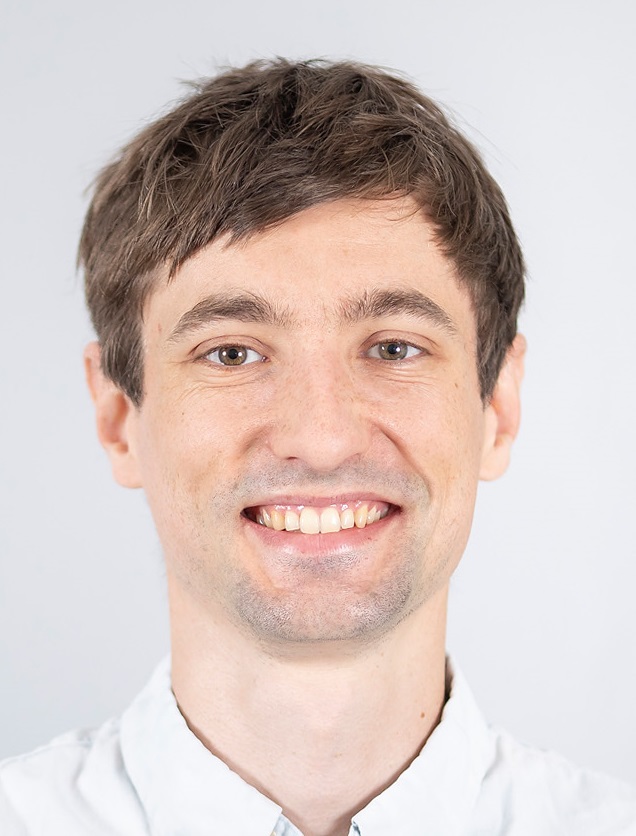
Philipp Marek is a Researcher affiliated with the Halle Institute for Economic Research (IWH) since June 2015 and holds the position of Economist at the Research Centre of the Deutsche Bundesbank. His work bridges macroeconomic policy analysis with regional development studies. He focuses on household finance, microeconometrics, and the spatial dimensions of economic collaboration. Key research themes include the impact of fiscal policies on housing markets, FDI-driven productivity spillovers in manufacturing sectors, and the role of geographical and institutional proximity in fostering R&D collaborations. His recent work analyzes how tax changes influence credit supply dynamics across German regions. Marek's collaborative studies often involve European regional datasets, exploring income convergence patterns and subsidiary decision-making in transition economies. He has contributed to policy-relevant analyses on subsidized innovation clusters and the interplay between human capital and foreign investment.
Diego S Cardoso is an Assistant Professor in the Department of Agricultural and Consumer Economics at the University of Illinois . He holds a PhD in Applied Economics and Management from Cornell University (Awarded May 2021). His research focuses on economic valuation of health outcomes, environmental quality, and spatial heterogeneity in pricing. Key areas include mortality risk reduction economics, water quality valuation, and policy analysis. Education: PhD in Applied Economics and Management, Cornell University (2021) Research interests emphasize quantifying economic impacts of public health interventions, environmental policies, and natural resource management. His work bridges econometric analysis with real-world applications, such as evaluating the cost-effectiveness of mortality reduction programs and assessing the economic value of environmental improvements. Recent studies include groundbreaking work on non-marginal mortality risk valuation and spatial heterogeneity in lake water quality pricing. Notable collaborations involve interdisciplinary teams analyzing U.S. water quality datasets and global health mortality patterns. His research has been featured in Nature Medicine , Economics Letters , and Proceedings of the National Academy of Sciences , with significant media coverage and social media engagement. Grants and advising details are not explicitly listed in available texts. His research network spans multiple countries with active international collaborations in public health and environmental economics sectors.
Sevrin Waights is a Guest Professor at the Chair of Applied Microeconomics, School of Business and Economics, Humboldt University of Berlin. They are also a Faculty Member at the Berlin School of Economics and a Senior Consultant at DIW Econ. Research Interests span multiple areas including: Public Economics (parental leave policies, gender inequality) Labor Economics (care work division, wage expectations) Urban Economics (historic preservation, housing markets) Econometrics (regional capital estimation, policy evaluation) Recent publications focus on gender dynamics in labor and care work, urban development, and econometric modeling. Key journals include The Economic Journal , Economics of Education Review , and Urban Studies . Collaborations include researchers from the German Institute of Economic Research (DIW), Oxford, and Berlin School of Economics.
Eric Koomen is an Associate Professor at the Department of Spatial Economics, Vrije Universiteit Amsterdam. His research focuses on land-use change analysis, spatial modeling, and policy support, with applications in urban planning, environmental impact assessment, and sustainable development. He coordinates courses like 'Land-use change' and 'Urban Environment Lab', and leads the Urban Environment Lab at Amsterdam University College. His work contributes to UN Sustainable Development Goals, particularly urban and environmental sustainability. Koomen has authored/co-authored over 250 publications and advised international organizations like the World Bank. Education: PhD in Spatial Economics (2008), Master in Physical Geography (1992). Research Interests: Urban densification, agricultural land-use change, climate adaptation, and spatial policy tools. His work spans the Netherlands, Vietnam, Mexico, and China. Key Awards: VOGON research award (2021), SIMETRI (2018). He leads projects on sustainable urban strategies and logistics development, funded by grants such as AESUS (2012) and NWO Adaptation Pathways (2017). Teaching & Supervision: Supervised 6 PhD theses and multiple MSc/BSc projects. Develops GIS curricula globally, including workshops in Kenya and Bhutan. Labs/Teams: Urban Environment Lab (AUC), Spatial Economics Research Group (VU), collaborating with Geodan Next on policy-oriented spatial analysis.
Thomas de Graaff is an Associate Professor in the Department of Spatial Economics at Vrije Universiteit Amsterdam, affiliated with the School of Business and Economics and Tinbergen Institute. He holds a Master's and PhD in econometrics and spatial economics from VU Amsterdam. His research focuses on empirical spatial economics, particularly socio-economic behavior related to migration, tourism, commuting, and agglomeration economies. He emphasizes reproducibility, Bayesian multilevel models, and gravity models. Key research areas include meta-analyses of agglomeration externalities, crime social interactions, and urban overhead effects. He has published widely on topics such as ethnic diversity valuation, telework substitution effects, and housing market dynamics. His work contributes to UN Sustainable Development Goals related to urban sustainability and economic growth. Teaching includes courses on spatial econometrics, network analysis, and research design. He has supervised three PhD theses and contributed datasets to studies on agglomeration economies. Collaborations span global institutions, with recent projects in New Zealand and Europe.
Dr. Daria Peleg-Raibstein is a Lecturer at ETH Zürich's Department of Health Sciences and Technology, affiliated with the Institut für Neurowissenschaften (Institute for Neuroscience). Her research focuses on how environmental and nutritional inputs, particularly maternal overnutrition, influence cognitive and behavioral outcomes across generations. Her independent research group has been continuously funded since 2012, investigating topics such as intergenerational effects of diet on reward systems, stress-linked cognition, and hypothalamic regulation of memory processes. Research Interests: Peleg-Raibstein’s work bridges nutritional science, neuroscience, and psychology. Key areas include the neurobiological consequences of maternal dietary choices, the role of hypothalamic circuits (e.g., orexin and MCH neurons) in memory and metabolic control, and the interplay between environmental inputs and long-term cognitive health. Her lab explores how nutritional exposures during critical developmental periods reprogram brain function, leading to risks of addiction, metabolic disorders, and cognitive decline. Recent Publications: Her 2025 review in Neuropharmacology explores hypothalamic control of memory phases and types, while her 2025 Nutrients paper highlights how maternal overnutrition impairs spatial memory in offspring. Ongoing projects include NIH-funded studies on reward systems and ETH-funded work on stress resilience mechanisms. Grants & Funding: Current grants include SNF support for reward system research and ETH funding for nutritional programming of Alzheimer’s risk. Her group maintains 1-2 postdocs and 1-3 PhD students, emphasizing translational neuroscience. Labs/Teams: Leads an independent research group at ETH Zürich, focusing on nutritional neuroscience and neuroendocrine signaling. Collaborates with institutions like the Burdakov Lab on orexin neuron studies.
Tracy Stobbe is a faculty member at Trinity Western University (TWU) since 2007, affiliated with the School of Business under the Faculty of Humanities & Social Sciences. She holds a PhD in Economics (University of Victoria, 2008), an MPP (UC Berkeley, 2003), and a BJ (Carleton University, 2000). Her research spans environmental and agricultural economics, focusing on urban-rural fringe dynamics, farmer’s markets, and the intersection of literature and economic thought during the British Industrial Revolution. PhD in Economics, University of Victoria (2008) MPP, University of California Berkeley (2003) BJ Journalism, Carleton University (2000) Stobbe’s work on agricultural land values, hobby farms, and policy options for farmland protection has been published in journals like the American Journal of Agricultural Economics and BC Studies. She also explores the integration of Christian morals with free-market economics through the cross-disciplinary reading group MOMAE and contributes to policy discussions via grants from Agriculture and Agri-Food Canada and regional governments. Undergraduate Student Research Awards Supervisor (2021, 2022) Institute for Liberal Studies Funding ($7,500, 2019-2022) Center for the History of Political Economy (CHOPE) Participation (2019) SSHRC Grant ($3,000, 2010-2013) Agri-Food Canada Grants (2008-2009, 2005-2008) Phillips, Hager and North Doctoral Scholarship (2006) Stobbe has secured significant grants from agencies like Metro Vancouver and the Ministry of Agriculture and Lands. She also leads the Morality of Markets and Economics (MOMAE) reading group and engages in community outreach through teaching and research collaborations.
Professor Arief Anshory Yusuf is a prominent economist affiliated with Universitas Padjadjaran, Indonesia, where he serves as Director of the Center for Economics and Development Studies (CEDS). He holds concurrent roles as a Senior Economist with the Economy and Environment Program for Southeast Asia (EEPSEA), an Adjunct Fellow at the Australian National University (ANU), and Secretary-General of the Indonesian Regional Science Association. His academic career spans over two decades, with degrees from Universitas Padjadjaran (B.Econ, 1997), University College London (M.Sc, 2002), and ANU (Ph.D, 2008). Dr. Yusuf’s research focuses on natural resource and environmental economics, poverty and inequality, and economy-wide modeling. Notable contributions include analyzing Indonesia’s deforestation policies, the impacts of fuel pricing reforms, and structural change in developing economies. His work frequently intersects with international development, having consulted for institutions like the World Bank, Asian Development Bank (ADB), and AusAid. His recent research highlights include a 2025 study on Thailand’s structural change and income inequality, and a 2013 analysis linking global food prices to Indonesian poverty. He has authored over a dozen peer-reviewed articles and co-authored influential books such as Hotspots! Mapping Climate Change Vulnerability in Southeast Asia (2010) and Green Accounting and Sustainable Development in Indonesia (2004). Dr. Yusuf’s advisory roles extend to both academic and policy domains. Through CEDS, he leads interdisciplinary projects addressing development challenges, while his international collaborations reflect his commitment to bridging economic theory and practical policymaking.
Aaron Swoboda is an Associate Professor of Environmental Studies and Economics at Carleton College, where he has been teaching since 2008. His academic roles include instructing courses like Principles of Microeconomics, Economics of Climate Change, and Advanced Topics in Applied Microeconomics. He holds a MS and PhD from the University of California-Berkeley. Swoboda's research focuses on environmental policy, climate change economics, land-use regulation, and the economic impacts of technology such as AI. His work employs empirical methods to analyze housing markets, regulatory effects, and public-sector economics. Notable contributions include studies on hedonic pricing models, blended learning in economics education, and the socioeconomic implications of environmental policies like the Endangered Species Act. His publications span topics from urban economics and regulatory analysis to historical drug market dynamics in colonial contexts. While no awards are explicitly listed, his research demonstrates significant engagement with interdisciplinary challenges at the intersection of economics and environmental science. Swoboda advises students in advanced research and teaches courses addressing contemporary issues like AI's economic challenges and public-sector economics. He maintains an active research agenda without explicitly noted grants, focusing on applied microeconomic frameworks to address pressing societal questions.
Dr. Lauren Mayor Poupis is an Associate Professor in the Marketing Department at Iona College's LaPenta School of Business. She holds a Ph.D. from City University of New York/Baruch College, an MBA from Stony Brook University, and a B.S. from the University of Vermont. Her teaching focuses on consumer behavior, marketing principles, and integrated marketing communications. Dr. Poupis' research explores auditory cues in marketing, perceptual biases, and health decision-making. She investigates how sensory stimuli (e.g., sound) influence consumer behavior, particularly in contexts like mobile applications and health-related choices. Her work bridges psychology and marketing, addressing topics such as loneliness mitigation through digital interfaces and the impact of chronic dieting on sensory perception. Her recent publications (2021–2013) span journals like Psychology and Health, Journal of Business Research, and Appetite. Key themes include the role of self-efficacy in health compliance during pandemics, sound design in mobile apps to reduce loneliness, and how dieting goals distort auditory perception of food cues. While no awards are explicitly listed, her research demonstrates consistent engagement with cutting-edge topics at the intersection of consumer behavior and health. She advises no formally listed students but contributes to academic discourse through peer-reviewed publications and teaching.
Gabriel Ehrlich is the Director of the Research Seminar in Quantitative Economics (RSQE) at the University of Michigan's Department of Economics, within the College of Literature, Science, and the Arts. He holds a Ph.D. in Economics from the University of Michigan and leads RSQE’s forecasting of the U.S. and Michigan economies, presenting regularly to state officials. His research focuses on macroeconomics, urban and regional economics, and forecasting, with notable work on Medicaid expansion impacts, housing policy, and labor markets. His analyses have been featured in the Washington Post , Economist , and New England Journal of Medicine . Key projects include assessments of Michigan’s Medicaid expansion, brownfield redevelopment, and the Great Lakes Restoration Initiative. His academic contributions span economic forecasting methodologies, hedonic pricing models, and firm reputation dynamics. Collaborations include work with the Congressional Budget Office and interdisciplinary teams on issues like electric vehicle labor dynamics and public debt implications. RSQE, under his leadership, produces quarterly U.S. and Michigan economic outlooks, complemented by fiscal impact analyses. His research bridges microdata and macroeconomic trends, emphasizing policy relevance and methodological innovation.