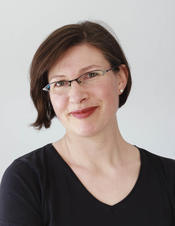
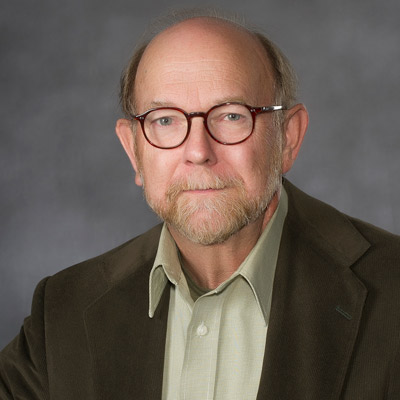
Brian Scholl is a Professor of Psychology at Yale University, specializing in visual cognition, perception, and cognitive science. His research explores how visual perception interacts with higher-level cognition, including object persistence, event perception, causality, and intuitive physics. He leads the Yale Perception & Cognition Lab, focusing on dynamic events, attention, and computational models. He earned his Ph.D. from Rutgers University in 1999. His work spans experimental psychology, neuroscience, and computational modeling, with a focus on phenomena like inattentional blindness, scaffolded attention, and event segmentation. He has authored numerous papers and presented at international conferences, contributing to debates on perception vs. cognition interactions. Key research areas include the perception of dynamic event types, the role of intuitive physics in visual processing, and the influence of event boundaries on memory and decision-making. His lab employs computer-based experiments and collaborations with computational models to study perception across species and clinical populations.
Steve Whittaker is Professor of Human-Computer Interaction at the University of California at Santa Cruz. He conducts interdisciplinary research at the intersection of social science and computer science, focusing on how technology affects human memory, communication, and personal information management. His current research explores human-centric AI systems, mental health technologies, and digital identity. His research interests center on designing interactive systems that support human needs in digital environments. He investigates how people manage digital information, remember personal experiences through lifelogging, and interact with conversational agents and social robots. His work emphasizes computational well-being, affective computing, and the social implications of technology use. He has made foundational contributions to the fields of personal information management (PIM), computer-mediated communication (CMC), and human-robot interaction. The recent publications reflect a strong trend toward mental health technology, human-AI interaction, and digital well-being. His work spans from theoretical models of emotion and memory to practical systems for mental health apps, chatbots, and immersive visualization. He frequently publishes in top-tier venues such as CHI, CSCW, and IUI, often in collaboration with researchers across disciplines. Lifetime Research Achievement Award from SIGCHI Fellow of the Association for Computational Machinery (ACM) Member of the CHI Academy Lasting Impact Award from ACM CSCW Best Paper Award at CSCW10 Best Paper Award at CHI07 Honourable Mention at ACM CHI 2020 Multiple best paper nominations at CHI, CSCW, and IUI MIT Siegel Prize Steve Whittaker has supervised numerous PhD and Master’s students, though specific names are not listed in the provided text. His research has been funded by major grants from NSF, NIH, and industry partners, enabling long-term studies on digital behavior and system development. He is Editor of the journal Human Computer Interaction and has authored over 200 peer-reviewed publications. His most recent book, The Science of Managing Our Digital Stuff (MIT Press), co-authored with Ofer Bergman, synthesizes decades of research on personal information management. He leads a vibrant research lab at UC Santa Cruz that focuses on human-centered computing, where students and collaborators work on projects involving AI, mental health, digital memory, and social interaction. The lab has produced influential work on lifelogging, email management, telepresence robots, and algorithmic transparency. The team employs mixed methods, combining qualitative studies with system design and evaluation.
Prof. Dr. Mike Martin is a leading researcher at the University of Zurich's Center for Gerontology . His work spans cognitive aging, social development in old age, and life-span developmental psychology, with a focus on ecological validity in aging research. Professor, University of Zurich Director, Zurich Longitudinal Study on Cognitive Ageing Co-editor, Journals of Gerontology series Key research areas include: Healthy aging and quality of life Cognitive-emotional interactions in aging Dyadic adaptation in dementia caregiving Mobile sensing of aging-related behaviors Participatory research methodologies Language use as a biomarker of aging His recent publications analyze: GPS mobility and cognitive function Machine learning in reminiscence detection Prospective memory trajectories Emotion regulation in couples Digital interventions for cognitive health Neuroimaging correlates of aging
Univ.-Prof. Dr. Michaela Sambanis is a Professor of English Didactics at the Institute of English Philology within the Department of Philosophy and Humanities at Freie Universität Berlin. She has held this position since 2011 and previously served as the managing director of the Institute from Winter semester 2017/2018 to October 2019. Her academic journey includes research work at the Transfer Center for Neuroscience and Learning at the University of Ulm (2008-2011), completion of her habilitation in 2006, and her promotion in 2001. Professor Sambanis's research centers on the innovative intersection of educational neuroscience and language teaching methodology. Her work pioneers the field of Positive Foreign Language Didactics, connecting positive psychology with language education. She investigates embodied cognition approaches, particularly movement-based learning, and explores theater methods and arts integration in language instruction. Her research also addresses teacher well-being and health, multilingualism in educational settings, and the application of neuroscience findings to practical classroom situations. The k2teach project represents her current focus on teaching-learning labs in English teacher education. Her scholarly output demonstrates a consistent trajectory toward integrating neuroscience with language pedagogy, with recent publications increasingly addressing mental health, digital transformation in education, and positive psychology applications. The evolution of her work shows a progression from practical teaching methods to increasingly sophisticated neurodidactic frameworks that bridge scientific evidence with classroom practice. Professor Sambanis serves on multiple scientific advisory boards including the Goethe Institut in Munich, the Transfer Center for Neuroscience and Learning at the University of Ulm, and the Schlözer Program for Teacher Education. She is also the founding chair of the cross-state E&M Berlin-Brandenburg section and a member of the German Society for Foreign Language Research (DGFF). Her editorial work includes the SELT book series on English Language Teaching. Her teaching responsibilities include supervising master's theses in English teaching, and she has developed numerous teaching-learning laboratories that connect theoretical knowledge with practical application in teacher education. Her work demonstrates a strong commitment to evidence-based foreign language didactics that incorporates insights from neuroscience, psychology, and educational research.
Prof. Dr. Axel Mecklinger is a leading cognitive neuroscientist at Saarland University , specializing in the neurocognition of memory and language through spatiotemporal brain imaging (EEG/MEG/fMRI). His career spans over three decades, with significant contributions to understanding visual working memory , associative recognition , and memory development . Key research areas: Memory binding, ERP subsequent memory effects, novelty detection, and cognitive aging Major grants: DFG Research Groups, Collaborative Research Centers, and international collaborations with the Chinese Academy of Sciences Scientific leadership: Organized conferences, edited journals, and served as speaker for research training groups His recent work explores unitization in memory formation , cross-cultural differences in memory processing , and theta neurofeedback interventions . Awards include the Early Career Award of the German Psychophysiology Society (1992) and the European Federation of Psychophysiology Societies' Federation Prize (1994). Current projects investigate the neural mechanisms of semantic surprisal and memory plasticity in aging populations.
Jasmin Richter is a Research Fellow at the University of Oslo, affiliated with the LCE - Literature, Cognition and Emotions and the Social Psychology Research Group. Her academic journey includes a Ph.D. in Psychology from the University of Cologne (2020), followed by postdoctoral positions at the University of Cologne (2020–2021) and the University of Oslo (2021–present). Education & Appointments: 2021–Present: Postdoctoral Fellow, University of Oslo 2020–2021: Postdoctoral Fellow, University of Cologne 2020: Ph.D. in Psychology, University of Cologne 2015–2020: Ph.D. Student, University of Cologne 2015: M.Sc. in Psychology, University of Bonn 2013: B.Sc. in Psychology, University of Giessen Research Interests: Dr. Richter specializes in cognitive and social psychology, focusing on evaluative conditioning, processing fluency, and moralization. Her work explores how repetition, stimulus pairing, and temporal dynamics influence truth/moral judgments, memory consolidation, and affective preferences. Key themes include the role of episodic retrieval in learning mechanisms and the interplay between unawareness and contingency awareness in valence processing. Publications Trends: Her recent work (2021–2025) emphasizes experimental psychology, with contributions to Cognition & Emotion , Journal of Experimental Social Psychology , and Developmental Review . Topics include evaluative conditioning under varying temporal conditions, the effects of simultaneous stimulus pairing, and the cognitive foundations of affective preferences. Labs & Collaborations: Active in interdisciplinary teams, her research integrates experimental designs with neurocognitive frameworks. Collaborations span institutions like the University of Cologne, the University of Bonn, and international co-authors in psychology and cognitive science.
Associate Professor Christine Preston at the University of Sydney's Faculty of Education and Social Work specializes in primary science education with a focus on early childhood development. She maintains active classroom experience through her kindergarten science teaching and leads research on science diagrams, toy-based learning, and teacher professional development. Her work integrates embodied learning and representational pedagogies to enhance conceptual understanding in STEM subjects. Dr. Preston's research examines innovative approaches including citizen science integration, digital technologies, and adaptive curriculum design. She currently lectures in primary science and technology education, while supervising doctoral candidates exploring computational thinking and marine biology education. Her scholarly contributions emphasize practical classroom applications and teacher support resources. Award recognition includes multiple Excellence in Teaching awards (2007, 2016) and the 2001 NSW Quality Teaching Award. She maintains active membership in international science education associations including ASTA, ESERA, and NSTA, serving on editorial boards for science education journals.
David Huber is a Professor in Psychology and Neuroscience at the University of Colorado. He holds a PhD from Indiana University (2000). His research focuses on human perception, memory, and decision-making from a computational perspective, integrating behavioral studies with neuroimaging techniques (fMRI, ERP) and computational models (Bayesian, neural networks). Key areas include visual cognition, spatial navigation models, memory retrieval dynamics, and priming effects. Education: PhD in Psychology from Indiana University (2000). Research emphasizes mechanisms underlying memory processes, perceptual adaptation, and the neural basis of cognitive functions. Recent work challenges traditional roles of hippocampal place/grid cells, proposing memory-centric models. He explores how perceptual fluency influences decision-making and juror cognition, with studies on serial dependence and gestalt principles in binocular rivalry. His neurocomputational methods include fMRI-based tuning function analysis and virtual electrophysiology modeling. Publications span over two decades, focusing on memory models (SAM-RI), neural habituation, and Bayesian modeling of brain activity. His work advocates for rigorous model-driven approaches in cognitive neuroscience.
Christa Jones is a Professor in the Department of World Languages and Cultures at Utah State University, within the College of Humanities and Social Sciences. She has been a faculty member since 2008, advancing from Assistant to full Professor by 2019. Her academic background includes a PhD and MA in French Literature from Washington University in Saint Louis and a BA in French and English Literatures from Universität des Saarlandes. PhD, French Literature, Washington University in Saint Louis, 2006 M.A., French Literature, Washington University in Saint Louis, 1996 B.A., French and English Literatures, Universität des Saarlandes, 1994 Her research centers on colonial and postcolonial North African Francophone literature, film, and music, with a strong focus on Maghrebi cultural expression, fairy tales, and women's voices. She explores themes of identity, decolonization, and narrative form across genres. Her work bridges literary analysis with cultural and gender studies, often highlighting underrepresented voices in Francophone contexts. The 15 most recent scholarly outputs reflect a consistent engagement with Francophone North Africa, particularly Algeria and the Maghreb. Her publications span literary studies, film, music, folklore, and pedagogy, with recurring keywords including postcolonial studies, cultural identity, and Francophone literature. Subfields such as Maghrebi oral traditions, feminist narratives, and cinematic social critique demonstrate the interdisciplinary breadth of her scholarship. Her scientific contributions have been recognized through multiple honors: Researcher of the Year, Department of World Languages and Cultures, 2024 Researcher of the Year Award, LPSC, Utah State University (2017, 2011) Advisor of the Year Award, LPSC, 2009 GEM Seed Grant, $5,000, 2009 CARE Award, $1,902, 2017 Multiple travel and research grants from USU and affiliated centers Outstanding Professor Award, University of Nebraska, 2008 Christa Jones has been an active mentor and advisor, recognized with the Advisor of the Year Award in 2009. She has secured significant grant funding for research, including interviews with filmmaker Merzak Allouache and the development of study abroad programs. Her professional service includes editorial roles, participation in NEH seminars, and leadership as Associate Department Head (2015–2017). She continues to co-edit major scholarly volumes and is deeply involved in curriculum development, particularly in business French and cultural studies. While no formal lab or research team is mentioned, her editorial projects and collaborative research indicate leadership in scholarly communities focused on Francophone studies, folklore, and North African cultural production.
Chris Fiacconi is an Assistant Professor in the Department of Psychology at the University of Guelph. His research focuses on human memory and metacognition, particularly how inferential processes guide the monitoring, assessment, and regulation of learning. He teaches courses such as PSYC 2650 (Cognitive Psychology), PSYC 3290 (Conducting Statistical Analyses in Psychology), and PSYC 6940 (Discrete Variable Research Design & Statistics). Education: B.Sc. Psychology (University of Western Ontario, 2007) Ph.D. Psychology (McMaster University, 2012) His work integrates behavioral testing and psychophysiological measures (e.g., heart rate variability, facial electromyography) to explore the interplay between cognition and autonomic nervous system activity. Recent publications highlight his interests in fluency effects, sequential memory dependencies, and self-regulated learning strategies. Dr. Fiacconi's lab, the Guelph Memory and Cognition Lab, actively trains graduate students and collaborates on projects related to memory encoding, metamemory, and educational interventions. Funding from NSERC supports his research into the coupling of volitional control processes with autonomic activity.
Dr Ulrich Von Hecker is a Senior Lecturer (Reader) in the School of Psychology at Cardiff University, where he has taught since 2000. He leads research on how spatial processes underpin abstract reasoning and social cognition, focusing on mental models, social hierarchies, and cognitive deficits in depression. Education Diploma in Psychology, University of Hamburg (1986) Ph.D. in Psychology, Free University of Berlin (1992) Habilitation, Free University of Berlin (1999) Research Interests Dr Von Hecker’s work integrates spatial cognition , social cognition , and cognitive psychopathology . He investigates how spatial metaphors (e.g., up-down, left-right) structure our understanding of social hierarchies and abstract categories, and how these mappings vary with cultural factors like reading direction. A second major strand examines constructive mental processes —how people build coherent mental models of novel social groups or networks—revealing the role of logical inference, stereotypes, and reciprocity. Finally, he explores cognitive symptoms of depression , demonstrating that sub-clinical depression selectively impairs the formation of global mental models while sparing detail-level processing. Publication Trends Across more than 60 peer-reviewed articles, three clear streams emerge: (1) experimental studies on spatial representation of order, equivalence, and social status; (2) integrative papers on mental model construction in social contexts; and (3) investigations of cognitive control, fluency, and attention in both healthy and depressed populations. Recent work increasingly employs neuroimaging (fMRI), eye-tracking, and cross-cultural designs. Scientific Awards & Recognition Nominated to ESRC Peer Review College (2010–2012) Empanelled as Research Guide, Christ University, Bangalore (2009–2011) Supervision & Grants Dr Von Hecker currently supervises PhD students including Lukas Wolf (embodiment of social values) and Jin Zixi, and incoming MSc student Maohua Nie. His research has been funded by the German Research Foundation (DFG) , Economic and Social Research Council (ESRC) , Polish Committee for Scientific Research (KBN) , and the Russell Sage Foundation . Teams & Collaborations He heads an active research group and collaborates internationally with scholars such as Geoffrey Haddock (Cardiff), Simon Dymond (Swansea), Ana Guinote (UCL), Elanor Hinton (Bristol), and Karl Christoph Klauer (Freiburg), among many others spanning Europe, North America, and Asia.
Stephanie Riès is an Associate Professor in the Department of Speech, Language, and Hearing Sciences at San Diego State University, where she directs the Laboratory for the Brain Dynamics of Language. Her research specializes in the cognitive neuroscience of human language, examining brain dynamics in language production, control processes, and neural reorganization following brain disorders. Education: BS in Biology from University of Rennes 1 MS in Cognitive Neuroscience from Aix-Marseille University MS in Cellular Biology and Animal Physiology from University of Rennes 1 PhD in Cognitive Neuroscience from Aix-Marseille University Her work integrates electrophysiology (EEG, EMG) and neuroimaging to study language production mechanisms and compensatory plasticity in conditions like stroke, epilepsy, and brain tumors. Key research areas include bilingual interference resolution, speech monitoring mechanisms, and neural reorganization patterns. Recent publications focus on neural hierarchies in speech production, neuroplasticity in language recovery, and advanced brain mapping techniques. Article analyses reveal strong emphasis on electrophysiological methods (sEEG, ERP), bilingual cognition, and clinical translation of neuroscience findings. Dr. Riès leads significant research initiatives through her laboratory, investigating brain-behavior relationships using intracranial recordings and developing novel approaches for speech activity detection across neurological populations.
Natasha Janzen-Ulbricht is a Lecturer in the Didactics of English at the Institute of English Philology (WE6) within the Department of Philosophy and Humanities at Freie Universität Berlin . Her research focuses on integrating theater and movement-based teaching methods into language education, examining their impact on learning outcomes and group cohesion. Key areas of her work include: Developing gesture-based strategies for teaching spatial terms and prepositions. Combining quantitative (e.g., speech rate analysis) and qualitative (e.g., classroom storytelling) research methodologies. Collaborating with urban and rural schools in Germany and conducting international teaching experiments in the Netherlands, Czech Republic, and Poland. Her recent publications explore the intersection of embodied cognition and foreign language fluency , emphasizing the role of codified gestures in enhancing language acquisition. She is a member of the International Society for Gesture Studies and authorized to examine Master’s theses in English teaching at Freie Universität Berlin.
Andrew F. Heckler is a Professor and Vice Chair for Administration in the Department of Physics at The Ohio State University, within the College of Arts and Sciences. He holds a B.S. in Physics from Ohio State (1986) and a Ph.D. in Physics from the University of Washington (1994). His research focuses on Physics Education Research and Astrophysics/Cosmology, emphasizing cognitive processes in STEM learning, assessment methodology, and educational equity. Key areas include student response time analysis, mastery-based learning, and curriculum design. He leads initiatives in digital education tools, such as online vector practice platforms and equitable assessment instruments. His work explores how self-efficacy and social comparison impact academic performance, particularly in physics courses. Heckler has developed frameworks to improve graduate-level physics instruction, addressing misconceptions in quantum mechanics and materials science. Publications highlight analysis of procrastination patterns, pandemic-era digital divides, and the role of concreteness in educational examples. His research bridges educational psychology with physics pedagogy, aiming to enhance student success through evidence-based interventions. He actively contributes to national projects like QuSTEAM, advancing quantum information science education.
Robert Godwin-Jones is a Professor in the Department of Foreign Language at Virginia Commonwealth University's College of Humanities and Sciences, where he has served since 1979. He holds the position of Foreign Language Liaison and maintains active scholarly contributions through his "German Stories" digital repository and "Communicating Across Cultures" blog, focusing on technology-enhanced language pedagogy and intercultural communication. His educational background includes: B.A. in French and German from Franklin and Marshall College (1971) M.A. in Comparative Literature (German, French, and English) (1973) Ph.D. in Comparative Literature from the University of Illinois Urbana-Champaign (1977) Dr. Godwin-Jones specializes in Computer-Assisted Language Learning (CALL), with research spanning artificial intelligence applications, virtual reality environments, and digital literacies for language learners. His work examines how emerging technologies transform second language acquisition through ecological semiotics, distributed agency models, and multimodal communication frameworks. He investigates pedagogical translanguaging strategies for less commonly taught languages and analyzes authenticity in AI-mediated language interactions, particularly in pragmatics and writing development. Analysis of his 2021-2025 publications reveals three dominant trajectories: (1) generative AI integration in language instruction with emphasis on ethical implementation and threat mitigation; (2) extended reality applications creating immersive language spaces in the metaverse; and (3) ecological approaches connecting smart devices, ambient intelligence, and situated learning contexts. His scholarship consistently bridges theoretical frameworks with practical classroom applications across 19th-century German literature studies and contemporary language education. He maintains active professional engagement through memberships in: Delta Phi Alpha German Honorary Society Phi Kappa Phi Honorary Society Modern Language Association American Association of Teachers of German American Association of Teachers of French Foreign Language Association of Virginia As director of the "German Stories" project since 1994, he has curated verified editions of 19th-century German narratives with English translations under Creative Commons licensing, creating what has become a foundational resource for literary study and language acquisition. His blog extends this work through contemporary analyses of intercultural communication challenges, while his scholarly leadership in organizations like CALICO shapes national discourse on technology in language education. His laboratory functions as the "German Stories" digital ecosystem, which has evolved into a comprehensive platform hosting annotated texts, pedagogical resources, and research archives. This environment supports both formal classroom instruction and informal learning communities, demonstrating his commitment to porous classroom models that integrate physical and digital learning spaces.