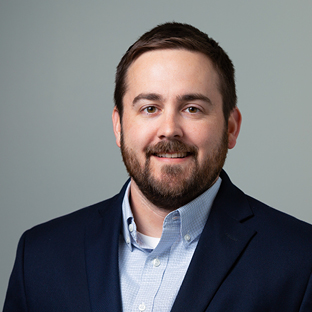
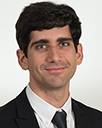
Matthew V. Bilskie is an Assistant Professor at the University of Georgia's School of Environmental, Civil, Agricultural & Mechanical Engineering. His research focuses on coastal hydrodynamics, storm surge modeling, and nature-based solutions for flood mitigation. He leads the Coastal Ocean Analysis and Simulation Team (COAST), which develops computational models to simulate coastal processes. Key areas include hurricane impacts, compound flooding, and ecosystem resilience. Dr. Bilskie's work integrates engineering, ecology, and policy to address climate change challenges. He has collaborated on projects assessing flood vulnerability, barrier island dynamics, and the effectiveness of natural features like wetlands and oyster reefs. His team produces tools for decision-makers, including real-time forecasting systems and inundation maps. Key Projects: Compound Flood Manual of Practice, ASCE guidelines, Savannah flood vulnerability mapping Research Themes: Coastal resilience, climate adaptation, interdisciplinary modeling Tools Developed: PyVF (LiDAR analysis), COAMPS-TC ensemble models He holds a Ph.D. and has published extensively on topics like marsh attenuation, levee setbacks, and socio-economic flood risk assessments in coastal regions.
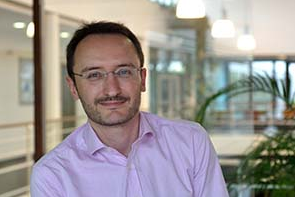
Sébastien Michon is a CNRS Research Director at the SAGE laboratory (Sociétés, acteurs, gouvernement en Europe) at the University of Strasbourg. He holds leadership roles including President of Section 36 (Sociology and Legal Sciences) of the CNRS National Committee and Deputy Director of the Interuniversity House of Human Sciences - Alsace (MISHA). He is also co-leader of the WP 'How European society is regulated' within the Interdisciplinary Thematic Institute MAKErS at the University of Strasbourg (2021–2028). Research Director, CNRS President, Section 36, CNRS National Committee Deputy Director, MISHA Co-leader, WP 'How European society is regulated', ITI MAKErS Member, SAGE Laboratory, University of Strasbourg Education: Habilitation to Direct Research (HDR), University of Paris 1-Panthéon-Sorbonne, 2017 Doctorate in Sociology, Marc Bloch University of Strasbourg, 2006 Sébastien Michon’s research focuses on the sociology of political elites, particularly within European institutions. His work examines the professionalization of political careers, the socialization of political actors, and the dynamics of power and representation in the European Parliament. He employs quantitative methods and sequence analysis to study career trajectories, elite formation, and institutional change. His research extends to public action, parliamentary studies, and the sociology of entrepreneurs and training. He investigates how political fields are structured and how boundaries between politics, economy, and society are negotiated, particularly in the context of EU governance and lobbying. His recent publications reveal a strong trend toward analyzing the revolving door phenomenon, public-private circulations, and the ethics of political careers, especially among European Parliament staff and ministers. He also explores urban politics, municipal elections, and the socio-spatial dimensions of voting. His methodological contributions include innovative uses of sequence analysis and geometric data analysis in sociological research. Scientific Awards and Recognitions: No specific scientific awards or fellowships were mentioned in the provided text. Advising and Grants: Sébastien Michon has led and participated in several significant research programs funded by national and European agencies. These include the ANR REPEIRE project (2024–2025), the ITI MAKErS Chair (2024–2026), the PolEthics project (2022–2025) coordinated by Sciences Po and LIEPP, and the PolEco project under the 'Investissements d’avenir' program at the University of Strasbourg. He also contributed to the NAWA Network on 'Social Space, Fields and Relationality' (2019–2022) funded by the Polish National Academic Exchange Agency. While specific advisees are not listed, his role as an HDR holder and active researcher suggests he supervises PhD and master’s students. He has also produced research datasets, such as the 'Directory of the European Parliament members' (2021), indicating a commitment to open science and collaborative research infrastructure. Labs, Teams, and Networks: Michon is a core member of the SAGE laboratory at the University of Strasbourg and has collaborated extensively with scholars such as Willy Beauvallet, Cécile Robert, Valentin Behr, and Julien Boelaert. He is involved in interdisciplinary initiatives like the ITI MAKErS and has contributed to networks such as the 'Social Space, Fields and Relationality' research network. His work bridges sociology, political science, and European studies, often through collaborative research projects and co-authored publications.
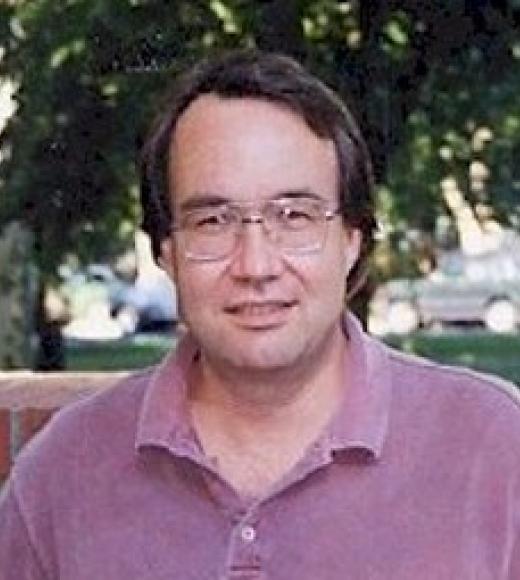
Jeffrey Schank is a Professor in the Department of Psychology at the University of California, Davis. He directs the Agent-Based Models Lab, focusing on understanding social and evolutionary behaviors through computational modeling. His academic appointments include teaching roles in biological psychology and quantitative methods, such as courses on Developmental Psychobiology, Animal Behavior, and Agent-Based Modeling. He earned his Ph.D. in Psychology from the University of Chicago in 1991. Research Interests: Schank investigates how complex group behaviors emerge from individual rules, using agent-based models to study social dynamics, evolutionary processes, and developmental biology. Key areas include human mate choice, evolutionary game theory, and the behavior of animal groups like rats and primates. Publications Overview: His work spans theoretical population biology, social simulation, and computational modeling methodologies. Notable contributions include models of cooperative breeding in harsh environments, the evolution of fairness in game theory, and the dynamics of social identity. Recent research emphasizes interdisciplinary applications of agent-based models in ecology and conservation (e.g., waterfowl management). Lab Activities: The Schank Lab collaborates with institutions like the California National Primate Center to model primate social structures. Current projects involve agent-based models of macaque colonies and titi monkeys, incorporating behavioral syndromes and health data. The lab also develops biorobotic models of rat behavior using genetic algorithms.
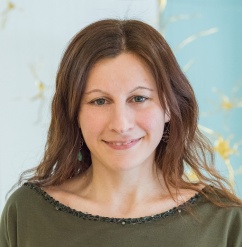
Marta Kryven is an Assistant Professor in the Faculty of Computer Science at Dalhousie University. Her research integrates artificial intelligence, cognitive science, and experimental psychology to develop computational models of human cognition, focusing on planning, perception, and behavior. She is actively engaged in interdisciplinary research and is accepting graduate students. Research Interests: Computational models of cognition and behavior Large Language Models and their alignment with human thought Spatial navigation and environmental interaction Program synthesis and induction Representation learning and cognitive modeling Human-AI alignment and interpretability Her recent publications demonstrate a strong trend in combining symbolic AI with neural models to simulate human-like reasoning, particularly in spatial and social contexts. She frequently collaborates with leading researchers at MIT, especially Joshua Tenenbaum. Her work appears in top-tier venues such as NeurIPS, Cognitive Science, and Nature Computational Science. Scientific Awards: No awards explicitly mentioned in the provided text. Advising and Grants: Marta Kryven is currently accepting applications from graduate students and has several projects available for both undergraduate and graduate researchers. While specific grants are not listed, her active publication record in high-impact journals suggests ongoing funded research. She also offers consulting in AI system design, behavioral modeling, and data science for businesses. Labs and Teams: She is part of the Big Data Analytics, AI & Machine Learning research cluster at Dalhousie University. Her work is closely affiliated with cognitive science and AI research groups, likely involving collaboration with MIT’s Center for Brains, Minds and Machines. She leads a research group focused on human-like AI and computational cognitive modeling.
James O. Fiet is a Professor of Management and the Brown-Forman Chair in Entrepreneurship at the University of Louisville College of Business . His work bridges strategy and entrepreneurship , with over 175 publications and leadership roles in academia. Education : PhD in Entrepreneurship & Strategic Management (Texas A&M), MBA in Entrepreneurship (USC), BA in English (Brigham Young University) His research spans entrepreneurship theory , strategic management , and social enterprises , focusing on institutional logics, poverty alleviation, and time-space dynamics. Recent publications include Time, Space and Entrepreneurship (2021) and Poverty Alleviation and the Science of What's Possible (forthcoming 2022). Scientific recognition includes being ranked 5th most productive U.S. entrepreneurship researcher (2009) and 8th globally . He served as editor of Entrepreneurship Theory and Practice , the #2 cited business journal globally. Awards: Top 1% entrepreneurship researcher (2021), Top 2% scientist worldwide (2021), Emerald Certificate of Excellence (2017).
Jackelyn Hwang is an Assistant Professor in the Department of Sociology at Stanford University and Director of the Changing Cities Research Lab. Her research focuses on urban sociology, race and ethnicity, immigration, and inequality, particularly how neighborhoods change and the persistence of neighborhood inequality by race and class in U.S. cities. Her educational background includes a B.A.S. in Sociology and Mathematics from Stanford University and a Ph.D. in Sociology and Social Policy from Harvard University. She completed her postdoctoral training as a Research Fellow in the Office of Population Research at Princeton University. Her research interests center on gentrification, residential segregation, and structural racism in urban environments. She employs novel data sources such as Google Street View imagery to develop automated methods for measuring neighborhood physical conditions over time. Her work highlights how gentrification perpetuates racial inequality even without increased displacement, emphasizing the enduring role of structural racism in shaping housing outcomes. The available article demonstrates a strong trend in examining racial stratification in urban contexts, particularly focusing on how gentrification interacts with segregation across different housing markets like Philadelphia and the San Francisco Bay Area. Her research combines national-level analyses, longitudinal survey data, and consumer credit datasets to explore persistent patterns of inequality. Supported by the American Sociological Association Supported by the Joint Center for Housing Studies Supported by the National Science Foundation Jackelyn Hwang advises students through her role as Director of the Changing Cities Research Lab and has secured competitive external funding from major institutions including the National Science Foundation. Her research has been published in top-tier journals such as the American Journal of Sociology , American Sociological Review , Demography , and Social Forces . She leads the Changing Cities Research Lab at Stanford University, which focuses on developing computational and quantitative methods to study urban change, neighborhood inequality, and the racial dynamics of gentrification.
Wenzheng Li is a Visiting Lecturer in the Department of City and Regional Planning at Cornell University’s College of Architecture, Art, and Planning. He earned his Ph.D. in City and Regional Planning from Cornell in August 2024, following a Master’s in Regional Planning from the same institution and a Bachelor’s in Remote Sensing from China University of Geosciences. His research centers on regional-scale land use planning, sustainable urban forms, polycentric development, and environmental sustainability, with applications in Germany, China, and Sub-Saharan Africa. He employs GIS, remote sensing, spatial econometrics, and urban data analytics to investigate urban dynamics and planning policy impacts. His recent publications and conference presentations focus on topics such as the urban heat island effect, polycentric development, and regional equity. These works reveal consistent trends in analyzing spatial configurations for sustainability and equity, particularly through quantitative modeling and cross-national comparisons. C.V. Starr Fellowship, the Einaudi Center of Cornell University, 2023 Li teaches courses in GIS, urban data science, and quantitative methods, emphasizing the integration of machine learning and GeoAI with planning theory. His professional experience includes work on equitable transportation solutions in Tompkins County. He has not advised any students yet, and no grant details beyond the fellowship are mentioned. He is actively involved in research projects on sustainable urban forms in Sub-Saharan Africa, regional governance in China and the U.S., and environmental amenity valuation, reflecting a strong interdisciplinary and global approach to urban and regional planning challenges.
Prof. Dr. Kai Essig is a Professor of Human Factors and Interactive Systems at the Faculty of Communication and Environment, Rhine-Waal University of Applied Sciences, Kamp-Lintfort, Germany. He has a strong interdisciplinary background combining computer science, cognitive science, and human-computer interaction, with a focus on eye tracking, visual perception, and assistive technologies. Master of Science in Computer Science and Chemistry, Bielefeld University (1998) Ph.D. in Computer Science, Bielefeld University (2007) His research centers on eye tracking, human-computer interaction, usability engineering, visual attention, and cognitive interaction technology . He investigates how movement expertise influences visual perception and how multimodal software can support real-time human actions. His work integrates computer vision, machine learning, and neuroscience to develop intelligent systems that adapt to user behavior. The 15 most recent publications reflect a consistent trend in eye movement analysis, mental representations, brain-machine interfaces, and assistive technologies . These works span domains such as sports psychology, robotics, augmented reality, and cognitive neuroscience, demonstrating a strong interdisciplinary approach. Key themes include gaze-based interaction, automated annotation of visual behavior, and the implementation of smart systems for daily living assistance. Scientific recognition includes: Landmark in the Land of Ideas (2018) – for the ADAMAAS project, awarded by 'Land of Ideas', a joint initiative of the German government and the Federation of German Industries Prof. Essig has been actively involved in research projects such as ADAMAAS (Adaptive and Mobile Action Assistance in Daily Living Activities), which received national recognition. He has collaborated extensively with the Neurocognition and Action-Biomechanics Research Group at Bielefeld University and the Excellence Cluster CITEC. While no formal advising of students is listed, his publications suggest mentorship and collaboration with junior researchers. His lab work is centered on eye-tracking systems, multimodal interaction, and cognitive modeling , particularly within applied environments like smart glasses and assistive technologies.
Michelle Borkin is an Assistant Professor in the Khoury College of Computer Sciences at Northeastern University’s Boston campus, where she co-leads the Visualization @ Khoury Lab and co-directs the Northeastern Visualization Consortium (NUVis). She additionally serves as Affiliated Faculty with the NULab for Text, Maps, and Networks and with the Information Design & Data Visualization Program in the College of Arts, Media, and Design. Education PhD, Applied Physics, Harvard University School of Engineering and Applied Sciences (2014) MS, Applied Physics, Harvard University BS, Astronomy & Astrophysics and Physics, Harvard University Research Interests Borkin’s research integrates data visualization and human-computer interaction to create novel techniques that enable discovery across disciplines. Her work spans: Multidimensional brushing-and-linking methodologies 3D data visualization and selection techniques Tree and network visualization Visualization evaluation methodologies and perception/cognition theory Accessibility and visualization for social good Medical and astrophysical visualization applications Publication Trends Across more than 50 peer-reviewed papers, Borkin’s research exhibits three dominant threads: (1) foundational studies on visualization perception and memorability, (2) design and evaluation of novel interactive tools for complex data (medical, astronomical, political, and social media), and (3) methodological contributions such as the Design Study “Lite” Methodology that accelerate visualization pedagogy and community-engaged research. Awards & Honors CHI 2020 Best Paper Award IEEE VIS 2020 Best Poster Honorable Mention IEEE VIS 2018 Best Poster Award NSF Graduate Research Fellowship NDSEG Graduate Fellowship TED Fellow Advising & Grants Borkin currently advises five PhD students—Jane Adams, Mackenzie Creamer, Franc O, Aditeya Pandey, and Laura South—and has previously mentored Michail Schwab and Uzma Haque Syeda. Her research has been supported by NSF, NDSEG, and TED fellowships, as well as internal Northeastern awards. Labs & Teams Co-Lead, Visualization @ Khoury Lab Co-Director & Co-Founder, Northeastern Visualization Consortium (NUVis) Affiliated Faculty, NULab for Text, Maps, and Networks Affiliated Faculty, Information Design & Data Visualization Program, CAMD
Jonathan Hersh is an Associate Professor at Chapman University's George L. Argyros College of Business and Economics, specializing in Economics and Management Science. His research bridges artificial intelligence, machine learning, and economics to address business, labor, and societal challenges through diverse data sources like satellite imagery and economic records. Education: University of Chicago (BA), University of Pennsylvania (MS), Boston University (PhD) Research focuses on AI's societal impact, including digital platform strategy, online piracy, and development economics. He has pioneered methods for poverty mapping using satellite data and war destruction analysis with AI. Recent publications explore AI skills gaps in financial institutions, API-driven economic growth, and satellite-based poverty estimation. His work has appeared in Management Science , MIS Quarterly , PNAS , and NeurIPS . Awards: BBVA Foundation Frontiers of Knowledge Award (2023) Previously worked as a data scientist for startups and the World Bank. Teaches AI, machine learning, and development economics to undergraduate and MBA students.
Katherine A. MacTavish, PhD, is an Associate Professor in the Department of Human Development and Family Sciences within the College of Public Health and Human Sciences at Oregon State University. She joined Oregon State in 2001 after previously working as an adjunct instructor of early childhood education at the University of New Mexico-Valencia and as coordinator of early childhood programs for Magdalena Municipal Schools in New Mexico. Dr. MacTavish holds a bachelor's degree in Arts Education and a master's degree in Early Childhood Special Education from the University of New Mexico, and a doctoral degree in Human and Community Development from the University of Illinois at Urbana-Champaign. Dr. MacTavish's research centers on examining how small towns and rural places function for the children and families who call them home. Since 1997, she has been examining contextual factors that shape developmental pathways for children and youth in rural trailer parks. Her work explores the role of trailer parks as a source of affordable housing for rural families, particularly focusing on the experiences of working-poor families navigating the 'mobile home industrial complex.' She has co-authored the book 'Singlewide: Chasing the American Dream in a Rural Trailer Park' which examines trailer park life across three distinct cultural contexts - white families in Illinois, Hispanic families in New Mexico, and African American families in North Carolina. Her current research includes studying the return migration of rural young people - those who, after gaining education in urban areas, return to their rural hometowns. This work explores how these young people navigate family and community perceptions that returning home somehow signals failure. Dr. MacTavish has also been actively involved in initiatives related to equity, inclusion, and diversity, including the 'Transforming Academia for Equity' and 'Land Grant University for Equity and Justice' initiatives. Dr. MacTavish's scholarly work, including her 23 publications with over 3,600 reads and 267 citations, consistently focuses on rural poverty, community development, and the intersection of housing and family life. Her research combines ethnographic methods with policy analysis to address systemic issues affecting rural communities, particularly examining how economic and social conditions impact rural community health and family wellbeing. Dr. MacTavish has been instrumental in connecting academic research with practical community applications, sharing her findings directly with the families who participated in her studies. Her work demonstrates how reading research about their own experiences has helped participants reconsider their circumstances and possibilities. Outside of her academic work, Dr. MacTavish enjoys running, gardening, and spending time with her family. She emphasizes the importance of patience in scholarship and encourages students to be present in their educational journey rather than worrying about the future.
Professor Michael Breakspear is an internationally recognized leader in computational neuroscience, brain imaging, and translational neurotechnology at the University of Newcastle's School of Psychological Sciences. His research bridges complex systems theory, mathematical modeling, and clinical neuroscience to advance understanding of brain dynamics in health and disease through interdisciplinary collaboration across mathematics, physics, neuroimaging, psychiatry, and artificial intelligence. Professor Breakspear holds a Doctor of Philosophy from the University of Sydney, along with multiple undergraduate degrees including a Bachelor of Medicine and Bachelor of Surgery. His academic journey includes professorial appointments at the University of Sydney (School of Physics), University of Queensland (School of Psychiatry), and University of Western Sydney (School of Psychiatry), where he progressed from Post-doctoral Research Fellow to Associate Professor. Current: Professor, University of Newcastle, School of Psychological Sciences 2017-present: Principal Research Fellow, National Health & Medical Research Council 2017-present: Senior Scientist and Head, QIMR Berghofer Medical Research Institute 2012-2017: Professor (adjunct), University of Sydney, School of Physics 2011-present: Professor (adjunct), University of Queensland, School of Psychiatry 2007-2012: Associate Professor, University of Western Sydney, School of Psychiatry Professor Breakspear's research program integrates expertise across mathematics, physics, neuroimaging, psychiatry, and artificial intelligence. His core expertise includes computational neuroscience (modeling brain dynamics using nonlinear systems theory), neuroimaging and connectomics (pioneering methods to analyze brain networks), brain disorders and mental health (applying computational models to disorders like schizophrenia and bipolar disorder), and neurotechnology and AI (developing machine learning techniques for imaging biomarkers). His recent publications demonstrate a strong focus on brain dynamics, neuroimaging techniques, and applications to psychiatric and neurological disorders. His work spans theoretical frameworks to clinical applications, with particular emphasis on understanding the neural basis of mood disorders, Alzheimer's disease, and psychosis, employing advanced computational approaches to uncover fundamental principles of brain organization and dysfunction. Senior Researcher Award (2017) Principal Research Fellow, National Health & Medical Research Council (2017-present) Professor Breakspear actively collaborates with clinical researchers, engineers, and technology developers to translate theoretical frameworks into practical diagnostic and therapeutic innovations. He provides leadership in training programs at the nexus of neuroscience, mathematics, and data science, fostering the next generation of interdisciplinary researchers through mentorship and collaborative projects that bridge theoretical and clinical domains.
Inés Ibáñez serves as a Professor and Associate Dean for Academic Affairs at the University of Michigan School for Environment and Sustainability (SEAS), where she leads research in the Ecosystem Science and Management program. Her work focuses on forest ecosystem functioning, climate change impacts, and conservation strategies to inform sustainable resource management under global environmental change. Her educational qualifications include: PhD in Ecology from Duke University MS in Range Sciences from Utah State University BS in Botany from Universidad Complutense de Madrid Professor Ibáñez investigates how climate change affects forest community structure, species recruitment constraints, and ecosystem resilience to disturbances. She develops integrative models linking physiological processes to landscape-scale patterns, emphasizing practical applications for forest conservation and adaptive management in vulnerable ecosystems. Analysis of her 2022-2023 publications reveals consistent focus on forest dynamics, seed ecology, and spatial biodiversity patterns. Her collaborative work leverages large-scale datasets to examine tree fecundity gradients, latitudinal growth responses, and herbivory impacts, contributing to predictive frameworks for forest adaptation under climate stressors. She mentors graduate researchers including master's student Ezekiel Herrera-Bevan who conducted fieldwork at the U-M Biological Station. Her research program operates through extensive national and international collaborations, though specific grant details are not documented in the source material. Professor Ibáñez directs a multidisciplinary research group integrating field ecology, remote sensing, and modeling approaches. Her team collaborates across institutions to study forest resilience mechanisms, with projects spanning experimental manipulations, long-term monitoring, and spatial analysis of community vulnerability.
Francisco Manuel Alonso Chaves is a Professor in the Department of Earth Sciences at the Faculty of Experimental Sciences, University of Huelva, Spain. He is affiliated with the Huelva Scientific and Technological Center and leads the research group RNM276 APPLIED GEOSCIENCES. His academic focus lies in Internal Geodynamics, contributing significantly to the understanding of tectonic processes in the Betic Cordillera and surrounding regions. Education: PhD in Geology, University of Granada (1995). Thesis: "Tectonic evolution of Sierra Tejeda and its relationship with processes of crustal thickening and thinning in the Betic mountain ranges", supervised by Dr. Miguel Orozco Fernández. His primary research interests encompass Tectonics, Geodynamics, Seismology, and Structural Geology. He investigates crustal deformation, seismic activity, and the evolution of mountain belts, with a regional focus on the Betic Cordillera and the Iberian Peninsula. His work integrates field studies, geophysical methods, and advanced data analysis to unravel complex tectonic histories and assess seismic hazards. Analysis of his recent publications reveals a strong emphasis on tectonic processes, particularly in the Guadalquivir Basin and the Betic Cordillera. His work utilizes seismic noise recording, kernel density estimation, and passive seismic techniques to study basin architecture, fault reactivation, and crustal structure. There is a consistent focus on Neogene extension, earthquake analysis (including the Türkiye-Syria events), and the application of geospatial tools like QGIS for tectonic interpretation. Scientific Awards: No scientific awards mentioned in available information. Advising and Grants: No details provided regarding students supervised or research grants secured. Labs and Teams: Dr. Alonso Chaves is a key member of the RNM276 APPLIED GEOSCIENCES research group and conducts his work at the Huelva Scientific and Technological Center. His team focuses on applied geological research, including seismic microzonation, tectonic modeling, and environmental geology, contributing to both academic knowledge and practical applications in the region.
Sjoerd Dirksen is a Professor of Mathematics for Data Sciences at Utrecht University since May 2025, having previously served as an Associate Professor for Applied Mathematics (2019-2025) and Junior Professor at RWTH Aachen University (2014-2019). He is affiliated with the Mathematical Institute within the Faculty of Science at Utrecht University, where his office is located in the Hans Freudenthal Building. His research interests focus on high-dimensional probability theory and its applications in data science, machine learning, and signal processing. Specifically, he investigates randomized data dimension reduction methods using structured random matrices, theory for deep learning including random neural networks, high-dimensional covariance estimation for wireless communication systems, and statistical postprocessing of weather forecasts in collaboration with the Royal Netherlands Meteorological Institute (KNMI). Previously, he worked on compressed sensing, sharp estimates for stochastic processes in Banach spaces, and noncommutative analysis. Analysis of his recent publications (2018-2024) reveals a strong focus on quantization effects in high-dimensional data processing, particularly one-bit compressed sensing and covariance estimation under coarse quantization. His work bridges theoretical mathematics with practical applications in signal processing, wireless communications, and meteorological forecasting, demonstrating a consistent trajectory from foundational mathematical research to applied data science problems. Dirksen's academic career shows progression from postdoctoral work at the Hausdorff Center for Mathematics in Bonn to independent research positions. His publication record demonstrates significant contributions to the mathematics of data science, with papers appearing in top journals across mathematics, statistics, and signal processing. His research combines deep theoretical insights with practical applications, particularly in the areas of dimensionality reduction and high-dimensional statistics.