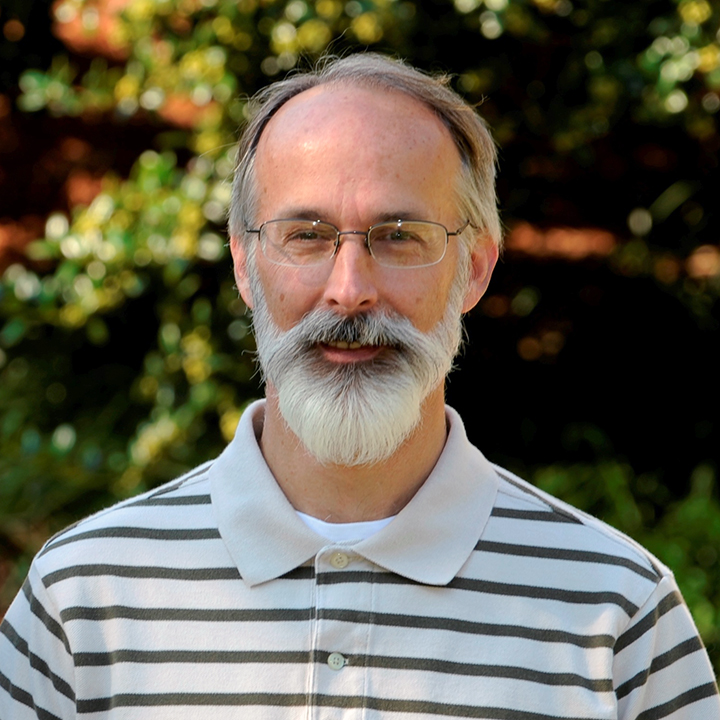
Dennis DeVries serves as Alumni Professor and Assistant Director for Research Programs at Auburn University's College of Agriculture, specializing in fisheries ecology and aquatic sciences. His research examines fish migration, habitat fragmentation, and conservation strategies in southeastern US river systems. DeVries' recent publications focus on thermal adaptation in fish, migration barriers, and hydroelectric infrastructure impacts. His 2023-2025 studies reveal critical insights into paddlefish physiology and dam passage efficiency, while earlier work established frameworks for metapopulation management in fragmented aquatic ecosystems.
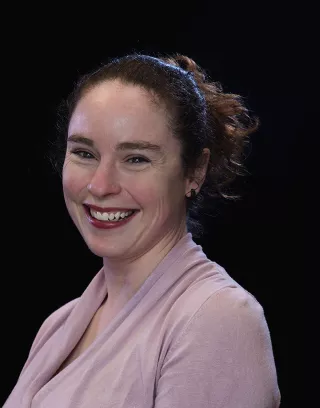
Erin Baerwald is an Assistant Professor in the Department of Ecosystem Science and Management at the University of Northern British Columbia (UNBC), Faculty of Environment. She specializes in bat ecology, conservation biology, and the impacts of wind energy on wildlife. Her research focuses on migratory bat behavior, population viability, and mitigation strategies for wind energy development. She holds a PhD in Ecology from the University of Calgary (2015) and has held academic and postdoctoral positions including an NSERC Postdoctoral Fellowship (2018–2020) and a WAWI Postdoctoral Fellowship (2015–2017). Education: PhD, Ecology (University of Calgary, 2015); MSc, Conservation Biology (2008); BSc, Conservation Biology (2005) Key Research: Bat migration patterns, wind turbine fatalities, and conservation policy Notable Awards: William T. Hornaday Award (2014) Policy Engagement: Contributed to bat conservation protocols for wind energy in Alberta and global CMS initiatives Her research interests span bat behavior, migratory ecology, and applied conservation solutions. Her work integrates field studies, stable isotope analysis, and population modeling to address threats to migratory bats. Recent studies explore homing mechanisms, fur cortisol levels as stress indicators, and turbine design impacts. Her articles highlight global wind energy impacts, migration ecology, and mitigation strategies. Awards and grants total over $411,000, including NSERC and industry funding. In advising, she co-supervises PhD and MSc students focusing on bat migration and wind energy interactions. She teaches courses in conservation biology and has given over 30 invited lectures globally on bats and renewable energy. She is actively involved in professional organizations like the American Society of Mammalogists and the IUCN Bat Specialist Group, contributing to conservation policy and peer review.
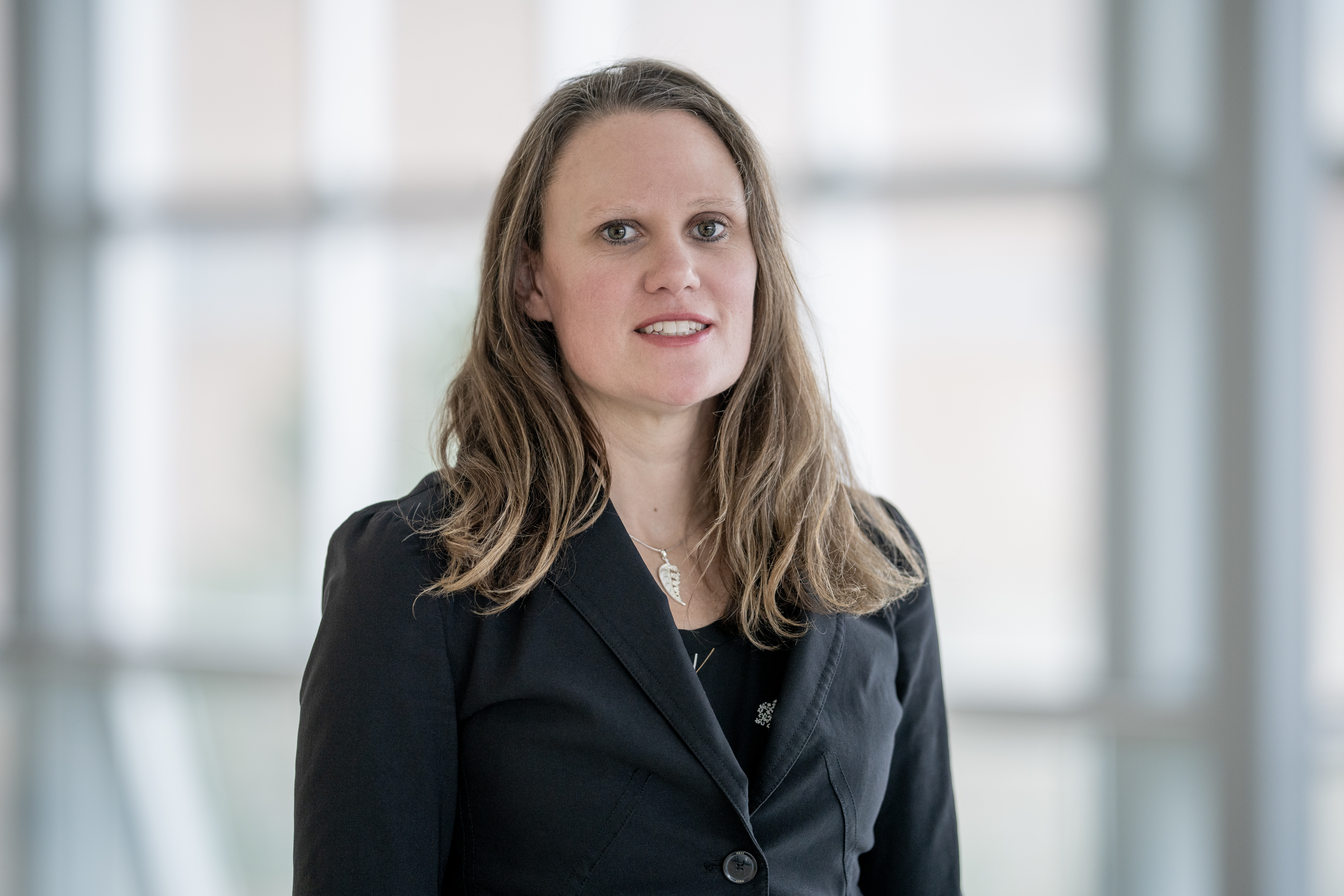
Amy Hurford is a Professor jointly appointed in the Departments of Biology and Mathematics and Statistics at Memorial University of Newfoundland and Labrador. She holds a Ph.D. in Mathematics & Statistics from Queen's University (2011), an MSc in Biological Sciences from the University of Alberta (2005), and completed postdoctoral training at The Fields Institute and University of Oxford. Her research integrates mathematical modeling with ecological and epidemiological systems, focusing on: Theoretical ecology and evolutionary epidemiology Climate change impacts on species distributions and disease spread Public health modeling for infectious diseases Pandemic preparedness for small jurisdictions Recent publications demonstrate strong emphasis on COVID-19 modeling, climate-disease interactions, pollinator ecology, and methodological innovations in epidemiological modeling. Her work informs public health policy and has been featured in WHO reports and major media outlets. She received the President’s Award for Distinguished Teaching (2023) and serves as senior editor at the Bulletin of Mathematical Biology. She leads the Canadian small jurisdictions working group developing modeling frameworks for public health. Current PhD/MSc students: Giuseppe Pasqualino, Francis Anokye, Joseph Baafi, Laura Bruce, Joshua Mack, Miranda Wallace. Graduated advisees include 14 researchers now working in academia and industry. Research affiliations: Senior editor at Bulletin of Mathematical Biology; Organizer of AARMS-EIDM Summer School in Modelling Infectious Diseases.
Dr. Adrian Barnett is a Senior Lecturer in Biology at Middlesex University's Natural Sciences department. His research focuses on primate behavioral ecology and conservation in Amazonian ecosystems, particularly examining how species adapt to urbanization and habitat fragmentation. Key research themes include: primate communication adaptations to noise pollution; interspecies competition in fragmented habitats; and novel foraging strategies in disturbed environments. Recent publications demonstrate strong focus on urban ecology impacts, with multiple studies on pied tamarins in Manaus (Brazil's largest Amazonian city). Other research explores dietary adaptations, including insectivory in predominantly frugivorous species and temporal resource partitioning. Conservation applications include identifying priority areas through geospatial modeling and assessing threats to poorly known taxa like titi monkeys. Fieldwork spans multiple Amazonian locations including Brazil and Peru, employing methodologies ranging from behavioral observation and camera trapping to acoustic analysis and niche modeling. Collaborative research involves international teams from Brazilian institutions including INPA and Universidade Federal do Amazonas.
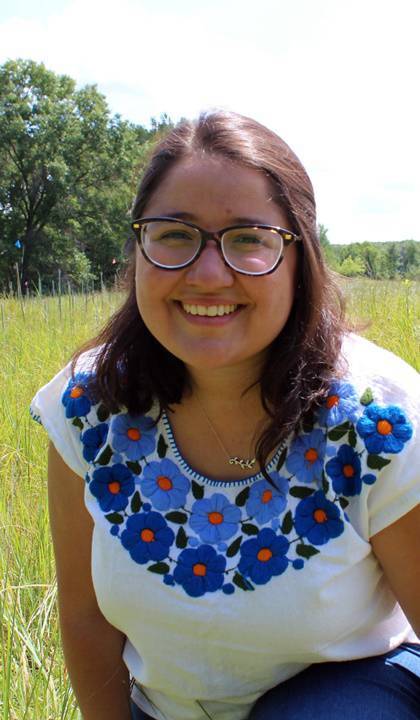
Cristy Portales-Reyes is an Assistant Professor in the Department of Biology at Saint Louis University (SLU), within the College of Arts and Sciences. She holds a Ph.D. from the University of Minnesota and leads the Portales Biodiversity Lab. Her research focuses on understanding plant community and ecosystem responses to global change, particularly biodiversity loss in grasslands and restoration strategies. She employs long-term field experiments, observational datasets, and greenhouse studies, collaborating internationally on distributed experiments and synthesis projects. Current leadership includes a synthesis group examining irreversible ecosystem transitions under anthropogenic pressures. She teaches General Ecology and advises students in ecological research. Research interests emphasize mechanisms reinforcing biodiversity decline, restoration solutions, and global change impacts. Key themes include grassland dynamics, climate variability, and ecosystem resilience. Her lab integrates experimental and synthetic approaches, with a focus on scalable solutions for biodiversity conservation. The lab’s work is detailed at portalesbiodiversitylab.com . Publications highlight global biodiversity synthesis, drought impacts, spatial-temporal ecosystem dynamics, and trophic interactions. Collaborations span institutions worldwide, reflecting her commitment to interdisciplinary science. No awards are explicitly listed, but her contributions to global change ecology are evidenced through high-impact publications and leadership roles. Lab facilities include field sites for long-term experiments and greenhouse setups. Future work prioritizes synthesizing global ecological data to inform conservation under climate change. Students and researchers are encouraged to join her group for hands-on, collaborative research experiences.
Marlene Brito-Millán, PhD is an Assistant Professor at Loyola University Chicago's School of Environmental Sustainability. Her work bridges ecology, complexity science, and Indigenous knowledge systems to study socio-environmental systems. She holds a PhD in Oceanography from Scripps Institution of Oceanography (UC San Diego), an M.S. in Marine Ecology from SIO, and a B.S. in Biology from Northeastern Illinois University. Her research focuses on spatio-temporal dynamics of land and waterscapes through interdisciplinary methods including computer modeling and participatory action research. Current projects include solidarity science collaborations with Indigenous communities in Guerrero, Mexico to support grassroots autonomy. She teaches courses emphasizing critical ecology, environmental justice, and decolonial frameworks. Professional affiliations include the Ecological Society of America, American Association of Geographers, and SACNAS. Awards include Sistema Nacional de Investigadores membership (2021) and UCSD’s Diversity Award (2017). Her work prioritizes community partnerships and justice-centered science.
Bernd Gruber is an Associate Professor in Spatial and Ecological Modelling at the University of Canberra's Institute for Applied Ecology. His research focuses on conservation genetics, spatial population dynamics, and the development of ecological monitoring tools. He has held roles including Senior Research Fellow in the Murray-Darling-Basin Futures Project and has extensive postdoctoral experience in Germany and Australia. Gruber's work integrates GIS, agent-based modeling, and Bayesian statistics to address biodiversity challenges. His projects span invasive species management, climate change impacts on wildlife, and freshwater ecosystem conservation. Education: Double degree in Biology and Chemistry teaching from Friedrich-Alexander University (Germany), PhD in Population Genetics (2002-2006). Research expertise includes endangered species monitoring, landscape ecology, and genomic tools for conservation. Research Interests: Conservation genetics, spatial population dynamics, landscape genetics, species distribution modeling, and development of monitoring technologies for biodiversity. His work emphasizes practical applications for conservation management, such as optimizing endangered species recovery strategies. Recent research trends show a focus on climate-driven ecological changes, genetic responses to environmental pressures, and the use of computational tools like R packages (slimr, dartR) for ecological analysis. He leads major projects addressing freshwater fish conservation, reptile population genomics, and adaptive management strategies for threatened species. Gruber collaborates on grants involving translocation strategies, biosecurity, and genomic approaches to conservation. He is involved in the Canberra Grassland Earless Dragon breeding program and the Murray-Darling Basin Futures initiative. His lab develops innovative tools for population modeling and ecological data analysis.
Michael Hughes is an Associate Professor in the School of Environmental and Conservation Sciences at Murdoch University, affiliated with the Harry Butler Institute and Centre for Terrestrial Ecosystem Science and Sustainability. His work bridges environmental management and human dimensions of conservation. Education: BSc (Biology) and MSc (Biology) from Curtin University, Graduate Diploma in Natural Resource Management from Curtin, and PhD in Environmental Management from University of Notre Dame Australia. Research focuses on reconciling policy with on-the-ground management of natural resources, visitor experiences in protected areas, and urban green space planning. Key themes include balancing recreational use with ecological preservation, stakeholder engagement in environmental decisions, and socio-ecological systems analysis. Recent work explores urban nature governance, fishery management conflicts, and pandemic impacts on urban infrastructure use. His studies often employ mixed methods combining ecological data with social science approaches. Labs/Teams: Active in Murdoch's Terrestrial Ecosystem Research Group and Sustainable Aquatic Ecosystems team. Collaborates internationally on marine protected area management and cross-cultural conservation strategies.
Jon Moen is a Professor at the Department of Ecology and Environmental Science at Umeå University, Sweden. His research focuses on sustainable land use, particularly in northern Sweden, with emphasis on reindeer husbandry, forestry conflicts, wind power, mining, and protected areas. He leads the research leadership program ReaL at Umeå University and collaborates with the Umeå Transformation Research Initiative (UTRI) to address societal sustainability challenges. His work integrates indigenous knowledge systems with ecological science to understand long-term environmental changes and adaptive strategies. Dr. Moen holds an affiliated position at the Human Resources Office, indicating broader institutional engagement. His research explores socio-ecological systems, tipping points in pastoralism, and cumulative pressures on grazing lands. He has developed courses on education for sustainable development and contributed to policy evaluations, such as Norway's ecological condition assessment system. His interdisciplinary approach addresses land-use conflicts, climate adaptation, and biodiversity conservation in multi-use landscapes. Key research themes include Arctic vegetation dynamics, forest ecosystem services, and resilience theory applications. Moen's work bridges academia and practice, emphasizing transformative sustainability solutions through collaborative research and adaptive governance frameworks.
Micael Jonsson is an Associate Professor at the Department of Ecology and Environmental Science, Umeå University, Sweden. His research focuses on understanding how environmental changes and human activities influence species composition in ecological communities, and the subsequent impacts on ecosystem functioning and services. His work spans aquatic and terrestrial ecosystems, including boreal forests, streams, and riparian zones. Research interests include biodiversity-ecosystem functioning relationships, pharmaceutical contaminant effects on aquatic organisms, and the role of species interactions in maintaining ecosystem resilience. He employs innovative methods like UAV-based monitoring and deep learning to study ant mound distributions and ecological impacts. Key areas of investigation include decomposition processes, contaminant transfer via insects, and the behavioral effects of pharmaceuticals on fish. His studies often integrate field experiments with controlled laboratory trials to assess ecological and physiological responses. He collaborates on large-scale projects such as the FreshLanDiv database and RIPARIANET initiative to prioritize ecologically critical riparian zones. Publications highlight advancements in understanding PFAS contamination, bubble barrier technology for fish guidance, and the interplay between forest management and ecosystem services. His work contributes to sustainable resource management strategies and conservation practices in boreal and subarctic ecosystems.
Associate Professor Conrad Hoskin is a biodiversity conservation and evolutionary biology researcher at James Cook University. His work focuses on understanding species distribution, speciation processes, and conservation strategies for imperiled taxa. Key areas include amphibians, reptiles, mammals, and invertebrates, with a particular emphasis on climate change impacts, invasive species, and habitat protection. His research methods integrate field ecology, genetics, and modeling to address threats such as chytrid disease, habitat fragmentation, and invasive species. Current projects span conservation genetics of endangered species (e.g., Mahogany Gliders), phylogenetic studies of reptiles, and climate adaptation strategies in Australian biodiversity. Notable contributions include species discovery (e.g., new gecko and skink species) and the use of camera traps for wildlife monitoring. His work frequently highlights the need for targeted conservation actions and underscores the urgency of addressing biodiversity loss in the face of environmental challenges.
Dr. Jamie McDevitt-Irwin is an incoming Assistant Professor at the University of Hawaiʻi at Mānoa’s School of Life Sciences, starting August 2025. He is currently a postdoctoral fellow at UC Santa Barbara’s Marine Science Institute, working with Dr. Deron Burkepile. His research focuses on marine community ecology, specifically how ecological communities are structured and how human activities drive changes during global biodiversity loss. Key interests include coral reefs, rocky intertidal zones, and seagrass ecosystems, integrating field experiments, observations, and data synthesis. Education : PhD in Biology, Stanford University (2023) MSc in Biology, University of Victoria (2017) BScH in Biology, Queen’s University (2013) Research Themes : His work addresses fundamental questions in community ecology to inform conservation and management. Key topics include climate change impacts on species interactions, coral reef resilience, and the role of local disturbances in shaping ecosystems. He emphasizes collaboration, scientific creativity, and outreach, fostering an inclusive lab environment. Prospective Students : He will accept students through the marine biology graduate program at UH Mānoa, prioritizing candidates with strong research experience and interest in marine ecology. Funding opportunities include NSF GRFP and other fellowships. Labs/Teams : His lab focuses on coastal marine systems, combining fieldwork and experiments to address global change challenges. Collaborations with Dr. Burkepile and others highlight his interdisciplinary approach.
Jamileh Javid Pour is an Associate Professor in the Department of Biology at the University of Southern Denmark (SDU). Her research focuses on marine ecosystems, invasive species, and environmental challenges such as microplastic pollution and climate adaptation. She leads the Gyldensteen ECO-lab and collaborates with authorities on sustainability initiatives. Her work spans multiple disciplines, including the ecological impacts of jellyfish blooms, the effects of microplastics on marine organisms, and the behavior of invasive species like Mnemiopsis leidyi. She employs innovative methods like drone-based monitoring and bioremediation techniques using jellyfish mucus to address environmental issues. Recent studies highlight her contributions to aquaculture innovation, sustainable biomass delivery systems, and policy frameworks for marine conservation. Prioritizing interdisciplinary collaboration, Dr. Pour engages in citizen science projects and advocates for high-seas biodiversity protection. Her research bridges ecological theory with practical solutions, addressing pressing global challenges in marine science.
Gail Fraser is a Professor at York University’s Faculty of Environmental and Urban Change, specializing in waterbird ecology, wildlife management, and environmental policy related to offshore oil and gas. She holds a Ph.D. in Biopsychology from Memorial University of Newfoundland. Her research includes long-term monitoring of colonial waterbirds at Tommy Thompson Park and critical analysis of offshore oil governance. She has led projects funded by SSHRC and other agencies, focusing on conservation conflicts and marine protected areas. Her research integrates field ecology with policy analysis, examining topics like anthropogenic debris in bird nests, impacts of oil spills, and non-lethal wildlife management. Recent studies emphasize marine debris deposition, hydrocarbon spill responses, and equitable environmental decision-making. Awards include the Dean’s Teaching Award and Dean’s Service Award. She advises graduate and undergraduate students on projects spanning wildlife ecology, invasive species, and conservation policy. Current collaborations include restoration initiatives at Tommy Thompson Park and international comparative studies on offshore drilling regulations.
Dr. Ahmed El-Gabbas is a postdoctoral researcher at the Department of Community Ecology, Helmholtz Centre for Environmental Research (UFZ) in Halle, Germany. His research focuses on spatial ecology, macroecology, biodiversity conservation, and ecological modeling, particularly using species distribution models to study species' responses to environmental changes. He leads the BioDT project, developing biodiversity Digital Twins to support conservation efforts. He holds a PhD from Albert-Ludwigs-Universität Freiburg and a MRes in Conservation Biology (with distinction) from the University of Nottingham, funded by a Chevening scholarship. His work emphasizes data-driven conservation strategies in data-poor regions and integrating connectivity into spatial prioritization frameworks. Education: Bachelor of Science (Zoology), Suez Canal University, Egypt Postgraduate Diploma in Physiology and Biochemistry, Suez Canal University MRes Conservation Biology (Distinction), University of Nottingham, UK Dr. rer. nat. (PhD), Department of Biometry and Environmental System Analysis, Albert-Ludwigs-Universität Freiburg Research Interests: Spatial and quantitative ecology Macroecology and biogeography Conservation prioritization under climate change Invasive species modeling El-Gabbas has contributed to pivotal studies on Egyptian reptile conservation under climate change, Antarctic blue whale habitat modeling, and sensitivity analyses for spatial prioritization. His work bridges ecological theory and conservation practice, emphasizing reproducible methods via R packages like ecokit . He collaborates internationally, publishing in Nature and leading open-source projects on GitHub. Key Projects: Prototype Digital Twins for Biodiversity (BioDT) Zonation-based conservation prioritization in Egypt Dynamic species distribution models for Southern Ocean whales Awards: CHEVENING Scholarship (MRes, 2011–2013) Distinction in MRes Conservation Biology Technical Contributions: R package ecokit for ecological utilities GitHub repositories for conservation prioritization analyses