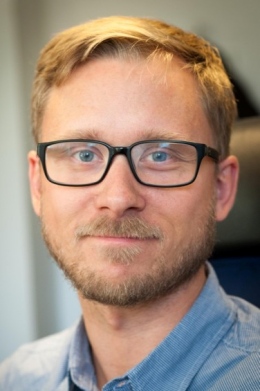
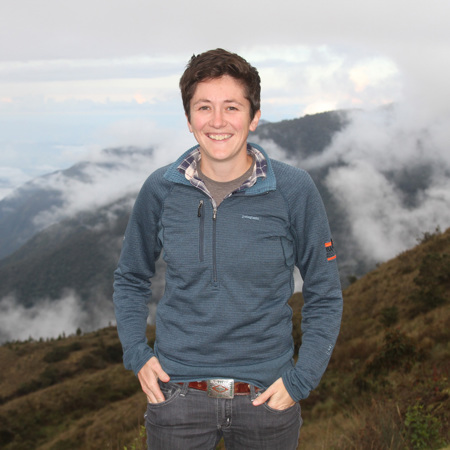
Johan Eklöf is a Professor at Stockholm University within the Department of Ecology, Environment and Plant Sciences . His research emphasizes marine ecology , focusing on interactions between marine biodiversity, environmental conditions (including climate), and societal impacts . He teaches courses such as Management of Aquatic Resources in the Tropics , Marine Ecology for the Biogeo Program , and Ecology II . Research Focus: Causal relationships between biodiversity and ecosystem resilience Foundation species as drivers of ecosystem services Optimizing resource management under climate change Projects: Principal Investigator for FORCE (2023-present), a transdisciplinary Baltic Sea recovery project Contributor to NordSalt (climate impacts on Nordic salt marshes) and PlantFish (Baltic Sea vegetation-fish interactions) Scientific Leadership : Supervises 2 current PhD students and co-supervises 6 additional PhD/postdocs Formerly mentored 4 PhD graduates and >40 MSc students Environmental Context: His work spans Baltic Sea and Western Indian Ocean ecosystems, using seagrass beds , mussel beds , and coastal benthic systems as primary models. Recent publications highlight climate change impacts on trophic cascades , habitat connectivity , and policy frameworks for marine conservation .
Dr James Herbert-Read is an Associate Professor and Whitten Lecturer in Marine Biology at the Department of Zoology, University of Cambridge. He serves as Deputy Head of Department (Postgraduate Education) and leads the Marine Behavioural Ecology Group. His research focuses on understanding how animals, particularly marine organisms, collect and process information from their environments to make behavioral decisions, with emphasis on social interactions, adaptation mechanisms, and ecological constraints. His group employs theoretical frameworks, controlled experiments, and quantitative field studies to investigate behavioral diversity in marine species. Key themes include collective behavior, predator-prey dynamics, camouflage strategies, and the impacts of environmental stressors on animal decision-making. Recent publications highlight work on lionfish vocalization mechanisms, cuttlefish camouflage, citizen science applications in marine research, and behavioral responses to visual and acoustic noise. Scientific awards and affiliations include: Whitten Lecturer in Marine Biology Associate Professor, University of Cambridge He has supervised research projects on topics such as: Social attraction in invasive fish species Evolution of coordinated movement Neurophysiological basis for leadership in shoals Maternal effects on offspring exploration
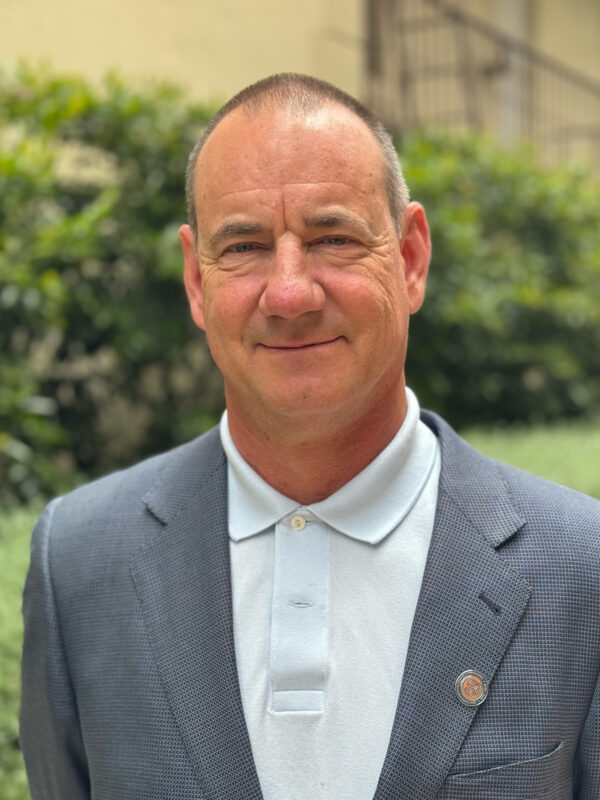
Thomas Gillespie is a Professor and Co-Chair of the Environmental Science and Engineering (D.Env.) Program at the Department of Geography, University of California, Los Angeles (UCLA). His research integrates Geographic Information Systems (GIS), remote sensing, and biogeography to study tropical dry forests in biodiversity hotspots and develop predictive models for species distribution and conservation. Education: Ph.D. in Geography, UCLA (1998) M.A. in Geography and Planning, California State University, Chico (1994) B.A. in International Affairs, University of Colorado, Boulder (1990) Research Interests: Gillespie’s work focuses on field-based floristic surveys and remote sensing analysis of tropical dry forests across the Pacific, Caribbean, and California. He combines GIS with ecological data to model biodiversity patterns, anthropogenic disturbance impacts, and climate change scenarios. His research spans biogeography, conservation science, and environmental policy. Scientific Awards: NASA Earth and Space Science Fellowship Grants: Gillespie has secured major grants from the National Science Foundation (NSF), Environmental Protection Agency (EPA), National Institutes of Health (NIA, NICHD), and MacArthur Foundation for projects on urban greening, disaster recovery, and tropical forest conservation.
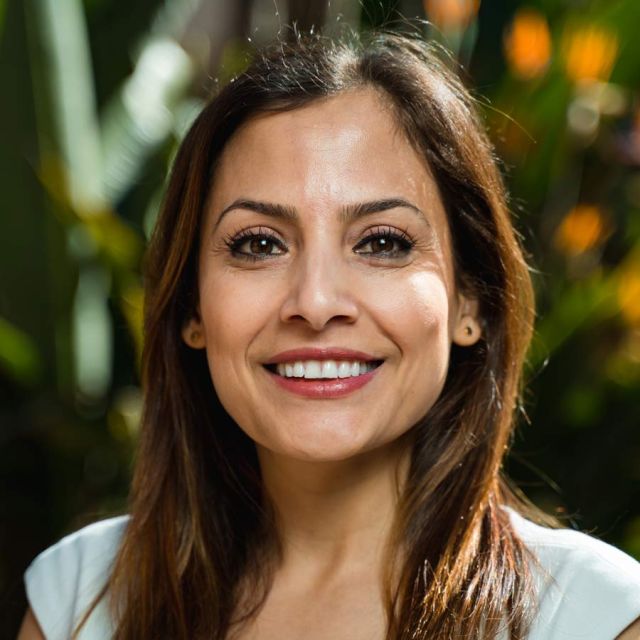
Prof. Dagmar Haase is a Full Professor in Landscape and Urban Ecology at Humboldt Universität zu Berlin, serving as Deputy Director of the Geographical Institute. She holds affiliations with the Helmholtz Centre for Environmental Research (UFZ) and has earned honorary professorships in Sweden and Romania. Her academic journey includes a PhD from the University of Leipzig (1999) and Habilitation from Martin-Luther-University Halle-Wittenberg (2009). Her research focuses on urban ecosystem services, social-ecological systems, and nature-based solutions to urban challenges. Key projects include EU-funded initiatives on green infrastructure (e.g., Horizon Europe’s NaturaConnect) and climate resilience. Awards include the AXA Research Fund Award (2014) and Honorary Wallenberg Professorship (2016). Haase’s work integrates remote sensing, citizen science, and participatory modeling to address urban sustainability. Over 250+ publications and an h-index of 77 reflect her prolific contributions. She advises numerous PhD candidates exploring urban dynamics, biodiversity, and governance. Current grants span climate adaptation, urban densification, and ecological networks.
Somayeh Dodge is an Associate Professor of Spatial Data Science in the Department of Geography at the University of California, Santa Barbara (UCSB). She leads the MOVE Lab and serves as Co-Associate Director of the UCSB Center for Spatial Studies and Data Science. Her research focuses on computational movement analysis, spatiotemporal data science, and the application of these tools to study human and ecological systems. She holds editorial roles in major journals including Journal of Spatial Information Science and Geographical Analysis. Education: PhD in GIScience (University of Zurich, 2011), MS in GIS Engineering (K.N.Toosi University of Technology, 2005), and BS in Geomatics Engineering (2003). Postdoctoral work at The Ohio State University and University of Zurich. Prior faculty positions include University of Minnesota (2016–2019) and University of Colorado, Colorado Springs (2013–2016). Research interests include wildfire impact analysis, mobility patterns during disasters, environmental vulnerability modeling, and geovisualization techniques. Her NSF CAREER project explores movement responses to environmental disruptions. Teaching focuses on GIScience, movement analytics, and spatial modeling courses. Awards: 2021 NSF CAREER Award and 2022 AAG Emerging Scholar Award. Active in editorial boards for multiple journals and serves on the Board of Directors for the University Consortium for Geographic Information Science (UCGIS). Advising: Supervises 7 graduate students in mobility analytics and environmental modeling. Labs/Teams: MOVE Lab (https://move.geog.ucsb.edu/) focuses on computational movement ecology and human mobility studies.
Scott E. Miller is Senior Biodiversity Advisor, Senior Research Entomologist, and Curator of Lepidoptera at the Smithsonian's National Museum of Natural History. He has held numerous leadership positions including Deputy Under Secretary for Collections and Interdisciplinary Support, Deputy Under Secretary for Science, Associate Director for Science at the Smithsonian's National Zoological Park, and Interim Director of Smithsonian Libraries and Archives. Prior to the Smithsonian, he held leadership roles at the International Centre of Insect Physiology and Ecology in Nairobi, Kenya, and the Bishop Museum in Honolulu, Hawaii. Miller earned his BS from the University of California at Santa Barbara and his PhD from Harvard University. His academic journey has been marked by significant contributions to entomology and biodiversity research. Dr. Miller's research focuses on the integration of systematics, ecology, biogeography and conservation of insects and plants. His current work uses museum-based taxonomy and systematics to mobilize biodiversity information to empower ecology, conservation, and agriculture. Major research themes include moth systematics, biogeography and phylogenomics (particularly Dalceridae, Geometridae, and other families), insect food web and ecology projects in Papua New Guinea, Kenya and elsewhere, and building DNA reference libraries from museum vouchers for ecological applications. He has been instrumental in developing DNA-based identification tools through initiatives like the Consortium for the Barcode of Life. His recent publications demonstrate a strong focus on biodiversity informatics, DNA barcoding, and the application of museum collections to contemporary ecological questions. Miller's work spans tropical ecology, systematics, and the development of new methodologies for biodiversity assessment, with significant fieldwork conducted in Papua New Guinea, Kenya, and other biodiversity hotspots. Dr. Miller has contributed significantly to scientific infrastructure development, including co-chairing the US Government's Interagency Working Group on Scientific Collections and helping establish the Consortium for the Barcode of Life. His leadership extends to international scientific collaboration and the development of research centers like Mpala Research Centre in Kenya. As Senior Biodiversity Advisor, he oversees major initiatives that connect museum collections with contemporary biodiversity challenges. His laboratory and team focus on leveraging the extensive moth collections at NMNH for phylogenomic studies and ecological applications, working closely with international collaborators on projects spanning multiple continents.
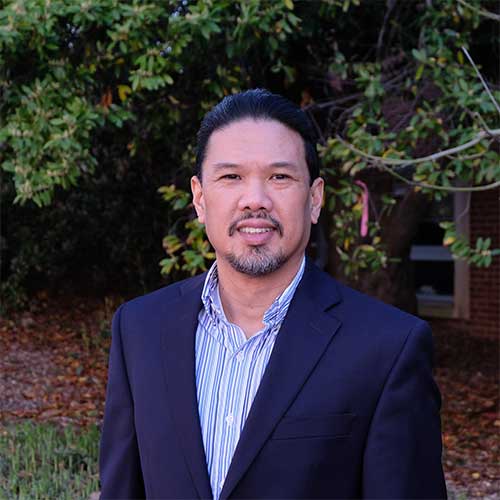
Roderick M. Rejesus is a Professor and Extension Specialist in the Department of Agricultural and Resource Economics at North Carolina State University. He holds a Ph.D. from the University of Illinois at Urbana-Champaign. His work focuses on applied production economics, agricultural risk management (including crop insurance and safety-net policies), and economic impacts of agricultural technologies. He teaches ECG 741: Agricultural Production and Supply in Fall semesters. Education: Ph.D. in Agricultural Economics, University of Illinois at Urbana-Champaign (2001) Research Interests: Dr. Rejesus examines policy-driven agricultural practices such as soil health management and cover crops, their resilience to climate extremes, and their economic implications. His work integrates empirical analysis of crop insurance mechanisms, yield risk, and environmental sustainability. He evaluates conservation programs (e.g., no-till practices) and their effects on land values and erosion. His studies often address global challenges like climate change and food security, with projects in the U.S., Philippines, and other regions. Recent Research Trends: His articles emphasize climate-smart agriculture, crop insurance dynamics under extreme weather, and policy incentives for sustainable practices. Key themes include quantifying yield sensitivity to environmental factors (e.g., warming temperatures), analyzing soil health benefits, and modeling production risk in agricultural systems. Advising & Grants: While specific grants or advisees are not listed, his role as an Extension Specialist suggests involvement in applied research partnerships with farmers and policymakers. His work often involves collaborative projects with international institutions. Labs/Teams: Affiliated with North Carolina State’s Extension programs and interdisciplinary teams focused on agricultural economics and policy.
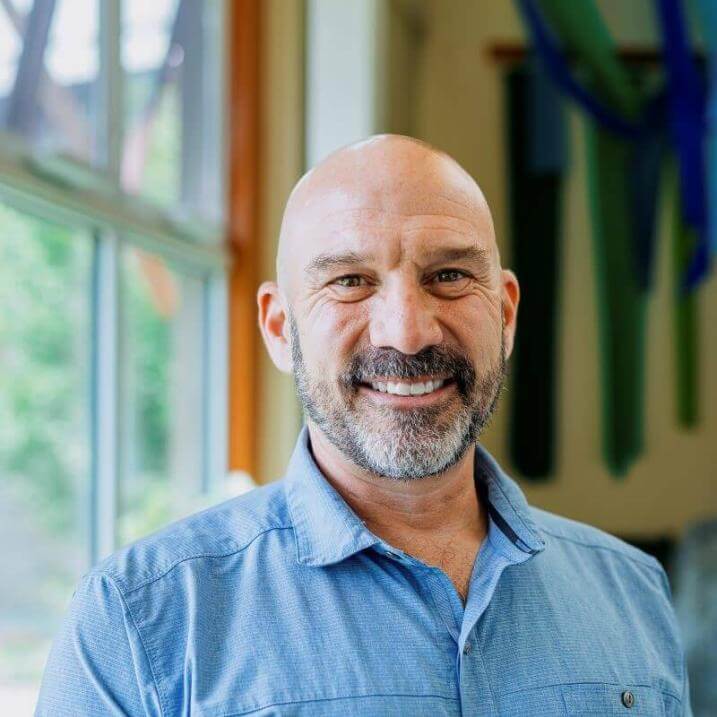
Dr. Carsten Nowak serves as Head of Conservation Genetics at the Senckenberg Research Institute and Natural History Museum Frankfurt, where he leads the national reference center for genetic analyses of wolves and lynx. His work bridges cutting-edge molecular methods with practical conservation applications, focusing on wildlife monitoring and species preservation. Since 2010, his laboratory has been responsible for central examination of all samples collected through Germany's nationwide wolf and lynx monitoring programs. Nowak's research interests center on developing highly sensitive molecular marker systems for wildlife monitoring, with particular expertise in environmental DNA (eDNA) methods and SNP chips optimized for genotyping forensic and non-invasively collected environmental samples. His work addresses critical questions in conservation biology, including inbreeding, genetic impoverishment, population origins, and human environmental impacts on genetic population structures of native species. He investigates how genetic methods can clarify previously unanswered questions in nature conservation, where data limitations often hinder efficient and targeted conservation measures. His extensive publication record (2023-2025) reveals a strong focus on wolf population dynamics across Europe, hybridization detection methodologies, and conservation genomics of endangered species like the garden dormouse. Nowak's research demonstrates sophisticated approaches to tracking animal movements across national borders, assessing genetic diversity in recovering populations, and developing practical tools for non-invasive wildlife monitoring. His work on wolf-dog hybridization has particular policy relevance as wolf populations expand across Europe. As a public-facing scientist, Nowak regularly engages with policymakers and the public through presentations, media appearances, and citizen science projects. He has participated in high-profile events including briefings for Federal Environment Minister Svenja Schulze and numerous public lectures on wildlife conservation topics. His leadership extends to coordinating international research collaborations, including the CEwolf Consortium and various transboundary monitoring networks. Nowak directs the Center for Wildlife Genetics in Gelnhausen, where his team conducts DNA-based analyses of predator-prey interactions, livestock depredation incidents, and wildlife population monitoring. His laboratory serves as the national reference center for genetic analyses of wolves and lynx in Germany, processing samples from across the country to distinguish individuals, determine relatedness, and monitor population health. The center also develops molecular methods for detecting wolf-dog hybrids and other conservation genetics applications.
Peter Newman, Ph.D., serves as Dean of the Rubenstein School of Environment and Natural Resources at the University of Vermont since July 1, 2024, and holds the Suzie and Allen Martin Professor title. With a career spanning decades, he has conducted extensive research on visitor management in protected areas, soundscape management, and transportation planning, partnering with the National Park Service's Natural Sounds and Night Sky Division since 2012. Education Ph.D. in Natural Resources, University of Vermont M.S. in Forest Resource Management, SUNY College of Environmental Science and Forestry B.A. in Political Science, University of Rochester His research focuses on social carrying capacity decision-making in protected area management, with fieldwork across major U.S. parks including Denali, Grand Canyon, and Great Smokies. He has developed frameworks for acoustic management and Leave No Trace efficacy, contributing to sustainable outdoor recreation practices. Scientific Awards: Cooperative Ecosystem Studies Unit National Award (2012) George Wright Society National Award for Achievement in Social Sciences (2013) Throughout his career, Newman has led high-quality teaching at Penn State's Graduate Degree Program in Acoustics and mentored numerous students through research projects on wildlife approach norms, pandemic recreation shifts, and waste management strategies in national parks. He previously served as a Park Ranger in Yosemite and Backcountry Patrol member in Idaho.
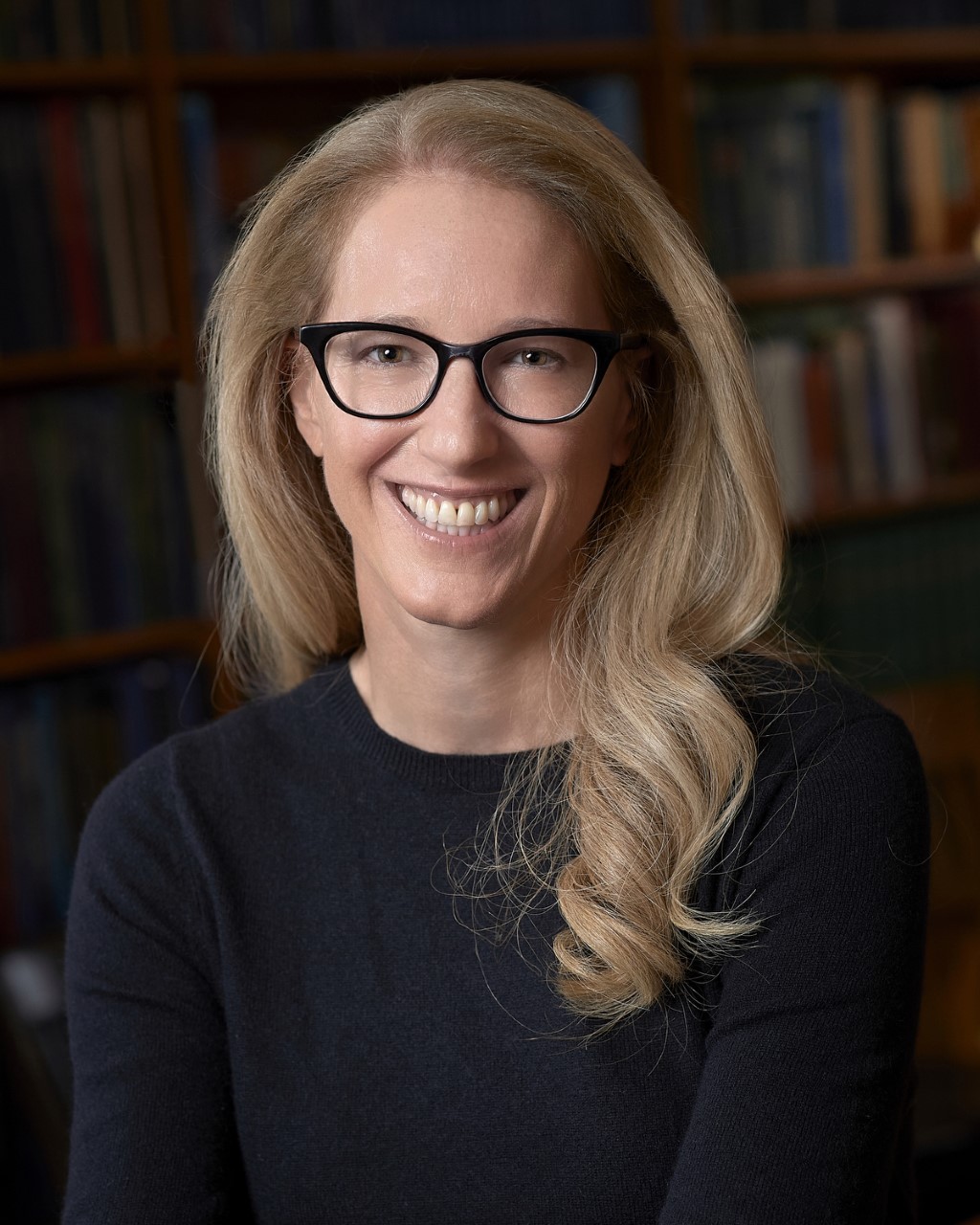
Raina Plowright serves as the Rudolf J. and Katharine L. Steffen Professor of Veterinary Medicine at Cornell University's College of Veterinary Medicine, where she leads the Department of Public & Ecosystem Health. She is also a Cornell Atkinson Scholar at the Cornell Atkinson Center for Sustainability. Previously, she was a Professor of Epidemiology at Montana State University (2022-present), Associate Professor (2020-2022), and Assistant Professor (2014-2020) in the same department. Plowright earned her B.V.Sc. Hons I (DVM equivalent) from the University of Sydney in 1997, followed by an M.S. in Epidemiology (2005) and Ph.D. in Ecology (2007) from the University of California, Davis. She completed postdoctoral training as a David H. Smith Fellow in Conservation Research at Pennsylvania State University's Center for Infectious Disease Dynamics (2009-2014). Her research program integrates evolutionary biology, ecology, environmental science, immunology, virology, and social sciences to understand and prevent zoonotic spillover—the critical first step in pandemic emergence. She leads transdisciplinary collaborations focused on WHO-priority pathogens originating in bats, with work spanning from sub-cellular to landscape scales. Her team investigates how land-use change, climate variation, and social vulnerability drive pathogen emergence, identifying practical strategies for prevention. Her Plowright Lab and Bat One Health Research Group conduct field studies, laboratory experiments, and predictive modeling to generate actionable insights for public health strategies. Analysis of her recent publications reveals a consistent focus on understanding the ecological and physiological mechanisms driving viral spillover from bats to other species. Her work increasingly emphasizes practical interventions and policy recommendations for pandemic prevention, moving beyond simply understanding spillover mechanisms to implementing ecological countermeasures. Recent research has particularly examined the role of bat nutrition and metabolism in viral shedding dynamics, the spatial and temporal patterns of viral excretion in reservoir hosts, and the development of comprehensive frameworks for primary pandemic prevention. Elected to the National Academy of Medicine (2023) Elected as Fellow of the American Association for the Advancement of Science (2022) Charles and Nora Wiley Award for Meritorious Research (2022) Rudolph J. and Katharine L. Steffen Professorship (2023) DARPA Young Faculty Award (2016) David H. Smith Fellowship in Conservation Research (2009) Plowright co-chairs the Lancet Commission on Prevention of Viral Spillover and serves on the NSF Advisory Committee for Environmental Research and Education. Her research has received significant funding from organizations including DARPA, NSF, and the Morris Animal Foundation. She leads the Plowright Lab and Bat One Health Research Group, which conduct interdisciplinary research spanning field studies, laboratory experiments, and modeling approaches to understand and prevent zoonotic disease emergence. Her laboratory maintains active collaborations with researchers across multiple institutions and countries, working closely with wildlife managers, public health officials, and communities to develop practical strategies for pandemic prevention. The lab's approach emphasizes the integration of ecological knowledge with public health practice through the One Health framework.
Maricela De la Torre Castro is a Professor of Natural Resource Management at Stockholm University , affiliated with the Department of Physical Geography . Her research focuses on coastal and ocean governance through a social-ecological systems lens, emphasizing gender dynamics , seagrass conservation , and climate change adaptation in tropical coastal communities. BSc in Oceanology (Universidad Autonoma de Baja California) MSc, PhD, and Docent in Natural Resource Management (Stockholm University) Her work examines seagrass ecosystem services , small-scale fisheries governance , and gendered impacts of marine protected areas . Recent studies analyze: 2025: Habitat loss risks from seaweed cultivation 2024: Gender-poverty dynamics in Zanzibar MPAs 2022: Adaptive capacity differences between genders 2021: Blue Justice frameworks for fisheries governance Active projects include SEAgender (Swedish Research Council) analyzing gendered effects of MPAs . She supervises PhD candidates in tropical marine systems and has extensive experience with EU Erasmus programs and UNDP collaborations . Research emphasizes hybrid methods , cultural value mapping , and interdisciplinary monitoring of coastal initiatives.
Caitlyn Hall is a Joint Assistant Professor of Practice in Hydrology and Atmospheric Sciences, Assistant Professor of Practice in Biosystems Engineering, and Director of the Future Earth Resilience minor program at the W.A. Franke Honors College. She founded the Arizona Science Policy Network and advises decision-makers on equitable legislation. Her roles span multiple departments at the University of Arizona, integrating environmental science with policy and community engagement. Educations: PhD in Environmental Engineering, Arizona State University BS and MS in unspecified fields from the University of Arizona Research Interests: Hall focuses on environmental justice, natural hazard resilience, and science policy, particularly in water governance, sustainability, and soil/water remediation. Her work emphasizes community-driven solutions and equitable policy development, leveraging transdisciplinary approaches to address climate adaptation and disaster recovery. She has pioneered efforts in open science and inclusive geoscience education. Articles Trends: Her recent publications emphasize integrating earth observation technologies with policy, advancing microbial-based ground stabilization techniques, and promoting equity in post-disaster recovery. Key themes include climate action frameworks, cross-cultural sustainability solutions, and open hydrology practices. Awards: No specific awards listed. Advising & Grants: Leads the Future Earth Resilience minor program and advises policymakers on legislative frameworks. Active in curriculum development for interdisciplinary environmental studies and community-driven research initiatives. Labs/Teams: Founder of the Arizona Science Policy Network, collaborates with global hydrology platforms like eWaterCycle, and engages in initiatives addressing US-Mexico border sustainability challenges.
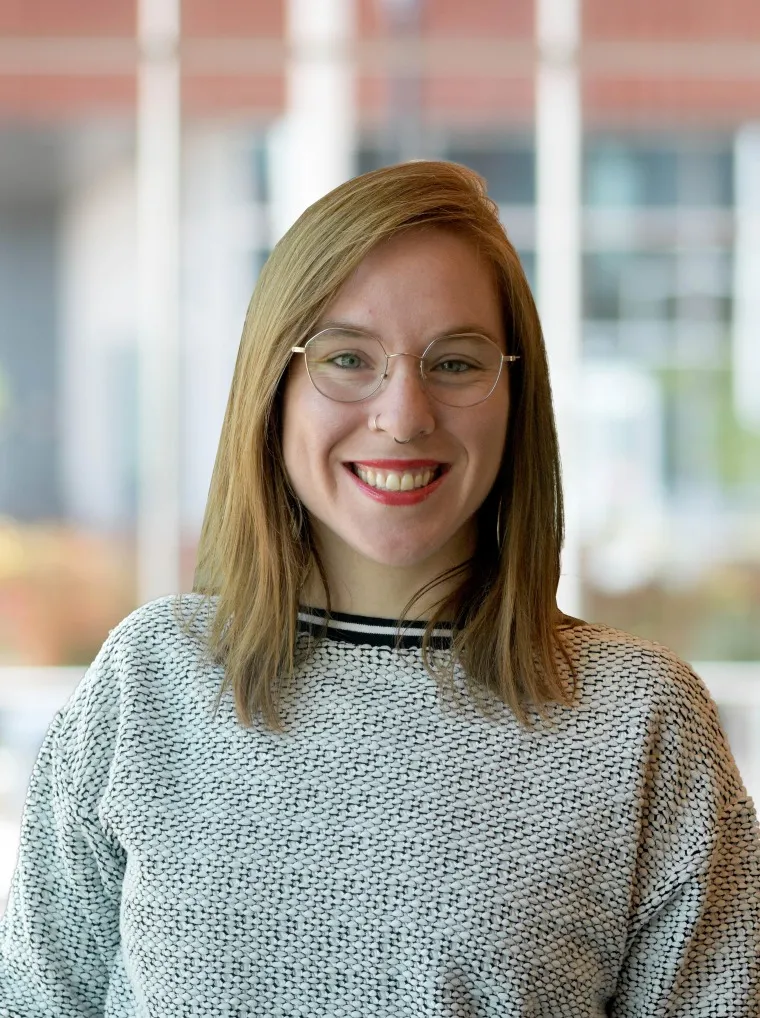
Sarah W Fitzpatrick is an Associate Professor at the Kellogg Biological Station, Michigan State University, with a focus on evolution, ecology, and conservation of natural populations. Her research integrates genomic tools, mark-recapture methods, and experiments to study gene flow, drift, and selection in population dynamics. University: Michigan State University School: Kellogg Biological Station Department: Integrative Biology Email: sfitz@msu.edu Research Interests: Her work emphasizes genetic rescue mechanisms, population persistence under environmental stress, and the interplay of genomic variation with conservation strategies. Key areas include adaptive traits, demographic modeling, and wildlife management. Recent Publications: Her studies span from 2025 to 2009, with a focus on genetic rescue in endangered species (e.g., Florida Scrub-Jays, Trinidadian guppies), genomic tools in conservation, and environmental stress effects on populations. Articles highlight translocation strategies, local adaptation, and microbiome interactions.
Anna Pidgeon is Professor in the Department of Forest and Wildlife Ecology at University of Wisconsin-Madison. Her research addresses habitat requirements of vertebrate species, particularly birds, within human-modified landscapes. Pidgeon investigates conservation challenges through habitat suitability modeling, landscape connectivity analysis, and remote sensing applications. Research integrates field surveys with satellite-derived metrics like Dynamic Habitat Indices to predict biodiversity patterns across scales. Current studies examine how climate change and land-use alter habitat resilience, with projects spanning Wisconsin forests, Patagonian ecosystems, and tropical regions. Methodological innovations include texture analysis of satellite imagery to quantify habitat heterogeneity. Educational background includes PhD in Wildlife Ecology from UW-Madison (2000), MS from Central Washington University (1995), and BS degrees from University of Minnesota in Life Science Education (1989) and Wildlife Management (1983).
Sébastien Jacquot is an Assistant Professor of Geography at Université Paris 1 Panthéon Sorbonne, affiliated with the IREST department (tourism studies) and the EIREST research team. His research focuses on the intersections of heritage, tourism, urban studies, and metropolitan development. He holds a PhD in geography examining socio-urban transformations in World Heritage Sites like Valparaíso, Liverpool, and Genoa. Current research priorities include heritage tourism dynamics, informality in tourism contexts, and the application of big data to tourism analysis. Education: PhD in Geography from Université Paris 1, specializing in heritage and urban transformations. Research locations span Paris, Chile, Italy, Liverpool, and Buenos Aires. His work emphasizes political dimensions of urban studies through a geographical lens. Research interests include: heritage tourism, metropolitan suburbs as tourist destinations, World Heritage Site management, and the role of informal sectors in tourism economies. His publications bridge theoretical frameworks with empirical studies in global contexts. Recent articles explore topics like migrant presence in Parisian tourism narratives, urban regeneration conflicts in Liverpool, and heritage valorization strategies in African contexts. Sessions at international conferences highlight his engagement with alternative heritage production and urban tourism trends. No scientific awards explicitly mentioned. Active in collaborative research teams and academic events.