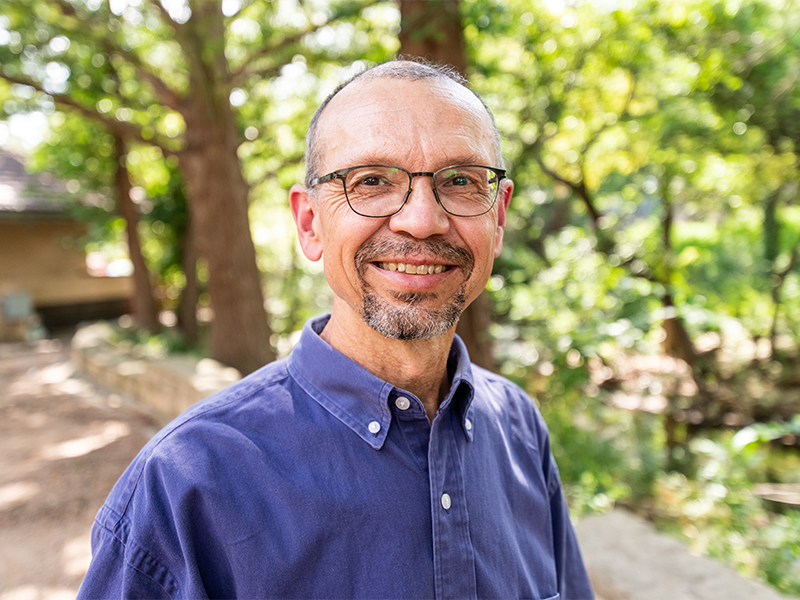
Matthew J. Hall is a Professor in the Department of Mechanical Engineering at the University of Texas at Austin , where he also holds the Louis T. Yule Fellowship in Engineering . He has been a faculty member since 1991 and is affiliated with the Cockrell School of Engineering . His research spans engine combustion processes , thermal fluids systems , engine controls , optical diagnostics , battery safety , and alternative fuels . He is particularly known for his work on cold-start emissions , spark ignition , engine friction reduction , and thermoelectric energy recovery . He teaches courses in Thermodynamics , including modeling of power cycles and HVAC systems , and has published over 150 technical articles. His recent work includes innovations in ammonia combustion , biomass gasification , and advanced engine diagnostics . Scientific Awards & Honors: Fellow of the Society of Automotive Engineers (SAE) Louis T. Yule Fellowship in Engineering Associate Editor, SAE International Journal of Engines Research Impact & Leadership: Prof. Hall leads multidisciplinary efforts in combustion science , energy systems , and sustainable propulsion . His lab has contributed to reducing engine friction by up to 40%, improving fuel efficiency at idle, and advancing the use of ammonia as a low-carbon fuel. He also explores thermoelectric generators for extending drone flight range and improving vehicle energy recovery systems.
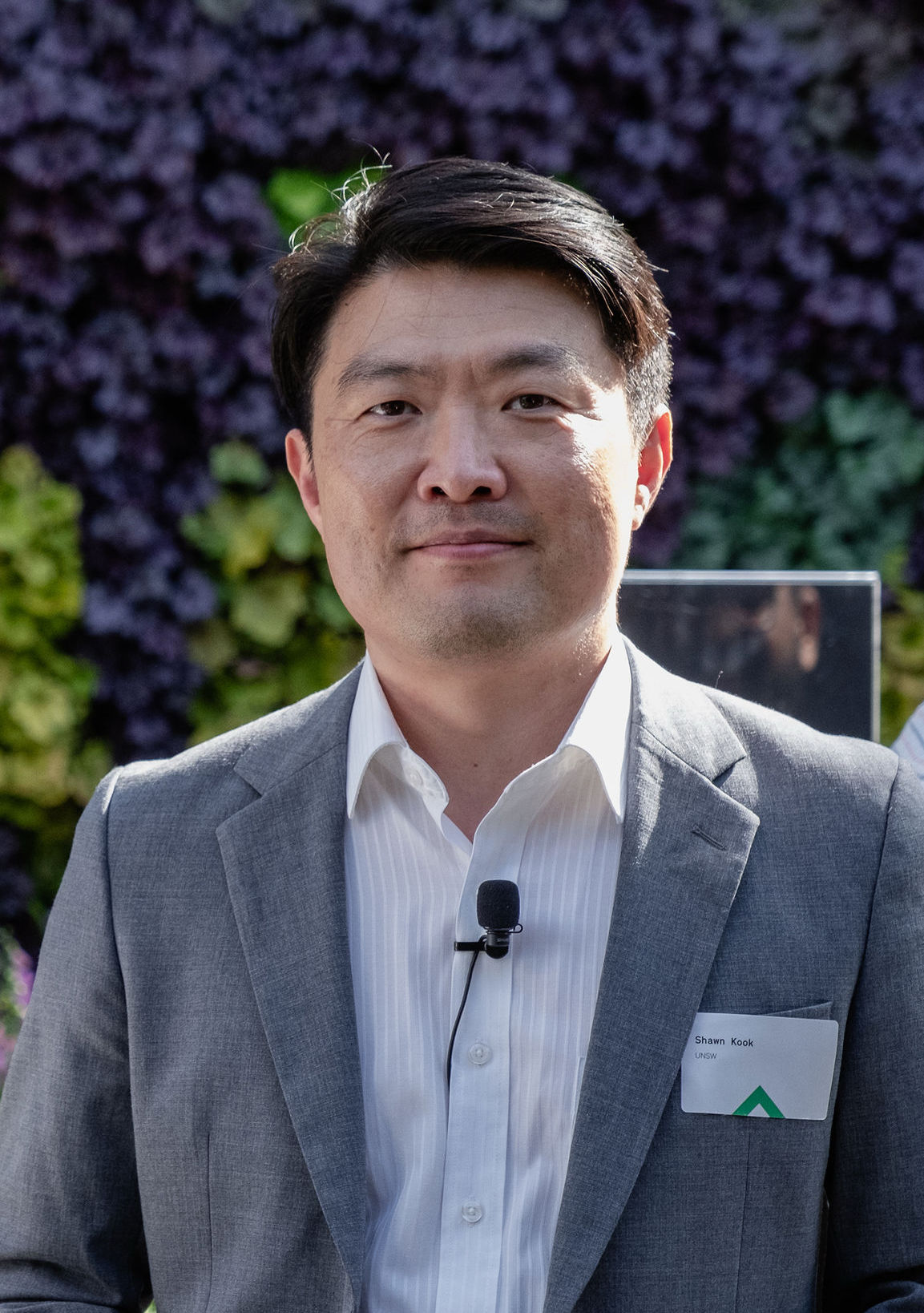
Professor Shawn Kook is a faculty member at the University of New South Wales (UNSW), where he directs the UNSW Engine Research Laboratory and conducts cutting-edge research in engine technologies and sustainable powertrain systems. His work focuses on developing new powertrain technologies for carbon neutral fuel combustion across various applications. His research expertise spans multiple critical areas: Internal Combustion Engines (Petrol/Gasoline, Diesel, Gasoline Compression Ignition, Dual-Fuel) Alternative Fuels (Hydrogen, Ethanol, Biodiesel, Natural Gas, Kerosene, Gas-To-Liquid) Optical Engines and Laser-based Imaging Diagnostics In-cylinder Flow Fields, Turbulence, and Combustion Processes Pollutants Formation (Soot, Particle Morphology, NOx, HC, CO, CO2) Professor Kook's research program investigates new diesel compression-ignition (CI) and petrol spark-ignition (SI) engines developed for high efficiency and low air-polluting emissions, including cooperation with other power generation methods such as gasoline-electric hybrids. His carbon neutral fuel research encompasses hydrogen, ethanol, methanol, jet fuel, biodiesel, and other renewable source fuels. The recent publications show a strong trend toward hydrogen combustion, optical diagnostics of in-cylinder processes, and alternative fuel research with emphasis on emissions reduction. He actively supervises research students focusing on internal combustion engines, CI engines, SI engines, energy & fuels, turbulence, and hydrogen technologies. Professor Kook has also founded DeCarice Pty Ltd, a UNSW spinout company where he serves as co-founder and chief technology officer, demonstrating his commitment to translating research into commercial applications.
Malay Kumar Das is a Professor in the Department of Mechanical Engineering at the Indian Institute of Technology Kanpur, specializing in Fluid and Thermal Science. His academic journey includes a PhD from Pennsylvania State University (2008), M.Tech from IIT Kanpur (2003), and B.E. from Bengal Engineering College, Shibpur (1989). Previously, he worked at the West Bengal Power Development Corporation from 1990 to 2001 before transitioning to academia. His research focuses on Energy Conversion and Storage, Hydrodynamic Instability, and Thermal Science. Dr. Das's work bridges fundamental fluid dynamics with practical applications in energy systems and biomedical engineering. His expertise spans computational fluid dynamics, heat transfer phenomena, and energy conversion technologies. Analysis of Dr. Das's recent publications reveals a strong trend toward interdisciplinary research, particularly at the intersection of fluid mechanics with biomedical applications (such as blood flow modeling in cerebral aneurysms) and sustainable energy technologies (including fuel cells, methane production, and nanofluid applications). His work demonstrates both theoretical depth and practical relevance to contemporary engineering challenges. Dr. Das actively supervises research students, currently guiding 9 PhD candidates and having successfully completed 22 MTech theses with 3 more in progress. His professional activities reflect a commitment to advancing knowledge in thermal and fluid sciences while training the next generation of engineers. Outside academic pursuits, he engages in adventure sports, photography, and aerobics.
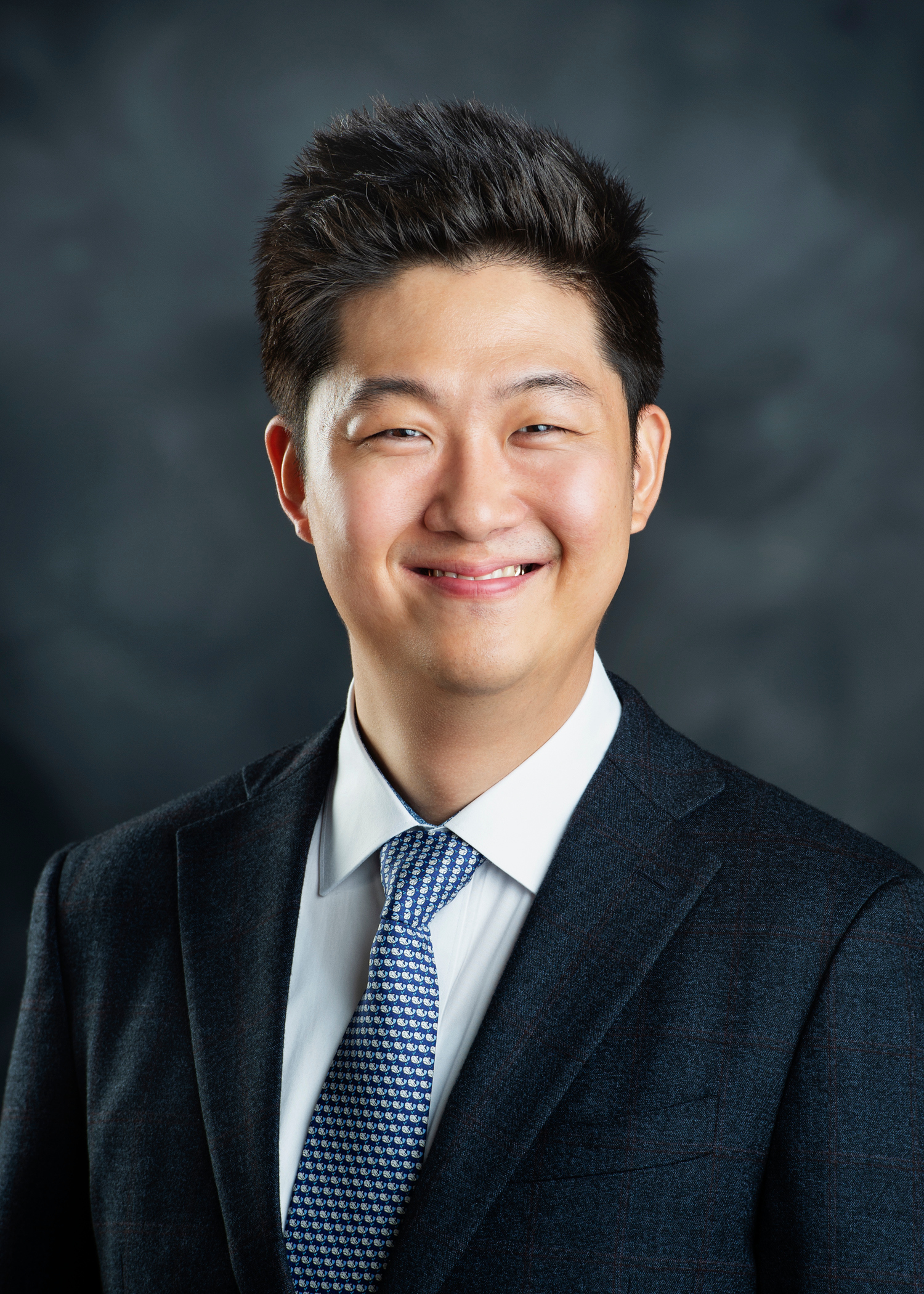
Joonsik Hwang is an Assistant Professor at the Michael W. Hall School of Mechanical Engineering, Mississippi State University (MSU), USA. He holds positions in both the Center for Advanced Vehicular Systems (CAVS) and the Mechanical Engineering department. His research focuses on advanced propulsion systems, spray dynamics, and combustion optimization, particularly in compression ignition engines and alternative fuels. Education: Dr. Hwang earned his Ph.D., M.S., and B.S. in Mechanical Engineering from the Korea Advanced Institute of Science and Technology (KAIST), Republic of Korea, in 2017, 2013, and 2011, respectively. Research Interests: His work emphasizes plasma-assisted ignition, biofuel combustion, soot particle characterization, and high-speed optical diagnostics. He employs CFD simulations and experimental techniques like transmission electron microscopy (TEM) and 3D tomography to study fuel spray behavior and engine performance. Publications: His research spans combustion optimization, fuel injection dynamics, and emission reduction. Recent trends include machine learning for spray modeling, hydrogen jet analysis, and cold-start engine performance. His articles address both fundamental combustion science and practical applications in automotive systems. Awards: 2017 KAUST Travel Fellowship, 2017 ISEES Best Thesis Award, 2016 KSAE Research Award Lab: He directs the Advanced Propulsion & Spray Laboratory at MSU, focusing on innovative propulsion technologies and sustainable fuel systems. His lab collaborates with institutions like Sandia National Laboratories and the Engine Combustion Network (ECN).
Guillaume De Sercey is a Senior Lecturer at the University of Brighton's School of Architecture, Technology and Engineering within the Advanced Engineering Centre. His research focuses on optical techniques for flow measurement (e.g., LIF, PIV), internal combustion engines, spray imaging, cryogenics, and energy storage systems. He has been involved in collaborative projects such as SHAPE UK (Innovate UK), CEREEV (EU), and E3C3 (INTERREG), addressing topics like marine diesel engine oil atomization, hydrogen port ecosystems, and energy efficiency. Key research interests include atomization processes, nozzle dynamics, droplet size analysis, and cryogenic fluid behavior in supercritical environments. He has supervised postgraduate students in spray imaging and fuel-related studies. Collaborations span industries like Ricardo and BP, alongside academic partners in France and across Europe. His work has led to over 35 peer-reviewed publications since 2001, with recent articles emphasizing superheated flash-boiling atomization, ammonia combustion in spark-ignition engines, and cryogenic jet dynamics. He actively participates in workshops and conferences on ammonia utilization and advanced imaging techniques.
Sławomir Wierzbicki is a Professor at the Department of Mechatronics, Faculty of Technical Sciences, University of Warmia and Mazury in Olsztyn, Poland. He is actively engaged in research, publication, and doctoral supervision, with a strong focus on mechanical and automotive systems, renewable energy, and engine technologies. Research Interests: His work spans mechatronic systems, internal combustion engines, biofuels, alternative gaseous fuels (biogas, natural gas), engine diagnostics, vibration analysis, and emissions control. He applies both experimental and numerical modeling techniques to optimize engine performance and sustainability. The recent publications analyzed show a consistent focus on alternative fuels , particularly biofuels and dual-fuel systems , engine performance and emissions , and diagnostic methods using signal and image analysis. His research bridges mechanical engineering with environmental and energy sustainability goals. Scientific Contributions: 66 publications Over 1,000 citations (Google Scholar) H-index: 18 (Google Scholar) Active supervision of doctoral students Leadership in a dedicated research lab Advising and Grants: He currently supervises one doctoral student and is willing to take on another. He has funding and infrastructure available for new PhD projects, particularly in mechatronic systems and renewable energy applications. His collaborations include researchers from Poland and abroad, and he frequently co-authors with experts in biofuels and engine systems. Laboratory and Team: He leads 'Sławomir Wierzbicki's Lab' at UWM, focusing on experimental setups for dual-fuel engines, diagnostics, and renewable fuel testing. His team works on integrated control systems, signal visualization, and performance optimization in real-time environments.
Dr. Angad Panesar is a Principal Lecturer (Associate Professor) in Mechanical (Energy) Engineering at the University of Brighton, School of Architecture, Technology and Engineering. He is based at the Advanced Engineering Centre and leads the Sustainable Technology & Engineering Projects (STEP) Lab. His roles include research leadership in sustainable energy, course pathway development, and student engagement within the Faculty. PhD in Mechanical (Energy) Engineering MPhil in Mechanical (Energy) Engineering, City University London MSc (Distinction) in Mechatronics, King's College London BEng (First Class Honours) in Mechanical Engineering, University of Greenwich PGCert HE (Merit) GradWeld I, The Welding Institute Certifications in Management, Leadership, Business, and Philosophy Dr. Panesar's research focuses on sustainable energy technologies , particularly waste heat recovery , thermal energy storage , advanced thermodynamic cycles , and low-carbon fuels like ammonia and hydrogen. His work spans simulation and experimental methods, targeting transport and stationary applications. He investigates organic Rankine cycles , liquid air energy storage , split cycle engines , and emissions reduction . His research integrates life cycle assessment , techno-economic evaluation , and exergy analysis to assess environmental and economic impacts. The recent articles reflect a strong trend in decarbonizing marine and automotive propulsion using ammonia and hydrogen , advanced waste heat recovery systems , and thermal storage integration . His work bridges fundamental research with industrial application, focusing on technology readiness level advancement and system-level optimization . Best Paper Award, International Conference on Production, Energy and Reliability 2014 Substantial Speaker, Thermal Management Systems Symposium 2016 Fellow of the Higher Education Academy 2018 Multiple teaching excellence awards (2017–2023) Best Presentation Awards, University of Brighton 2013 & 2014 Bronze Award, University of Greenwich Accommodation Services 2007 Dr. Panesar has secured significant research and knowledge exchange funding from Innovate UK , EPSRC , and Advanced Propulsion Centre , totaling over £500K in projects such as RE-ARMD, SUCCES, and MariNH3. He has supervised numerous PhD, master's, and undergraduate students on authentic industrial projects and leads the STEP Lab, fostering tutor-student collaboration. He has delivered CPD training for global companies like BorgWarner and supervised student teams in competitions like Formula Student and the London-to-Brighton EV Rally. He is actively involved in the Advanced Engineering Centre and the Thermal Efficiency Spoke of the Advanced Propulsion Centre. His lab, the Sustainable Technology & Engineering Projects (STEP) Lab , serves as a hub for solving real-world energy challenges through collaborative, student-centered research and innovation.
Martin Tunér is a Professor in the Department of Energy Sciences at Lund University's Faculty of Engineering (LTH), specializing in combustion engines and sustainable transportation systems. His research focuses on renewable fuels, advanced combustion strategies, emission reduction technologies, and hybridization, contributing directly to UN Sustainable Development Goals (SDGs) like climate action and affordable clean energy. Key research areas include: Experimental combustion analysis for efficiency optimization Exhaust gas recirculation and heat loss reduction Characterization of C1-C4 alcohol fuels Marine engine dual-fuel combustion Interdisciplinary collaboration with aerosol scientists and laser diagnostics experts His recent work demonstrates trends toward methanol combustion analysis, biofuel integration, and computational modeling of engine dynamics. Collaborations extend internationally across academia and industry. Teaching activities include engine technologies and vehicle systems, with leadership in Lund's Formula Student project where 30-40 students annually design competitive racing vehicles.
Nuremberg Institute of Technology Georg Simon OhmGermany
Georgios Bikas serves as Professor at Georg Simon Ohm University of Applied Sciences, Nuremberg within the Faculty of Engineering and Institute for Vehicle Technology since April 2017. His professional trajectory spans leading automotive engineering roles at Delphi Powertrain Systems, Ricardo Deutschland GmbH, GE Global Research, Hyundai, and Ford Motor Company. His educational foundation includes a Doctorate (Dr.-Ing.) from RWTH Aachen University (1996-2002) where he conducted combustion research at the Institute of Technical Mechanics. Professor Bikas's research centers on Internal Combustion Engine innovation through Big Data Analytics, developing high-resolution virtual sensors (> kHz) for emissions monitoring and digital twin applications. His work advances diesel spray characterization, flash boiling phenomena, and engine testing across conventional and alternative fuels (CNG, OME, e-fuels). Current projects focus on in-situ data analysis and physically-based crank angle resolved models for air path, mixture formation, and emissions prediction. Analysis of his 15 most recent publications reveals dominant trends in emissions modeling (particularly NOx and CO) using quasi-dimensional multi-zone approaches, alongside growing integration of machine learning for real-time embedded systems. His research bridges fundamental combustion science with practical automotive applications, increasingly emphasizing sustainable fuel alternatives and regulatory compliance. He maintains active laboratory operations at the Institute for Vehicle Technology's engine test facilities, directing research on combustion diagnostics and injection systems. His teaching portfolio includes core courses in Piston Engines, Fluid Mechanics, and Experimental Methods in Automotive Engineering, alongside specialized labs for combustion and injection research.
Dr. Abinash Biswal is a Research Fellow in the Department of Mechanical and Aerospace Engineering within Brunel University London's College of Engineering, Design and Physical Sciences. His research focuses on sustainable propulsion technologies for low-carbon transportation systems through advanced fuel engineering. His educational background includes: M.Tech in Thermo-Fluid Engineering from Indian Institute of Technology, Hyderabad, India Ph.D. in Thermo-Fluid Engineering from Indian Institute of Technology, Hyderabad, India Dr. Biswal's research spans alternative fuels, combustion optimization, and emissions reduction in internal combustion engines. He specializes in experimental validation of sustainable fuel solutions including lemon peel oil, hydrogen, and advanced biofuel blends. His work integrates kinetic modeling with empirical testing to develop practical applications for spark ignition and gasoline direct injection engines, targeting zero-emission transport solutions through innovative fuel formulations and engine modifications. Analysis of his 11 publications (2016-2025) reveals a strategic evolution from biofuel characterization toward hydrogen-based zero-carbon technologies. Early work focused on biofuel blends (2016-2020), while recent studies (2022-2025) emphasize hydrogen integration, downsized engines, and advanced injection techniques. The research consistently addresses performance-emissions tradeoffs with increasing sophistication in experimental methodology. Dr. Biswal actively contributes to the 'Advanced fuel and propulsion technologies for future low/zero carbon transport' research initiative. His collaborative publications demonstrate extensive teamwork with international researchers across mechanical engineering and energy disciplines, though no student supervision is documented in available materials.
Jaclyn Johnson is a Teaching Professor in the Department of Mechanical and Aerospace Engineering at Michigan Technological University. She leads research on diesel spray and combustion, optical diagnostics, and alternative fuel applications. Her work focuses on improving engine efficiency and emissions reduction through advanced diagnostics and modeling. Education: PhD, Mechanical Engineering, Michigan Technological University MS, Mechanical Engineering-Engineering Mechanics, Michigan Technological University BA, Physics, Illinois Wesleyan University Research interests include diesel spray characterization, spark ignition mechanisms, and thermophysical property modeling. She specializes in optical diagnostics (e.g., laser-induced incandescence) and computational fluid dynamics (CFD) for spray analysis. Her recent work explores fuel spray dynamics under engine-relevant conditions and biofuel applications in combustion systems. Publications focus on diesel spray penetration, combustion vessel characterization, and alternative fuel integration. Her studies bridge experimental and numerical approaches to address challenges in internal combustion engine design. No scientific awards are listed, but her contributions span over 15 peer-reviewed articles and book chapters. She has advised no named students but contributes extensively to graduate research through her teaching and lab work. Her research leverages the MAE department's combustion vessel laboratory for advanced optical measurements.
Federico Millo is a Full Professor at the Department of Energy (DENERG), Politecnico di Torino, and Deputy Director of CARS@PoliTO Interdepartmental Center for Automotive Research and Sustainable Mobility. He serves as Scientific Advisor for partnership agreements with DUMAREY, FERRARI, FEV ITALIA, and EARPA. Contact: federico.millo@polito.it Research Leadership : Leads projects on hydrogen ICE, hybrid propulsion, and CO2 reduction. Key Collaborations : IFP Energies nouvelles (France), Universidad Politécnica de Valencia (Spain), CUNA automotive association. Research Focus : Alternative fuels (hydrogen, HVO, biofuels) Internal combustion engine optimization Vehicle emission control systems Hybrid electric powertrains Computational modeling (CFD, GT-Power, LES) Thermal management for sustainable mobility Article Highlights : Recent work covers hydrogen ICE combustion modeling, ducted fuel injection for soot reduction, predictive calibration techniques, and hybrid powertrain optimization. Projects align with SDGs 7, 9, 11, and 13. Awards : SAE McFarland Award (2013) SAE Fellow (2015-) SAE Excellence in Oral Presentation (2011) HONDA Initiation Grant (2011) Academic Leadership : Chairs international conferences (SAE, SIA) and serves as Scientific Director for hydrogen ICE research agreements. Supervises 20+ PhD students in energy and automotive engineering. Laboratory : Heads the Engines, Energy, and Environment (E3) research group, conducting experimental and numerical analyses on combustion processes, emission control, and sustainable powertrains.
Dr. Stefania Esposito is a Lecturer in the Department of Mechanical Engineering at the University of Bath. Her research focuses on future combustion systems, including internal combustion engines, alternative sustainable fuels (hydrogen, methanol), and pollutant emission modeling. She holds a PhD from RWTH Aachen University (2020), an MSc from the University of Bologna (2015), and a BSc from Università di Cassino e del Lazio Meridionale (2013). Her work aligns with UN Sustainable Development Goals, emphasizing clean energy and environmental sustainability. Key projects include the Royal Society-funded 'Characterization of Ammonia Injection Process for Carbon-Free Propulsion' and the JLR Prosperity Partnership exploring low-emission automotive technologies. Dr. Esposito’s research outputs span combustion modeling, hydrogen and methanol fuel systems, and emission control. She collaborates on advanced propulsion systems and has published extensively in journals like International Journal of Hydrogen Energy and Journal of Engineering for Gas Turbines and Power . Her expertise includes computational fluid dynamics (CFD), experimental validation, and data-driven approaches for engine optimization.
Karl Giles serves as a Principal Engineer in Hydrogen Propulsion and holds an Honorary/Visiting Staff position at IAAPS (Institute for Advanced Automotive Propulsion Systems), University of Bath. His work focuses on advancing automotive propulsion technologies through rigorous research in internal combustion systems and emerging hydrogen applications. He earned his PhD from the University of Bath in 2018 with thesis research on abnormal combustion phenomena in highly boosted spark ignition engines, supervised by Professor Chris Brace and Dr. Sam Akehurst. Dr. Giles' research spans Internal Combustion Engines, Hydrogen Propulsion, Combustion Modeling, Engine Performance, Spark Ignition Engines, and Direct Injection. His methodology integrates empirical modeling with experimental validation to address efficiency and emissions challenges in modern engine design, particularly for downsized, highly boosted configurations. His publication record reveals consistent innovation in combustion optimization, with recent work emphasizing thermodynamics-based data-driven modeling, water injection effects on knock mitigation, and octane response characterization. These contributions target critical industry needs for sustainable propulsion systems while maintaining performance standards. Scientific Awards: No awards documented in available sources Dr. Giles has secured significant research funding through two major projects: the Innovate UK-funded Heavy Duty CVT initiative (2021-2022) focusing on powertrain electrification, and the Bath IMI collaboration with Professor Chris Brace (2017-2018) exploring aviation propulsion systems. While no student advisement is recorded, his collaborative approach spans industry and academic partnerships. He operates within IAAPS, University of Bath's flagship automotive research facility featuring state-of-the-art engine test cells and hydrogen propulsion laboratories, driving innovation in next-generation propulsion technologies.
Andrea Piano is a Fixed-term tenure-track assistant professor in the Department of Energy (DENERG) at Politecnico di Torino. His scientific disciplinary sector is IIND-06/A - Fluid Machinery within Area 0009 - Industrial and Information Engineering. He serves as an invited member of both the College of Chemical and Materials Engineering and the College of Mechanical, Aerospace, and Automotive Engineering. His research interests focus on internal combustion engines, particularly hydrogen-fueled systems, fluid machinery, and alternative fuels. Specializes in hydrogen internal combustion engine development Expertise in turbulent jet ignition systems Research on ducted fuel injection technology Focus on engine emissions control and alternative fuels Application of CFD simulations for engine optimization His recent publications demonstrate a strong focus on hydrogen engine technology, with particular emphasis on direct injection processes, combustion optimization, and emissions reduction. The research spans both experimental and numerical methodologies, with increasing attention to commercial applications of alternative fuel technologies. As a research supervisor, he guides numerous PhD students working on advanced engine technologies, particularly in the Energetics program. His research projects include significant commercial contracts related to alternative fuels, ammonia combustion, and advanced injection systems. Dr. Piano is actively involved with Research Group E3 (DENERG), contributing to cutting-edge developments in sustainable engine technologies and alternative fuel applications.