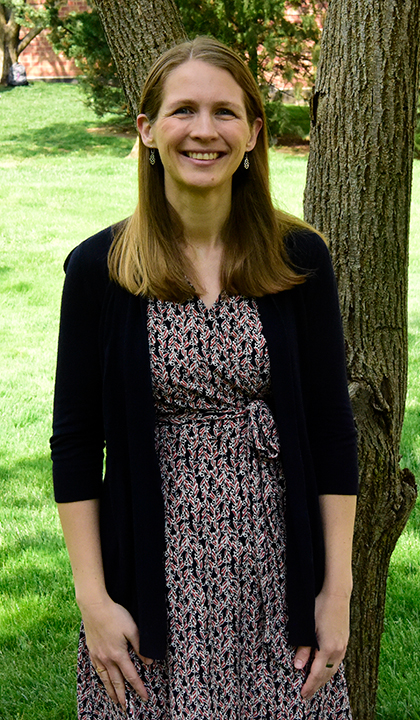
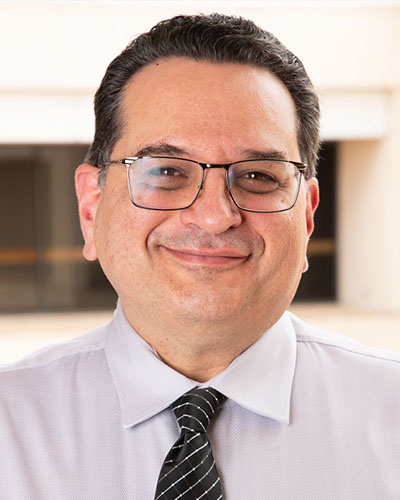
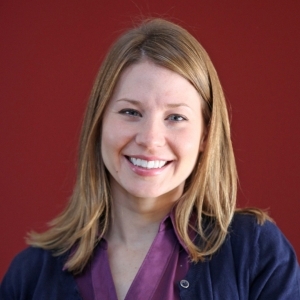
Christina García, Ph.D., is an Associate Professor of Spanish at Saint Louis University's Department of Languages, Literatures, and Cultures, within the College of Arts and Sciences. She specializes in Phonetics, Phonology, Sociolinguistics, and Second Language Acquisition, with a focus on Ecuadorian Spanish. Dr. García teaches courses such as Spanish Phonetics & Phonology, Spanish for the Health Professions, and Spanish in the World. Education: Ph.D., The Ohio State University, 2015 M.A., The Ohio State University, 2011 B.A., The Ohio State University, 2009 Her research interests emphasize the application of phonological principles to language teaching and the sociolinguistic variation of Spanish. She is a member of the Professional Latino Action Network (PLAN), reflecting her community engagement. Awards: 2017 Saint Louis University Faculty Commitment to Experiential Learning Award No advising or grant details are explicitly mentioned. She is affiliated with Morrissey Hall, Saint Louis, MO.
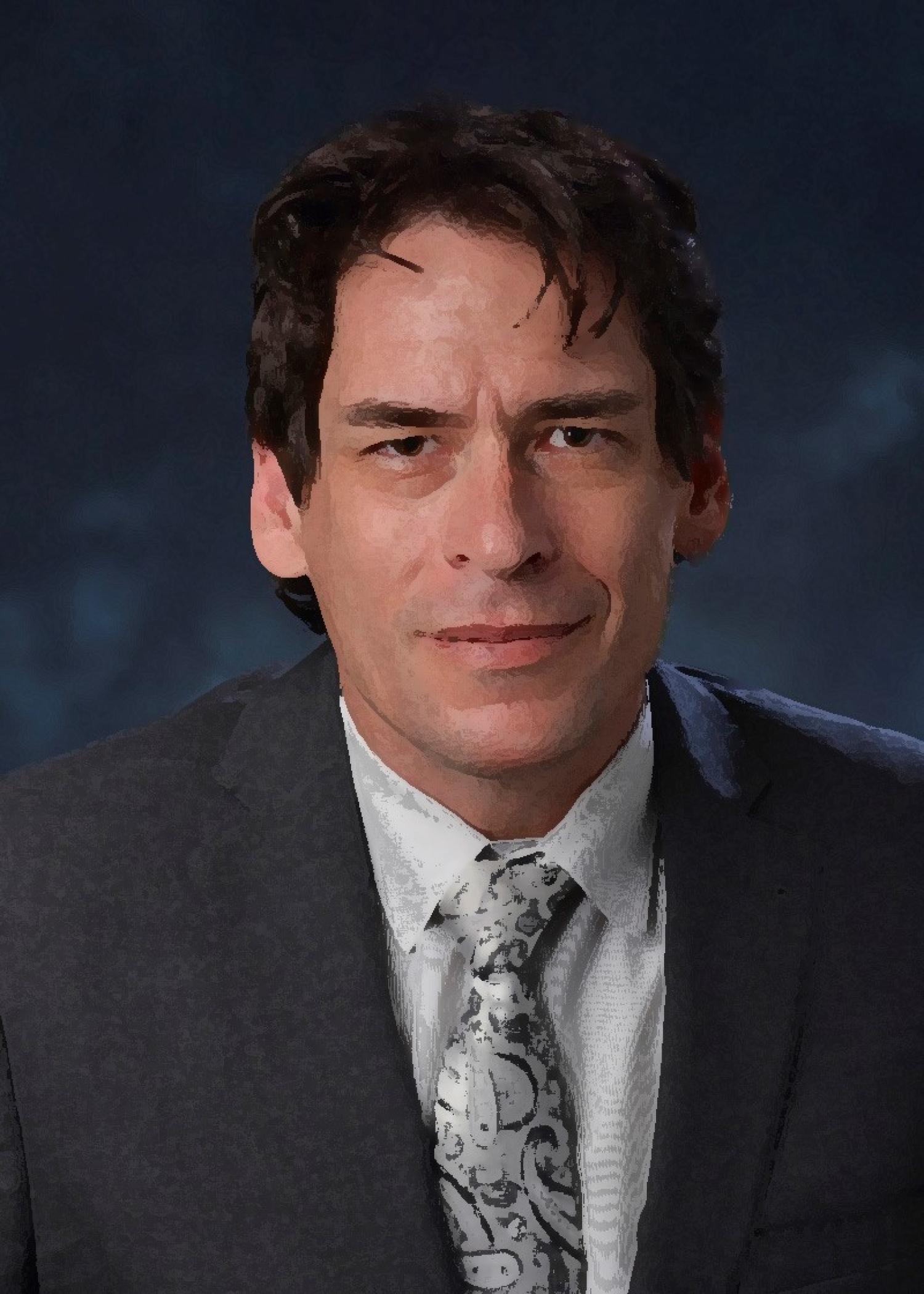
Dr. Patrick J. McNamara is an Associate Professor in the Department of Civil, Construction and Environmental Engineering at Marquette University's College of Engineering. He directs the McNamara Research Group, which focuses on understanding how chemicals from consumer products impact public health and the environment once they pass through water treatment systems. His research bridges environmental engineering and microbiology to address critical water quality challenges facing modern infrastructure. Dr. McNamara's educational background includes: Ph.D., 2012, Civil Engineering, University of Minnesota, Twin Cities M.S., 2008, Environmental and Water Resources Engineering, University of Texas at Austin B.S., 2006, Civil Engineering (Minor - Spanish for the Business Professions), Marquette University His research program investigates how consumer product chemicals impact engineering treatment processes that rely on healthy bacteria to treat water. The McNamara Research Group develops non-traditional treatment processes to remove these chemicals from water and mitigate their environmental effects. His work spans antibiotic resistance in water systems, micropollutant removal technologies, pyrolysis of biosolids, PFAS contamination, and electrochemical treatment processes. Specific areas include the impact of corrosion inhibitors on antibiotic resistance, removal of chemicals via drinking water treatment, environmental antibiotic resistant bacteria, beneficial biosolids reuse, and pyrolysis applications. Dr. McNamara's publication record demonstrates a strong focus on emerging water quality challenges, particularly the intersection of chemical contaminants and antibiotic resistance. His recent work examines corrosion inhibitors' impact on antibiotic resistance in drinking water, PFAS mitigation through advanced treatment processes, and environmental drivers of antibiotic resistance in stormwater systems. His research combines fundamental microbiology with practical engineering solutions to address complex water quality issues. Dr. McNamara has received numerous honors and awards: 2022 OCOE Outstanding Researcher Award from Marquette University Marquette University's Campus 2020 KEEN Rising Star Faculty Scholar Award from Provost Office (2019) Central States Water Environment Association Bill Boyle Outstanding Educator Award (2018) Way Klingler Young Scholar Award (Marquette University, 2018) Excellence in Review Award – Environmental Science & Technology (2017) Dr. McNamara has secured significant research funding as Principal Investigator on multiple projects, including NSF grants focused on mitigating antibiotic resistance in drinking water and studying the environmental impacts of quaternary ammonium compounds. His current research portfolio includes projects on PFAS removal through novel electrocoagulation-peroxidation processes, designing green stormwater infrastructure to combat antibiotic resistance, and removing contaminants from greywater using electrocoagulation technology in collaboration with industry partners like Kohler Company. The McNamara Research Group at Marquette University maintains strong collaborations with researchers across multiple institutions and works closely with water utilities and industry partners to translate research findings into practical solutions for water treatment challenges. Their work addresses critical infrastructure needs while protecting environmental and public health through innovative engineering approaches.
Brian A. Catlos is Professor of Religious Studies at the University of Colorado Boulder and Research Associate in Humanities at the University of California Santa Cruz. He serves as Director of the CU Mediterranean Studies Group and Co-Director of The Mediterranean Seminar, an international scholarly forum with over 1,900 members worldwide. His academic appointments span multiple disciplines including Religious Studies, History, Ethnic Studies, Asian Languages and Civilizations, and Jewish Studies. Dr. Catlos specializes in Christian-Muslim-Jewish relations, Medieval Mediterranean history, and ethno-religious minorities in pre-modern contexts. His research focuses on the complex dynamics of religious and ethnic identity in medieval Europe and the Islamic world, particularly in the Iberian Peninsula. He explores how religious minorities navigated political power structures while maintaining cultural and religious identities under majority rule. His publications reveal a consistent focus on challenging simplistic narratives about religious conflict in medieval Mediterranean societies. Rather than portraying these societies as defined primarily by religious division, his work emphasizes the practical accommodations, economic interdependencies, and complex identities that characterized daily life across religious boundaries. His research demonstrates how religious identity often functioned alongside other social markers like language, profession, and regional affiliation. Catlos has received numerous prestigious awards including the Medieval Academy of America's Charles Homer Haskins Medal (2018), the Middle East Studies Association's Albert Hourani Book Prize (2014), and a 2024 Guggenheim Fellowship. His books have been translated into numerous languages including Spanish, German, Polish, Korean, Russian, and Chinese. 2024 Guggenheim Fellow Medieval Academy of America's Charles Homer Haskins Medal (2018) Middle East Studies Association's Albert Hourani Book Prize (2014) American Historical Association's James A. Rawley Prize American Historical Association's Premio del Rey Boulder Faculty Association Award for Excellence in Research (2015) As an educator, Catlos mentors MA students interested in Mediterranean Studies and Christian-Muslim-Jewish relations, with recent students securing fully-funded PhD positions at Princeton, Brown, and Rochester. He has received multiple teaching and leadership awards from the Boulder Faculty Association. His current research includes 'An Age of Convergence: Christians, Muslims and Jews in the Pre-Modern Mediterranean' and 'James the Conqueror: A Crusader King in an Age of Faith and Reason.'
University of Wisconsin-Stevens PointUnited States
Lara Garrido is an Assistant Professor in the Department of World Languages & Literatures at the University of Wisconsin-Stevens Point. She joined the department in 2024 and teaches Spanish courses at various levels, including specialized topics in foreign language education. Research Interests: Contemporary Hispanic film studies Feminism and sexuality Heritage language learners Translanguaging Inclusivity and adaptation of Spanish variations in contact Her teaching includes courses on introduction to feminism, gender, and sexuality in Hispanic culture; contemporary Spanish literature; Spanish for the medical professions; and special topics. She also emphasizes inclusivity and adaptation in language education.
Aurelia Rio is an Assistant Professor of Spanish at the University of Delaware. She has been affiliated with the College of Arts & Sciences and the Languages, Literatures & Cultures department since 2003. Dr. Rio holds a Ph.D. in Spanish from Temple University (2015) and an M.A. in Foreign Languages and Literature from the University of Delaware. Education: Ph.D., Spanish, Temple University (2015) M.A., Foreign Languages and Literature, University of Delaware Her research focuses on Spanish for professional contexts, online pedagogy, second language acquisition mechanisms, and cultural studies via film. She actively advises the Spanish for Healthcare Minor program and has led multiple study abroad initiatives. Teaching responsibilities include courses in Spanish language proficiency, healthcare Spanish, Latin American cultures, and oral communication. She employs both in-person and online modalities across undergraduate and graduate programs.
Reynaldo Romero serves as Associate Professor in the Department of History, Humanities and Languages at the University of Houston-Downtown, where he has maintained active teaching and research since at least 2012. His academic foundation spans linguistics, public health, and translation studies across multiple institutions. His educational background includes: Ph.D. in Spanish Linguistics from Georgetown University (Dissertation: Structural Consequences of Language Shift: Judeo-Spanish in Istanbul) M.P.H. in Community Health Practice from UTHealth (Dissertation: Beliefs on COVID-19 vaccination among Hispanic day laborers) M.A. in Translation from Kent State University Multiple B.A. degrees in French, General Linguistics, and Spanish Language/Linguistics from Rice University Romero's research creates critical intersections between linguistic theory and real-world applications. His work on Spanish for the Professions establishes frameworks for medical and legal interpreting while addressing systemic language access barriers. The scholarship on endangered languages—particularly Judeo-Spanish and Afro-Hispanic varieties—combines rigorous documentation with urgent revitalization efforts. His healthcare access research directly engages Houston's linguistic minorities through community-based projects like the Medical Translation Project with HISD. Recent publications reveal three dominant trajectories: (1) advancing methodologies in Afro-Hispanic linguistics through collaborative edited volumes; (2) developing social justice frameworks for marginalized language communities; and (3) documenting endangered linguistic varieties with innovative digital approaches. These threads converge in his community-engaged scholarship that bridges academic research and practical language access solutions. Professional recognition includes: Certified Translator status from the American Translators Association Advanced Professional Analytic Linguist certification Specialized medical and legal interpreter credentials Online teaching certification with digital tools specialization Romero's grant activity demonstrates sustained commitment to practical applications of linguistic research. Current projects include 'Promoting the Critical and Responsible Use of Digital Tools and AI in Written Tasks' (2024-2025), while past work developed medical interpreter training during disaster relief and language access protocols for healthcare settings. His service learning initiatives—like the Medical Translation Project with Houston ISD—create tangible community impact while advancing pedagogical innovation. Through the Medical Translation Project and language access advocacy, Romero cultivates collaborative spaces where academic research directly serves Houston's linguistic minorities. His work with heritage speakers and endangered language communities establishes frameworks for linguistic empowerment beyond traditional academic boundaries.
California State University, Long BeachUnited States
Dr. Virginia Gray serves as Professor and Department Chair in the Department of Family and Consumer Sciences at California State University, Long Beach's College of Health & Human Services. Her leadership spans academic administration, research, and community engagement with a focus on nutrition equity and policy. Education: Ph.D. in Nutrition, Mississippi State University M.S. in Nutrition with Minor in Sociology, Mississippi State University B.S. in Food Science and Human Nutrition with Minor in Spanish, University of Florida Dr. Gray's research examines community nutrition through policy analysis, school-based interventions, and global food systems. She investigates social determinants of dietary behavior, particularly among vulnerable populations including college students, children, and SNAP participants. Her work integrates cultural competency into nutrition education frameworks and develops curricula addressing food insecurity in educational settings. Recent publications reveal consistent focus on food security among college populations and CalFresh Healthy Living program implementation. Her scholarship bridges sports nutrition (especially adolescent female athletes) and community interventions, with strong emphasis on qualitative evaluation methods and policy translation. Key trends include interdisciplinary collaboration across health professions and institutional support systems for basic needs. Awards: CSULB President’s Award for Team Achievement, Basic Needs Team (2023) Scholarship of Teaching and Learning Award, Society of Nutrition Education (2022) As Department Chair, Dr. Gray directs research teams addressing campus food insecurity through CSULB's Basic Needs Initiative. She mentors faculty in grant development for USDA-funded nutrition programs and collaborates with the Center for Latino Community Health on culturally tailored interventions. Her leadership secured institutional support for student food pantries and SNAP outreach services. Dr. Gray co-leads the Basic Needs Team and partners with the Center for Successful Aging on nutrition programs for older adults. She directs the department's CalFresh Healthy Living implementation across university sites and advises the College of Health & Human Services on community-engaged research frameworks.
Cody C. Hanson is an Associate Professor in the Department of Languages, Literatures, and Linguistics at Indiana State University, specializing in Spanish American Literature and Culture. He serves as Associate Dean for Student Academic Affairs in the College of Arts and Sciences. Ph.D., Purdue University (2014) - Languages & Cultures M.A., Brigham Young University (2008) - Spanish B.A., California Polytechnic State University (2006) - Modern Languages and Literatures His research explores intersections of national identity, costumbrismo, and dialogic discourse in 19th-21st-century Latin American literature, with a focus on Borges studies and nation-building narratives. Recent publications analyze interviews as performative spaces, hegemony in Chilean fiction, and gender roles in colonial narratives. Awards include multiple recognitions for teaching excellence and student support. Professing Excellence and Inspiring Instruction Recognition (2023, 2021, 2019) Appreciation for Outstanding Dedication to Student Academic Success (2020) Dr. Hanson mentors in the Hispanic and Latinx Mentorship Program, leads study abroad initiatives, and has secured grants for bilingual literacy and international travel.
Patrick McNamara is an Associate Professor at the College of Engineering , Marquette University , specializing in the intersection of environmental engineering, antibiotic resistance, and wastewater treatment technologies. Ph.D., Civil Engineering, University of Minnesota (2012) M.S., Environmental and Water Resources Engineering, University of Texas at Austin (2008) B.S., Civil Engineering (Minor: Spanish for the Business Professions), Marquette University (2006) His research focuses on: Environmental antibiotic resistance dynamics PFAS mitigation via pyrolysis and electrochemical treatments Biosolids processing and reuse strategies Consumer chemical impacts on microbial water systems Recent publications analyze corrosion inhibitor effects on resistomes, QACs during pandemics, and electrochemical PFAS removal mechanisms. Grants from the National Science Foundation and industry partners fund his work on antibiotic resistance mitigation and contaminant removal processes. Scientific awards include: OCOE Outstanding Researcher Award (2022) Way Klingler Young Scholar Award (2018) Excellence in Review Award (2017) WEF Canham Graduate Studies Scholarship (2010) McNamara leads the McNamara Research Group , developing innovative treatment processes like electrocoagulation-peroxidation and pyrolysis systems. His work addresses: Activated sludge foaming challenges Greywater treatment optimization Stormwater resistome characterization UV-based resistance mitigation
Isabel Kentengian is a Lecturer in the Department of World Languages and Cultures at The College of New Jersey, specializing in Spanish language education, heritage language pedagogy, and intercultural competence. Her work bridges applied linguistics, social justice, and professional language training. Education: Ph.D. in Applied Linguistics (New York University, 2020), M.A. in Applied Linguistics (University of Illinois at Chicago, 1995), B.A. in Psychology (Bryn Mawr College, 1982), and a certificate in Hispanic Studies (Universidad Complutense de Madrid, 1979). Her research focuses on critical pedagogy in Spanish language instruction, linguistic landscapes in the U.S., and Spanish for the professions, particularly in healthcare and business contexts. She has developed innovative curricula for Spanish for Medical Purposes and Spanish for the Professions certificates. Recent publications examine community-centered oral history projects, medical Spanish curriculum evaluation, and linguistic landscapes as pedagogical tools. Her work frequently addresses health equity, professional communication, and identity negotiation among heritage speakers. Professional Affiliations: American Association for Applied Linguistics, American Council on the Teaching of Foreign Languages, National Association for Bilingual Education, and Healing the Children New Jersey. Service Roles: Academic Diversity Officer for Intercultural Competency, Faculty Lead for International Student Success, and member of the HSS Anti-Racism Advocates Committee.
State University of New York at BuffaloUnited States
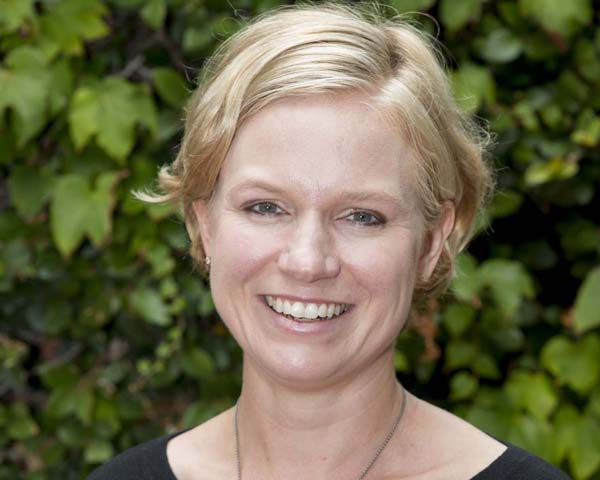
Alison M. Haney, PhD, is an Assistant Professor in the Department of Community Health and Health Behavior at the University at Buffalo's School of Public Health and Health Professions. Her research focuses on developing mobile health interventions targeting substance use behaviors through ambulatory assessment methods. She holds a PhD in clinical psychology from Purdue University and completed a postdoctoral fellowship in the NIAAA T32 Psychology of Alcohol Use and Addictions Research program at the University of Missouri. Education: PhD in Clinical Psychology (Purdue University), MS in Clinical Psychology (Purdue University), Graduate Certificate in Psychological Statistics (Purdue University), BA in Psychology and Spanish (Grand Valley State University) Training: Postdoctoral Fellowship (University of Missouri), Predoctoral Internship (Cincinnati VA Medical Center) Her research interests include examining dynamic health processes in real-world settings, with particular emphasis on alcohol and cannabis use consequences, affect regulation, and sociocultural determinants of mental health. Methodological strengths include ecological momentary assessment, intensive longitudinal data analysis, and mobile health intervention design. No scientific awards explicitly listed in available materials. Professional affiliations include the Research Society on Alcohol, American Psychological Association, and Association for Psychological Science. Current role emphasizes translational research bridging clinical psychology and public health, with a focus on developing scalable interventions to reduce substance-related harms. No advising/grant details provided in current text.
Glenn Martinez, Ph.D. is Dean of the College of Liberal and Fine Arts and Professor of Spanish, Bicultural-Bilingual Studies and Public Health at the University of Texas at San Antonio (UTSA) . He also holds the Stumberg Endowed Chair and is recognized for his interdisciplinary work integrating applied linguistics, public health, and medical humanities to address Latino health disparities. Education: MPH in Border Health, Texas A&M University, 2011 Ph.D. in Hispanic Linguistics, University of Massachusetts at Amherst, 2000 M.A. in Spanish Linguistics, University of Houston, 1996 B.A. in Spanish, University of Texas Pan American, 1994 Research Interests: Dr. Martinez's research centers on the intersection of language, health, and equity . He investigates how Spanish in healthcare settings affects patient outcomes, the role of heritage language education in professional training, and the development of language policy to reduce health disparities among Latino populations. His work also explores medical humanities as a framework for culturally responsive care. Scientific Awards: Stumberg Distinguished University Chair (2021) Alumni Distinguished Award for Outstanding Teaching (2019) Latino of the Year (2015) Examples of Excelencia Finalist (2011) Provost’s Award for International Studies (2006) Distinguished Achievement in Humanities Educational Outreach Award (2004) Kenyon Dissertation Fellowship (1999–2000) Grants and Funding: Dr. Martinez has served as Principal Investigator or Co-PI on over $5 million in extramural funding from agencies including the NIH, U.S. Department of Education, Patient-Centered Outcomes Research Institute (PCORI) , and Ohio Humanities . His grants focus on health equity, language access, and community-engaged research with Latino populations, including studies on diabetes management, HPV vaccination, and COVID-19 health communication . Labs and Teams: While not explicitly named, Dr. Martinez leads collaborative initiatives within COLFA and partners with community organizations in San Antonio and South Texas . His work bridges academic research, healthcare delivery, and community advocacy to improve outcomes for Spanish-speaking populations.
Kelly Washbourne is a Professor of Spanish at Kent State University, specializing in translation and intercultural communication. He has taught at prestigious institutions including Amherst College, Penn State, and Middlebury College, and actively engages in community-oriented language programs and international service missions in Central America. Ph.D., University of Massachusetts Amherst M.A., Middlebury Institute of International Studies His research spans translation theory, linguistic human rights, and pedagogical innovation. Recent initiatives focus on cosmopolitan competence and community-based internships, while his scholarship explores translation's role in cultural preservation, poetic experimentation, and ethical practices. Washbourne's recent publications examine anti-poetic textual features, spectral metaphors in translation, and the ontological transformation of translators. His work bridges literary translation, technical discourse, and critical pedagogy, often addressing political dimensions of translation in marginalized communities. Collaborations with Feng Wang, Yingmei Liu, and interdisciplinary teams highlight his commitment to theoretical and applied translation studies. He is currently developing projects on language for the professions and cross-cultural competence in global contexts.
Stephanie Mueller is an Associate Professor of Spanish at Union College. She holds a B.A. from Luther College and an M.A. and Ph.D. in Hispanic Studies from the University of Iowa. Affiliated with the Film Studies and Gender, Sexuality, and Women’s Studies Programs, her work bridges Spanish, Basque, and Catalan cultures with contemporary issues like nationalism, gender, and rural identity. She collaborates with Health Professions and Leadership in Medicine to develop courses linking Hispanic cultures to healthcare. Education: B.A. in English and Spanish, Luther College M.A. and Ph.D. in Hispanic Studies, University of Iowa Research Interests: Dr. Mueller examines nationalism, terrorism, immigration, disability, and rural culture through film, literature, and popular culture. She focuses on Basque and Catalan contexts, exploring how marginalized identities intersect with broader Spanish state narratives. Her current projects include a book on innovative pedagogies in Spanish programs. Teaching: She teaches courses on Spanish language, film, and literature, including Spanish Horror Films , Illness and Medicine in Hispanic Cultures , and Cross-Cultural Encounters . She designs curricula for students pursuing health professions. Collaborations: Co-authoring a pedagogy-focused book with Prof. Henseler and colleagues Developing interdisciplinary courses linking medicine and humanities
Maria Openshaw is an Assistant Professor in Nursing at the MGH Institute of Health Professions. Her clinical practice focuses on midwifery care for immigrant/refugee families, with experience across diverse global healthcare settings. Fluent in Spanish and Portuguese, she emphasizes trauma-informed and reproductive justice frameworks in teaching. Professional affiliations include clinical roles at academic, community, and rural hospitals internationally. Education: A.B. in Latin American Studies & Spanish, Bowdoin College M.S. in Nursing (Midwifery and Women's Health), University of California, San Francisco Research focuses on global health systems, midwifery workforce diversification, and organizational culture. Key projects include the Malawi-based Global Action in Nursing (GAIN) mentorship initiative, addressing maternal/neonatal outcomes through sustainable training programs. Her work bridges clinical practice, education, and policy in low-resource settings. Publications highlight themes of global maternal health interventions, healthcare documentation accuracy, and mental health impacts of childhood trauma. Ongoing work examines cultural dimensions of obstetric care in transitioning healthcare systems. Awards: None explicitly listed. Teaching and advising: No specific student list available. Active in curriculum development for reproductive justice and narrative practice methodologies. Labs/Teams: Collaborates with interdisciplinary teams in Malawi and Brazil on projects related to midwifery workforce development and maternal health equity.