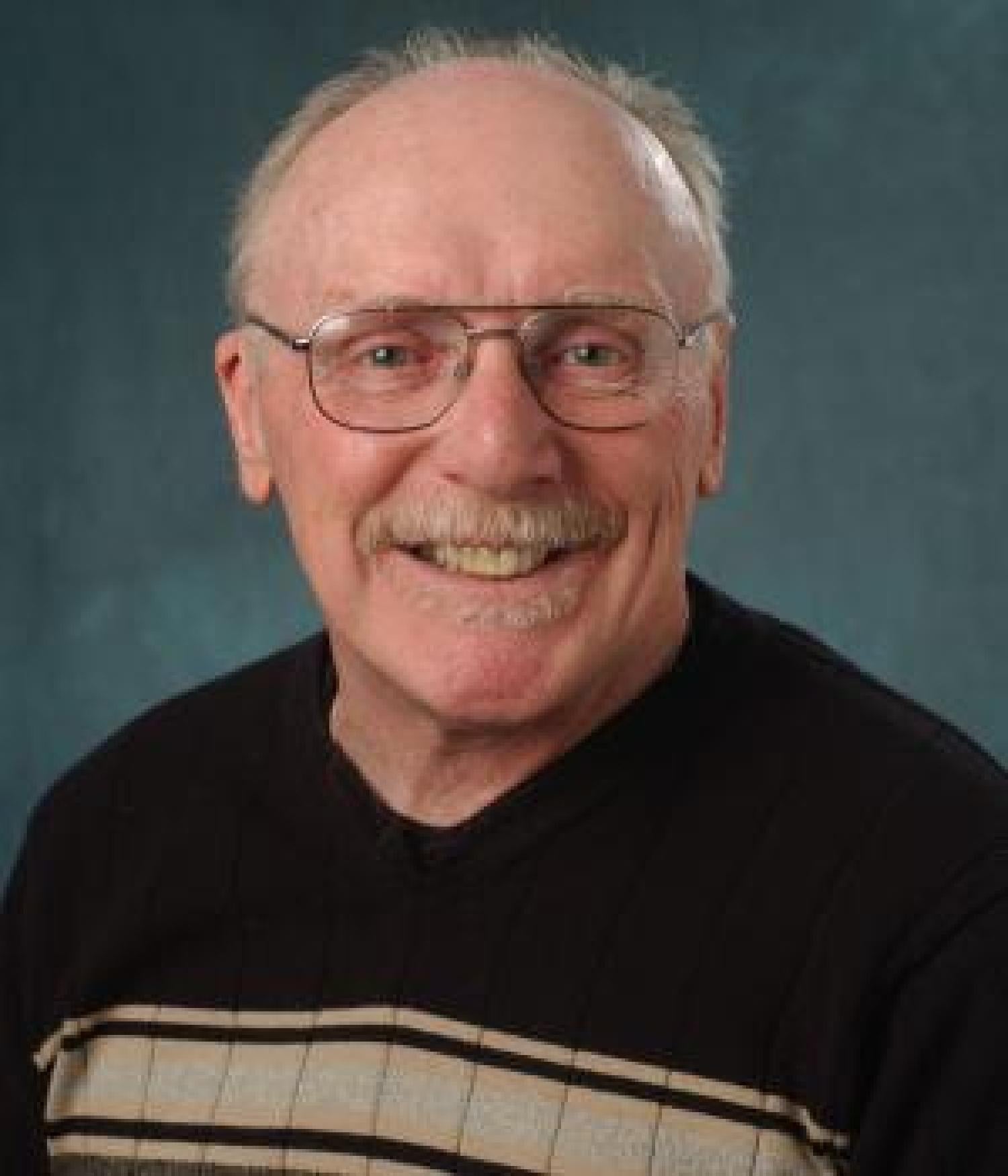
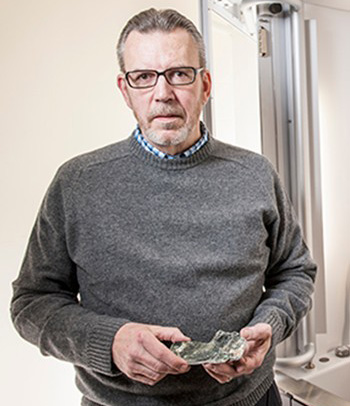
Peter K. Kitanidis is a Professor in the Department of Civil and Environmental Engineering and the Institute for Computational and Mathematical Engineering at Stanford University . His research focuses on groundwater flow , hydrologic forecasting , and stochastic inverse modeling , with applications to pollutant remediation and CO₂ storage monitoring . Education : Diploma, National Technical University of Athens (1974) M.S., MIT (1976) Ph.D., MIT (1978) Research Interests : Groundwater modeling and contaminant transport Hydraulic tomography and aquifer characterization Stochastic methods for uncertainty quantification Bioremediation and enhanced in-situ pollutant decay Dilution and mixing processes in heterogeneous media Real-time river flow forecasting Scientific Awards : L.G. Straub Award (1979) W.L. Huber Research Prize (1994) ISI Highly Cited Researcher (2001) AGU Hydrologic Sciences Award (2011) ASCE Pioneers in Groundwater Lecturer (2011) Advising and Grants : Advised 20+ PhD and MS students (1978–2018) Principal investigator on NSF, EPA, and DOE-funded projects Developed software for groundwater data analysis and CO₂ monitoring Contributed to bioremediation protocols and hydraulic tomography algorithms Labs and Teams : Kitanidis Laboratory for groundwater crisis solutions Collaborated with Oak Ridge National Laboratory and Stanford Hydrogeology Group Mentored postdocs (2000–2017) in reactive transport and inverse modeling
Richard D. Noble is a Research Professor in the Department of Chemistry at the University of Colorado Boulder. His research focuses on advanced membrane technologies for gas and liquid separations, with particular expertise in ionic liquids, liquid crystals, and the application of external fields for selective separations. He maintains an active laboratory in Cristol Chemistry (room 357) and collaborates extensively with Professor Doug Gin on many research projects. Noble received his BE and ME from Stevens Institute of Technology in 1968 and 1969 respectively, followed by a Ph.D. from the University of California, Davis in 1976. His educational background in engineering has provided a strong foundation for his research in chemical engineering and materials science. Professor Noble's research program centers on three interconnected areas. His primary focus is on ionic liquids for gas separations , where he evaluates various ionic liquids and complexation chemistry to tailor material properties to specific feed mixtures. He explores composite polymer/IL structures and incorporation of complexation chemistry and zeolites, and has developed specialized apparatus to measure gas solubility and diffusivity in ionic liquids. This work is conducted in collaboration with Professor Doug Gin. His second research thrust involves the use of external fields for selective separations . Noble studies how electric or light energy can enhance separation processes by changing binding affinity of complexing agents. His notable achievement is an electrochemical pump with no moving parts that produces pressures exceeding 20 atm, with applications in lab-on-a-chip and micro-scale devices. He also develops charged polymer structures for membrane separators with wide temperature and chemical stability. His third major area focuses on liquid crystals organized to form nanostructured polymer network films. These cross-linked stable films are evaluated for nanofiltration applications, particularly in water filtration including treatment of water from fracking operations. This work often intersects with his ionic liquids research, creating composite structures with potential applications in electrochemical pumps. Noble's publication record from 2017-2019 shows consistent focus on membrane technologies for separation processes, with increasing sophistication in membrane design incorporating ionic liquids, liquid crystals, and novel materials like pillar[5]arenes. His work demonstrates a clear trend toward addressing practical industrial challenges, particularly in natural gas purification (CO 2 /CH 4 separation) and environmental applications (treatment of fracking wastewater). His collaborations have produced high-impact work published in top journals including Nature Materials , Journal of Membrane Science , and Angewandte Chemie . Professor Noble has received numerous prestigious awards recognizing his contributions: AIChE Institute Service to Society Award (2005) Alfred T. and Betty E. Look Professor of Chemical Engineering (2005-present) Multiple Outstanding Graduate Teaching Awards from the Chemical Engineering Department (2006-2008) ACS Industrial & Engineering Chemistry Division Fellow (2007) CU Boulder Inventor of the Year (2008) Barrer Lecture at Penn State University (2008) Fellow at the Renewable and Sustainable Energy Institute (2009-2012) Robert L. Stearns Award from CU Alumni Association (2010) Chair d'Excellence Pierre de Fermat at Paul Sabatier University, Toulouse (2010) AIChE Institute Excellence in Industrial Gas Technology Award (2010) And numerous others through 2015 While specific grant details aren't provided, Noble's extensive publication record with multiple co-authors suggests active research mentoring and well-funded projects. His work on sophisticated apparatus and high-quality publications indicates substantial research support. His collaborations, especially with Doug Gin, suggest a strong research group environment focused on membrane science and separation technologies. Professor Noble's research operates at the intersection of chemistry, chemical engineering, and materials science. His laboratory includes facilities for membrane fabrication, gas separation testing, and characterization of novel materials. The development of specialized apparatus for measuring gas properties in ionic liquids suggests dedicated equipment for fundamental property measurements. His work on electrochemical pumps indicates capabilities in microfluidics and device fabrication, with the collaborative nature of his research suggesting a team approach to tackling complex separation challenges.
Dr. Sajjad Bigham is an Associate Professor in the Department of Mechanical and Aerospace Engineering at North Carolina State University and serves as an Adjunct Associate Professor at Michigan Technological University. He holds a PhD in Mechanical Engineering from the University of Florida and directs the Energy-X Lab (Energy eXploration Laboratory), which focuses on high-impact research in energy science and technology. His research interests encompass: Advanced thermal management solutions including microscale heat transfer, boiling/condensation phenomena, and interfacial transport Energy-efficient systems for HVAC&R, desalination, and clean water production Development of micro/nano-engineered materials and devices for energy conversion/storage Sorption-based gas management and multiphase systems under extreme conditions Recent publications demonstrate strong focus on thermal management innovations (45%), sustainable energy systems (30%), and advanced materials applications (25%). Dominant themes include heat transfer enhancement techniques, energy-efficient appliance design, desalination technologies, and microscale phase-change phenomena, with increasing emphasis on additive manufacturing approaches. Dr. Bigham leads the Energy-X Lab research group, which tackles high-risk, high-reward problems across four thrust areas: Terrestrial and space life support systems Advanced thermal management Clean energy production Clean water supply The lab's mission is to improve energy efficiency, reliability, and economy across defense, environmental, and energy sectors.
Stephen A. Boyd is a University Distinguished Professor in the Department of Plant, Soil and Microbial Sciences within Michigan State University's College of Agriculture and Natural Resources. His research spans environmental chemistry and microbiology with a focus on soil systems. His educational background includes a B.S. in Chemistry from Central Michigan University (1975), and M.S. and Ph.D. in Soil Chemistry from Purdue University (1978, 1980). Dr. Boyd's research investigates organic contaminant movement in soil, microbial/catalytic degradation mechanisms, and remediation technologies for contaminated soils/sediments. His work features innovative approaches including chemically modified clays for contaminant sorption and degradation, mechanistic studies of toxicant interactions with natural/modified clays, and development of in-situ soil modification technologies. He extensively examines biodegradation of xenobiotics (particularly PCB reductive dechlorination) and bioavailability of soil-bound contaminants to degrading bacteria. His 15 most recent publications reveal strong trends in clay-based contaminant immobilization, pharmaceutical/water pollutant interactions, dioxin chemistry, and nanomaterial applications for environmental remediation, with dominant fields being environmental chemistry, soil science, and contaminant toxicology. University Distinguished Professor (MSU, 2005) Jackson Award in Soil Science (SSSA, 2004) Highly Cited Researcher (Institute for Scientific Information, 2002) Distinguished Faculty Award (MSU, 2001) Soil Science Research Award (SSSA, 1999) Dr. Boyd has secured significant research funding including a recent $750K USDA grant (2022) for PFAS mitigation research. His laboratory focuses on clay chemistry applications for environmental remediation, with notable breakthroughs in soil cleansing technologies and biochar applications. Current work emphasizes advanced contaminant degradation pathways and practical field applications of his soil modification technologies.
J. Ilja Siepmann is a Distinguished McKnight University Professor and Distinguished University Teaching Professor at the University of Minnesota's Department of Chemistry, with affiliations spanning Chemical Engineering, Materials Science, and Data Science. His research integrates molecular simulations, force field development, and machine learning to study adsorption phenomena, phase equilibria, polymer chemistry, and nanoporous materials. Education: Undergraduate: University of Freiburg, Germany (1983-1987) Graduate: University of Cambridge, UK (PhD, 1988-1991) Post-doctoral: IBM Zurich Research Lab, Koninklijke/Shell Lab, and University of Pennsylvania (1991-1994) Research interests focus on chemical theory, materials genomics, and environmental chemistry, with emphasis on energy-efficient separations, nanostructured materials, and sustainable chemical processes. Computational methods like Monte Carlo algorithms and machine learning underpin his investigations into fluid interfaces, nucleation, and catalytic systems. Recent publications emphasize adsorption thermodynamics, molecular simulations of complex fluids, data-driven materials discovery, and polymer self-assembly. Trends include integration of machine learning with molecular modeling, nanoporous materials for clean energy, and phase behavior of refrigerants. Awards: Distinguished McKnight University Professor Distinguished University Teaching Professor Advises graduate and undergraduate researchers in computational chemistry projects. Leads the Siepmann Group at Kolthoff Hall, part of the Chemical Theory Center and Nanoporous Materials Genome Center. Research funded through MURI and industry partnerships.
Dr. David S. Kosson is a distinguished faculty member at Vanderbilt University, holding the Gass Family Chair in Energy and the Environment. He serves as Professor of Civil and Environmental Engineering, Chemical and Biomolecular Engineering, and Earth and Environmental Sciences. As Director of the Consortium for Risk Evaluation with Stakeholder Participation (CRESP) and the Environmental Laboratory, he leads multidisciplinary research addressing nuclear waste management, environmental remediation, and policy. His work has established frameworks like the U.S. Leaching Environmental Assessment Framework (LEAF), impacting national waste management policies. Dr. Kosson earned his Ph.D., M.S., and B.S. in Chemical Engineering from Rutgers University. He previously chaired Vanderbilt’s Civil and Environmental Engineering Department (2000–2012). His research focuses on nuclear/chemical waste containment, contaminant mass transfer, and eco-cultural risk assessment. He advises U.S. federal agencies on defense waste remediation and chemical weapons demilitarization. Education: Ph.D., Chemical and Biochemical Engineering, Rutgers University M.S., Chemical and Biochemical Engineering, Rutgers University B.S., Chemical Engineering, Rutgers University Key Roles: CRESP Principal Investigator Environmental Laboratory Director Former Department Chair (Civil & Environmental Engineering) His research integrates laboratory experiments with field data to model long-term behavior of waste forms and geological interfaces. Notable contributions include studies on cement-rock interactions, PFAS leaching, and ecological risk assessment at DOE sites like Hanford and Oak Ridge. He has authored over 200 publications, advancing risk-informed decision-making in waste management. Scientific contributions span nuclear waste durability, eco-cultural justice frameworks, and sustainable materials engineering. He collaborates internationally on deep geological disposal systems and environmental policy.
Stephen J. Kmiotek is a Chemical Engineering Professor of Practice at Worcester Polytechnic Institute (WPI). He holds BS, MS, and PhD degrees in Chemical Engineering from WPI (1980, 1982, 1986). His career spans 30+ years in chemical and environmental industries, focusing on Chemical Process Safety, Air Pollution Engineering, and Environmental Health & Safety Management. He integrates legal regulations and technical standards into multidisciplinary engineering practices, collaborating with engineers and attorneys across diverse industries like chemical manufacturing, electronics, pulp/paper, and metal foundries. Research Interests: Chemical Process Safety Management Air Pollution Control Strategies Regulatory Compliance Frameworks Industrial Hazard Mitigation His scholarly work includes studies on hazardous pollutant emissions modeling, catalyst deactivation, and zeolite sorption processes. While not actively leading a graduate research program, he advises numerous MQP projects with local industry partnerships. Media highlights include contributions to WPI’s explosion protection engineering program and features in International Fire Protection Magazine and Dust Safety Science .
Geoffrey M. Geise is an Associate Professor at the University of Virginia's Department of Chemical Engineering , with a courtesy appointment in Materials Science and Engineering. His research focuses on advanced polymer membranes for water desalination, ion separation, and clean energy applications like redox flow batteries . He also directs the undergraduate chemical engineering program. Education: Ph.D. in Chemical Engineering (University of Texas at Austin, 2012) M.S.E. in Chemical Engineering (University of Texas at Austin, 2010) B.S. in Chemical Engineering (Pennsylvania State University, 2007) Research interests include: Fundamental studies of small molecule transport in polymeric materials Development of desalination and ion-selective membranes Non-aqueous redox flow battery membranes Microwave dielectric relaxation spectroscopy for material analysis Recent publications highlight breakthroughs in ion sorption mechanisms , solvent-specific membrane behavior , and modeling selectivity/permeability tradeoffs . Awards span teaching excellence (Hartfield Award, All-University Teaching Award), research recognition (NSF CAREER, NAMS Young Membrane Scientist), and innovation in lithium extraction technologies. Scientific Awards: National Science Foundation CAREER Award (2018) North American Membrane Society Young Membrane Scientist Award (2015) Ralph E. Powe Junior Faculty Award (2016) Journal of Membrane Science Editors’ Choice (2024) Geise actively teaches courses ranging from chemical thermodynamics to advanced transport processes while leading the Geise Research Group at UVA's Chemical Engineering 222 Lab and 325 Lab on McCormick Road.
Dr. Sotira Yiacoumi serves as a Professor in the School of Civil and Environmental Engineering at the Georgia Institute of Technology, where she leads research at the intersection of colloidal science, environmental systems, and nuclear applications. Her work bridges fundamental interfacial phenomena with critical challenges in nuclear waste treatment and carbon capture, positioning her as a key contributor to sustainable environmental engineering solutions with global implications. Education Diploma of Engineering, Aristotle University, Greece (1985) M.S. in Engineering, Syracuse University (1987) Ph.D. in Engineering, Syracuse University (1992) Research Focus Professor Yiacoumi's research centers on colloidal and interfacial phenomena within environmental and energy systems, with dual emphasis on nuclear waste remediation and carbon capture technologies. She investigates sorption mechanisms of metal ions and organic compounds, particle interactions in aquatic environments, and bubble dynamics in reactive systems. Her experimental and modeling approaches reveal how sorption kinetics influence colloidal stability and flocculation behavior, providing foundational insights for developing novel environmental processes. Publication Trends Her recent publications (2023-2025) demonstrate a strategic pivot toward climate mitigation and nuclear safety, with 60% focused on CO 2 capture (particularly direct air capture using amino acid solvents and phase-changing compounds) and 40% on nuclear applications (radioactive iodine capture and uranium recovery). This dual focus reveals an integrated approach where colloidal science principles are leveraged across energy and environmental domains, with recurring themes of solvent optimization, magnetic separation techniques, and atmospheric particle dynamics. Scientific Recognition National Science Foundation Career Award (1997) for research on sorption rates and particle flocculation kinetics Top Teacher Award at Georgia Tech (2021) recognizing excellence in engineering education Organizing Chair for the 77th American Chemical Society Colloid and Surface Science Symposium (2003) Academic Leadership Professor Yiacoumi has secured sustained research funding including her foundational NSF Career Award, directing projects that translate fundamental colloidal science into practical environmental solutions. Her teaching excellence is evidenced by the 2021 Top Teacher Award, while her leadership in organizing major scientific symposia demonstrates commitment to advancing her field. She actively mentors graduate students in experimental techniques spanning adsorption modeling, magnetic separation, and atmospheric particle analysis.
Roles and Affiliations: Dibs Sarkar is a Professor in the Department of Civil, Environmental, and Ocean Engineering at Stevens Institute of Technology. He serves as the Founding Director of the Stevens Center for Sustainability and the Sustainability Management MS and dual-degree MS-MBA programs. He is also an Adjunct Research Professor at Michigan Technological University and has held prior positions at Montclair State University and the University of Texas at San Antonio. Education: PhD (1997) in Geochemistry from the University of Tennessee at Knoxville MS (1991) and BS (1988) in Geology from the University of Calcutta Research Interests: Dr. Sarkar’s work focuses on environmental sustainability through a multidisciplinary lens, including soil/water chemistry, green technology development, and risk assessment. His research integrates geochemical, biological, and engineering principles to address environmental contamination, sustainable remediation of PFAS, phytoremediation, and stormwater management. He emphasizes holistic approaches to environmental problems, such as using vetiver grass for lead and TNT cleanup and developing biochar-based solutions. Grants and Funding: He has secured over $17 million in grants as PI/Co-PI for projects like PFAS remediation, sustainable stormwater management, and acid mine reclamation. Recent funding includes DOE projects on phytoextraction and NJDEP-supported studies on PFAS in wastewater. Awards and Recognition: Fellow of the Geological Society of America (2011) Fellow of the Soil Science Society of America (2019) Research Excellence Award (2022) Top 40 Under 40 San Antonio Rising Star Award (2004) Advisory and Editorial Roles: He chairs the Sustainability Minor at Stevens, edits multiple journals (e.g., Current Pollution Reports ), and serves on panels for NSF, NIH, and professional societies like SETAC and AGU. He is a founding member of SIROM Scientific Solutions, an environmental R&D firm. Labs and Teams: His research group collaborates on projects at the Stevens Center for Sustainability, focusing on green technologies, sustainable infrastructure, and environmental policy. The group emphasizes interdisciplinary innovation, from lab-scale studies to field demonstrations.
Marianne Nyman is an Associate Professor in the Department of Civil and Environmental Engineering at Rensselaer Polytechnic Institute (RPI), affiliated with the School of Engineering and the Center for Biotechnology and Interdisciplinary Studies (CBIS). Her research focuses on environmental engineering, water quality, biochemical processes, and biomaterials, with a strong emphasis on remediation technologies for organic pollutants, including polycyclic aromatic hydrocarbons (PAHs), endocrine disruptors, and aromatic amines. She has pioneered studies on peroxy-acid treatment for contaminant degradation and explores applications in bioremediation and energy production. Her work spans laboratory-scale innovations to field-scale environmental solutions, addressing challenges in water treatment, sediment remediation, and agricultural systems. Notable contributions include optimizing LED wavelengths for plant growth optimization and investigating CO 2 enrichment effects on leafy greens. Nyman’s research integrates chemical engineering principles with ecological and agricultural systems, reflecting her interdisciplinary approach to solving complex environmental problems. Her publications highlight advancements in advanced oxidation processes, sorption dynamics, and predictive modeling of contaminant behavior. While no specific awards are listed, her sustained contributions to environmental engineering are evident through her prolific and impactful research output. Her lab collaborates with CBIS to bridge biotechnology and environmental science, addressing emerging contaminants and sustainable remediation strategies.
State University of New York at BuffaloUnited States
Igor Jankovic is an Associate Professor in the Department of Civil, Structural and Environmental Engineering at the University at Buffalo's School of Engineering and Applied Sciences. His research focuses on groundwater flow and contaminant transport in heterogeneous aquifers, with particular emphasis on the impact of aquifer heterogeneity on solute movement and transport modeling. Education: PhD in Civil Engineering, University of Minnesota (1997) MS in Civil Engineering, University of Minnesota (1993) BS in Civil Engineering, University of Split, Croatia (1990) His work addresses critical issues in groundwater hydrology including: Advective transport mechanisms in heterogeneous media Breakthrough curve prediction and analysis Effective hydraulic conductivity modeling Upscaling of flow and transport parameters Application of the Analytic Element Method (AEM) for complex aquifer simulations Comparison of transport models (CTRW, MRMT) in heterogeneous environments Research trends in his publications reveal a focus on: Three-dimensional heterogeneous aquifer modeling Non-Fickian and anomalous transport behavior Impact of spatial variability on contaminant migration Development of numerical algorithms for large-scale groundwater simulations Validation of stochastic transport theories against field experiments (e.g., MADE and Borden aquifers) Interaction between physical and chemical heterogeneity in reactive transport
Bo Guo is Associate Professor of Hydrology and Atmospheric Sciences at the University of Arizona, with joint appointment in Applied Mathematics. His research develops computational models for fluid flow and contaminant transport in geological systems. Research focuses on subsurface hydrology, particularly PFAS contamination mechanisms, multiscale porous media flow, and environmental remediation strategies. Recent work advances machine learning approaches for flow simulation and interfacial contaminant behavior in vadose zones. Publications address practical environmental challenges including groundwater contamination, carbon sequestration, and shale gas production. Research integrates experimental validation with computational modeling across scales from pore-level to field applications.
A H M Anwar Sadmani is an Associate Professor in the Department of Civil, Environmental and Construction Engineering at the University of Central Florida, affiliated with the College of Engineering and Computer Science. His research is centered on advanced water and wastewater treatment technologies, particularly membrane-based and green hybrid processes for removing contaminants of emerging concern such as PFAS and algal toxins. His educational background includes a Ph.D. in Civil Engineering from the University of Toronto, a postdoctoral fellowship at the same institution, a Master’s degree from UNESCO-IHE Institute for Water Education in the Netherlands, and a Bachelor’s from Bangladesh University of Engineering and Technology. Sadmani's research interests span membrane technology , PFAS remediation , green sorption media , hybrid treatment systems , and the fate and transport of micropollutants . He has made significant contributions to the development of functionalized membranes and sustainable materials for water purification. His recent publications highlight a strong focus on PFAS removal across varying water matrices, nanomaterial applications, and innovative hybrid processes. The trend in his recent articles (2019–2023) demonstrates a sustained emphasis on engineered solutions for persistent pollutants, especially PFAS, using advanced membranes and green media. His work bridges materials innovation with environmental application, targeting real-world water quality challenges. His scientific recognition includes: UCF Teaching Incentive Program Award (2022) U.S. EPA P3 Award (2018) Student Best Paper Award at AMTA/AWWA Conference (2013) Ontario Graduate Scholarship (2012–2013) University of Toronto Fellowship (2008–2012) Netherlands Fellowship Program (2006–2008) Government Merit Scholarship, Bangladesh (1998–2004) Sadmani has successfully advised numerous graduate students, evident from his co-authored publications with emerging researchers. His research is supported by prestigious grants from federal agencies including USEPA, DoD, and NASA, as well as state and industrial partners. He leads the Advanced Water and Wastewater Treatment Lab , where interdisciplinary teams work on cutting-edge solutions for water security and sustainability.
Lauren N. Pincus is an Assistant Professor of Chemistry at the Department of Chemistry, Columbian College of Arts & Sciences, George Washington University. Her research focuses on understanding and controlling the fate of inorganic pollutants in the environment using advanced synchrotron spectroscopy. Key areas include developing sustainable materials for contaminant removal, carbon sequestration, and climate change mitigation strategies involving microplastics and geochemical processes. Her work spans environmental chemistry, geochemistry, and materials science, with a particular emphasis on pollutants such as heavy metals (e.g., Pb), microplastics, and CO2. She leads the Pincus Lab, which explores novel technologies for environmental remediation and energy decarbonization. Recent publications highlight her contributions to understanding microplastic environmental fate, hydrogen storage, and selective adsorption of contaminants like arsenic. Her research bridges fundamental science and practical applications, aiming to address global challenges in pollution control and sustainability. No scientific awards are explicitly mentioned, though her grants include the EAR-PF: Microplastics grant (2021). She advises students in her lab and collaborates on projects related to sustainable water treatment and geochemical systems.