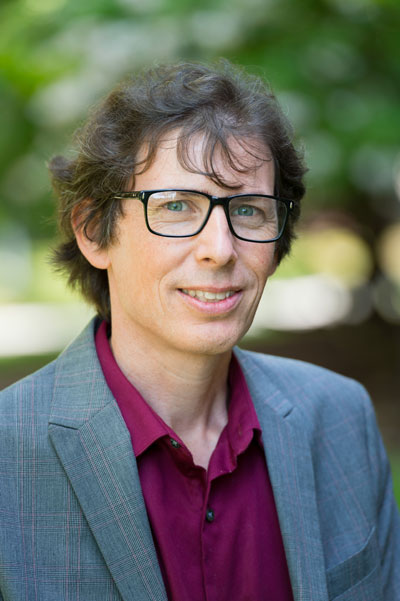
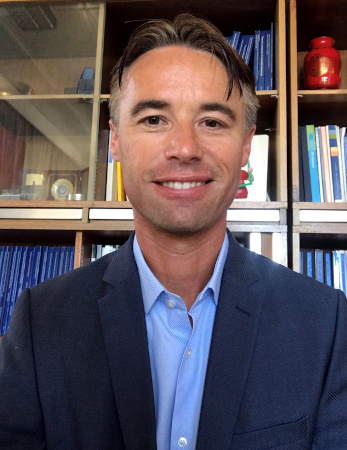
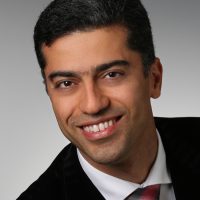
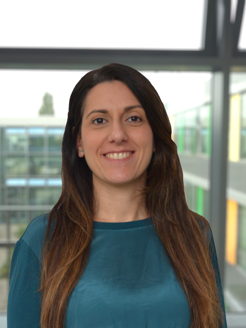
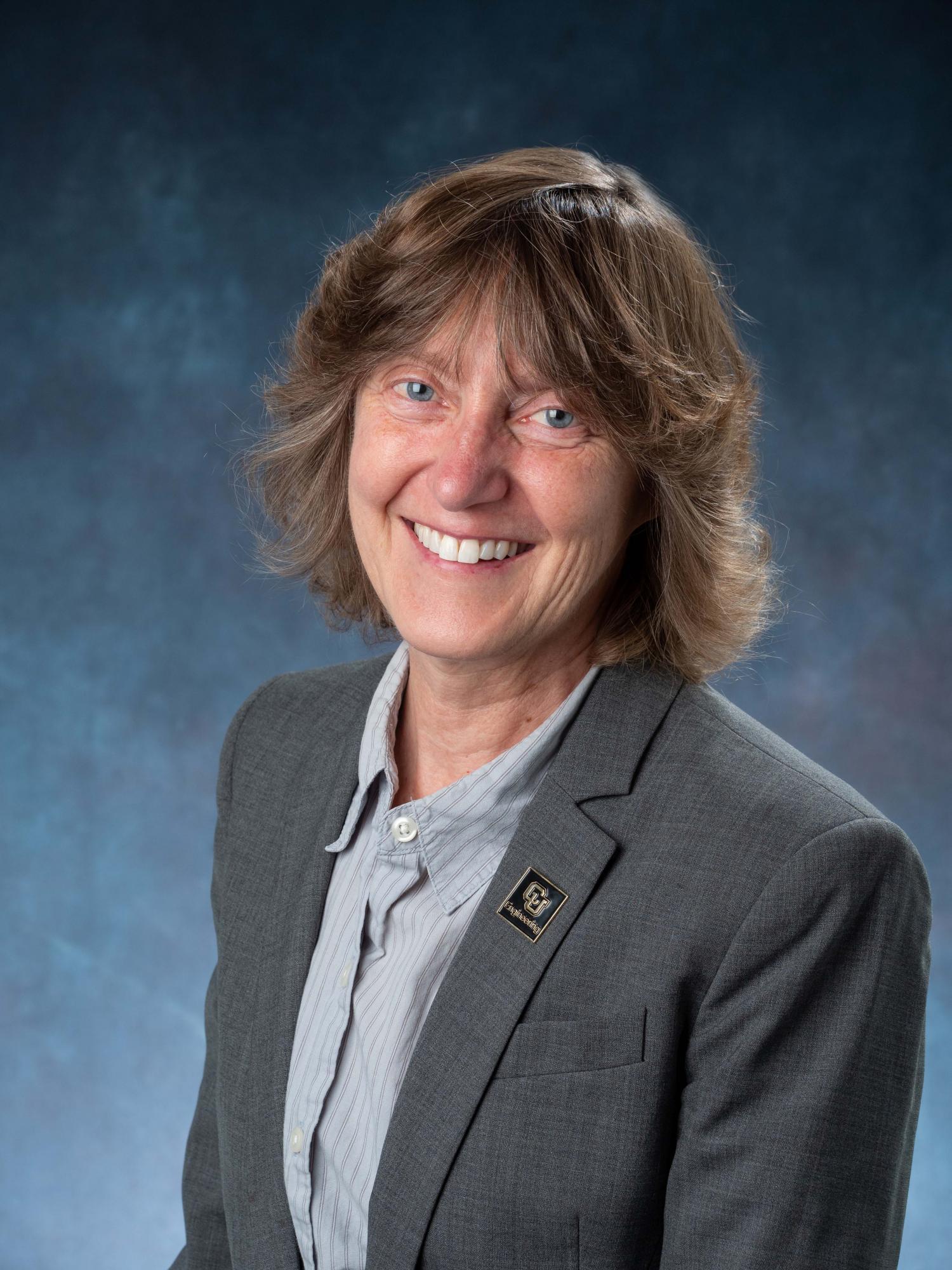
Steven Rogak is a Professor in the Department of Mechanical Engineering at the University of British Columbia's Faculty of Applied Science. He holds a P.Eng. license and degrees including a B.A.Sc. in Mechanical Engineering from UBC, and M.Sc. and Ph.D. from Caltech. P.Eng., University of British Columbia B.A.Sc., University of British Columbia M.Sc., Ph.D., California Institute of Technology His research focuses on aerosol science, particularly solid nanoparticles from combustion processes, their climate and health impacts, and mitigation strategies. Key areas include: Soot morphology and transport properties Engine emission reduction via fuel injectors Indoor air filtration systems Membrane-based energy exchangers Atmospheric particulate analysis The 15 most recent articles span experimental and theoretical studies on soot characterization, membrane technologies, and aerosol dynamics, with applications in climate modeling, healthcare ventilation, and sustainable materials. Collaborations include Westport Innovations and interdisciplinary teams. Rogak leads the Aerosol Laboratory at UBC, where he applies fluid mechanics and heat transfer fundamentals to address environmental and health challenges. He emphasizes experimental rigor and welcomes graduate students with expertise in these areas.
Massachusetts Institute of TechnologyUnited States
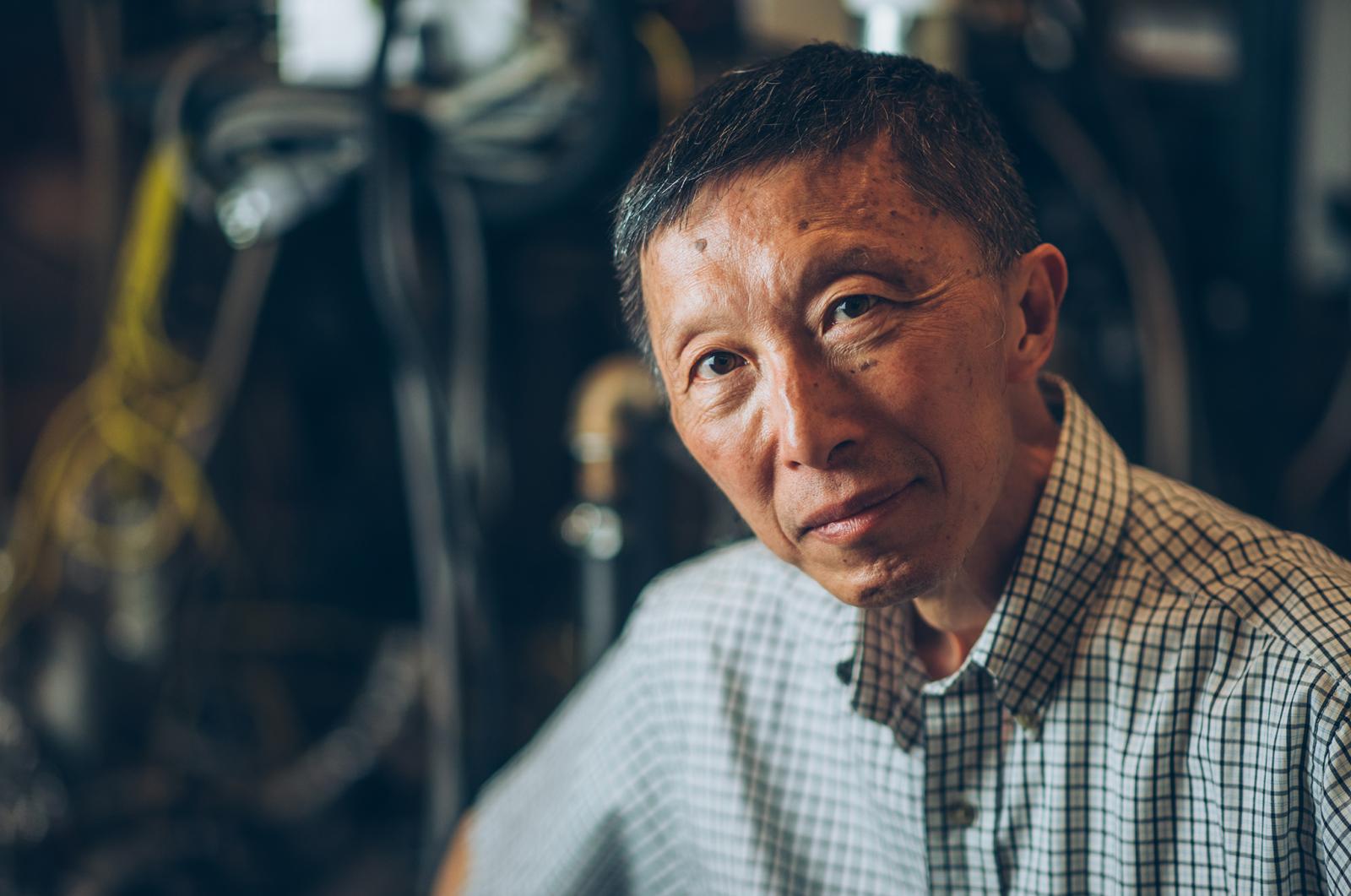
Wai Cheng is a Professor in the Department of Mechanical Engineering at the Massachusetts Institute of Technology (MIT), School of Engineering, and serves as Director of the Sloan Automotive Laboratory since 2009. His educational background includes: B.Sc. from California Institute of Technology (1974) M.Sc. from Massachusetts Institute of Technology (1975) Ph.D. from Massachusetts Institute of Technology (1979) Professor Cheng's research centers on internal combustion engines , with expertise in engine performance, emissions, and combustion science. His work investigates cold-start phenomena in gasoline direct injection (GDI) engines, soot formation mechanisms, knock dynamics, and the impact of alternative fuels like ethanol. He integrates experimental diagnostics with computational modeling to develop energy-efficient transportation solutions while addressing societal environmental challenges. Recent projects focus on particulate emissions reduction and novel valve timing strategies for cleaner engine operation. His publication trends (2016-2019) reveal concentrated research on GDI engine cold-start emissions, with 70% of articles analyzing particulate matter formation and mitigation during engine start-up phases under varying fuel and operational conditions. Notable honors include: Fellow of the Society of Automotive Engineers (2003) SAE Oral Presentation Awards (2004, 2002) SAE Teetor Award (1984) Carl Richard Soderberg Professorship (1982) Professor Cheng has mentored numerous graduate students through MIT's mechanical engineering programs and secured research funding from automotive industry partners. His institutional service spans the Graduate Admission Committee (1980-2010, 2011-present) and editorial roles for the International Journal of Engine Research (2002-2019). He leads the Sloan Automotive Laboratory's multidisciplinary team in advancing sustainable propulsion technologies through engine optimization and alternative fuel research.
Professor Jill Edmondson serves as a Professor of Ecosystem Sustainability and NERC Knowledge Exchange Fellow at the School of Biosciences, University of Sheffield, where she has been a Senior Lecturer since 2021. Her research focuses on enhancing ecosystem sustainability and resilience in urban and agricultural contexts through interdisciplinary approaches bridging soil science, plant ecology, and social dimensions. Her core research pillars include: Urban Horticulture , where she leads the national MYHarvest citizen science project quantifying home-grown food production while assessing ecosystem co-benefits and soil pollutant risks; Soil Carbon Dynamics , specializing in black carbon's role in urban soil carbon sequestration; and Urban Forest Ecology , investigating how pollution and infrastructure encasement impact tree health and ecosystem services like heat mitigation. Her work consistently integrates field studies with policy-relevant applications for city planning. Analysis of her 2020-2025 publications reveals intensifying focus on climate adaptation, with dominant themes including urban food security quantification, soil contaminant bioavailability, green infrastructure performance, and urban tree resilience. Methodologically, she pioneers citizen science integration and interdisciplinary field measurements, yielding actionable insights for urban sustainability policy. Her major recognitions include: NERC Knowledge Exchange Fellow (2022-present) EPSRC Living with Environmental Change Fellow (2016-2021) Professor Edmondson supervises undergraduate literature reviews and research projects across multiple programs (MBiolSci, MEnvSci, MSc, MRes), mentoring the next generation of sustainability scientists. Her grant portfolio features competitive fellowships supporting urban ecosystem research with direct policy applications through partnerships with local governments and environmental NGOs. She directs the MYHarvest citizen science initiative and collaborates extensively with the University of Sheffield's Institute for Sustainable Food, leading a multidisciplinary team spanning soil science, ecology, and engineering to develop evidence-based strategies for resilient urban ecosystems.
Kunfeng Gao is a researcher at ETH Zürich's Staff of Experimental Atmospheric Physics , affiliated with EPFL's School of Architecture, Civil and Environmental Engineering (ENAC) . His work focuses on aerosol-cloud interactions, ice nucleation mechanisms, and atmospheric aging of particles. Key research areas: Ice Nucleation, Biological Aerosols, Soot Particles, Dust Particles, Cirrus Cloud Thinning, Climate Modeling. Contributed to major studies on diurnal variability of ice nucleating particles in the Eastern Mediterranean. Developed novel methods for characterizing particle morphology and ice nucleation efficiency. Scientific Awards : Highlight article in Atmospheric Chemistry and Physics (2024). Two awarded Chinese patents related to particle classification and graphene-based filtration. His research has garnered significant media attention, including features in ScienceNews , Le FIGARO , and Radio Télévision Suisse , highlighting biological particles' role in extreme weather events.
Sameer Naik is a Senior Lecturer at the School of Mechanical Engineering , Purdue University, where he has been actively involved in research since his Ph.D. graduation from Purdue in 2004. His work bridges fundamental combustion science and applied engineering for energy systems. Ph.D., Purdue University, 2004 Dr. Naik's research focuses on gas turbine combustion and internal combustion engines , utilizing advanced laser-based spectroscopy techniques for diagnostics. His expertise spans thermodynamics , combustion chemistry , and environmental impact analysis in propulsion systems. His publication record (10+ peer-reviewed articles) demonstrates technical leadership in laser-induced fluorescence applications, CARS spectroscopy , and high-pressure combustion analysis . These works address critical challenges in sustainable energy and transportation technologies , particularly in reducing emissions from gas turbines. Contact: naiks@purdue.edu
Dr. Ajay V. Singh is an Associate Professor in the Department of Aerospace Engineering at the Indian Institute of Technology Kanpur, India. He leads the Combustion and Propulsion Laboratory and has established himself as a leading researcher in combustion science and propulsion technology in India. His work on detonation physics has positioned IIT Kanpur at the forefront of this field with the unveiling of "India's First Detonation Tube Research Facility". Dr. Singh's educational background includes: PhD in Mechanical Engineering from University of Maryland, College Park (2015) M.Tech in Aerospace Engineering from Indian Institute of Technology Kanpur (2008) B.Tech in Mechanical Engineering from U.P. Technical University, Lucknow (2006) His research spans fundamental and applied aspects of combustion science with particular focus on high-speed propulsion systems, detonation cycle engines, gas turbine combustion, soot formation and oxidation, flame-synthesized functional nanoparticles, and fire dynamics. His innovative work bridges theoretical understanding with practical applications in aerospace propulsion, energy systems, and fire safety engineering. The media has widely covered his research, with features in India Today, Times of India, Hindustan Times, and Republic Bharat. Dr. Singh's publication record shows a clear trend toward increasingly sophisticated detonation research and fire dynamics studies, with recent work focusing on turbulent wind-driven flames, detonation inhibition mechanisms, and alternative fuel combustion. His articles consistently address challenges in high-speed propulsion and fire safety, demonstrating both theoretical depth and practical relevance. His scientific contributions have been recognized with numerous prestigious awards including the Distinguished Paper Award from the Combustion Institute (the only faculty member in India to receive this honor), a nomination for the Silver Combustion Medal, multiple Best Paper Awards, and the Exemplary Performance in Teaching Award. As an educator and mentor, Dr. Singh has guided numerous PhD and Master's students through their research. His Combustion and Propulsion Laboratory is supported by multiple research grants from agencies including ISRO, ARDB, SERB, and ANRF. He has developed specialized courses including "Explosion and Detonation Physics," which is the first of its kind at IIT Kanpur. Dr. Singh's laboratory serves as a hub for cutting-edge research in combustion science, featuring India's first Detonation Tube Research Facility and advanced experimental setups for studying flame dynamics, soot formation, and detonation physics. His international collaborations include institutions such as Stanford University, University of Maryland, Peking University, and Beijing Institute of Technology.
Carson Slabaugh is an Assistant Professor in the Department of Aeronautics and Astronautics and holds a courtesy appointment in the Department of Mechanical Engineering at Purdue University. His research focuses on advanced propulsion systems, particularly combustion dynamics in rotating detonation engines (RDEs), rocket combustors, and ramjet configurations. He leads studies on high-pressure flames, laser diagnostics, and fuel injection mechanisms. Key research areas include detonation wave propagation, pressure gain combustion, and the application of advanced optical diagnostics (e.g., CARS, PLIF) to study transient phenomena in extreme environments. His work addresses challenges in next-generation propulsion systems, including hydrogen-blend fuels, methane-oxygen rocket ignition, and solid-fuel ramjet performance. Recent studies emphasize geometric optimization of RDEs, fuel injection dynamics under detonation conditions, and the impact of flow parameters on combustion stability. Collaborations involve experimental validation with high-speed imaging and computational fluid dynamics (CFD) modeling to bridge theoretical predictions with real-world performance. Slabaugh’s laboratory develops novel diagnostic tools for megahertz-rate imaging of mixing and combustion processes, advancing understanding of transient flame structures and instability mechanisms. His contributions aim to improve efficiency and operability of propulsion systems for aerospace and terrestrial applications.
Ronan Vicquelin is a University Professor (1st Class) at CentraleSupélec, Paris-Saclay University, affiliated with the EM2C Laboratory (CNRS). He serves as Head of the Department of Aeronautics, Space and Transport and co-supervises the High Performance Computing Mésocentre. His academic appointments include previous roles as University Professor (2nd class) and Head of Aerospace programs. Education includes Habilitation (University of Rouen Normandy, 2018), PhD in Energetics (École Centrale Paris, 2010), M.Sc. in Mechanical Engineering & Aerospace (École Centrale Paris, 2006), and Engineering Diploma (École Centrale Paris, 2006). Research focuses on turbulent reacting flows with emphasis on: numerical simulation of combustion systems, LES/DNS methodologies, uncertainty quantification, hydrogen combustion dynamics, conjugate heat transfer, and radiative energy transfer. Current investigations explore flame stabilization mechanisms, multi-physics coupling, and high-performance computing applications for aerospace propulsion systems. Publications predominantly address combustion science, with recent works (2021-2025) emphasizing hydrogen flame dynamics, NOx emission control, advanced numerical methods for reactive flows, and experimental validation of turbulent combustion models. Thermal radiation effects and multi-phase flow interactions constitute emerging themes. Advises multiple PhD candidates with projects funded by ANR, EU programs (ACHIEVE, SOPRANO), and industry partnerships (Safran, Air Liquide). Research grants include PEPR OXY3C, ANR HyMaX, and ANR OXYTEC focusing on zero-emission combustion technologies. Leads experimental and computational research at EM2C Laboratory, coordinating teams working on turbulent combustion diagnostics, high-fidelity simulations, and development of the Mésocentre HPC infrastructure for large-scale CFD.
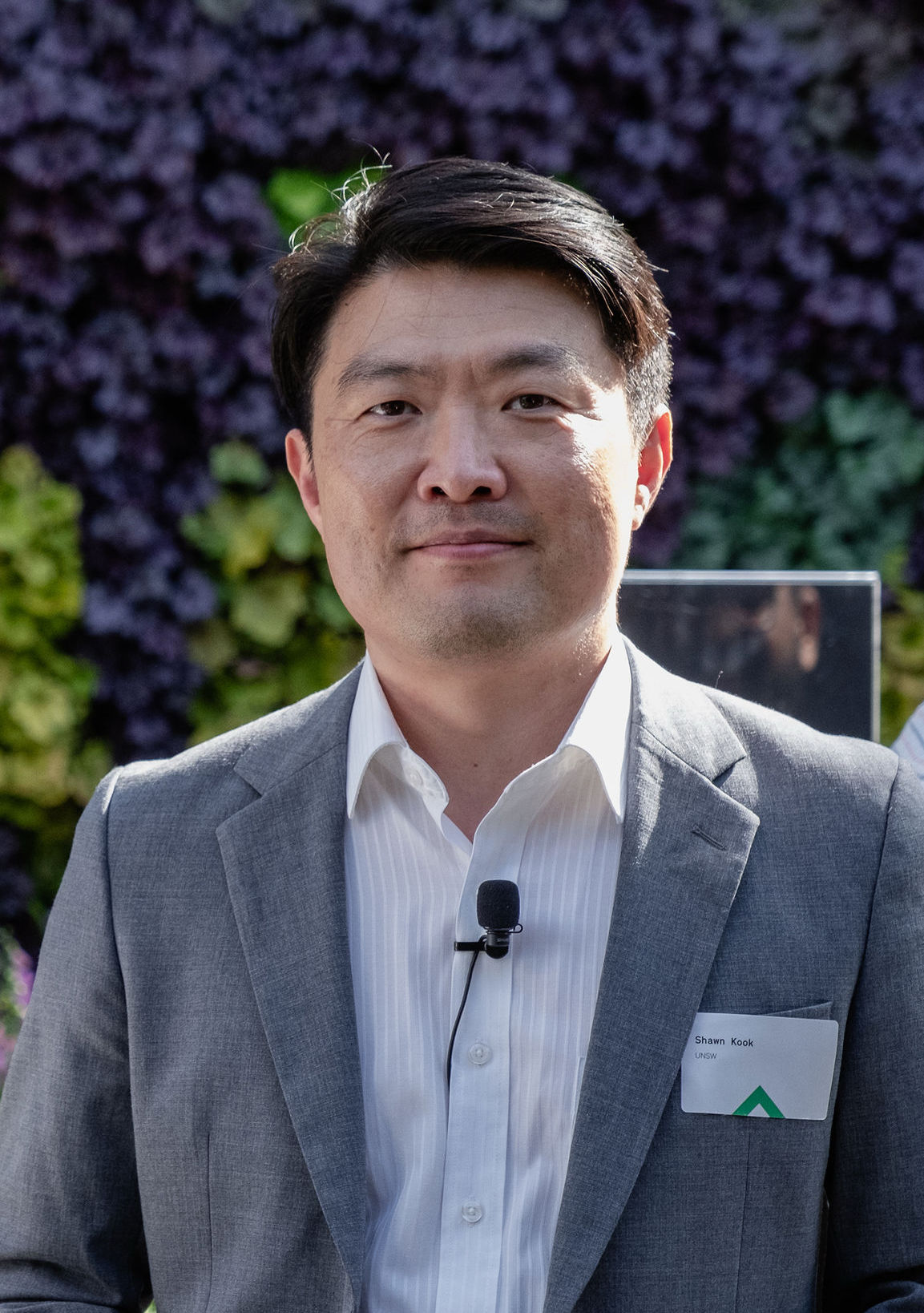
Professor Shawn Kook is a faculty member at the University of New South Wales (UNSW), where he directs the UNSW Engine Research Laboratory and conducts cutting-edge research in engine technologies and sustainable powertrain systems. His work focuses on developing new powertrain technologies for carbon neutral fuel combustion across various applications. His research expertise spans multiple critical areas: Internal Combustion Engines (Petrol/Gasoline, Diesel, Gasoline Compression Ignition, Dual-Fuel) Alternative Fuels (Hydrogen, Ethanol, Biodiesel, Natural Gas, Kerosene, Gas-To-Liquid) Optical Engines and Laser-based Imaging Diagnostics In-cylinder Flow Fields, Turbulence, and Combustion Processes Pollutants Formation (Soot, Particle Morphology, NOx, HC, CO, CO2) Professor Kook's research program investigates new diesel compression-ignition (CI) and petrol spark-ignition (SI) engines developed for high efficiency and low air-polluting emissions, including cooperation with other power generation methods such as gasoline-electric hybrids. His carbon neutral fuel research encompasses hydrogen, ethanol, methanol, jet fuel, biodiesel, and other renewable source fuels. The recent publications show a strong trend toward hydrogen combustion, optical diagnostics of in-cylinder processes, and alternative fuel research with emphasis on emissions reduction. He actively supervises research students focusing on internal combustion engines, CI engines, SI engines, energy & fuels, turbulence, and hydrogen technologies. Professor Kook has also founded DeCarice Pty Ltd, a UNSW spinout company where he serves as co-founder and chief technology officer, demonstrating his commitment to translating research into commercial applications.
Branimir S. Jovančićević is a Full Professor at the University of Belgrade, Faculty of Chemistry, Department of Applied Chemistry. He has held significant administrative roles, including Dean of the Faculty (2009-2015) and Head of the Department of Applied Chemistry (since 2015). His research focuses on organic geochemistry and environmental chemistry, particularly in petroleum pollutants, bioremediation, and geochemical analysis of sediments. Education: PhD in Chemistry (University of Belgrade, 1993) Key projects: AGRIPLAST, PFAStwin, PhytoPFAS (EU/German/National funding) Leadership: President of Serbian Chemical Society’s Section for Environmental Chemistry, Secretary of Serbian Humboldt Club His publications emphasize biomarkers, coal petrology, and environmental pollution. He serves on editorial boards and international committees, including the European Association of Environmental Chemistry’s Scientific Committee.
Kevin Van Geem is a full professor at Ghent University's Faculty of Engineering and Architecture, leading the Laboratory for Chemical Technology (LCT) and directing the Center of Sustainable Chemistry. His research focuses on thermochemical reaction engineering, transitioning fossil-based processes to renewable feedstocks, and integrating machine learning with chemical analysis. Director of Ghent University's pilot plants for steam cracking and chemical recycling Author of over 400 publications and founder of a spin-off company Specializes in kinetic modeling, process intensification, and sustainable chemistry His work spans chemical recycling, olefin production, and advanced analytical techniques for complex hydrocarbon mixtures. Recent articles highlight AI-driven catalysis, pyrolysis of polymers, and plasma-assisted CO2 utilization. Scientific awards include: Fulbright Research Scholar He bridges academia and industry through patented technologies and collaborative pilot-scale projects.
Yafang Cheng is Director of the Aerosol Chemistry Department at the Max Planck Institute for Chemistry since 2024, with concurrent appointments as Guest Professor at Peking University (2023-) and Distinguished Guest Professor at University of Science and Technology of China (2021-). Her research integrates experimental methods , multi-scale modeling , and machine learning to advance understanding of aerosol particle dynamics and their impacts on air quality , public health , and climate change . Ph.D. in Environmental Sciences (Peking University, 2007) B.Sc. in Environmental Sciences (Wuhan University, 2001) Her work focuses on reactive nitrogen chemistry , aerosol acidity , black carbon effects , and planetary boundary layer interactions . She has developed novel instrumentation for aerosol analysis and pioneered machine learning applications in atmospheric science. Recent publications emphasize black carbon mitigation strategies (One Earth 2023), aerosol microdroplet pH (Chem 2023), and SARS-CoV-2 transmission modeling (Science 2021). These studies demonstrate interdisciplinary approaches spanning environmental chemistry , climate physics , and public health policy . Fellow: AAAS (2023), AGU (2022) Joanne Simpson Medal (AGU, 2022) Science Breakthroughs of the Year (Falling Walls, 2021) Highly Cited Researcher (Web of Science, 2021-2022) Minerva Outstanding Female Scientist Award (2014) She has mentored 38 early-career researchers (21 postdocs, 17 PhD students) who have achieved professorships , tenured positions , and international awards . Her institutional leadership includes initiating academic exchange programs between European and Chinese institutions.
Dr. M Reza Kholghy is an Associate Professor and Canada Research Chair in Particle Technology and Combustion Engineering at Carleton University's Department of Mechanical and Aerospace Engineering. He directs the Energy and Particle Technology Laboratory (EPTL) where he focuses on sustainable industrial solutions. His academic credentials include a BASc in Aerospace Engineering from Sharif University of Technology, and MASc/PhD degrees in Mechanical Engineering from the University of Toronto, followed by postdoctoral work at ETH Zurich. Research interests center on: Industrial decarbonization through metal fuel combustion (aluminum/iron) and carbon management Hydrogen production via methane pyrolysis and metal-water reactions Advanced material synthesis including flame spray pyrolysis for catalytic films and alumina production Nanoparticle engineering with focus on soot formation dynamics and optical properties His publications predominantly explore nanoparticle synthesis mechanisms, soot formation modeling, and sustainable fuel technologies, with recent emphasis on hydrogen cogeneration and metal combustion. Experimental and computational approaches are equally represented across combustion diagnostics, reactor design, and molecular dynamics simulations. Major scientific recognitions include: Canada Research Chair (Tier 2) Vanier Canada Graduate Scholarship NSERC Postdoctoral Fellowship He leads the Energy and Particle Technology Laboratory with industry partnerships focused on sustainable technology development. The lab specializes in flame spray pyrolysis reactors, nanoparticle characterization (surface area, porosity, composition), and high-pressure reaction systems. Dr. Kholghy actively mentors students through capstone projects and research positions, though specific PhD/Master's advisees aren't named in available sources.
Jun.-Prof. Dr.-Ing. Federica Ferraro is an Assistant Professor in the Faculty of Mechanical Engineering at TU Braunschweig, leading the Reactive Flows in Aero Engines research group. Her work focuses on combustion dynamics, sustainable aviation propulsion, and numerical simulations of reactive flows. She investigates flame-wall interactions, soot formation mechanisms, and alternative fuels like hydrogen and oxymethylene ethers. Key projects include the Cluster of Excellence SE2A (C3.5) and CRC 150 (C07), addressing synthetic fuels and flame retardancy under aviation conditions. Ferraro teaches courses in numerical simulation and high-performance computing for CFD applications. Her research integrates advanced modeling techniques such as Large Eddy Simulation (LES), flamelet manifolds, and quadrature-based methods for particle dynamics. Her contributions span experimental validation, turbulent combustion analysis, and green fuel substitution strategies for decarbonizing aviation. Research Interests : Combustion physics, aero-engine propulsion, sustainable fuels, soot dynamics, CFD modeling, and thermo-chemical systems. Her studies often bridge fundamental combustion science with industrial applications in turbine design and emission control. Projects & Collaboration : Leads the Numerical investigations of synthetic fuel flames (SE2A) and Boundary layer flames with flame retardants (CRC 150). Collaborates with institutions like the Lower Saxony Graduate School on hydrogen/ammonia energy systems. Her team develops novel numerical frameworks for predictive combustion modeling. Labs & Teams : Manages the Reactive Flows group at TU Braunschweig's Institute of Jet Propulsion and Turbomachinery, fostering interdisciplinary research in propulsion and energy technologies.
Dr. Hope Michelsen is an Associate Professor in the Department of Mechanical Engineering at the University of Colorado Boulder, specializing in Thermo Fluid Sciences and Air Quality. Her research focuses on carbonaceous particle formation mechanisms, combustion diagnostics, and their environmental impacts. She leads efforts in developing laser/X-ray-based diagnostic tools for studying soot evolution in flames and atmospheric systems. Research Interests include soot inception/growth, black carbon climate effects, and particle synthesis control. She has pioneered studies on resonance-stabilized radicals' role in soot formation and developed novel sampling techniques like jet-entrainment methods. Her work bridges fundamental combustion science with practical applications in air quality and climate mitigation. Awards: Fellow, American Physical Society Fellow, The Optical Society Alameda County Women’s Hall of Fame Inductee Lab facilities include advanced diagnostics at ECME 1B68/ECNW 180. Research collaborations involve multi-scale modeling of emissions and atmospheric transport. Current projects address wildfire soot dynamics and Arctic methane monitoring through inverse modeling techniques.