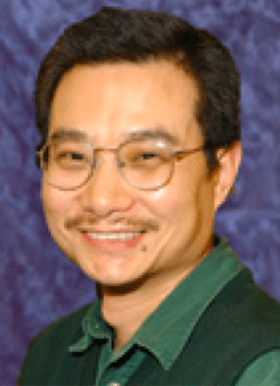
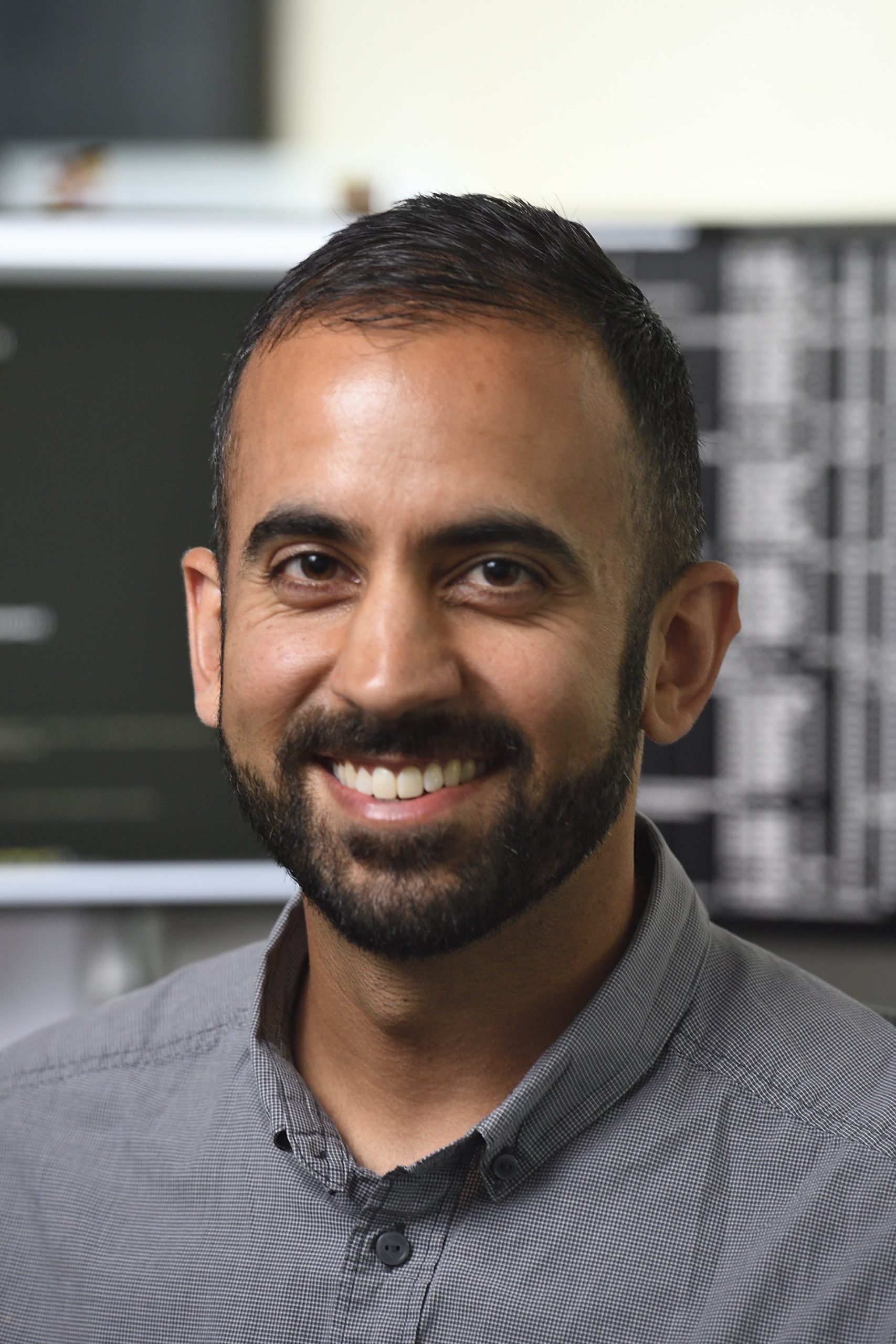
Prof. Dr. Claude Becker is a faculty member at the Faculty of Biology, Ludwig Maximilian University of Munich , specializing in plant genetics and epigenetics. His research focuses on biochemical interactions in plant communities and the role of epigenetic marks in environmental adaptation. Specializations: Epigenetic regulation, allelopathy, plant-microbe interactions, DNA methylation dynamics Key Projects: Studying heritable phenotypic variation in clonal plants, analyzing stress-responsive epigenetic hotspots, and investigating gene cluster evolution in Oryza species. Recent publications highlight his work on transposable element dynamics, microbiome feedback mechanisms, and metabolic specialization in plant interactions. His research combines molecular biology with ecological perspectives to understand plant adaptation strategies. Contact: claude.becker@biologie.uni-muenchen.de
Prof. Korbinian Schneeberger is a full Professor of Computational Genetics and Genome Plasticity at the Ludwig Maximilian University of Munich , embedded within the Graduate School of Life Science Munich (LSM) . He leads a multidisciplinary team of bioinformaticians, biologists, and biotechnologists, all driven by a shared curiosity in genomic technologies and plant genome evolution. Contact: k.schneeberger@lmu.de . Research Focus: Genome plasticity and mutational dynamics across plant species Development and refinement of next-generation sequencing and assembly pipelines Comparative genomics, pan-genome construction, and structural variation Epigenetic regulation and transposon biology in plant genomes Meiotic recombination and crossover patterning in holocentric plants Application of single-cell and single-nucleus technologies to dissect gamete-level variation His laboratory develops widely-used bioinformatics tools—including SHOREmap , findGSE , SyRI , and plotsr —that enable the community to assemble, compare, and interpret plant genomes at unprecedented resolution. Recent work advances understanding of centromere evolution, adaptation to extreme soils, layer-specific somatic mutation patterns in fruit trees, and large-scale Arabidopsis population genomics. Scientific Output & Impact: Since 2015, Prof. Schneeberger has published more than 60 peer-reviewed articles, many appearing in top-tier journals such as Nature Genetics , Nature Plants , and Genome Biology . His 2025 studies already tackle the mutational landscape of Arabidopsis centromeres, scalable eQTL mapping in gametes, and the phased pan-genome of tetraploid potato, underscoring a trajectory at the forefront of plant genomic science. Funding & Collaborations: Research in the Schneeberger Lab is supported by multiple national and international grants, providing resources for high-throughput sequencing, computational infrastructure, and interdisciplinary training. The group actively collaborates with leading plant research centers worldwide, sharing data and tools to accelerate discoveries in crop improvement and evolutionary biology. Team & Environment: The lab operates as a vibrant, international environment with state-of-the-art wet-lab and computational facilities. Trainees and staff benefit from the rich ecosystem of LSM, including structured doctoral programs, career mentoring, and access to cutting-edge core facilities.
Prof. Dr. med. Janine Reichenbach is a full professor and head of the Somatic Gene Therapy department at the University of Zurich, affiliated with the University Children's Hospital Zurich. She holds dual board certifications in Pediatrics and Adolescent Medicine (Germany/Switzerland) and Allergology & Clinical Immunology (Switzerland). Her career spans over two decades of translational research bridging basic science and clinical implementation of gene therapies. Education: MD from Goethe University Frankfurt (1995-1997), medical training in Germany (1997-2000), and specialist certifications in Switzerland (2005-2009). Research Focus: Translational development of hematopoietic stem cell-based gene therapies for primary immunodeficiencies, particularly chronic granulomatous disease (CGD) and ataxia telangiectasia (A-T). Key projects include lentiviral vector design, genome editing at ATM locus, and myeloid-targeted therapies with brain-crossing potential. Awards: Recipient of the 2010 Walther und Gertrud Siegenthaler Stiftung prize. Grants: Leads Swiss National Science Foundation projects, University Research Priority Programs (URPP Itinerare), Clinical Research Priority Programs (CRPP ImmuGene), and Wyss Centre collaborations. Leadership: Principal investigator in EU-FP7 projects CELL-PID and NET4CGD, steering committee member for SCID newborn screening, and co-founder of international research networks.
Mandana Arbab is an Assistant Professor of Neurology at Harvard Medical School and leads the Arbab Lab at the Translational Neuroscience Center of Boston Children’s Hospital. Her research focuses on advancing genome editing platforms to study and treat neurodegenerative diseases , including spinal muscular atrophy (SMA), Huntington’s disease, and Friedreich’s ataxia. Research Interests Dr. Arbab’s work centers on developing precise CRISPR-based technologies , such as base editing and prime editing , to correct disease-causing mutations or modulate genomic activity. Her lab employs machine learning to optimize editing outcomes and explores therapeutic strategies in cellular and murine models. Publications Summary Recent studies highlight her innovations in C•G-to-G•C base editing , predictive algorithms for edit outcomes, and cloning-free CRISPR methodologies. Her work bridges genomic engineering and neurology , aiming to translate these tools into clinical applications. Labs & Collaborations The Arbab Lab, based at Boston Children’s Hospital, fosters a diverse and collaborative environment. With a team of 5-10 members, they partner with institutions to develop gene-based therapeutics and investigate cellular mechanisms of neurodegeneration . Contact: mandana.arbab@childrens.harvard.edu | arbablab.com
John Hooper is a prominent researcher in cancer molecular biology, affiliated with the Faculty of Science and the School of Biomedical Sciences at Queensland University of Technology. His work centers on the role of proteases, particularly serine proteases and CDCP1, in cancer progression and therapy. With a publication record spanning over two decades, he has contributed significantly to understanding proteolytic signaling in ovarian, prostate, and colorectal cancers. His research interests include Cancer Biology, Protease Signaling, CDCP1, Kallikrein-Related Peptidases, and Targeted Cancer Therapy . He has extensively studied how proteases like KLKs and membrane serine proteases regulate cell signaling via PARs and contribute to tumor dissemination. A major focus has been on CDCP1, a cell surface glycoprotein that promotes metastasis and is now being explored as a therapeutic and imaging target. The recent publications (2020–2025) demonstrate a strong trend toward translational research, including the development of anti-CDCP1 immuno-conjugates, imaging tracers, and metabolic targeting in ovarian and breast cancers. His work increasingly integrates preclinical models, molecular imaging, and combination therapies to overcome drug resistance. John Hooper has collaborated with leading researchers in oncology and molecular biology. While no formal awards are listed, his work has been published in high-impact journals such as Oncogene , Clinical Cancer Research , and Theranostics . He has contributed to major collaborative projects, including the PRACTICAL consortium on prostate cancer genetics. He has mentored or collaborated with numerous researchers, though specific students are not listed. His lab or research group appears to focus on protease biology and cancer signaling pathways, often using biochemical, cellular, and in vivo models to validate therapeutic targets.
Tim Triche, Jr., Ph.D., is an Associate Professor at the Van Andel Institute in the Department of Epigenetics . He earned his A.B. in chemistry from Cornell University , followed by an M.S. in biostatistics and a Ph.D. in statistical genetics from the University of Southern California . Before joining Van Andel in 2017, he was a postdoctoral fellow at USC's Norris Comprehensive Cancer Center focusing on cellular senescence in blood disorders. As a key member of The Cancer Genome Atlas Research Network since 2011 with over a dozen high-impact publications in Nature , Cell , and NEJM , Dr. Triche specializes in epigenetics , biostatistics , and computational biology . His lab develops innovative approaches for pediatric AML research, integrating next-generation sequencing with clinical trial design to improve patient outcomes. His work emphasizes statistical learning for patient stratification, molecular profiling of hematological cancers, and interpretable machine learning in biomedical contexts. He leads the Bioinformatics and Biostatistics Core as faculty advisor and maintains active collaborations across institutions. 2025 Nature Cancer study on developmental heterogeneity in cancer susceptibility 2024 NAR methods paper on BISCUIT multi-omics tools 2023 PLOS One validation of MAX regulation in pituitary adenomas 2022 Nature Metabolism obesity subtyping analysis Scientific contributions include: Chan Zuckerberg Initiative grant (2022) for biomedical computing NCI SPORE grant (2021) as co-recipient Key role in Pediatric AML molecular mapping (2017)
Nilanjan Chatterjee is a Bloomberg Distinguished Professor at Johns Hopkins University, holding appointments in the Department of Biostatistics at the Bloomberg School of Public Health and the Department of Oncology at the School of Medicine. His research program spans statistical genetics, cancer epidemiology, and precision medicine, with a focus on developing quantitative methods for analyzing large-scale biomedical data to identify risk factors, understand disease mechanisms, and develop risk-stratified approaches to disease prevention. Dr. Chatterjee earned his PhD from the University of Washington, Seattle in 1999 and his MS from the Indian Statistical Institute in 1995. Prior to joining Johns Hopkins, he spent 16 years at the National Cancer Institute, where he led the Biostatistics Branch of the Division of Cancer Epidemiology and Genetics from 2008-2015. His research interests center on statistical genetics and genomics, with particular emphasis on polygenic risk scores, gene-environment interactions, and risk prediction modeling. Dr. Chatterjee has pioneered methods for analyzing genome-wide association studies, developing approaches for building predictive models that integrate genetic and non-genetic risk factors. His work has significantly advanced understanding of the genetic architecture of cancers and the potential for genetic risk stratification in precision prevention. He leads a research program that develops and applies quantitative methods for design and analysis of modern large-scale biomedical studies, with the goal of translating genetic discoveries into clinical applications for disease prevention. Analysis of Dr. Chatterjee's recent publications reveals a strong focus on polygenic risk scores across diverse populations, proteomic biomarker discovery, and methodological advances in genomic data analysis. His research increasingly emphasizes health equity through improved representation in genetic studies and development of methods that work across diverse ancestries. There's also a growing emphasis on practical implementation of risk prediction models in clinical settings, particularly for cancer screening and prevention. Fellow of the American Statistical Association (2008) Mortimer Spiegelman Award for 2010 from the American Public Health Association "Estimating effect size distribution from genome-wide association studies" featured as leading edge article by Cell (2010) George W. Snedecor Award for 2011 from COPSS Presidents' Award for 2011 from COPSS Kwan Chao-Chih Distinguished Lecturer, Chinese Academy of Science (2012) Elected member of the American Epidemiologic Society (2012) Myrto Lefkopoulou Distinguished Lecturer, Harvard School of Public Health (2013) Dr. Chatterjee actively mentors PhD students and postdoctoral fellows, with recent successes including Martina Fu and Ruzhang Zhao who recently defended their dissertations, and postdoc Ziqiao Wang who received a NIH K99/R00 award. His research is supported by multiple NIH grants, including recent RO1 awards for developing interpretable transfer learning methods and creating breast cancer risk prediction tools for Indian populations in collaboration with the Indian Institute of Technology and Tata Memorial Cancer Center. His lab continues to be highly productive, with over 447 research outputs spanning methodological advances in statistical genetics and their application to cancer epidemiology.
Fred Adler is a Professor at the School of Biological Sciences and Mathematics at the University of Utah, where he has held joint appointments since 2004. He currently serves as the Director of the School of Biological Sciences, leading one of the university's key academic units. His interdisciplinary work bridges mathematical theory with biological applications across multiple scales of organization. Dr. Adler's educational background includes: BA in Mathematics from Harvard-Radcliffe College (1984) PhD in Applied Mathematics from Cornell University (1991) He completed postdoctoral training in Zoology at the University of California, Davis, focusing on population biology. As a mathematical biologist, Adler's research spans urban, behavioral, evolutionary, and community ecology to cell biology, immunology, epidemiology, and cancer biology. He develops "appropriately simple models to understand the evolution and function of self-organized systems across the full range of biological scales." His work connects theoretical frameworks with empirical data to address pressing questions in both basic and applied biology, with particular emphasis on complex systems where emergent properties arise from interactions among components. His scholarly output demonstrates a clear trend toward increasingly interdisciplinary work that bridges traditional boundaries between mathematical theory and biomedical applications. Recent publications focus on cancer biology, particularly modeling tumor microenvironments, therapy resistance mechanisms, and immune interactions. His work also addresses ecological dynamics, antibiotic resistance, and the mathematical foundations of learning and decision-making in biological systems. Adler has received numerous honors and awards for his contributions to science and education: John Jungck Prize for Excellence in Education (2024) from the Society for Mathematical Biology Fellow of the Ecological Society of America (2018) Fellow of the Society for Mathematical Biology (2017) College of Science Professorship at the University of Utah (2012) Distinguished Mentor award from the University of Utah (2009) Dr. Adler has secured substantial research funding from diverse sources including NIH, US Army, Burroughs Wellcome Fund, and various foundations. His current grants focus on breast cancer mechanisms, antibiotic resistance, and complex systems biology. As an educator, he has developed innovative courses bridging mathematics and biology, including Calculus for Life Scientists and Mathematical Modeling in Biology. He has mentored numerous graduate students, as evidenced by his regular teaching of thesis research courses. His leadership extends to directing the Center for Quantitative Biology and serving as President of the Society for Mathematical Biology. Adler leads research groups focused on mathematical biology, with particular emphasis on cancer systems biology and ecological modeling. His teams bring together mathematicians, biologists, and clinicians to develop models that capture essential features of complex biological systems while remaining analytically tractable. Current projects involve creating "medical digital twins" for immunology applications and developing evolutionary models of cancer therapy resistance.
Angad Mehta is a Professor in the Department of Bioengineering at the University of Illinois Urbana-Champaign (UIUC), affiliated with the Grainger College of Engineering. His research focuses on synthetic biology, photosynthetic engineering, and directed evolution, with a particular emphasis on creating artificial endosymbiotic systems and advancing genome engineering techniques. He explores topics such as non-canonical amino acid integration, metabolic pathway design, and evolutionary mechanisms in microbial systems. His work spans foundational studies in bioenergetics and chloroplast function to applied areas like bioenergy production and antiviral strategies. Notable contributions include pioneering efforts in engineering synthetic yeast endosymbionts and developing virus-free directed evolution platforms using somatic hypermutation. He was awarded the Sloan Research Fellowship for his innovative contributions to synthetic biology. Dr. Mehta’s research also addresses fundamental questions in cofactor biosynthesis, such as vitamin B12 and molybdopterin pathways, combining enzymology with synthetic tools. His lab integrates computational modeling, genetic engineering, and biochemical analysis to design novel biological systems with potential applications in healthcare and sustainable biotechnology.
Pei Fen Kuan is a Professor in the Department of Applied Mathematics and Statistics at Stony Brook University. She holds a Ph.D. in Statistical Genomics from the University of Wisconsin-Madison. Her research focuses on developing statistical methodologies for analyzing high-throughput omics data, particularly in genome biology and psychiatric/cancer-related studies. She leads projects on ChIP-Seq, RNA-Seq, and DNA methylation analysis, with significant contributions to the WTC Wellness Program studying trauma-related disorders. Education: Ph.D. in Statistics (2009), University of Wisconsin-Madison; B.S. (details not specified). Research interests include computational biology, epigenetics, and integrative omics, with a focus on PTSD, cognitive aging, and melanoma genetics. She has developed R packages like methylGSA and RNAAgeCalc for bioinformatics analysis. Current grants include NIH/NIA and CDC/NIOSH funding for PTSD and aging studies. Lab involvement: Directs the WTC Wellness Program research team, focusing on gene-environment interactions in responders' health. Collaborates internationally via the InterMEL consortium for melanoma studies. Teaching: Courses in computational statistics and statistical genomics (details inferred from departmental role).
Dr. Kadir C. Akdemir is an Assistant Professor in the Department of Neurosurgery at The University of Texas MD Anderson Cancer Center. His research focuses on integrating computational analyses and multi-omics data to understand chromatin organization and genomic alterations in brain tumors. He leads the Akdemir Lab, which collaborates with global initiatives like the NIH’s 4Dnucleome project and the Break Through Cancer Foundation’s GBM program. Education: Ph.D. in Genetics and Epigenetics from the UTHealth Houston Graduate School (2013), postdoctoral training at MD Anderson’s Genomic Medicine Department. His work combines computer science and genetics to develop tools for analyzing cancer genomes. Research interests include chromatin folding dynamics, somatic rearrangements, and computational methods for genomic data integration. His lab studies glioblastoma and chordoma, focusing on tumor evolution and microenvironment interactions. Notable achievements include identifying ERBB2 alterations in esophageal adenocarcinoma brain metastases and elucidating the role of KDM5D in colon cancer sex differences. He holds grants from NCI, Break Through Cancer, and the UT Rising Stars Award. Lab membership includes PhD/Master’s students and postdocs working on projects like spatial transcriptomics and ecDNA dynamics. Collaborations span institutions like the Brain Cancer SPORE team and the GBM Moonshot initiative.
Dr. Julie C. Dunning Hotopp is a Professor in the Department of Microbiology and Immunology at the University of Maryland School of Medicine. She is also a Member of the Institute for Genome Sciences and leads research on bacterial DNA integration into animal genomes, with implications for both evolutionary biology and human health. Primary Appointment : Microbiology and Immunology Additional Affiliation : Institute for Genome Sciences Research Overview : Dr. Dunning Hotopp's groundbreaking work focuses on lateral gene transfer (LGT) between bacteria and animals, notably documenting widespread LGT in invertebrates (Dunning Hotopp et al., 2007 Science ) and investigating bacterial DNA integration into human somatic genomes, particularly in cancer (2013 PLoS Comput Bio ). Her lab explores genomic interactions between pathogens like Wolbachia , Ehrlichia , Anaplasma , and Neisseria meningitidis and their hosts. Scientific Awards : 2010 NIH Director’s New Innovator Award 2010 Leading Women of Maryland (Maryland Daily Record) 2010 Genome Technology Young Investigator 2015 NIH Transformative Research Award Recent Publications examine bacterial integration in Drosophila ananassae , filarial nematodes, and human cancers, alongside developing bioinformatics tools for microbial comparative genomics. Labs & Teams : Her research group at the Institute for Genome Sciences investigates LGT mechanisms and pathogen-host genomics, with projects spanning computational genomics, transcriptomics, and public health implications.
Charles Gu is an Associate Professor of Biostatistics and Genetics at Washington University in St. Louis, affiliated with the Roy and Diana Vagelos Division of Biology & Biomedical Sciences (DBBS), the Institute for Informatics, and the Center for Biostatistics and Data Science (CBDS). His research focuses on genetic epidemiology and statistical genetics, particularly in developing computational methods for analyzing high-dimensional genetic data and studying gene-environment interactions in complex diseases like hypertension, cardiovascular disorders, and metabolic syndromes. Key affiliations include the DBBS programs in Biomedical Informatics, Computational and Systems Biology, and Human and Statistical Genetics. He mentors PhD/MSTP students and collaborates internationally on large-scale genomic studies. Recent work includes studies on clonal hematopoiesis, lipid metabolism, and blood pressure prediction using machine learning. His 164+ publications span genetic association studies, epigenetic research, and multi-omics approaches, with a focus on translating statistical methods to clinical insights. Notable projects involve genomic analyses of atrial fibrillation, coagulation factors, and the impact of lifestyle on genetic traits.
Rajiv McCoy is an Assistant Professor in the Department of Biology at Johns Hopkins University (JHU). He holds a PhD in Biology from Stanford University and completed postdoctoral training at Princeton University and the University of Washington. His research integrates computational and statistical approaches to study human evolution, genetics, and reproduction, with a focus on genomic mechanisms underlying aneuploidy, embryo development, and somatic evolution. The McCoy Lab is affiliated with JHU’s Cell, Molecular, Developmental Biology, and Biophysics (CMDB) doctoral program. Key research interests include understanding how germline and somatic evolution shape genome function and reproductive outcomes. The lab employs advanced genomic methods to analyze chromosomal instability, recombination patterns, and the genetic basis of aneuploidy in human embryos. Recent work has explored maternal meiotic recombination, genomic mosaicism, and the evolutionary implications of Neanderthal introgression. Lab members have presented at conferences such as Cold Spring Harbor’s Biology of Genomes and the Broad Institute’s Mutations in Time and Space. Notable collaborations include studies with the Preimplantation Genetic Diagnosis International Society (PGDIS) and the Origins of Aneuploidy Research Consortium (OARC). The lab actively engages in genomic benchmarking, pangenome research, and the development of improved reference genome tools.
Stephanie Dakin is a tenured Full Professor of Musculoskeletal Sciences at the Nuffield Department of Orthopaedics, Rheumatology and Musculoskeletal Sciences (NDORMS), University of Oxford, and a Senior Research Fellow at Green Templeton College. Her research focuses on identifying mechanisms of chronic inflammatory fibrosis in soft tissue joint diseases including tendinopathy, frozen shoulder, and knee arthrofibrosis to develop novel therapeutic strategies for fibrosis resolution. Her educational background includes: BVetMed from the Royal Veterinary College (RVC), University of London (2003) PhD from the RVC (completed 2012) PGCert in Teaching & Learning in Higher Education (2020) Professor Dakin's research centers on the cellular and molecular basis of soft tissue joint diseases, investigating how tissue-resident cells including fibroblasts and macrophages drive chronic inflammation and fibrosis. Her work spans from equine orthopaedics to human translational research, with particular emphasis on identifying resolution pathways in inflammatory fibrosis to develop targeted therapies for conditions like frozen shoulder and tendinopathy. Her publication record (2015-2025) shows a clear evolution from foundational studies on inflammation in tendon disease toward advanced single-cell and transcriptomic analyses of fibrosis mechanisms. Recent work leverages cutting-edge techniques to model soft-tissue diseases in vitro and identify precision therapeutic targets, with growing emphasis on stem cell dynamics and resolution biology in chronic conditions. Her scientific recognition includes: Versus Arthritis Foundation Fellowship Oxford-UCB Prize Fellowship in Biomedical Sciences Versus Arthritis Career Development Fellowship Fellow of the Higher Education Academy Professor Dakin has supervised multiple research students including Alejandro Gomez, Alexis Pointdexter, and Jiachen Lou, and served as Director of Postgraduate Taught Studies for the MSc in Musculoskeletal Sciences for eight years. Her research is funded by major grants from Versus Arthritis, NIBR Global Scholars program, Oxford-BMS, The Rosetrees Trust, NC3Rs, and UKRI. She leads the Dakin Group (Soft Tissue Joint Disease) at NDORMS, collaborating closely with Professors Andrew Carr, Christopher Buckley, and Mark Coles on translational research aimed at reducing the global burden of soft tissue joint diseases.