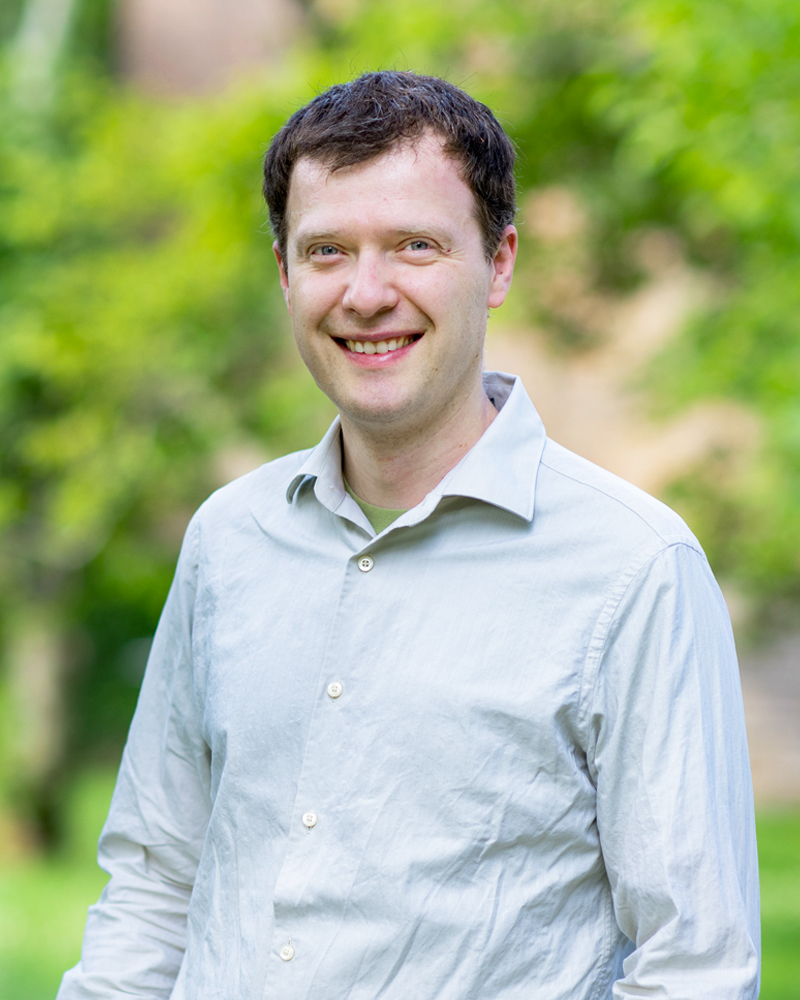
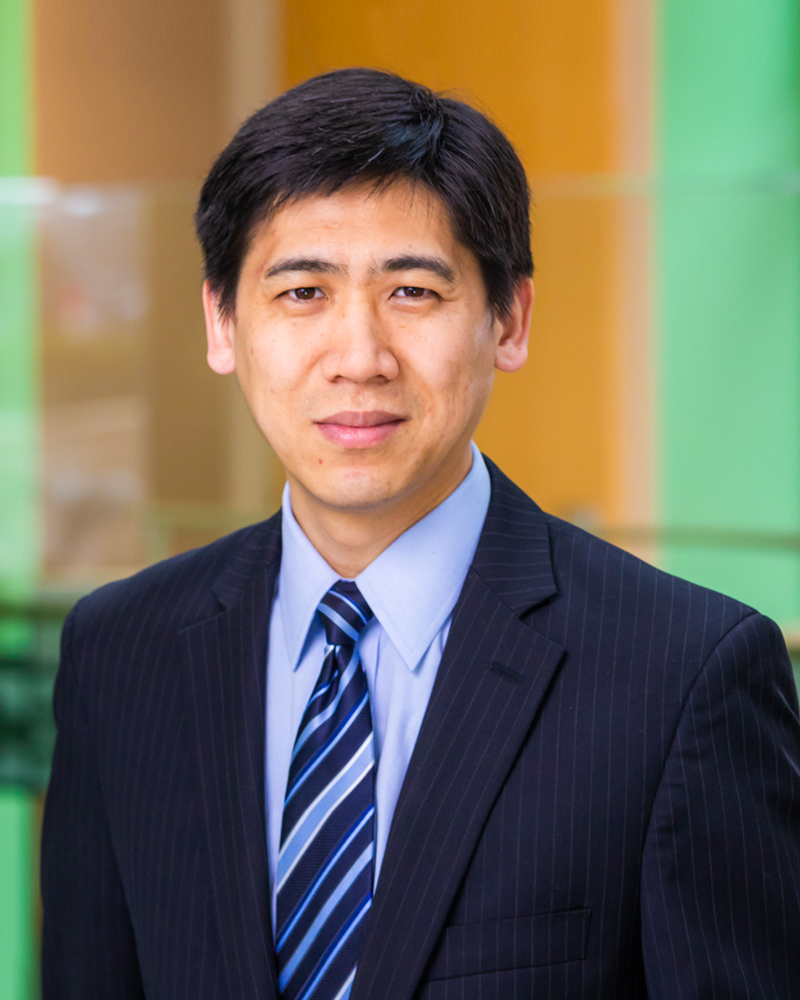
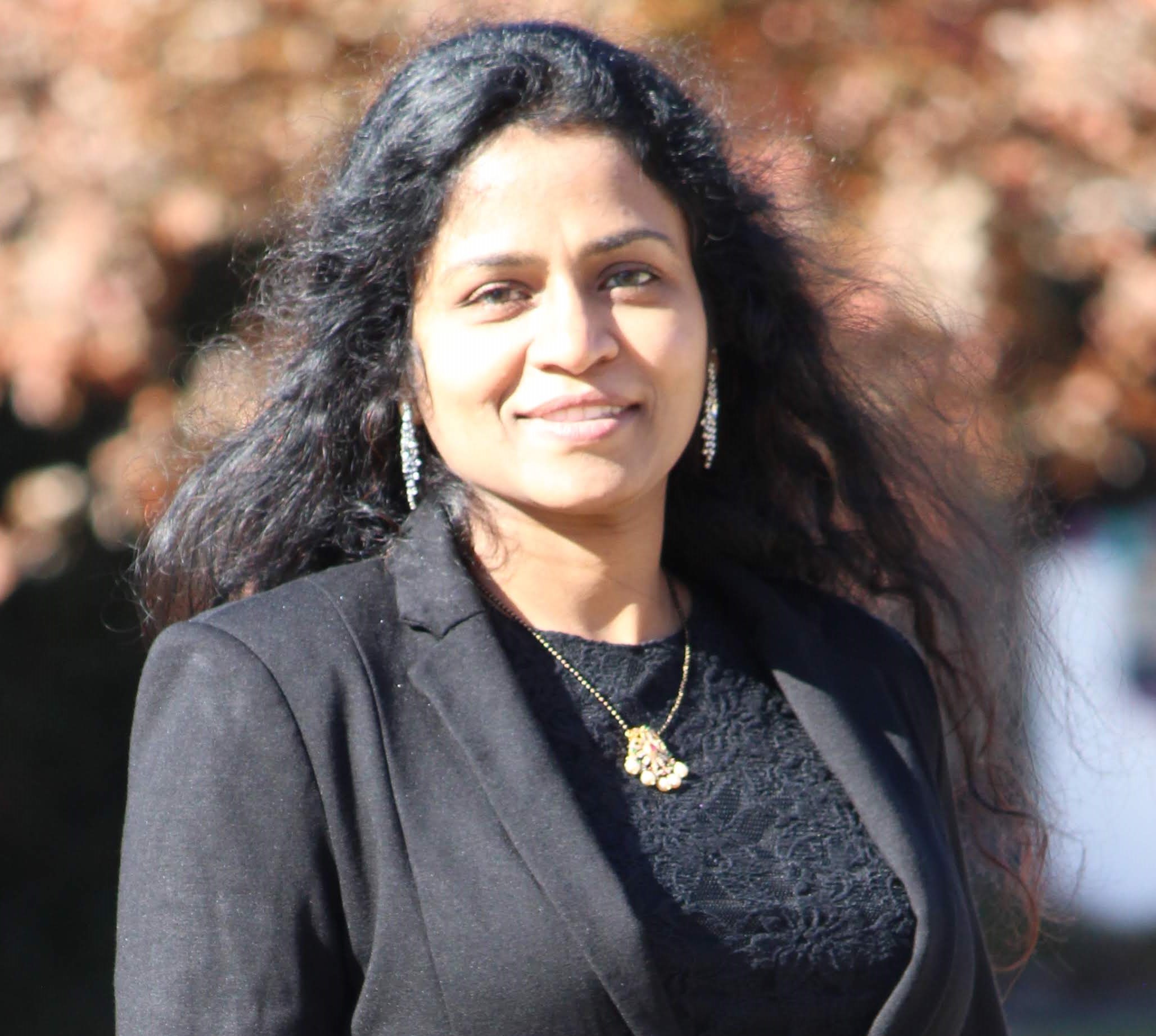
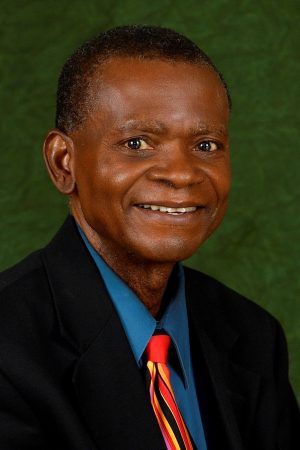
Janardan Dagar is a Researcher in the Department of Solution Processes for Hybrid Materials and Components. His work focuses on advanced materials and processes for high-efficiency photovoltaic systems, including perovskite solar cells, tandem solar modules, and laser-based patterning techniques. He specializes in optimizing manufacturing processes like slot-die coating and inkjet printing while addressing stability and scalability challenges in energy technologies. Key research areas include laser-induced material modifications, in-situ process monitoring, and the development of eco-friendly, cost-effective solar cell architectures. His contributions span theoretical modeling, experimental validation, and techno-economic assessments of photovoltaic systems, emphasizing sustainability and real-world performance under varying conditions. Recent work highlights innovations in perovskite solar cell efficiency (>22% power conversion), outdoor durability evaluations, and the integration of perovskite materials with silicon-based tandem configurations. His studies also address environmental and economic trade-offs in photovoltaic technologies, advocating for circular economy principles in energy systems.
Paul Burn is Professor of Chemistry at the University of Queensland's School of Chemistry and Molecular Biosciences. His research focuses on the development of organic semiconductor materials for optoelectronic applications including solar cells, OLEDs, and chemical sensors. His research group designs novel dendrimer-based materials for energy conversion and sensing. Current projects investigate charge transport phenomena, energy transfer mechanisms, and device stability in solution-processed organic electronics. His team develops materials for efficient lighting and explosive detection. Burn's publications demonstrate innovations in fluorinated additives for perovskite solar cells, Y6-based homojunctions, and iridium complex-cored dendrimers. Recent work explores dielectric properties of organic semiconductors and thin-film fluorescence sensing. Methodologically, his lab combines molecular synthesis with advanced device characterization. Collaborations span computational modeling groups to optimize material architectures. His fundamental work on exciton management informs next-generation display and energy technologies. Burn leads the Centre for Organic Photonics and Electronics, directing projects on sustainable energy materials and detection technologies. His patents cover dendritic emitters and sensor designs for security applications.
Dr. Paul Shaw is an Associate Professor at the University of Queensland's School of Chemistry and Molecular Biosciences and Director of the Centre for Organic Photonics & Electronics. He researches organic semiconductor applications for optoelectronic devices including solar cells, sensors, LEDs, and lasers. Research focuses on three main areas: Fluorescence-based chemical sensors for threat detection Organic and hybrid solar cell development Emissive processes in organic semiconductors His publications demonstrate consistent focus on material properties and device optimization, with recent work exploring dielectric properties of organic semiconductors and emissive film characteristics. Dr. Shaw leads the Advanced Functional Materials research theme and UQ-node of the Australian Centre for Advanced Photovoltaics.
Barry P. Rand is Professor of Electrical and Computer Engineering and the Andlinger Center for Energy and the Environment at Princeton University, with additional affiliations at the Princeton Materials Institute (PMI) and High Meadows Environmental Institute (HMEI). His research program focuses on advancing thin-film electronic materials for energy conversion and optoelectronic applications, bridging electrical engineering, materials science, physics, and chemistry. His educational background includes a PhD in Electrical Engineering from Princeton University (2007) and a Bachelor of Engineering in Electrical Engineering from The Cooper Union (2001). This foundation supports his interdisciplinary approach to semiconductor research. Rand's work centers on emerging thin-film semiconductors—particularly organic, oxide, and metal-halide perovskites—for solar cells, LEDs, and transistors. He investigates fundamental optical/electrical properties, material processing techniques (both vacuum and solution-phase), and critical device stability challenges. His research emphasizes understanding degradation mechanisms while developing novel device architectures to improve efficiency and longevity in real-world conditions. Analysis of his recent publications reveals dominant themes in perovskite optoelectronics, with concentrated efforts on stability enhancement through interface engineering, halide chemistry control, and novel transport layers. Significant growth appears in machine learning applications for materials discovery (e.g., LLM-Prop) and expansion into neuromorphic photonics and terahertz modulation, indicating strategic diversification while maintaining core expertise in energy devices. His scientific recognition includes: Gordon and Betty Moore Foundation Experimental Physics Investigators Initiative award (2023) ONR Young Investigator Program Award (2016) DARPA Young Faculty Award (2015) DuPont Young Professor Award (2015) 3M Nontenured Faculty Award (2014) As Director of Graduate Studies and active mentor, Rand supervises a diverse cohort of graduate researchers across thin-film electronics topics. His lab operations are supported by substantial research funding from federal agencies (ONR, DARPA) and industry partnerships, enabling state-of-the-art thin-film fabrication and characterization facilities. The RandLab, established in 2013, serves as the operational hub for his research group, focusing on translating fundamental semiconductor discoveries into next-generation electronic and optoelectronic devices for computing, sensing, and renewable energy applications.
Professor Zhiyong Jason Ren is a faculty member at Princeton University , affiliated with the School of Engineering and Applied Science and Department of Civil and Environmental Engineering . As HMEI Associated Faculty, he leads the Princeton WET LAB with research spanning water-energy nexus , environmental biotechnology , and microbial electrochemistry . Current positions: Professor of Civil and Environmental Engineering Key affiliations: Andlinger Center for Energy and the Environment His research focuses on water resource recovery , carbon capture/utilization , and environmental remediation through innovative technologies like microbial electrolysis cells and electrochemical membranes . Recent work connects machine learning with environmental engineering for expert-level question answering and baseline reporting frameworks. Prof. Ren's 2024-2025 publications reveal trends in environmental sustainability , hydrogen production from wastewater, and AI-driven environmental solutions . Key themes include net-zero emissions , volatile fatty acid recovery , and greenhouse gas monitoring .
Gobinath Rajarathnam is a Lecturer in Chemical & Biomolecular Engineering and Director of External Engagement at the University of Sydney's School of Chemical & Biomolecular Engineering. He holds a B.Eng (1st Class Honours) and Ph.D. in Electrochemical Engineering from the University of Sydney, with research time at Imperial College London. His work focuses on leveraging AI/ML, AR/VR, and interdisciplinary approaches to advance sustainable engineering solutions. Research interests include machine learning applications for engineering design, ethics integration in engineering, and AR/VR educational tools. Key projects involve PFAS degradation modeling, AI-driven study agents, and energy systems optimization for the Western Sydney Aerotropolis. He coordinates courses like CHNG1108 and CHNG5009, embedding research training and AI skill development. He has facilitated $1M+ in industrial partnerships and launched the Sydney Open Journal for undergraduate research. His work spans energy storage (Zn/Br flow batteries), circular economy metrics, and bioenergy lifecycle analysis. He serves on the Engineering Faculty Research Steering Committee and collaborates internationally with Mitsubishi Heavy Industries. Publications highlight innovations in energy systems, sustainable materials, and electrochemical engineering. Awards and grants include competitive funding for interdisciplinary projects, though specific honors are listed in his full profile.
Dr. Tengfei Li is a Senior Lecturer in Chemistry at Manchester Metropolitan University, joining in 2022. Prior to this, he held a Banting Postdoctoral Fellowship at the University of Cambridge (2019-2022). His research focuses span electrochemical and photocatalytic processes for environmental and energy applications. Electrochemical nitrate reduction Organic electrosynthesis Photocatalytic plastic degradation Electrochemical CO2 reduction His recent work explores CO2 valorization, nitrate-to-chemical conversions, and sustainable plastic recycling. Publications highlight innovations in tandem electrochemical systems, flow reactor engineering, and photochemical material synthesis. He previously worked at Churchill College, University of Cambridge, under Professor Erwin Reisner. Scientific achievements include the prestigious Banting Postdoctoral Fellowship. His research integrates electrochemical engineering with environmental sustainability, targeting industrial-scale solutions for carbon and nitrogen cycling. Electrochemical hydrogenation mechanisms Chloride-repelling electrode materials CO2 adsorption optimization Zn-Cu catalyst development Photocatalytic lignin breakdown High-throughput catalyst screening
Nicklas Anttu is an Associate Professor (tenure track) at the Faculty of Science and Engineering, Department of Physics at Åbo Akademi University. His research focuses on nanowire-based technologies for sustainable energy and biosensing applications, contributing to UN Sustainable Development Goals. Key areas include nanowire solar cells, perovskite materials, and optical biosensors. He leads projects such as HPC-Phot (High-Performance Computing in Photonics, 2024–2026) and co-leads the Printed Intelligence Infrastructure (PII) project (2024–2028), funded by the Academy of Finland. His work integrates computational modeling, experimental characterization, and device fabrication to advance nanophotonics and semiconductor technologies. Research interests span nanowire optoelectronics, plasmonics, and light-matter interactions. Notable achievements include optimizing light absorption in nanowire arrays, developing biosensing platforms using aerotaxy nanowires, and advancing perovskite solar cell efficiency. His contributions bridge fundamental physics with applied nanotechnology, targeting scalable, sustainable solutions. Recent publications highlight advancements in nanowire junction analysis, waveguide-based biosensors, and perovskite material modeling. Anttu actively collaborates on international projects, including the Suzhou Foreign Academician Laboratory (2022–2025), and engages in academic activities such as doctoral thesis oppositions and conference presentations.
Dr. Padmaja Guggilla is a Professor of Physics and Chairperson of the Physics, Chemistry, and Mathematics Department at Alabama A&M University (AAMU), serving as Associate Dean of Student Success within the College of Engineering, Technology, and Physical Sciences (CETPS). She holds editorial roles with the American Physical Society and serves on high-profile committees like the DoE Basic Energy Sciences Advisory Committee (BESAC). Her research focuses on advanced materials science, including organic solar cells, composite materials, pyroelectric materials, and nanotechnology applications in energy harvesting and sensors. Key grants include leading or co-PI roles in over $8 million in funding for initiatives like the CANDID DoE collaboration, NASA diversity programs, and NSF grants for STEM education and research infrastructure. Awards include recognition as a 2018 Emerging Scholar and multiple university-level teaching and scholarship awards. She has authored/co-authored over 50 peer-reviewed publications and book chapters, with recent work emphasizing nanocomposite materials and perovskite solar cell advancements. Her leadership extends to organizing STEM events like AAMU’s STEMDAY conferences and serving on federal grant review panels since 2012. Grants: Over $8M secured in NSF, NASA, DoE, and other federal/state funding for research and education initiatives Leadership: NSF ADVANCE Gender Equity Program Co-PI, CASL Fellow, and Fearless Leadership Program graduate Expertise: Pyroelectric infrared detectors, polymer nanocomposites, and energy storage materials Her research portfolio spans 20+ years with interdisciplinary impact in materials science, engineering, and STEM education equity.
Dr. Young-Gi Kim is an Associate Professor in the Department of Chemistry at Delaware State University (DSU), part of the College of Agriculture, Science and Technology (CAST). He leads the Energy and Organic Electronics Lab, focusing on advanced materials for energy storage, organic electronics, and photonic applications. His research emphasizes conjugated polymers, supercapacitors, and solar cells, with notable contributions to the integration of Group IV elements (e.g., germanium) into donor-acceptor polymers. Dr. Kim holds a PhD in Polymer Sciences from the University of Massachusetts Lowell and has conducted postdoctoral research at the University of Florida. He has served as a Special Issue Editor for the journal Polymers and is active in presenting at international conferences. His lab has advised numerous graduate and undergraduate students, many of whom have pursued further academic or industry roles. Key areas of research include: energy storage systems, organic photovoltaics, biosensors, and smart coatings. His work bridges fundamental material science with engineering applications, aiming for practical solutions in sustainable energy and electronics. He has collaborated with institutions globally, including POSTECH (South Korea) and KAIST, and industry partners like Corteva Agriscience. Dr. Kim’s lab has produced over 100 presentations and multiple peer-reviewed articles, focusing on polymer synthesis, nanomaterial integration, and device prototyping. He is also involved in curriculum development, serving as Chair of the Curriculum Committee in the Department of Chemistry. Awards and recognitions include his role as a Special Issue Editor, multiple invited lectures at international institutions, and grants supporting his research. His lab emphasizes student mentorship, with many advisees presenting at national conferences and receiving accolades.
Veit Wagner is an Associate Professor of Physics at the School of Science, Constructor University Bremen. His research focuses on molecular and nanoelectronics, hybrid organic systems, and organic surfaces/interfaces. He holds a Ph.D. from TU-Berlin and RWTH-Aachen (1991-1995), followed by a Habilitation in Physics from the University of Würzburg (1996-2001). Before joining Constructor University in 2002, he held positions at the University of Würzburg and IBM Research Lab Rüschlikon. Wagner’s work spans organic electronics, thin-film transistors (TFTs), and energy materials. Key achievements include pioneering studies on organic solar cell stability, high-frequency organic transistors, and polyoxometalate-based catalytic materials. He has authored over 100 publications and holds the Borchers-Plakette award from RWTH-Aachen (1995). He leads the Nanomolecular Science Graduate Program and chairs the Faculty Committee for Administrative Support and Infrastructure. Professional memberships include the Deutsche Physikalische Gesellschaft and the Materials Research Society (USA).
Abasifreke Ebong is a Professor of Electrical and Computer Engineering at the University of North Carolina at Charlotte. His research focuses on advancing solar cell technology, UV-LED applications, and semiconductor materials. He holds a Ph.D. from the University of New South Wales (Australia), and degrees from the University of Port Harcourt (Nigeria). His work emphasizes low-cost, high-efficiency solutions for energy systems. Education: Ph.D. in Electrical Engineering, University of New South Wales, Australia (1995) M.Sc. in Electrical Engineering, University of Port Harcourt, Nigeria (1987) B.Sc. in Electrical Engineering, University of Port Harcourt, Nigeria (1984) Research Interests: Dr. Ebong’s work spans solar cell design, UV-LED technology, thin-film photovoltaics, and metallization processes for improving solar cell efficiency and durability. He has pioneered innovations in cost-effective materials and automation for solar devices. Recent Research Trends: His publications highlight advancements in UV-LED disinfection systems, cavitated Ag paste for solar cells, and carbon-nanotube-reinforced gridlines. He emphasizes interdisciplinary approaches, combining materials science with electrical engineering for sustainable energy solutions. Labs/Teams: His research group collaborates on projects involving photovoltaic systems, semiconductor materials, and energy autonomy. Key initiatives include solar-powered UV-LED disinfection for off-grid regions and next-generation metallization techniques for silicon solar cells.
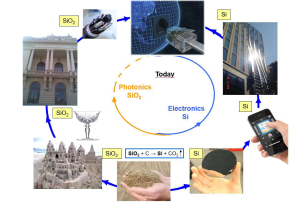
Mihaela Girtan is an Associate Professor at the University of Angers, leading research on thin film photovoltaics and photonic materials. Her work spans transparent conducting oxides, organic/perovskite solar cells, and plasmonic structures for energy conversion. Recent investigations focus on perovskite film optimization, indium-free transparent electrodes, and ellipsometric modeling for fabrication efficiency. Girtan pioneers oxide/metal/oxide multilayers as ITO alternatives and studies degradation mechanisms in organic photovoltaics. She organizes international conferences on advanced materials and delivers invited talks on solar energy transitions. Recognized among the top 2% of global researchers, Girtan bridges photonics and electronics in her monograph 'From Electronics to Photonics: Towards Future Solar Energy Devices'.
Francisco Fabregat-Santiago is a full Professor at the Physics Department of Universitat Jaume I (Spain), affiliated with the Institute of Advanced Materials (INAM). He holds a B.Sc. in Physics from Universitat de Valencia and University of Leeds (1995) and a Ph.D. from Universitat Jaume I (2001). His research focuses on electro-optical characterization of materials, particularly using impedance spectroscopy to analyze nanostructured films and devices like dye-sensitized and perovskite solar cells. Current interests include nano/bio materials for solar energy, water decontamination, bioenergy, and electrochemical production of valuable chemicals. Key research areas include: Electrocatalysis for energy storage and conversion Photoelectrochemical systems for solar fuels Nanomaterials for environmental applications Impedance spectroscopy modeling Recent publications (2021–2025) highlight advancements in biomass valorization, hydrogen storage via Liquid Organic Hydrogen Carriers (LOHCs), and optimization of electrochemical processes. His work bridges fundamental material science with applied energy technologies, emphasizing sustainable solutions. Labs/Groups: Active member of Research Group RG3. Electrocatalysis and Energy (ECATEN) at INAM.
Rosario Vidal is a Full Professor of Engineering Projects at the Universitat Jaume I since 2009, with teaching responsibilities in Ecodesign, Engineering Projects, and Design Methodologies. She leads the RG8. GID - Green Investigation & Development research group at the Institute of Advanced Materials (INAM) and has supervised 16 doctoral theses. Educational Background : B.Sc. in Industrial Technical Engineering (Chemistry, 1990), M.Sc. in Industrial Engineering (Mechanical, 1993), Ph.D. (1996) from Universitat Politècnica de València . Research Interests focus on: Life Cycle Assessment (LCA) applied to renewable energy technologies, materials, and industrial processes. Sustainability Assessment integrating social impacts and circular economy principles. Environmental Impact Analysis of photovoltaics, additive manufacturing, and battery recycling. Critical Raw Materials and resource depletion risks in emerging technologies. Eco-Innovation in design and production systems. Recent Publications (2025-2018) emphasize perovskite solar cell sustainability, lithium-ion battery recycling, additive manufacturing for underwater applications, and eco-friendly LED production. Key trends include comparative LCA across technologies, green chemistry , and resource criticality in renewable energy systems. International Collaborations include research stays at the Environmental Protection Agency (USEPA, US) , Cranfield University (UK) , NREL (US) , and Tampere University (Finland) . Her work bridges industrial scaling simulations , pollutant fate modeling , and multi-criteria decision analysis to advance sustainable solutions.