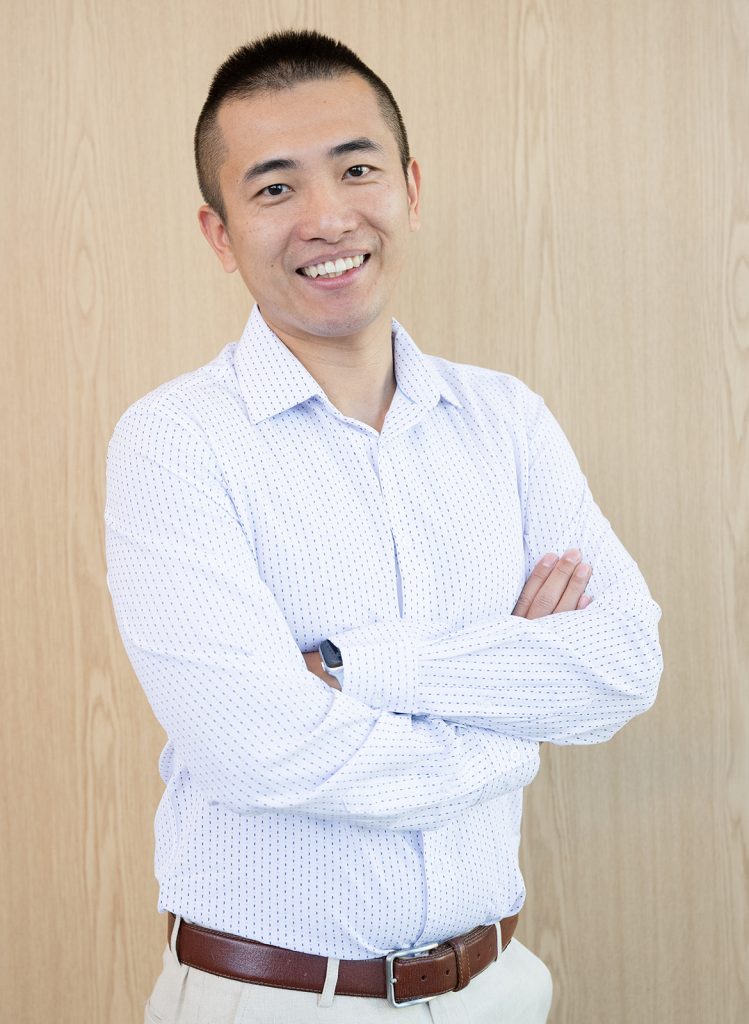
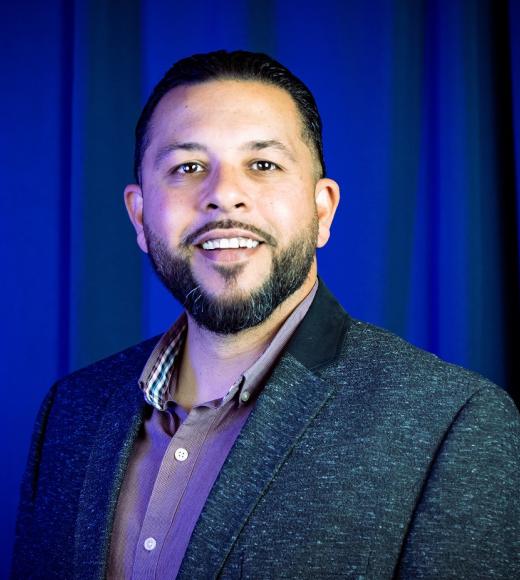
Russell Bisset is an Assistant Professor at the University of Innsbruck, leading a research group focused on ultracold quantum matter theory. His work explores phenomena in dipolar quantum gases, self-bound droplets, supersolids, and quantum vortices. He is affiliated with the Center for Ultracold Atoms and Quantum Gases, collaborating with groups from the University of Innsbruck and the Austrian Academy of Sciences. His research interests span theoretical modeling of ultracold quantum systems, including: Supersolidity in dipolar condensates Quantized vortices in anisotropic superfluids Self-organization in binary quantum gases Dimensionality effects in 2D superfluid systems Recent work emphasizes 2D supersolid formation and probing superfluidity via angular oscillations. His group collaborates with experimental teams to bridge theory and observation, as seen in Nature and Phys. Rev. Lett. publications. Advising includes PhD/MSc students like Ashwath Madhusudan and Rene Röhrs, with former students transitioning to institutions like Heidelberg University. The group operates within the ESQ Quantum Austria framework, leveraging advanced computational tools for quantum many-body systems. Laboratory activities focus on numerical simulations and interdisciplinary approaches to quantum matter, contributing to next-generation quantum technologies.
Dr. Ng Jia Hui is a Lecturer at the School of Pharmacy, Monash University Malaysia since 2023. She holds a BPharm (First Class Honours) from the University of Queensland (2018) and a PhD in Medicinal Chemistry from Monash University Malaysia (2023). Her research focuses on developing practical synthetic methods for purine-like heterocyclic compounds using microwave-assisted multicomponent reactions. Key areas include microwave-assisted synthesis, heterocyclic chemistry, and NMR spectroscopy. Her work contributes to UN Sustainable Development Goals related to health and innovation. Notable awards include the TienTe Lee Biomedical Foundation-YSP Excellent Scientific Paper Award 2023 and two School of Pharmacy Excellent Publication Awards (2022 and 2023). Recent publications emphasize novel synthesis pathways for bioactive compounds like pyrazolopyrimidines and quinazolinones, with applications in drug design and anti-leukemic research. Education: PhD in Medicinal Chemistry, Monash University Malaysia (2023) BPharm (Honours) in Clinical & Experimental Therapeutics, University of Queensland (2018) Awards: TienTe Lee Biomedical Foundation-YSP Excellent Scientific Paper Award (2023) Excellent Publication Award (School of Pharmacy, 2022 & 2023) Research Trends: Publications (2021–2023) highlight advancements in microwave-assisted synthesis, structural polymorphism studies, and computational drug discovery. Collaborations focus on organic synthesis and medicinal chemistry, with international engagement through multicomponent reaction methodologies.
Prof. Ulrich Rüdiger serves as Rector of RWTH Aachen University since 2018, overseeing one of Germany's leading technical universities. Previously, he was Rector of the University of Konstanz (2009–2018) and Chair of Experimental Physics there. His academic journey includes a PhD (1997) and habilitation (2002) at RWTH Aachen, focusing on spin-dependent transport phenomena and magnetooptics. He has held research roles at institutions including New York University and IBM Research. Research Interests: Prof. Rüdiger’s work spans spintronics , magnetic materials , and nanoscale systems . He pioneered studies on domain wall dynamics, single-molecule magnets, and ferromagnetic semiconductors. His experimental physics contributions address fundamental questions in condensed matter physics with applications to next-generation electronics. Awards & Recognition: Ordre des Palmes Académiques (2012) Multiple honorary doctorates from Kyiv and Moscow institutions Leadership roles in TU9, HRK, and JARA Administration & Service: As Rector, he chairs key bodies like E.ON Energy Research Center and GUtech. His tenure emphasizes international collaboration, innovation policy, and STEM education. He co-develops strategic initiatives for research infrastructure and sustainable higher education.
Jesús M. Velázquez is an Associate Professor in the Department of Chemistry at the University of California, Davis. His research focuses on designing dimensionally reduced materials, including monolayers, nanocrystalline thin films, and mesoporous monoliths, with applications in nanoelectronics, energy conversion, and environmental remediation. Education: Ph.D. (2012) and B.S. (2004) from University at Buffalo-SUNY and University of Puerto Rico-Cayey, respectively. His group employs advanced characterization techniques like microscopy, spectroscopy, electrochemistry, and synchrotron-based methods to establish structure-function correlations that iteratively guide materials design. Representative research areas include energy conversion , electrocatalysis , and environmental remediation . Key trends in his publications include applications of machine learning to materials synthesis, exploration of Chevrel-phase sulfides for energy storage, and development of mesoporous ceramics for oil spill cleanup. His work bridges inorganic chemistry and materials engineering with a focus on sustainability. Scientific Awards: Jean Dreyfus Lectureship (2024) Alfred P. Sloan Foundation Fellow (2023) Camille Dreyfus Teacher-Scholar Award (2022) APS Sustainable Energy Fellowship (2021) NSF CAREER Award (2020) Cottrell Scholar Award (2020)
Darko Kontrec is a Senior Researcher at the Ruđer Bošković Institute (RBI), affiliated with the Division of Organic Chemistry and Biochemistry and the Laboratory for Chiral Technologies (LKT). He holds a Ph.D. in Chemistry from the University of Zagreb (1999). His research focuses on chiral recognition mechanisms, enantioselective separations via chromatography, and the synthesis of chiral stationary phases for HPLC/SFC. He has pioneered studies on aroylhydrazone derivatives, metal complexes, and their applications in pharmaceutical and materials science contexts. Key research areas include: Development of novel chiral stationary phases for enantioseparation Synthesis and characterization of organic compounds with pharmaceutical potential (e.g., hydantoins, β-lactam ureas) Photochemistry and photocyclization of organic molecules Coordination chemistry of transition metals (Fe(III), Ga(III), Cu(II), Al(III)) with hydrazone ligands Materials science investigations of liquid crystals and fluorinated nematogens Notable contributions include over 70 peer-reviewed publications (2024-1993) across high-impact journals like Molecules , Pharmaceuticals , and Journal of Coordination Chemistry . He has mentored students such as Mladenka Jurin in chromatographic method development and enantioselective synthesis projects. His work bridges organic chemistry, analytical chemistry, and medicinal applications, with a focus on practical separation technologies and drug discovery.
Marina Fonari is a Leading Scientific Researcher at the Laboratory of Physical Methods of Solid State Investigation 'Tadeusz Malinowski' within the Institute of Applied Physics at the State University of Moldova. Her work focuses on advanced materials science, solid-state physics, and inorganic chemistry, particularly in the synthesis and characterization of coordination polymers, metal complexes, and luminescent materials. Research interests include crystal engineering, photoluminescence properties, and structural analysis using techniques like Hirshfeld surface mapping. She has contributed to studies on stimuli-responsive materials, anticaries agents, and optoelectronic compounds. Her projects involve collaborations under programs such as ANCD and STCU, focusing on functional materials and their applications in energy, photonics, and biomedical fields. Key publications span 2023–2025, emphasizing structural characterization, emission behaviors, and synthesis strategies for novel compounds. Her work bridges fundamental research with practical applications in materials development and technological innovation.
Ranajeet Ghose is a Professor in the Department of Chemistry and Biochemistry at City College of New York (CCNY), part of the CUNY system. He leads the Ghose Lab, focusing on structural and mechanistic studies of protein kinases across different biological kingdoms. His research integrates biophysical techniques like NMR spectroscopy, X-ray crystallography, and computational modeling to understand enzyme function in translational control, bacterial signaling, and cancer-related pathways. Education: PhD from Yale University. Current roles include teaching CHEM 33200 (Physical Chemistry II) and mentoring a diverse team of postdoctoral researchers, PhD students, and undergraduates. The lab collaborates with facilities at the CUNY Advanced Science Research Center (ASRC) and the New York Structural Biology Center (NYSBC), utilizing state-of-the-art NMR, cryo-EM, and X-ray crystallography resources. Research interests span eukaryotic elongation factor 2 kinase (eEF-2K), bacterial tyrosine kinases (BY-kinases), and mitogen-activated protein kinases (MAPKs). Studies emphasize structure-function relationships, allosteric regulation, and substrate recognition mechanisms. Over 80 peer-reviewed publications highlight contributions to understanding kinase dynamics and their roles in health and disease. Lab facilities include access to 600-800 MHz NMR spectrometers, solid-state NMR probes, and computational infrastructure. Training opportunities exist for students in protein biochemistry, structural biology, and biophysical techniques. Current openings include postdoctoral positions and PhD programs through CUNY's Graduate Center.
Olga Kulikova is an Associate Professor and Leading Scientific Researcher at the Laboratory of Physics of Semiconductor Compounds “Sergiu Radautsan” within the Institute of Applied Physics (IFA) in Chișinău, Moldova. Her research focuses on coordination polymers, crystal engineering, luminescent materials, and semiconductor materials. She holds a Ph.D. and has been actively involved in numerous national and international research projects, including FP7 and H2020 initiatives. Her work spans the synthesis, structural characterization, and functional properties of coordination compounds, with particular emphasis on photoluminescence, magnetic properties, and applications in sensing and biomedical fields. Key projects include studies on zinc and cadmium-based coordination networks, transition metal-organic materials, and the design of chemosensors. Publications highlight her contributions to understanding luminescence quenching mechanisms, structural variability in coordination polymers, and the development of materials for biomedical applications. Her research often integrates crystal engineering principles with advanced spectroscopic techniques to explore material functionality. Key Projects: ANCD 20.80009.5007.01, H2020-MSCA-RISE-2017-777968, FP7-PEOPLE 295202 Labs/Teams: Leading projects in the Laboratory of Physics of Semiconductor Compounds, collaborating on multidisciplinary initiatives.
Stefano Materazzi is an Associate Professor at the Department of Chemistry, Sapienza University of Rome. His research focuses on analytical chemistry, forensic chemistry, and biomedical applications. He specializes in developing innovative analytical methodologies using techniques like MicroNIR spectroscopy, thermoanalytical methods (TGA/EGA), and chemometrics. Key areas include drug delivery systems, environmental analysis, and diagnostic tools for hemoglobinopathies. His work emphasizes green analytical chemistry and portable sensing technologies. Education: Not explicitly stated in texts, inferred via professional roles. Affiliations: Sapienza University of Rome (Department of Chemistry). Research interests span microencapsulation strategies for probiotics, PFAS detection in waste, olive maturation sensing, and forensic applications of thermal analysis. Recent studies include early detection of sickle cell anemia and thalassemia using TGA/chemometrics. He collaborates on projects like 'Development of innovative analytical methodologies for hemoglobinopathies screening in the Lazio Region.' Publications highlight advancements in portable analytical platforms (e.g., MicroNIR) for on-site testing of drugs, food quality, and environmental samples. His work bridges fundamental chemistry with practical applications in health, environment, and industry. Grants/Projects: Development of innovative analytical methodologies for hemoglobinopathies screening in the Lazio Region. A nutraceutical approach for superior quality milk. Labs/Teams: Involved in multidisciplinary teams focusing on analytical chemistry, nanotechnology, and biomedical applications at Sapienza University.
Karl Michael Ziems is a Postdoctoral Researcher in the Department of Chemistry, Physical Chemistry group at the Technical University of Denmark (DTU), where he conducts advanced research at the interface of quantum computing and quantum chemistry. He also holds an external part-time academic position as a Lecturer at the University of Southampton, effective from January 1, 2025. His research focuses on developing and refining quantum computational methods for accurate prediction of molecular properties. Key areas include quantum linear response theory, polarizable embedding for environmental effects, and noise mitigation strategies in quantum simulations. He actively contributes to bridging the gap between theoretical quantum chemistry and practical implementation on near-term quantum devices. The most recent publications (2024–2025) reveal a strong trend toward hybrid quantum-classical methodologies, particularly in simulating spectroscopic properties and molecular excitations. These works demonstrate applications in both model systems and real materials like ice polymorphs, with emphasis on validating quantum algorithms against classical benchmarks and improving robustness against hardware noise. He collaborates extensively with a core team including S. P. A. Sauer, J. Kongsted, and S. Coriani, publishing in high-impact journals such as Chemical Science , Journal of Chemical Physics , and Journal of Physical Chemistry A . His research is cited and discussed in academic networks, with Mendeley readership and social media mentions indicating scholarly engagement. While no formal scientific awards or grants are listed, his external lecturer role and consistent publication record reflect growing academic recognition. He advises no students listed in the provided information. His work is supported by computational infrastructure at DTU, and he is likely involved in collaborative quantum chemistry initiatives, though specific labs or research centers are not explicitly named in the text.
Tim Hogan is a Professor in the Department of Electrical and Computer Engineering at the College of Engineering, Michigan State University, with his office located in the Engr Rsch Complex, Room C136. He can be contacted at hogant@msu.edu and maintains an active research program in advanced materials characterization. His academic background includes: Ph.D. from Northwestern University (1996) Professor Hogan's research centers on electronic materials with expertise in temperature-dependent electrical conductivity, Seebeck coefficient, thermal conductivity, Hall effect, and current-voltage measurements. His work spans single crystal diamond, thermoelectric materials, oxide nanowires, and surface enhanced Raman spectroscopy . He employs advanced experimental techniques including pulsed laser deposition, laser micromachining, cleanroom procedures, solid state reactions, powder processing, spark plasma sintering, and high-temperature high-pressure processing. Analysis of his 2014-2016 publications reveals a concentrated focus on thermoelectric efficiency optimization through novel doping strategies and semiconductor device fabrication. Key trends include development of Mg 2 SiSn-based thermoelectrics, SiC/Si diode manufacturing under ambient conditions, and boron-doped diamond electrode characterization, demonstrating consistent innovation in energy conversion materials. His distinguished recognition includes: National Science Foundation CAREER Award (2001) Withrow Award for Distinguished Scholarship (2002) IEEE Senior Member (2002) Teacher Scholar Award (2004) Withrow Teaching Excellence Awards (2009, 2011) While specific grant details aren't provided, his sustained publication record and experimental infrastructure suggest robust research funding. His collaborative publications indicate active mentorship of graduate students and postdoctoral researchers in materials science investigations. His laboratory operations leverage specialized facilities including cleanrooms for semiconductor processing and high-temperature equipment for materials synthesis, supporting a multidisciplinary research team focused on next-generation electronic materials development.
Niels Erik Olesen is a Postdoc researcher at the Department of Biotechnology and Biomedicine, Technical University of Denmark (DTU), affiliated with the Nano Bio Integrated Systems group. He serves as Contact Person for the DTU project "Active Wearable Sensors for Monitoring of Levodopa in Parkinson’s Disease" (2023-2025) and is a Member of the International Electrotechnical Commission (2022-2026). His ORCID profile (0009-0001-3908-5043) and institutional email nieol@dtu.dk confirm his active DTU affiliation. Research interests center on electrochemical sensors and drug delivery systems. Early work (2012-2018) focused on biopharmaceutics, including thermodynamic modeling of cyclodextrin formulations, bile salt interactions, and drug-polymer solubility prediction using DSC/ITC techniques. Current research pivots to wearable sensor technology, specifically microneedle-based porous gold electrochemical sensors for real-time levodopa monitoring in Parkinson's disease patients, as evidenced by his active project and 2024 conference presentation. His 15 most recent publications (2015-2018) reveal strong methodological innovation in pharmaceutical formulation science. Key themes include DSC-based solubility prediction (7 articles), cyclodextrin-bile salt displacement mechanisms (4 articles), and polymer molecular weight effects on drug miscibility (3 articles). The shift toward electrochemical sensors is documented in his 2023 project but not yet reflected in publications, indicating emerging research direction. No scientific awards or fellowships were mentioned in the provided sources. Olesen leads the DTU research project on Parkinson's disease wearable sensors (100% focus on levodopa monitoring) and presented preliminary work as Guest Lecturer at a conference in November 2024. No student advisement is documented, though his project involves interdisciplinary collaboration. The International Electrotechnical Commission membership (2022-2026) suggests industry-standardization contributions. He operates within DTU's Nano Bio Integrated Systems group, focusing on nanoscale biointegration. His current project team develops microneedle-based electrochemical sensors for continuous levodopa monitoring, aiming to translate lab research into clinical Parkinson's management tools through wearable technology.
Young Min Kim serves as an Assistant Professor in the Department of Physics and Astronomy at California State University, San Bernardino since August 2023, following an Assistant Professor position at Colorado Mesa University (2019-2023) and postdoctoral appointments at the University of Maryland and KAIST. Education: Ph.D. in Physics, Universität Paderborn, Germany (2010-2013) M.S. in Physics, Universität Paderborn, Germany (2008-2010) B.S. in Physics, Pacific Union College, California (2003-2007) B.S. in Mathematics, Pacific Union College, California (2003-2007) Research Interests: Dr. Kim is a physicist with over 10 years of experience in experimental quantum and optical physics, solid-state materials engineering, and quantum information science. Their expertise spans optics, spectroscopy, nanotechnology, semiconductors, and quantum information. They focus on developing quantum technologies through the study of quantum dots, spintronics, and novel semiconductor materials. Publication Analysis: Dr. Kim's publications from 2012 to 2018 demonstrate a consistent research trajectory in quantum photonics and spin-based quantum information processing. Key themes include the engineering of quantum emitters in semiconductor nanostructures, spin-orbit torque phenomena for magnetic memory, and semiconductor qubit implementations. This work bridges fundamental physics with materials engineering for quantum applications. Scientific Awards: No scientific awards mentioned in the provided text Advising and Grants: With over five years of mentoring experience, Dr. Kim has guided undergraduate research projects and master's students in the material sciences program. They currently manage significant research funding, including a DoD-HBCU/MI Equipment/Instrumentation grant (FY2024) and an NSF grant (18-509), totaling over $1 million in awarded grants. Labs and Teams: Although specific laboratory names are not provided, Dr. Kim's research profile indicates active participation in quantum optics and nanomaterials research groups at CSUSB, likely involving interdisciplinary collaborations in quantum information science.
Tony Keene is an Associate Professor in the School of Chemistry at University College Dublin, specializing in molecular magnetism and functional coordination materials. With a strong background in crystallography and materials science, he leads research on coordination polymers and metal-organic frameworks (MOFs) for advanced applications in sensing and energy storage. 2002: BSc (Hons) in Chemistry, University of Southampton, UK 2007: PhD in Chemistry, University of Glasgow, UK Postdoctoral Fellow, Universität Bern, Switzerland 2009: Postdoctoral Fellow, University of Sydney, Australia 2012: Postdoctoral Fellow, University of Adelaide, Australia; Marie Curie Fellow, University of Southampton, UK 2014: Research Scientist, EPSRC National Crystallographic Service, University of Southampton, UK 2015: Lecturer in Inorganic Chemistry, University College Dublin, Ireland Professor Keene's research focuses on the rational design of coordination polymers and porous metal-organic frameworks (MOFs) to create materials that can detect chemical and physical changes through magnetometry. His work provides unique insights into absorption processes in MOFs that cannot be obtained through standard gas sorption analysis. He has a strong interest in developing separation techniques for insoluble materials, enabling the purification of product mixtures on a laboratory scale and allowing for better characterization of target compounds without interference from impurities. His research bridges the gap between molecular magnetism and functional materials design. Analysis of Professor Keene's recent publications reveals a strong focus on crystallography, molecular magnetism, and materials science. His work spans from fundamental structural studies of coordination compounds to applied research on energy storage materials like supercapacitors and battery cathodes. A recurring theme is the use of advanced characterization techniques, particularly X-ray crystallography and magnetic measurements, to understand structure-property relationships in novel materials. His research increasingly incorporates computational modeling to complement experimental findings. Member, Royal Society of Chemistry Member, British Crystallographic Association Professor Keene is actively involved in academic leadership and student engagement. He chairs the Graduate Studies Committee and the School of Chemistry Outreach and Recruitment Team. He coordinates multiple research projects for students and teaches courses ranging from introductory chemistry to specialized topics like computational X-ray crystallography. His outreach work brings chemistry to diverse audiences of all ages and interests through the School of Chemistry's enthusiastic outreach team. As head of the Outreach Team in the School of Chemistry, Professor Keene leads initiatives that bring chemistry to a wide range of audiences. His research group focuses on molecular magnetism and functional coordination materials, with particular expertise in crystallographic characterization and magnetic measurements of novel compounds.
Ravitej Uppu serves as an Assistant Professor and Colloquium Coordinator in the Department of Physics and Astronomy at the University of Iowa, researching solid-state emitters coupled with nanophotonic environments to develop photonic qubits and spin-photon interfaces for quantum communication, simulation, and imaging applications. Education: PhD, Tata Institute of Fundamental Research, India Research Interests: His work pioneers Quantum Information systems through Condensed Matter Physics and Photonics innovations. Key specializations include quantum coherent control of semiconductor qubits, nanophotonic cavity design, single-emitter spectroscopy, and wavefront manipulation for secure quantum communication, targeting real-world quantum technology implementation. Scientific Awards: Lead PI for UI-QuantumSimulation team awarded Jumpstarting Tomorrow grant (2021) Advising and Grants: Dr. Uppu mentors students in cryogenic optical microscopy, MATFab nano-fabrication, ultrafast laser systems, and quantum correlation measurements while fostering international collaborations. His secured Jumpstarting Tomorrow grant funds quantum simulation infrastructure development. Labs and Teams: He directs the Quantum Light Control Lab at Iowa Advanced Technology Laboratories (IATL), maintaining active partnerships with Niels Bohr Institute (Denmark), University of Twente (Netherlands), and TIFR (India) for cross-border quantum research initiatives.