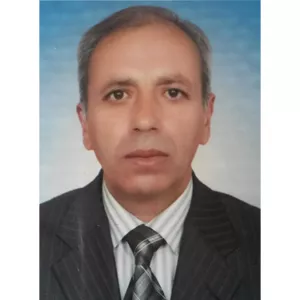
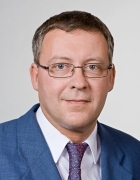
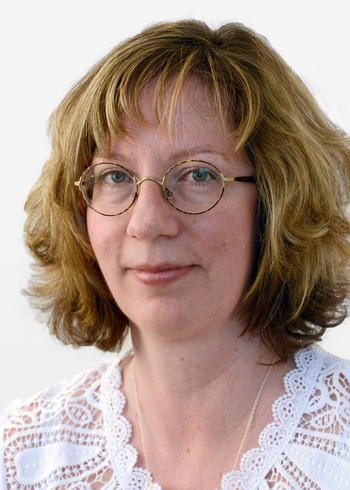
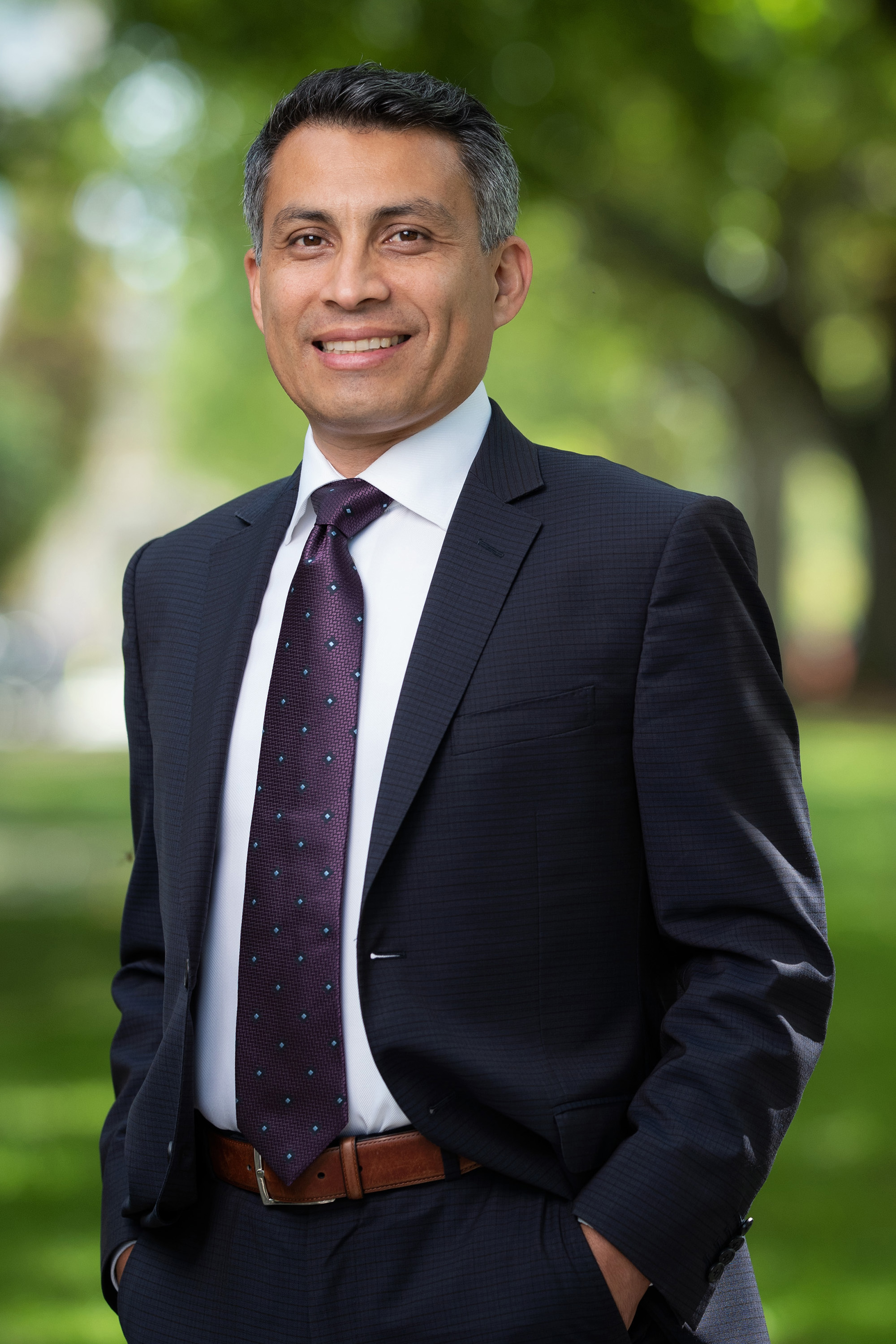
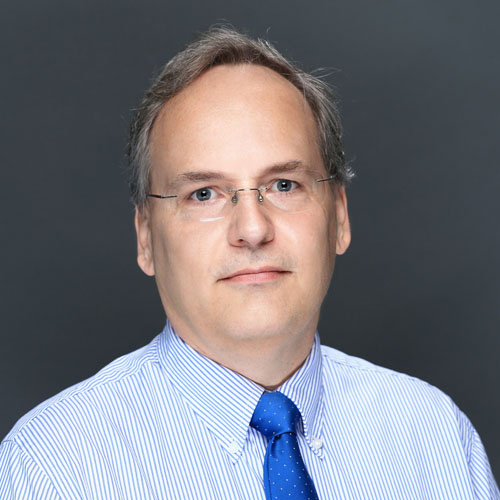
Devlet Çıragoğlu is a Professor at Igdir University's Faculty of Engineering, Department of Geotechnics. He holds a BSc from Azerbaycan İnşaat Mühendisleri Üniversitesi (1977) and a PhD from Baku Architecture and Construction University (1984). His research focuses on geotechnical engineering, renewable energy integration, environmental impacts of waste, CO2 sequestration, and structural analysis of buildings under seismic conditions. Education: BSc (1977), PhD (1984) His research interests span geotechnical challenges, energy sustainability, and the application of mathematical modeling to engineering problems. Recent articles emphasize CO2 mineral sequestration in coal mine waste, geothermal energy utilization, and structural deformation in urban environments. He has contributed to international conferences and journals, addressing topics like landslide analysis under earthquakes and ultrasonic energy in soil mechanics. No scientific awards are listed. Advising activity and grants remain unrecorded. His work often intersects with environmental and energy challenges, particularly in mining and geothermal contexts.
Prof. Hartmut Spliethoff is a full professor in Energy Systems at the Technische Universität München (TUM), part of the TUM School of Engineering and Design. His research focuses on energy conversion systems, thermal power plant efficiency, carbon capture, and biomass utilization. He holds a doctorate and habilitation from the University of Stuttgart, with prior professorship at Delft University of Technology until 2004. Current roles include scientific director of ZAE Bayern’s Department 1 and Superintendent of Research at the International Flame Research Foundation (IFRF). He is also on the scientific advisory board of VGB PowerTech. Education: Mechanical Engineering studies at Universities of Kaiserslautern and Stuttgart Doctorate (1992), Habilitation (1999) in Stuttgart Research Interests: Centralized/decentralized energy systems Thermal power plant flexibility and efficiency Biomass and fossil fuel conversion CO₂ capture technologies Low-temperature heat utilization Geothermal and waste-to-energy systems Recent research highlights include advancements in plasma gasification of biomass/plastic waste, thermochemical energy storage using CaO/Ca(OH)₂, and techno-economic assessments of Power-to-X pathways for sustainable aviation fuels. His work emphasizes sector-coupled energy systems and renewable integration, with contributions to geothermal heat pumps and district heating networks optimization. Collaborations span industry and international research institutions. Key Contributions: Development of gasification kinetics models NOx emission reduction strategies Heat transfer optimization in bubbling fluidized beds AI-driven process optimization for fuel cells Labs/Teams: ZAE Bayern (Center for Applied Energy Research) International Flame Research Foundation (IFRF) TUM Chair of Energy Systems
Dr Yiran Liu serves as a Lecturer in the Department of Chemical Engineering within the School of Engineering at The University of Western Australia (UWA), a position held since 2023 following her Postdoctoral Fellowship at the University of New South Wales (UNSW) from 2021-2023. Her academic credentials include: Bachelor of Engineering (BEng), University of Science and Technology Beijing (2014) Master of Engineering (MEng), University of Science and Technology Beijing (2017) PhD, University of New South Wales (2021) Research centers on two interconnected pillars: Low-Carbon Mineral Processing utilizing numerical simulation and machine learning to optimize iron/nickel/lithium extraction with renewable fuels (hydrogen/biomass), and Sustainable E-Waste Management focusing on pyrometallurgical recovery of valuable metals from electronic waste. This work directly supports UN Sustainable Development Goals for responsible resource consumption and climate action. Analysis of her 2022-2025 publications reveals consistent innovation in decarbonizing metallurgical processes, particularly through co-injection of hydrogen and biochar (CoHB) in blast furnaces, data-driven coal combustion optimization, and advanced CFD modeling. These interdisciplinary efforts bridge chemical engineering, computational science, and environmental sustainability with rapidly growing citation impact. She currently leads two major funded projects: Blast Furnace Innovations: Sustainable, Low-Carbon Ironmaking (Australian Renewable Energy Agency, 2025-2029) Numerical Investigation of Valuable Metal Recovery from Spent Lithium-Ion Batteries (UWA, 2025-2026) Actively recruiting PhD students for research in mineral processing optimization and waste management, she also serves on the Youth Editorial Board of the Journal of Iron and Steel Research International and reviews for Metallurgical and Materials Transactions B.
Prof. Dr. Susan Schorr is an Adjunct Professor at the Department of Mineralogy-Petrology, Institute of Geological Sciences, Freie Universität Berlin. Her research focuses on photovoltaic materials, particularly kesterite and chalcopyrite compounds, with an emphasis on structural analysis using X-ray and neutron diffraction techniques. She has authored over 100 peer-reviewed publications and edited special issues on novel materials for energy and photovoltaic applications. Her work includes studies on Cu₂ZnSnSe₄ (CZTSe) and related thin films, exploring their crystallographic properties, defect characteristics, and applications in solar cell absorbers. She collaborates with institutions like the Helmholtz-Zentrum Berlin (HZB), contributing to advanced characterization methodologies for thin-film solar cells. Key contributions include investigations of phase transitions, composition-stability relationships, and materials for sustainable energy production. Her research spans structural phase transitions in semiconductors, compositional effects in kesterite materials, and the development of neutron-based analytical tools. She has pioneered studies on off-stoichiometric materials and their implications for device performance. Her work integrates experimental techniques like synchrotron radiation, Raman spectroscopy, and computational modeling to advance material design for renewable energy technologies.
Arthur Garforth is a Professor of Catalysis at the University of Manchester, affiliated with the School of Chemical Engineering and Analytical Science (CEAS). He holds honorary roles in academic and research administration. His research focuses on heterogeneous catalysis, structured catalyst fabrication, and environmental sustainability, particularly in polymer recycling and hydrocracking. He has supervised 27 PhD students and secured over £2M in grants, including notable awards like the Royal Society Brian Mercer Award (2008) and the ExxonMobil Excellence in Teaching Gold Medal (2008). Garforth's career includes leadership roles such as Director of Teaching and Learning (2011–2019) and Director of Undergraduate Studies (2004–2009). He has led IChemE accreditation visits and contributed to policy development in chemical engineering education. His research group explores sustainable technologies for waste plastics, including the NovaCrack project for polymer hydrocracking and collaborations with industry partners like B&M Longworth. He actively participates in conferences and organizes events, such as the International Conference on Environmental Catalysis (2020). Research Themes: Oil & Gas Catalysis, Structured Catalysts, Environmental Sustainability Awards: Royal Society Brian Mercer Award (2008), ExxonMobil Excellence in Teaching Gold Medal (2008) Grants: KTP award with B&M Longworth, UKRI grants (RE3 and Catalysis for the Circular Economy) Lab Teams: Catalysis Group, Molecular Systems and Biomaterials, Nanomaterials and Interfaces
Walter Mérida is a Professor in the Department of Mechanical Engineering at the University of British Columbia's Faculty of Applied Science. He holds professional credentials as both a Professional Physicist (PPhys.) and Professional Engineer (PEng.), with academic qualifications including a B.Sc. from Trent University and M.A.Sc. and Ph.D. from the University of Victoria. His office is located in CHBE 297A and he can be reached at (604) 822-4189. Dr. Mérida's research focuses on: Hydrogen Technologies Energy Systems Cities and Communities Machine Learning Applications in Energy Systems Sustainable Transportation and Climate Policy His recent work demonstrates a sophisticated integration of artificial intelligence with traditional energy engineering, particularly in building energy management, hydrogen storage, and sustainable transportation systems. The research spans both technical innovation and policy analysis, addressing complex challenges in the energy transition at urban scales. Scientific recognition includes: Fellow of the Canadian Academy of Engineering Peter Wall Scholar Research Award from UBC (2017) Dr. Mérida leads Merida Labs (https://meridalabs.ca), where interdisciplinary research bridges mechanical engineering, computer science, and social sciences to develop practical solutions for sustainable energy systems. His work has significant implications for urban energy planning, with projects addressing real-world applications in Vancouver and beyond.
Tapio Salmi is a Professor at the Faculty of Natural Sciences and Engineering at Åbo Akademi University , specializing in Technical Chemistry and Reaction Engineering . His research focuses on sustainable chemical processes, including catalysis, epoxidation, and waste valorization technologies. Current Projects: Sustainable Marine Science Center (SOS) Hydrochlorination of glycerol Catalytic ozonation for pharmaceutical waste removal Microwave-assisted vegetable oil epoxidation Research Trends: Development of solid foam catalysts Xylitol production from biomass Advanced oxidation processes for water treatment Continuous flow reactor technologies Global Collaborations: Università degli Studi di Padova University of Naples 'Federico II' EU-funded BioDemo project Publications: Over 498 research outputs spanning 30+ years, with recent focus on sustainable catalysis and environmental engineering. Active in peer-reviewed journals like Chemical Engineering Journal and Applied Catalysis A: General . External Engagements: Regularly participates in international collaborations, including visiting researcher appointments at Italian institutions in 2024. Contributes to conferences on biomass processing and green technologies.
Juho Lehmusto, holding the title of Academy Research Fellow at Åbo Akademi University within the Faculty of Natural Sciences and Engineering , specializes in Molecular Science and Engineering Technologies for a sustainable future . His work aligns with UN Sustainable Development Goals, particularly in corrosion science and sustainable energy solutions. Current research focuses on high-temperature corrosion mechanisms, biomass pyrolysis kinetics, and industrial corrosion monitoring Active project: Initiation and propagation of high-temperature corrosion reactions in complex oxygen-containing environments (2022-2027) Recent publications highlight advancements in: Multi-oxidant corrosion analysis using isotopic tracers Comparative studies of Indian and Finnish biomass feedstocks under high-pressure pyrolysis Novel electrochemical methods for low-temperature corrosion monitoring Scientific recognition includes: Academy Research Fellow grant from Finland's Academy of Finland Active in international knowledge exchange through conference presentations, academic collaborations, and seminar leadership, with 15 recorded professional activities between 2022-2024.
Prof. Dr. Jan-Dierk Grunwaldt is a Full Professor and Director at the Institute of Technical Chemistry and Polymer Chemistry , Faculty for Chemistry and Applied Biosciences, Karlsruhe Institute of Technology (KIT). His research focuses on heterogeneous catalysis , operando spectroscopy , in situ characterization using synchrotron radiation (PETRA III, ESRF, BESSY, etc.), and sustainable chemical processes like power-to-X and emission control. He has pioneered the use of HERFD-XAS , XES , and synchrotron-based tomography for catalyst analysis. A former Haldor Topsøe Chair at DTU and Privatdozent at ETH Zurich, he bridges industrial and academic catalysis research. Research Interests: Heterogeneous Catalysis : Methane oxidation, methanol synthesis, and CO₂ conversion. Operando Spectroscopy : Real-time tracking of catalyst structural changes using XANES, EXAFS, and X-ray tomography. Sustainable Chemistry : Power-to-X, chemical energy storage, and bio-derived monomers. Catalyst Preparation : Flame spray pyrolysis and single-atom catalysts. Scientific Awards : Recipient of the Dale Sayers Award (2006), Jochen Block Prize (2006), and Karl Winnacker Scholarship (2007). He also earned a Silver Medal at the 1988 International Chemistry Olympiad. Academic Leadership : Serves on international committees including the Photon Science Committee at DESY and Executive Board of GECATS . He co-developed standards for Electronic Laboratory Notebooks in photon/neutron communities.
Gage Ashton is a Lecturer in Toxicology (Forensic and Analytical Science) at the Department of Physical and Life Sciences, School of Applied Sciences, University of Huddersfield. He is also a member of the Centre for Functional Materials and actively contributes to research in analytical chemistry and forensic science. He is currently accepting PhD students and is involved in research degree supervision. University: University of Huddersfield School: School of Applied Sciences Department: Department of Physical and Life Sciences Research Group: Thermal Methods Research Unit (TMRU), Centre for Functional Materials Dr. Ashton's research focuses on the design, development, and application of novel analytical instruments, particularly through the hyphenation of thermal analysis and mass spectrometry techniques. His expertise spans thermal analysis methods such as thermogravimetric analysis (TGA), differential scanning calorimetry (DSC), thermomicroscopy, and high-frequency microwave and induction heating, as well as mass spectrometry techniques including electron ionization (EI), electrospray ionization (ESI), DART, and LTP. He also teaches undergraduate forensic science practicals and lectures on ambient ionization techniques. His recent publications reflect a strong trend in interdisciplinary analytical chemistry, combining materials characterization with forensic and toxicological applications. The research spans polymer analysis, metal oxide reduction, pharmaceutical degradation (e.g., Lornoxicam), and innovative instrumentation like the HDM system that couples thermal methods with ambient ionization MS. These works demonstrate a consistent focus on real-time, in-situ analytical solutions for complex material and forensic problems. Dr. Ashton has been involved in organizing academic events and presenting research, including co-organizing the Royal Society of Chemistry - Thermal Methods Group Annual Conference in 2023 and contributing to a poster on entomotoxicology. His work aligns with several UN Sustainable Development Goals, particularly those related to responsible innovation and sustainable science. He has not received any explicitly mentioned scientific awards in the provided text. However, his active research output and conference involvement indicate a strong academic presence. Dr. Ashton collaborates extensively with colleagues such as Gareth Parkes and Lindsay Harding, and his work is cited in Scopus and Google Scholar. Dr. Ashton is involved in research activities including organizing conferences and presenting posters. He is affiliated with the Thermal Methods Research Unit and contributes to advancing analytical methodologies in both academic and applied contexts.
Jingdong Mao is a Professor and Associate Dean for Research at the Department of Chemistry & Biochemistry, Old Dominion University. Since joining ODU in 2006, he has secured over $1 million in grants from agencies like NSF, USDA, and Jeffress Foundation, focusing on solid-state NMR applications in environmental and energy-related organic matter. With 160+ peer-reviewed papers and an H-index of 58, he is recognized as a pioneer in advanced NMR techniques for molecular characterization. Ph.D. : Soil Chemistry and Solid-State NMR, University of Massachusetts Amherst (2000) M.Sc. : Environmental Chemistry, Nanjing Agricultural University (1992) B.S. : Soil Science & Agricultural Chemistry, Nanjing Agricultural University (1989) His research bridges biogeochemistry and analytical chemistry, specializing in: Structural analysis of soil/sediment organic matter Characterization of energy materials (kerogen, biochars) Mechanistic studies of carbon-nutrient interactions Environmental applications of 2D NMR and spectral editing Biogeochemical cycles of carbon, nitrogen, and metals Recent publications focus on metal(loid) dynamics in crops, microbial controls on carbon storage, and pyrogenic carbon reactivity. His work has been cited in foundational soil science textbooks and Nature journals. Award highlights: Distinguished Research Award, ODU College of Sciences (2012) Excellence in Reviewing, Water, Air & Soil Pollution (2016) As an editorial contributor , he has served as Associate Editor for Journal of Geophysical Research, Biogeosciences and Academic Editor for Plos One . His collaborative projects span institutions in the U.S., China, and Europe.
Jamie Ervin is a full-time Professor and Department Chair in the Department of Mechanical and Aerospace Engineering at the University of Dayton's School of Engineering. He holds a Ph.D. in Mechanical Engineering from the University of Michigan and advanced degrees from Michigan Technological University. His academic leadership and research have established him as a key figure in aerospace thermal systems. Ph.D., Mechanical Engineering, University of Michigan M.S., Mechanical Engineering, Michigan Technological University B.S., Mechanical Engineering, Michigan Technological University Dr. Ervin's research focuses on aircraft thermal management , aviation fuels , and two-phase flow and heat transfer . His work integrates experimental diagnostics with computational modeling to address challenges in fuel stability, thermal oxidation, microscale evaporation, and endothermic cooling systems for aerospace platforms. He has developed advanced measurement techniques such as electrical capacitance tomography and Shack-Hartmann sensing for thin film characterization. His recent publications (2020–2022) reflect a strong trend toward hypersonic thermal management , endothermic fuel cracking , and advanced thermal energy storage using materials like ammonium carbamate and graphite foam composites. These studies span fluid dynamics, chemical kinetics, and materials engineering, indicating a multidisciplinary approach to solving high-heat-flux challenges in next-generation aircraft and propulsion systems. Dr. Ervin has received numerous honors, including: Hans Von Ohain Endowed Chair in Mechanical and Aerospace Engineering (2014–2018) Affiliate Society Council of Dayton, Outstanding Engineer Award (2009) University of Dayton Alumni Award in Scholarship (2003) School of Engineering Excellence in Research Award (2002) Sigma Xi Research Award (2001) AIAA Service Award (2001) He has advised graduate students in mechanical and aerospace engineering, though specific names are not listed. His research has been supported by the Air Force Office of Scientific Research and Air Force Research Laboratory, particularly in fuels and combustion technologies. He teaches core and advanced courses such as Thermodynamics, Heat Transfer, and Advanced Heat Transfer at both undergraduate and graduate levels. Dr. Ervin is also an Associate Fellow of AIAA and serves as a reviewer for leading journals including International Journal of Heat and Mass Transfer and AIAA Journal of Thermophysics and Heat Transfer . While no formal lab name is provided, his research group conducts experimental work in thermal-fluid systems, including facilities for jet fuel testing, microdroplet evaporation, and two-phase flow visualization, likely housed within the Kettering Laboratories.
Dr. Judith C. Chow serves as a Research Professor and holds the Nazir and Mary Ansari Chair in Entrepreneurialism and Science in the Division of Atmospheric Sciences at the Desert Research Institute (DRI) in Reno, Nevada. She also maintains an affiliation with the University of Nevada, Reno (UNR) as a member of the graduate faculty in the Department of Environmental Science and Atmospheric Sciences Program within the Department of Physics, where she advises graduate students pursuing Masters and Doctoral degrees. With over 40 years of experience in atmospheric, air quality, and environmental health research, Dr. Chow has established herself as a leading international expert in particulate matter analysis and source attribution. Dr. Chow earned her Sc.D. in Environmental Science and Physiology (1985) and M.S. in Environmental Health Sciences (1983) from Harvard University, and her B.S. in Biology (1974) from Fu-Jen Catholic University in Taiwan. Her educational background has provided a strong foundation for her interdisciplinary research that bridges environmental science, chemistry, and public health. Dr. Chow's research focuses on air quality, atmospheric chemistry, and particulate matter, with particular expertise in black carbon, elemental carbon, and organic carbon analysis. As founder and leader of DRI's Environmental Analysis Facility (EAF), she heads a research group developing and applying advanced analytical methods to characterize atmospheric particles for source attribution and their effects on health, climate, visibility, ecosystems, and cultural artifacts. Her current strategic priorities include expansion of EAF capabilities to obtain more information from archived samples of existing monitoring networks using thermal and mass spectrometric technologies; improving detection of brown carbon in speciation network samples; applying microsensors to human exposure estimates and fugitive dust control; and simulating source profile changes using a photochemical flow tube reactor. Analysis of Dr. Chow's recent publications reveals a strong focus on practical applications of air quality research across diverse geographical contexts from California highways to industrial sites in Asia and Africa. Her work spans multiple emerging pollution sources like lithium-ion battery fires and spacecraft materials while maintaining her longstanding expertise in traditional pollution sources including vehicle emissions, coal mining, and biomass burning. The research demonstrates increasing sophistication in monitoring technologies and source characterization methods. ISI Highly Cited researcher in ecology and environment with over 28,000 citations and an h-index of 83 Stanford University's Top 2% of the World's Most Cited Scientists Re-appointed to U.S. EPA's Clean Air Science Advisory Committee (2021) after previous service from 2015-2018 Member of U.S. National Academy of Sciences Committee on Research Priorities for Airborne Particulate Matter Member of U.S. National Academy of Engineering's Committee on Energy Futures and Air Pollution in China and the United States Co-editor for Aerosol and Air Quality Research and Particuology Dr. Chow has been principal investigator or major collaborator on more than 50 large atmospheric studies and numerous smaller ones. Her research leadership crosses traditional university departmental lines, involving collaboration with chemists, physicists, biologists, engineers, biostatisticians, toxicologists, epidemiologists, and physicians. She has established cooperative agreements and collaborative research projects with environmental scientists across more than 20 countries worldwide. Dr. Chow's Environmental Analysis Facility serves as a hub for international research on particulate matter characterization, with current projects assessing contributions from seaport operations to adverse air quality in southern California, measuring real-world emissions in Canada's Oil Sands Region, designing air quality networks in developing countries for the World Bank, and evaluating effects of photochemical aging on biomass burning emissions.
Assoc. Prof. Dr. Vedat ADIGÜZEL is a full-time faculty member at Kafkas University's Faculty of Engineering and Architecture, Department of Chemical Engineering since 2021. He currently serves as Institute Director (2023-) and previously held positions as Department Head (2020-) and Deputy Dean (2020-2022). His academic background includes a PhD (2010) and MSc (2004) in Chemistry from Kafkas University, and a BSc in Environmental Engineering from Cumhuriyet University (1998). His research focuses on physical and inorganic chemistry, particularly phase equilibria in multi-component salt systems involving hypophosphites and chlorides. His publication record shows consistent research output in solid-liquid equilibria, with emphasis on ternary and quaternary systems containing Na + , Zn 2+ , Mn 2+ , Ba 2+ cations with Cl - and H 2 PO 2 - anions. His work combines experimental measurements with thermodynamic analysis across temperature ranges from 0°C to 60°C. He has successfully supervised 10 master's theses in occupational health and safety fields, demonstrating interdisciplinary collaboration despite his core chemistry expertise. His research projects include pressurized hot water extraction of bioactive compounds and hydrothermal pyrolysis for biochar production. 26 journal articles (including 21 SCI-indexed) 36 conference proceedings 9 research projects (as PI or researcher) Google Scholar: 147 citations, h-index 7 His teaching portfolio spans undergraduate physical chemistry, analytical chemistry, and graduate-level courses in occupational health and safety, laboratory safety, and chemical risk factors. Administrative roles include Institute Director, Department Head, and Deputy Dean positions within Kafkas University.
Daniel Rau is an Assistant Professor in the Department of Mechanical Engineering at the University of Wyoming. His research focuses on advancing polymer additive manufacturing (AM) technologies, particularly Direct Ink Write (DIW) and Vat Photopolymerization (VP), to enable multifunctional parts for healthcare and energy applications. Ph.D., Mechanical Engineering, Virginia Tech (2022) B.S., Mechanical Engineering, Virginia Tech (2017) The RAM Lab examines three core areas: materials innovation, process development, and functional applications. Current work emphasizes soft elastomers, real-time process monitoring, multimaterial VP, and process reliability improvements. Publications highlight advancements in polymer AM, including rheological frameworks for printability, dual-cure systems, hybrid DIW-VP integration, and post-processing methods for high-performance polymers. Research spans years 2018–2024, emphasizing energy applications and healthcare technologies. Teaching responsibilities include Intermediate Mechanics of Materials (ME 3010) for undergraduates and Plasticity and Viscoelasticity (ME 5438) for graduate students. Assistant Professor, University of Wyoming (2024–Present) Postdoctoral Research Associate, University of Virginia (2022–2024)