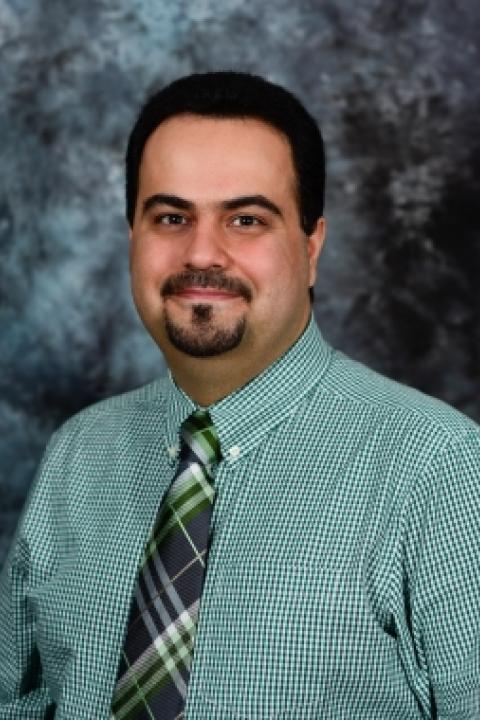
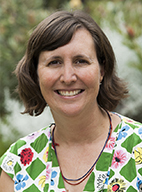
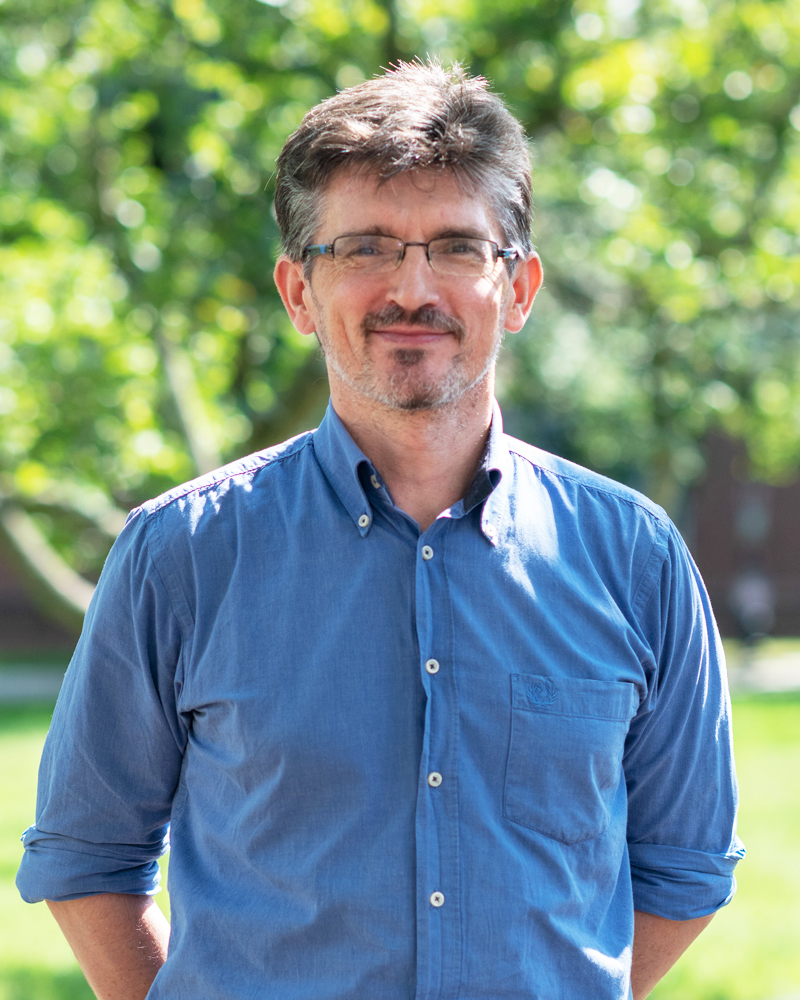
Majid Ghayoomi is a Professor and Civil Engineering Undergraduate Coordinator in the Department of Civil and Environmental Engineering at the University of New Hampshire's College of Engineering and Physical Sciences. His research focuses on geotechnical engineering and geomechanics, particularly unsaturated soil mechanics and geotechnical earthquake engineering. He teaches courses such as Soil Mechanics, Engineering Behavior of Soils, and Geotechnical Modeling. Dr. Ghayoomi holds a Ph.D. from the University of Colorado at Boulder, an M.S. from Sharif University, and a B.S. from the University of Tehran. His research interests include bioremediation, hazards mitigation, soil-structure interaction, and materials testing. He leads the Geotechnical Modeling and Innovation lab, advancing bio-inspired solutions and remote sensing applications in geotechnical systems. His recent work emphasizes climate change impacts on seismic resilience, microbial stabilization of soils, and satellite-based soil moisture monitoring. Key contributions include studies on liquefaction mitigation, seismic site response, and infrastructure vulnerability in dynamic environments. His research spans theoretical, experimental (centrifuge modeling), and computational approaches to address complex geotechnical challenges.
Peter A. Raymond is the Oastler Professor of Biogeochemistry at Yale University's School of the Environment and Department of Geology and Geophysics. He serves as Senior Associate Dean of Research & Director of Doctoral Studies and is Co-Director of the Yale Center for Natural Carbon Capture. Raymond leads the Raymond Biogeochemistry Lab, which investigates the biogeochemistry of inland waters, enhanced weathering, methane cycling, and blue carbon systems through cutting-edge field, laboratory, and modeling approaches. Education B.S., Marist College Ph.D., College of William and Mary/Virginia Institute of Marine Science Research Focus Raymond's research fundamentally reshapes our understanding of carbon cycling in aquatic systems, demonstrating that rivers serve as dynamic conduits rather than passive pipes in the global carbon cycle. His work examines how biology and watershed variables alter carbon chemistry in streams, rivers, and estuaries, with particular emphasis on understanding global carbon cycles in relation to climate change. Raymond employs radiocarbon measurements to explore the age and turnover of carbon in aquatic ecosystems, revealing that rivers are variable sources of both old and young terrestrial dissolved organic carbon to oceans. The Raymond Lab is particularly known for developing the Pulse-Shunt Concept, which challenges traditional views of riverine biogeochemistry by emphasizing the episodic and dynamic nature of elemental fluxes. Current research directions include enhanced weathering and alkalinity studies for carbon removal, global greenhouse gas budgets through projects like RECCAP 2, natural methane cycling in aquatic systems, and blue carbon ecosystems such as mangroves and salt marshes. Publication Trends Raymond's recent publications (2023-2025) demonstrate a strong focus on global carbon and methane cycling, with particular attention to inland water systems' role in the Earth's climate system. His work increasingly integrates large-scale datasets with field measurements to understand how climate change and human activities affect greenhouse gas emissions from rivers and streams. A significant portion of his recent work contributes to international efforts like the Global Carbon Project, aiming to refine estimates of global carbon and methane fluxes. His research also shows growing emphasis on carbon removal strategies, particularly enhanced rock weathering through the Earthshot-funded GOAL-A project, and their potential for climate mitigation. Scientific Recognition Fellow of the American Association for the Advancement of Science Member of the Connecticut Academy of Science and Engineering Coastal and Estuarine Research Federations Cronin Award for Young Scientists ISI highly cited author Past Editor and Chief of the American Geophysical Union's journal Global Biogeochemical Cycles Mentorship and Funding Professor Raymond currently mentors four doctoral students (Jon Gewirtzman, Shou-En "Samuel" Tsao, Benjamin Saalidong, and Mingyu Zhang) and masters student Bella Garrioch. His research is supported by multiple grants from the National Science Foundation (NSF), including CAREER awards, and participation in the Earthshot-funded GOAL-A (Global Ocean And Land Alkalinization) project. Raymond has also been involved in significant collaborative projects with USGS data to research how climate and land use change alter carbon export from US watersheds, and with Lamont Doherty to develop methods for measuring air-sea gas exchange of CO2 in rivers and estuaries. Research Infrastructure The Raymond Biogeochemistry Lab at Yale is a dynamic research group comprising research scientists, postdocs, doctoral and masters students, and postgraduate researchers. The lab recently acquired a Mini Carbon Dating System (MICADAS) at Yale, significantly expanding their research capabilities in ecosystem carbon turnover and verification of natural climate solutions. The lab collaborates globally on projects in the Arctic, Hudson River, and middle Atlantic Bight, and is actively involved in the NASA Carbon Monitoring System BlueFlux field campaign to assess carbon exchange in coastal wetlands.
Dr. Anna Hopkins is a Senior Lecturer in conservation biology and molecular ecology at Edith Cowan University's School of Science. She is the Course Coordinator for postgraduate Environmental Science programs and has held academic positions since 2016. Her research focuses on soil microbial ecology, forest pathogens, eDNA applications, and climate change impacts. She has taught courses including Plant Pathology, Genetics, and Soil Processes. Education: PhD (University of Tasmania, 2007), Diploma of Modern Languages (UWA, 2002), BSc (Hons) (UWA, 2002) Her research interests include mycorrhizal-plant interactions, soil fungal responses to disturbances, and regenerative agriculture. Notable awards include the 2010 New Zealand Zonta Women in Science Award and the 2017 ECU Athena Swan Award. Recent articles highlight her work on soil microbial dynamics, invasive species management, and eDNA applications in ecology. She has led projects funded by organizations like the Australian Coal Association and WWF Australia, focusing on biodiversity restoration and ecosystem health. Awards: Multiple international and teaching awards, including recognition for poster presentations and research excellence. Advising & Grants: Supervises 5 PhD/MSc students and leads grants totaling over $1M in projects like eDNA tracking and Gilbert’s Potoroo conservation. Professional roles include Deputy Coordinator of the IUFRO Working Party on Forest Nurseries and Vice President of the Australasian Mycological Society.
Carol Smith is an Associate Professor in the Department of Soil & Physical Sciences at Lincoln University, New Zealand, where she serves as Head of Department since 2017. She has been an elected academic staff member of the Lincoln University Council from 2018-2022. Dr. Smith holds a PhD from the University of Aberdeen, an MSc from the University of Reading, and a BSc(Hons) from the University of Portsmouth, forming the foundation of her expertise in soil science and physical geography. Her research spans both fundamental and applied aspects of pedology. On the fundamental side, she investigates Quaternary pedology and paleoenvironmental reconstruction using loess stratigraphy, geomorphology, and micromorphology, which provides critical data for verifying future climate change predictive models. Applied research focuses on sustainable use of recycled organic matter and rehabilitation of degraded soils. She collaborates internationally on multidisciplinary projects involving paleoclimate reconstruction, paleoliquefaction, Antarctic soils, and viticulture. Dr. Smith is passionate about teaching and science communication, employing experiential learning methods to develop practical field skills in soil science through 'soil judging competitions' in New Zealand and Australia. Her research addresses UN Sustainable Development Goals including Life on Land (15), Climate Action (13), and Quality Education (4). Among her notable recognitions are the Norman H Taylor Memorial award 2020 from the New Zealand Society of Soil Science for outstanding contributions to soil science in New Zealand and Fellowship in the Royal Geographical Society, London. She serves as Associate Editor of Natural Sciences Education and was previously editor of Quaternary Australasia. Dr. Smith has supervised numerous graduate students through research-based supervision, with completed projects covering diverse topics from soil patterns in Southland to Antarctic soil ecology. She teaches advanced courses in field research, soil science, and physical landscapes, and has developed innovative approaches to teaching during the pandemic, including virtual field trips.
Peter K. Kitanidis is a Professor in the Department of Civil and Environmental Engineering and the Institute for Computational and Mathematical Engineering at Stanford University . His research focuses on groundwater flow , hydrologic forecasting , and stochastic inverse modeling , with applications to pollutant remediation and CO₂ storage monitoring . Education : Diploma, National Technical University of Athens (1974) M.S., MIT (1976) Ph.D., MIT (1978) Research Interests : Groundwater modeling and contaminant transport Hydraulic tomography and aquifer characterization Stochastic methods for uncertainty quantification Bioremediation and enhanced in-situ pollutant decay Dilution and mixing processes in heterogeneous media Real-time river flow forecasting Scientific Awards : L.G. Straub Award (1979) W.L. Huber Research Prize (1994) ISI Highly Cited Researcher (2001) AGU Hydrologic Sciences Award (2011) ASCE Pioneers in Groundwater Lecturer (2011) Advising and Grants : Advised 20+ PhD and MS students (1978–2018) Principal investigator on NSF, EPA, and DOE-funded projects Developed software for groundwater data analysis and CO₂ monitoring Contributed to bioremediation protocols and hydraulic tomography algorithms Labs and Teams : Kitanidis Laboratory for groundwater crisis solutions Collaborated with Oak Ridge National Laboratory and Stanford Hydrogeology Group Mentored postdocs (2000–2017) in reactive transport and inverse modeling
Amilcare Porporato is the Thomas J. Wu '94 Professor of Civil and Environmental Engineering at Princeton University, with joint appointment at High Meadows Environmental Institute. His research integrates hydrology, ecology, and thermodynamics to study soil-water interactions and sustainable resource management. Education includes: Ph.D. Polytechnic of Milan (1996) M.S. Civil Engineering, Polytechnic of Milan (1992) Research explores nonlinear hydrologic systems, soil moisture dynamics, ecohydrology, and environmental complexity using theoretical and experimental approaches. His work advances understanding of water-biota interactions across scales from pore-level processes to landscape evolution. Honors and Awards: Hydrologic Sciences Award, AGU Borland Lecturer American Geophysical Union Fellow Inaugural Landolt Chair, EPFL Teaches courses on Environmental Thermodynamics (ENV 385/CEE 385) and Ecohydrology (CEE 587/ENV 587).
University of Illinois Urbana-ChampaignUnited States
Angela D. Kent is a Professor in the Department of Natural Resources and Environmental Sciences at the University of Illinois Urbana-Champaign, where she also serves as Director of the Program in Ecology, Evolution, and Conservation Biology within the School of Integrative Biology. She is affiliated with the Carl R. Woese Institute for Genomic Biology. Her research focuses on microbial communities in agroecosystems and natural environments, particularly their roles in nitrogen cycling, soil health, and sustainable bioenergy production. Key research interests include microbial interactions in plant-microbe systems, the impact of genetic variation in crops on microbial processes, and the ecological and biogeochemical implications of soil microbiomes. She has authored over 99 publications and supervised datasets on topics such as denitrification dynamics, rhizosphere microbiome assembly, and microbial contributions to nitrogen retention. Dr. Kent has received the NACTA Educator Award (2012) and has contributed to high-impact studies on topics like microbial community responses to environmental stressors and the application of stable isotopes in bioenergy research. Her work bridges microbial ecology, agronomy, and environmental science, emphasizing practical solutions for sustainable agriculture and ecosystem management.
Mary K. Firestone is Professor of the Graduate School in the Department of Environmental Science, Policy and Management at UC Berkeley. Her research revolutionized understanding of soil microbial processes, particularly oak regeneration techniques and microbial mediation of carbon/nitrogen cycling in terrestrial ecosystems. Firestone's work examines microbial responses to environmental change, including drought, rewetting, and warming scenarios. Her lab develops innovative methods like quantitative stable isotope probing (qSIP) to trace microbial activity in complex soil environments. Research spans grassland, rangeland, and agricultural ecosystems. Honors include election to the National Academy of Sciences (2017), Soil Ecology Society Career Achievement Award (2017), and American Geophysical Union Fellowship (2016). She holds the Betty and Isaac Barshad Chair in Soil Sciences. Current PhD candidates and postdoctoral researchers in the Firestone Lab investigate viral-bacterial interactions in soil, mycorrhizal carbon transfer, and drought impacts on soil carbon persistence. Field studies at California's Hopland Research Center examine grassland responses to climate variability.
Karoline Faust is an Associate Professor at KU Leuven, affiliated with the Laboratory of Molecular Bacteriology (Rega Institute) and the Faculty of Medicine . She contributes to the iSi Health and Leuven One Health institutes, and serves on senior academic councils. Her research spans microbial systems biology, focusing on community dynamics and network analysis. Education: PhD in bioinformatics (2010, KU Leuven) Affiliations: KU Leuven, ISME Journal editorial board, Belgian Society for Microbiology Her research investigates microbial community dynamics , systems biology approaches to microbiomes, and bioinformatics tool development . She specializes in modeling human gut microbiota , synthetic microbial communities , and environmental microbiomes (e.g., microplastic impacts on Daphnia microbiomes). Her work integrates metabolic modeling , network analysis , and experimental systems to understand microbial interactions. Recent publications highlight her contributions to microbial network inference , 16S rRNA sequencing protocols , microfluidics , and ecological modeling of microbiomes. She develops tools like manta , miaSim , and CoNet to analyze community structures. Teaching: Karoline co-teaches courses in microbiology, bioinformatics, and network analysis at KU Leuven, and has contributed to international workshops on microbial network inference. Scientific Engagement: She serves as Senior Editor at ISME Journal and Secretary of the Belgian Society for Microbiology .
Professor Fay Couceiro is a Professor of Environmental Pollution in the School of Civil Engineering and Surveying at the University of Portsmouth. She leads the Microplastics Research Group and the 'Evaluating change across the plastics lifecycle' theme for the Revolution Plastics Institute, focusing on pollution sources, interventions, and collaborations with industry. She holds editorial roles at Cambridge Prisms: Plastics and peer reviews for multiple journals and funding bodies. Education: BSc in Marine Biology (Queen's University Belfast), PhD in Biogeochemistry (funded project on Strangford Lough), postdoctoral research at the University of Plymouth. Research Interests: Contaminants' fate, microplastics' environmental and health impacts, nutrient dynamics, heavy metals, and organic pollutants like PAHs. Her work integrates pure science with civil engineering solutions. Publications span 2007–2025, emphasizing microplastic toxicity, soil-oil interactions, and pollution mitigation strategies. Over 27 peer-reviewed articles highlight her contributions to environmental science. Advising & Grants: Supervises MSc/PhD students and collaborates with companies like Southern Water. Active in STEM outreach and UK research policy, including the EU's HR Excellence in Research accreditation process. Labs/Teams: Microplastics Research Group, Revolution Plastics Institute, and interdisciplinary teams in environmental technology and resilience.
Mari Moora is a distinguished Professor in Community Ecology at the University of Tartu's Faculty of Science and Technology, Institute of Ecology and Earth Sciences. Since August 2023, she has served as the Vice Rector for Research at the University of Tartu, a position she will hold until July 2028. With a career spanning over three decades at the University of Tartu, Professor Moora has established herself as a leading expert in plant ecology, particularly in the field of mycorrhizal symbiosis and its role in shaping plant communities. Education: Secondary education at Nõo Secondary School (1984) Bachelor's degree in Biology (Genetics) from University of Tartu (1989) PhD in Plant Ecology from University of Tartu (1998) with thesis supervised by Martin Zobel Professor Moora's research focuses on the processes behind the structure and diversity of plant communities, particularly examining the role of biotic interactions such as mycorrhizal symbiosis and pollination in shaping plant populations. Her work extends to studying global diversity patterns of arbuscular mycorrhizal fungi and soil metagenomics - investigating how soil molecular diversity influences visible ecological patterns across ecosystems. Her interdisciplinary approach combines field ecology, molecular techniques, and theoretical frameworks to address fundamental questions in community ecology and biodiversity science. Her recent publications demonstrate a clear trend toward understanding ecological processes at multiple scales, from molecular interactions to global biodiversity patterns. Professor Moora's work increasingly integrates cutting-edge molecular techniques like metabarcoding with traditional ecological approaches, creating a more comprehensive understanding of plant-microbial interactions. Her research has significant implications for biodiversity conservation, ecosystem restoration, and understanding how ecological communities respond to environmental change. Scientific Awards: Order of the White Star, 4th class (2025) Estonian Academy of Sciences Alma Tomingas Medal (2023) Science Award of the Estonian Republic (2016) Honorary member of the University of Rio Cuarto (Argentina) (1998) Professor Moora has served as a principal investigator for significant research projects including "Plant-microbial mutualisms in dynamic ecosystems" (2021-2025) and the University of Tartu component of "Agroecology and new crops in future climates" (2024-2030). She has been actively involved in research administration and evaluation, serving on panels for the European Research Council, German Research Foundation, and European Commission. Her editorial work includes being an Academic Editor for PLoS ONE (2011-2016) and serving as a referee for numerous high-impact ecology journals. As Head of the Chair of Plant Ecology (2021-2023) and currently as Vice Rector for Research, Professor Moora plays a significant role in shaping research strategy and academic leadership at the University of Tartu. Her work bridges fundamental ecological research with practical applications for biodiversity conservation and sustainable land management.
Oswald J. Schmitz is the Oastler Professor of Population and Community Ecology at the Yale University School of the Environment. His research bridges biodiversity and ecosystem services, focusing on species interactions, climate change impacts, and conservation strategies. He employs field experiments and mathematical models to study predator-herbivore-plant dynamics, nutrient cycling, and carbon sequestration. Education: B.Sc., M.Sc., University of Guelph Ph.D., University of Michigan Research areas include: Trophic rewilding for climate solutions Human-wildlife conflict dynamics Meta-ecosystem nutrient flows Animal-driven carbon cycle modifications Context-dependent conservation strategies His 2024 Bormann Prize-winning work on calving impacts in nutrient cycles and other recent publications highlight innovative ecosystem science. Schmitz mentors students like Kristy Ferraro and collaborates with alumni such as Rob Buchkowski and Julia Monk. He teaches three conservation-focused courses with an emphasis on quantitative skills and real-world applications.
Prof. Dr. Jing Wang is a Full Professor at the Department of Civil, Environmental and Geomatic Engineering at ETH Zürich. His research focuses on air pollution control, nanoparticle transport, and environmental health and safety (EHS) impacts of nanomaterials. He has held roles including Assistant Professor at ETH Zürich (2010–present), Research Assistant Professor at the University of Minnesota (2007–2010), and postdoctoral associate in Particle Technology (2005–2007). Education: Bachelor’s in Engineering (2000) – Tsinghua University, Beijing Master’s in Computer Sciences (2003) – University of Minnesota PhD in Aerospace Engineering (2005) – University of Minnesota Research Interests: Air/water filtration technologies Nanoparticle emission reduction and measurement Multiphase flow mechanics Environmental impacts of nanomaterials Collaborations: Industrial partnerships include 3M, BASF, Boeing, Intel, Samsung, and others in nanoparticle measurement and filtration solutions. Honors: 2011 Smoluchowski Award (Association for Aerosol Research) 2006 ‘Best Dissertation’ Award (University of Minnesota) 2004 Doctoral Dissertation Fellowship Teaching: Courses include Air Pollution Control, Environmental Engineering Seminars, and Excursions for Environmental Engineers. Labs/Teams: Leads the Particle Technology Lab and collaborates with the Institute of Environmental Engineering at ETH Zürich.
Amanda Stockton is an Associate Professor at the School of Chemistry and Biochemistry, Georgia Institute of Technology. Her research focuses on the development of analytical instruments for planetary exploration and the study of terrestrial analog environments to understand conditions suitable for life emergence. She leads the Stockton Lab, which specializes in microfluidics, biosignature detection, and astrobiological applications. Education: B.S. in Chemistry and Aerospace Engineering, Massachusetts Institute of Technology (2004) M.A. in Chemistry, Brown University (2006) Ph.D. in Chemistry, University of California Berkeley (2010) Stockton’s work bridges planetary science and analytical chemistry, targeting extraterrestrial life detection through technologies like the FELDSPAR and IMPOA projects. Her research explores sea spray aerosols, icy moon penetrators, and microfluidic systems for environmental and medical diagnostics. Research Highlights: Instrument development for Europa and Enceladus missions Microfluidic tools for origin-of-life experiments Terrestrial applications in environmental monitoring and point-of-care diagnostics Collaborative studies in Icelandic and Antarctic analog environments The Stockton Lab’s publications reveal expertise in biosignature preservation, Raman spectroscopy, and planetary habitability, with a focus on Mars and ocean worlds. Her team has pioneered low-cost microfluidic platforms like GLUE and modular CE-LIF systems.
Dr. Appala Raju Badireddy is an Associate Professor in the Department of Civil and Environmental Engineering at the University of Vermont (UVM), and Director of the Water Treatment & Environmental Nanotechnology (WTEN) Laboratory. He is also co-founder and CTO of Secure Surgical Solutions LLC, and a founding member of Vermont Initiative for Biological and Environmental Surveillance (VIBES). His research focuses on sustainable membrane processes, environmental nanotechnology, nanometrology, and water security. Education: Ph.D., Environmental Engineering, University of Houston (2003-2009) M.Tech., Chemical Engineering, Indian Institute of Technology Madras (2001-2003) B.Tech., Chemical Engineering, Jawaharlal Nehru Technological University Hyderabad (1997-2001) Postdoctoral Research, Duke University (2009-2014) under Prof. Mark Wiesner Research Interests: Sustainable Membrane Processes: Water/wastewater treatment, desalination, anti-fouling strategies, and resource recovery. Environmental Nanotechnology: Nano-enabled sensors, remediation, and implications of nanomaterials in ecosystems. Environmental Chemodynamics: PFAS fate/transport, nutrient cycling, and contaminant toxicity. Water Security: Real-time monitoring systems and soil health assessments. His work integrates lab-scale innovations with field applications, emphasizing interdisciplinary collaboration. Recent Research Trends: Recent publications highlight advancements in PFAS remediation, electric-field enhanced filtration, and living lab approaches to precision agriculture. He explores nanomaterials for water treatment while addressing their environmental implications through novel detection methods like ED-HSI microscopy. Labs & Initiatives: WTEN Lab: Focuses on nanotechnology-driven water solutions. VIBES: Develops environmental surveillance tools for public health. Secure Surgical Solutions: Applies nanotechnology to medical devices.