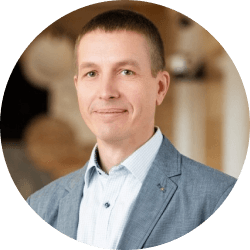
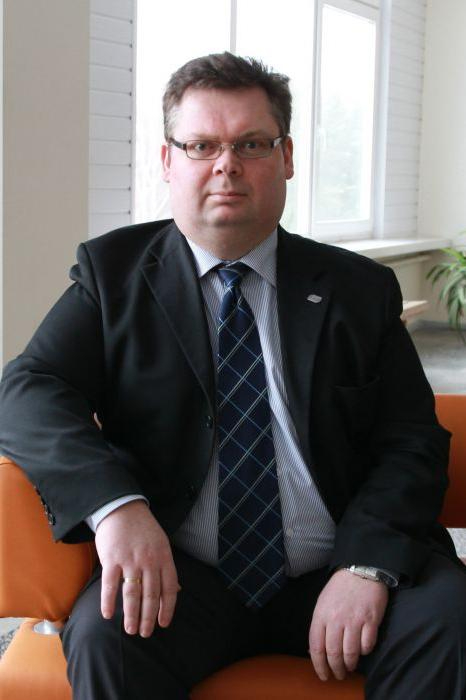
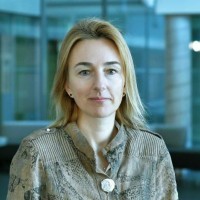
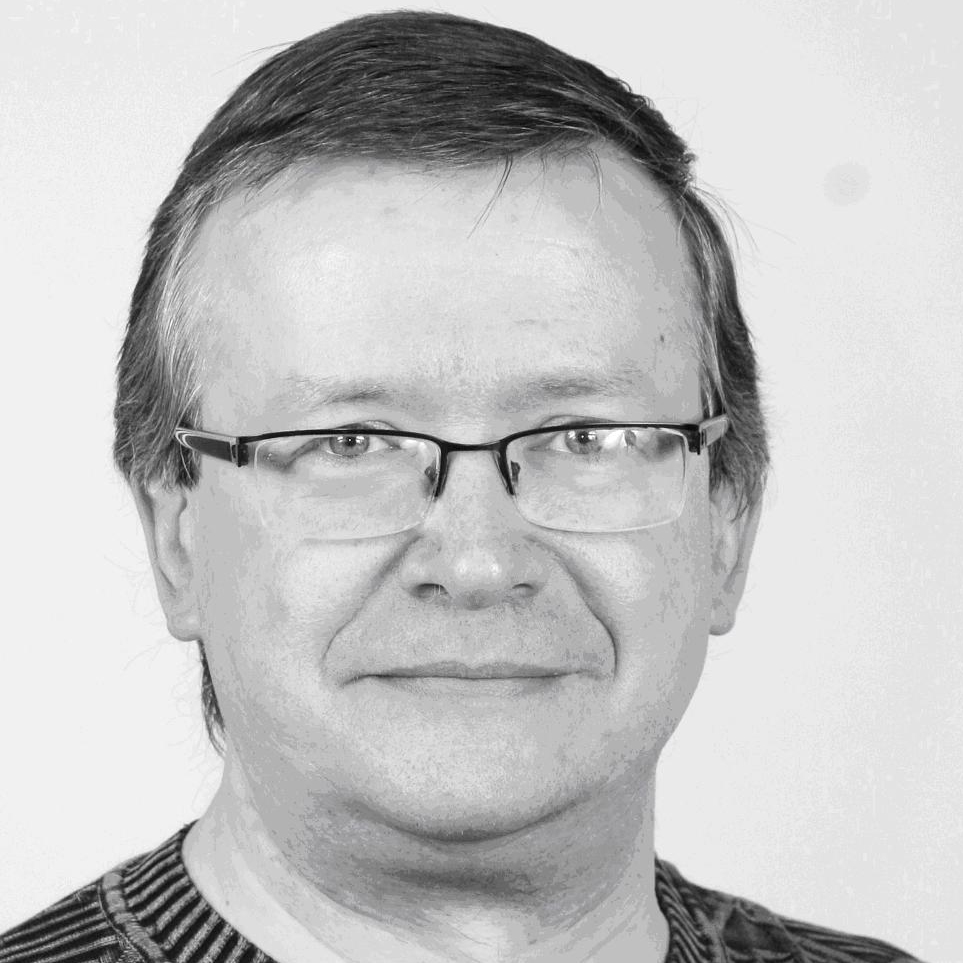
Assoc. Prof. Dr. Saulius Šimkonis serves as an Associate Professor at the ISM Executive School (ISM University of Management and Economics) and currently holds the position of Project Portfolio Manager at Swedbank. With over 20 years of experience, he specializes in Project, Program, and Portfolio Management (PPM), risk management, and lessons learned processes. He holds certifications such as IPMA-A, PMP, and PRINCE2, and is an IPMA Assessor in Lithuania. His academic roles include leading the Project Management Program at ISM Executive School and teaching at Vilnius University Business School. Education: Graduated from ISM University of Management and Economics and earned a PhD from Vilnius University with a dissertation on 'Factors influencing lessons learned processes in innovative projects'. Research focuses on governance of interorganizational project networks, balanced leadership transitions, and ESG implementation frameworks. Recent work explores multi-level governance models, collaboration in distributed teams, and horizontal leadership dynamics. Teaching areas include PPM, risk management, and lessons learned methodologies. He contributes to professional bodies like the Project Management Institute and Lithuanian Project Management Association.
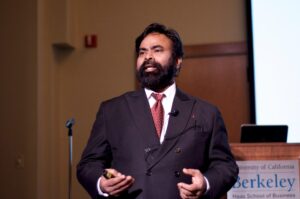
Professor Solomon Darwin is the Executive Director of the Garwood Center for Corporate Innovation and the Center for Growth Markets at the University of California, Berkeley . He is renowned as the father of the Smart Village Movement and specializes in open innovation, business models, and sustainable development in emerging economies. Open Innovation Business Models Smart Village Movement Sustainable Development Research Focus: His work bridges technology and socioeconomic development, emphasizing scalable solutions for smart cities/villages, ethical implications of Industry 4.0, and digital ecosystem design. Scientific Awards: Recognized as a leading international speaker on innovation Active director of Silicon Valley Chief Innovation Officer roundtables Affiliations: Collaborates with global brands and governments across Europe, China, Russia, India, and Latin America to advance corporate innovation frameworks.
Dr. Vytautas Čyras serves as an Associate Professor at Vilnius University's Faculty of Mathematics and Informatics, specifically within the Institute of Computer Science and Department of Software Engineering. With over three decades of academic experience since 1984, he bridges computer science and legal theory through groundbreaking interdisciplinary research. Education: Master's in Applied Mathematics (Computer Science) from Vilnius University (1979) Doctorate from Moscow State University's Faculty of Computational Mathematics and Cybernetics (1985) Second Master's in Law from Vilnius University and German Law Centre (2007) Dr. Čyras' research spans legal informatics, information systems, and computer science. His primary focus includes artificial intelligence and law, regulatory compliance, legal requirements, and pioneering work in legal visualization. His Structural Blanks approach to programming with recurrences demonstrates deep expertise in both foundational computer science and legal applications. His research explores how visual and multisensory approaches can transform legal reasoning and compliance in digital environments. His publication trajectory reveals an evolution from technical computer science topics toward sophisticated legal informatics applications. Recent work emphasizes multisensory legal machines, legal visualization frameworks, and the integration of AI with legal reasoning systems. He has made significant contributions to understanding how legal norms can be transformed into operational rules for virtual environments and digital governance systems. Professional Activities: Active participant and organizer of major legal informatics conferences including IRIS, Baltic DB&IS, and EGOVIS Contributor to European Framework Programme projects including VirtualLife and SKY-Scanner Longstanding member of the Lithuanian Computer Society and its Intellectics Section Dr. Čyras teaches courses including Artificial Intelligence, Knowledge Representation, and Human-Computer Interaction. His interdisciplinary background enables him to bridge theoretical legal concepts with practical applications in regulatory compliance systems and legal technology development.
Dr. Gurram Gopal serves as an Industry Professor at Illinois Institute of Technology and a Visiting Professor at ISM. He has held roles as a strategy consultant, manager at ZS Associates, and supply chain executive at Tellabs. His research focuses on business strategy, supply chain optimization, sustainability, and corporate social responsibility. He has published over 50 papers and presented globally at conferences like PRME. Dr. Gopal has received prestigious honors including the Fulbright Scholar Award (2011-2012) and selection as a Fulbright Specialist Candidate (2013-2018). He teaches courses in operations management, supply chain analytics, and global business processes. His work integrates technology applications with ethical business practices, emphasizing innovation in process management and B2B marketing. Notable contributions include studies on blockchain in humanitarian logistics, AI adoption in retail, and sustainable marketing's impact on customer loyalty. He leads educational initiatives in Ireland, India, and Turkey, advocating for global supply chain resilience and data synchronization strategies.
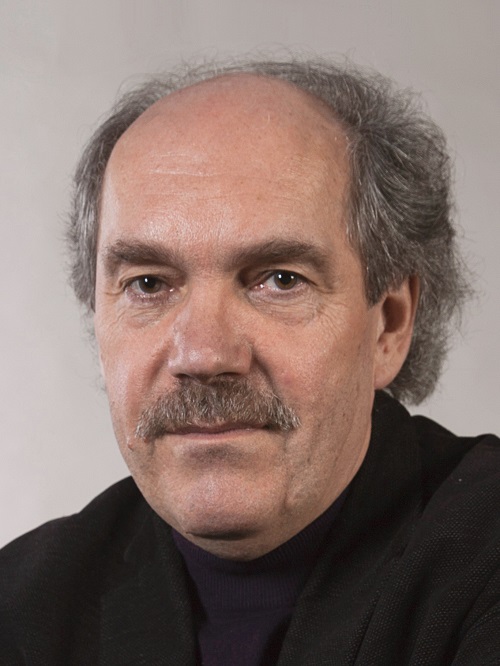
Prof. Dr. (HP) Saulius Gudas is an Affiliated Professor in the Cybersocial Systems Engineering Group of the Institute of Data Science and Digital Technologies at Vilnius University . His office is located at Akademijos St. 4, room 603, Vilnius, Lithuania. Education & Background: While explicit degrees are not listed in the provided source, his long-standing professorship and extensive publication record spanning over a decade indicate advanced doctoral training and senior academic status. Research Interests: Prof. Gudas focuses on the intersection of software engineering, enterprise modelling, and knowledge-based systems . Core themes include: Causal knowledge modelling to enhance agile enterprise application development. Model-driven approaches for ensuring business-IT alignment. Deep knowledge-based evaluation and interoperability of enterprise applications. Quality modelling of web services and financial process mining. Publication Trends: Across the most recent works (2017–2024), a clear trajectory emerges from foundational enterprise modelling and interoperability assessment toward leveraging causal models and data analytics to improve agile development processes, service quality, and financial anomaly detection. Doctoral Supervision & Training: Prof. Gudas has successfully supervised the following PhD projects: Andrius Valatavičius – “Assessment of application program interoperability using autonomous computing technologies” (defended 2019). Mindaugas Jusis – “Research on synchronization methods for autonomous port loading processes” (2016–2020). Karolis Noreika – “Evaluation of the application development process using an improved Agile project management method” (2019–2023). Laboratory & Team Involvement: As a senior member of the Cybersocial Systems Engineering Group, he contributes to interdisciplinary projects that integrate software engineering methodologies with socio-technical system analysis within the larger Institute of Data Science and Digital Technologies.
Joana Katina is an Assistant Professor at the Faculty of Mathematics and Informatics, Vilnius University, Lithuania, teaching Internet Technologies and Algorithms and Data Structures continuously from 2016/2017 through 2025/2026 academic terms across multiple course formats including lectures, exercises, and subgroup sessions. Her research bridges computer science with energy systems and financial engineering, focusing on household energy behavior in Lithuania/Morocco, cryptocurrency forecasting using neural networks, Industrial Control Systems cybersecurity, and queueing theory. She integrates computational modeling with socio-technical analysis to address sustainability challenges and market prediction problems. Analysis of her 2023-2025 publications reveals a dominant trend toward renewable energy transitions (particularly waste-to-energy systems and cross-regional green strategies) combined with machine learning applications in finance. This evolution from earlier virtual stock exchange simulations demonstrates increasing interdisciplinary scope while maintaining core expertise in stochastic modeling and predictive analytics.
Dr. Dervinis Donatas is an Assistant Professor at the Department of Electrical and Electronic Engineering, VU Šiauliai Academy. His research focuses on Renewable Energy, Automation, Computer Vision, and Cybersecurity, with a strong emphasis on practical applications in industrial systems and educational technologies. He holds a Doctor of Science in Electrical and Electronics Engineering and has over 22 months of academic experience. His educational background includes advanced studies in electrical engineering, complemented by a prolific career in research. Key research areas include solar energy systems, image processing, and automated systems for transportation and security. He contributed to the development of a textbook on Image Processing (2012) and has been affiliated with the eLABa research group. Donatas has authored or co-authored over 15 peer-reviewed publications, exploring topics such as energy-efficient cloud computing, password security, and real-time video analysis for human recognition. His work bridges theoretical advancements with practical implementations in fields like industrial automation and biomedical engineering. While no specific awards are listed, his publications appear in reputable journals like Applied Scientific Research and Professional Studies: Theory and Practice . His academic advising and grant activities are not explicitly detailed, though his research often involves collaborative projects with institutions like Tallinn University of Applied Sciences and Šiauliai State College. Donatas is actively involved in the eLABa research team, focusing on innovative solutions in electrical engineering and technology education. His future work continues to emphasize sustainable energy systems and advanced computer vision applications.
Vytautas Žalys is an Associate Professor and PhD at the VU Šiauliai Academy, primarily affiliated with the Department of Informatics Engineering. His research focuses on audiovisual technologies in music education, computer-assisted data analysis, and the integration of digital tools in special education contexts. He has led multiple international projects, including the 'ART HOUSE: Restoration of the Zubov Palace' and 'Digital Competence and Digitized Musical Heritage,' highlighting his commitment to innovative educational infrastructure and cultural preservation. Žalys holds a PhD and has over 35 years of professional experience, spanning roles as a music teacher, radio show creator, and project leader in educational technology. His educational background includes advanced studies in music and informatics. Key projects include developing distance education courses on ICT in music education and contributing to EU-funded initiatives like the Leonardo da Vinci project on digital technologies. His publications emphasize the application of multimedia and AI in autism education, music pedagogy, and cross-disciplinary arts integration. He actively participates in academic associations such as EERA and ATEE, furthering research in educational innovation and lifelong learning.
Roles & Affiliations: Assistant Professor at the Department of Organizational Information and Communication Research, Faculty of Communication, Vilnius University. Active in research projects, academic conferences, and editorial roles. Education: PhD in Mathematics and Informatics (2012), Vilnius University, Thesis: 'The applications of datamining methods to personalized learning environments.' MA in Informatics (1995), Vilnius Pedagogical University. Research Interests: Focus on e-learning methodologies, big data processing, educational technology, and business intelligence. Explores applications of machine learning in finance and personalized learning systems. Publications & Projects: Over 15 articles in peer-reviewed journals and conferences (e.g., Applied Sciences, Mykolas Romeris University Proceedings). Led the EU-funded project 'Development and Introduction of Multilingual Teacher Education Programmes in Georgia and Ukraine (DIMTEGU)' (2012–2016). Active in conference organizing and editorial work. Grants & Memberships: Participated in EU-funded projects. Member of the National Association of Distance Education (NADE), Lithuanian Association of Distance and e-Learning (LieDM), and Lithuanian Computer Society (LIKS). Labs & Teams: Involved in research groups focused on educational technology, data analytics, and digital transformation initiatives within the Faculty of Communication.
Linas Petkevičius serves as an Associate Professor at Vilnius University's Faculty of Mathematics and Informatics, actively teaching courses including Introduction to Quantum Computing across 10 consecutive academic years from 2016/2017 through 2025/2026 as evidenced by institutional schedules. His research demonstrates remarkable interdisciplinary breadth spanning quantum computing algorithm optimization, medical diagnostics through digital pathology analysis, and satellite-based environmental monitoring. He develops machine learning solutions for breast cancer prognosis using Ki67 heterogeneity metrics, creates quantum circuit schemes adapted to hardware constraints, and implements deep learning models for algal bloom detection in Baltic waters using Sentinel-2 data. His work consistently bridges theoretical computer science with practical healthcare and environmental applications. Analysis of his 15 most recent publications (2023-2025) reveals three dominant research thrusts: 1) Quantum computing optimization for NISQ devices, 2) Medical image analysis focusing on spatial tumor microenvironment characterization in breast cancer, and 3) Remote sensing applications using transformer models and few-shot learning for satellite change detection. His publications show increasing specialization in combining deep learning architectures with domain-specific constraints across these fields. Scientific Awards: No scientific awards were mentioned in the provided materials. Advising and Grants: The provided texts contain no information regarding student advisement, research grants, or funded projects.
Assoc. Prof. Dr. Asta Slotkienė is an Associate Professor and Researcher at the Cybersocial Systems Engineering Group , Institute of Mathematics and Informatics, Vilnius University , Lithuania. She has been a faculty member since at least 2009 and is based at Akademijos St. 4, Vilnius. Education PhD in Computer Science Engineering, Kaunas University of Technology (2009) MSc in Computer Science Engineering, Kaunas University of Technology (2004) BSc in Physics and Computer Science, Šiauliai University (2002) Research Interests Dr. Slotkienė’s research spans software quality assurance , development process improvement , e-learning systems , and cognitive decision-making . She investigates how rigorous evaluation methodologies and AI techniques can enhance the reliability and usability of software products and services. Her recent work explores the intersection of large language models and automated software testing , as well as the modeling of web service quality using fuzzy logic and ontology-based approaches. Research Trends Across her latest publications, a clear trend emerges toward leveraging AI and machine learning , particularly large language models , to automate and improve software testing practices. Simultaneously, she continues to deepen the theoretical foundations of software and service quality modeling , integrating fuzzy logic , ontology engineering , and bibliometric analyses to build robust frameworks for quality evaluation. Scientific Service & Awards Program Committee Member: ACM/SIGAPP SAC (2023–2025) Organizing Committee Member: Baltic DB&IS 2024 Program Committee Member: SS AIEDUMED’25, CompSysTech’25 Reviewer for Informatica, Baltic Journal of Modern Computing, New Trends in Computer Sciences Projects & Funding 2022–2026 Master of Science in Smart, Secure and Interconnected Systems (EU Grant 101083531) 2022–2024 Embracing RAD Skills for Employability and Innovation 2020–2022 AI-Enhanced Accounting and Business Management Systems (Grant 01.2.1-LVPA-K-856-01-0083) 2014–2018 Erasmus+ “Open University for Virtual Mobility” (2014-1-LT01-KA203-000550) 2012–2015 Tempus “High Objectives of National Organizational Reform” (530284-TEMPUS+1-2012-1-ES-TEMPUS-JPHES) International Collaboration & Training Through multiple Erasmus+ teaching and learning visits (Las Palmas de Gran Canaria, Madeira, Azores, Maia), as well as participation in DeepLearn schools and professional training (Devbridge/Cognizant Softvision, Robotic Process Automation, Creative Commons, Contextual Modeling), Dr. Slotkienė actively fosters cross-border academic cooperation and continuous professional development.
Laura Ringienė is a Researcher and Information Technology Administrator at Vilnius University's Institute of Data Science and Digital Technologies, where she works in the Interdisciplinary Statistical Research Group. She holds a PhD in Computer Science Engineering obtained in 2014 from Vilnius University's Institute of Mathematics and Informatics. Her professional activities span research, teaching, and technical administration within the academic environment. Dr. Ringienė earned her educational credentials at Vilnius Pedagogical University, completing her Bachelor's degree in Informatics in 2006 and Master's degree in Informatics in 2008, both from the Faculty of Mathematics and Informatics. Her doctoral dissertation, Hybrid Neural Network for Multidimensional Data Visualization , was defended in 2014 and falls under Technological Sciences, Computer Science Engineering. Her research focuses on statistical analysis of educational data, with particular expertise in multilevel regression, structural equation modeling, and analysis of international large-scale assessment data (PISA, TIMSS, PIRLS). She has developed the R program package EFECTAS specifically designed for analyzing international education research data. Her work examines educational equity, reading achievement gaps across EU countries, socioeconomic factors affecting student performance, and the impact of preschool education on later academic outcomes. Analysis of her publication record from 2020-2025 reveals a strong concentration on educational data science, with recurring themes of statistical modeling of international assessment data, educational equity analysis, and application of advanced statistical techniques to understand educational systems across Europe. Her work frequently employs PISA, TIMSS, and PIRLS datasets to examine cross-national educational patterns and policy implications. Dr. Ringienė has been actively involved in the EFECTAS project (2018-2022), which was financed by the European Social Fund under a grant agreement with the Research Council of Lithuania. This project focused on analyzing the efficiency and productivity of education systems in EU countries using secondary large-scale data. She teaches undergraduate courses at Vilnius University, including Big Data Analytics and Business Process Robotization since 2019. Her professional development includes extensive training in Robotic Process Automation (UIPath), Structural Equation Modeling, Multilevel Linear Modeling, and various Big Data technologies. She is part of the Interdisciplinary Statistical Research Group, which focuses on applying advanced statistical methods to solve complex problems in education and other domains.
Jūratė Urbonienė is a researcher at the Utena University of Applied Sciences, specializing in educational technology and digital learning. She has collaborated with colleagues like Rūta Puidokaitė-Savickienė and Giedrė Šakalytė on studies addressing e-learning trends and student needs. Her work intersects with technology, sustainability, and higher education systems, reflected in her participation in Erasmus+ and National Education Agency projects. Key affiliations: Association of Computing Machinery (ACM), Lithuanian National Distance and e-Learning Association (LieDM), Lithuanian Computer Society (LIKS). Projects: 'Discover Vyžuona' mobile app development, 'Digital Reality in Foreign Language Teaching for Medical Specialists (DR FLEMP)', and 'Digital Education Transformation (EdTech).' Her research focuses on integrating digital tools into education, leveraging artificial intelligence for teaching processes, and aligning technology use with sustainable development goals. She has explored energy consumption patterns influenced by tech habits and contributed to EU-focused initiatives on educational integration. Jūratė actively collaborates through conference presentations, including talks on 'Technology Use and Sustainability' and 'Innovation and Sustainable Development in Technology-Based Learning.' She serves as the editor-in-chief of the Utena College scientific journal 'Insights.'
Dr. Alytis Gruodis is a Senior Research Fellow (0.5 FTE) at the Institute of Chemical Physics within Vilnius University's Faculty of Physics. His research spans molecular electronics, quantum chemical simulations, and computational chemistry with a focus on conformational studies and molecular structure-property relationships. His scientific interests center on conformational studies , ground state/excited state geometry optimization , and understanding the role of substituents for polar molecular compounds . His work bridges theoretical chemistry with practical applications in semiconductor materials and optoelectronic devices. Dr. Gruodis has made significant contributions to the understanding of molecular charge transport, semiconductor materials design, and quantum chemical modeling approaches. Analysis of his publication record reveals a strong focus on molecular electronics applications, particularly in the development of organic semiconductor materials for solar cells and light-emitting devices. His research demonstrates expertise in quantum chemical calculations applied to complex molecular systems, with special attention to structure-property relationships that govern electronic behavior in organic materials. Dr. Gruodis has served as Editor-in-chief for the scientific journal "Innovative Infotechnologies for Science, Business and Education" from 2008 to 2018, and has been Editor-in-chief of the journal "Applied Business: Issues and Solutions" since 2022, demonstrating leadership in academic publishing. His collaborative research spans multiple international partnerships, with publications in high-impact journals including Journal of Physical Chemistry, Advanced Functional Materials, and Dyes and Pigments. His work shows consistent productivity across decades, with recent publications focusing on novel semiconductor materials, quantum chemical simulations, and applications of artificial intelligence in materials science.
Andrius Poškus is an Associate Professor at the Institute of Chemical Physics , Faculty of Physics, Vilnius University. His research focuses on atomic physics, nuclear physics, and computational physics , particularly in the areas of bremsstrahlung and electron-nuclei interactions. Teaching: Applied Nuclear Physics, Atomic and Elementary Particle Physics, and Educational Laboratory of Atomic and Nuclear Physics. Research: Developing computational models for radiation physics, including bremsstrahlung cross-section calculations and electron transport simulations. His recent publications analyze bremsstrahlung spectra, X-ray detector optimization, and ionization processes in noble gases. While no explicit awards or student supervision details are provided, his work contributes to advancements in radiation detection, nuclear data analysis, and high-energy physics simulations .