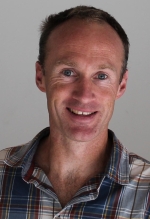
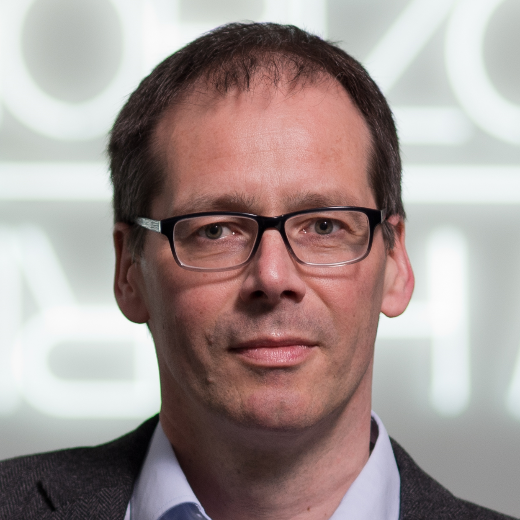
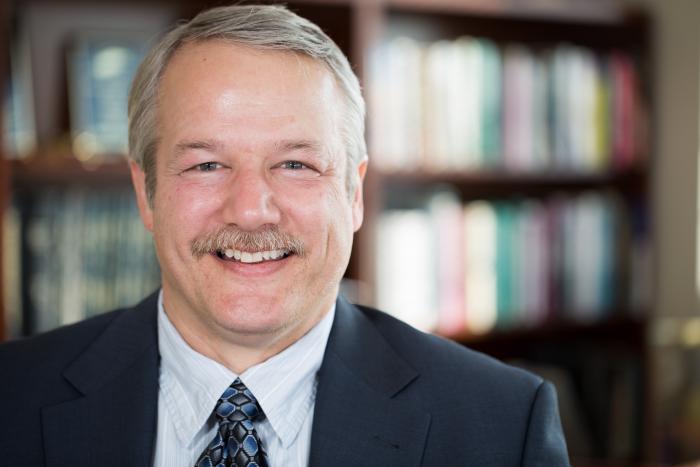
Theresa Munyombwe is a Lecturer in Biostatistics at the School of Medicine, University of Leeds. Since joining in 2008, she has combined teaching with research focused on applied health statistics, particularly observational data and patient-reported outcome measures (PROMs). Education: PhD in Biostatistics MSc in Biometry BSc in Biological Science (Hons) PGCert in Statistics Her methodological expertise spans latent variable modelling, structural equation modelling, multilevel modelling, and longitudinal data analysis. She has provided statistical support to the Dentistry School (2008-2014) and School of Healthcare (2015-2018), covering study design, data management, and software demonstrations (SPSS, STATA, R). Current research explores electronic health data applications. She supervises master's and PhD students while leading undergraduate/postgraduate modules.
Gustaf Gredebäck is a Professor at the Department of Psychology , Uppsala University , specializing in Developmental Psychology . His research investigates how infants' and children's cognitive, social, and emotional development is shaped by personal exploration, adverse environments (war, mental health challenges), cultural contexts, and early educational settings. Research Interests: Cognitive development, social cognition, emotional processing, executive functions, and the impact of sociocultural/political contexts on child development Methodologies: Eye tracking, pupillometry, experimental paradigms, and cross-cultural comparisons Key Collaborations: International studies in Bhutan, Syria, and Sweden; partnerships with autism research groups Recent Research Trends: Analysis of urbanization's developmental effects, methodological rigor in infancy research, gaze-following as a social cognition marker, and maternal mental health impacts on refugee children. His 2025 articles explore expertise acquisition through play and cross-cultural gaze stability. Scientific Contributions: Holds a significant grant from the Knut and Alice Wallenberg Foundation (2015) and has developed innovative tools like TimeStudio for behavioral research workflows.
Thomas Vikhamar Schuler is a Professor at the Section for Geography and Hydrology (GeoHyd) within the Department of Geosciences at the University of Oslo, Norway. He also holds an Adjunct Professor position at the Arctic Geophysics program of UNIS since 2017. His research focuses on glacier mass balance, hydrology, and dynamics, with strong emphasis on cryosphere modeling and climate change impacts. Education: PhD in Glaciology (2002) from University of Oslo, with a thesis on subglacial water drainage in alpine glaciers. Research Themes: Cryospheric modeling, glacier hydrology, climate-glacier interactions, permafrost dynamics, and machine learning applications in glaciology. Teaching: Courses include GEO9440 – Cryosphere Modelling , GEO4432 – Surface Energy Balance in Cold Environments , GEO4420 – Glaciology , and GEO2300 – Physical Processes in Geoscience . His recent publications (2025-2019) span topics like Antarctic supraglacial lakes, Svalbard glacier mass balance, subglacial friction dynamics, and machine learning frameworks for glacial classification. Articles frequently involve interdisciplinary approaches combining glaciology, hydrology, and climate science, often using field measurements and computational models. Scientific Awards: ERC Starting Grant 'DYNAMICE' (2020) Projects: Leads initiatives like COLOSSAL, EMERALD, ESCYMO, MAMMAMIA, JOSTICE, and SatPerm Collaborations: Active in EarthFlows, Climate Cryosphere, LATICE, and Perma-Nordnet research groups
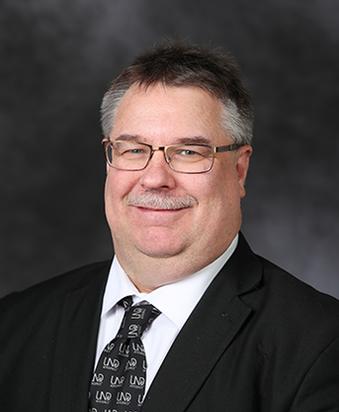
David James Delene is a Research Professor in the Department of Atmospheric Sciences at the University of North Dakota , with a secondary appointment as Aerospace Research Fellow at the John D. Odegard School of Aerospace Sciences. His expertise spans Cloud Physics , Atmospheric Aerosols , and Airborne Measurements , with a focus on Scientific Programming and Open Source Software development. He has taught advanced courses in Atmospheric Chemistry and Measurement Systems since 2006 and led significant research initiatives including the IMPACTS and FATIMA field campaigns. Education : Ph.D. in Atmospheric Science (University of Wyoming), MS in Geophysics (Michigan Tech), BS in Applied Physics (Michigan Tech) Research Interests center on airborne measurement systems, cloud microphysics, aerosol dynamics, and machine learning applications in meteorology. He develops open-source tools like ADTAE and adpaa_readplot_ccncdata for atmospheric data analysis. His work bridges Remote Sensing with Statistical Analysis to improve weather modification techniques. Scientific Awards include: UND's Spirit Faculty Achievement Award (2014) Golden Remer Awards (2007, 2013) Biggest Techie Award (2009) Delene advises both undergraduate capstone projects and graduate students in Atmospheric Sciences, with recent master's advisees including Kendra Sand (2024) and Joseph O'Brien (2023). He manages the Ballooning Laboratory and maintains the department's Atmospheric Sciences Wiki , contributing to UNIDATA and NASA EPSCoR programs.
Ryan MacDonald is an Associate Professor at University College London's Institute of Ophthalmology, where he leads a research group focused on understanding eye development and maintenance throughout life. His laboratory investigates how glial cells pattern and shape during development to support neurons, and what happens when the glia-neuronal relationship breaks down due to aging or disease. Current position: Associate Professor, Institute of Ophthalmology, University College London (Sep 2023 - present) Previous appointments: Senior Research Fellow at UCL, Postdoctoral Fellow at Linkoping University, Research Associate at University of Cambridge Education: PhD in Neurobiology from University of Ottawa, BSc Hons from University of New Brunswick Dr. MacDonald's research primarily centers on glial biology within the retina using zebrafish as a model system. His lab leverages the transparency of zebrafish embryos to label specific cells with fluorescent markers and use time-lapse confocal microscopy to observe eye development in real time. The group employs CRISPR/Cas9 mutagenesis, RNA-sequencing, and molecular biology techniques to uncover fundamental mechanisms of glial biology, with particular interest in cellular and molecular mechanisms regulating glial morphogenesis and the consequences of disrupted glial contacts on neuronal function. Analysis of Dr. MacDonald's recent publications reveals a strong focus on retinal development, aging mechanisms, and neurodegenerative processes. His work spans multiple model systems including zebrafish and African turquoise killifish, with significant contributions to imaging technology through the IBEX Knowledge-Base project. His research bridges basic developmental biology with translational applications for understanding age-related eye diseases. Associate Fellow Higher Education Academy BBSRC David Phillips Fellowship (2019-2024) Dr. MacDonald actively supervises multiple PhD students including Ola Krzywańska (Moorfields Eye Charity PhD Student), Gina Gilpin (BBSRC LIDo Programme PhD Student), and Roxana Lungu (Moorfields Eye Charity PhD Student). His lab is supported by various funding sources including Moorfields Eye Charity and the BBSRC. The MacDonald Lab is part of several graduate programs at UCL including the UCL-Birkbeck MRC Doctoral Training Programme and the London Interdisciplinary Doctoral Programme. The MacDonald Lab maintains active collaborations and has developed important resources including the GliaMorph toolkit for quantifying Müller glial cell morphology and contributing to the IBEX Knowledge-Base for multiplexed imaging techniques. Their research has significant implications for understanding age-related macular degeneration, Parkinson's disease mechanisms, and retinal neurodegeneration.
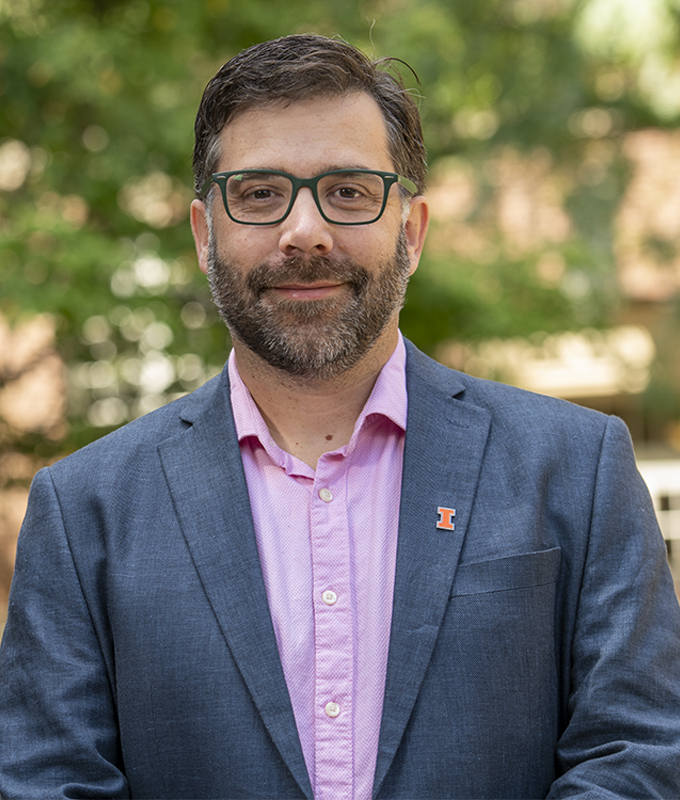
Matias Carrasco Kind serves as the Director of Data Science Research Services (DSRS) within the Gies College of Business and is a Research Assistant Professor in the Departments of Accountancy and Astronomy, as well as at the National Center for Supercomputing Applications (NCSA), all at the University of Illinois Urbana-Champaign (UIUC). He is also a Trusted CI Fellow at the NSF Cybersecurity Center of Excellence and holds a Faculty-in-Residence position at the Discovery Partners Institute (DPI) in Chicago, IL. Education: Ph.D. in Astronomy, University of Illinois, 2014 M.S. in Astronomy, University of Illinois, 2011 His research focuses on data-intensive science , spanning machine learning , deep learning , scientific computing , and photometric redshifts . He applies these techniques to cosmology, galaxy formation, and cross-disciplinary fields like finance, Earth sciences, and bio-imaging. His recent publications emphasize cosmological constraints from multi-survey data (DES, SPT, ACT, HST), weak lensing analysis, and machine learning applications in galaxy clustering and dark matter halo modeling. Key trends include the integration of AI with astrophysical data and interdisciplinary collaborations. Scientific Awards: Trusted CI Fellow at NSF Cybersecurity Center of Excellence He collaborates with teams at the Data Science Research Services (DSRS) , NCSA , and Discovery Partners Institute (DPI) , leveraging cyberinfrastructure for astronomy and finance research.
Orran Krieger is a Professor in the Department of Computer Science at Boston University's College of Engineering with a distinguished research career spanning over three decades. His work has significantly influenced the fields of operating systems, virtualization, and cloud computing, with publications in top-tier venues including OSDI, EuroSys, and USENIX ATC. Krieger's research interests focus on operating system design, virtualization technologies, cloud infrastructure, resource management, and performance optimization. His early work on the HFS file system and NUMAchine multiprocessor laid foundational work in system architecture, while his more recent research addresses contemporary challenges in cloud computing, unikernels, and energy-efficient network applications. His research consistently bridges theoretical insights with practical system implementations. Analysis of Krieger's recent publications reveals a strong focus on cloud-native technologies, particularly unikernels, resource isolation techniques, and performance-energy tradeoffs in network applications. His work demonstrates a consistent evolution from traditional operating system concerns to modern cloud infrastructure challenges, with particular emphasis on security, performance optimization, and resource management in distributed environments. The collaborative nature of his work is evident through numerous co-authorships across institutions. Krieger has mentored numerous researchers who have become prominent in the systems community, including Jonathan Appavoo, Dilma Da Silva, and Peter Desnoyers. His leadership in projects like the Open Cloud Testbed demonstrates his commitment to creating research infrastructure for the broader community. His work has been supported by significant research grants focused on cloud infrastructure and operating system innovation. As a key contributor to the K42 operating system project and more recently to the Open Cloud Testbed initiative, Krieger has helped establish research platforms that have enabled significant advances in operating system research and cloud computing. His ongoing research continues to address fundamental challenges in system architecture for modern computing environments.
Lucia Gordon is a PhD Candidate in Computer Science at Harvard University’s School for Engineering and Applied Sciences, where she is affiliated with Andrew Davies’ lab and the Pioneer Centre for Artificial Intelligence in Denmark. She is associated with Christian Igel’s and Serge Belongie’s groups at the University of Copenhagen, focusing on machine learning applications for Earth observation data and remotely sensed imagery. Education : A.B. in Physics and Mathematics from Harvard College (2018–2022); currently pursuing a PhD in Computer Science at Harvard (2022–present). Her research bridges Computer Vision , Active Learning , Multimodal Data Analysis , and Dataset Imbalance in ecological contexts. She is an NSF Graduate Research Fellow and has received academic distinctions including Magna Cum Laude, Highest Honors in Physics & Mathematics, Phi Beta Kappa, John Harvard Scholar, National Merit Scholar, and Scholastic Art & Writing Awards. Recent publications highlight her work on machine learning for Earth observation , with emphasis on ecological modeling , multimodal fusion , and active learning techniques. Her contributions span venues like ECAI, ECCV workshops, IJCAI, Monthly Notices of the Royal Astronomical Society, and Physical Review D. Scientific Awards : NSF Graduate Research Fellow Magna Cum Laude Highest Honors in Physics & Mathematics Phi Beta Kappa John Harvard Scholar National Merit Scholar Scholastic Art & Writing Awards Gold Key Scholastic Art & Writing Awards Gold Medal Lucia develops machine learning tools for ecological sustainability, leveraging statistical and algorithmic methods to address challenges in biodiversity monitoring and environmental data analysis. She actively participates in AI for Social Impact and BIOSPACE communities, presenting at conferences like AAAI, ECCV, ECAI, and BIOSPACE.
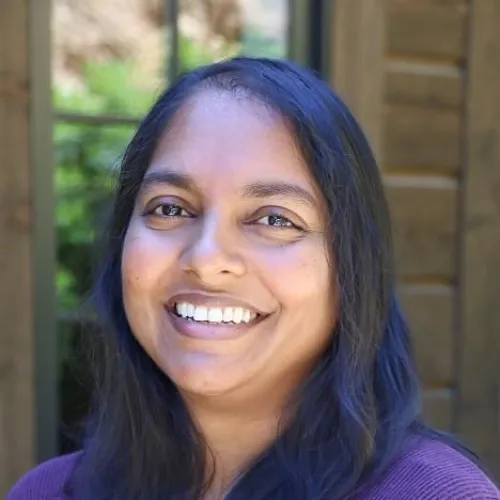
Sarojani Mohammed is an active Lecturer at the University of Texas at Austin's School of Information, teaching courses including I 320J: Topics in Social Justice Informatics and I 310J: Introduction to Social Justice Informatics through 2025. She serves as Executive Director of Capacity Catalyst and Founder + Principal of Ed Research Works, a consulting firm specializing in education research and evaluation. Her work bridges academic research and practical application in the education sector. PhD in Educational Psychology, University of Texas at Austin SB in Brain & Cognitive Sciences, Massachusetts Institute of Technology Dr. Mohammed's research focuses on eliminating the gap between education research and practice, with expertise in equitable evaluation, social justice data applications, quantitative and mixed-methods education research (K-12), blended and personalized learning approaches, and social sector program evaluation. Her work emphasizes making research accessible and actionable for practitioners to improve educational outcomes for all students, particularly through her concept of fighting 'knowledge-hoarding' as a form of injustice. Her publication history shows a strong trend toward connecting research with practical implementation in educational settings, particularly in blended learning environments and response to intervention frameworks. She has developed measurement frameworks and tools to assess educational innovations, with increasing focus on equity considerations in educational technology and personalized learning approaches over the past decade. Research Council Chair for Jefferson Education Exchange EdTech Genome Project (2019-present) Advisory Group member for Center on Inclusive Software for Learning (2018-present) Research Advisory Committee member for Highlander Institute (2017-present) Validity Committee member for Lea(R)n Platform (2016-present) Blended Learning Measurement Fellowship leadership Through Capacity Catalyst and Ed Research Works, Dr. Mohammed mentors emerging researchers and practitioners in the education sector. She has served on numerous review panels including federal EIR grants, SXSW EDU, and United Way for Greater Austin. Her consulting work focuses on helping nonprofit organizations develop data strategies and measure impact effectively. Dr. Mohammed co-founded the Teaching and Learning Research Community to bridge the gap between research and practice and serves on advisory boards for multiple education research initiatives. Her work with the EdTech Genome Project and other national initiatives demonstrates her leadership in creating infrastructure for connecting educational research with practical implementation.
Claus Pahl is a Full Professor of Software Engineering at the Free University of Bozen-Bolzano , Italy, affiliated with the Faculty of Computer Science . He leads the CECL Cloud and Edge Computing Lab and is a member of the SEAS Software Engineering and Autonomous Systems research group. Ph.D. from the University of Dortmund Academic positions in Germany, Denmark, Ireland, and Italy since 2016 Principal Investigator at Irish Centre for Cloud Computing and Commerce (IC4) and Lero Software Research Centre Over 5 million Euro in research funding 440+ publications with 364,714 reads and 9,736 citations His research focuses on Software Architecture for Cloud and Edge Computing , Autonomous and Adaptive Systems , and Blockchain-based architectures . He explores Model-driven development and AI-driven controllers for self-adaptive systems, emphasizing dependability and quality management . Recent publications highlight trends in blockchain scalability , zero-knowledge proofs , container orchestration , and AI quality engineering for edge environments. He has served as PC Chair for ECOWS 2007 and ICSOC 2018, and General Chair for CLOSER 2017-2018. His work appears in 7 editorial boards, and he leads educational initiatives in software engineering principles.
Youssef Diouane is an Associate Professor in the Department of Mathematical and Industrial Engineering at Polytechnique Montréal, Canada. Previously, he was a professor in the Department of Complex Systems and Engineering (DISC) at ISAE-SUPAERO in Toulouse, France. He is a member of the Research Group in Decision Analysis (GERAD) and serves as an associate editor for the journal "Computational Optimization and Applications" as well as a guest co-editor for a special issue of "Mathematical Programming" related to the 25th International Symposium on Mathematical Programming. Dr. Diouane's research focuses on numerical optimization and its applications to complex systems, design, and data sciences. His work targets the development of efficient optimization algorithms with optimal guarantees to solve engineering optimization problems. His primary research areas include: Numerical Optimization Surrogate Modeling Data Science and Machine Learning Computational Science and Engineering His recent publication record (57 total publications) demonstrates a strong focus on optimization techniques applicable to aerospace engineering, particularly aircraft design. There's a clear trend toward addressing high-dimensional optimization problems with mixed and categorical variables, often using Bayesian optimization approaches. His work bridges theoretical optimization methods with practical engineering applications, especially in sustainable transport and green aircraft design, reflecting his secondary spheres of excellence in Sustainable Transport and Infrastructures and Industry of the Future and Digital Society. Dr. Diouane has successfully supervised multiple graduate students, including two Master's theses at Polytechnique Montréal completed in 2022 and 2024. His teaching responsibilities include courses on scientific computing for engineers, operational research foundations, and derivative-free optimization, reflecting his commitment to both theoretical and applied aspects of optimization.
Keith A. Crandall is a Professor and founding Director of the Computational Biology Institute at George Washington University's Milken Institute School of Public Health, with a courtesy appointment in the Office of the Dean. He also directs the Genomics Core and holds leadership roles in the Health Data Science PhD Program and Bioinformatics Minor. Education: BA in Biology and Mathematics, Kalamazoo College (1987) MA in Statistics, Washington University in St. Louis (1993) PhD in Biology and Biomedical Sciences, Washington University School of Medicine (1993) Professor Crandall's research spans computational biology, population genetics, and bioinformatics, with dual foci on molecular ecology/conservation biology and infectious disease evolution. His lab develops computational methods for DNA sequence analysis, including genealogy estimation, recombination detection, and microbiome characterization, while applying these to diverse organisms from freshwater crayfish to HIV. Recent work emphasizes Omics data integration, clinical applications, and pandemic response, particularly through SARS-CoV-2 genomic surveillance and microbiome studies in human health. His 15 most recent publications reveal a strong trend toward translational genomics, with 40% focused on pandemic response (2020-2022), 30% on cancer/retrovirus genomics, and 20% on methodological advances in bioinformatics. Key subfields include viral evolution, microbiome dynamics, and computational epidemiology, demonstrating consistent NIH/NSF funding in infectious disease and genomic medicine. Scientific Awards: Alfred P. Sloan Foundation Postdoctoral Fellowship NSF CAREER Award NIH James A. Shannon Directors Award ISI Highly Cited Researcher AAAS and Linnean Society Fellowships Edward O. Wilson Naturalist Award Professor Crandall has secured continuous funding from NIH, NSF, and private agencies including the PhRMA Foundation, Sloan Foundation, and American Foundation for AIDS Research. His mentorship spans computational method development and international collaborations in conservation genomics. As Director of the Computational Biology Institute, he leads a multidisciplinary team integrating bioinformatics, clinical data science, and genomic technologies across GW's DC CFAR, Clinical and Translational Science Institute, and Cancer Center initiatives.
Stephen Kelly is an Assistant Professor in the Department of Computing and Software at McMaster University. His interdisciplinary work spans surgical research methodology, biomedical informatics, and machine learning. Affiliation: McMaster University Roles: Faculty in Computing and Software, Surgical Research Collaborator Research Interests: Dr. Kelly’s work focuses on applying evolutionary computation and reinforcement learning to medical and educational challenges, such as detecting mind wandering via EEG and optimizing surgical training programs. His research bridges clinical practice and software innovation. Recent Publications: Trends include automated program synthesis, neural memory frameworks for RL, and evidence-based surgical education tools. Key areas: AI for healthcare, algorithmic design, and educational technology. Contact: Email: kellys32@mcmaster.ca
Ingebrigt Meisingset is a senior researcher at the Norwegian University of Science and Technology (NTNU), affiliated with the Department of Public Health and Nursing under the Faculty of Medicine and Health Sciences. His work centers on musculoskeletal disorders in primary care, including neck, shoulder, and lower back pain, with a focus on prognostic factors, patient subgroups, and digital clinical decision support systems powered by artificial intelligence. Additional research areas include clinical effectiveness studies and interventions for insomnia in primary care settings. Education: 2008-2010: MSc in Exercise Physiology and Sport Science, NTNU 2004-2007: BSc in Physiotherapy, HIST Current Positions: Researcher, NTNU (2020-) Postdoctoral Researcher, NTNU (2016-2020) His recent projects include: SUPPORTPRIM: Developing AI-driven clinical decision support systems for physiotherapists and general practitioners. DigiSøvn: Evaluating digital sleep apps for musculoskeletal pain patients. Non-pharmacological Sleep Interventions: Testing the "Sov godt" course for insomnia in primary care. His publications highlight trends in clinical decision support systems, musculoskeletal pain stratification, and the intersection of sleep disorders and chronic pain. Articles often employ case-based reasoning, randomized trials, and longitudinal studies to improve treatment personalization and effectiveness in primary care.
Dr. Dario Omanović is a Scientific Advisor with permanent appointment at the Ruđer Bošković Institute in Croatia, leading the Laboratory for Physical Chemistry of Traces within the Division for Marine and Environmental Research. His work focuses on electrochemical methodologies for trace metal speciation in marine, estuarine, and freshwater systems. PhD in Chemistry (University of Zagreb, 2001) MSc in Oceanography (University of Zagreb, 1996) BSc in Chemical Engineering (University of Zagreb, 1993) Research interests include: Trace metal speciation and bioavailability Environmental electrochemistry Marine and estuarine pollution dynamics Development of analytical tools and software for electrochemical data Interaction of metals with dissolved organic matter Application of DGT (Diffusive Gradients in Thin films) for environmental monitoring His recent publications emphasize: Ultra-trace platinum detection in estuaries Mercury contamination patterns in coastal zones Organic matter-metal interactions in pristine systems Redox speciation of chromium in transitional waters Novel electrochemical tools for environmental analysis Long-term metal monitoring in urbanized coastal areas Awards include the University of Zagreb award for best student research (1993) . He has mentored numerous PhD and MSc students, including: Saša Marcinek (PhD, 2021) Ana-Marija Cindrić (PhD, 2015) Petra Cmuk (PhD, 2005) Yoann Louis (PhD, 2008) Major projects: INTERREG CRO-ITA pollution risk models (2020) Chinese/Croatian metal speciation collaborations (2017-2020) HRZZ projects on coastal water quality (2015-2019) MEDPAN ecological footprint studies (2018-2020) He contributes to: COST Action TD1407 (technology-critical elements) CIESM commissions (Mediterranean research) Scientific software development for electrochemical data processing Environmental impact assessments for coastal developments