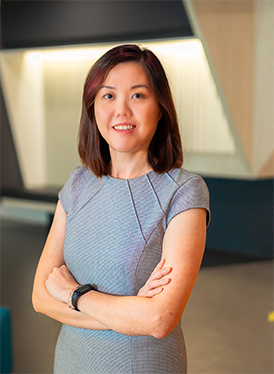
Fu Swee TeeView profile
Lecturer
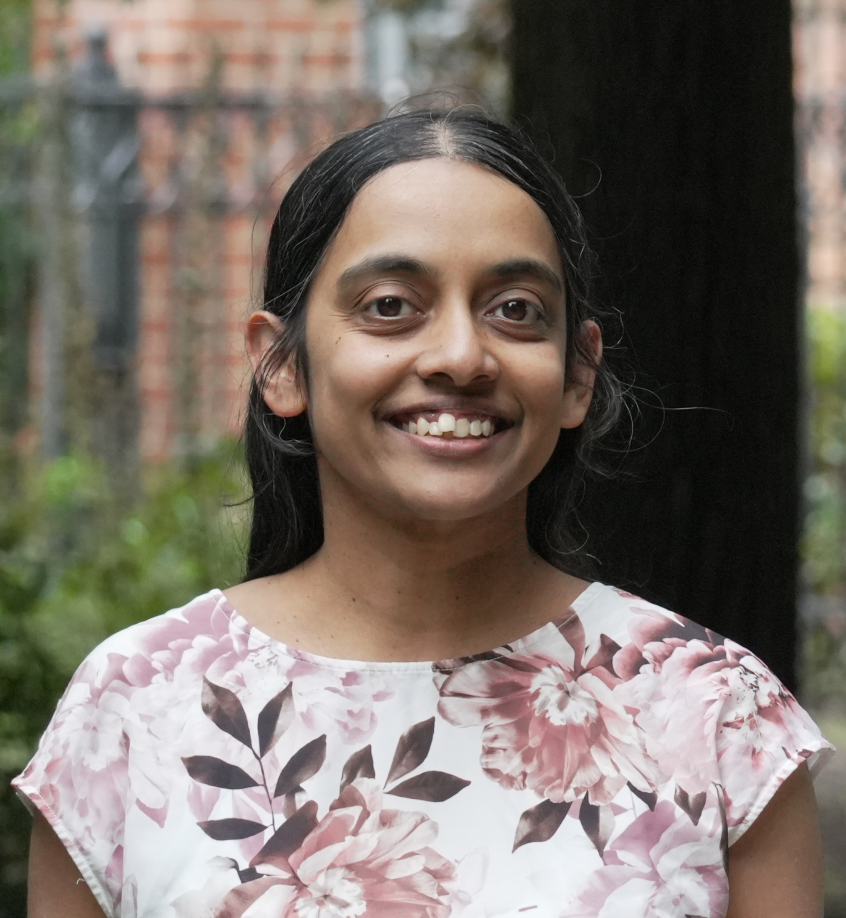
Dr. Fu Swee Tee serves as a Lecturer in Computing within the Faculty of Engineering, Computing and Science at Swinburne University of Technology Sarawak. Her academic journey includes a BSc (Hons) in Computing from the University of Portsmouth (2006), a Master of Advanced Information Technology from Universiti Malaysia Sarawak (2013), and a PhD from Swinburne University of Technology (2025), following industry experience as a software developer and six years teaching at a skills training college. Her educational background: PhD, Swinburne University of Technology, 2025 Master of Advanced Information Technology, Universiti Malaysia Sarawak, 2013 BSc (Hons) in Computing, University of Portsmouth, 2006 Dr. Fu Swee Tee's research pioneers deep learning applications for intelligent video analytics, specializing in abnormal event detection within complex environments. Key focus areas include: Traffic accident recognition in mixed-traffic urban scenarios Cyberbullying detection through digital game interventions Sociodemographic analysis of online behavioral risks Her work bridges theoretical AI advancements with practical societal impact in transportation safety and digital wellbeing. Analysis of her 2018-2024 publications reveals an evolving research trajectory: early work on ontology reuse for multiagent systems transitioned into current deep learning applications for video analytics. Recent publications (2022-2024) demonstrate concentrated expertise in traffic safety systems and cyberbullying prevention, with increasing interdisciplinary collaboration across computer science, transportation engineering, and behavioral psychology. No major scientific awards are documented in available sources. However, her publication record in high-impact venues including IEEE Access and the Journal of Technology in Behavioral Science demonstrates scholarly recognition and research impact within her specialized fields. Dr. Fu Swee Tee actively recruits PhD and Master's students for AI research projects, emphasizing practical applications and cross-disciplinary collaboration. Her supervision approach integrates industry-relevant problem solving with academic rigor, as evidenced by publications spanning technical AI development and behavioral studies. Current research momentum suggests active grant funding supporting her traffic safety and cyberbullying projects.