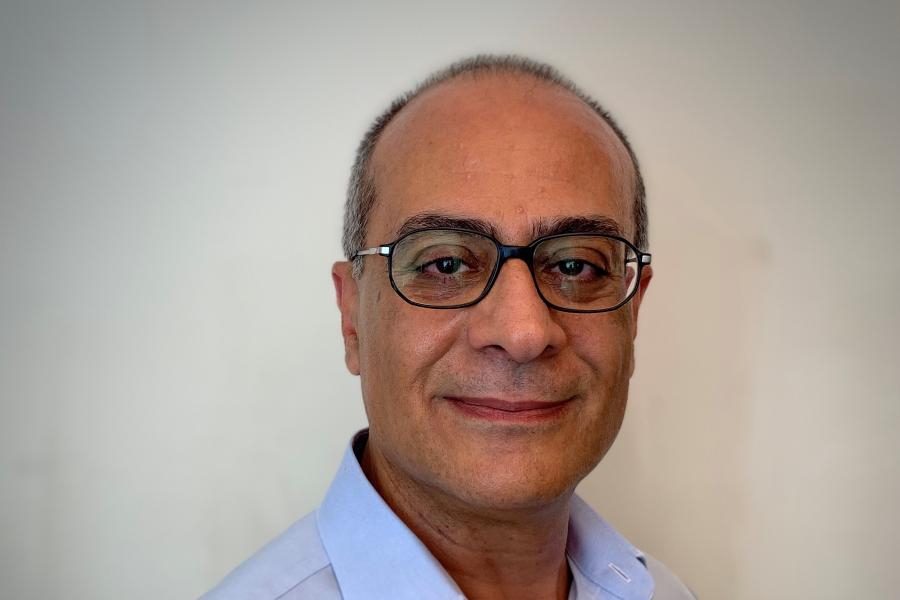
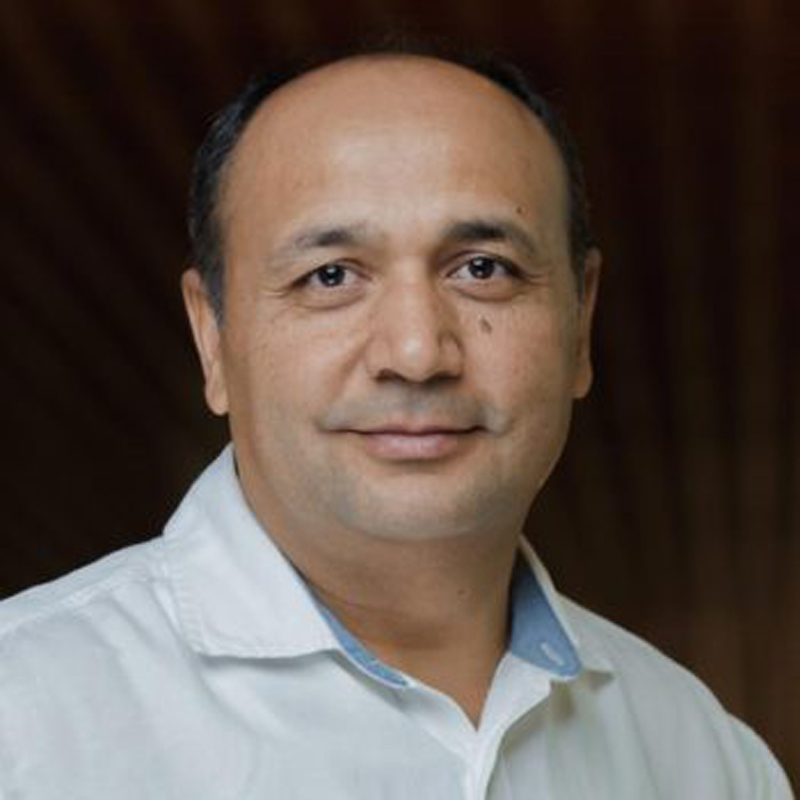
Juan Ramón Granja Guillán is a Professor of Organic Chemistry at the University of Santiago de Compostela (USC), affiliated with the Faculty of Chemistry and the Research Center in Biological Chemistry and Molecular Materials (CIQUS). His academic career began with a PhD in Organic Chemistry (1988) under Dr. Antonio Mouriño Mosquera, focusing on vitamin D analog synthesis. His research spans supramolecular chemistry, peptide self-assembly, and nanobiomimetic systems, with a focus on cyclic peptide nanotubes and their applications in drug delivery, membrane interactions, and dynamic materials. Key research areas include the design of modular supramolecular capsules, photo-responsive peptide assemblies, and antimicrobial peptide nanotubes. He has pioneered the CYCLOPEp web platform for cyclic peptide research and explored applications in microfluidic systems and energy transfer materials. His work integrates computational modeling (e.g., MA (R/S) TINI forcefields) with experimental methods to study peptide-membrane interactions and self-healing hydrogels. His publications (2001–2025) highlight innovations in cyclic peptide architecture, anion recognition, and light-driven systems. Granja Guillán collaborates globally, with CIQUS as a hub for interdisciplinary projects in molecular biophysics and nanomaterials. No awards are explicitly listed, but his extensive citation network reflects significant contributions to supramolecular chemistry.
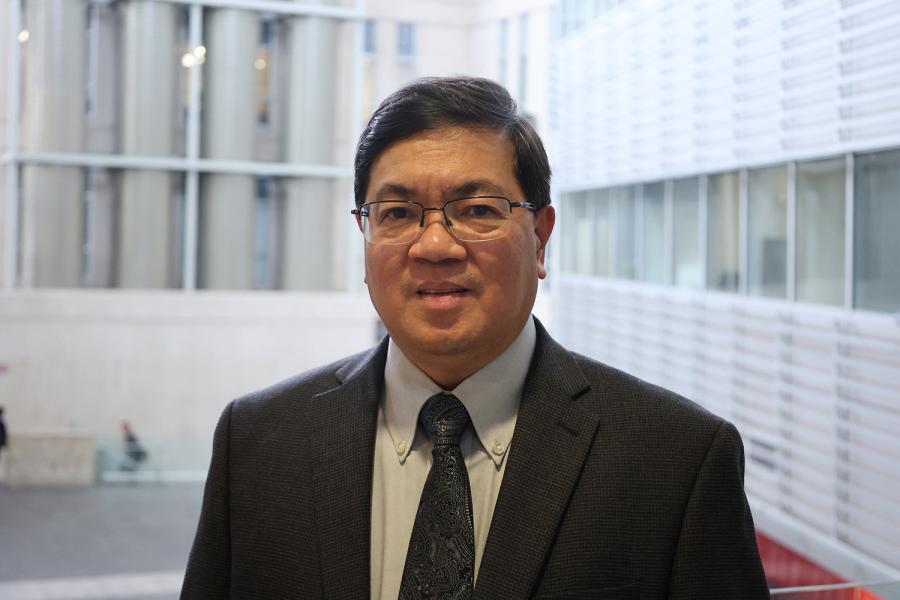
Roya Haratian serves as Principal Academic (equivalent to Associate Professor) in Electronic Science and Engineering at Bournemouth University's Department of Design and Engineering within the Faculty of Science and Technology. As Deputy Head of Department and Athena SWAN lead, she spearheaded the department's successful Bronze Award in 2021 for gender equality initiatives. Her leadership extends to curriculum development in Mechatronics and Robotics programs across undergraduate and postgraduate levels. Her academic credentials include a BSc (First Class Honours) and MSc (Distinction) in Electrical and Electronic Engineering, followed by a PhD in Electronic Engineering from Queen Mary University of London (2014). Prior to her current role, she worked as an Associate Lecturer at QMUL and Research Associate at Bristol Robotics Lab, focusing on on-body sensing systems and bio-signal processing for human-machine collaboration. Haratian's research centers on electronic engineering applications in human-robot interaction, with particular emphasis on on-body sensing technologies, signal processing, and machine learning. Her work bridges theoretical innovation with industrial implementation, developing assistive technologies for healthcare and safety-critical systems. Recent projects address diabetic foot ulcer prevention, emotion recognition in VR, and human-machine collaboration safety protocols, demonstrating strong translational impact across medical and industrial domains. Analysis of her 15 most recent publications reveals a strategic progression from foundational signal processing techniques toward integrated human-machine systems. Her work increasingly incorporates game theory for resource allocation, AI-driven predictive modeling, and inclusive design principles, with growing emphasis on real-world implementation challenges and ethical considerations in assistive technologies. Key recognitions include: Athena SWAN Bronze Award (Advance HE, 2021) for departmental gender equality leadership Senior Fellowship of Higher Education Academy (2021) BU Doctoral College Outstanding Contribution Award (2025) Design Review Award from Institute of Mechanical Engineering (2023) Student Experience 'You are Brilliant' Award (2017) As Recognised Research Supervisor (UK Council for Graduate Education), she currently co-supervises five PhD students on topics including AI surveillance, biomechatronics, and digital twin simulation. Her £1.2M+ research portfolio features strategic partnerships with Zimmer-Biomet, Computational Mechanics Wessex Institute, and Daido Industrial Bearing, with recent grants including HEIF-funded AI emotion recognition systems (2025) and QR-funded human-machine safety protocols (2024). She actively mentors through AdvanceHE's Aurora program and leads BU's Inclusivity Curriculum Evaluation project. Haratian directs the department's Athena SWAN initiative and collaborates with the Royal Institute on STEM outreach, designing bioelectronic masterclasses for GCSE students. Her public engagement includes 'Café Scientifique' discussions on machine emotion recognition and keynote addresses at Brockenhurst STEM Awards, focusing on translating on-body sensing research into real-world health applications.
Dr. Nariman Sepehri is a Professor in the Department of Mechanical Engineering at the Price Faculty of Engineering, University of Manitoba, Canada. He has held significant administrative roles including Department Associate Head (Graduate Studies), Associate Dean of Engineering (Undergraduate Programs), and Acting Dean of Engineering. His research focuses on fluid power systems, robotics, and control with applications in rehabilitation and heavy machinery. Education: Post-Doctorate, Electrical & Computer Engineering, University of British Columbia, Canada (Tele-Robotics, Mechatronics) PhD, Mechanical Engineering, University of British Columbia, Canada (Control, Fluid Power Systems, Robotics) MSc, Mechanical Engineering, University of British Columbia, Canada (Computer-Aided Manufacturing Planning) BSc, Mechanical Engineering, Sharif University of Technology, Iran (Machine Design) Dr. Sepehri's research interests span Fluid Power Systems and Technology , Robotics and Teleoperation , Control Systems , Condition Monitoring , and Mechatronics of Rehabilitation Devices . His work integrates advanced control theory with practical applications in hydraulic and pneumatic systems, aiming to improve energy efficiency and reliability in robotics, manufacturing, aerospace, and healthcare. Notably, he has developed innovative rehabilitation devices using game-based interfaces for stroke and cerebral palsy patients. His recent publications (2022-2025) demonstrate a strong trend towards energy-efficient hydraulic systems, fault detection using machine learning, and the development of soft robotic actuators for rehabilitation. Key areas include electro-hydrostatic actuators, pump-controlled circuits, and the application of advanced algorithms for condition monitoring and control. Scientific Awards: Dean of Engineering’s Award for Superior Academic Performance University of Manitoba Rh Award for outstanding contributions to scholarships and research in Applied Sciences Fellow of the Canadian Academy of Engineering (CAE) Fellow of the American Society of Mechanical Engineers (ASME) Fellow of the Canadian Society for Mechanical Engineering (CSME) Dr. Sepehri has supervised over 100 graduate and postdoctoral students, contributing significantly to the field of fluid power and robotics. His research has been supported by major grants from the Natural Sciences and Engineering Research Council of Canada (NSERC) and other sources, enabling the establishment of the Fluid Power Research Laboratory. This lab features state-of-the-art equipment including a human-robot-in-the-loop simulator and hardware-in-the-loop test facilities for condition monitoring. The Fluid Power Research Laboratory at the University of Manitoba, under Dr. Sepehri's leadership, is a hub for innovation in fluid power technology. The lab collaborates internationally with researchers in USA, Brazil, China, Hungary, Romania, Denmark, Sweden and France, and has developed interdisciplinary projects bridging engineering with healthcare applications.
Dr. Marolo Alfaro is a Professor in the Department of Civil Engineering at the University of Manitoba, Price Faculty of Engineering . He specializes in geosynthetics, ground improvement, cold regions engineering, and climate-resilient infrastructure , with a focus on Arctic and permafrost conditions. Education: BSc (University of Mindanao), MEng (Asian Institute of Technology), PhD (Saga University), Postdoctoral (University of Calgary) Research Interests center on: Geosynthetic-reinforced structures Cold climate infrastructure adaptation Hydro-mechanical interactions in Arctic environments Nano-modified soil stabilization Publication Trends highlight: Numerical and field studies on Arctic embankments Geothermal energy piles in cold climates Rockfill column applications for riverbank stabilization Nanotechnology in soft soil treatment Scientific Awards : 2019 Geosynthetics Award (Canada/International) 2022 Roger J.E. Brown Award (Canadian Geotechnical Society)
Professor Massoud Maxwell Rabiee is a full-time faculty member at the University of Cincinnati 's College of Engineering and Applied Science (CEAS) , where he serves as Graduate Director for Sustainable Energy and Undergraduate Director for BSEET in the Department of Electrical Engineering and Computer Engineering . With 40 years of experience in academia and industry, his career spans teaching, research, and leadership roles across multiple institutions. PhD in Electrical Engineering (University of Kentucky, 1987) Registered Professional Engineer (1988) His research focuses on electric machines & drives , power electronics , and industrial automation , particularly lightweight Carbon Nano tube (CNT-type) electric machines and digital control systems for robotics and electric vehicles. He has extensive experience in programmable controllers , sensor integration , and smart manufacturing systems. His publications on programmable logic controllers (15 most recent editions) demonstrate expertise in automation education , digital control programming , and industrial network design . Awards include the 2019 Neil Wandmacher Teaching Award and Eastern Kentucky University's Outstanding Professor (1999-2000) , alongside multiple nominations for prestigious teaching honors. Senior Member, IEEE Member, Eta Kappa Nu (Electrical Engineering Honor Society) Member, Tau Beta Pi (Engineering Honor Society)
Silvia Tolu is an Associate Professor at the Technical University of Denmark's Department of Electrical and Photonics Engineering, specializing in Neurorobotics. She leads the NeuroRobotics Technology Lab (NRT-LAB), focusing on bio-mimetic control architectures for compliant robotic systems. Her research integrates neuroscience, computer science, and biology to develop solutions for assistive robotics and neurodegenerative disease diagnosis. Her research interests span: Neuro-robotics and neuromorphic engineering Bio-inspired control systems and adaptive motor control Machine learning for robotic applications Human-robot compliant interaction Cerebellar control models Publications primarily focus on neurorobotics, bio-inspired control, and human-robot interaction, with recent advances in learning-based control systems for soft robots and aerial manipulation. Awards include the AEG Elektrofonden Research Grant and funding for human-robot interaction safety research. Current projects include LOCOPD (Lundbeck Foundation), AEROTRAIN (EU Marie Curie ITN), and compliant human-robot interaction systems. She supervises multiple PhD students in neurorobotics and maintains international collaborations across Europe and Asia. Laboratory resources include advanced robotic platforms for musculoskeletal and soft robot control.
Thomas A. Berrueta is a Researcher in the Department of Computing & Mathematical Sciences. His research focuses on advanced robotics, control systems, and active matter, with a particular emphasis on microrobotics, swarm behavior, and data-driven methodologies. He explores topics such as emergent phenomena in robotic systems, optimization of locomotion, and the integration of memristor circuits in robotic applications. His research interests span multiple disciplines, including robotics, control theory, and active matter. He investigates how robotic systems can achieve autonomous behavior through principles like symmetry breaking and collective dynamics. Key areas include the design of microrobots, the development of reinforcement learning algorithms for control, and the application of Koopman operators in active learning frameworks. His work also delves into the stabilization of robotic systems and the optimization of their operational efficiency across various scales. Recent publications highlight a focus on cutting-edge robotics and control methodologies. Trends include the exploration of emergent behaviors in robotic swarms, the application of thermodynamic principles to robotics, and the use of data-driven approaches for motion analysis and control. His work also addresses challenges in micromanipulation and the design of soft robotic systems capable of autonomy across different scales. No scientific awards mentioned. There are no listed advisees or grants associated with Thomas A. Berrueta in the provided information. No lab or team affiliations are mentioned in the provided content.
Artem Barger is a researcher specializing in blockchain technology, distributed systems, and database optimization. With affiliations primarily in blockchain development and academic research, he has contributed extensively to Hyperledger Fabric enhancements and decentralized information systems. Research Interests Optimizing state databases for blockchain platforms Byzantine Fault Tolerance in distributed networks Permissioned blockchain architectures Tokenization of real-world assets AI applications in soft skills evaluation Recent Publications Barger's work focuses on improving blockchain scalability and security through techniques like certification blocks, Patricia Merkle tries, and verifiable randomness. He has also explored tokenization applications in charity and energy sectors.
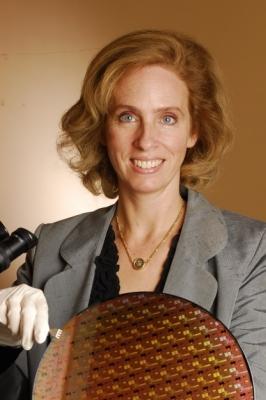
Linda S Milor is a Professor in the School of Electrical and Computer Engineering at the Georgia Institute of Technology. She specializes in reliability modeling of semiconductor circuits, analog and mixed-signal testing, and yield optimization. Dr. Milor holds an IEEE Fellow distinction and has received multiple awards, including 8 best paper awards and the NSF Career Grant (1995). She has advised 18 Ph.D. students and contributed over 200 publications on semiconductor reliability and testing. Education: B.S. in Engineering Physics from UC Berkeley (undergraduate details unspecified) and a Ph.D. in Electrical Engineering from UC Berkeley (1992), focusing on analog/mixed-signal circuit testing. Research Interests Reliability modeling for semiconductor circuits Circuit performance prediction under manufacturing variations Analog and mixed-signal testing methodologies Statistical process modeling for yield enhancement Key Contributions Her work emphasizes aging analysis in SRAM, FinFET technology, and dielectric breakdown mechanisms. She pioneered techniques for on-line testing of memory systems and developed frameworks for accelerated life testing. Awards & Recognition IEEE Fellow (2014) 2004 Best Paper in IEEE Transactions on Semiconductor Manufacturing NSF Career Award (1995) Advising & Grants Advised 18 Ph.D. students and secured grants including the NSF Career Grant. Her research has been applied in industrial contexts through consulting roles for semiconductor manufacturers. Labs & Collaborations Her work integrates semiconductor reliability research with industry partnerships, focusing on practical applications of aging prediction and wearout mitigation.
Costas S. Patrickios is a Professor in the Department of Chemistry at the University of Cyprus, within the School of Natural and Applied Sciences. His academic career spans over two decades, beginning as an Assistant Professor in 1998 and progressing to his current position as Professor. His research is centered on advanced polymer systems with applications spanning materials science, nanotechnology, and biomaterials. Dr. Patrickios received his Diploma in Chemical Engineering from the National Technical University of Athens (NTUA) in 1988, followed by a Master of Science in Chemical Engineering Practice from MIT in 1990. He completed his PhD at MIT in 1993 and conducted postdoctoral research at the University of Sussex from 1994-1996. His academic journey continued with a lectureship at UMIST before joining the University of Cyprus in 1998. His research focuses on dynamic covalent chemistry , amphiphilic copolymer networks , and microphase separation in polymer systems. Patrickios has made significant contributions to the understanding of polymer synthesis , controlled polymerizations , and degradable polymer networks . His work often bridges experimental and computational approaches, particularly in coarse-grained molecular dynamics simulations of polymer behavior. Recent research has expanded into applications related to RNA and DNA yield , demonstrating the versatility of his polymer systems. Analysis of his publication record reveals a strong focus on amphiphilic polymer conetworks, with consistent exploration of their synthesis, characterization, and applications. His work shows increasing integration of computational methods with experimental approaches, particularly in understanding structure-property relationships. The research spans fundamental polymer science to applied areas including energy materials, biomaterials, and smart responsive systems. Dr. Patrickios has also contributed significantly to the field through book editing, including the comprehensive volumes Amphiphilic Polymer Co-networks: Synthesis, Properties, Modelling and Applications (2020) and Polymer Networks: Synthesis, Properties, Theory and Applications (2010), which have become important references in the field. His collaborative research approach is evident through numerous international partnerships, with co-authors from institutions across Europe and beyond. This collaborative network has enabled multidisciplinary research that bridges chemistry, materials science, and engineering perspectives.
Mohsin Abbas is an Assistant Professor (Tenure Track) in the Computing Sciences department at Tampere University, Finland. His research focuses on high-throughput, low-latency, and energy-efficient VLSI architectures for baseband processing systems, particularly channel code decoders. He has held roles including Research Assistant Professor at HKUST, Postdoctoral Fellow at McGill University, and Lead Engineer at ASTRI. Education: PhD in Electronics and Computer Engineering (2017), HKUST, under Prof. Chi-Ying Tsui MSc in Computer Science and Engineering (2011), Hanyang University, South Korea BSc in Computer Engineering (2007), University of Engineering and Technology Taxila, Pakistan Research Interests: VLSI Design (ASIC/FPGA) Wireless Communications (5G/6G) Massive MIMO and Compute-In-Memory (CiM) Channel Coding and Hardware Architecture Low-Latency Decoding Algorithms (e.g., GRAND) Energy-Efficient Systems and Green Communication Teaching Experience: HKUST: Digital Circuits and Systems (ELEC 2200), VLSI Design Automation (EESM 5020) Labs/Teams: Integrated Systems for Information Processing (ISIP) Lab, McGill University (2019–2022) HKUST’s ECE Department and ISIP Lab collaborations
Gerhard A. Holzapfel is a Full Professor of Biomechanics and Head of the Institute of Biomechanics at Graz University of Technology (Austria) since 2007. He holds adjunct and visiting positions at KTH Royal Institute of Technology (Sweden) and the University of Glasgow (Scotland). His academic journey includes a PhD in Mechanical Engineering from Graz University of Technology, a Habilitation from TU Vienna (1996), and prestigious awards such as the START-Award (1997) and the Warner T. Koiter Medal (2021). His research focuses on constitutive modeling of biosolids, nonlinear continuum mechanics, and medical image processing. Notable contributions include studies on arterial wall mechanics, fibrous tissue behavior, and computational biomechanics. Holzapfel leads interdisciplinary teams exploring mechanobiology, vascular pathologies, and biomaterials, with applications in cardiovascular engineering and disease modeling. Education: PhD in Mechanical Engineering, Graz University of Technology Habilitation, TU Vienna (1996) Research Highlights: Multi-scale modeling of biological tissues Biaxial mechanical testing and microscopy integration Computational fluid-structure interaction (FSI) in vascular systems Biomechanical implications of medical interventions (e.g., stents, angioplasty) Awards: Warner T. Koiter Medal (2021) Corresponding Member, Austrian Academy of Sciences (2012) Erwin Schrödinger Prize (2011) START-Award (1997) Labs & Teams: Leads the Institute of Biomechanics at TU Graz, collaborating with international teams on vascular biomechanics and mechanobiology.
Hasan Demirkoparan is a Teaching Professor in the Department of Mathematics at Carnegie Mellon University Qatar, affiliated with the Mellon College of Science. He serves as Area Co-Head for Arts and Sciences. His research focuses on biomechanics, soft tissue mechanics, and hyperelastic materials, with emphasis on fiber-reinforced composites and collagen remodeling. He holds a Ph.D. from Michigan State University. Demirkoparan's work integrates theoretical mechanics with biomedical applications, particularly in modeling arterial mechanics, aneurysm progression, and tissue adaptation. His publications explore topics like swelling-induced deformation, fiber orientation effects, and finite element analysis of soft tissues. Current research interests include morphoelasticity and homeostatic mechanisms in biological tissues. His contributions span over two decades, with notable studies on collagen fiber distribution, material swelling mechanics, and bifurcation analysis in fiber-reinforced structures. He actively teaches advanced mathematics courses and maintains an active research agenda in computational mechanics and nonlinear elasticity.
Dr. Shan Huang is a Researcher at the School of Engineering, University of Newcastle. She holds a BE in Civil Engineering from Hunan University of Science and Technology, an MS in Road and Railway Engineering from Central South University, and a PhD in Civil Engineering from the University of Newcastle. Her research focuses on computational geomechanics and probabilistic geotechnics, particularly in soft soil consolidation and geotechnical risk assessment. Dr. Huang's work integrates numerical simulation and advanced probabilistic methods, with notable contributions to Bayesian back analysis for settlement prediction and parameter calibration in soft soils. Her research has been published in journals such as Computers and Geotechnics , ASCE Journal of Geotechnical and Geoenvironmental Engineering , and Soils and Foundations . Key projects include the analysis of embankments in Ballina, Australia, where she applied Bayesian methods to predict long-term settlements using monitored data. Her work emphasizes computational efficiency and practical applications in geotechnical engineering.
Stephen Urquhart is a Professor of Chemistry at the University of Saskatchewan and an associate member of the Department of Physics. He leads research in X-ray spectroscopy and microscopy, focusing on nanomaterials, surface science, and synchrotron-based techniques. His work integrates experimental and computational methods to study molecular structure and aggregation in organic systems, with applications in semiconductor devices and nanotechnology. Research activities include development of the Spectromicroscopy beamline at the Canadian Light Source, advancing cryogenic X-ray microscopy for liquid and solid-state samples. He actively collaborates on projects involving graphene-based microfluidics, strain effects in semiconductors, and molecular orientation in nanocrystalline materials. Urquhart also serves as president of the Association of Professional Chemists of Saskatchewan (APCS). Key research areas: X-ray microscopy, NEXAFS spectroscopy, synchrotron radiation, molecular conformation, semiconductor characterization, and nanostructure imaging. Developed cryogenic scanning transmission X-ray microscopes and graphene-enabled liquid analysis tools. Prominent contributions to understanding chain-length effects in alkanes and π-π interactions in organic nanomaterials. Publications Over 75 peer-reviewed articles, with recent work focusing on soft X-ray spectroptychography, cryogenic microscopy, and NEXAFS studies of organic glasses and polymers. Labs & Teams Lead researcher in the Spectromicroscopy beamline (CLS), coordinating interdisciplinary projects in materials science and nanotechnology.