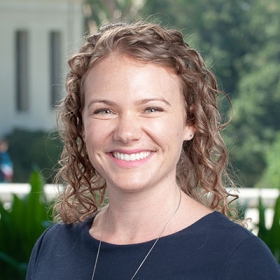
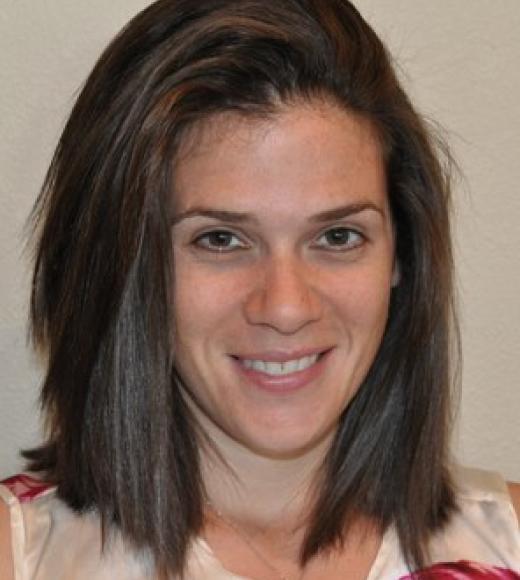
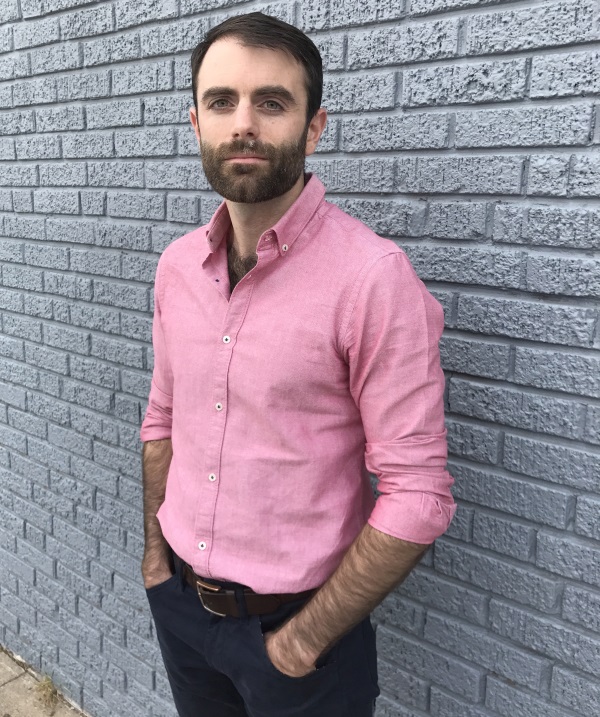
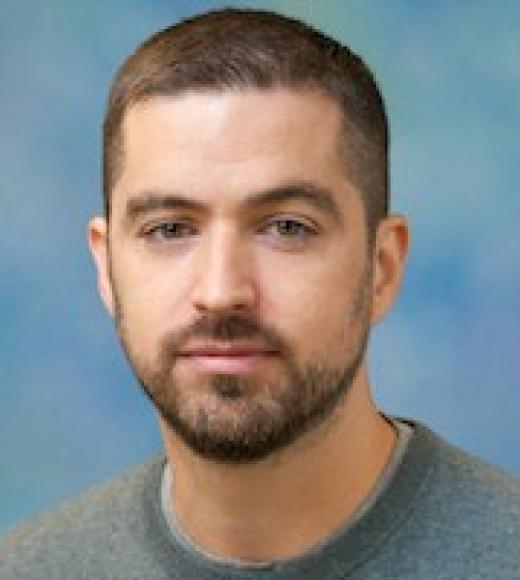
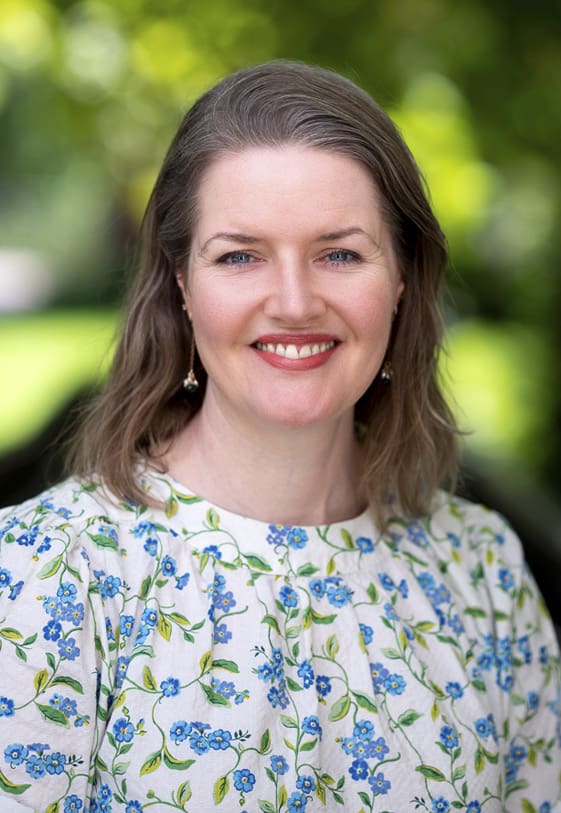
Meredith Tamminga is an Associate Professor of Linguistics at the University of Pennsylvania, where she directs the Language Variation and Cognition Lab . Her work bridges sociolinguistics , psycholinguistics , and theoretical linguistics , focusing on how linguistic variability is represented in mental grammar and how social context influences speech perception and production. She co-leads the Philadelphia Signs Project , exploring sign language sociolinguistics with collaborators at Penn and Gallaudet University. PhD in Linguistics (2014), University of Pennsylvania BA in Linguistics (2009), McGill University Her research integrates experimental methods with naturalistic speech analysis to study individual and group-level language change. Keywords include phonetics-phonology mapping , intraspeaker variation , and quantitative modeling . Notable grants include NSF awards and SAS Dean’s Mentorship Award . Key affiliations include MindCORE , Penn’s hub for integrative mind sciences, and collaborative ties to the Phonetics Lab , Child Language Lab , and Cultural Evolution of Language Lab . Her lab emphasizes cross-departmental research and welcomes undergraduate RAs and PhD students.
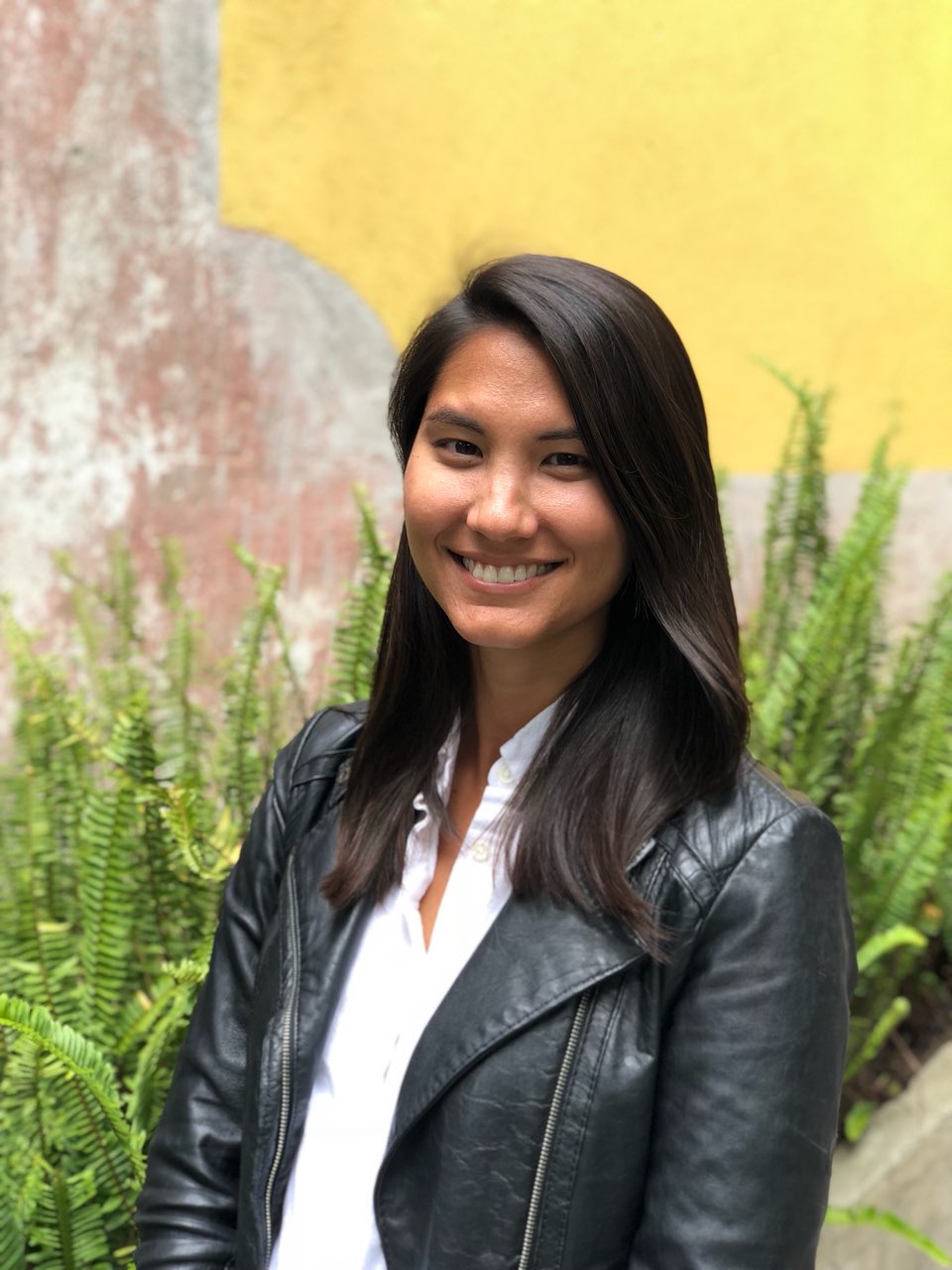
Mariška Bolyanatz Brown is an Assistant Professor in the Department of Spanish and French Studies at Occidental College (Oxy), appointed in 2017. She holds a B.A. from Gordon College, an M.A. from the University of Illinois at Chicago, and a Ph.D. from UCLA. Her research focuses on socially conditioned variation in speech production and perception in Spanish, particularly examining the sociolinguistic implications of phonetic features in Chilean and Salvadoran Spanish. She teaches courses such as Introduction to Linguistics, Spanish in the United States, and Spanish Sociolinguistics, emphasizing inclusive pedagogy and data analysis skills. Education: B.A., Gordon College, Massachusetts M.A., University of Illinois, Chicago Ph.D., University of California, Los Angeles (UCLA) Research Interests: Sociolinguistics, Phonetics, Spanish Language Variation, Linguistic Discrimination, Heritage Language Maintenance, and the social meanings of phonetic variation in Spanish. Her work analyzes acoustic and morpho-phonological patterns to explore how speech features correlate with socioeconomic identity and intergroup perception. Publications: Dr. Bolyanatz Brown has published widely on topics such as coda /s/ weakening in Chilean Spanish, cross-dialectal acoustic differences in /s/, and sociophonetic perception of intervocalic /k/ voicing. Her research bridges laboratory-based phonetic analysis with sociolinguistic theory, contributing to debates on sound change and language variation. Teaching Philosophy: Her courses foster critical engagement with language use, encouraging students to connect linguistic patterns to broader societal issues such as racism and education policy. She emphasizes fieldwork and data collection, as seen in her Spanish in the United States course, where students conduct community-based research in Los Angeles. Labs/Teams: No specific lab is mentioned, though her research involves collaborative fieldwork and acoustic analysis projects with colleagues like Brandon Rogers and Franny Brogan.
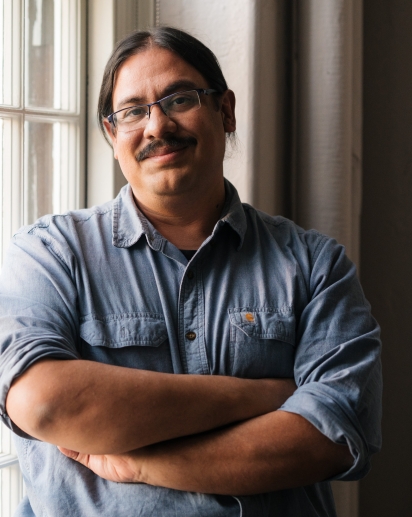
Nicole Holliday is an Acting Associate Professor of Linguistics at UC Berkeley specializing in sociophonetics. Her research examines how linguistic variation constructs social identities through intonation and voice quality, with recent focus on social impacts of speech technology and political speech analysis. She currently leads a Spencer Foundation-funded project studying linguistic bias in school disciplinary practices. Holliday teaches Language and Society, Sociophonetics, Prosody and Social Identity, and Linguistic Discrimination courses. She received the Linguistic Society of America Early Career Award (2023) and leads research on African American English features in educational contexts. Her work appears in Frontiers in AI, Journal of English Linguistics, and Glossa.
Georgia Zellou is an Associate Professor in the Department of Linguistics at the University of California, Davis, where she co-directs the Phonetics Lab and conducts award-winning research at the intersection of phonetics, speech perception, and human-AI interaction. Her work investigates how phonetic detail is cognitively represented through variations in speech production, with significant contributions to understanding speech alignment with voice assistants, face-masked speech intelligibility, and cross-linguistic perception of synthetic voices. Her academic credentials include a Ph.D. in Linguistics from the University of Colorado at Boulder (2012), an M.A. in Linguistics from Stony Brook University (2007), and a B.A. in Linguistics & Anthropology from the University of Florida (2005, Cum Laude, Phi Beta Kappa). Ph.D., Linguistics, University of Colorado at Boulder (2012) M.A., Linguistics, Stony Brook University (2007) B.A., Linguistics & Anthropology, University of Florida (2005) Professor Zellou's research program centers on laboratory phonology approaches to real-world communication challenges, examining how acoustic-phonetic details influence speech perception across contexts. Her studies span speech alignment with voice-AI systems (e.g., Amazon Alexa), sociophonetic variation in bilingual speech, and the cognitive mechanisms underlying perceptual compensation for coarticulation. She employs experimental methods including eye-tracking, acoustic analysis, and perceptual testing to uncover how phonetic variation functions pragmatically in human communication and human-machine interaction. Analysis of her 15 most recent publications (2023-2025) reveals three dominant research trajectories: (1) human-AI voice interaction dynamics, including prosodic alignment and social evaluation of TTS voices; (2) intelligibility optimization in challenging contexts (face masks, clear speech for diverse listeners); and (3) cross-linguistic phonetic variation in vowelless words and consonant clusters. These works consistently bridge theoretical phonology with applied speech technology, demonstrating how fine-grained phonetic detail influences communication effectiveness in both human-human and human-machine contexts. Her scientific recognition includes: Fulbright Scholar (2022) for research in France Chancellor’s Award for Excellence in Undergraduate Mentoring (2019) Fellow of the Linguistic Society of America (2020) Amazon Faculty Research Award (2019) for Alexa-related speech studies Dean’s Fellow designation at UC Davis (2020-2023) Professor Zellou maintains an active mentoring practice recognized with the Chancellor’s Award, supervising undergraduate researchers in the Phonetics Lab while teaching core linguistics courses from introductory to advanced graduate levels. Her research program is supported by competitive grants including NSF funding, Amazon Research Awards, and UC Davis internal grants (Hellman Foundation, ISS Junior Faculty Grant), reflecting the translational value of her work for speech technology development. She has co-directed major initiatives including the 2019 LSA Linguistic Institute. The Phonetics Lab she co-leads serves as a hub for experimental phonetics research, focusing on speech production-perception relationships through projects investigating vocal accommodation to voice assistants, nasal coarticulation dynamics, and cross-linguistic prosody. Current collaborations with industry partners aim to implement human speech adaptation principles into voice assistant design to enhance naturalness and engagement.
Brendan Regan is an Associate Professor of Spanish & Linguistics at Texas Tech University, directing the Sociolinguistics & Bilingualism Research Lab. He coordinates Hispanic Linguistics programs at both undergraduate and graduate levels. His research focuses on sociolinguistics, sociophonetics, and language variation, employing mixed-methods approaches including experimental design, corpus analysis, and discourse analysis. Education: Ph.D., The University of Texas at Austin (2017) M.A., Temple University B.A., University of Richmond Research Interests: His work addresses sociolinguistic variation, bilingualism, SLA, dialect contact, and language attitudes. Recent studies explore phonetic variation in Andalusian Spanish, language ideologies in heritage speakers, and place-name variation in Texas. Lab & Collaborations: The lab focuses on language variation in West Texas, offering research opportunities for students. Collaborative projects include corpus-based analyses of Spanish dialects and experimental studies on listener perception.
Nicholas Henriksen is an Arthur F. Thurnau Professor and Professor of Spanish & Linguistics at the University of Michigan, where he has held faculty positions since 2012. His research focuses on laboratory phonology, experimental phonetics, sociophonetics, and intonational grammar in Spanish and other Romance languages. Notable projects include studies on sound change in Andalusian and Patagonian Spanish, bilingualism (Afrikaans-Spanish), and second language speech learning. He directs the Michigan Speech Production Lab and co-leads initiatives integrating gender-diverse language into Romance curricula. Henriksen earned a PhD in Linguistics from Indiana University (2010), MA in Hispanic Linguistics (2006), and BA in Spanish/Mathematics from Rutgers (2003). His teaching spans undergraduate and graduate courses in Spanish linguistics, sociolinguistics, and phonetics, emphasizing applied research and pedagogical innovation. He has received prestigious awards, including the LSA Early Career Award (2021) and the Class of 1923 Teaching Award (2018). His research has been funded by grants from the University of Michigan ADVANCE Program and the Humanities Collaboratory, supporting projects like From Africa to Patagonia: Voices of Displacement . Collaborations include work with scholars in Argentina, South Africa, and Spain, examining language contact, heritage language maintenance, and sociolinguistic identity. Publications span over 30 peer-reviewed articles and book chapters, with a focus on phonetic variation, intonation, and bilingualism. He mentors graduate students in experimental phonetics and sociolinguistics, with advisees contributing to studies on Andalusian Spanish, heritage language acquisition, and voice quality.
Santiago Barreda is an Associate Professor in the Department of Linguistics at the University of California, Davis, specializing in speech perception and phonetic analysis. His research examines how acoustic properties of speech convey speaker characteristics including age, gender, and physical attributes. Education: Ph.D. in Linguistics (Phonetics), University of Alberta, 2013 M.A. in Hispanic Studies (Language and Linguistics), University of Western Ontario, 2008 B.A. in Linguistics and Spanish Language and Literature, University of Western Ontario, 2006 Research Focus: Dr. Barreda employs behavioral experiments and statistical modeling to investigate perceptual mechanisms in speech recognition. His work bridges theoretical phonetics with practical applications, particularly in vowel normalization techniques and formant tracking algorithms. Key questions address how listeners extract speaker identity from acoustic cues and interpret social characteristics through vocal signals. Publication Trends: Recent publications (2020-2025) reveal three dominant themes: computational phonetic tools (FastTrack, phonTools), perception of social/physical speaker characteristics from children's voices, and interdisciplinary public health research on speech-related aerosol transmission. His work demonstrates strong methodological consistency in combining acoustic analysis with perceptual validation. Scientific Awards: No scientific awards were mentioned in the source material. Advising and Grants: The provided documentation does not specify graduate student advising roles or external grant funding. Technical Contributions: Dr. Barreda develops open-source phonetic analysis software including FastTrack (Praat-based formant tracking) and the phonTools R package, which have become standard resources in acoustic phonetic research.
Susannah V Levi serves as an Associate Professor in the Department of Communicative Sciences and Disorders at New York University's Steinhardt School of Culture, Education, and Human Development. She holds multiple leadership roles including Director of Undergraduate Studies for the Department of Communicative Sciences and Disorders and Director of the Acoustic Phonetics and Perception Lab (APPL). She also serves as Affiliate Faculty in both Linguistics and Psychology departments. Dr. Levi received her educational training through: BA in Mathematics and French from Washington University in St. Louis MA in Linguistics from the University of Washington, Seattle PhD in Linguistics from the University of Washington, Seattle Post-doctoral research in Psychological and Brain Sciences at Indiana University Her research program focuses on spoken language processing, examining how listener characteristics (languages spoken, reading ability, language ability) interact with spoken utterance properties (native versus nonnative speech, talker familiarity, semantic predictability) during processing. Her work spans fundamental speech perception mechanisms to clinical applications for individuals with language and reading disorders. Recent research has increasingly focused on gender expression in speech, expanding traditional binary gender frameworks to include transgender and gender nonconforming speakers. She has made significant contributions to understanding how talker familiarity benefits speech processing in children and adults, with implications for clinical interventions. Analysis of Dr. Levi's recent publications reveals several key research trends: an expansion from basic speech perception mechanisms to clinical applications; growing emphasis on gender diversity in speech science; increasing integration of sociolinguistic factors with cognitive processing; and methodological innovations in measuring speech perception. Her work demonstrates a clear trajectory from foundational research on talker processing to applied work addressing real-world communication challenges, particularly for vulnerable populations including children with language disorders and gender diverse individuals. Dr. Levi actively mentors students, as evidenced by the numerous publications where student co-authors are marked with asterisks. Her research program is currently funded by the National Science Foundation, supporting work in the Acoustic Phonetics and Perception Lab. Her laboratory work focuses on speech perception mechanisms, with particular attention to how listeners process speech from familiar versus unfamiliar talkers, how this develops in children, and how it applies to clinical populations. The lab has increasingly incorporated gender-expansive perspectives into speech science research, examining acoustic properties of speech across gender identities.
Erik W. Willis is an Associate Professor in the Department of Spanish and Portuguese at Indiana University Bloomington, where he also serves as Director of Graduate Studies and Director of the Hispanic Linguistics Program. His work focuses on Spanish phonetics, phonology, and dialectal variation, particularly in Caribbean and Mexican Spanish varieties. He employs acoustic analysis and laboratory methods to study rhotic contrasts, intonational patterns, and sociolinguistic phenomena. Ph.D., University of Illinois at Urbana-Champaign (2003) M.A., Brigham Young University (1997) B.A., Brigham Young University (1994) His research spans multiple subfields including: Acoustic characterization of Spanish rhotics Intonational system analysis using Sp_ToBI Second language phonology acquisition Web-based language assessment tools Vowel system variations in Spanish dialects Contextual phonetic realizations in Caribbean Spanish Recent publications demonstrate systematic variation in coda liquids, tap-trill contrasts, and intonational patterns across Dominican, Puerto Rican, and Mexican Spanish. His work combines empirical acoustic analysis with sociolinguistic frameworks to document both phonetic realizations and their pragmatic functions in spoken language.
Margaret E. L. Renwick serves as Associate Research Professor and Director of Undergraduate Studies in the Department of Cognitive Science at Johns Hopkins University's Krieger School of Arts and Sciences. Previously holding a tenured position in Linguistics at the University of Georgia, she brings extensive expertise in speech variation and phonological systems to her current role. Her academic journey includes affiliation with the Phonetics Laboratory at the University of Oxford. Dr. Renwick's research focuses on sociophonetics and laboratory phonology, examining how speakers manipulate phonetic detail in patterned ways while listeners extract linguistic and social meaning from speech. Her work investigates phonological contrast, regional accents of US English (particularly Southern accents), and linguistic change across generations. A significant portion of her research explores African American vowel systems in Georgia and Italian mid-vowel systems, bridging theoretical linguistics with empirical acoustic analysis. Analysis of her recent publications reveals a strong trend toward computational approaches in phonetics, with increasing use of machine learning techniques like the Phonet library for vowel variation analysis. Her work consistently bridges theoretical phonology with empirical acoustic data, showing particular strength in regional variation studies across multiple language systems including English and Romance languages. Dr. Renwick actively mentors students through the Renwick Lab, welcoming advisees at all levels including PhD and MA candidates in Cognitive Science at JHU. Her teaching portfolio includes courses in Acoustic Phonetics, Sociophonetics, and her First-Year Seminar 'Who Has an Accent?' examines sociolinguistic perceptions of speech variation. The Renwick Lab functions as a comprehensive research environment focused on spoken language analysis, providing resources for phonetic research including tools for IPA transcription, acoustic analysis with Praat, and computational approaches to speech data. The lab supports both theoretical investigations of phonological systems and practical applications of speech technology.
Annette D'Onofrio is an Associate Professor in the Linguistics Department at Northwestern University. Her research bridges sociolinguistics and psycholinguistics, focusing on how social meaning is constructed through phonetic variation. She investigates topics like raciolinguistic expectations, geographic dialect features, and the cognitive representation of sociolinguistic signs. Key research areas include phonetic perception in bilingual contexts, the interplay between language ideologies and place-linked variation (e.g., Chicago Jewish communities), and the role of persona in shaping linguistic perception. Her work often employs experimental methods to explore how social information influences phonetic categorization and speech evaluation. Recent studies examine geographic dialect perceptions in New Orleans, the dynamics of the Northern Cities Shift in Chicago, and the sociophonetic analysis of presidential campaign rhetoric. Her research also addresses iconicity in phonological variation and the cognitive underpinnings of sociolinguistic signs. Though no specific grants or advising roles are listed, her work consistently highlights the intersection of social identity and linguistic structure. She holds a PhD in Linguistics and maintains a Google Scholar profile with over 20 peer-reviewed articles since 2012.
Rolando Coto Solano is an Assistant Professor of Linguistics at Dartmouth College , with an Adjunct Assistant Professor appointment in Computer Science and an Affiliate Professor role in the Quantitative Social Science Program (QSS) . He focuses on creating computational tools to document and revitalize Indigenous languages like Cook Islands Māori and Bribri. Education : PhD and MA in Linguistics from the University of Arizona; BA in Computer Science from the University of Costa Rica. Research Interests include: Natural Language Processing for Indigenous and Under-Resourced Languages Tonal Phonetics and Phonology, with a focus on tonal reduction Sociophonetics, particularly interisland variation in Cook Islands Māori Publication Trends show expertise in automatic speech recognition (ASR) for Indigenous languages, computational sociophonetics, tonal priming, and metadata standards in academic publishing. He collaborates on tools like Universal Dependencies treebanks and the ELPIS pipeline . Scientific Awards : Fulbright Foreign Student Program (Master’s Degree) National Science Foundation (NSF) Consultant Royal Society of New Zealand Marsden Fund Ship for World Youth Program (Office of the Prime Minister of Japan)
Rob Voigt Assistant Professor of Linguistics and courtesy faculty in Computer Science at Northwestern University, affiliated with the Institute for Policy Research and Cognitive Science Program. Specializes in computational linguistics, focusing on natural language processing (NLP) applied to social science questions including policing, mental health, and immigration. Director of the Linguistic Mechanisms Lab, exploring how language reflects and shapes societal structures. Education PhD in Linguistics (2019), Stanford University Postdoctoral Scholar (2019-2020), Stanford University M.A. in East Asian Studies (2013), Stanford University B.A. in Chinese (2008), Vassar College Research Interests Combines computational methods with sociolinguistics to study: Police-community interaction through body-worn camera data Linguistic markers of procedural justice and racial disparities Language in marginalized communities and social movements LLM applications to clinical language analysis (autism spectrum disorders) Historical discourse analysis of immigration policies Recent Work Recent projects include analyzing 140 years of political immigration rhetoric (PNAS 2022), evaluating officer communication training via bodycam NLP (PNAS Nexus 2024), and developing stereotype analysis pipelines (EMNLP 2024). Active in policy-relevant research through grants on police training (NIJ) and mental health language analysis (NIH). Awards & Recognition Holds Cozzarelli Prize (2017) for groundbreaking policing research and Cialdini Prize for field methods innovation. Recipient of interdisciplinary fellowships from Stanford and NIH grants totaling $8M+. Teaching Current courses include Text Processing for Linguists . Known for ungrading pedagogy emphasizing intrinsic motivation and collaborative learning. Develops open-access computational linguistics curricula using Unix/Python. Labs & Collaborations Linguistic Mechanisms Lab focuses on socially responsible NLP. Collaborates with criminologists, cognitive scientists, and sociologists on projects like the Media Accountability Project (racial disparities in gun violence reporting).
California State University San MarcosUnited States
Erica Gold serves as a Lecturer in the Department of Linguistics within the College of Humanities, Arts, Behavioral and Social Sciences at California State University San Marcos. Her academic background includes a Ph.D. in Linguistics and MSc in Forensic Speech Science from the University of York, UK, and a B.A. in Linguistics from UC San Diego. Ph.D. in Linguistics; University of York, U.K. MSc in Forensic Speech Science; University of York, U.K. B.A. in Linguistics; University of California San Diego Dr. Gold's research focuses on the intersection of phonetics and sociolinguistics, employing acoustic, auditory, and data-intensive approaches to inform both linguistic theory and forensic applications. Her primary interests include phonetic variation in vowels, speaking tempo, hesitation markers, and voice quality as they relate to regional and social accents/dialects, with particular attention to inter-speaker and intra-speaker variability across different populations. Her work bridges theoretical linguistics with practical forensic speaker identification applications. Analysis of her publication record reveals consistent specialization in forensic phonetics, with particular emphasis on speaker identification methodologies, regional dialect variation (especially West Yorkshire English), and the application of acoustic analysis to forensic evidence. Her research demonstrates methodological rigor through the development and validation of speech tempo measures, voice quality analysis, and large-scale regional speech databases for forensic reference populations. Dr. Gold serves as an Editorial Assistant for Babel: The Language Magazine, which publishes linguistics content for lay audiences, and is a Full Member of the OSAC subcommittee on Speaker Recognition for the National Institute for Standards and Technology, where she contributes to developing forensic speaker recognition standards. She teaches foundational linguistics courses including LING 101: Mysteries of Human Language and LING 200: English Grammar and Syntax, bringing her research expertise in phonetics and forensic applications into the classroom. Her professional activities demonstrate strong engagement with both academic linguistics and practical forensic applications through publications, committee work, and database development.
Zachary Wallmark is an Associate Professor of Musicology and Area Chair of Musicology and Ethnomusicology at the University of Oregon's School of Music and Dance. His interdisciplinary research bridges musicology, cognitive science, and sound studies, with a particular focus on musical timbre and its relationship to emotion, meaning, and cultural context. Wallmark maintains a joint affiliation with the Center for Translational Neuroscience at the University of Oregon, reflecting his cross-disciplinary approach. His research interests span popular music studies, timbre analysis, music cognition, and sound studies, with particular attention to how musical timbre functions in emotional response, aesthetic judgment, and music sociology. Wallmark's work explores these themes across diverse musical contexts including American popular music, free jazz, extreme heavy metal, and traditional Japanese music. Wallmark's publications reveal a consistent focus on timbre as a critical yet undertheorized dimension of musical experience. His work spans empirical studies of timbre perception, corpus analyses of timbre semantics, interdisciplinary investigations of timbre's role in meaning-making, and theoretical explorations of timbre's relationship to cultural and social contexts. Recent publications increasingly integrate cognitive neuroscience methodologies with traditional musicological approaches. GRAMMY Museum Foundation Scientific Research Grant UO Presidential Fellowship in Humanistic Study AMS Ruth A. Solie Award Social Sciences and Humanities Research Council (SSHRC) of Canada Partnership Grant National Endowment for the Humanities (NEH) Fellowship Wallmark's research has received significant external funding from prestigious organizations including the NEH and the GRAMMY Museum Foundation. He is active in the Analysis, Creation, and Teaching of Orchestration (ACTOR) group, an international research partnership funded by the Canadian Social Sciences and Humanities Research Council. His work has been presented at major international conferences including the American Musicological Society (AMS), Society for Music Perception and Cognition (SMPC), Society for Music Theory (SMT), and Society for Ethnomusicology (SEM). Wallmark has also been invited to lecture at notable venues including the National Academy of Sciences in Washington, D.C. Beyond his academic work, he is a published composer, commercial musician, jazz bassist, and performer of the Japanese shakuhachi flute.