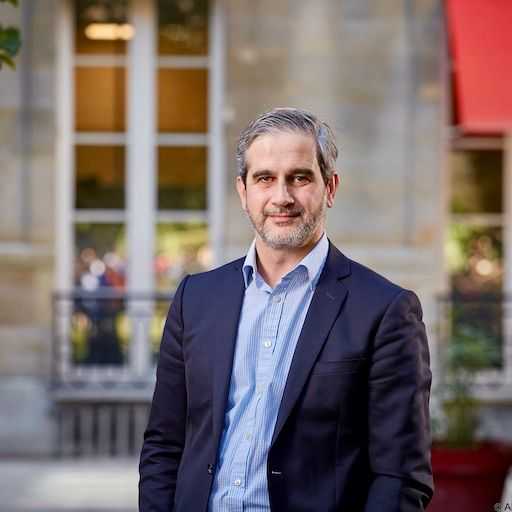
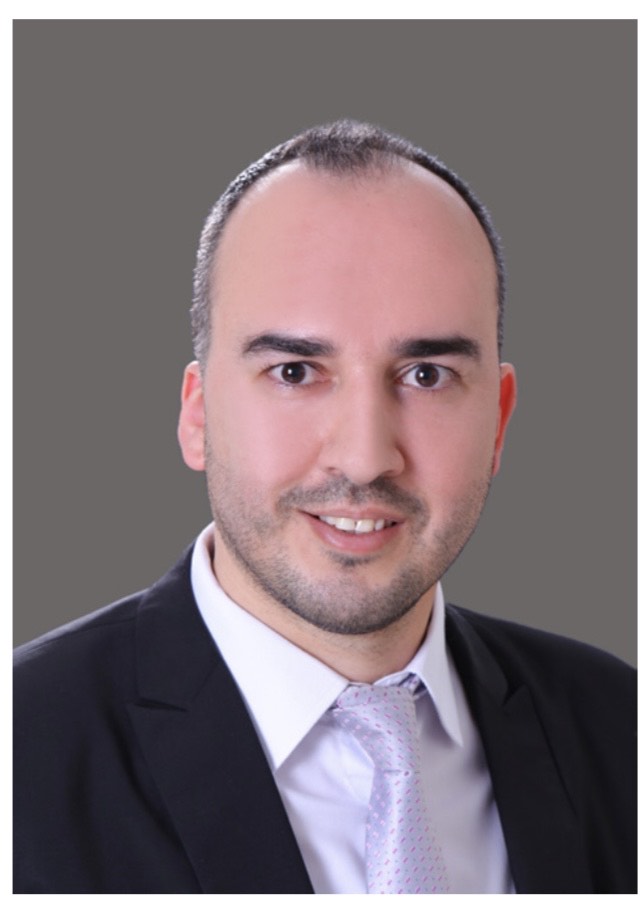
Vânia Patrício is a faculty member at Iscte Business School, ISCTE - Lisbon University Institute. She holds a PhD in Business Administration from the Lisbon School of Social Communication and a PhD in Project Management, alongside a postgraduate degree in Financial Services Markets and Business Management from the Lisbon Institute of Advanced Banking and Management. Education: PhD in Business Administration, PhD in Project Management, Postgraduate in Financial Services Markets and Business Management Her research and professional focus spans project management, leadership development, high-performance teams, and organizational change management. She specializes in behavioral coaching, governance, and risk compliance, with extensive experience across telecommunications, banking, energy, insurance, and service sectors. Vânia is a certified Project Management Professional (PMP), ROI Institute Certified ROI Professional, and an ICF-approved internationally certified coach, with expertise in Neuro-Linguistic Programming (NLP). She has led business development teams and designed technical and behavioral training programs for large-scale organizations.
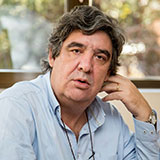
Jesus Olavarría Church is a Professor of Commercial Law at the University of Valencia, affiliated with the Manuel Broseta Pont Department of Commercial Law and the Law School. He co-founded IUDESCOOP (University Institute of Social and Cooperative Economy) and GI+dPI (R&D Group on Intellectual and Industrial Property), and participates in CIRIEC-Spain and SEAIDA. He serves as arbitrator at the Valencia Court of Arbitration and in Bolivia, and co-directs legal journals including the Legal Journal of Social and Cooperative Economy and sections in the Commercial Law Journal and Spanish Insurance Journal . Education: Law degree and PhD in Law from the University of Valencia, with an Extraordinary Degree Award. His research focuses on Commercial Law, Corporate Law, Social Economy Law, Competition Law, and Intellectual Property. He has contributed to 13 national and regional R&D projects and currently participates in two. His publications span Insurance Law, Arbitration, Cooperatives, and Foundations Act analysis, reflecting his expertise in legal frameworks for economic and social entities. Recent publications include: Insurance Law (2014) - Keywords: Commercial Law, Insurance Law Arbitration Treaty (2014) - Keywords: Arbitration Law, Comparative Law The Jurisprudence on Insurance Contracts (2012) - Keywords: Legal Jurisprudence, Insurance Contracts He has received the Extraordinary Degree Award and has provided legal advice to public and private entities under Article 83 of the Organic Law on Universities. He teaches in master's programs such as Business Law, Cultural Management, and Social Economy at the University of Valencia, EDEM Valencia, and other institutions. Labs/Teams: IUDESCOOP, GI+dPI, CIRIEC-Spain, SEAIDA
Gabriel H. Teninbaum is a Professor of Legal Writing and the Assistant Dean for Innovation, Strategic Initiatives, and Distance Education at Suffolk University Law School. He leads the #1 ranked legal technology program in the U.S. per National Jurist Magazine and has taught over 10 courses globally, including at MIT. He founded the educational technology startup SpacedRepetition.com, recognized among the Top 20 Legal IT Innovations globally. Education: BA from Georgetown University, MM from Cambridge College, JD from Suffolk University. Teninbaum's research focuses on legal technology, conflict of laws, medical apology programs, and legal pedagogy. His work explores the intersection of technology and law, including spaced repetition methodologies for legal education. He has also written on insurance law, premises liability, and constitutional law. Recent publications emphasize legal technology innovations like spaced repetition, conflict of laws in Massachusetts, medical apology programs, and international human rights. His scholarship spans tort law, insurance law, and legal criticism. Scientific Awards: SpacedRepetition.com named a Top 20 Legal IT Innovation globally by ALM/Legal Week Intelligence. Teninbaum has served on the Mass. Access to Justice Commission's Web/Tech Working Group and as a Faculty Associate at Harvard's Berkman-Klein Center. He previously worked as a trial attorney and U.S. Secret Service technician.
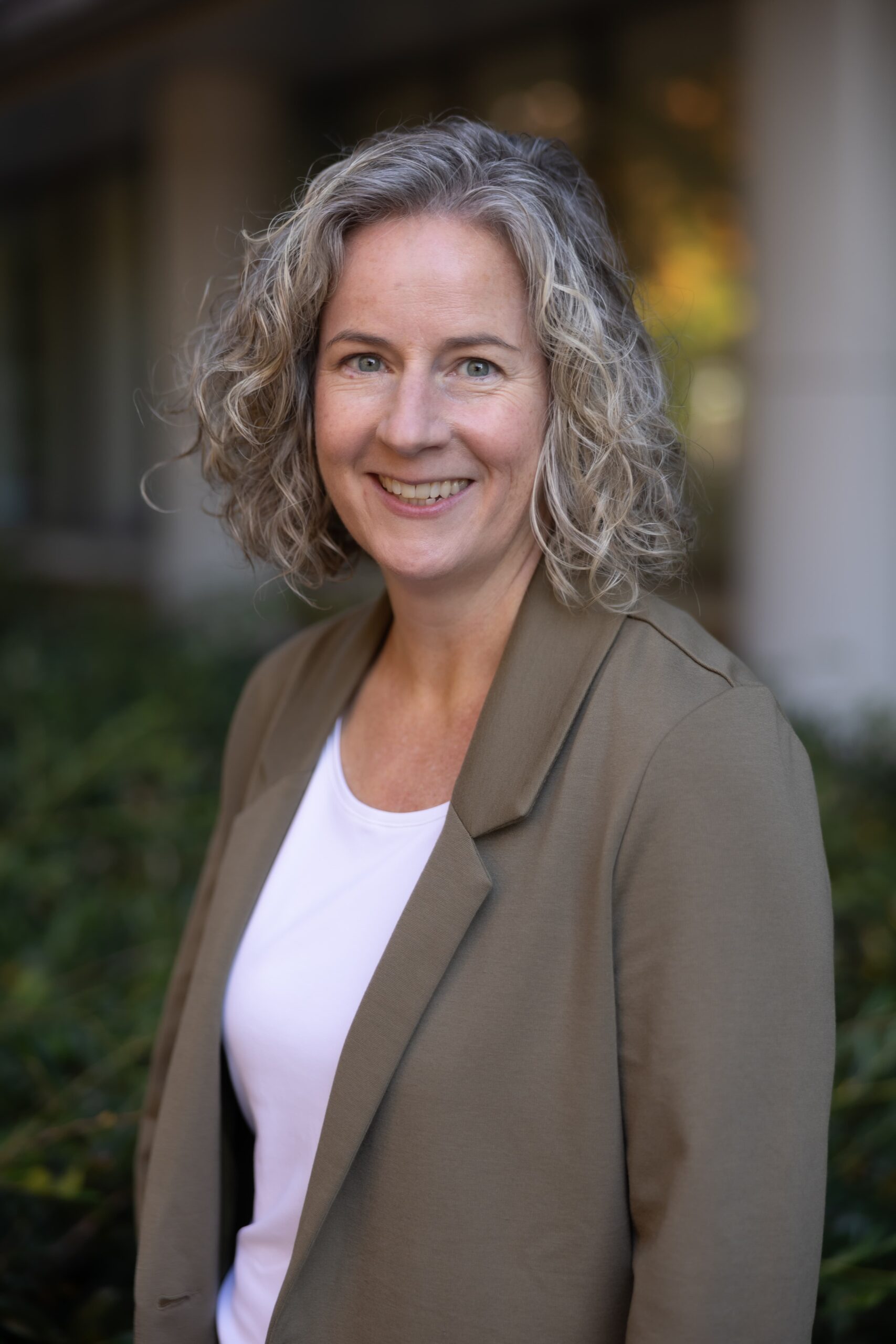
Hazel B. Nichols, PhD, is a Professor in the Department of Epidemiology at the UNC Gillings School of Global Public Health and a member of the UNC Lineberger Comprehensive Cancer Center. She serves as Co-Leader of the UNC Lineberger Cancer Epidemiology Research Program and is faculty director of the UNC Cancer Survivorship Cohort. Dr. Nichols is also the lead instructor for the EPID 771 course "Cancer Epidemiology: Survivorship and Outcomes." Dr. Nichols' educational background includes: PhD in Epidemiology from Johns Hopkins University (2011) SM in Epidemiology from Harvard University (2003) BS in Ecology/Evolutionary Biology from Tulane University (2000) Dr. Nichols is a cancer epidemiologist whose research focuses on improving cancer care by providing epidemiologic evidence to guide personal and medical decision-making around cancer risk and survivorship. Her work particularly addresses the intersection of cancer and reproductive health across the lifespan. She leads multiple studies including the Carolina Endometrial Cancer Study, the Adolescent and Young Adult (AYA) Horizon Study, the Valuing Opinions and Insight from Cancer Experiences (VOICE) Study, and the UNC Cancer Survivorship Cohort. Her research methodology primarily involves population-based observational cohort studies, health systems data, and linked information from cancer registries, vital statistics, health care databases, and administrative insurance claims. Recent publications demonstrate her focus on adolescent and young adult cancer survivorship, reproductive health outcomes after cancer, LGBTQ+ disparities in cancer outcomes, and environmental factors affecting cancer risk. Dr. Nichols' scientific contributions have been recognized with numerous awards including the HMO Research Network Early Career Investigator Award (2014), the Electra Paskett Annual Scholarship Award from the American Society of Preventive Oncology (2013), and the AACR Translational Research Scholarship (2010). She has also received multiple scholarships from Johns Hopkins University during her doctoral studies. As faculty director of the UNC Cancer Survivorship Cohort and principal investigator of multiple studies, Dr. Nichols mentors students and early-career researchers in cancer epidemiology. Her work has been supported by various grants that enable large-scale epidemiological studies focused on cancer outcomes and survivorship. She collaborates extensively with researchers across UNC Lineberger and the Gillings School to investigate cancer disparities, survivorship care, and reproductive health outcomes. Dr. Nichols has been instrumental in launching the Endometrial Cancer Center of Excellence at UNC Lineberger to advance research and clinical care for endometrial cancer patients. Dr. Nichols is actively involved with the UNC Lineberger Comprehensive Cancer Center, where she co-leads the Cancer Epidemiology Research Program. She collaborates with multidisciplinary teams across UNC to advance research on cancer prevention, treatment, and survivorship, with particular attention to women's health issues and the unique challenges faced by adolescent and young adult cancer patients. Her leadership in the Carolina Endometrial Cancer Study and the AYA Horizon Study has positioned her as a key researcher in understanding cancer outcomes across the lifespan.
John Serieux serves as Professor in the Department of Economics within the Faculty of Arts at the University of Manitoba. His academic career spans over 25 years with significant contributions to development economics, teaching courses including Development Economics, Theories of Economic Development, and International Money and Finance at undergraduate and graduate levels. Prior to his current position, he held academic and research roles at the University of Malawi, North-South Institute, and University of North Carolina at Chapel Hill. His educational background includes a PhD in Economics (1997) and MA in Economics (1988) from the University of Toronto, complemented by an MRP in City and Regional Planning from Cornell University (1986) and a BA in Economics from the University of Toronto (1981). Professor Serieux's research centers on three interconnected domains: the socioeconomic implications of financial flows to developing countries, the evolving global influence of BRICS nations, and historical analyses linking Atlantic slave economies to British industrialization. His work consistently bridges theoretical economic frameworks with practical policy applications, particularly regarding debt sustainability, aid effectiveness, and the structural determinants of economic inequality in the Global South. His recent publications reveal a methodological sophistication combining historical analysis with contemporary policy evaluation, spanning development economics, health economics, and economic history. Key thematic clusters include foreign direct investment determinants, regional convergence patterns, refugee mental health, and the historical roots of wealth inequality—demonstrating remarkable intellectual range while maintaining focus on development challenges. No scientific awards were documented in the provided source materials. He actively supervises graduate students as indicated by his acceptance of Master's and PhD candidates, with research sustained through extensive consultancy work for the Commonwealth Secretariat and United Nations agencies. His projects have addressed critical issues including HIV/AIDS program financing during economic crises, debt relief implementation, and resource mobilization strategies in low-income countries—often involving cross-national collaboration and policy-oriented fieldwork. Professor Serieux maintains a robust collaborative network evidenced by co-authorship with researchers across North America, Africa, and Asia. His work frequently engages with governmental and international bodies, translating academic insights into practical development frameworks while maintaining rigorous scholarly standards through publications in leading economics and development journals.
Sylvie Blasco is a Professor in Economics at the University of Caen Normandy, affiliated with the Centre de Recherche en Économie et Management (CREM) and the TEPP research group (Travail, Emploi et Politiques Publiques). She also holds research fellowships at IZA (Institute of Labor Economics), and affiliations with IPP (Institut des Politiques Publiques) and Cepremap. Her office is located at UFR SEGGAT (Unité de Formation et de Recherche Sciences Économiques, de Gestion, Administration et Techniques) in Building A, Office AC365. Professor Blasco's research spans three interconnected domains of applied economics. Her primary focus is on labor economics , where she examines unemployment insurance systems, labor market trajectories, working conditions, and retirement policies. Within health economics , she investigates the relationship between mental health and labor market outcomes, including how health shocks affect economic behavior. Her methodological expertise lies in applied microeconometrics , particularly in developing and applying microeconometric methods for policy evaluation, transition models, and duration analysis. Her work often employs innovative empirical approaches including event studies, difference-in-difference designs, and propensity score matching. Blasco's extensive publication record reveals consistent themes in her research trajectory. Her most recent work examines how parental health shocks influence children's health behaviors, the mental health impacts of working in automatable jobs, and the societal effects of terrorist attacks. Earlier research focused on unemployment insurance take-up, the impact of temporary contracts on career trajectories, and the effectiveness of active labor market policies. Her publications appear in high-impact journals including Journal of Population Economics, Health Economics, and Labour Economics, demonstrating her contributions to both theoretical and policy-relevant economic research. Professor Blasco actively contributes to the research community through multiple funded projects. She currently leads research agreements with Unédic and Cepremap on "Ageing workforce, pension reforms and unemployment insurance," with DARES and DREES on mental health and work precarity, and with Constances on immigrants' health trajectories. She regularly presents her work at international conferences including IZA/OECD Policy Seminars, Stata conferences, and specialized economics workshops across Europe. As an educator, Blasco teaches across multiple levels at the University of Caen Normandy, from undergraduate courses in applied mathematics and microeconomics to advanced master's level courses in econometrics, labor economics, and information economics. Her teaching portfolio reflects her dual expertise in economic theory and quantitative methods, particularly using the R programming language for economic analysis.
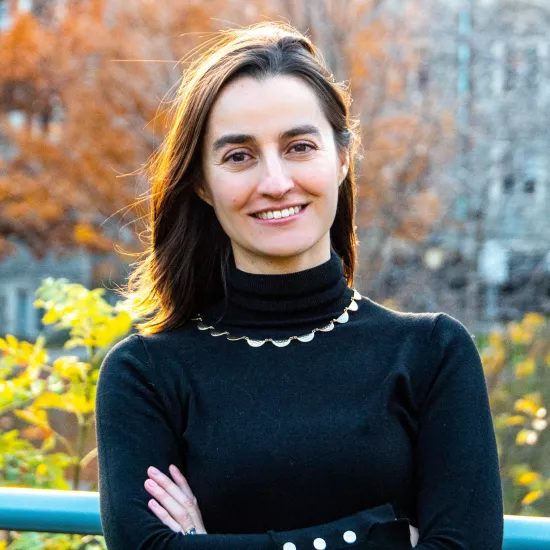
Carolina Arteaga is an Assistant Professor of Economics at the University of Toronto, associated with the National Bureau of Economic Research (NBER) and CEMFI. Her research focuses on health, political economy, education, and crime, with a particular emphasis on the interplay between socioeconomic factors and public policy outcomes. She holds a PhD from UCLA (2019) and degrees from the Universidad de Los Andes, Bogotá. Her work bridges empirical analysis and policy-relevant insights, including studies on the opioid epidemic's political and economic consequences, spousal health shocks' socioeconomic impacts, and the effects of parental incarceration on children's education. Her research has been featured in major outlets like the New Yorker , New York Times , and Bloomberg . Current courses include ECO 411 (Human Capital and Education) and ECO 433 (Family Economics). She is scheduled for research leave at the Becker Friedman Institute (University of Chicago) in 2025–2026.
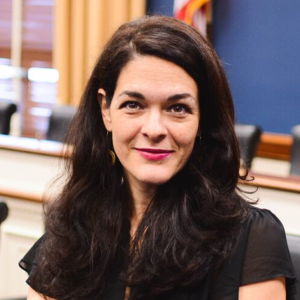
Caroline Bruckner is a Professor at the Kogod School of Business (American University) and Managing Director of the Kogod Tax Policy Center. She holds a Juris Doctor from George Mason University (winning the Best Memorandum of Law Award), a Masters in Taxation (LLM) from Georgetown University, and a BA in Political Science from Emory University. As a Fellow of the American College of Tax Counsel and member of the National Academy of Social Insurance, her expertise focuses on tax policy, small business taxation, gig economy challenges, and gender equity in legislative processes. Her research has influenced U.S. tax legislation, notably prompting Senate Finance Committee action on women business owners' capital access. She regularly testifies before Congressional committees and IRS, with recent work analyzing witness diversity in legislative processes and AI applications in tax administration. Teaching responsibilities include business law, federal taxation, and sustainability-focused courses. She coordinates Kogod's VITA tax assistance program and advises student organizations like the Business Law Society and Kogod Women in Business. Previous roles: Chief Counsel, U.S. Senate Committee on Small Business; Senior Tax Associate at PwC Media appearances: CNBC, NPR, The Wall Street Journal, and other major outlets Key research areas: Tax compliance challenges for small businesses, gender representation in policymaking, and modernizing tax administration through AI Her Congressional witness dataset examines how testimony impacts legislation, revealing systemic biases in expert representation. Current projects include analyzing tax literacy trends among small businesses and evaluating AI's role in enhancing tax agency operations. Awards: 2020 American College of Tax Counsel Fellow; 2021 National Academy of Social Insurance Member Grants: Research supported by AU's Tax Policy Center and congressional testimony analysis initiatives Led the Kogod VITA program providing free tax assistance, fostering student engagement with real-world tax issues while serving the community. Her work bridges academic research with public policy, emphasizing practical solutions for modern economic challenges.
Professor Brian Ray is the Leon M. and Gloria Plevin Professor of Law and Associate Dean for Faculty Development and Online Programs at Cleveland State University School of Law. He directs the Center for Cybersecurity and Privacy Protection and leads the IoT Cybersecurity Industry Liaison role within the Internet of Things Collaborative (IoTC), supported by a $1.75M Digital Excellence Grant. His expertise spans cybersecurity, data privacy, constitutional law, and comparative law. Education: J.D. from The Ohio State University (Order of the Coif, valedictorian), B.A. in Liberal Studies and Japanese from University of Notre Dame, M.A. in East Asian Languages from University of Pennsylvania, and a Fulbright Fellowship at Kyoto University. Professional roles include litigation at Jones Day, judicial clerkships at the Sixth Circuit Court of Appeals and South Africa's Constitutional Court. Research focuses on cybersecurity policy, transnational data jurisdiction, and socio-economic rights frameworks. Key projects include the Cleveland eDiscovery Roundtable, CyberOhio Advisory Board, and Sedona Conference's Data Security Working Group. Awards include SC Magazine's 2017 Outstanding Cybersecurity Educator and Fulbright Scholar recognition. Teaching covers Civil Procedure, Comparative Constitutional Law, and International Law. Leadership roles include co-chairing Northeast Ohio CyberConsortium's Workforce Development Committee and advising on blockchain and IoT security initiatives. Current work explores smart city technologies, pandemic-era data governance, and global privacy standards. Grants: $1.75M IoT Collaborative Grant (2018) Labs/Teams: Center for Cybersecurity & Privacy Protection, Sedona Conference WG11, IoTC Future Work: Public interest tech in urban innovation, post-pandemic privacy frameworks
Guillaume Plantin is a Professor of Economics at Sciences Po since 2016 and serves as Sciences Po's Research and Faculty Dean since 2018. He holds affiliations with the Centre for Economic Policy Research (CEPR) and the French Prudential Supervisory Authority's Scientific Committee. Previously, he held academic positions at the University of Toulouse 1-Capitole, Carnegie Mellon University's Tepper School of Business, and London Business School. His research focuses on financial stability, monetary policy, and prudential regulation, with notable contributions to understanding shadow banking and capital regulation. Education: PhD in Economics from University of Toulouse 1-Capitole. Earlier career included roles at the French Insurance Supervisory Authority (1997-2001). Research interests span financial regulation, monetary policy impacts, and systemic risk. Key works include analyses of fair value accounting's implications for stability and the interplay between fiscal/monetary regimes. His ERC Starting Grant (2010) supported the 'RIFIFI' project on financial institution risks. Publications explore topics like price level determination, fiscal dominance, and investment dynamics under monetary easing. Notable awards include a 2015 Review of Financial Studies Best Paper Award nomination. Grants/Advising: ERC Starting Grant (2010), leadership in Master Finance & Strategy program. Active in policy circles, including the French Economic Advisory Council (2012-2014). Labs/Teams: Department of Economics at Sciences Po, CEPR Research Fellow, and leadership roles in academic programs.
Asem Tahtamouni is an Assistant Professor at the American University of Madaba in Jordan, currently serving as head of the Banking and Finance and Accounting departments. He holds a PhD in Financial Risk Management from Western Sydney University (Australia), alongside a Master of Commerce in Accounting and a BA in Accounting from Yarmouk University (Jordan). His academic journey includes affiliations with the SIT Graduate Institute's MA in Humanitarian Assistance and Crisis Management program. Education: PhD in Financial Risk Management, Western Sydney University, Australia Master of Commerce (Accounting), Western Sydney University, Australia BA in Accounting, Yarmouk University, Jordan Research interests focus on financial risk management, bank governance, corporate performance evaluation, and regulatory compliance in Jordan's financial sectors. His work addresses critical issues such as liquidity risk in Islamic/conventional banks, stress-testing models for financial crises, and the impact of dividend policies on stock prices. Publications span topics including cryptocurrency market bubbles, healthcare IT challenges in Jordan, and the economic effects of oil price fluctuations. Despite no listed awards, his prolific peer-reviewed output (indexed in Scopus) reflects his scholarly contributions. Advising and grants sections remain unspecified in available records. He is affiliated with interdisciplinary programs in humanitarian crisis management, indicating cross-sectoral research interests.
Yousef Toma is an Assistant Professor of Pharmacy Practice and On-Site Coordinator for the Phoenix Pharmacy Pathway at Creighton University's School of Pharmacy and Health Professions. He holds a PharmD from Roseman University (NV) and completed a PGY-1 Specialty Pharmacy Residency at Optum Specialty Pharmacy (AZ). His professional credentials include Board-Certified Pharmacotherapy Specialist (BCPS), Certified Specialty Pharmacist (CSP), and Certified HIV Pharmacist (AAHIVP). Teaching & Research: Dr. Toma focuses on Pharmacy Skills Lab, Oncology, and HIV in teaching, while his research addresses Social Determinants of Health and Scholarship of Teaching and Learning . His presentations span topics like PrEP access, residency candidacy strategies, and interprofessional service learning. Education: Roseman University PharmD (201?), PGY-1 Residency (Optum, 202?) Awards: He received multiple Educator of the Year awards (2022–2024), AzPA's Distinguished Young Pharmacist Award (2023), and Roseman's Roadrunner Alumni Award (2023). Recognized for professionalism during his PharmD program and inducted into Phi Lambda Sigma leadership society. Advising & Grants: While specific grants aren't detailed, his role as a coordinator and educator implies involvement in program development and student mentorship. No labs/teams explicitly mentioned, though his presentations suggest collaboration with Roseman University and Optum teams.
Dr. Philip Gibson is an Associate Dean for Graduate Programs and Accreditation, and Professor of Finance at Winthrop University's College of Business and Technology. He also serves as Director of the Certified Financial Planning program. Previously, he was an Assistant Professor of Finance at the University of the Incarnate Word. He earned his Ph.D. in Finance from Texas Tech University (2012) and a summa cum laude degree from Prairie View A & M University. His research focuses on mutual fund performance, asset management, and household-investment advisor relationships. He has explored topics like financial literacy, retirement planning, and the impact of advisors during market crises (e.g., the 2020 pandemic crash). His work also addresses aging populations, including life insurance dynamics among seniors and retirement happiness metrics. Key research trends include behavioral finance, advisor-client communication effectiveness, and the role of education at life stages. He has emphasized practical applications like improving financial capability to prevent poor borrowing choices. Dr. Gibson holds no listed awards but has an active publication record with over 20 articles since 2012. He advises graduate programs and oversees accreditation processes at Winthrop. His professional interests extend to improving financial education curricula and addressing socioeconomic disparities in investment access.
Matteo Gargantini is an Associate Professor in the Department of Law at the University of Genoa. His expertise focuses on Capital Markets Law, Commercial Law, and European Union Financial Regulation. He teaches courses such as CAPITAL MARKET LAW , COMMERCIAL LAW I , and EUROPEAN UNION FINANCIAL AND INSURANCE MARKETS REGULATION in Master's programs. His research emphasizes regulatory harmonization in the European Capital Markets Union (CMU), issuer disciplines, and the intersection of sustainability with financial markets. Recent publications include analyses of investor behavior in sustainable contexts and EU legal frameworks for financial markets. No scientific awards are explicitly listed. Teaching and office hours are available by appointment via email. No advising relationships or grants are detailed in the provided materials.
Dr. Paul Irwin Crookes is an Associate Professor in Contemporary China Studies at the Oxford School of Global and Area Studies (OSGA) and Associate Head of Division (Education) for the Social Sciences Division at the University of Oxford. He holds a PhD and MPhil from the University of Cambridge and a BSc(Economics) from the LSE. His academic career follows 20 years in the international IT sector, where he advised multinational corporations and government agencies on technology strategy in regions including China, India, and the EU. Dr. Crookes teaches courses on China’s foreign policy and international relations, focusing on EU-China economic relations, the Asia-Pacific balance of power, and Chinese innovation capabilities. He directs the School’s graduate studies program and leads strategic educational initiatives across social sciences at Oxford. His research explores UK-China post-Brexit dynamics, EU-China trade negotiations, and the security implications of cross-Taiwan Strait technological interactions. Research interests include: EU-China political economy, military-strategic dimensions of the Taiwan issue, and technological innovation policies. He has authored/co-authored over 15 peer-reviewed articles and books including The Politics of EU-China Economic Relations (2016). He maintains academic leadership roles as a Kellogg College Fellow and through cross-disciplinary research clusters within OSGA. His career combines academic rigor with practical expertise: prior roles include designing IP protection strategies for a Sino-British insurance partnership in Beijing, and lecturing on East Asian international relations at the University of Manchester.