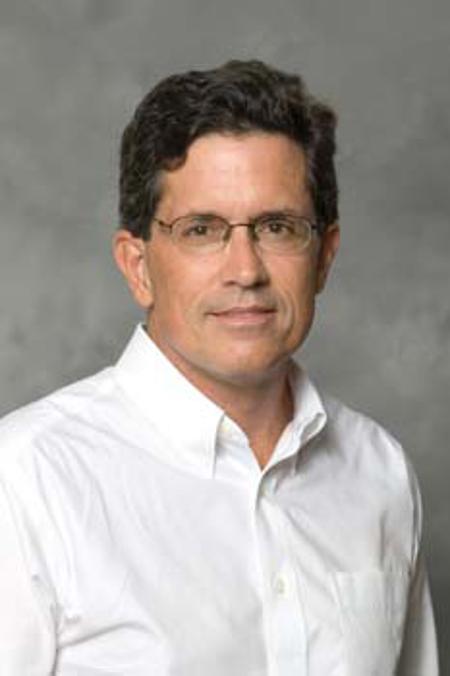
Dr. Marie José Duchateau is a Researcher at the Faculty of Science , Utrecht University , specializing in Animal Behaviour and Cognition . Her research spans insect behavioral ecology, animal welfare, and social insect biology, with a focus on bumblebees and captive wildlife. Primary research areas: Animal Behavior , Cognition , Entomology , and Conservation Biology Email addresses: m.j.h.m.duchateau@uu.nl , mjhmduchateau@uu.nl Dr. Duchateau's work explores: Bumblebee biology (sex ratios, caste determination, larval signaling, Dufour's gland cycles) Captive animal welfare (cheetah enrichment, gorilla welfare assessment, African wild dog social dynamics) Social insect dynamics (reproductive conflicts, colony development, worker behavior) She has contributed to peer-reviewed journals like Journal of Zoo and Aquarium Research , Behavioral Ecology , and Insectes Sociaux , and has presented at international conferences such as the International Union for the Study of Social Insects (IUSSI) and International Apicultural Congress of Apimondia.
Kate Umbers is an Associate Professor and Lecturer in Zoology at the School of Science, Western Sydney University. She holds a Doctor of Philosophy and a Bachelor of Science from Macquarie University. Her research focuses on evolutionary biology, animal behavior, and conservation biology, with a strong focus on entomology and chemical ecology. Her recent publications address biodiversity monitoring using robotics, predator-prey dynamics, and chemical defense mechanisms in insects and amphibians. Her work explores key areas like aposematism, warning coloration, and the ecological impacts of climate change on alpine and nocturnal species. She leads several major research projects, including "The dark side: weaving nocturnality into pollination resilience networks" at the University of Sydney "PLIGHT OF THE BOGONG MOTH: A PARTNERSHIP MODEL FOR AUSTRALIAN CONSERVATION" "Bringing out the big guns: antipredator defences in termites" These projects highlight her commitment to understanding ecological interactions and developing conservation strategies. Kate Umbers actively collaborates with institutions such as the Xerces Society INC, Australian Research Council, Lund University, Zoos Victoria, and Invertebrates Australia Ltd. Her work contributes to the United Nations Sustainable Development Goals (SDGs), particularly in biodiversity and climate action.
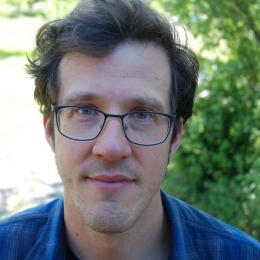
Fred C Dyer is a Professor in the Department of Integrative Biology and the Ecology, Evolution & Behavior Program at Michigan State University's College of Natural Science. His research focuses on animal behavior, particularly the decision-making processes in insects like honeybees and bumblebees. Research Interests: Dr. Dyer's work explores sensory integration, learning, and adaptive decision-making in social insects. Key areas include foraging strategies, spatial navigation, and the evolutionary origins of cognitive behaviors such as associative learning and exploration. Publications: His recent studies (2016–2022) analyze foraging dynamics across honeybee species, nocturnal behavior, exploitation-exploration trade-offs, and computational models of evolutionary creativity. These works span ecology, neuroscience, and artificial life research. Contact: Email fcdyer@msu.edu for correspondence. Visit dyerlab.wordpress.com for additional details on his research.
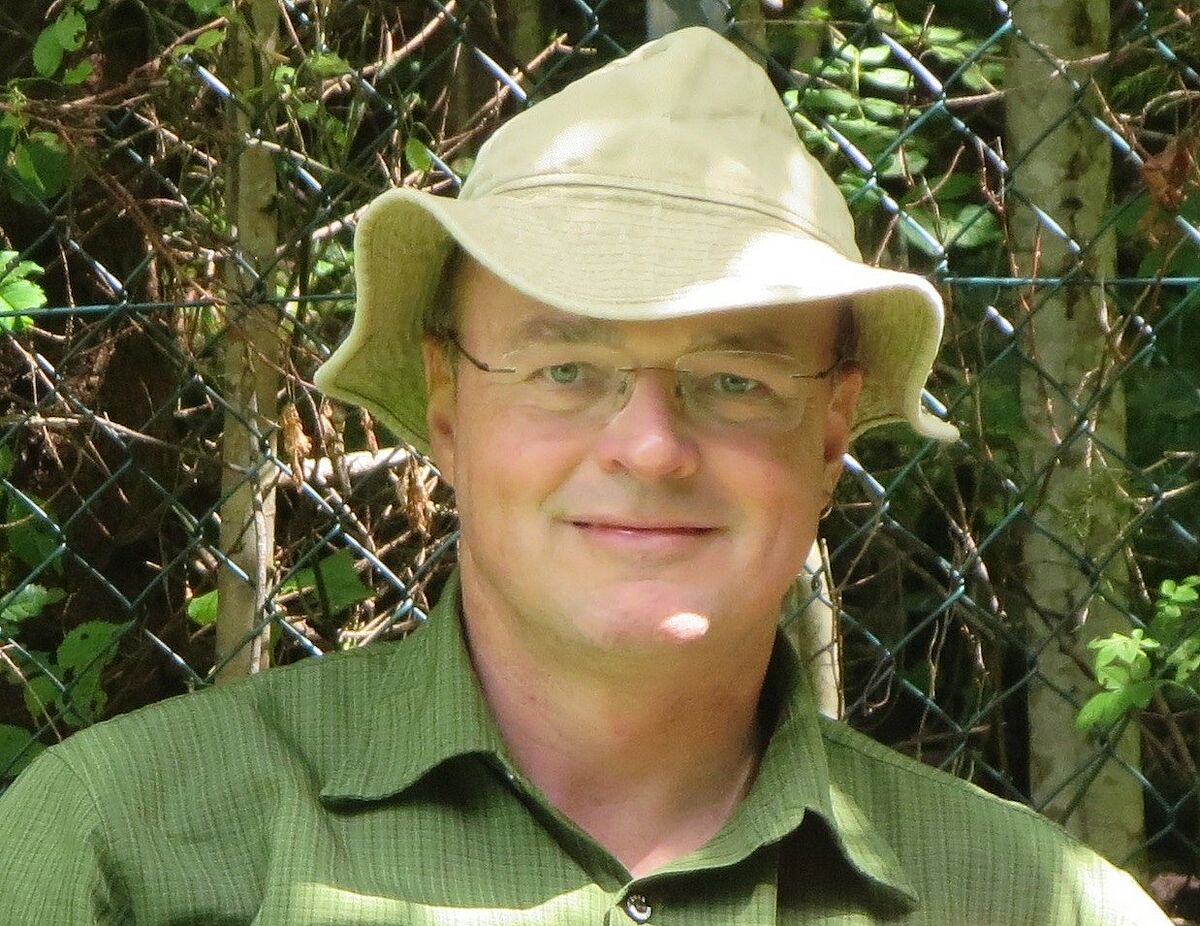
Dr. Antonella Soro is a Researcher at the Institute of Biology (Zoology) within the Faculty of Natural Sciences I at Martin Luther University of Halle-Wittenberg, Germany. Her academic career spans institutions such as University of Tübingen, Queen’s University Belfast, and University of Uppsala. B.Sc. in Botany, University of Milan M.Sc. in Plant Ecology, University of Uppsala D.Phil. in Zoology, University of Tübingen Dr. Soro’s research focuses on the evolution of sociality and the impact of anthropogenic changes—such as urbanization and agricultural intensification—on bee population genetics and life history traits, particularly body size. Her work bridges behavioral and morphological plasticity through experimental and field-based studies integrated with molecular genetic analyses. Her recent articles highlight trends in urbanization effects on pollinator adaptation, social evolution in bees, and conservation genetics. Key collaborators include Prof. Dr. Robert Paxton and Dr. Peter Theodorou. Dr. Soro has contributed to journals like Science , Proceedings of the Royal Society B , and Molecular Ecology . As part of the General Zoology group at Martin Luther University, Dr. Soro contributes to multidisciplinary research on insect ecology and conservation.
Rachel Bezner Kerr is a Professor of Global Development at Cornell University's College of Agriculture and Life Sciences, where she also serves as Director of the Graduate Field of Development Studies and Director of the Institute for African Development. With a background in sociology, environmental science and international development, she conducts long-term research in Malawi and Tanzania using participatory methods to evaluate agroecological approaches for improving nutrition, food security, and sustainable land management. Doctorate in Development Sociology, Cornell University (2006) Master of Science in Land Resources Sciences, University of Guelph (1998) Bachelor of Science in Cooperative International Development, University of Toronto (1996) Bezner Kerr's research focuses on the historical, political and social roots of food systems in Malawi; sustainable agriculture and food security in rural Africa; social relations linked to health outcomes; and local knowledge for climate change adaptation. Her interdisciplinary approach draws from natural and social sciences, collaborating with agricultural scientists, public health experts, and ecologists. Her work emphasizes community-based, participatory research that addresses sustainable food systems development while examining historical contexts and contemporary policy framings through post-structural, feminist, and political ecology lenses. Her recent publications demonstrate strong trends in agroecology's role in sustainable development, gender-transformative interventions, climate change adaptation, and political ecology of food systems in Africa. The research spans diverse methodologies including participatory GIS, mixed-methods studies, and large-scale literature reviews, with consistent focus on Malawi and Tanzania as primary research sites. Gulbenkian Prize for Humanity awarded to IPCC (2022) Outstanding Achievements in Science and Policy Award, Cornell (2022) Coordinating Lead Author for IPCC Sixth Assessment Report (2018-2022) High Level Panel of Experts on Food Security & Nutrition for UN Committee (2018-2019) Early Achievement Award, Cornell CALS (2016) Bezner Kerr leads numerous research projects including AGILE4Climate (McKnight Foundation), SAGE (Scaling out agroecological pest management), and FARMS4Biodiversity (Biodiversa/Belmont Forum). She teaches courses including Just Food (GDEV/DSOC/PLSCI 1300), Agriculture, Food, Sustainability and Social Justice (GDEV/DSOC 3400/5400), and Agroecology in theory and in practice (GDEV 3500/3501). Her outreach work focuses on sharing research findings with affected communities, policy makers, and the public, with annual trips to Malawi to facilitate workshops with farmers and civil society groups. She directs the Community Food Systems minor at Cornell and helped form the local Covid-19 Food Task Force in 2020.
Pål Kvello is an Associate Professor at the Department of Teacher Education, Faculty of Social and Educational Sciences at the Norwegian University of Science and Technology (NTNU). He leads the Neurodidactics research group focused on neuroscience education and understanding how students conceptualize the nervous system. His educational background includes a master's and doctorate in biology from NTNU, where he studied insect nervous systems under Dr. Hanna Mustaparta. He completed post-doctoral work at UC Berkeley with Dr. Kristin Scott studying fruit fly taste neurons, and later at the Kavli Institute for Neuroscience with Dr. Menno Witter learning electrophysiology techniques to study neural networks in rodents. Kvello's research interests center on neurodidactics - the application of neuroscience knowledge to educational contexts. His work investigates how students understand fundamental aspects of the nervous system, identifying essential knowledge for secondary science education. He has developed educational tools to help students build accurate mental models of neural networks and brain function. Earlier in his career, he conducted significant research on insect neurobiology, particularly taste processing in moths and fruit flies. His publication record shows a clear transition from basic neuroscience research on insect sensory systems to educational neuroscience. Recent publications focus on mapping student conceptions of the nervous system, identifying essential knowledge for teaching, and comparing instructional methods in science education. His earlier work includes detailed neural mapping studies of olfactory and gustatory pathways in moths. As leader of the Neurodidactics group, Kvello develops educational approaches that bridge neuroscience research and classroom practice. His work has practical implications for improving how the nervous system is taught in schools, helping students overcome common misconceptions and develop more accurate scientific understanding.
David Wheatcroft is a Lecturer in the Department of Zoology at Stockholm University, specializing in Ethology. He leads the Wheatcroft Group research team, focusing on animal behavior, particularly bird populations and evolutionary biology. His work examines how climate change and habitat alterations impact bird populations and ecosystem services. Dr. Wheatcroft's research spans multiple areas of animal behavior and evolutionary biology, with a particular emphasis on avian communication, song learning, and the effects of environmental changes on animal populations. His work combines field studies with genetic and neurobiological approaches to understand the mechanisms behind behavioral adaptations. He has made significant contributions to understanding how birds respond to anthropogenic noise, how geographic variation shapes vocal communication, and how climate change affects bird population dynamics. His publication record demonstrates a consistent focus on evolutionary processes, particularly in songbirds and fish models. The research shows a trajectory from basic behavioral observations to more complex integrations of genomics, neurobiology, and ecological modeling. His recent work increasingly examines the intersection of human environmental impacts with natural evolutionary processes. Dr. Wheatcroft leads the Wheatcroft Group, which conducts research on long-term changes in Swedish bird populations with a focus on climate and habitat changes. The group investigates the mechanisms behind observed changes in bird populations and their implications for ecosystem services.
Richard Benton, a Professor at the University of Lausanne, is a leading researcher in neurobiology, evolution, and genetics. His work focuses on the structure, function, and evolution of chemosensory systems in insects, particularly Drosophila species. He has made groundbreaking contributions to understanding Ionotropic Receptors (IRs) and Odorant Receptors (ORs) in olfaction, gustation, and thermosensation. His academic journey includes a PhD from the University of Cambridge (2003) and post-doctoral training at Rockefeller University (EMBO/Heley Hay Whitney Fellow). He joined the Center for Integrative Genomics in 2007 as Assistant Professor, advancing to Full Professor by 2018. His research employs multidisciplinary approaches (bioinformatics, genetics, electrophysiology) to unravel neural circuit evolution and sensory adaptation. Research Themes: Chemosensory receptor evolution and function Neurodevelopmental mechanisms in olfactory circuits Drosophila sechellia as a model for behavioral evolution His lab has produced 15 recent publications spanning molecular evolution, neural circuitry, and ecological adaptation. Key awards include the EMBO Gold Medal (2016), National Latsis Prize (2015), and multiple ERC grants. His team includes postdocs and students working on insect neurogenetics, behavioral assays, and computational methods.
Dr. Alexander Scheuerlein is a Research Fellow affiliated with the University of Greifswald and its Applied Zoology and Nature Conservation department. His work focuses on bat demography, climate change impacts on species, and evolutionary mechanisms of senescence, with significant contributions to global databases like COMADRE and COMPADRE . He collaborates with institutions such as the Max Planck Institute and British Ecological Society . Research Interests : Dr. Scheuerlein investigates how bats in northern temperate zones—a species at the 'slow' end of life history strategies—respond to environmental changes. He compiles nationwide demographic data to assess population vulnerabilities, emphasizing climate change and habitat monitoring. His studies extend to senescence in organisms like Hydra and adaptive traits in social insects. Scientific Awards : - 2016 PNAS Cozzarelli Prize Class V (for longevity research) - Elton Award 2016 (British Ecological Society, for animal demography) Article Trends : His publications span bat ecology, senescence, and global demographic databases. Recent studies explore RFID monitoring, climate-driven body size shifts, and mortality costs in hibernating bats. Earlier works analyze aging patterns across mammals, photoperiodic responses in birds, and chemical defenses in arthropods.
Magdalena Lubiarz is a Professor at the John Paul II Catholic University of Lublin , affiliated with the Faculty of Natural and Technical Sciences and the Department of Environmental Protection and Landscape . Her work focuses on human impact on landscapes, urban ecology, and cultural landscapes. PhD in Biological Sciences (Biology), Postdoctoral Degree in Agricultural Sciences (Horticulture) ORCID: 0000-0001-6690-019X Her research explores: Ecological dynamics in urban environments Conservation of cultural landscapes Impact of human activity on flora/fauna Vegetation patterns around religious structures Biodiversity protection in historic parks Recent publications (2016–2025) highlight trends in: Comparative analysis of urban parks Climate effects on insect-plant interactions Invasive species impact on ecosystems Public perception of green spaces Sacred landscape preservation Legal frameworks for nature protection She has supervised PhD students and authored over 20 peer-reviewed works, including articles in Acta Scientiarum Polonorum , Journal of Plant Protection Research , and Technical Transactions .
Jérôme Moreau is a Professor at the University of La Rochelle and Associate Researcher at the Chizé Center for Biological Studies (CNRS UMR 7372). His research spans ecology, environmental toxicology, and evolutionary biology, focusing on pesticide impacts on avian species, climate change effects on tri-trophic systems, and immune strategies in insects and crustaceans. He works with agricultural plain birds like Montagu's Harrier and Grey Partridge, using experimental platforms and GPS monitoring in farmlands. PhD in Life Sciences (2001), University of Tours Post-doctorate at University of Neuchâtel (2003-2004) Temporary Teaching and Research Associate (ATER) at University of Burgundy (2002) His research integrates climate change biology, agrochemical impacts, and immunological strategies across species. Key areas include: Tri-trophic interactions in vineyards Transgenerational immunity in insects Animal personality in biological control Arctic community dynamics Host-parasitoid relationships Carotenoid immunology Past affiliations include CNRS delegations (2016-2018) and roles in pesticide phase-out committees. His recent publications analyze pesticide residues in birds, warming effects on pests, and organic farming impacts on avian health. He co-supervises PhD students and teaches ecology, conservation biology, and evolutionary physiology at the Master’s level.
Benjamin de Bivort is a Professor of Organismic & Evolutionary Biology at Harvard University, with affiliations in both the Department of Organismic and Evolutionary Biology and the Center for Brain Science. His research focuses on understanding the neural circuitry and genetic and evolutionary mechanisms underlying behavioral variation using novel behavioral instruments and computational ethology. He leads the de Bivort Lab, which investigates how individual differences in behavior serve as a substrate for animal evolution, the essence of personality and individuality, and potential factors in psychological disorders. Dr. de Bivort's research interests span several interconnected areas of behavioral neuroscience and evolutionary biology. His work particularly examines behavioral differences that exist even when genes and environment are matched, as well as ecologically important behaviors in natural contexts. He employs computational ethology approaches to analyze spontaneous behavior patterns across time, individuals, and species. His laboratory has developed several innovative instruments for behavioral measurement, including the Y-maze Array, SlowPhotoBox, FlyVac Module, FlyVac Coordinates, and LegTracker, which enable high-throughput and precise quantification of behavioral individuality in model organisms like Drosophila. His scientific contributions have explored topics including the neural circuit basis for handedness, phototactic choice histories, leg and fly motion analysis, evolutionary phase space modeling, and the effects of weather on behavior. His research has revealed fundamental insights into how behavioral variability is patterned across time, individual, and species, with implications for understanding the evolutionary significance of individual differences. Research Focus: Behavioral variability, neural circuitry, evolutionary mechanisms, computational ethology Key Techniques: Automated behavioral classification, neural circuit mapping, computational modeling, large-scale behavioral tracking Notable Discoveries: Neural circuits regulating behavioral diversity, mechanisms underlying phototactic personality, effects of environmental factors on behavioral variability Dr. de Bivort's work has significant implications for understanding the biological basis of individuality, with applications ranging from evolutionary biology to potential insights into human psychological disorders where individual differences play a crucial role. His research bridges multiple disciplines, connecting molecular, neural, and evolutionary perspectives on behavior.
Martin Shapiro is a Professor in the Department of Psychology at California State University, Fresno, within the College of Science and Mathematics. His research focuses on learning, decision-making, and neuroscience, with particular expertise in animal behavior and human risky decision-making. Education: BS - California Polytechnic, San Luis Obispo MA - California State University, Humboldt MA - University of Hawaii, Manoa PhD - University of Hawaii, Manoa Postdoctoral Fellowship - Oxford University Research Interests: Shapiro's primary research interests encompass learning , decision making , and neuroscience . His work has evolved from studying animal behavior and animal learning to focusing primarily on risky decision making and confidence in humans . His laboratory employs advanced techniques including: Computer-based tasks testing memory and gambling decisions based on confidence Electroencephalography (EEG) lab examining event-related potentials Psychophysiology lab using BIOPAC equipment to measure stress responses Brain-Computer Interface technology using Emotiv equipment Research Trends: Shapiro's extensive publication record spans from 1969 to 2020, demonstrating a consistent focus on learning and decision-making across species. His early work concentrated on animal learning, particularly in insects like honeybees and parasitic wasps, examining associative learning, memory duration, and risk sensitivity. More recent publications have shifted toward human decision-making, investigating risky choices, confidence judgments, and the physiological correlates of decision-making under uncertainty. This evolution reflects a sophisticated research program that bridges comparative psychology with human cognitive neuroscience. Laboratory Facilities: Shapiro maintains multiple research facilities including: Electroencephalography (EEG) laboratory for studying brain activity during decision-making Psychophysiology laboratory equipped with BIOPAC systems for measuring heart rate, galvanic skin response, and muscle activity (EMG) Brain-Computer Interface laboratory using Emotiv equipment for EEG-based biofeedback experiments Student Involvement: Shapiro emphasizes providing students with hands-on research experience, involving them in all aspects of his experimental programs from animal behavior studies to human EEG and psychophysiology research. His laboratory serves as a training ground for students interested in neuroscience, experimental psychology, and research methodology.
Bhoomika Ashok Bhat is a Doctoral Researcher affiliated with the Lise Meitner Research Group Social Behaviour at the Max Planck Institute for Chemical Ecology , as well as the Faculty of Biological Sciences at Friedrich Schiller University Jena . She is a member of the International Max Planck Research School (IMPRS). Her research focuses on parasitism and social behavior in ants , integrating expertise in entomology , evolutionary biology , and behavioral ecology . Bhoomika commenced her Ph.D. thesis in 2022 under the supervision of Dr. Yuko Emilie Ulrich Dr. Markus Knaden Prof. Dr. Manuela Nowotny Patrizia dEttorre She is based at Hans-Knöll-Straße 8, Jena, Germany.
Prof. Dr. Bernd Grünewald is a Full Professor of Neurobiology and Head of the Institute for Apiology Oberursel at Goethe University Frankfurt am Main, affiliated with the Polytechnic Society. He leads the Neurobiology of Honeybee research group within the Faculty of Biosciences, focusing on molecular and physiological mechanisms underlying behavioral plasticity in insects. Education: PhD in Biology (Freie Universität Berlin, 1995); Diploma in Biology (University of Regensburg, 1990) Leadership: Dean of Studies for Life Sciences (2014-2017); Institute leadership since 2016 His research investigates cellular bases of memory formation in honeybees, combining electrophysiology, molecular biology, and behavioral pharmacology with local lesions. Current work examines neonicotinoid impacts on navigation and cholinergic signaling. Recent publications analyze mitochondrial genome diversity across honeybee subspecies (e.g., Ethiopian, Anatolian, Malagasy) and develop imaging techniques for neural activity. His group pioneered studies on nicotinic receptor modulation and ecdysone-regulated neurodevelopment. Award: 1822-University Award for Excellence in Teaching (2016) He contributes to standardized methods for Apis mellifera behavioral studies and maintains active research at the intersection of neuroscience and apiculture, with leadership roles in the Association of Institutes for Bee Research.