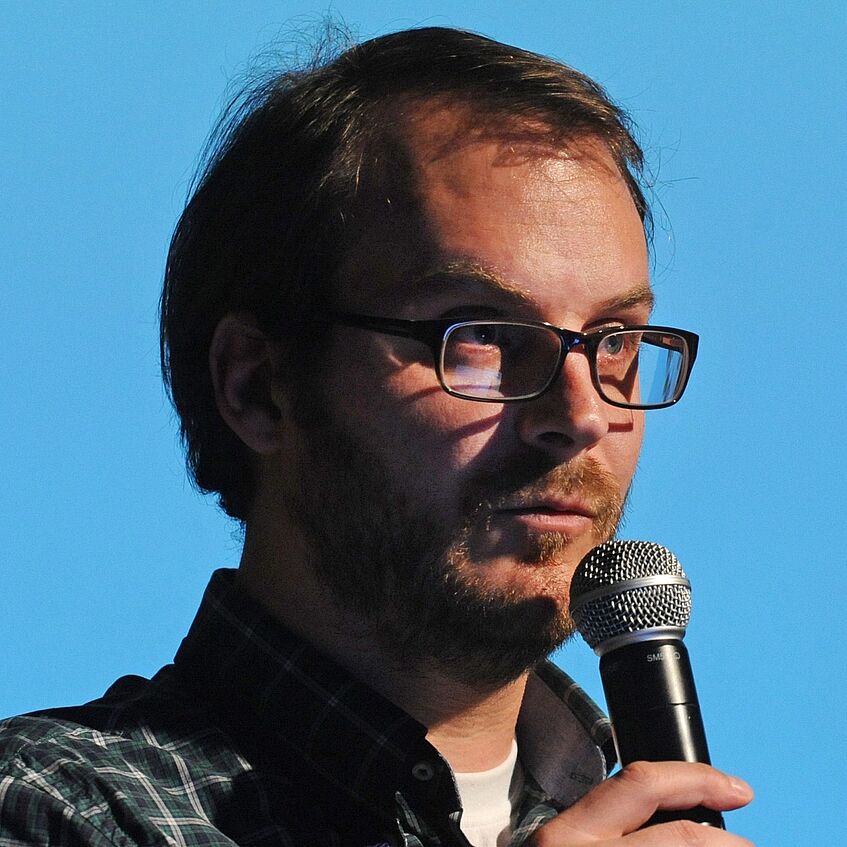
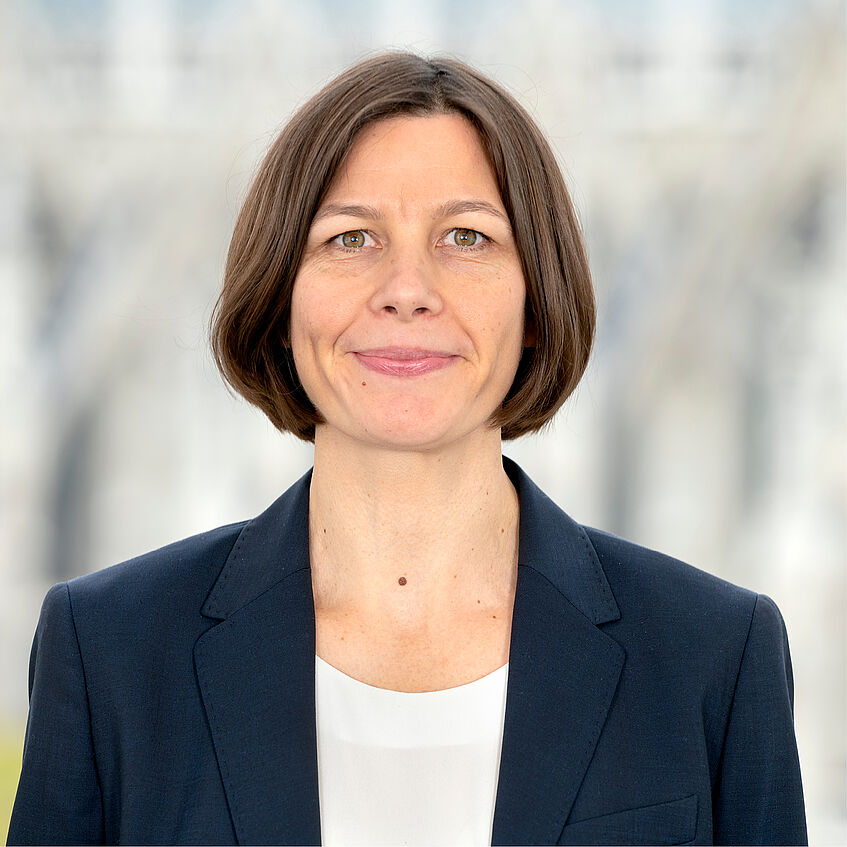
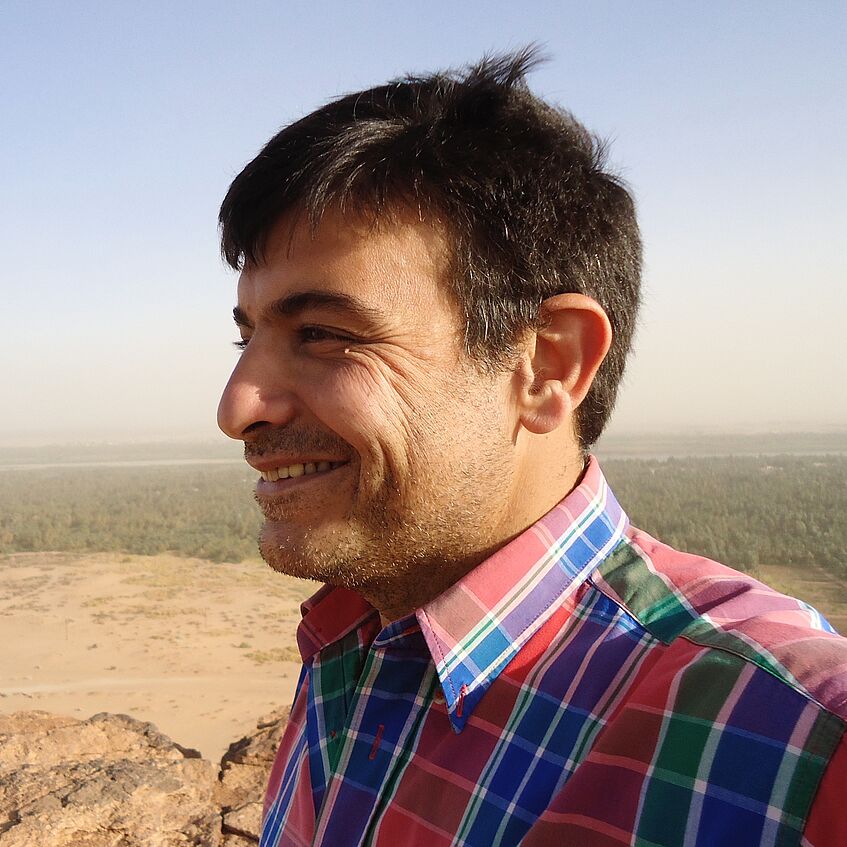
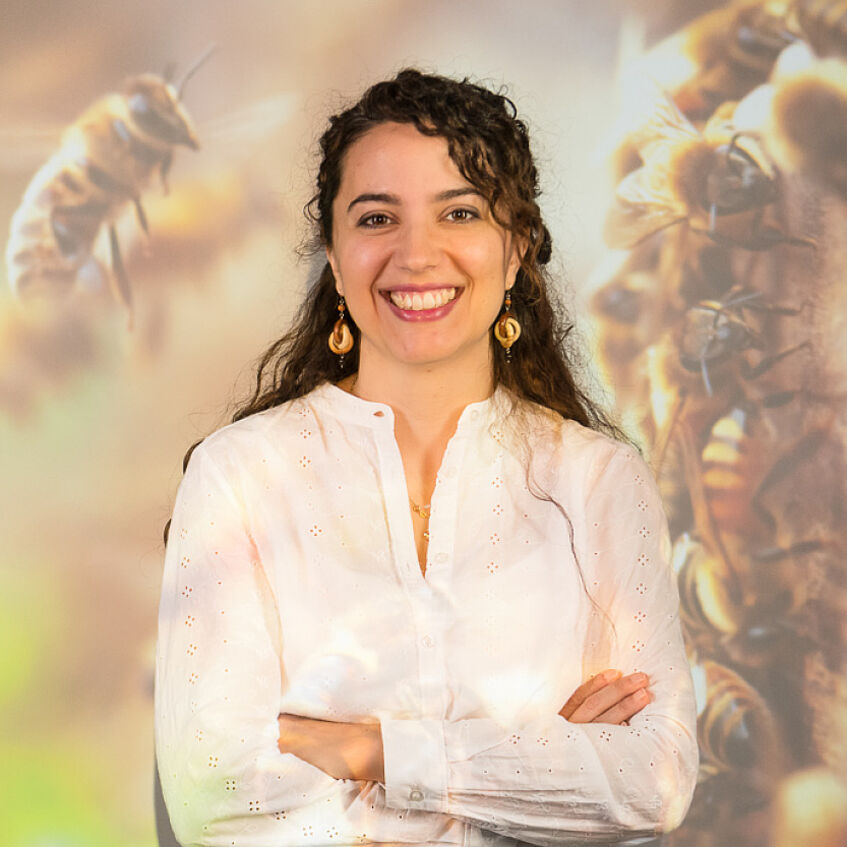
Philipp Budka is a Researcher (PostDoc) and Lecturer at the Department of Social and Cultural Anthropology, University of Vienna. He leads the North American research region for the ERC Advanced Grant project 'InfraNorth' and investigates transport infrastructures in northern Canada. Budka co-founded the Digital Ethnography Initiative and is a member of the Austrian Polar Research Institute (APRI). He holds a Mag.phil. in Cultural Anthropology and Communication Studies from the University of Vienna and Utrecht. His doctoral research focused on Indigenous digital infrastructures in northwestern Ontario, Canada. Education: Mag.phil. (2003), PhD in Cultural Anthropology (2017) Research Interests: Digital Anthropology, Infrastructure Studies, Media Anthropology, Indigenous Technologies His research explores sociotechnical systems, digital ethnography, and infrastructure sustainability in remote regions. Budka has co-edited volumes on media and conflict and ritualization, and is currently working on monographs about Indigenous online platforms and transport infrastructures in Canada. Grants: ERC Advanced Grant (InfraNorth), various teaching and research roles at FU Berlin and HMKW Berlin. He was co-leader of the Media Anthropology Network (EASA) from 2017–2024. Labs/Teams: Team of the Lehrendenvertretung (Teaching Representatives), Digital Ethnography Initiative, InfraNorth Project.
Helmut Leder is a Professor at the University of Vienna, specifically within the Faculty of Psychology's Department of Cognition, Emotion, and Methods in Psychology. He serves as Head of the Vienna Cognitive Science Hub, integrating interdisciplinary approaches to study aesthetic experiences and cognitive processes. His academic profile includes teaching courses in General Psychology, Cognitive Psychology, and Neurosciences, alongside supervising master's and doctoral thesis seminars focused on perception and neuroaesthetics. Key Research Areas : Empirical Aesthetics, Cognitive Psychology, Visual Perception, Cross-Cultural Psychology, Urban Art Impact, Mental Imagery Studies Methodological Focus : Eye-tracking, Machine Learning Analysis, Cross-Cultural Comparisons, Field Experiments, Neuroimaging Recent Contributions : Investigated urban art's role in stress reduction, developed network models of aesthetic experiences, explored non-visual color navigation for the blind, and applied machine learning to art evaluation. His work bridges psychology with cultural studies, examining how aesthetic experiences shape well-being and cognitive processes. Current projects emphasize the neural and behavioral distinctions between real and imagined art encounters, while challenging traditional gender-based perception models.
Mark Coeckelbergh is a Professor of Philosophy at the University of Vienna, specializing in the philosophy of technology, AI ethics, and robot ethics. He is affiliated with the Department of Philosophy and the Research Network Data Science at the University of Vienna. In addition to his academic position, Coeckelbergh has held significant roles including Former President of the Society for Philosophy and Technology (SPT) and Member of the European Commission's High-Level Expert Group on Artificial Intelligence (AI HLEG). His research focuses on the ethical, political, and philosophical implications of emerging technologies, particularly artificial intelligence and robotics. Coeckelbergh has published extensively in these areas, authoring influential books such as Robot Ethics (2022), The Political Philosophy of AI (2022), and Why AI Undermines Democracy and What To Do About It . His work explores how AI systems affect democratic processes, human agency, and social relationships. Recent publications demonstrate a strong focus on the relationship between AI, democracy, and ethical governance, examining how AI systems can both threaten and potentially enhance democratic processes through algorithmic transparency and participatory design approaches. Finalist of the World Technology Award 2017 Coeckelbergh teaches various courses including 'Introduction to Philosophy of LLMs,' 'LLMs and the Future of Writing,' 'Ethics and Robotics,' and 'Global Governance of AI.' He has supervised numerous students working on topics related to technology ethics and philosophy. He has been involved in several major research projects including H2020 PERSEO, WWTF Democracy Responsible Entrepreneurship, and FP7 DREAM (Development of Robot-Enhanced therapy for children with Autism spectrum disorders). Coeckelbergh has also announced upcoming guest professorships at the Institute of Philosophy of the Czech Academy of Sciences and Uppsala University, where he will work on environmental and technology ethics projects.
Penelope Harvey is a Professor of Social Anthropology at the University of Manchester (2000–present), with prior roles at the University of Oslo (2012–2019) and University of Liverpool (1985–1990). Her work bridges ethnographic fieldwork with critical analyses of infrastructure, governance, and technology. PhD and MSc in Social Anthropology (London School of Economics) BA in Spanish (King’s College London) Her research spans large-scale infrastructures (e.g., roads in Peru, big data in the UK), nuclear decommissioning , and knowledge politics . Projects include grants from the ESRC and BNFL Endowment Fund. She has advised on interdisciplinary initiatives like Global Trout and Ports , and led the ESRC Centre for Research on Socio-Cultural Change (2006–2014). Awards include Fellowships from the British Academy and the Norwegian Academy of Science and Letters.
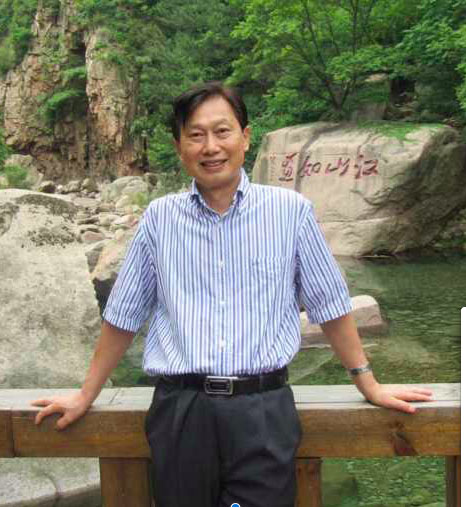
Nie Zhenzhao is a distinguished academic and Distinguished Professor of Literature at Zhejiang University, serving as Founding Director of the Institute for Interdisciplinary Studies of World Literatures. He holds leadership roles in multiple national and international scholarly associations, including Vice President of the International Association for Ethical Literary Criticism and Co-Founder of the Chinese/American Association of Poetry and Poetics. His research focuses on comparative literature, ethical criticism, and literary theory, with significant contributions to translation studies. He is a Principal Investigator for major research projects with the National Social Sciences Foundation of China and has received prestigious awards such as the K.C. Wong Fellowship and the Ministry of Education’s Humanities and Social Sciences Awards. Nie leads the National Course for Excellence on foreign literature history and has authored foundational works like Introduction to Ethical Literary Criticism . Editor-in-Chief of Interdisciplinary Studies of Literature and Forum for World Literature Studies Member of the Experts' Panel for China’s National Social Sciences Foundation Recipient of the Central Government Special Annual Stipend since 1993 His research bridges ethical philosophy and literary analysis, emphasizing interdisciplinary approaches to global literature. Recent projects explore oral literature’s cognitive dimensions and the intersection of ethics with narrative structures.
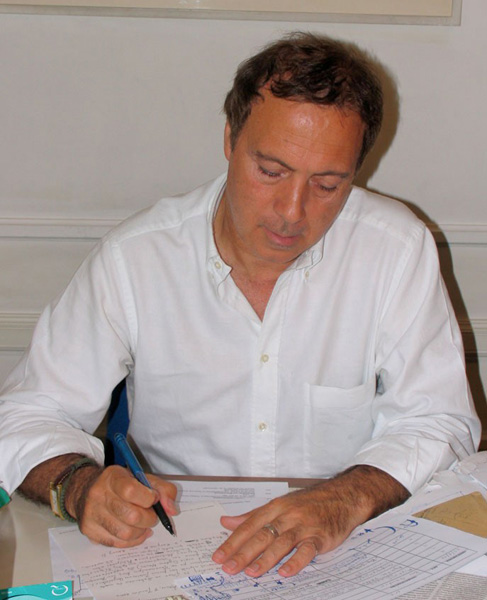
Edward Muir is the Clarence L. Ver Steeg Professor in the Arts and Sciences and Charles Deering McCormick Professor of Teaching Excellence at Northwestern University, with joint appointments in the Department of History and Italian Studies at Weinberg College of Arts and Sciences. His academic journey includes a B.A. from the University of Utah (1969), an M.A. (1970), and Ph.D. (1975) in Modern European History from Rutgers University, including a Semester in Italy Program at Syracuse University (1967). Muir's research explores the intersection of ritual, violence, and power in Renaissance Europe, with emphases on Italian history, microhistory, and cultural anthropology. His work examines civic ceremonies, gender exclusion, and the sociopolitical underpinnings of early opera. Key themes include the anthropology of Venice, religious processions, and community formation in pre-modern societies. His scholarly publications reveal a consistent focus on Renaissance cultural practices, Venetian society, and methodological innovations in microhistory. Recent works analyze opera's emergence in 17th-century Venice, anti-war movements, and gendered public spaces, blending archival rigor with interdisciplinary theory. Awards and Honors: Herbert Baxter Adams Prize (1982) Two-time Howard R. Marraro Prize winner (1982, 1993) Andrew W. Mellon Foundation Distinguished Achievement Award (2010, $1.5 million) Fellow, American Academy of Arts and Sciences (2014) Charles Deering McCormick Professorship for Teaching Excellence (2006) Muir has held major administrative roles including Department Chair at Northwestern and LSU, co-directed the Graduate Program in Italian Studies, and served on editorial boards for journals like the American Historical Review . He mentors through graduate programs but no specific student advisees are listed.
Nikolaos Stampolidis is a distinguished Professor of Classical Archaeology at the University of Crete, where he has served since 1984, progressing from Lecturer to full Professor since 1994. He currently holds multiple prestigious positions including Director-General of the Acropolis Museum (since June 2021) and Director of the Museum of Cycladic Art (since 1996). Previously, he served as Dean of the Faculty of Letters and Arts at the University of Crete (1994-1997) and Head of the Department of History and Archaeology (1991-1993). Stampolidis earned his undergraduate degree from the Aristotelian University of Thessaloniki (1970-1974), followed by postgraduate studies in Bonn, Germany (1975-1977) with a DAAD scholarship. He completed his dissertation in Athens (1978-1979) with a Greek government scholarship, achieving Magna cum laude distinction. His research focuses on Mediterranean interconnections during the Early Iron Age, with special emphasis on Cretan archaeology, particularly the Eleutherna site he has excavated continuously since 1985. His work spans homeric archaeology, Greek sculpture across multiple periods, epigraphy, funerary practices, and the dialogue between antiquity and contemporary art. His excavations at Eleutherna have revealed significant insights into geometric-archaic period customs and cultural exchanges across the Mediterranean. Stampolidis' scholarly output demonstrates a consistent focus on Mediterranean cultural networks, particularly between Crete, the Cyclades, Cyprus, and the Near East during the Early Iron Age through Hellenistic periods. His research combines meticulous excavation work with innovative interpretations of cultural interactions, often bridging archaeological evidence with literary sources like Homer. The recurring themes in his work include the analysis of funerary practices, the study of Mediterranean trade networks, and the examination of how cultural influences traveled across the ancient world. His numerous honors reflect his significant contributions to archaeology and Greek culture, including being named Honorary Citizen of Eleutherna (1995), receiving the Tourism Award for his contribution to Crete's development (2015), and being awarded the Grand Commander of the Order of Phoenix by the President of the Hellenic Republic (2016). Throughout his career, Stampolidis has supervised numerous graduate students through the Post-graduation program in Classical Archaeology at the University of Crete, which he directed since 2005 (previously co-directing from 1991-2005). His research has been supported by multiple funding sources including UNESCO, the University of Crete, the Institute of Mediterranean Studies, the Mediterranean Archaeological Society, various Greek Ministries, the INSTAP, and European Community programs including INTERREG IIIA and the 3rd European Community Support Framework. Stampolidis directs the long-term excavation and research project at Eleutherna, Crete, which has evolved into a major archaeological site with its own museum. His work at Eleutherna represents one of the most significant ongoing archaeological projects in Greece, combining excavation, conservation, publication, and public presentation of findings through both the on-site museum and numerous international exhibitions he has curated.
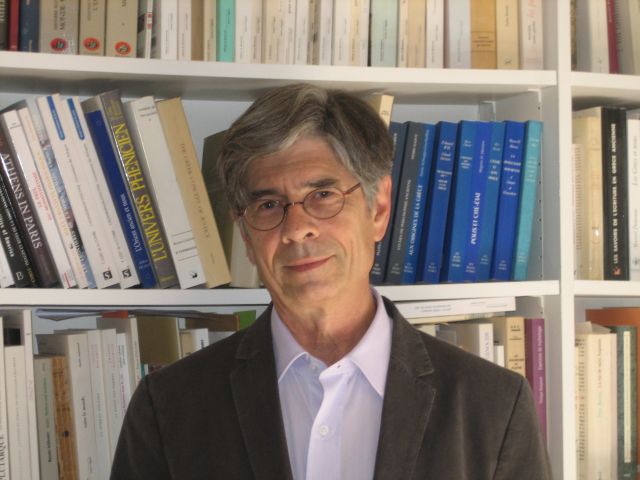
François Hartog is a distinguished historian and current Directeur d'Études at the École des hautes études en sciences sociales (EHESS), holding the Chair of Historiography Ancient and Modern since 1987. He previously taught at Université de Metz (1985-1987) and Université de Strasbourg (1975-1985). His scholarly work bridges ancient and modern historiography, focusing on intellectual history, historical theory, and the philosophy of history. Education: Ecole Normale Supérieure graduate, Agrégé d'histoire, Docteur ès Lettres Research Interests: Hartog's scholarship interrogates how societies conceptualize time and history, with a particular emphasis on presentism, historical regimes, and the representation of otherness in antiquity. His work explores the intersection of cultural history, philosophical reflection, and methodological rigor. Publications Trends: His seminal works examine historiographical paradigms, the construction of historical evidence, and comparative cultural frameworks. Key themes include temporal consciousness, ancient-modern parallels, and the epistemology of historical writing. Scientific Awards: Chevalier de la Légion d'Honneur (2013) Chevalier de l'Ordre National du Mérite (2001) Grand prix Gobert de l'Académie française (2021) Prix Broquette-Gonin (1981) Leadership Roles: Hartog has served as President of the Board of Directors of the Ecole Normale Supérieure (2014-present), interim President of EHESS (2012), and advisor to EHESS's President (2012-present). He was an ERC panel member (SH6) from 2008-2015.
Melanie Wald-Fuhrmann is a leading academic in musicology and empirical aesthetics. She serves as the founding director of the Music Department at the Max Planck Institute for Empirical Aesthetics in Frankfurt am Main since 2013. Her career includes professorships at Humboldt University Berlin (2011–2013) and Musikhochschule Lübeck (2010–2011), preceded by academic roles at the University of Zürich (2003–2010). Education: MA in Musicology and Classics (Greek) from Freie Universität Berlin (2002); PhD (2005) and Habilitation (2009) from the University of Zürich. Her research spans the aesthetics of music from historical and empirical perspectives, music sociology and anthropology , Renaissance to early 19th-century music practices , the history of musicology , and music and meaning . She has contributed to interdisciplinary studies linking music with cultural and social contexts. Wald-Fuhrmann has received prestigious honors, including the Marsilius Medal (2015), the Max Weber Prize (2009), and the Hermann Abert Prize (2009). She is a member of multiple academic institutions, such as the Wissenschaftliche Gesellschaft at Goethe-Universität Frankfurt and the Akademie der Wissenschaften und der Literatur, Mainz.
Eva-Maria Knoll is a senior researcher at the Austrian Academy of Sciences , affiliated with the Institute for Social Anthropology . Her work bridges medical anthropology, health equity, and island studies, focusing on the Indian Ocean World, particularly the Maldives. Education : Socio-Cultural Anthropology, PhD (2011), University of Vienna Research Interests : She explores the biosocial impact of inherited blood disorders (thalassaemias, sickle cell disease), health landscapes in island cultures, and mobility patterns in health-related contexts. Her comparative ethnographic approach integrates collaboration with local clinics and patient advocacy groups. Publications Trends : Her recent articles examine genetic responsibility, health equity in remote regions, and the intersection of mobility, disease, and cultural identity in the Indian Ocean World. Themes include medical anthropology, island studies, and global health challenges. Projects : Leader: Genetic Responsibility & Remoteness Transition in Rare Diseases Collaborator: Health and Environmental Challenges in Indian Ocean Islands and Shoreline Countries Co-Edited Books : She has co-edited five books, including Disease Dispersion and Impact in the Indian Ocean World and Camels in Asia and North Africa .
Monika Palmberger is a Senior Scientist at the University of Vienna's Department of Social and Cultural Anthropology, Visiting Professor at the Central European University (CEU), and Associate Research Fellow at KU Leuven. She holds a PhD from the University of Oxford (2011) and has held prestigious fellowships including the Elise Richter and Hertha Firnberg. Her research focuses on migration, digital ethnography, care, memory, and post-socialist studies. Education: PhD in Social Anthropology from the University of Oxford (2011), long-term fieldwork in post-war Mostar, Bosnia and Herzegovina. Research interests include forced migration, digital cultures, gender, social inequality, transnational care, and qualitative methods. She leads major projects funded by the Austrian Science Fund (FWF), such as studies on digital citizenship and ageing in crises. Her articles explore digital ethnography, refugee care practices, and memory narratives. Awards include fellowships from the Austrian Science Fund and the Max Planck Institute. She advises researchers on projects like 'Enacting (digital) citizenship' and 'Ageing and Subjectivity.' Co-founder of the Digital Ethnography Initiative, she collaborates on editorial boards and networks like the Memory Studies Association. Her work bridges theory and practice, emphasizing participatory and innovative research methods.
Dr. Evangelos Karagiannis is a Research Fellow in the Department of Social and Cultural Anthropology at the University of Vienna. He holds a PhD in Social Anthropology from the Free University Berlin and has held academic positions at institutions such as the University of Zurich (Assistant Professor), Max Planck Institute for Social Anthropology, and University of Osnabrück. His research focuses on political anthropology (nationalism, ethnicity, marginality), the anthropology of religion (particularly Pentecostalism in Greece), globalization, migration, and Balkan studies. Key fieldwork locations include Bulgaria’s Rhodope Mountains, Germany, and Greece. Education: PhD in Social Anthropology, Free University Berlin MA in Social Anthropology and Balkan Studies, Free University Berlin Research Projects: Europeanization & Collective Identities (Volkswagen Foundation) Pentecostalism in Greece (Swiss National Science Foundation) Migrant Incorporation (MacArthur Foundation) Awards: None explicitly listed. His publications analyze Pentecostalism’s role in Greece, migration policies, and cultural exclusion. He has edited journals like Vienna Working Papers in Ethnography and contributed to debates on transnational religious practices and modernity. Current research emphasizes Greece’s religious landscape and anti-Western sentiments within Orthodox Christianity.
Dr. Greca Nathascia Meloni is a filmmaker and ethnographer at the University of Vienna's Institute for Cultural and Social Anthropology , specializing in multispecies relationships and environmental anthropology. Her work bridges academic research with public engagement through ethnographic films and blog platforms like fareapicoltura.net . Current research focuses on non-native plant studies and human-environment interactions Recipient of the Theodor Körner Prize for academic excellence (2021) Research Interests span five core areas: Multispecies Ethnography Visual Ethnography Environmental Anthropology Critical Plant Studies Anthropology of Cultural Heritage Her filmography including The Journey of the Bees (2022) demonstrates expertise in ethnographic filmmaking and environmental storytelling. Recent publications address climate impacts on apiculture, collaborative writing methodologies, and sociocultural dynamics in Mediterranean regions. Scientific Recognition : Theodor Körner Prize (2021) Fiorenzo Serra International Film Festival First Prize (2022) Maintaining strong academic connections through her university role while pursuing independent filmmaking projects, Meloni effectively combines research with creative dissemination.
Jana Salat is a Lecturer at the Department of Cultural and Social Anthropology at the University of Vienna. She teaches courses such as "Introduction to the Foundations of Cultural and Social Anthropology" and is affiliated with the University of Vienna since at least 2024W (winter semester 2024) through 2025S (summer semester 2025). Her research interests lie in Cultural Anthropology and Social Anthropology , focusing on thematic explorations within these disciplines. She is actively involved in academic instruction, as evidenced by her recent course offerings.
Nicolas Donin is a Professor and Chair of Musicology at the University of Geneva and a Senior Researcher at IRCAM (Paris), leading the 'Analysis of Musical Practices' team within STMS Labs. He specializes in interdisciplinary musicology, focusing on 20th- and 21st-century musics, compositional processes, and the intersection of music history with social sciences. Elected to the Academy of Europe in 2020, he has held key roles such as Head of IRCAM’s Research Group and Pedagogical Board Member at the Ecole des Hautes Etudes en Sciences Sociales. His research explores post-Wagnerian listening practices, post-spectral aesthetics, and ethnography of creative processes. He led major French research programs (MuTeC, GEMME) and founded the Tracking Creative Process in Music conference series. Over 100 publications span music analysis, composition theory, and interdisciplinarity, with edited volumes like *L’Analyse musicale, une pratique et son histoire* (2009) and *Théories de la composition musicale au XXe siècle* (2013). As an associate member of Oxford University’s Faculty of Music and the Centre de Recherche sur les Arts et le Langage, he contributes to musicological discourse and institutional leadership. His work bridges empirical research, historical analysis, and social science methodologies.