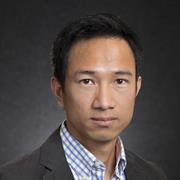
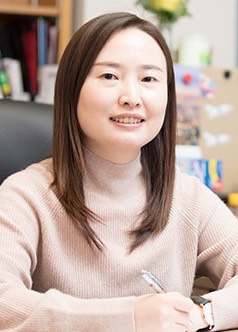
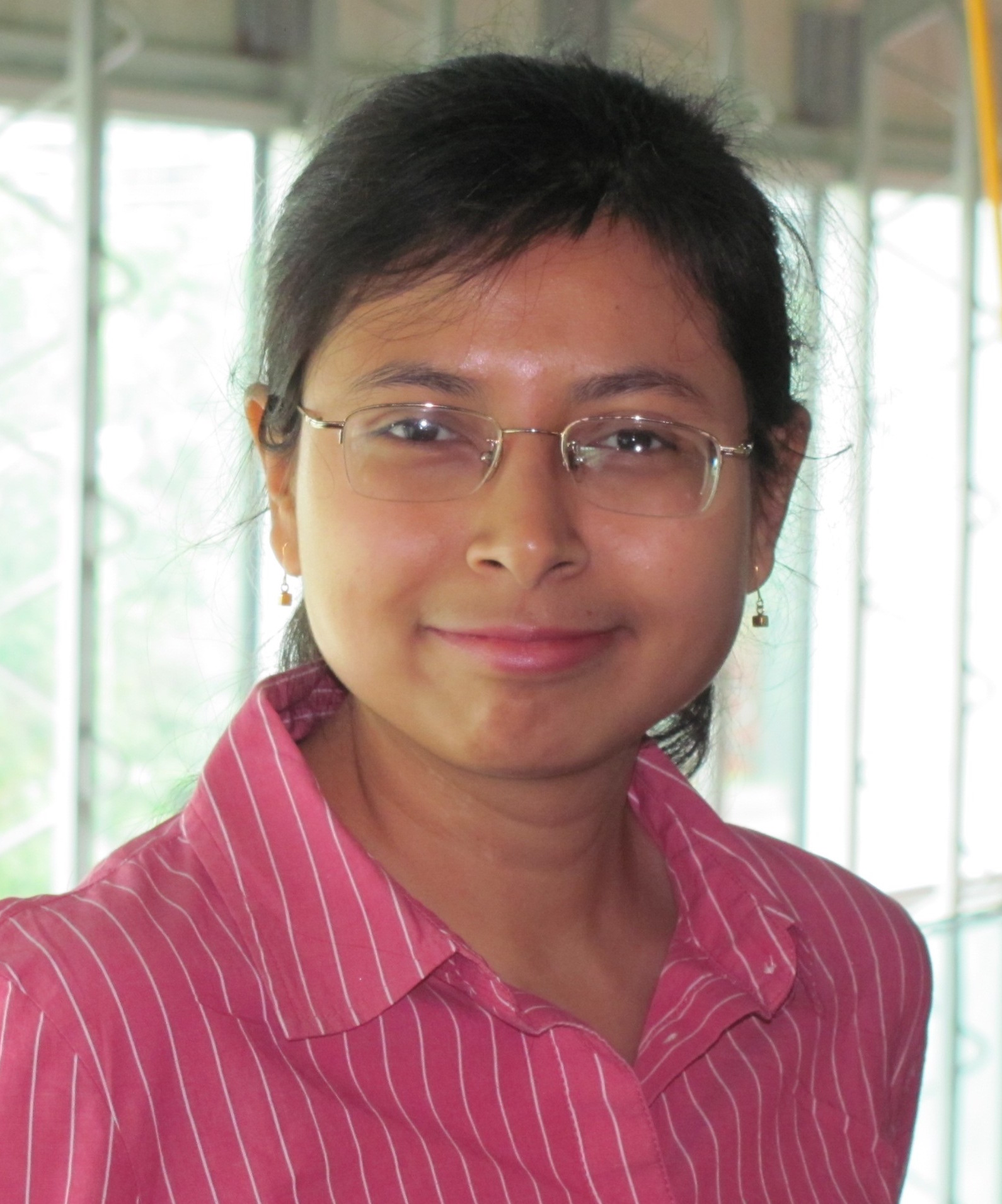
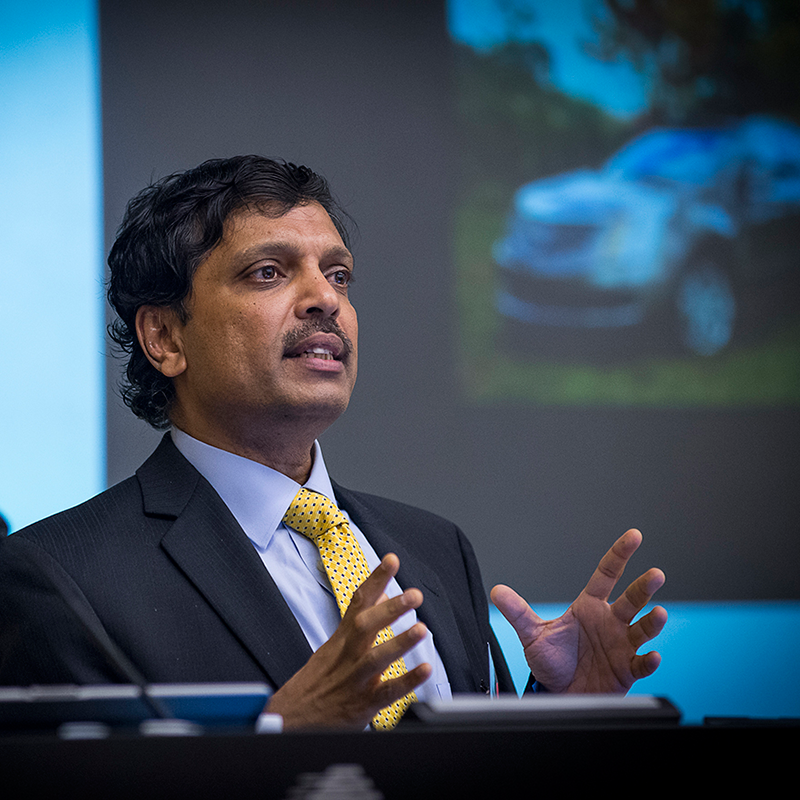
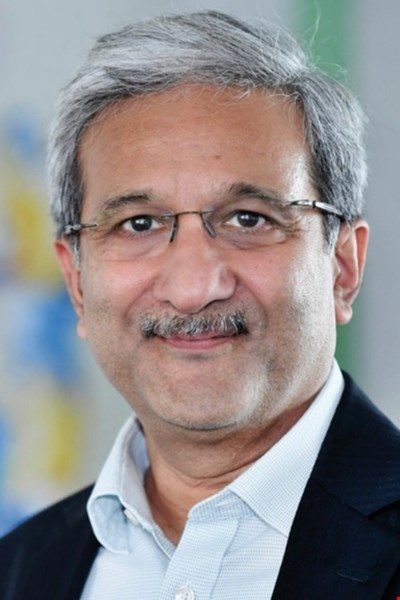
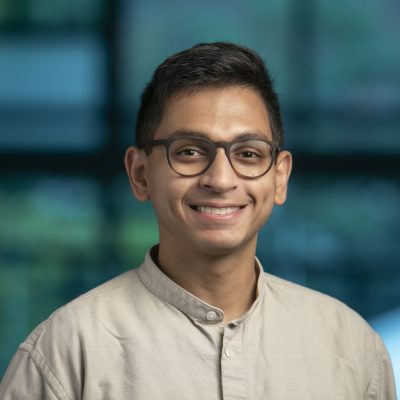
Professor Chunsheng Lu is a faculty member at Curtin University's School of Civil and Mechanical Engineering within the Faculty of Science and Engineering. He currently holds the position of Professor and serves as Editor-in-Chief of Mechanical Engineering Advances . His research focuses on fracture mechanics, multi-scale modeling, energy materials, nonlinear dynamics, and natural disaster risk analysis. Lu is actively involved in HDR (Masters/PhD) supervision, offering projects on advanced materials modeling and simulations. His research interests include mechanics of energy materials, multi-scale modeling, and fracture statistics. He has contributed to over 200 publications, with recent work emphasizing piezoelectric semiconductors, nanomaterials, and energy storage systems. Lu's teaching spans materials engineering, solid mechanics, and numerical methods.
Dr. Nhiem Tran is a Senior Lecturer in the Department of Applied Chemistry and Environmental Science at RMIT University's School of Science, part of the STEM College. He joined RMIT in 2015 as a Vice Chancellor's Research Fellow after completing his PhD in Physics at Brown University (USA, 2012) and postdoctoral research at Rhode Island Hospital (USA), CSIRO, and the Australian Synchrotron. His research focuses on developing biomaterials for drug delivery, gene therapy, and medical implants, particularly lipid nanoparticles and 3D-printed metallic implants. He leads the Biomaterial Interfaces group, investigating self-assembled lipid nanoparticles for cancer and autoimmune disease treatments. His work has resulted in over 65 high-impact publications and numerous awards, including the RMIT Vice Chancellor's Research Fellowship and the Stein/Bellet Foundation Fellowship. Tran's funding comes from grants such as the ARC Discovery Project, mRNA Victoria, and the CASS Foundation. His research interests span nanomedicine, biomedical engineering, and materials science, with a focus on applications in drug delivery, bacterial infection control, and orthopaedic implants. Education: PhD in Physics (Brown University, 2012) Key Projects: 3D-printed diamond-titanium implants, lipid nanoparticle drug carriers, and antimicrobial coatings. He actively supervises postgraduate research in areas like nanomaterials for drug delivery and biomedical applications.
Peter Van Puyvelde is a Full Professor at KU Leuven's Faculty of Engineering Sciences, where he leads research at the Soft Matter, Rheology and Technology (SMaRT) unit within the Department of Chemical Engineering. He is an active member of the Applied Rheology and Plastics Processing Division and the Leuven.AM Institute for Additive Manufacturing. His academic responsibilities include membership in the Faculty Council of Engineering Sciences and departmental committees. His core research focuses on: Polymer processing and complex fluid dynamics In-situ characterization of flow-microstructure relationships Flow-induced crystallization phenomena Development of sustainable polymer materials Additive manufacturing technologies Professor Van Puyvelde's recent publications (2023-2025) demonstrate strong emphasis on sustainable polymer systems including lignin-based materials, humins valorization, bioplastics, and green additives. His work frequently employs advanced characterization techniques like fast-scanning calorimetry and synchrotron X-ray scattering to study crystallization kinetics and microstructure development in complex polymer systems. He currently supervises PhD students working on nanofiltration membranes and reinforced polymer parts. His extensive research portfolio includes leadership roles in multiple ongoing projects: Polylactic acid bioplastics development (Co-promoter) Lignin-based flame retardants (Co-promoter) Humins valorization for functional polymers (Co-promoter) Ionic liquids for enhanced oil recovery (Promoter) Competition between crystallization and crosslinking (Promoter) Additive manufacturing of polymer composites (Co-promoter)
Dr. Beibei Ren is an Assistant Professor in the Department of Mechanical Engineering at Texas Tech University. She earned her Ph.D. in Electrical and Computer Engineering from the National University of Singapore (NUS) in 2010, followed by postdoctoral work at UCSD and a research fellowship at NUS. Education: Ph.D. in Electrical and Computer Engineering (NUS, 2010) Previous Positions: Postdoctoral Scholar (UCSD, 2010-2013), Research Fellow (NUS, 2009-2010) Her research focuses on dynamic systems and control with applications in renewable energy integration, microgrids, UAVs, MEMS, marine systems, and manufacturing. At Texas Tech, she directs the Dynamic Intelligent Systems, Control and Optimization (DISCO) Group , emphasizing robust control strategies for uncertain systems. The 15 most recent publications highlight her expertise in uncertainty and disturbance estimator (UDE)-based control , with applications in smart grid technologies, wind and solar energy systems, quadrotor robotics, and power electronics. Her work bridges theoretical control theory with practical implementations in renewable energy and autonomous systems. STEM Outreach: Actively promotes diversity in engineering through Texas Tech's STEM CORE programs.
Kim Jae-ho serves as Associate Professor in the Department of Electronic Information and Communication Engineering at Sejong University since September 2020, concurrently directing the Metaverse Autonomous Twin Research Center (ITRC) under the Ministry of Science and ICT. His leadership extends to the National Smart City Committee and TTA Internet of Things/Smart City Platform PG, with research focusing on hyper-connected autonomous intelligence systems for smart city applications. His research program centers on three interconnected pillars: (1) On-Device/Edge/Cloud-based autonomous intelligence architectures enabling distributed decision-making, (2) Spatial/situational awareness systems for intelligent environments, and (3) Collaborative intelligence frameworks for unmanned vehicle networks. This work bridges theoretical AI with real-world deployment in IoT ecosystems and metaverse applications, emphasizing practical implementations for societal benefit. Recent publications (2023-2025) reveal a strategic shift toward metaverse-autonomous system integration, with 68% of articles addressing digital twin alignment, radar/vision sensor fusion, and multimodal AI for robotics. Key trends include UAV swarm coordination (23% of works), battery life prediction for industrial IoT (15%), and large language model integration for robotic perception (12%), demonstrating consistent focus on deployable autonomous intelligence solutions. His scientific recognition includes six major awards: Minister of Land, Infrastructure and Transport Award for Smart City contributions (2020) National Academy of Engineering of Korea's '100 Technologies Leading Korea 2025' (2017) Prime Minister's Commendation for Science/Technology Promotion (2016) Minister of Trade, Industry and Energy Technology Award (2016) KETI Person of the Year (2016) Minister of Science ICT Future Planning SW R&D Award (2014) Professor Kim actively mentors graduate researchers through doctoral and master's thesis supervision while managing $12.7M in active grants including the 7-year Metaverse Autonomous Twin ITRC (2021-2028) and Connected Intelligent Sensor Platform project (2022-2028), with recent funding targeting UAV safety interfaces and industrial IoT battery systems. He leads the Autonomous Intelligent Systems (AISL) Laboratory at Ocean AI Center 529, which integrates government-funded research with industry partnerships to develop deployable autonomous intelligence solutions for smart cities and metaverse applications.
Mehdi Abdollahi is an Associate Professor at Chalmers University of Technology's Department of Food and Nutrition Science. His research focuses on alternative proteins, food biotechnology, and plant-based hybrid foods, with emphasis on sustainable utilization of food side streams, legumes, cereals, and microalgae as future protein sources. Develops pH-shift technology and ultrasound-assisted methods for protein extraction Specializes in hybrid food engineering via fermentation and biorefinery Works on 3D food printing and high-moisture extrusion for food analogs Researches collagen and biobased food packaging materials His work includes >100 peer-reviewed publications, 4 book chapters, and 3 patents. Current projects involve collaborations with Arla Foods, Lantmännen, and Nordic Seafarm, addressing sustainable seafood systems and plant-protein hybridization. 2024 Bertebos Prize recipient 2025: Recognized among Sweden's Top 101 Sustainability Figures Mentors 7 PhD students and 3 postdocs while collaborating with European institutions like Kristianstad University and Ankara University. His group explores biorefinery strategies, hybrid food functionality, and innovative packaging solutions.
Sushmita Ruj is an Associate Professor in the School of Computer Science and Engineering at the University of New South Wales (UNSW), Sydney. She serves as the Faculty of Engineering Lead for the UNSW Institute for Cybersecurity (IfCyber) and as the Taste of Research (ToR) Coordinator within the School of Computer Science and Engineering. Her academic journey includes previous positions as a Senior Research Scientist at CSIRO's Data61 (2019-2022), Associate Professor at the Indian Statistical Institute, Kolkata, and Assistant Professor at the Indian Institute of Technology (IIT), Indore. Dr. Ruj's primary research interests focus on applied cryptography, post-quantum cryptography, cybersecurity, blockchains, and data privacy. She designs practical, efficient, and provably secure protocols for real-life applications, with particular emphasis on critical infrastructure including smart grids, cloud computing, ad hoc networks, and data sharing frameworks. As quantum technology advances, her work increasingly focuses on developing quantum-safe algorithms to ensure a more secure Internet infrastructure. Her research spans multiple domains including cryptographic key management, proofs of storage, verifiable computation, vector commitments, and privacy-enhancing technologies for cloud and IoT environments. Her recent publications demonstrate a strong trend toward post-quantum cryptography solutions, with particular emphasis on blockchain applications, DNS security, and privacy-preserving protocols for industrial IoT. The research shows increasing focus on practical implementations of theoretical cryptographic concepts, with applications across multiple sectors including finance, healthcare, and critical infrastructure. Her work bridges the gap between theoretical cryptography and real-world security challenges, with growing emphasis on the transition from classical to quantum-resistant systems. Best Paper Award at ACISP 2024 JNCA Best Survey Award (2023) NSW Innovation Award (iAward) Merit Winner (2022) Women in Science Award from CSIRO (2020) ACM Senior Member (2016) IEEE Senior Member (2015) Samsung GRO award (2014) Dr. Ruj has successfully mentored numerous PhD and Master's students, with many of her former students now holding academic positions at institutions like IIT Indore, TU Wien, and CISPA Helmholtz Center. She has secured significant competitive funding including multiple Australian Research Council (ARC) grants, Samsung GRO Award, NetApp Faculty Fellowship, Cisco Academic Grant, and IBM Research grant. Her current research portfolio includes projects on blockchain-based quantum-safe digital medical passports, embedding trust in digital IDs, and resilience of supply chain unstructured data. As Faculty of Engineering Lead for IfCyber, Dr. Ruj plays a key role in UNSW's cybersecurity research initiatives. She has served on editorial boards for prestigious journals including IEEE Transactions on Information Forensics and Security and has held leadership positions in major conferences such as ACISP 2021 and Indocrypt 2020. She was also a member of the working group on "Blockchain For Cybersecurity" for the National Blockchain Roadmap of Australia and the first Blockchain Working group set up by the Reserve Bank of India.
Dr. Kevin Kochersberger is an Associate Professor in the Department of Mechanical Engineering at Virginia Tech , with a career spanning academic research, technical innovation, and educational leadership. His work focuses on autonomous aerial systems , robotic control , and applied aerodynamics , particularly through the Uncrewed Systems Laboratory . Kochersberger's research has pioneered UAV-based radiation detection , 3D terrain mapping , and low-resource drone applications , including establishing the African Drone and Data Academy in Malawi . Education: Ph.D., Mechanical Engineering, Virginia Tech (1994) M.S., Mechanical Engineering, Virginia Tech (1984) B.S., Mechanical Engineering, Virginia Tech (1983) A.S., Engineering Science, Jamestown Community College (1981) Kochersberger's publications demonstrate expertise in UAV path planning , smart material actuation , and radiation source localization , with over $9M in research funding. His scientific awards include AIAA Associate Fellow (2009) and Aviation Week Aerospace Laureate (2003). Notable projects involve helicopter-deployable robotic systems and urban canyon navigation without GPS. Recent articles highlight BVLOS drone simulators , 2.5D terrain mapping , and autonomous negative obstacle traversal , reflecting his focus on real-time adaptive control and heterogeneous robotic systems . He teaches Drone Technology and Flight Operations and Advanced Design Projects , emphasizing student-driven innovation and industry collaboration .
Andres F. Arrieta is an Associate Professor of Mechanical Engineering at Purdue University's School of Mechanical Engineering in West Lafayette, Indiana. He leads the Programmable Structures Lab and holds affiliations with multiple research areas including dynamics, advanced materials, and robotics. His research focuses on adaptive structures, mechanical metamaterials, and programmable systems. Education: Mechanical Engineer, Universidad de los Andes, Bogotá, 2006 Ph.D., University of Bristol, United Kingdom, 2010 Postdoctoral Research Fellow, ETH Zurich, 2012 Research Interests: His work emphasizes multistable structures, structural nonlinearity, and elastic instabilities. He explores applications in energy harvesting, morphing wings, and mechanical metamaterials. Recent trends include bio-inspired designs and smart materials for adaptive systems. Awards: 2019 ASME Best Paper Award (Bioinspired Materials) 2018 Gary Anderson Early Achievement Award 2017 Journal Cover Feature (Chiral Metastructure) 2012 ETH Postdoctoral Fellowship Labs/Teams: Leads the Programmable Structures Lab, focusing on innovative metastructures and adaptive robotics systems.
Ning Nan is an Associate Professor at the University of British Columbia's Sauder School of Business, specifically within the Department of Accounting and Information Systems. With a BA from Peking University, an MA from the University of Minnesota, and a PhD from the University of Michigan, Dr. Nan focuses on digital business strategy, evolvable IT infrastructure, and complex adaptive systems. His research explores blockchain applications, agent-based modeling, and the intersection of AI with societal challenges like sustainability. Education: PhD in Information Systems, University of Michigan MA in Information Systems, University of Minnesota BA in Computer Science, Peking University Research Interests: Dr. Nan investigates how technology shapes organizational and societal systems, with a focus on AI ethics, sustainability through personalized recommendations, and blockchain's role in decentralized supply chains. He employs agent-based modeling to simulate complex phenomena like innovation diffusion and online community dynamics. Recent work addresses explainable AI in smart cities and carbon-reduction gamification strategies. Teaching: In 2024-2025, he teaches Data Management for Business Analytics , emphasizing practical applications of data-driven decision-making. Key Research Themes: His articles highlight trends in AI sustainability (e.g., carbon footprint impacts of recommendation systems), digital business strategy (blockchain governance, app update strategies), and foundational IS theory (hyperturbulence and IS strategy).
Raj Rajkumar is the George Westinghouse Professor of Electrical and Computer Engineering at Carnegie Mellon University (CMU), with a courtesy appointment in the Robotics Institute. He holds leadership roles as Director of the USDOT Mobility21 and Safety21 National University Transportation Centers, and Director of the Metro21: Smart Cities Institute. His work focuses on cyber-physical systems, autonomous driving, and vehicular networking. Education: Ph.D. in Electrical and Computer Engineering from CMU (1989). Research interests include connected/autonomous vehicles, cyber-physical systems, embedded systems, and vehicular networking. Key projects include the General Motors-CMU Collaborative Research Lab and the development of autonomous vehicle protocols like Ballroom Intersection Protocol. Notable awards include the 2016 National Academy of Inventors Fellowship and the 2017 Pittsburgh Business Times Innovation Award. His publications span real-time systems, sensor networks, and automotive cyber-physical frameworks. Rajkumar advises on autonomous vehicle safety, energy efficiency, and societal impacts, with frequent media engagements on self-driving technologies.
Professor Ashley Braganza serves as Dean of Brunel Business School at Brunel University London and holds the Chair in Business Transformation. He founded and co-directs Brunel's interdisciplinary Research Centre for Artificial Intelligence (established 2018), which includes a dedicated AI Lab and forms part of Brunel's broader AI Ecosystem. His leadership secured £3.5 million in grants during the 2022/23 academic year and a recent €5.8 million ELOQUENCE EU project (2024-2027). His academic qualifications include a PhD in Organisational Change and Information Systems from Cranfield University and an MBA in Strategic Management Responsibility from the University of Strathclyde. Professor Braganza's research centers on artificial intelligence, big data, change management, strategy implementation, process and knowledge management, and transformation-enabled information systems . His practice-based approach stems from over 40 major consultancy projects with global organizations including BT, Microsoft, McDonald's, Astra Zeneca, and UN agencies. He champions interdisciplinary experiential learning and rigorous academic research with real-world applications. Analysis of his 15 most recent publications reveals dominant trends in applying AI and digital technologies to healthcare supply chains, blockchain governance, and socioeconomic challenges like digital poverty. His work consistently bridges operations management, information systems, and social sciences while examining human-organizational impacts of technological transformation. His distinguished recognition includes: Election to the British Academy of Management College of Fellows for 25+ years of scholarly contribution and community service Professor Braganza has directed significant research initiatives including the British Academy-funded digital poverty study in Margate, UK-India collaborative projects on AI in healthcare productivity, and curriculum development for special needs trainers. His consultancy assignments with major corporations have co-created practical frameworks for implementing complex organizational change programs. He founded and chairs the British Academy of Management Special Interest Group in Transformation, Change and Development, and directs Brunel's AI: Social and Digital Innovation Research Centre, fostering cross-disciplinary collaboration through the Operations and Information Systems Management Research Group (OISM).
Pratyush Mishra is an Assistant Professor at the University of Pennsylvania in the Department of Computer and Information Science, where he is affiliated with the Security and Privacy Laboratory. His research focuses on the intersection of cryptographic proof systems and computer security , particularly on efficient implementations of zero-knowledge proofs and secure computation protocols. Pratyush completed his PhD in Computer Science at UC Berkeley , advised by Alessandro Chiesa and Raluca Ada Popa , and holds a BSc in EECS from UC Berkeley, where he worked with David Wagner . His current research group includes PhD students Anubhav Baweja , Tushar Mopuri , Bharath Namboothiry , and Alireza Shirzad , along with Matan Shtepel , a former research assistant who moved to CMU for his PhD. His work spans advanced cryptographic techniques like zkSNARKs , accumulation schemes , and private delegation of provers , with applications in decentralized systems and secure inference. His recent publications focus on optimizing polynomial commitments , read-write streaming for SNARKs, and horizontally scalable proofs . Key awards include: ACM SIGSAC Doctoral Dissertation Award Runner-Up (2022) CSAW Applied Research Award (2016) for Hidden Voice Commands He teaches courses like CIS 5560: Cryptography and 7000-2: Theory and Practice of Succinct Zero Knowledge Proofs , covering topics such as symmetric cryptography, public-key encryption, digital signatures, zero-knowledge proofs, and secure multiparty computation. His lab contributes to the arkworks ecosystem for zero-knowledge proof libraries and co-founded the startup Aleo based on his research.
Thomas Bäck is a Professor at the Leiden Institute of Advanced Computer Science (LIACS) , Leiden University , Netherlands, and a member of the interdisciplinary programme Society, Artificial Intelligence and Life Sciences (SAILS) . His academic career spans roles at Leiden University (1996–present) and leadership positions at the Center for Applied Systems Analysis in Dortmund (1994–2000). Education : Diplom-Informatiker (Computer Science), Technische Universität Dortmund (1990) Dr. rer. nat. (Computer Science), Technische Universität Dortmund (1994) Research Interests : Dr. Bäck specializes in evolutionary computation , machine learning , and their applications in sustainable smart industry and healthcare . Recent work focuses on integrating large language models (LLMs) and quantum computing into optimization frameworks, with projects like CIMPLO (predictive maintenance), ECOLE (experience-based optimization), and SAPPAO (airline operations optimization). Scientific Contributions : His 526+ publications cover evolutionary algorithms, quantum optimization, and LLM-driven design, with recent trends including: Quantum computing (e.g., quantum approximate optimization, quantum advantage challenges) LLM integration (e.g., hyperparameter tuning, mutation control, code evolution graphs) Healthcare and industry (e.g., predictive maintenance, anomaly detection, melt quality prediction) Algorithm benchmarking (e.g., IOHprofiler, MA-BBOB, explainable benchmarking) Scientific Awards : IEEE Fellow (2022) Royal Netherlands Academy of Arts and Sciences (KNAW) member (2021) Academia Europaea member (2022) IEEE Computational Intelligence Society Evolutionary Computation Pioneer Award (2015) Fellow, International Society of Genetic and Evolutionary Computation (2003) Best Ph.D. thesis award, German Society of Computer Science (GI) (1995) Advising and Grants : He supervises Ph.D. candidates in evolutionary computation and machine learning and has secured 7 major grants from organizations like the Dutch Research Council , European Commission , and The Research Council of Norway . His editorial roles include Editor-in-Chief of the Evolutionary Computation Journal and associate editorships in leading AI journals.
Prof. Raul Fangueiro is a Full Professor and Vice-Dean at the School of Engineering, University of Minho, Portugal. As a Senior Researcher, he leads FIBRENAMICS – Institute of Innovation on Fiber-Based Materials and Composites. His work spans advanced materials (nano, smart, composites) and structures (3D, auxetic, multiscale) with applications in defense, healthcare, construction, and automotive sectors. Supervised over 20 PhD and Post-Doc researchers Scientific coordinator of 20+ national/international research projects Author of 200+ journal papers (H-index: 47), 500+ conference publications, 36 books, 40 patents Research focuses on nanotechnology , electrospinning , and sustainable material systems : Auxetic composites for personal protection Biodegradable nanofibers for medical use Smart textiles for biological/chemical resistance Recycled mineral/wood-based composites Graphene-reinforced green materials Multiscale fiber architectures Scientific recognition includes: Top 2% most influential scientist (Elsevier/Stanford 2020) Founder of AUXDEFENSE and ICNF conferences Editorial board member of leading composite journals Advisor to European Defense Agency/NATO working groups Active in industry-academia partnerships through spin-offs (Sciencentris, B4Logic, Beyond Composites, Givaware, Pixartidea) and collaborative projects with institutions like Instituto Superior Técnico, University of Aveiro, and international universities.