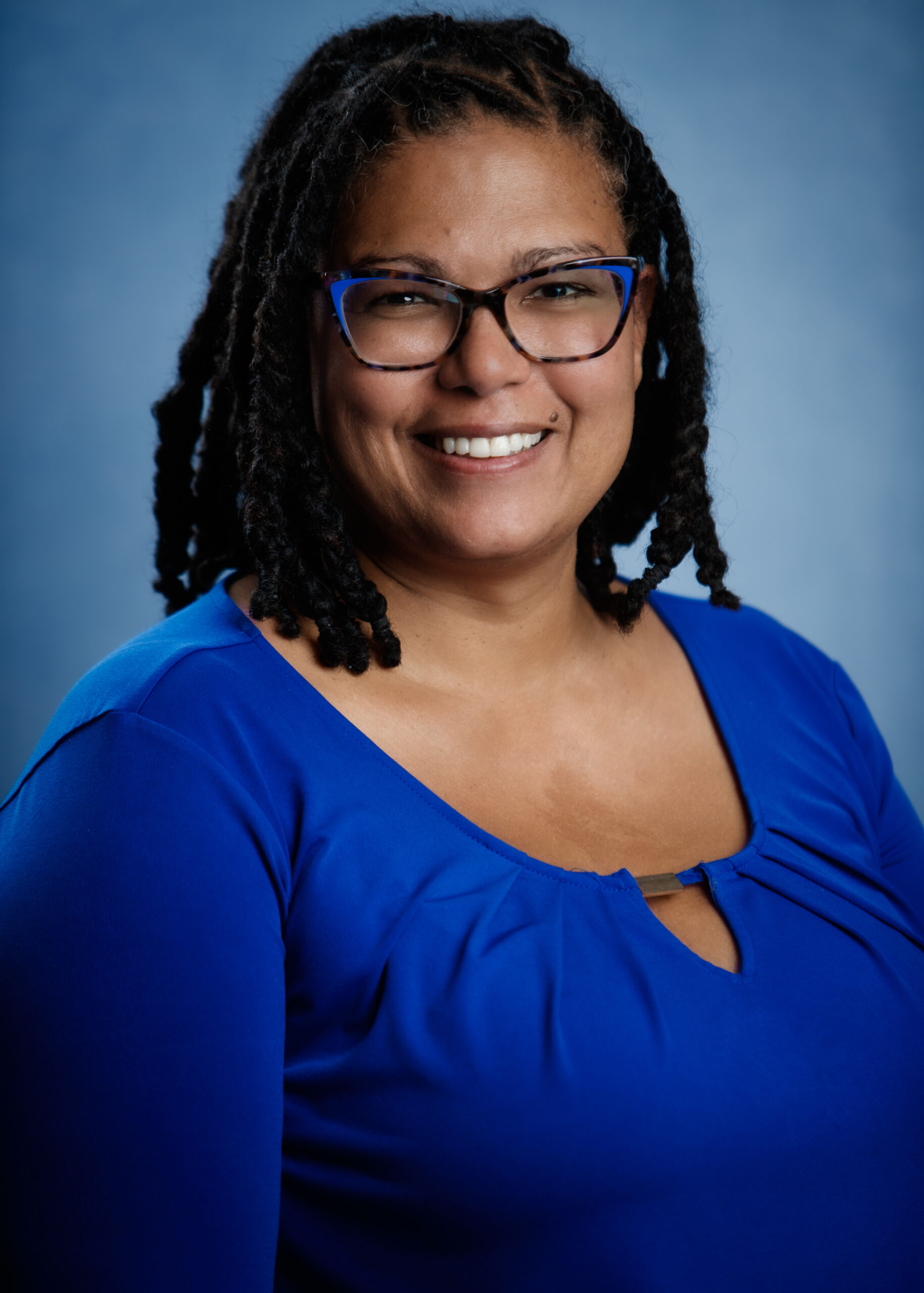
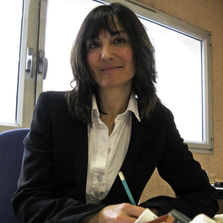
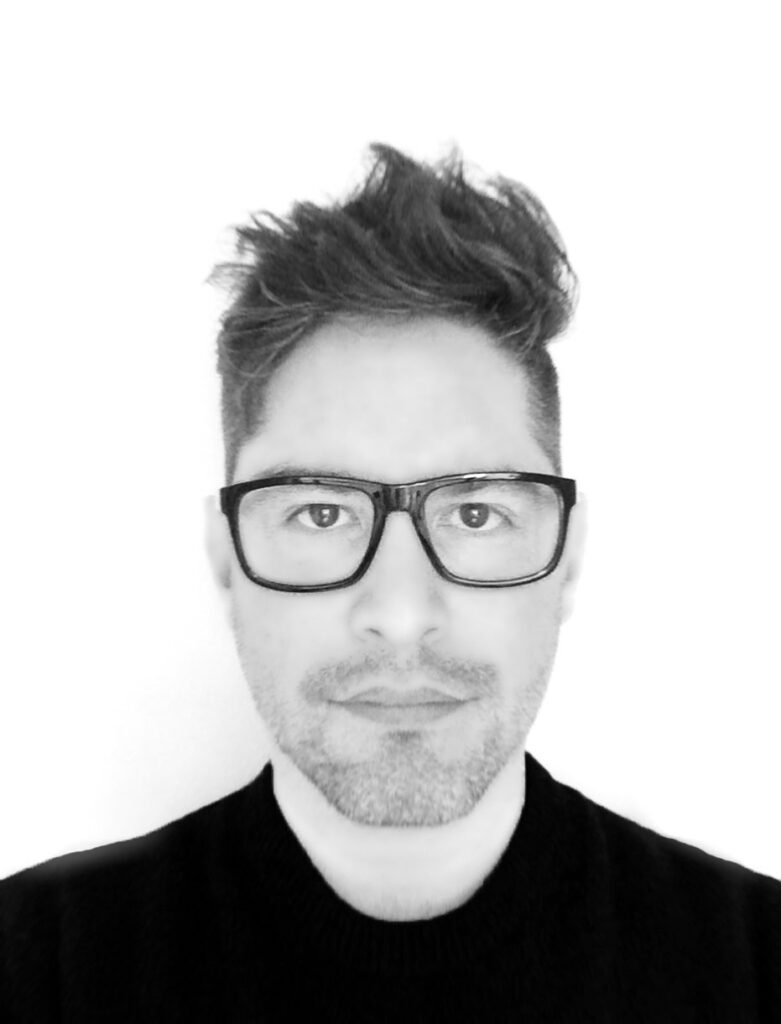
Tuğçe Bilen is an Assistant Professor at Istanbul Technical University's Department of Artificial Intelligence and Data Engineering, within the School of Computer and Informatics. Her research focuses on Artificial Intelligence and Computer and Communication Networks, particularly Digital Twin technologies, 6G wireless systems, and smart IoT applications. PhD in Computer Engineering (2017-2022), Istanbul Technical University Master's in Computer Engineering (2016-2017), Istanbul Technical University Licence in Computer Engineering (2010-2015), Istanbul Technical University Her research explores Digital Twin middleware for smart farms, energy-aware task scheduling in 6G edge networks, aeronautical ad-hoc network optimization, and cloud-based protocol enhancements. Recent work addresses metaverse-driven supply chain optimization and secure routing for aircraft networks. Key publication trends show strong focus on: Digital Twin integration across domains 6G wireless network architectures Adaptive routing algorithms Energy-efficient IoT systems Security in airborne communication Machine Learning for network management Scientific recognition includes: Serhat Özyar Young Scientist of the Year Honorary Award (2023) Doctoral Thesis Award from Istanbul Technical University (2023) TÜBA Doctoral Science Awards-Teknofest (2023) She serves as Principal Investigator for the Unsupervised Learning-Based Management of Ad Hoc Airborne Network Topology project (2024-2026) and holds a patent for Parametric Parsing Based Routing System in Content Delivery Networks (2021). As IEEE member since 2015, she contributes to telecommunications standards.
Dr. Amr Omar is a researcher at the University of New South Wales , affiliated with the School of Mechanical and Manufacturing Engineering and Department of Chemical Engineering. His work focuses on integrating renewable energy systems—particularly solar thermal technology—with advanced water treatment processes to address global sustainability challenges. PhD in Solar Thermal Systems & Desalination (UNSW, 2017-2020) Postdoctoral Researcher (UNSW Chemical Engineering, 2020-2023) Omar specializes in decarbonizing water processes through solar-driven membrane distillation , multi-effect distillation , and hydrogen production cooling systems . His research bridges laboratory innovation with real-world applications, targeting United Nations' SDG6 (Clean Water) and SDG7 (Affordable Clean Energy). Recent publications emphasize techno-economic modeling of hybrid solar-desalination systems, machine learning applications for water filtration optimization, and geospatial analyses of global desalination site feasibility. Key projects include developing hollow fiber vacuum membrane distillation modules and improving flocculant strength assessment for water catchment monitoring. Scientific Recognition : 2022 Malcolm Chaikin Prize for Research Excellence 2020 UNSW Postgraduate Council Research Student Award 2020 3MT Competition Winner (School of Mechanical & Manufacturing Engineering) 2017 Australian Postgraduate Award Scholarship Omar actively supervises PhD and Master’s projects related to solar-driven water treatment and green hydrogen development. He serves as a journal reviewer and conference panel member, advocating for nanobubble technologies in agricultural irrigation systems.
Jena Martin is a Professor of Law and the Katherine A. Ryan Chair for Global and International Law at St. Mary’s University School of Law in San Antonio, Texas. Previously, she held the Robert L. Shuman Professor of Law and Ethics position at West Virginia University. Her research focuses on business and human rights, particularly intersections with data privacy, AI, securities regulation, and corporate accountability. She has authored/co-authored influential books such as When the Levees Break and The Business and Human Rights Landscape , and her work appears in top law journals including the Yale Journal of Law and Technology. Education: J.D., cum laude, Howard University School of Law (1997); B.A., McGill University (1994). Licensed to practice in Maryland, D.C., and West Virginia. Her research explores innovative legal frameworks for regulating corporate behavior, including algorithmic accountability and SEC human rights enforcement. Notable contributions include rethinking liability for transnational corporations and advancing disclosure-based regulatory strategies. Her work has been presented at the United Nations and in media outlets like The Chicago Tribune. Awards: 2022 West Virginia Executive’s Lawyers & Leaders, 2019 Reviewer of the Year (Business and Human Rights Journal), Dean’s Teaching Award (2015), and SEC Director’s Award (2004). Professional Experience: Former Senior Counsel at the SEC’s Division of Enforcement; consultant for small businesses and global corporations. Current Projects: Leading initiatives on AI ethics, metaverse governance, and corporate bystander liability. Active in public service programs to improve business contract practices. Her teaching focuses on securities regulation and human rights law, with a commitment to interdisciplinary approaches addressing modern corporate challenges.
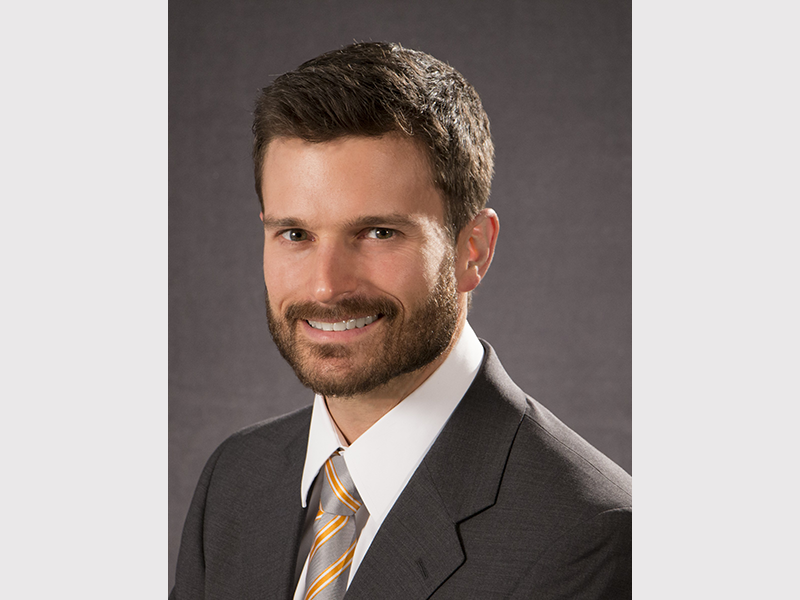
Joshua D. Rhodes serves as a Lecturer and Research Scientist at The University of Texas at Austin, with additional roles as a non-Resident Fellow at Columbia University and Founding Partner of IdeaSmiths LLC. His expertise centers on smart grid technology, bulk electricity systems, and energy policy within the Texas electricity market (ERCOT). His academic credentials include: Double Bachelor's in Mathematics and Economics from Stephen F. Austin State University Master's in Computational Mathematics from Texas A&M University Master's in Architectural Engineering from The University of Texas at Austin Ph.D. in Civil Engineering from The University of Texas at Austin Rhodes' research spans smart grid applications , resource planning , distributed generation , and energy storage , with emphasis on ERCOT grid dynamics. He investigates how energy efficiency retrofits, renewable integration, and climate change impact grid reliability, while analyzing policy effects on micro/macro economic efficiency. His work frequently combines spatial modeling with economic analysis to address infrastructure challenges. Analysis of his 40+ publications reveals dominant themes in Texas electricity infrastructure, including renewable integration economics, electrification impacts, and climate resilience. Key trends show increasing focus on Winter Storm Uri aftermath analysis, hydrogen infrastructure development, and optimal maintenance scheduling under climate change. His research consistently bridges engineering systems with policy implications, particularly regarding ERCOT's unique market structure. Rhodes actively engages public discourse as a Forbes contributor and AXIOS Expert Voice, while serving on the board of Catalyst Cooperative—a nonprofit advancing energy data transparency. His professional activities demonstrate strong integration of academic research with real-world energy policy applications.
Karsten Schulz is a Professor in the Department of Hydrology and Water Management at the University of Natural Resources and Life Sciences (BOKU), Vienna. His research focuses on hydrological processes in alpine environments, remote sensing applications, and machine learning-driven environmental modeling. He leads studies on snow cover dynamics, groundwater recharge, and the integration of big data into hydrological systems analysis. Teaching responsibilities include courses on geoecology, hydrology, and uncertainties in water flow modeling. His research emphasizes interdisciplinary approaches, combining field observations with advanced computational methods to address challenges in climate change, water resource management, and sustainable agriculture. Recent work highlights include regional-scale assessments of Austrian water balance components, the application of superconducting gravimeters for snowpack monitoring, and the development of machine learning models for soil hydraulic property prediction. He collaborates internationally on projects involving transboundary hydrology and agricultural sustainability in East Africa. Consultation hours are held weekly (except cancellations), and his lab (iHYWA) focuses on hydrological innovation for environmental resilience. Research outputs span over 50 peer-reviewed articles since 2018, addressing topics from snow hydrology to AI-driven water temperature forecasting.
Assoc. Prof. Dr. Adnan Abdalla Mohammad Oweida is an academic at Ankara Social Sciences University , Faculty of Theology, Department of Basic Islamic Sciences. He has held academic positions at Zayed University (2015-2018), Zarqa University (2010-2015), and the United Nations/UNRWA Educational Development Center (1995-2010). Research Interests : Focus on Islamic Law, Islamic Economics, Participatory Banking, Shariah Governance, and Social Sustainability. His work critically examines credit risk management, venture capital financing, Halal standards, and the economic impacts of Islamic financial instruments. Teaching Philosophy : Prioritizes student participation, contextual relevance, group collaboration, and integration of current events into coursework. He teaches graduate and undergraduate courses in Islamic Finance, Macroeconomics, and Shariah Law. PhD Students : Mehmet Fevzi Sargın, Saad Farıs Abbas Al-Hamadanı, Talıb Rıfaat Talıb Talıb, Ahmed Sıfelıslam Abdelrahman, Yasir Alnajjar. Master’s Students : Muhamad Kharıs Tambusaı, Mohammed Yaslam Meftah Bın Majsher, Onur Ünlütürk, Osman Ayman.
Nicolas SANSON is a Maître de Conférence (Associate Professor) at Sorbonne University, affiliated with the Sciences et Ingénierie de la Matière Molle (SIMM) laboratory—a joint research unit (UMR 7615) of ESPCI Paris, CNRS, and Sorbonne University. Based at ESPCI Paris (10 rue Vauquelin, Paris), his work bridges fundamental soft matter research with industrial applications in petroleum engineering and biosensing. His educational background includes: PhD (2005) from Université de Montpellier II on Assemblages de copolymères à bloc double hydrophile et de cations multivalents , supervised by Dr. Corine Gérardin and Dr. François Fajula Postdoctoral research at the University of Toronto (2005) under Prof. Eugénia Kumacheva Postdoctoral research at RHODIA's CRPP (Bordeaux, 2006) under Dr. Virginie Ponsinet SANSON's research focuses on self-assembly of nanoparticles, synthesis of stimuli-responsive microgels, and physico-chemistry of macromolecular assemblies. He specializes in thermoresponsive hydrogels (particularly PNiPAM-based systems) and zwitterionic polymers, investigating structural transitions, mechanical properties, and colloidal stability. His work frequently addresses industrial challenges in enhanced oil recovery and biosensor development. Analysis of his 15 most recent publications (2011-2018) reveals consistent emphasis on LCST-type hydrogels, nanoparticle-polymer hybrids, and responsive microgels. Key trends include topology-dependent mechanical behavior in polymer networks, crack bifurcation in phase-separated systems, and colloidal stability mechanisms in zwitterionic systems. His interdisciplinary approach spans polymer chemistry, colloid science, and materials engineering, with publications in high-impact journals like Macromolecules and Advanced Materials . No formal advisees or scientific awards are documented in the source material. However, SANSON actively teaches undergraduate and graduate courses including colloidal chemistry, polymer thermodynamics, and materials science at Sorbonne University and Polytech'Paris-UPMC. He operates within the CAID (Colloïdes, Assemblages et Interfaces Dynamiques) team at SIMM laboratory, which provides advanced facilities for soft matter synthesis and characterization. The SIMM—directed by J.B. d’Espinose—hosts multiple research groups focused on non-equilibrium soft matter, polymer networks, and colloidal systems, fostering collaborative work in soft materials science.
Dillon Pranger serves as an Assistant Professor at the Illinois Institute of Technology, directing the interdisciplinary Deconstruction/Reconstruction Lab focused on sustainable building material recovery and circular construction techniques. As a licensed architect, he founded the award-winning Office of Dillon Pranger (ODP) in Chicago, specializing in small-scale contextual projects that integrate material, labor, and energy lifecycles into design processes. Pranger's educational background includes a B.S. in Architecture from the University of Cincinnati and an M.Arch. from Cornell University, where he received the Henry Adams Certificate and Richmond Herold Shreve Award for distinguished thesis work. His teaching experience extends to Cornell University, Harvard GSD, and Syracuse University prior to his current position. His research centers on sustainable material systems and circular economy principles within architecture, challenging traditional waste paradigms through projects like Taking Stock and The Architecture of Waste publication. Pranger's work investigates finite material resources, design for disassembly methodologies, and urban mining concepts, emphasizing temporary material states and reversible construction techniques that preserve material value throughout multiple lifecycles. His recent design projects demonstrate consistent exploration of material reuse across scales—from the BYOB temporary structure using reclaimed Chicago bricks to Woodstack's friction-fit lumber assemblies. These works collectively examine construction waste reduction through innovative disassembly systems, QR-code material tracking, and context-specific material lifecycles, establishing him as a leading voice in circular architectural practice. Silver Medal for Best Young Architect, The Architect’s Newspaper (2023) Architizer A+ Awards (2023, 2024) Rethinking the Future Award (2023) Tallinn Architecture Biennale (2022) Henry Adams Certificate, Cornell University Richmond Herold Shreve Award, Cornell University Pranger actively mentors students through his Deconstruction/Reconstruction Lab while maintaining ODP's client-based practice. His studio courses like ARCH 497: Material Narratives and ARCH 497: The Architecture of Waste directly translate research into pedagogy, with students developing alternative building assemblies through physical prototyping. The lab investigates material scarcity through projects tracking lumber price fluctuations and exploring circular housing solutions for Amsterdam's urban context. The Deconstruction/Reconstruction Lab operates as both academic research unit and design incubator, with projects like Arcadian Anthropocene examining circular system logic for high-density housing and Design for Disassembly prototyping reversible construction techniques. Collaborative efforts involving students and practitioners test material reuse at full scale, from Woodstack's temporary pavilion to BYOB's modular brick assembly, creating tangible demonstrations of circular architectural principles.
Dr. Terrence Perera is a Teaching Professor in the Operations Management and Decision Sciences (OMDS) department at the University of Sheffield's Management School. With over 30 years of experience in teaching, research, and consultancy, he specializes in computer modeling/simulation, operations management, and supply chain management. He leads modules such as 'The Intelligent Organisation,' 'Internationalisation Challenge,' and 'Business Intelligence' in undergraduate and MBA programs. His work integrating Qlik into teaching earned him the 2025 Qlik Education Ambassador title, while his Internationalisation Challenge module was shortlisted for a postgraduate employability award by AGCAS. Education: BSc and PhD qualifications. Research Interests: Focus on Industry 4.0 integration, simulation in healthcare (e.g., neonatal unit analysis), supply chain data management, and sustainability initiatives. He has secured five EPSRC grants and managed Knowledge Transfer Partnership projects with firms like BAE Systems and Siemens. Professional Recognition: Recipient of the 2025 Qlik Education Ambassador award and AGCAS shortlist. His consultancy spans sectors including healthcare, manufacturing, and logistics. Teaching & Advising: Supervises student dissertations, develops case studies from industry collaboration. His modules emphasize real-world applications of analytics and modern technologies. Grants & Projects: Five EPSRC grants, multiple KTP projects focused on manufacturing systems and ERP. Collaborations include Sheffield Children’s Hospital and Fosters Bakery.
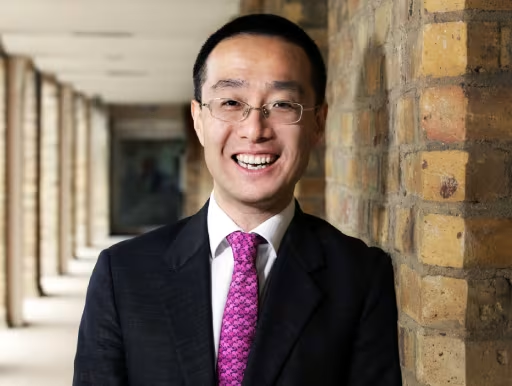
S. Alex Yang is a Professor of Management Science and Operations at London Business School , with expertise in the intersection of supply chain management, finance, and digital technology. Holding a PhD and MBA from the University of Chicago Booth School of Business, a Master's from Northwestern University, and a Bachelor's from Tsinghua University, he combines rigorous academic training with industry experience. Research Interests His research spans two primary themes: Operational and financial decisions in supply chains, including trade credit, supply chain finance, and FinTech innovations Governance and operations of digital technologies, focusing on platform governance and regulation of Artificial Intelligence Additional interests include value chain innovation, sustainability, and applied data science for risk management. Academic Contributions Publishes in top-tier journals Holds editorial positions at prestigious international academic journals Active in public engagement through media outlets like Bloomberg, BBC, and The New York Times Teaching & Industry Impact Award-winning teacher delivering courses on supply chain finance, FinTech, data science, and digital technology across MBA, EMBA, and executive programs. His consulting work spans companies like Alibaba Group, United Airlines, and the Asian Development Bank.
Associate Professor Betty Chan is an Emergency Physician, Clinical Toxicologist, and clinical researcher at the University of New South Wales. She serves as Head of the Discipline of Critical Care at UNSW and Head of the Clinical Toxicology Unit at the Prince of Wales Hospital. Additionally, she works as a VMO toxicologist at the New South Wales Poisons Information Centre and serves on the editorial board of Clinical Toxicology and the SES LHD Human Research and Ethics Committee. Dr. Chan completed her Emergency Medicine training in 1990 and earned her PhD in toxicology from the University of Sydney in 1997. Her academic credentials include MBBS, FACEM, PhD, and MDiv. Her primary research interests focus on translational research in Clinical Toxicology, Harm Reduction, Antidotes, Medical Education, and the application of Artificial Intelligence in medical education. Specific areas of investigation include digoxin overdose management, dihydropyridine toxicity, methotrexate intoxication and antidotes, safe opioid use and prescription practices, development of clinical decision rules for non-traumatic CT head imaging, herbicide toxicity (including paraquat, bromoxynil, and MCPA), acute behavioral disturbance treatment, sodium channel blocker toxicity, lithium poisoning, cognitive assessment following overdose and shift work, tapentadol prescription trends and poisoning, and adherence to clinical guidelines for specific poisonings. Analysis of Dr. Chan's recent publications reveals a strong focus on clinical toxicology with particular emphasis on drug overdose management, antidote efficacy, and patient safety. Her work spans multiple areas including cardiovascular toxicology (digoxin, calcium channel blockers), hepatotoxicity (acetaminophen), neurotoxicology (anticholinergics, antipsychotics), and harm reduction strategies (naloxone distribution). Many of her studies are part of the Australian Toxicology Monitoring (ATOM) research program, demonstrating her commitment to evidence-based toxicology practice. 2016 John Gilroy Potts Award at the ACEM conference for the paper 'The Safety and Effectiveness of Droperidol for Sedation of Acute Behavioural Disturbance in the Emergency Department' 2019 Best Scientific presentation at the 39th Congress of the European Association of Poisons Centres and Clinical Toxicologists (EAPCCT) on 'Using EXTRIP criteria as indications for Extracorporeal Treatment in Lithium Poisoning.' As Head of the Discipline of Critical Care at UNSW, Dr. Chan leads the curriculum and teaching for medical students in Emergency Medicine, Anesthesia, and Intensive Care. She also oversees the teaching curriculum and supervision of toxicology registrars and fellows as head of the Clinical Toxicology Unit. Her research supervision includes ILP Honours projects focused on the Poisons Information Centre clinical Toxicology referral Study (PICTS) and adherence to clinical guidelines for specific poisonings. She has been principal investigator for numerous clinical research projects in toxicology, including the multi-center Australian Toxicology Monitoring (ATOM) Study initiated in 2013 and the Translational Australian Clinical Toxicology (TACT) program funded by NHMRC grants. Dr. Chan's work has significantly impacted clinical practice, particularly in demonstrating that patients with digoxin poisoning can be managed safely with small, titrated doses of digoxin antibody, and establishing guidelines for folinic acid use in methotrexate poisoning. Her research on cognitive impairment following sedative overdose has informed recommendations about post-overdose activity restrictions.
Hélène Yildiz is a University Professor of Management and Business Sciences at the University of Lorraine , affiliated with the IUT Henri Poincaré in Longwy and the CEREFIGE research unit. She serves as Head of the Offshore Marketing Masters program at IAE Metz and Deputy Head of Department at IUT Longwy. Research Interests focus on economic/social exchange processes across commerce, tourism, and gaming industries, with emphasis on digital marketing strategy, virtual reality applications, and sustainable branding. Her work explores how technologies like VR/AR reshape consumer behavior and purchasing decisions, particularly in gaming and tourism contexts. Key Research Themes : Virtual reality in marketing and consumer psychology E-sports and digital consumption patterns Cross-border trade and territorial development Sustainable branding and CSR Small retailer patronage dynamics Social media's impact on luxury brands Academic Leadership includes: Co-supervising MIAGE Master's program Responsible for Hospitality Management Master's at IAE Metz Deputy Head of Department at IUT Longwy Education : PhD in Management (2006), Université Nancy 2 Diploma from IUFM de Lorraine
Santiago Aurelio Mota is a Lecturer and transdisciplinary educator, designer, and researcher at Harvard University's Graduate School of Design and the John A. Paulson School of Engineering and Applied Sciences. His work focuses on climate change adaptation, urban resilience, and equitable futures through collaborations with government entities, multilateral organizations, and social groups across Latin America and the United States. Education: Architecture degree from Universidad Nacional Autónoma de México (UNAM); Master’s degrees in Design Engineering and Design Studies focused on Energy and Environment (MDE + MDS EE) from Harvard University. At the intersection of architecture, urban design, landscape architecture, and urban ecology, Santiago integrates advanced geospatial data analysis and visualization. He has led holistic urban projects like La Unidad Market in Cancún and Plaza Central Sisbichén in Yucatán, emphasizing social equity and extreme heat adaptation. His consultancy with the Inter-American Development Bank involves mapping climatic futures of cities, while prior collaborations with firms like Utile and Practice Landscape address ecological revitalization and resilience planning. Professional affiliations include the Ecological Society of America, North American Cartographic Information Society, and credentials as a registered FAA Small Unmanned Aircraft System (sUAS) operator and heavy machinery operator in Mexico and France.
Ramteen Sioshansi is a Professor in the Department of Engineering and Public Policy, the Department of Electrical and Computer Engineering, and Heinz College at Carnegie Mellon University, where he also serves as Associate Department Head for Graduate Affairs and Director of the Carnegie Mellon Electricity Industry Center. He is additionally an Adjunct Professor at The Ohio State University’s Department of Integrated Systems Engineering. His work bridges engineering, economics, and policy with a focus on energy systems and market design. His research interests include energy storage, electricity market design, renewable integration, decarbonization, grid resilience, and energy justice. He employs advanced optimization and modeling techniques to analyze how energy systems can be operated and regulated more efficiently and equitably. His work often addresses the economic and policy challenges of integrating low-carbon technologies and distributed energy resources. Ramteen's recent publications highlight a strong trend in analyzing the role of energy storage in providing multiple grid services, reforming market designs to accommodate long-duration storage, and ensuring equitable access to resilient energy. His work spans technical modeling, economic analysis, and policy implications, frequently appearing in high-impact journals such as Current Sustainable/Renewable Energy Reports and The Energy Journal . Energy Justice Through Energy Storage Long-Duration Energy Storage (LDES) Policy Electric Vehicle Integration Demand Flexibility and Aggregators Hydrogen and Carbon Removal Economics Small Modular Reactors and Nuclear Policy Ramteen has received recognition as a top researcher in energy and energy storage domains. He actively contributes to the academic community through INFORMS, particularly in the Energy, Natural Resources, and the Environment (ENRE) section, and encourages nominations for prestigious awards like the Harold Hotelling Medal. He advises graduate students, including recent PhD graduate Dr. Hyeong Jun Kim and former student Joe Duggan. His research is supported by collaborations across academia, national labs (e.g., Argonne), and industry. He frequently engages with media on topics such as natural gas supply risks, EV integration, and the future of nuclear energy. Ramteen leads the Carnegie Mellon Electricity Industry Center, a hub for interdisciplinary research on electricity markets and policy. He is also a Faculty Affiliate at the Wilton E. Scott Institute for Energy Innovation, where he contributes to CMU’s broader energy innovation ecosystem.
Douglas Gillespie is a Principal Research Fellow at the University of St Andrews, affiliated with the School of Biology, Sea Mammal Research Unit, and Scottish Oceans Institute. He is also part of the Sound Tags Group, Bioacoustics group, and Marine Alliance for Science & Technology Scotland. His work focuses on marine mammal bioacoustics and passive acoustic monitoring, particularly in relation to offshore renewable energy development. Dr. Gillespie's research interests center around passive acoustic monitoring (PAM) as an effective method for detecting cetaceans and assessing their behavior in proximity to human activities such as seismic surveys, military sonar exercises, offshore energy extraction, and shipping. He specializes in studying how small cetaceans like harbour porpoises and dolphins behave near tidal energy devices, investigating whether animals approach operational turbines, exhibit habitat exclusion, or demonstrate fine-scale avoidance behavior near turbine blades. His recent publications reveal a strong focus on the intersection of marine mammal conservation and renewable energy development, with particular emphasis on tidal turbine impacts. His work combines advanced acoustic monitoring techniques with innovative software development, especially through the PAMGuard project which he manages and contributes to significantly. The research shows increasing integration of machine learning approaches for bioacoustic analysis and detection. Dr. Gillespie has been actively involved in multiple research projects funded by organizations including EPSRC, NERC, and the Scottish Government. His work contributes to UN Sustainable Development Goals related to environmental protection and sustainable energy. As the manager of the PAMGuard project, he has developed open-source software for the detection and localization of marine mammal vocalizations, optimized for real-time use in the field with applications in abundance surveys and mitigation monitoring. His current research involves collecting data from operational turbines on Scotland's North Coast using 12 hydrophones sampling at 500kHz.