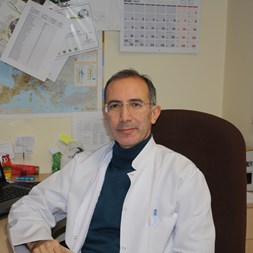
Soren P. Rodning is a Professor & Extension Specialist in the Department of Animal Sciences at Auburn University's College of Agriculture. His primary role focuses on herd health management across diverse livestock including beef cattle, dairy cattle, horses, meat goats, sheep, and swine. He is affiliated with Auburn University's College of Agriculture and the Alabama Agricultural Experiment Station. His professional address is 232 Upchurch Hall, Auburn Univ, AL 36849. Contact details include email rodnisp@auburn.edu and phone (334) 844-2345. Research and extension efforts emphasize applied solutions for livestock health challenges. Recent institutional news highlights agricultural research activities and outreach programs within the College of Agriculture, though specific personal awards or grants are not detailed here.
Scott Duggan is an Assistant Professor (Practice) at Oregon State University, affiliated with the Department of Animal & Rangeland Sciences and based at the Crook County Extension Office. His work integrates outreach and extension programming with research focused on livestock management and forage production in pastures, emphasizing forage quality to optimize livestock productivity. Dr. Duggan's expertise spans diverse areas including equine nutrition, zoonotic disease management, and agricultural extension. M.S. in Agriculture, California Polytechnic State University (2007) B.S. in Agriculture Education, University of Idaho (1993) B.S. in Ag Management, California Polytechnic State University (1990) Scott Duggan's research addresses critical issues in livestock production systems: optimizing forage quality for cattle, sheep, and swine; managing pasture ecosystems; and mitigating zoonotic disease risks like cryptosporidiosis. His work also investigates toxic plants in pastures, swine pest management, and sustainable practices for small-acreage horse farms. Through extension efforts, he develops practical resources for producers across the Pacific Northwest. Recent publications demonstrate Scott Duggan's focus on agronomic challenges and animal health. His work covers pasture management calendars (2024), equine hay evaluation (2024), nonstructural carbohydrates in horse forages (2023), laminitis prevention (2022), cryptosporidiosis risks (2021), and invasive plant control (2018). These contributions reflect his commitment to translating research into actionable extension resources for livestock producers. Communications Award: Publication (2024) OAEA Achievement Award (2022) Communications Award: Published Photo (2020) Search For Excellence in Livestock Production (2020) OSU Extension Professional Development Fund (2019) OSUEA Newer Faculty Award (2017) Commanders Badge (2016) Scott Duggan has contributed extensively to agricultural outreach through extension publications, radio programs, educational workshops, and community collaborations. He has worked with USDA and Oregon Department of Agriculture on feed safety initiatives, developed interactive beef cuts educational materials, and provided livestock management guidance through the Central Oregon Ag Newsletter. His efforts combine research with practical application for producers in Oregon and the broader Pacific Northwest region.
Associate Professor Russell Bush is an academic at the University of Sydney's Faculty of Science, specializing in livestock production with a focus on Southeast Asia. He holds a BScAgr(Hons I) and PhD, complemented by a Graduate Certificate in Higher Education. His research emphasizes improving smallholder livestock systems in developing countries, particularly addressing disease challenges like African swine fever (ASF) and foot-and-mouth disease (FMD). Professor Bush collaborates with institutions like the Sydney Institute of Agriculture and Sydney Southeast Asia Centre. Key Research Areas: Livestock disease control, sustainable farming practices, and meat quality optimization in alpacas Geographic Focus: Cambodia, Laos, and other Mekong region countries Grants: Includes projects funded by Meat & Livestock Australia to enhance livestock welfare and meat quality His work bridges academic research and field application, developing interventions such as biosecurity protocols and cost-effective diagnostic tools. Recent studies investigate ASF transmission dynamics in Lao PDR smallholder farms and the socio-economic impacts of livestock diseases on rural livelihoods. He also explores innovative solutions like urea-molasses blocks to improve cattle weight gain in tropical regions.
Prof. Dr. Dr. Eva Zeiler is a Professor in the Department of Sustainable Agriculture and Energy Systems at the University of Applied Sciences Weihenstephan-Triesdorf (HSWT). She serves as a Member of the Faculty Council, Subject Advisor for Agriculture Weihenstephan, and Member of the Court Commission. Her office is located in building D1.217 at Am Staudengarten 1, 85354 Freising. Dr. Zeiler's research focuses on animal production systems in organic agriculture, with particular emphasis on sustainable livestock management, animal welfare, and biosecurity practices. Her work bridges theoretical agricultural science with practical farming applications, addressing critical challenges in modern organic farming systems. Her recent publications demonstrate a strong focus on biosecurity in German pig farming, cattle evacuation in emergency situations, and optimizing organic milk and meat value chains. Her research consistently addresses the intersection of animal welfare, sustainable practices, and economic viability in organic agricultural systems. As a dedicated educator, Dr. Zeiler teaches courses including Anatomy and physiology, Organic sheep and goat husbandry, Ecological cattle husbandry, Herd management cattle, Animal husbandry, ethology, Agricultural biology, and Chemistry exercises. Dr. Zeiler actively supervises doctoral candidates including Verena Rötzer and Florian Diel-Loose, and leads collaborative research projects such as the study on 'kuhgebundene Kälberaufzucht' (cow-bound calf rearing), which examines systems where calves suckle milk from their mother or a foster cow after birth.
Prof. Ewa Czerniawska-Piątkowska is a distinguished academic at the West Pomeranian University of Technology, Szczecin , currently serving as Head of the Department of Ruminant Sciences and leading the Molecular Biology Laboratory . Her career spans over two decades at the institution, with promotions from PhD (2001) to Professor (2022) , reflecting her sustained contributions to animal biotechnology and dairy cattle research. M.Sc. Eng. - Agricultural University of Szczecin, Faculty of Animal Science (1996) PhD - Agricultural University of Szczecin, Faculty of Biotechnology and Animal Breeding (2001) PhD - West Pomeranian University of Technology, Faculty of Biotechnology and Animal Breeding (2009) Professor at ZUT (2019-2022) Her research focuses on milk protein polymorphism , genetic factors in dairy cattle productivity , innovative calf-rearing systems , and sustainable livestock practices . Scientific work spans genetic analysis , animal husbandry optimization , and milk composition studies , with significant collaborations in Germany, Czech Republic, and EU projects. Recent scientific publications demonstrate expertise in bovine genetics , milk quality assessment , and animal welfare systems , with works appearing in journals like Veterinarski Archiv and Pakistan Journal of Zoology . Research projects include milk protein polymorphism and IGF-IR gene impact analysis funded by KBN/MNiSZW. Srebrny Krzyż Zasługi (2016) Zachodniopomorski Uniwersytet Technologiczny nagrody indywidualne (2009, 2017-2023) ESDAR conference participation (Bulgaria, Portugal 2015-2016) Białystok Scientific Society Membership As an academic leader , she organized multiple international conferences including the 84th PTZ Congress (2019) and served on editorial boards. Her work bridges genetic research with practical farm applications , particularly in German Holstein cattle management systems.
Professor Hakan Kalender serves as a full Professor in the Department of Veterinary Obstetrics and Gynecology at Kırıkkale University's Faculty of Veterinary Medicine, Turkey. His academic career integrates clinical veterinary practice with extensive research in animal reproduction and endocrinology. His primary research domains include: Reproductive physiology across multiple species (cattle, goats, sheep, dogs, cats) Luteal function and progesterone synthesis mechanisms Impacts of environmental toxins on steroidogenesis Veterinary anesthesiology and pain management protocols Clinical obstetrics and gynecological disease patterns Analysis of his recent publications reveals a consistent focus on hormonal regulation in domestic animals, with particular emphasis on in vitro luteal cell studies and clinical case analyses. His work bridges experimental toxicology with practical veterinary applications, frequently investigating pesticide effects on reproduction and optimizing anesthesia protocols for surgical procedures. The research demonstrates strong regional relevance to Turkish livestock management while contributing to global veterinary science. No scientific awards were specified in the available documentation. Similarly, details regarding student supervision, research grants, laboratory facilities, or collaborative teams were not provided in the source materials.
Prof. Dr. Serkan Erat serves at the Faculty of Veterinary Medicine in the Department of Animal Science and Nutrition . His academic work focuses on livestock production, animal health, and reproductive biology. Education : Not explicitly detailed in the text. Research Interests : Spanning Animal Science , Animal Nutrition , Veterinary Microbiology , and Reproductive Physiology . Publications : Predominantly analyze sheep/cattle reproduction , animal nutrition , microbial pathogens , and fleece/mohair quality . Projects : Include comparative studies on livestock breeds and feed optimization.
Hümeyra Taşkent is an Assistant Professor in the Department of Bioengineering at İzmir Institute of Technology (İYTE). She received her B.S. in Chemistry from Koç University (2004) and earned her Ph.D. in Biophysical Chemistry from Stony Brook University, SUNY (2010). Current faculty member at İYTE since December 2019 Previously worked at İzmir Economics University's Genetic and Bioengineering Department (2017-2019) Conducted postdoctoral research at the U.S. National Cancer Institute Her research focuses on: Single-domain antibody applications in diagnostics and therapy Protein interaction dynamics (protein-protein, protein-peptide, protein-small molecule) Design, production, and characterization of protein/peptide-based biomaterials Recent publications demonstrate expertise in veterinary diagnostics and isothermal nucleic acid amplification technologies, particularly for ruminant viral diseases. While her current list of students and scientific awards appears incomplete in available records, her work contributes to biomedical engineering and molecular diagnostics.
Dr. Camille Raoult is an Associate Professor in Zootechnics at ISARA in Avignon, France, affiliated with the Agroecology and Environment Research Unit. Her research focuses on ethology, animal welfare assessment (emotions and cognition), and sustainable livestock systems, with expertise in sheep, goat, and pig breeding. She contributes significantly to agro-ecological transition studies. Her teaching includes coordinating the sustainable livestock farming specialization in the new Bachelor program, and instructing courses on: Zootechnics and Livestock Systems Animal welfare and ethics Sensor technology in animal monitoring Research interests center on behavioral analysis, affective states in livestock, and welfare optimization across species. Key areas include cognitive judgment biases, environmental enrichment impacts, and precision livestock farming techniques using accelerometry and sensor technologies. Publications predominantly explore: Behavioral flexibility in ruminants Environmental influences on livestock welfare (lighting, housing) Cognitive assessment methodologies Technology applications in animal monitoring Professional experience includes positions at Martin-Luther University Halle-Wittenberg (Germany), Agroscope (Switzerland), and doctoral research at the University of Bern. Education comprises: PhD in Biomedical Sciences, University of Bern (2019) Engineering Diploma in Animal Production, AgroSup Dijon (2015) BTS in Animal Production, EPLEFPA Edgard Pisani (2011)
Professor Gencay Taşkın Taşçı serves as a full-time Professor in the Department of Preclinical Sciences at Kafkas University Faculty of Veterinary Medicine since 2024, having previously held positions as Associate Professor (2019-2024), Assistant Professor (2012-2019), and Research Assistant (2003-2012). He also currently serves as Department Vice Chair since 2023. His educational background includes a Veterinary Medicine degree (2002), Master's in Veterinary Parasitology (2005), and PhD in Veterinary Parasitology (2011), all from Kafkas University. His research focuses on molecular characterization of parasitic diseases, particularly vector-borne pathogens, zoonotic parasites, and helminth infections in livestock and companion animals across Northeast Anatolia. Analysis of his recent publications reveals a strong emphasis on molecular epidemiology of tick-borne diseases in dogs, trematode infections in cattle, gastrointestinal parasites in small ruminants, and vector identification for Dirofilaria species. His work integrates field epidemiology with advanced molecular techniques to characterize parasite diversity and transmission dynamics. Best Second Poster Award (2013) from Turkish Parasitology Association Supervised multiple Master's and PhD students focusing on cystic echinococcosis, varroosis treatment, and liver trematode infections Principal investigator on 22 research projects funded by higher education institutions, including studies on tick-borne pathogens, hypodermosis, and molecular characterization of parasitic diseases Professor Taşçı actively collaborates with researchers across Turkey and internationally, with documented collaborations with 66 researchers. His work addresses significant veterinary and public health concerns in Eastern Turkey, particularly focusing on economically important parasitic diseases affecting livestock production and zoonotic transmission risks.
Ekin Emre ERKILIÇ is an Associate Professor in the Department of Clinical Sciences at Kafkas University Faculty of Veterinary Medicine, where he has served since 2020. Previously, he held positions as Doctoral Lecturer (2015-2020) and Research Assistant (2012-2015) at the same institution. He also serves on the Faculty Management Board (2021-present) and as Deputy Department Head (2019-present). His educational background includes a PhD in Veterinary Internal Medicine (2015) and Bachelor's Degree in Veterinary Medicine (2010), both from Kafkas University. He holds certifications in experimental animal use, artificial insemination, veterinary certification, and HACCP food safety systems. Dr. ERKILIÇ's research focuses on veterinary internal medicine with emphasis on neonatal calf diseases, oxidative stress mechanisms in livestock, bovine respiratory disorders, and parasitic infections in companion animals. His work frequently examines acute phase proteins, inflammatory markers, and diagnostic biomarkers in various animal species. His publication record shows consistent output in veterinary medicine, with recent articles (2023-2025) concentrating on molecular diagnostics of respiratory pathogens, biomarker validation for inflammatory conditions, and wildlife disease investigations. The research demonstrates strong regional focus on Northeastern Turkey while maintaining international relevance through SCI-indexed publications. SECOND BEST ORAL PRESENTATION at 4TH INTERNATIONAL CONGRESS ON ADVANCES IN VETERINARY SCIENCES AND TECHNICS (2019) He has supervised two graduate students to completion (one PhD, one MSc) and actively mentors current advisees. His grant portfolio includes 21 research projects as PI or co-investigator, primarily funded by higher education institutions, covering topics from viral respiratory diseases in cattle to parasitology in companion animals. His collaborative network spans 128 researchers across Turkey, with particularly strong ties to Ali Haydar Kırmızıgül (61 joint works) and Metin Öğün (28 collaborations).
Antoinette Marsh serves as Associate Professor of Parasitology with expertise spanning Sarcocystidae parasite biology, diagnostics/treatments for dog hookworms, and Haemonchus contortus control in small ruminants. As an Ohio-licensed attorney, she uniquely integrates legal frameworks for zoonotic parasite liabilities into veterinary practice. Her research emphasizes applied parasitology solutions across diverse animal systems. Current investigations focus on parasite-host interactions in wildlife (zebras, dolphins, giraffes), livestock production systems (lambs, small ruminants), and companion animals (dogs), with special attention to environmental factors like pasture management and pandemic disruptions. The legal dimension of her work addresses liability evaluations for zoonotic transmission pathways. Recent publications (2020-2021) reveal strong translational trends: field studies dominate her output with practical applications for parasite control in grazing systems, wildlife enclosures, and veterinary clinics. Key thematic clusters include gastrointestinal parasite epidemiology in dogs during COVID-19 disruptions, sustainable parasite management in small ruminant production, and emerging protozoan infections in captive wildlife. Dr. Marsh contributes as Specialty Chief Editor for Parasitology at Frontiers in Veterinary Science, though no scientific awards are documented in available records. Her professional activities show no mention of graduate student mentorship or grant-funded projects within the provided text.
Prof. Dr. Mehmet SARI is a full professor and Head of the Department of Animal Science (Zootekni) at Kırşehir Ahi Evran University, Faculty of Agriculture, Turkey. Since 2021 he has held the rank of Professor and has previously served as Associate Professor and Assistant Professor at the same university and at Mehmet Akif Ersoy University. He is currently a full-time academic, Senate member, and Board of Directors member at his institution. Education: Doctor of Philosophy (PhD) in Animal Science, Kafkas University, Institute of Health Sciences, 2009 Doctor of Veterinary Medicine, Kafkas University, Faculty of Veterinary Medicine, 2004 Research Interests: Prof. SARI’s research spans animal breeding and genetics , quantitative genetics , poultry science (especially Japanese quail and geese), sheep and goat breeding , dairy and beef cattle improvement , livestock welfare , and biostatistical modelling . His work integrates field studies with advanced statistical tools such as REML and BLUP to estimate genetic parameters and breeding values. Publication & Impact Trends: With 128 peer-reviewed publications (32 in Web of Science, 43 in Scopus) and 431 citations (h-index 11), his scholarly output shows a clear emphasis on genetic improvement of small and large livestock species . Recent articles (2022-2024) concentrate on meat quality , fatty acid composition , welfare assessment , and climate effects on dairy cattle , reflecting an evolving focus toward sustainable and high-quality animal production. Projects & Funding: Principal investigator of 12 university/FAO/TÜBİTAK projects (e.g., quail line selection, goose production enhancement, rural tourism linkage). Participated in 18 additional projects covering cattle, sheep, goat, and bee genetics. Total project portfolio: 30 funded initiatives since 2006. Awards & Recognition: No specific academic prizes or medals are explicitly listed in the provided text. Teaching & Advising: Supervised 5 completed master’s theses (2019-2025) and is currently mentoring several graduate students. Has taught 30+ courses ranging from introductory General Zootechnics to advanced Animal Breeding Project Planning . Laboratory & Teams: Prof. SARI leads the Animal Breeding and Genetics Research Group within the Department of Animal Science. He coordinates collaborative networks with Serbian and domestic universities and is actively involved in modernizing the university’s poultry research facilities.
Ángel Gómez Martín is a researcher at CEU Cardenal Herrera University (UCH-CEU) in Valencia, Spain. Since 2017, he has led the Microbiological Agents Associated with Animal Reproduction (ProVaginBIO) Research Group, focusing on alternatives to antibiotic use in ruminant microbiota studies and Mycoplasma spp. control. He earned his PhD in Animal Health (2015) and Master's in Wildlife Management and Health (2010) from the University of Murcia, with a predoctoral research stay at École Vétérinaire de Toulouse (2013). Specialization in Ovine and Goat Pathology (University of Zaragoza) Master's in Animal Health and Production (Complutense University of Madrid) His research line extends from his doctoral work on contagious agalactia, leading to national and regional control programs. He currently investigates bovine and small ruminant microbiota relationships with mycoplasmosis under the PROBIO.RUM.RES project. His work includes collaborations with CEVA Santé Animale on Q fever and OVIGEN on probiotics for livestock health. Scientific contributions include 61 international and 51 national articles, though specific titles are not disclosed here. He has supervised 6 master's theses, 21 final degree projects, and 5 doctoral theses. Angel Herrera Award for Best Teaching Work (2022) Extraordinary Doctoral Award International Doctorate In teaching, he instructs veterinary medicine students on animal health and public health, and delivers annual lectures at master’s programs across Spain. He serves on the UCH-CEU Biosecurity Committee and directs the Small Ruminant Unit at the university's Teaching Farm.
Gemma Chaters is a Lecturer in Population Health at Lancaster Medical School , focusing on quantifying the burden of animal diseases through interdisciplinary methodologies. Her research spans economic analysis , disease modeling , and public health policy in livestock systems. Current Affiliation : Lancaster University, UK Research Focus : Global Burden of Animal Diseases (GBADs), multisectoral disease impact, antimicrobial resistance Recent publications highlight advancements in: Uncertainty handling in large-scale disease burden programs Economic assessments of small ruminant diseases in Africa Classification systems for livestock production in disease analysis Her methodological expertise includes probabilistic modeling, cost-of-disease frameworks, and expert elicitation. She collaborates with the CHICAS research group and contributes to policy-oriented veterinary science. Contact: g.chaters@lancaster.ac.uk