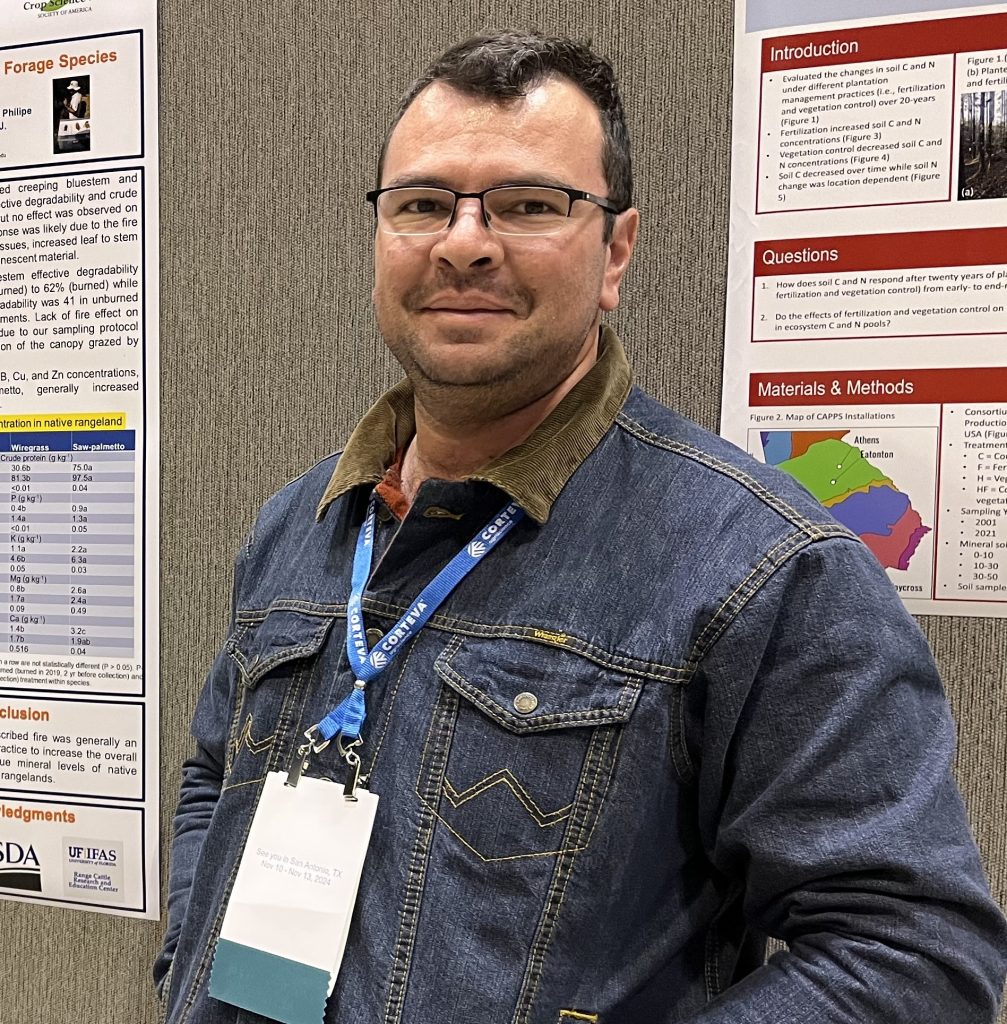
Hélder Miranda PiresView profile
Professor
Hélder Miranda Pires is a Professor at the School of Agriculture, Department of Veterinary Science, at the Instituto Politécnico de Bragança (IPB) in Portugal. With an extensive publication record spanning from 2010 to 2025, he has established himself as a leading researcher in veterinary medicine with a particular focus on small ruminant health. His work demonstrates a strong commitment to advancing knowledge in animal reproduction, infectious diseases, and zoonotic pathogens, contributing significantly to both scientific literature and practical veterinary applications in Portugal and beyond. Dr. Pires' research interests span multiple critical areas in veterinary science, with primary focus on small ruminant health management. His work extensively covers reproductive physiology in sheep and goats, including artificial insemination techniques, estrus synchronization, and factors affecting fertility. He has made significant contributions to understanding infectious diseases in livestock, particularly lentiviral infections, paratuberculosis, brucellosis, and various parasitic conditions. His research also addresses plant toxicology in ruminants, mastitis diagnosis and management, and the epidemiology of zoonotic diseases that bridge animal and human health. The publication trends over the last decade reveal a consistent focus on improving diagnostic methods and management practices for small ruminant diseases. His recent work shows increasing attention to One Health approaches, examining the intersection between animal health, human health, and environmental factors. There's a noticeable shift toward more comprehensive epidemiological studies, particularly regarding zoonotic pathogens that pose public health risks. His research consistently emphasizes practical applications for veterinarians and livestock producers, with numerous publications addressing field-applicable diagnostic techniques and management strategies. Dr. Pires has supervised numerous research projects and theses related to small ruminant health, with particular emphasis on the Serrana and Churra Galega Bragançana breeds native to Northern Portugal. His collaborative network extends across Portugal and into international research communities, as evidenced by co-authorship on studies with researchers from various institutions. While specific grant information isn't detailed in the available publications, his consistent output suggests successful acquisition of research funding to support his extensive investigation into small ruminant health challenges. His laboratory and field work primarily focuses on the unique challenges faced by small ruminant producers in the Trás-os-Montes region of Portugal. This includes research on endemic diseases like small ruminant lentivirus, paratuberculosis, and various nutritional challenges specific to the region's production systems. His work with shelter animals in Portugal also demonstrates a commitment to companion animal health alongside his primary focus on livestock.