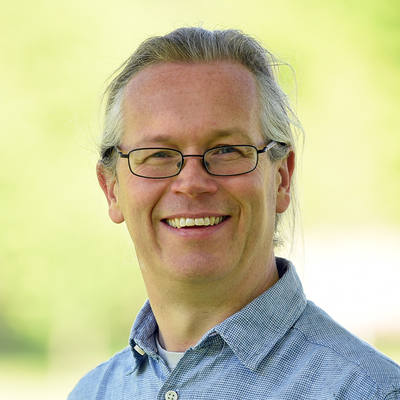
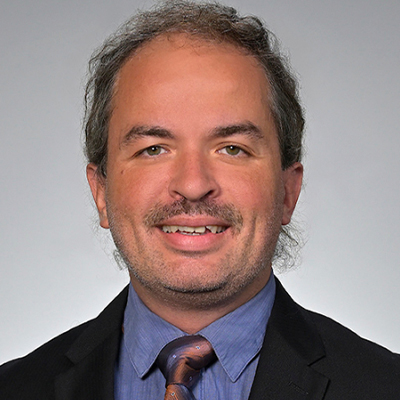
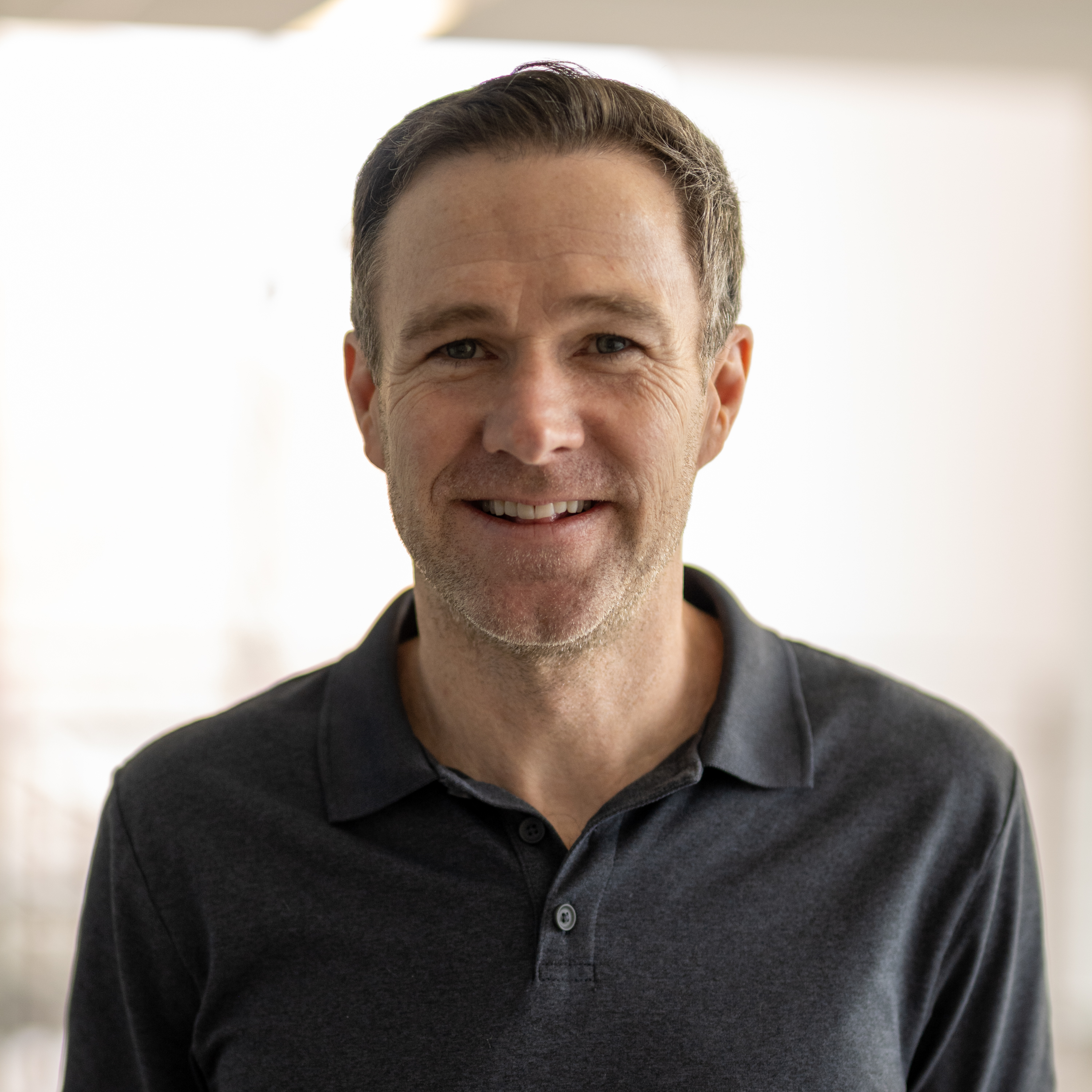
Thomas Michaels is an Assistant Professor at the Department of Biology, ETH Zürich, leading the Michaels Group . His research focuses on theoretical models of biomolecular condensates and protein aggregation in biological systems. Research Themes : Protein aggregation, liquid-liquid phase separation, membrane biophysics, and the role of condensates in neurodegenerative diseases like Alzheimer’s and Parkinson’s. Collaborative Approach : Integrates theoretical physics, control theory, and computational biology with experimental validation to design therapeutic strategies. Recent Publications highlight his work on amyloid formation mechanisms, lipid interactions, and phase-separated compartments as biochemical reactors. His group trains PhD students in systems biology and biocondensate physics.
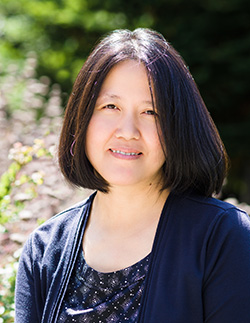
Lin He is the Thomas and Stacey Siebel Distinguished Chair in Stem Cell Research and Professor of Cell Biology and Physiology at the University of California, Berkeley. His laboratory focuses on understanding the biological functions of non-coding RNAs in development and disease, with particular emphasis on microRNAs (miRNAs) in cancer, stem cell biology, and developmental processes. He developed the CRISPR-EZ method for highly efficient mouse genome editing, significantly advancing genetic research. Research interests include miRNAs' roles in tumor progression, metastasis, and pluripotency regulation in stem cells. His work bridges mouse genetics, genomics, and molecular biology to uncover mechanisms governing non-coding RNA functions. Current projects address miRNAs in oncogenesis, stem cell fate determination, and the interplay between non-coding RNAs and retrotransposons in development. Key contributions include identifying miRNA networks in cancer pathways, demonstrating miRNA requirements for ciliogenesis and lung development, and advancing CRISPR-based genome editing techniques. His interdisciplinary approach integrates genetic, genomic, and cellular tools to explore fundamental questions in biology and medicine. Lab website: helabucb.org CRISPR-EZ technology enables 100% genome editing efficiency in mouse zygotes Pioneering studies on miRNA regulation of PTEN, p53, and oncogene pathways
Leibniz Institute for Zoo and Wildlife ResearchGermany
Dr. Andrew Bassett serves as Head of the Cellular and Gene Editing Research group at the Wellcome Sanger Institute, where he develops cutting-edge genome engineering techniques using human pluripotent stem cells to investigate neurodegenerative diseases including Alzheimer's and Parkinson's. His work focuses on scaling genetic screening approaches and improving CRISPR specificity for modeling complex disease mechanisms. His academic training includes: PhD at the MRC Laboratory of Molecular Biology (MRC-LMB) with Andrew Travers on chromatin remodelling in heterochromatin formation Postdoctoral research with David Baulcombe at the University of Cambridge studying small RNA roles in chromatin modification Additional postdoctoral work with Chris Ponting at the MRC Functional Genomics Unit (MRC-FGU) in Oxford, where he pioneered CRISPR applications in Drosophila Bassett's research program centers on developing advanced genome engineering methodologies for precise modulation of gene expression networks during development and neurodegeneration. His group specializes in creating complex editing events (SNPs, paired knockouts, enhancer perturbations) within iPSC-derived models, with particular emphasis on epigenetic regulation and transcriptional control. Current projects integrate single-cell 'omics and phenotypic assays to decode genetic causes of neurodegenerative disorders through the OpenTargets consortium. Analysis of his 15 most recent publications reveals dominant trends in CRISPR technology development (35%), neurodegenerative disease modeling (30%), and single-cell functional genomics (25%). His work consistently bridges methodological innovation with disease mechanism studies, increasingly incorporating multi-omics approaches and expanding into cancer immunology and infectious disease applications since 2022. As group leader, Bassett mentors postdoctoral researchers and PhD students while securing major funding for genome engineering initiatives. His team operates within the Sanger Institute's Cellular Operations division and maintains critical partnerships with the OpenTargets consortium for therapeutic target validation. The laboratory specializes in high-throughput screening platforms using iPSC-derived neural and microglial models, with recent methodological advances including scSNV-seq and ONE-STEP tagging systems that significantly enhance precision genome editing capabilities.
Michael Boutros is a Full Professor at Heidelberg University and Head of Division at the German Cancer Research Center (DKFZ). He currently serves as Dean of the Medical Faculty at Heidelberg University (since 2023) and Director of the Marsilius Kolleg (since 2020). He has held leadership roles including Coordinator of the Functional and Structural Genomics Program at DKFZ (2014–2023) and Acting Scientific Director (2015–2016). His academic base is within the Medical Faculty, focusing on molecular oncology and functional genomics. PhD, Witten/Herdecke University (1993–1996) Postdoctoral Research, Harvard Medical School (1999–2003) MPA, John F. Kennedy School of Government, Harvard University (1999–2001) Additional training: Cold Spring Harbor Laboratory, SUNY Stony Brook His research centers on Wnt signaling, functional genomics, and cancer pathways. He leads major research initiatives such as CRC 1324 on Wnt signaling and the ERC Synergy Grant DECODE. His work integrates high-throughput screening, CRISPR, and systems biology to dissect signaling networks in cancer and development. He has pioneered genome-wide RNAi and CRISPR screens to identify novel regulators of Wnt signaling across models. The 15 most recent articles reflect a strong focus on Wnt pathway regulation using functional genomics in both Drosophila and mammalian systems. Themes include high-throughput screening, CRISPR-based validation, cross-species conservation, and therapeutic targeting. Keywords span Cancer Biology, Systems Biology, and Signal Transduction, with subfields like RNAi, ubiquitination, stem cell regulation, and machine learning in image analysis. Michael Boutros has received numerous scientific honors: Elected member, Leopoldina National Academy of Sciences (2022) Elected member, Heidelberg Academy of Sciences (2022) EMBO Member (2013) ERC Advanced Grant (2012) Johann-Georg Zimmermann Research Award (2007) EMBO Young Investigator (2005) Member, 'Die Junge Akademie' (2003) He has been a recipient of the Emmy-Noether Program, McCloy Fellowship, Boehringer Ingelheim PhD Fellowship, Studienstiftung Fellowship, and Fulbright Fellowship. As a mentor and research leader, he has supervised numerous early-career scientists and coordinated large collaborative grants including the FP7 'CancerPathways' project. He currently serves as Speaker of the Research and Strategy Commission at Heidelberg University and Managing Director of the Health and Life Science Alliance Heidelberg Mannheim. He leads the CRC 1324 on Wnt signaling and is Coordinating PI of the ERC Synergy Grant DECODE. He is also Spokesperson of DFG Research Group 1036 and Coordinator of the former FP7 Coordinated Project 'CancerPathways'. His lab employs cutting-edge functional genomics tools to decode signaling networks in cancer and development.
Miler T. Lee is an Associate Professor at the University of Pittsburgh , focusing on gene regulation during early embryonic development through high-throughput experimental and computational genomics. He earned his Ph.D. in Genomics and Computational Biology in 2009 from the University of Pennsylvania under Dr. Junhyong Kim, followed by postdoctoral work with Dr. Antonio Giraldez at Yale University. Joining the university in 2016, his research spans maternal-to-zygotic transition (MZT), RNA stability, pluripotency networks, and evolutionary developmental biology, utilizing model organisms like zebrafish, Xenopus, and Hydractinia symbiolongicarpus. Key Research Themes: Maternally inherited RNA dynamics during embryogenesis Mechanisms of RNA degradation and transcriptome remodeling Evolution of pluripotency networks in hybrid species Role of zinc signaling in fertilization barriers Computational tools for RNA regulation and sensing Scientific Awards: Pan-American Society for Evolutionary Developmental Biology Junior Faculty Award (2024) Outstanding New Investigator – International Xenopus Board (2023) Basil O'Connor Scholar – March of Dimes (2017-2019) Recent publications highlight his work on enhancer classification, RNA degradation mechanisms, and cross-species MZT comparisons. His lab develops innovative methods like RESA for regulatory sequence analysis and studies evolutionary divergence in RNA localization patterns. While the articles span computational and experimental approaches, they consistently address RNA's role in cellular identity, developmental timing, and evolutionary adaptation. Applications include understanding pluripotency, designing RNA biosensors, and elucidating fertilization barriers. Prospective Ph.D. students are encouraged to contact him for opportunities in gene regulation, development, evo-devo, and computational genomics.
Dr Amin Ardestani , Senior Lecturer in Metabolic Signaling at the Biomedical Institute for Multimorbidity (BIM), Hull York Medical School (HYMS) , specializes in unraveling molecular mechanisms of pancreatic β-cell failure in diabetes. His research program identifies novel therapeutic targets through signal transduction studies in metabolic disorders. Bachelor's in Biology, Tarbiat Moalem University (2004) Master's in Biochemistry, Institute of Biochemistry and Biophysics (2007) PhD in Biology, University of Bremen (2013) Junior Group Leader at University of Bremen (2014-2023) Research focuses on Hippo and mTOR signaling pathways in β-cell biology, autoimmunity, and regeneration. His work bridges mechanistic biology with drug discovery for diabetes, with significant findings on PHLPP1/2 phosphatases and MST1/2 kinases. Recent publications highlight therapeutic strategies for β-cell protection , including small molecule inhibitors (e.g., MST1/2 inhibitors) and metabolic enzyme modulation (LDHA). Collaborative studies explore SARS-CoV-2 interactions with pancreatic cells and cross-talk between acinar and β-cells in diabetes. 2019 JDRF Advanced Postdoctoral Fellowship 2018 Impulse grant & Career Advancement Award 2017 Early Investigators awards (Endocrine Society, EFSD/Lilly Programme) 2014 Albert Renold Fellowship & Bremer Studienpreis Professional roles include Editorial Board Member at Scientific Reports and Associate Editor at Frontiers in Endocrinology . He reviews grants for DFG, Diabetes UK, and ISF, and evaluates manuscripts for top-tier journals like Cell Metabolism and Nature Communications.
University of California , Santa Barbara (UCSB)United States
Norbert O. Reich is a Distinguished Professor in the Department of Chemistry & Biochemistry at the University of California, Santa Barbara (UCSB), affiliated with the College of Letters and Science. He joined UCSB in 1987 after completing his Ph.D. at UCSF in 1984 and an NIH postdoctoral fellowship there. His research focuses on enzyme mechanisms, particularly DNA methylation and telomerase, with applications in antibiotic and cancer therapy design. He also develops innovative chemical biology tools, including gold nanoshell-based drug delivery systems and fluorescence-based protein tracking methods. Education: Ph.D. in Chemistry from UCSF (1984). Awards: Regent's Junior Faculty Fellowship (1987), American Cancer Society Faculty Research Award (1991), UC President's Award for Excellence in Undergraduate Research (1994). Research Interests: Epigenetic regulation via DNA methylation in bacteria and mammals Enzyme mechanisms of DNA methyltransferases (e.g., DNMT3A, CcrM) Design of therapeutic inhibitors targeting epigenetic enzymes Light-controlled delivery of proteins/RNA via gold nanoshells Protein-DNA interaction analysis using microfluidic arrays Awards and Recognition: His honors reflect contributions to both research and education, emphasizing his dual impact in science and teaching. Lab and Collaborations: Leads the Reich Lab, collaborating with researchers like Tom Pettus (UCSB) and Erkki Ruoslahti. Projects include antibiotic development, cancer epigenetics, and nanotechnology-driven drug delivery. Future Work: Expanding applications of nanoshell technology for targeted gene silencing and exploring allosteric inhibitors of DNMT3A for cancer treatment.
James Smith is an Associate Professor and scientific group leader at Norwich Medical School, University of East Anglia, UK, where he leads research in pluripotent stem cells and cardiovascular disease. He is a member of the Metabolic Health and Cardiovascular and Metabolic Health research groups. Education: PhD in Mesenchymal Stem Cells and Extracellular Matrix, University of Birmingham Post-doctoral training in automated manufacture of human pluripotent stem cells, University of Nottingham His research focuses on using CRISPR gene editing and human induced pluripotent stem cells (hiPSCs) to model and investigate cardiovascular diseases. Key areas include the role of snoRNAs in heart development and disease, cardiomyocyte maturation, and inflammatory responses following cardiac interventions. He established his independent research group at UEA in 2019. The recent publications reflect a strong trend in molecular and cellular cardiology, particularly in non-coding RNA biology, extracellular matrix interactions, and stem cell-based disease modeling. His work bridges basic science with clinical implications, especially in hypertrophic cardiomyopathy and post-intervention inflammation. Scientific Funding & Projects: Identifying novel SNORD116 targets and signalling pathways – Foundation for Prader-Willi Research (2025–2026) Do snoRNAs govern genotype-phenotype interactions in hypertrophic cardiomyopathy? – British Heart Foundation (2023–2027) Dupuytren’s Disease: Genetic variants and cellular phenotype – Action Arthritis (2026–2029) Investigating cardiomyocyte communication in hypertrophic cardiomyopathy – Academy of Medical Sciences (2020–2022) He advises graduate students and early-career researchers in his lab, though specific names are not listed. He has secured competitive grants from major funding bodies and maintains an active laboratory focused on translational cardiovascular research. His work contributes to the UN Sustainable Development Goal 3: Good Health and Well-being. He is based at the Bob Champion Research & Education Building and maintains a lab website at https://www.smithlabuea.com/ .
Pavel P. Kuksa is a Research Assistant Professor in the Department of Pathology and Laboratory Medicine, specializing in bioinformatics, computer science, and functional genomics. His work focuses on high-throughput sequencing analysis, chromatin interaction data, and developing scalable software platforms for genomics research.
Christopher S. Sullivan is a Professor in the Department of Molecular Biosciences within the College of Natural Sciences at the University of Texas at Austin. He directs an active research laboratory focused on viral non-coding RNA biology and host-pathogen interactions, with continuous funding evidenced by publications spanning 2005-2025. His work bridges molecular virology, immunology, and RNA biology through investigations of tumor viruses and host defense mechanisms. Research interests center on the role of non-coding RNAs in viral infection and host defense pathways, with particular emphasis on viral microRNAs , RNA interference mechanisms , and host-pathogen coevolution . His lab studies diverse virus families including Polyomaviridae, Herpesviridae, Retroviridae, and avipoxviruses, with key discoveries regarding viral miRNA functions in tumorigenesis and immune evasion. Research approaches integrate molecular virology, next-generation sequencing, and computational analysis to dissect RNA-based regulatory networks. Publications reveal consistent focus on viral non-coding RNA functions, particularly how viruses exploit host RNA machinery (notably DUSP11 phosphatase) to modulate immune responses. Recent work (2021-2025) expands into viral shedding dynamics, SARS-CoV-2 diagnostics, and circular RNA biology in polyomaviruses, demonstrating evolving yet cohesive research trajectory in RNA-virus interactions. Scientific contributions include: Pioneering identification of viral microRNAs across multiple virus families Discovery of DUSP11's critical role in RNA triphosphate regulation during infection Mechanistic insights into viral evasion of RNAi and innate immunity Development of novel RNA-based detection methods The Sullivan lab maintains active collaborations through the Center for Systems and Synthetic Biology, John Ring LaMontagne Center for Infectious Disease, and Interdisciplinary Life Sciences Graduate Programs. Lab culture emphasizes collective scientific inquiry with stated mission to 'increase understanding of pathogen-host interactions while enjoying the company of fellow lab members.' Current research directions include viral exploitation of RNA modification pathways and identification of novel host defense mechanisms using viruses as 'molecular divining rods.'
Dr. Ramanjulu Sunkar is a Regents Professor in the Department of Biochemistry & Molecular Biology at Oklahoma State University. He leads research on epigenetic and small RNA mechanisms in plant stress responses, focusing on gene regulation under drought, heat, and abiotic stresses. His work integrates genomic tools like ChIP, RNA sequencing, and CRISPR/Cas9 to study stress tolerance in crops. Education: B.Sc. (Sri Venkateswara University), M.Sc. and Ph.D. (Sri Krishnadevaraya University, India), followed by postdoctoral research at the Weizmann Institute (Israel), University of Bonn (Germany), and UC Riverside (USA). He joined Oklahoma State University in 2006, becoming Professor in 2016 and Regents Professor in 2024. Research Interests: Epigenetic modifications (DNA methylation, histone changes), microRNA-guided gene regulation, plant stress memory, and translational control mechanisms. His lab uses model systems like Arabidopsis, rice, and sorghum to study adaptive responses to environmental challenges. Grants: Over 15 grants, including USDA-funded projects on microRNA roles in photosynthesis, epigenetic control of drought tolerance, and systems genetics in rice. NSF-EPSCoR support for bioenergy research. Teaching: Courses include 'Plant Biochemistry,' 'Epigenetics,' and graduate supervision through research credits. Developed new courses on plant stress biology and molecular techniques. Labs/Teams: Leads a research group focused on epigenomics and RNA regulation in plants. Collaborates internationally on projects like the Arabidopsis transcriptome and stress memory mechanisms.
Andrew Godwin is a Professor at the University of Kansas Medical Center , where he serves as the Chancellor’s Distinguished Chair in Biomedical Sciences and Director of Molecular Oncology in the Department of Pathology and Laboratory Medicine. He is also the Deputy Director of the NCI-designated University of Kansas Cancer Center and the Founding Director of the Kansas Institute for Precision Medicine and Biospecimen Shared Resource . Dr. Godwin is a leader in translational research and precision medicine , with a focus on molecular oncology , biomarker discovery , and genomic diagnostics . His work bridges basic and clinical science to improve cancer patient care, particularly in ovarian cancer , Ewing sarcoma , and breast cancer . He has contributed over 230 ovarian cancer-related publications and pioneered studies linking the PI3K/AKT pathway to cancer treatment targets. His research program encompasses liquid biopsies using extracellular vesicles , molecular therapeutics , companion diagnostics , and clinical trial validation . He leads the Biomarker Discovery Laboratory and has secured over $250M in extramural funding , including a $11.4M NIH grant for precision medicine initiatives. His team has developed CELLSEARCH® , the first FDA-cleared test for circulating tumor cells. Notable awards include the Dolph C. Simons, Sr. Higuchi Award (2020), Outstanding Mentorship in Pathology Award (2024), and multiple mentoring accolades from KU. He has mentored over 150 trainees across career stages and leads a multidisciplinary lab with expertise in genomics , proteomics , and bioengineering . Academic Roles: Chancellor’s Distinguished Chair in Biomedical Sciences Director, Molecular Oncology, Pathology and Laboratory Medicine Deputy Director, KU Cancer Center Founding Director, Kansas Institute for Precision Medicine Adjunct Professor, Bioengineering Program, University of Kansas Scientific Awards: KUMC Achievement Award for mentoring postdocs (2014) Chancellor’s Club Award for Research (2018) Dolph C. Simons, Sr. Higuchi Award (2020) KU Excellence in Mentoring Award (2021) Outstanding Mentorship in Pathology (2024) Key Research Themes: Extracellular vesicles as liquid biopsy tools Molecular mechanisms of sarcoma and breast cancer Genomic diagnostics and precision oncology Clinical trial biomarker validation Biospecimen repository leadership
University of California, Los AngelesUnited States
Dr. Steven Jacobsen is a Professor in the Molecular, Cell, and Developmental Biology Department at the University of California, Los Angeles (UCLA), where he leads the Jacobsen Lab. His work focuses on epigenetic inheritance and gene regulation in Arabidopsis thaliana and mammalian stem cells, utilizing genetic screens, genomics, epigenomics, and biochemical approaches. The lab also pioneers CRISPR-mediated genome editing techniques. University: University of California, Los Angeles Department: Molecular, Cell, and Developmental Biology Research Interests: Jacobsen's research spans multiple interconnected domains in epigenetics, including DNA methylation patterning, histone modification interplay, and transposable element silencing. His team investigates how chromatin structure influences gene expression and epigenetic inheritance, with applications from plant development to human health. Key areas include: CRISPR-based epigenetic modifications RNA-directed DNA methylation (RdDM) mechanisms Chromatin compaction via MORC proteins Histone variant functions in methylation Transposon control in plant genomes Comparative epigenomics across species Advising Legacy: Over two decades, Dr. Jacobsen has mentored 21 former lab members who now hold academic and industry positions globally, including professors at Chinese Academy of Sciences, University of Georgia, and Southern University of Science & Technology. His lab's publications reveal a consistent focus on DNA methylation dynamics, chromatin remodeling, and small RNA pathways, with recent work emphasizing CRISPR innovations and structural insights into epigenetic regulators.
Maureen Sartor is a Professor in the Department of Computational Medicine and Bioinformatics at the University of Michigan Medical School. Her work bridges computational biology, epigenetics, and cancer research, with recent contributions to understanding environmental toxicant impacts on DNA methylation, HPV-associated head and neck cancers, and neurodegenerative disease mechanisms. Key research themes: Epigenetic regulation, bioinformatics modeling, environmental health Active clinical trial collaborations in immunotherapy rechallenge and neoadjuvant treatment strategies Leadership in cross-species toxicoepigenetic studies and microbiome-immune crosstalk in oral cancer Recent publications highlight her expertise in: Epigenetic age acceleration in ALS and its environmental correlates HPV integration mechanisms in oropharyngeal cancer Chemical oxidation techniques for piRNA discovery Sex-specific epigenetic responses to lead and phthalate exposure Her interdisciplinary approach connects computational methods with experimental validation across multiple disease models.
Emma Denham is a Senior Lecturer in Microbiology at the University of Bath's Department of Biology and Biochemistry, part of the Centre for Climate Adaptation & Environment Research (CAER). She transitioned to Bath in 2018 from the University of Warwick, where she served as an Assistant Professor. Her research focuses on non-coding RNAs in Bacillus subtilis , exploring their roles in post-transcriptional regulation, biofilm formation, antimicrobial resistance, and metabolic pathways. She investigates how small RNAs (sRNAs) and antisense RNAs modulate bacterial behavior under environmental stress. Education & Career: BSc Biology, University of Leicester PhD in Microbiology, Pirbright Institute (formerly Institute for Animal Health) Postdoctoral Research, Jan Maarten van Dijl's lab (EU consortia on systems/synthetic biology) Research Interests: Emma's lab studies regulatory RNAs' impact on B. subtilis behavior, including biofilm formation, competence, and antibiotic resistance. Notable projects include identifying novel sRNA mechanisms distinct from Gram-negative systems and exploring RNA sponges that regulate the RoxS riboregulator. Collaborative efforts include applying bacterial systems to develop zero-carbon concrete via Engineering and Physical Sciences Research Council (EPSRC) grants (2023). Recent Work Trends: Recent articles highlight mechanisms of bacterial resistance to antiseptics, transcriptome annotation via Rend-seq, and RNA-sponge-mediated regulation. These studies bridge basic microbiology with applied challenges like biocide resistance and sustainable materials. Grants & Collaborations: EPSRC IAA Project: Bacteria-based zero carbon concrete (2023) EU consortia during postdoctoral work Labs & Teams: Leads a microbiology lab at Bath, focusing on interdisciplinary projects combining genomics, systems biology, and synthetic approaches to understand bacterial adaptation and regulatory networks.