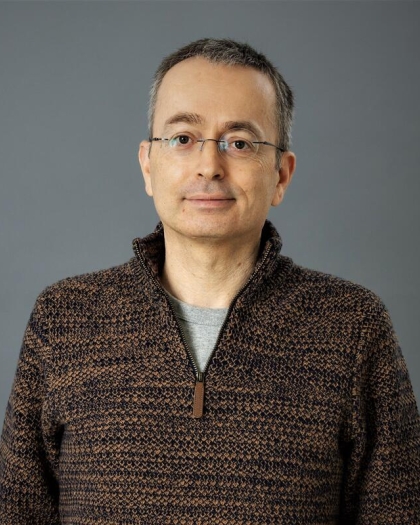
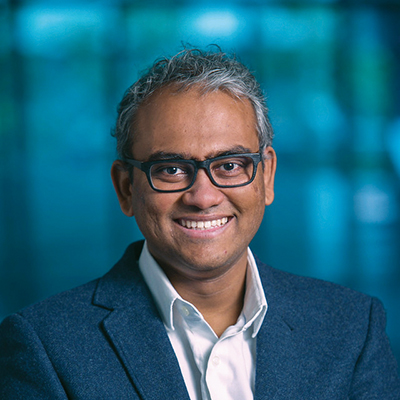
Daniel Puig is a Postdoctoral Fellow at the University of Bergen's Department of Geography. His research focuses on the social dimensions of climate change adaptation, particularly non-economic loss and damage, with emphasis on the erosion of intangible cultural heritage due to climate impacts. He employs ethnographic methods, agent-based modeling, and natural language processing to analyze these phenomena. Key research interests include climate justice, vulnerability assessments, and the intersection of cultural preservation with environmental policy. His work spans global contexts, with notable case studies in the Pacific small-island states, sub-Saharan Africa, and European urban environments. Publications highlight trends in loss and damage frameworks, renewable energy transitions, and the role of non-state actors in climate governance. His recent work critiques current adaptation measures and advocates for more inclusive policy approaches that account for intangible cultural losses. While no formal awards are listed, his contributions to climate policy analysis and cultural heritage studies are significant. He is affiliated with UiB's Geography Department and contributes to international climate research networks. His research often intersects with United Nations climate policy agendas, particularly the Paris Agreement implementation mechanisms.
Professor Monica Whitty is the Head of the Department of Software Systems and Cybersecurity at Monash University. She specializes in human factors in cybersecurity, with a focus on cyber fraud prevention, insider threat analysis, and mis/disinformation detection. Her career includes roles at Russell Group and 1994 Group UK universities, as well as leadership at the UNSW Institute for Cyber Security (IFCYBER). She has secured over $20 million AUD in research funding and leads interdisciplinary teams on projects addressing global cybersecurity challenges. Education: PhD (Psychology) and BA (Hons) from Macquarie University. Research interests include the psychological profiles of cyber fraud victims, cybersecurity training efficacy, and the sociotechnical dimensions of insider threats. She has provided expert testimony in over 10 international cases involving cyber fraud-related legal disputes. Key Research Trends: Recent work emphasizes AI-driven fraud detection, ethical frameworks for digital credentials, and culturally responsive cybersecurity strategies for Indigenous communities. Her publications bridge psychology, criminology, and technology to address emerging threats like deepfakes and click fraud. Grants & Collaboration: Current projects include an ethical blockchain framework for digital credentials (DFAT-funded), disinformation detection tools, and enhancing organizational resilience against insider attacks. She collaborates with institutions globally, including the Oxford Internet Institute and the University of Leicester. Labs/Teams: Leads Monash’s cybersecurity research initiatives, focusing on human-centric security solutions and cross-disciplinary innovation. Her work influences policy development in Australia and the UK, with media engagements exceeding 50 keynote talks annually.
Dennis S. Davis is an Associate Professor of Literacy Education in the Department of Teacher Education and Learning Sciences at NC State College of Education. He specializes in upper-elementary literacy instruction, focusing on reading comprehension, assessment, and interventions for students struggling with reading. His work emphasizes supporting educators in developing specialized knowledge to teach reading effectively, particularly for multilingual learners and high-poverty student populations. He coordinates the M.Ed. concentration in Reading Education and directs the Wolfpack Readers program, offering tutoring services, graduate student training, and undergraduate mentorship. Dr. Davis holds a PhD in Learning, Teaching, and Diversity from Peabody College at Vanderbilt University (2010). His research aligns with the mission of The Literacy Space initiative, which bridges rigorous research with practical literacy interventions. Key projects include the Building Reading Comprehension through Knowledge, Language, and Structured Inquiry (KLI) intervention funded by IES, and the Systems for Uncorrelating Poverty and Reading (SUPR) project, exploring high-performing schools in high-poverty areas. His recent publications (2020–2025) address barriers in reading interventions, teacher knowledge gaps, and equity in literacy education. Affiliations: Elementary Education Program, Literacy and English Language Arts (LELA) PhD concentration. Grants: IES-funded KLI project, NC State Interdisciplinary Research Hub SUPR grant.
Kuan-Hao Huang is an Assistant Professor in the Department of Computer Science & Engineering at Texas A&M University , part of the College of Engineering . He leads the FLAIR Lab , focusing on developing trustworthy and generalizable language AI systems. Previously, he was a Postdoctoral Researcher at the University of Illinois Urbana-Champaign and earned his Ph.D. from UCLA. Education : Ph.D., Computer Science, UCLA (2023) M.S., National Taiwan University (2016) B.S., National Taiwan University (2014) Research Interests : His work centers on robustness of large language models (LLMs), multimodal concept learning, multilingual text understanding, and data-driven knowledge extraction. He emphasizes systems that are adaptable to new domains, languages, and modalities. Recent Trends in Publications : His recent work explores personalized AI agents, data augmentation techniques, event extraction benchmarks, and ethical AI alignment. The articles reflect a focus on bridging theory and application in NLP and multimodal systems. Awards : ACL 2023 Area Chair Award KDD Cup 2013/2015 Top Placements Taiwanese AI Thesis Honorable Mention (2016) Advising & Labs : He mentors a growing team at the FLAIR Lab, including PhD/MS students like Oscar Chew and Saransh Agrawal. His lab actively seeks motivated researchers in LLMs, multimodal learning, and multilingual NLP.
Pratik Chaudhari serves as an Assistant Professor in Electrical and Systems Engineering at the University of Pennsylvania's School of Engineering and Applied Science, with secondary appointments in Computer and Information Science and membership in the Applied Mathematics graduate group. He is a core faculty member of the GRASP Laboratory and affiliated with the Penn Institute for Computational Science (PICS), Center for AI-enabled Systems (ASSET), and Center for AI And Data Science For Integrated Diagnostics (AI2D). Additionally, he holds an Amazon Scholar position at Amazon Web Services focused on large language models. His educational background includes: PhD in Computer Science, UCLA (2018) Engineer's degree (2014) and Master's degree (2012) in Aeronautics & Astronautics, MIT Undergraduate studies in Aerospace Engineering, IIT Bombay (until 2010) Chaudhari's research investigates theoretical foundations of deep learning and visual perception in robotics through interdisciplinary approaches blending information theory, neuroscience, and physics. His group explores 'sloppiness' in learning systems—where biological and artificial networks maintain robustness while adapting to new tasks—and develops methods for learning with minimal data, particularly applied to medical diagnostics like Alzheimer's disease. This work bridges microscopic protein networks, neural processing, and machine learning efficiency. His scientific recognition includes: NSF CAREER Award for unraveling universal learning principles across biological and artificial systems Chaudhari actively mentors students across multiple levels, supervising 12 PhD candidates (including primary advisees Jialin Mao and Rahul Ramesh) and 12 Master's students. His NSF-funded research examines how 'sloppiness' enables deep networks to function with minimal neuron adjustments, with applications in small-data medical diagnostics. He also organizes workshops including NeurIPS 2020 on Information Geometry and RSS 2025 on Aerial Autonomy. He leads research initiatives within the GRASP Laboratory and collaborates with Penn's AI2D center on integrated diagnostics, while developing educational programs like 'Greater Philly Machine Learning Day' to foster regional industry-academia partnerships.
John Begeny is a Professor in the Department of Psychology at North Carolina State University, affiliated with the College of Humanities and Social Sciences. His work focuses on advancing educational equity through academic interventions, community-university partnerships, and internationalization efforts. He leads the ERPAS (Educational Research and Partnerships for Academic Success) team, which emphasizes collaborative projects with schools, parents, and communities to improve academic outcomes for children and adolescents globally. His research spans early literacy programs like the HELPS (Helping Early Literacy with Practice Strategies) Reading Fluency Program, virtual coaching models (V-COACH), and cross-cultural adaptation of educational interventions. He also explores methodological advancements in mixed-methods research and implementation science within school psychology. Key awards include the 2010 Reviewer of the Year Award. His grants and partnerships involve training educators, developing scalable interventions, and addressing systemic inequities in education. Begeny emphasizes bridging research-practice gaps through evidence-based strategies and culturally responsive practices, with a focus on low-performing students and international collaboration. Labs/Teams: Director of the ERPAS initiative, coordinating interdisciplinary efforts in educational equity. Active in global scholarship through articles analyzing international trends in school psychology and educational policy.
Pernille Just Vinholt is a Clinical Professor and Consultant at the Department of Clinical Research, University of Southern Denmark, with affiliations to Odense University Hospital (OUH) and Kolding Hospital (KI). She is a leading figure in clinical biochemistry, specializing in thrombosis, hemostasis, and bleeding disorders, and actively integrates artificial intelligence into clinical practice. Education: MD, University of Southern Denmark (2000–2007) PhD, Platelet function and bleeding in thrombocytopenia, University of Southern Denmark (2017) Specialty in Clinical Biochemistry (2017) Subspecialty in Thrombosis and Hemostasis (2018) Course in pedagogy for associate professors, University of Southern Denmark (2018) Her research focuses on leveraging AI and natural language processing to enhance clinical decision-making, particularly in identifying bleeding risk and optimizing electronic health records. She has published extensively, with a strong emphasis on translational applications in hematology, oncology, and rheumatology. Her recent publications highlight a shift toward AI-driven healthcare solutions, including natural language processing for bleeding risk prediction, AI-assisted clinical documentation, and tools for monitoring arthritis and cancer progression. These works span disciplines such as medical informatics, transfusion medicine, and patient safety. Scientific Awards: She has supervised multiple PhD and pregraduate students and is actively involved in research projects like the Intelligent Patient Journal and AI models for prostate cancer. Her leadership extends to national committees, including the Regional Education Committee in Clinical Biochemistry and the National Education Committee for Clinical Biochemists. She also contributes to public discourse through frequent media appearances on AI in healthcare. Labs and Teams: She is a key member of the Research Unit of Clinical Biochemistry at OUH and collaborates with interdisciplinary teams in AI, engineering, and clinical medicine, including projects with SDU’s Technical Faculty and partners in the Region of Southern Denmark.
Gert Smolka is a Professor of Computer Science at Saarland University, affiliated with the Saarland Informatics Campus. His research lies at the intersection of programming languages, computational logic, and formal verification, with a strong focus on type theory and interactive theorem proving using the Coq proof assistant. His research interests include: Computational Logic Interactive Theorem Proving Type Theory Programming Languages Formal Verification Automated Reasoning His recent publications (2017–2023) demonstrate a sustained focus on formalizing foundational mathematical and computational concepts in Coq. Key themes include: Synthetic undecidability and mechanized incompleteness proofs Formalization of lambda calculi and their semantics Constructive set theory and model theory in dependent type theory Automata and logic, including Büchi automata and S1S Compiler and machine verification Decision procedures for modal and hybrid logics He has received no explicitly mentioned scientific awards in the provided text, but his long-standing contributions to the field are evident through extensive publication in top venues such as CPP, ITP, POPL, and JAR. He has advised or collaborated closely with several doctoral students and researchers, including Yannick Forster, Dominik Kirst, Christian Doczkal, and Mark Kaminski. His work often involves deep formalization projects in Coq, contributing to the foundations of programming language theory and mathematical logic. He is associated with the Programming Systems Lab at Saarland University, where he leads research in programming language theory and formal methods.
Antonietta Mira is a Full Professor of Statistics at the University of Italian Switzerland (USI), where she also serves as the founder and director of the Data Science Lab. She holds a part-time professorship at Università dell'Insubria and has held visiting roles at institutions such as the University of Cambridge and Université Paris-Dauphine. Her academic leadership includes a Vice-Dean role in the Faculty of Economics (2013-2015). She earned a PhD in Computational Statistics from the University of Minnesota (1998), a Master's in Statistics (1996), and a Doctorate in Methodological Statistics from the University of Trento (1995). Her research focuses on Bayesian statistical models, computational statistics, and interdisciplinary applications in healthcare, finance, and social sciences. Mira is a Fellow of the International Society for Bayesian Analysis (ISBA) and the Istituto Lombardo Accademia di Scienze e Lettere. Her work has been recognized with awards for both research and teaching excellence. She leads Swiss National Science Foundation-funded projects and serves on editorial boards of journals like Bayesian Analysis and Statistica Sinica . Her publications span topics such as approximate Bayesian computation (ABC), spatio-temporal modeling of health events, and data science applications in public policy. Mira also engages in public outreach, including scientific exhibitions like Numbed by Numbers! and lectures on data-driven societal issues.
Andrew K. Hirsch is an Assistant Professor in the Department of Computer Science and Engineering at the University at Buffalo, SUNY, where he is a core member of the Databases and Programming Languages research group. His work bridges programming language theory and practical system design, focusing on choreographic programming and information-flow security. Research Interests: His research centers on programming languages for decentralized and concurrent systems, particularly choreographic programming—a paradigm where a global program is compiled into distributed components. He investigates type systems, process polymorphism, and secure communication protocols. Additionally, he works on information-flow security, formalizing declassification policies, and using interaction trees for mechanized security proofs. Publication Trends: His recent publications (2023–2025) reflect a strong focus on expressive choreographic languages with features like first-class locations, process polymorphism, and macro-based DSLs. Earlier works explore computational effects, authorization logic, and secure semantics—showing a consistent trajectory in language-based security and concurrency. Scientific Awards: No specific awards are mentioned in the provided text. Advising and Grants: He advises multiple doctoral and master’s students, including Michael Piskozub, Alexander Bohosian, and Keith Allen Mason Lary. His research is supported by an NSF grant titled "SHF: SMALL: Open Choreographies via Session Types," which funds his work on extending choreographic programming to interact with external systems. He integrates student learning through the UB CSE Experiential Learning and Research (EL/R) program. Labs and Teams: He helps lead the Databases and Programming Languages group at the University at Buffalo. He has developed tools like Choret (a Racket-based choreographic DSL) and the Pirouette compiler. His projects, including Open Choreographies and the Pirouette Language Compiler, are publicly available on GitHub, indicating active collaboration and open research practices.
Sudheer Chava is an Adjunct Professor at Georgia Institute of Technology’s School of Computational Science and Engineering, concurrently serving as the Alton M. Costley Chair and Director of the Master of Science in Quantitative & Computational Finance (QCF) program. He also leads the Financial Services Innovation Lab. Chava holds a Ph.D. from Cornell University (2003), an MBA from Indian Institute of Management Bangalore, and prior industry experience as a fixed income analyst in India. His academic journey includes roles at University of Houston and Texas A&M before joining Georgia Tech in 2010. His research focuses on Credit Risk, Banking, Corporate Finance, and Financial Technology, with publications in top journals like the Journal of Finance, Journal of Financial Economics, and Review of Financial Studies. Notable achievements include the Ross Award (2008), Brattle Prize Finalist (2008), and multiple research grants such as FDIC-CFR and Morgan Stanley grants. He has taught courses ranging from Derivatives to Cases in Financial Crisis at both undergraduate and doctoral levels. Chava’s work explores intersections of finance and technology, including E-commerce’s impact on retail sectors, implications of minimum wage policies on small businesses, and applications of machine learning in financial risk prediction. His lab, the Financial Services Innovation Lab, drives research into fintech solutions and market dynamics. He also serves as an Associate Editor for the Journal of Banking and Finance and Journal of Credit Risk, highlighting his leadership in academic publishing.
Professor Crispin Miller is Head of Bioinformatics at the Cancer Research UK Scotland Institute, where he leads the Computational Biology group. His research integrates machine learning, genomics, and clinical science to investigate tumour evolution and gene regulation. He holds a PhD in Bioinformatics (2000) and a BSc in Artificial Intelligence (1996) from the University of Manchester. His career includes roles as Senior Group Leader at Cancer Research UK Manchester Institute (2012–2018) and Senior Staff Scientist at the Paterson Institute for Cancer Research (2007–2012). His team focuses on cancer 'omics data, regulatory pathways, alternative splicing, and genome rearrangements in tumours. Professor Miller's research spans computational oncology, cancer immunology, and machine learning applications in genomics. His group develops algorithms to analyze large-scale tumour sequencing data, aiming to identify therapeutic targets and biomarkers. Recent publications emphasize cancer subtyping, immune regulation, metastatic mechanisms, and AI-driven protein modelling. Common themes include tumour microenvironment interactions, immune evasion strategies, and precision medicine approaches across liver, lung, ovarian, and colorectal cancers. He currently advises PhD students including Britt van Abeelen, Ekansh Chauhan, Jennifer Muscat, Mayank Sikarwar, and Boyu Yu. His lab comprises postdoctoral scientists and computing specialists working on interdisciplinary cancer research projects.
Prof. Franz Essl is a Professor in the Faculty of Life Sciences at the University of Vienna, leading the Department of Botany and Biodiversity Research. His work focuses on biological invasions, plant ecology, and conservation biology, with particular attention to climate change impacts and policy implications. He has published over 378 articles and led 10+ research projects, including the BioMonI initiative for island biodiversity monitoring and studies on plant naturalization under environmental change. Research interests include global patterns of invasive species, ecological consequences of climate change, and the interplay between human activities and biodiversity. Notable contributions address policy measures for managing biological invasions, cultural perceptions of non-native species, and the legacy effects of historical land use. Recent publications highlight topics like the cultural integration of invasive species, ethical dilemmas in conservation, and the global biodiversity footprint of urban consumption. His work bridges ecological research with socio-economic factors, emphasizing the need for interdisciplinary solutions to ecological challenges. Prof. Essl collaborates internationally, with projects spanning Europe, Asia, and Africa. His research has been featured in high-impact journals like Nature Ecology and Evolution and Global Change Biology , and his activities include conference presentations and policy briefs guiding invasive species management.
Javier Arroyo Gallardo is an Associate Professor at the Department of Computer Science (Ciencias de la Computación) at Universidad de Alcalá (UAH), Spain. His research focuses on machine learning applications in finance, blockchain technologies, cryptocurrency analysis, and decentralized autonomous organizations (DAOs). He holds a PhD from Universidad Pontificia Comillas with a thesis on time series prediction methods. Research Interests: His work spans predictive modeling for interval/histogram time series, credit risk assessment using machine learning, blockchain governance structures, cryptocurrency market dynamics, and open collaboration platforms. Notable contributions include developing automated correction systems for programming practices (UnitJudge) and analyzing DAO ecosystems' power dynamics. Recent Trends in Publications: Recent work emphasizes interdisciplinary applications combining AI with financial systems, including P2P lending risk modeling, cryptocurrency portfolio optimization, and blockchain-based governance mechanisms. Over 50% of his 2020+ publications focus on blockchain-related topics. Awards & Recognition: No specific awards mentioned, though his work has been presented at high-profile events like the International Symposium on Open Collaboration. Grants & Advising: Advised multiple research projects on DAOs, crypto markets, and agent-based modeling. Active in collaborative frameworks with industry partners in financial technology and blockchain ecosystems. Labs & Teams: Associated with CSRG-UAH and the Cognitive Science Research Group, focusing on computational methods applied to complex systems analysis.
Joshua J. Guyer is an Assistant Professor of Psychology at Saint Louis University (Madrid Campus) and IE University in Madrid, Spain. He is affiliated with the Department of Psychology within the College of Arts and Sciences at SLU, where he conducts research and teaches in the domain of social psychology. Education: Postdoctoral Research Fellow, Universidad Autónoma de Madrid, Social Psychology Doctor of Philosophy, Queen's University, Social-Personality Psychology Master of Science, Queen's University, Social-Personality Psychology Bachelor of Arts (Honors), Kwantlen Polytechnic University, Psychology His primary research interests lie in attitudes and persuasion , with a specialized focus on nonverbal behavior , particularly how vocal qualities such as pitch, intonation, speech rate, and vocal confidence influence persuasion through self-validation and metacognitive processes. His work explores how these paralinguistic cues affect thought reliance, attitude formation, and behavioral intentions in contexts ranging from everyday decisions to doping in sports and environmental advocacy. The analysis of his most recent publications reveals a consistent and sophisticated research program centered on the psychology of voice in social influence . His work integrates dual-process models (e.g., Elaboration Likelihood Model) with metacognitive theory, showing how vocal features act as both biasing cues and validators of one's own thoughts. A unique and innovative aspect of his recent studies is the extension of vocal pitch effects to self-persuasion, including indirect manipulations like keyboard tones and background music pitch, demonstrating the pervasive influence of auditory cues on confidence and attitude change. Scientific Awards and Honors: Outstanding Excellence in Teaching Award (2019-2024), IE University (29 awards) Faculty Award for Teaching Excellence, SLU-Madrid (2020, 2021) SPSP Small Research Grant Award ($1500, 2019) R.S. McLaughlin Fellowship ($10,000 CAD, 2014) Canadian Psychological Association Certificate of Academic Excellence, Best Doctoral Dissertation (2016-2017) Multiple travel awards from SPSP, APS, and Queen's University Joshua Guyer is an active researcher and educator, securing grants and travel funding to support his work. He advises no listed students in the provided text but collaborates extensively with leading figures in social psychology. He has presented numerous papers and posters at major conferences such as the Society for Personality and Social Psychology (SPSP), Midwestern Psychological Association, and European Association of Social Psychology. He is also recognized for innovative teaching, particularly in online education, as evidenced by his SPSP Best Online Syllabi award. He is affiliated with and conducts research at the Lisbon-Madrid Meeting for Attitudes and Persuasion and has been a Postdoctoral Research Fellow at Universidad Autónoma de Madrid , indicating strong collaborative ties with European research institutions. His work is disseminated not only in academic journals but also in professional outlets like the SPSP’s Character & Context blog, highlighting his commitment to public engagement.