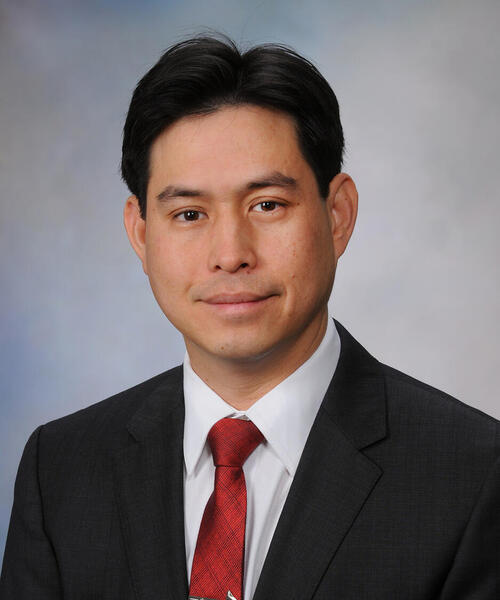
Ho Sung KimView profile
Academic
Ho Sung Kim is an Associate Research Professor of Neurology at the University of Southern California's Keck School of Medicine, working with the USC-INI (USC Institute for Neuroimaging and Informatics) and USC-LONI (Laboratory of Neuro Imaging). His research spans an interdisciplinary cross-section of Medical Image Processing, Machine Learning, and Neuroscience covering clinical neurology and neuropsychiatry. Dr. Kim's research focuses on three primary domains: 1) Prediction of neurodevelopmental outcomes in neonates with clinical conditions such as preterm birth and congenital heart disease; 2) Neuroimaging data quality controls through implementation of the LONI-QC system; and 3) Prediction of brain age and accelerated aging due to neurodegeneration using deep learning approaches. His work applies advanced analytic frameworks including cortical morphometry, voxel-based morphometry, and structural network analysis to assess brain structure in both healthy and pathological conditions. His research portfolio demonstrates consistent focus on brain imaging analysis techniques applied to diverse neurological conditions including stroke, epilepsy, dementia, sleep disorders, and hearing impairment. The most recent publications show increasing integration of deep learning methods with traditional neuroimaging approaches to develop more accurate predictive models for clinical outcomes. Baxter Foundation Faculty Fellowship Award (2017-2018) ISMRM Young Investigator Award (2016) Banting Postdoctoral Fellowships (2015-2017) FRSQ Post-doctoral fellowship (2014-2016) Sleep Research Society Abstract Excellence Award (2013) Dr. Kim leads research projects that analyze BIG DATA of brain imaging to better understand mechanisms involved in various neurological diseases. His work with the LONI-QC system provides valuable tools for the broader neuroimaging community. Current research directions include developing convolutional neural network-based models to estimate brain age and determine risk scores for neurodegenerative diseases, with particular attention to how these models can be translated to clinical applications for early intervention. At USC-INI and USC-LONI, Dr. Kim's team continues to expand their techniques to analyze large-scale brain imaging datasets, working at the intersection of computational methods and clinical neuroscience to address fundamental questions about brain structure, function, and pathology across the lifespan.