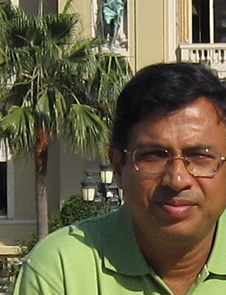
David Vocadlo is a Distinguished Professor of Chemistry and Molecular Biology & Biochemistry at Simon Fraser University (SFU), holding the Canada Research Chair in Chemical Biology. His research focuses on Chemical Glycobiology, investigating carbohydrate-processing enzymes and developing chemical tools to study glycan roles in health and disease. His lab explores O-GlcNAc signaling, neurodegenerative disorders (e.g., Alzheimer’s, Parkinson’s), and enzyme inhibitors for therapeutic applications. Education: PhD from University of British Columbia (UBC), followed by a CIHR postdoctoral fellowship at UC Berkeley. Key roles include E.W.R. Steacie Memorial Fellow and Royal Society Fellow. Research highlights include O-GlcNAcase inhibitors for neuroprotection, glycan structure-function relationships, and enzyme activity imaging tools. Collaborates globally with experts in glycobiology and employs cutting-edge techniques like chemical synthesis, mass spectrometry, and live-cell imaging. Awards: Distinguished Professor title, Canada Research Chair, Royal Society Fellowship. Active in training researchers through SFU’s graduate programs, emphasizing interdisciplinary approaches. Lab members work on topics ranging from enzyme mechanisms to disease modeling.
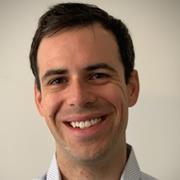
Dr. Frances Chen is a Professor and Area Coordinator in the Department of Psychology at the University of British Columbia (UBC), located on the traditional, ancestral, and unceded territory of the Musqueam People. She holds a PhD from Stanford University (2009). Her research integrates health psychology, social psychology, and neuroendocrinology to explore how social experiences influence mental and physical health. Key areas include the physiological impacts of loneliness, social support, and hormonal changes during puberty on adolescent development. Education: PhD, Psychology, Stanford University, 2009 Research Focus: Dr. Chen investigates how social interactions 'get under the skin' through studies on loneliness, stress, conflict negotiation, and hormonal mechanisms. Her work emphasizes interventions to enhance social connection and reduce health disparities. Recent Article Trends: Recent publications highlight interdisciplinary approaches, including genetic influences on depression, effects of near-infrared lighting on cognition, and longitudinal studies on adolescent hormonal contraceptive use. Her work bridges basic science and applied health outcomes. Awards & Grants: Michael Smith Health Research BC C2 Award (2022) Killam Faculty Research Fellowship (2019) Teaching & Learning Enhancement Fund Grant (2025) SSHRC Prosociality Project Funding (2023) Lab & Mentorship: Director of the Social Health Lab, she mentors graduate and undergraduate students, prioritizing equity and inclusion. Recent lab achievements include studies on teen health development and interventions to improve student success in psychology programs. Lab Initiatives: UBC Teen Health and Development Study (longitudinal hormonal/mental health tracking) NIR lighting health impact research (collaborative interdisciplinary project) Prosociality 'in the Wild' SSHRC project
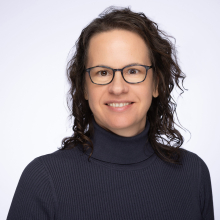
Dr. Steven J. Heine is a Professor of Social and Cultural Psychology and Distinguished University Scholar at the University of British Columbia . As director of the Culture and Self Lab , he leads research programs in Cultural Psychology, Meaning Maintenance, and Genetic Essentialism. Current Roles: Lab Director, Culture and Self Lab; Professor, Department of Psychology, UBC Education: PhD from University of British Columbia; visiting positions at Kyoto University and Tokyo University His research explores how culture shapes self-concept and meaning-making, genetic essentialism's societal implications, and existential responses to absurdity. Google Scholar lists over 15 recent publications (2025–2023) spanning cultural variation in sleep, AI ethics, moral psychology, and terror management theory. A Royal Society of Canada Fellow , he received the Distinguished Scientific Early Career Contributions to Psychology award in 2003. He advises PhD candidates Kate Guan and Dunigan Folk , and Master’s students Mike Mask and Yangyilin Guo . His books include Cultural Psychology (4th ed., 2020) and Start Making Sense (2025). Scientific Awards: Royal Society of Canada Fellow Award for Distinguished Scientific Early Career Contributions to Psychology (2003)
Ying MacNab is an Associate Professor in the Department of Statistics at the University of British Columbia (UBC), Vancouver Campus. She holds an additional affiliation as an Associate Member in the School of Population and Public Health (SPPH). Her research focuses on Bayesian hierarchical modeling, spatial epidemiology, and disease mapping with applications to public health surveillance and aging populations. She has contributed extensively to methodological advancements in Gaussian Markov random fields and spatiotemporal modeling frameworks. Her work bridges statistical theory and practical health challenges, including pandemic-related stress in older adults, opioid treatment outcomes, and infectious disease forecasting. MacNab has collaborated on projects involving mental health assessments (e.g., sleep dysfunction, anxiety/depression in iOAT patients) and has developed novel statistical tools for analyzing spatially and temporally correlated health data. Her research also addresses methodological gaps in coregionalized multivariate models and constrained Bayesian estimation. MacNab's publications reflect a multidisciplinary approach, integrating epidemiological theory with advanced computational methods. Recent trends in her work emphasize dynamic modeling of infection risks, mediation analysis in aging populations, and validation of psychometric scales for health-related stress. She has maintained an active research agenda since the early 2000s, with notable contributions to neonatal health outcomes, injury surveillance, and healthcare quality improvement.
Miriam Diamond is a Professor at the Department of Earth Sciences and School of the Environment, University of Toronto. She holds cross-appointments in Chemical Engineering, Dalla Lana School of Public Health, and Physical & Environmental Sciences. PhD in Chemical Engineering (University of Toronto, 1990) MSc in Mining Engineering (Queen’s University, 1984) MSc in Zoology (University of Alberta, 1980) Her research focuses on chemical contaminant fate, transport, and exposure in indoor and urban environments, Arctic regions, and Great Lakes systems. She develops mathematical models , passive sampling methods , and policy frameworks to address pollution from flame retardants, phthalates, PFAS, and microplastics. Recent publications highlight microplastic extraction techniques , sleeping children’s exposure , and polymeric flame retardant risks . Key awards include the Royal Society of Canada Fellowship and 2025 President’s Impact Award . She supervises PhD candidates Anna Shalin , Lin Boynton , and others. Her policy contributions include serving on the Canadian Chemical Management Plan Science Committee and co-chairing the Earth Commissioner initiative.
Dr. Nancy L. Sin is an Associate Professor in the Department of Psychology within the Faculty of Arts at the University of British Columbia. She teaches undergraduate and graduate courses in health psychology and supervises students at multiple levels. She is Co-Chair of the Antiracism Task Force for the Society for Biopsychosocial Science and Medicine and a member of the Steering Committee at the UBC Edwin S.H. Leong Centre for Healthy Aging. Previously, she served on the Executive Committee for the American Psychological Association's Division on Adult Development and Aging and established the Diversity Mentorship Program. PhD, University of California, Riverside, 2012 Dr. Sin's research focuses on biological and behavioural pathways linking daily well-being and stress to health. Her work demonstrates that emotional responses to daily stressors are associated with inflammatory, neuroendocrine, and autonomic mechanisms implicated in aging-related conditions like cardiovascular disease. She investigates daily positive events as protective factors for stress processes and health, with particular interest in emotional well-being and aging, stress-sleep cycles, and health equity. Her research spans multiple disciplines including health psychology, gerontology, and social psychology. Analysis of Dr. Sin's recent publications reveals consistent focus on daily stress processes, positive emotions, and health outcomes across the lifespan. Her work increasingly examines pandemic-related stressors, social determinants of health, and health disparities, with strong emphasis on methodological rigor through daily diary and longitudinal approaches. The publications demonstrate interdisciplinary collaboration across psychology, public health, and medicine, with growing attention to diversity, equity, and inclusion in health research. Distinguished Alumni Award, Department of Psychology, University of California, Riverside (2025) Fellow, Gerontological Society of America (2025) Innovative Research on Aging Award (Bronze Award) from the Mather Institute (2021) Michael Smith Foundation for Health Research Scholar (2020) Springer Early Career Achievement Award in Research on Adult Development and Aging (2019) Gerontological Society of America's Behavioral and Social Sciences Student Research Award Editor's Choice article at Annals of Behavioral Medicine Dr. Sin actively supervises undergraduate, MA, and PhD students, with a current focus on Health Psychology graduate students specializing in adult development and aging, stress, and health equity/disparities. Her research has been supported by significant grants as PI or Co-I from the U.S. National Institute on Aging, Social Sciences and Humanities Research Council of Canada, Canadian Institutes of Health Research, Canada Foundation for Innovation, and the Michael Smith Foundation for Health Research. She has established a strong research program examining daily experiences and their health implications across adulthood. Dr. Sin directs the UPLIFT Health Lab (Understanding Pathways Linking Inter- and Intraindividual Factors To Health), which explores psychosocial well-being and biobehavioural mechanisms underlying healthy aging. The lab investigates how daily positive events promote health through lower inflammation, adaptive cortisol profiles, and better health behaviors, with particular attention to how positive emotions buffer stress processes. The lab actively recruits community participants for studies on daily experiences and health, contributing to intervention development for promoting psychological and physical well-being across adulthood.
Babak Taati is an Associate Professor at the University of Toronto (UofT), affiliated with the Department of Computer Science, Institute of Biomedical Engineering (BME), and Rehabilitation Sciences Institute (RSI). He holds the Barbara G. Stymiest Chair in Rehabilitation Technology Research at UHN and is a Senior Scientist at KITE, UHN's research arm. He is also a Vector Institute Faculty Affiliate. His work focuses on applying computer vision and machine learning to healthcare challenges, particularly in rehabilitation technologies for aging populations, gait analysis, fall prevention, and dementia care. Taati leads the Aging team at KITE and is affiliated with the Intelligent Assistive Technology and Systems Lab (IATSL) and the Computational Vision group. Research interests include noninvasive monitoring of health conditions such as Parkinsonism, sleep apnea, and pain management in older adults. His contributions span datasets like the Toronto NeuroFace Dataset and TOAGA archive, emphasizing clinical applications. Taati has taught CSC420 (Image Understanding) repeatedly and has organized workshops on topics like AI in dementia care and ambient intelligence in healthcare. His awards include the TRI-UHN Best Paper Award (2017) and the AMS Healthcare Fellow in Compassion and Artificial Intelligence (2021). He has advised students like Michael Li and collaborates on grants involving federal initiatives (e.g., FedDev Ontario). His research bridges theoretical computer science with practical healthcare solutions, addressing unmet clinical needs through vision-based systems.
Ghassan Hamarneh is a Professor in the School of Computing Science at Simon Fraser University (SFU). His research focuses on medical image analysis, with expertise in super-resolution microscopy, explainable AI, and biomedical computing. He teaches courses in biomedical computing and scientific computing, emphasizing practical applications like signal processing and health informatics. Education: Ph.D. in Signal and Systems (Chalmers University, 2001), M.Sc. in Digital Communications (Chalmers, 1997), B.Sc. in Electrical Engineering (Jordan University, 1995). Research Interests include developing AI-driven tools for medical imaging, analyzing cellular structures using super-resolution techniques, and addressing ethical challenges in AI deployment. His work bridges computational methods with clinical applications, such as lesion segmentation, PET image analysis, and bias mitigation in medical algorithms. Recent publications highlight advancements in network analysis of molecular structures, debiasing AI models, and improving diagnostic accuracy through deep learning. His lab contributes to open-source software like SuperResNET and MCS-DETECT for super-resolution microscopy analysis. No scientific awards explicitly listed, but his extensive publication record reflects recognition in the field. Advising and grants information is not detailed in the provided texts. Active in teaching, including CMPT 340 (Biomedical Computing) and special research projects.
Robert Xiao is an Assistant Professor in the Department of Computer Science at the University of British Columbia (UBC), affiliated with the Designing for People research cluster. He holds a Ph.D. from Carnegie Mellon University and a BMath from the University of Waterloo. His research focuses on interactive technologies, including VR/AR interfaces, sensing systems, and cybersecurity. Notable contributions include Lumitrack (tracking system), TouchTools (touch interaction), and CVE-2023-37271 (Python sandbox exploit). Education: Ph.D., Human-Computer Interaction Institute, Carnegie Mellon University; BMath, Computer Science & Combinatorics, University of Waterloo Affiliations: Core member of UBC's Designing for People cluster Research interests span novel input modalities, mixed-reality systems, and security challenges. He actively competes in DEF CON CTF (multiple 1st places) and publishes in top venues like CHI, UIST, and ISMAR. Recent work explores VR decision-making, low-latency tracking, and collaborative AR/VR environments. Awards: SIGCHI Outstanding Dissertation Award, CHI Honorable Mention, DIS Honourable Mention Teaching includes courses on computer systems (CPSC 213), human-computer interaction (CPSC 554X), and cybersecurity (CPSC 436S). His lab develops tools like SurfShare (surface sharing) and VirtualNexus (collaborative AR).
Amiya Nayak is a Professor at the School of Electrical Engineering and Computer Science of the University of Ottawa. His research focuses on Fault-Tolerant Computing , Distributed Systems , and Ad hoc and Sensor Networks . He specializes in cybersecurity, IoT security, blockchain integration, and machine learning applications in healthcare and vehicular networks. His work addresses challenges in secure communication protocols, distributed learning frameworks, and energy-efficient network designs. Notable research areas include: IoT Security : Developing frameworks for threat detection, privacy-preserving systems, and blockchain-empowered IoT defenses. Federated Learning : Enhancing healthcare predictions and IoT management through decentralized, privacy-aware machine learning. Vehicular Networks : Securing Vehicle-to-Everything (V2X) communication and optimizing QoS in cooperative internet of vehicles (IoV). Network Optimization : Leveraging deep reinforcement learning and graph neural networks for WDM network restoration and edge computing. His publications (2020–2025) highlight contributions to: Secure authentication protocols in medical sensor networks. AI-driven metaverse security solutions. Decentralized energy trading using NFTs. Energy-efficient sleep scheduling in wireless body area networks (WBANs). Nayak holds a Ph.D. and is a P.Eng. (Professional Engineer). His work bridges theoretical computer science with practical applications in telecommunications and healthcare systems.
Lyndia Wu is an Assistant Professor in the Department of Mechanical Engineering at the University of British Columbia's Faculty of Applied Science, where she holds the prestigious Canada Research Chair in Wearable Brain Injury Sensing. She leads the SimPL (Sensing in Biomechanical Processes Lab) and maintains an active research program focused on biomechanics and medical device development. Her educational background includes: B.A.Sc. from the University of Toronto M.S. from Stanford University Ph.D. from Stanford University Postdoctoral Fellowship from Stanford University Dr. Wu's research program centers on developing novel sensing and data analytics technologies to study human biomechanics in health and disease states. Her primary research areas encompass brain injury or concussion biomechanics using advanced sensing, modeling, and machine learning approaches, as well as the development of innovative sensors and algorithms for studying sleep disorders like obstructive sleep apnea. She specializes in wearable sensors for brain health monitoring, traumatic brain injury mechanisms, and AI applications in healthcare settings. Analysis of her recent publications reveals a strong focus on sports-related head impacts (particularly in soccer), EEG monitoring following impacts, and sleep monitoring after concussions. Her work demonstrates interdisciplinary collaboration across biomechanical engineering, neuroscience, and clinical medicine, with publications spanning biomechanics, neurotrauma, biomedical instrumentation, and signal processing domains. Dr. Wu has received significant recognition for her work, including: Scholar Award from the Michael Smith Foundation for Health Research (2019) Junior Faculty Teaching Award from UBC Mechanical Engineering (2022) She actively supervises graduate students in Mechanical Engineering programs (MASc and PhD) and collaborates extensively across disciplines. Dr. Wu is affiliated with multiple research centers including the Institute for Computing, Information and Cognitive Systems (ICICS), Origins of Balance Deficits and Falls, and SmarT Innovations for Technology Connected Health (STITCH), reflecting her interdisciplinary approach to solving complex biomedical challenges. As director of the SimPL lab, she leads a research team developing cutting-edge sensing solutions for biomechanical processes with particular emphasis on brain injury prevention, monitoring, and recovery assessment through innovative engineering approaches.
Steven Laureys, MD, PhD, is a Professor at the University of Liège where he leads the Coma Science Group within GIGA Consciousness. He holds dual prestigious appointments as Canada Excellence Research Chair in Integrative Neuroscience for Sustainable Mental Health and Canada Excellence Research Chair in Neuroplasticity. His clinical roles include neurologist and clinical professor at the Centre du Cerveau of the CHU of Liège, and Director of Research at the FNRS. Laureys' research focuses on alterations in consciousness across multiple states including coma, vegetative state, minimally conscious state, locked-in syndrome, anesthesia, sleep, meditation, and hypnosis. His work integrates multimodal neuroimaging (fMRI, PET, EEG), electrophysiology, and behavioral assessments to develop diagnostic and prognostic tools for disorders of consciousness (DOC). Key methodological approaches include brain connectivity mapping, metabolic analysis, and AI-driven modeling of neural dynamics. His publication portfolio reveals a strong emphasis on brain connectivity dynamics (42% of recent articles), AI applications in consciousness assessment (23%), and translational neurorehabilitation (18%). The work consistently bridges fundamental neuroscience with clinical applications, particularly in developing individualized diagnostic frameworks and neuromodulation therapies for DOC patients. Major scientific recognition includes: Francqui Prize (2017), Belgium's highest scientific honor Generet Prize (2019) Appointment as Editor-in-Chief of Brain Connectivity journal (2024) Two Canada Excellence Research Chairs (2023-2024) Laureys directs the internationally recognized Coma Science Group, which operates within the GIGA Consciousness research center. The group maintains extensive international collaborations across Europe, North America, and Asia, with particular focus on developing standardized assessment protocols and innovative neuromodulation approaches for disorders of consciousness. Current research directions emphasize neuroplasticity mechanisms, meditation's impact on brain health, and sustainable mental health frameworks through integrative neuroscience approaches.
Dr. Jeremy Walsh is an Assistant Professor in the Department of Kinesiology at McMaster University, joining in 2020. He holds a PhD in Exercise Physiology from Queen’s University and postdoctoral training at the University of Ottawa and University of British Columbia Okanagan. His research focuses on mechanisms linking exercise, behavior, and cognitive health, aiming to develop interventions to optimize brain function across lifespans. Education: Bachelor of Arts (Honours Kinesiology) – Wilfrid Laurier University (2005-2009) MSc and PhD in Exercise Physiology – Queen’s University (2010-2017) Postdoctoral Fellowships: Children’s Hospital of Eastern Ontario Research Institute (2018-2020) and University of British Columbia Okanagan Research Interests: Dr. Walsh investigates how exercise, diet, sleep, and cognitive engagement impact brain health. Key areas include BDNF signaling, cerebral blood flow, and interventions to mitigate neurological decline. His work spans aging populations, obesity, and spinal cord injury rehabilitation. Teaching: Instructor for courses like Psychophysiology of Healthy Living, Exercise Psychology, and Movement Behaviors & Brain Health Supervises independent research projects in kinesiology Key Contributions: His studies on ketone supplementation’s effects on cognition, exercise responses in obesity, and BDNF modulation have been widely cited. Over 60 scholarly outputs since 2013 highlight his exploration of exercise neuroscience and metabolic health. Labs/Teams: Leads research groups studying neurophysiological adaptations to exercise and lifestyle interventions, collaborating with clinical partners in diabetes and spinal cord injury research.
Paul Major is Professor and Chair of the School of Dentistry, Senior Associate Dean (Dental Affairs), and ACFD Project Lead at the University of Alberta's Faculty of Medicine & Dentistry. He leads the Orthodontic Biomechanics Research Group and co-founded the Inter-disciplinary Airway Research Clinic (I-ARC), driving innovation across dental academia and clinical practice. His educational background includes a Doctorate of Dental Surgery (DDS) from the University of Alberta (1980) followed by MSc and Orthodontic Specialty training at the same institution (1988). He joined the academic staff in 1989 and served as Director of the TMD/Orofacial Pain Program (1991-2001) and Orthodontic Graduate Program (2001-2010). Dr. Major's research centers on Orthodontic Biomechanics , 3D Craniofacial Imaging , and Ultrasound Imaging . His Orthodontic Biomechanics Research Group developed the OSIM system for 3D force measurement on dental appliances, while his imaging work pioneers reconstruction of craniofacial structures and periodontal ultrasound diagnostics. Through the I-ARC, he leads interdisciplinary studies on pediatric sleep-disordered breathing, examining craniofacial morphology and orthodontic interventions. Analysis of his 190+ publications reveals consistent innovation in biomechanical analysis of orthodontic appliances, machine learning for dental image processing, and hydrogel development for intraoral imaging. Recent work bridges dentistry with engineering through projects on dental aerosols, clear aligner mechanics, and airway measurement software. Dr. Major has supervised over 75 graduate students while maintaining clinical teaching duties despite administrative leadership roles. His research is supported by grants enabling the OSIM system development and interdisciplinary I-ARC projects. He directs the Orthodontic Biomechanics Research Group's experimental biomechanics work and the I-ARC's clinical research team, which integrates pediatric ENT, pulmonology, radiology, and biomedical engineering specialists to advance treatment of pediatric sleep apnea through craniofacial analysis and innovative imaging techniques.
Dr. Caroline Paquette is an Associate Professor in the Department of Kinesiology & Physical Education at McGill University's Faculty of Education, where she serves as Associate Dean, Administration. She directs the Human Brain Control of Locomotion (HBCL) Laboratory, focusing on the neural mechanisms of balance and locomotion using biomechanics, neuroimaging, and non-invasive brain stimulation. Her research aims to improve mobility in older adults and neurological patients, particularly those with Parkinson's disease and post-stroke impairments. PhD, Rehabilitation Science, McGill University MSc, Kinesiology, Laval University BSc, Kinesiology, Laval University Postdoctoral Fellowships: Neurology (Lady Davis Institute) and Neuroscience (Oregon Health and Science University) Her research spans motor control, neuroimaging, and non-invasive brain stimulation, with applications in Parkinson's disease, stroke rehabilitation, aging, and locomotor adaptation. She has published in high-impact journals like Neuroimage, Parkinsonism & Related Disorders, and Neurorehabilitation and Neural Repair. Dr. Paquette's Google Scholar publications reveal expertise in: Freezing of gait in Parkinson's disease Neuroplasticity in stroke and aging Functional connectivity analysis Exercise interventions for neurodegenerative disorders Robotic compensation in PET imaging Non-invasive brain stimulation applications She supervises graduate students at the HBCL Laboratory, located at the Education Building and Currie Gymnasium, Montreal, Canada.