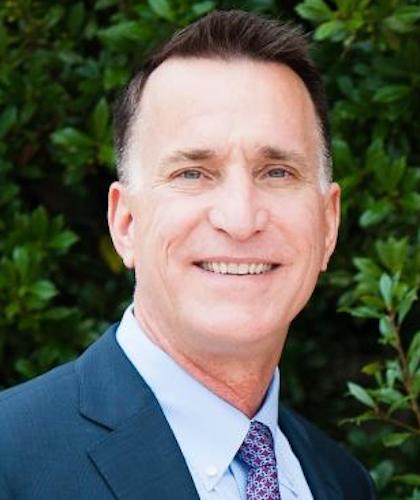
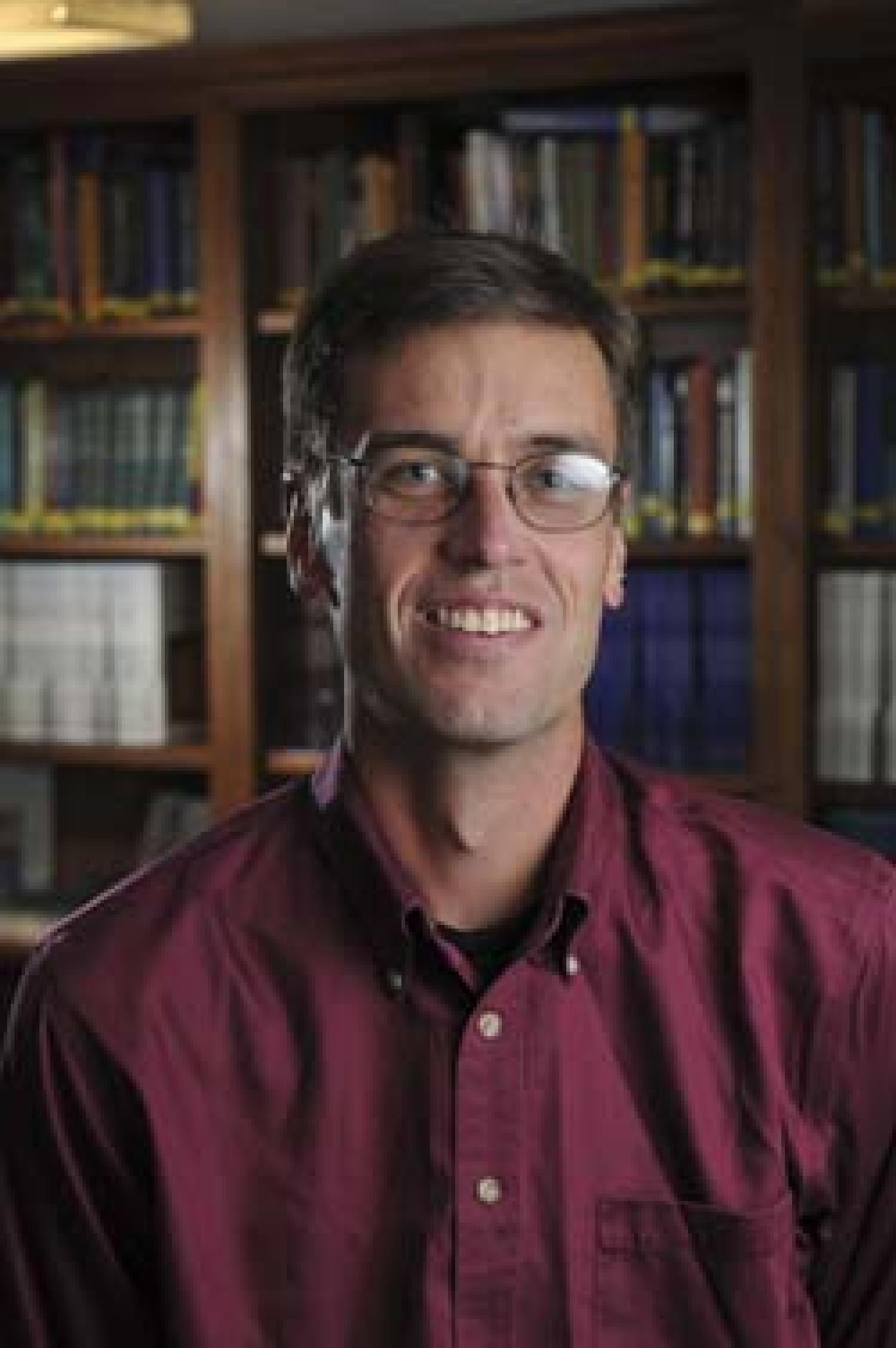
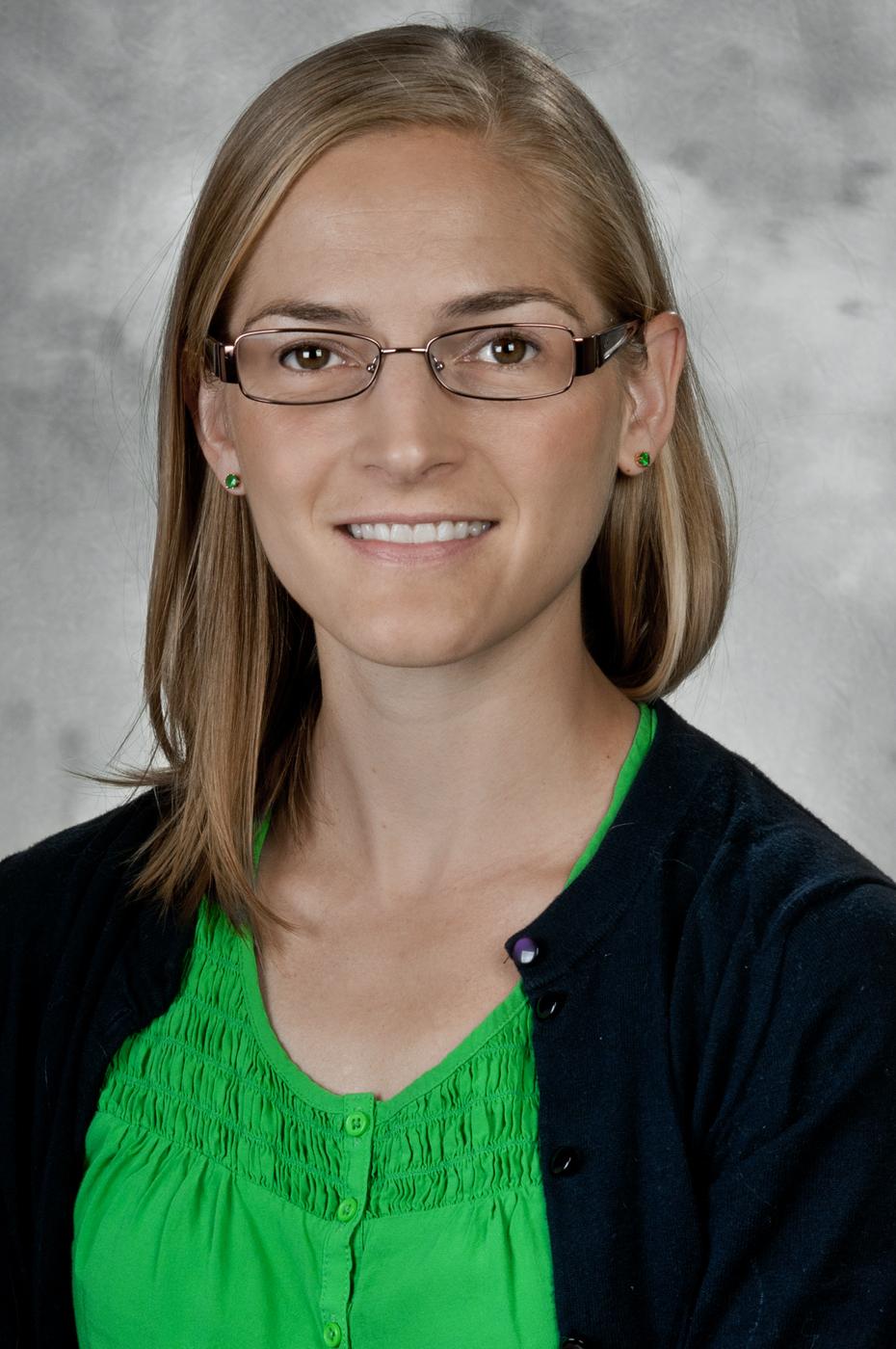
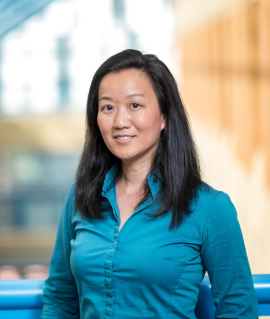
Dr. Melanie Franklin is a pediatric psychologist at Children's Hospital of Philadelphia with expertise in sleep disorders, treatment adherence, and pediatric psychology. She operates within the Department of Child and Adolescent Psychiatry and Behavioral Sciences and collaborates across multiple teams. BA in Psychology – Muhlenberg College PhD in School Psychology – Lehigh University Residency and Fellowship in Pediatric Psychology – Nemours/A.I. DuPont Children’s Hospital Her research focuses on: Sleep behavior in chronic illness populations Mental health communication barriers ADHD functional outcomes Treatment adherence strategies Recent publications demonstrate expertise in ADHD comorbidities , Cystic Fibrosis sleep interventions , and academic functioning analysis . Key collaborations include: Psychiatry and Behavioral Sciences Sleep Center Pulmonary and Sleep Medicine Division
Dr. Jimeng Sun is a Health Innovation Professor at the Siebel School of Computing and Data Science and Carle Illinois College of Medicine at the University of Illinois Urbana-Champaign. Co-founder of Keiji AI , he leads groundbreaking research at the intersection of artificial intelligence and healthcare, actively deploying clinical AI systems and developing frameworks like PyHealth and Therapeutics Data Commons . His research spans four major areas: Clinical AI Systems : Developing interpretable models (e.g., RETAIN) for patient similarity, temporal event prediction, medication recommendation, and clinical outcome forecasting Drug Discovery : Creating molecular optimization frameworks, drug-target interaction models, and AI-driven platforms Clinical Trials : Pioneering patient-trial matching, outcome prediction, and optimization frameworks using deep learning and graph neural networks Biosignal Analysis : Advancing sleep staging, seizure classification, and automated EEG/Cardiac monitoring systems With over 500 top-tier publications (including in Nature , NEJM AI , and leading AI conferences) and an h-index of 99, his work has been recognized with the Top 100 AI Leaders in Drug Discovery and Advanced Healthcare award. He maintains active collaborations with institutions like Massachusetts General Hospital , Medidata Solutions , and OSF Healthcare . His recent publications reveal a strong focus on: Reinforcement learning applications in medical data analysis Large language model adaptation for clinical tasks Knowledge graph integration with AI systems Synthetic data generation for healthcare Multi-modal learning in clinical contexts Explainable AI for medical applications Dr. Sun's lab ( Sunlab ) emphasizes practical impact over theoretical work, actively collaborating with hospitals and healthtech companies. He welcomes contributions from clinicians, researchers, and industry partners through initiatives like his AI for Health webinar series .
Mayank R. Mehta is a Professor at the University of California, Los Angeles (UCLA), holding joint appointments in the Departments of Physics & Astronomy, Neurology, and Neurobiology. He is a member of the Brain Research Institute and the W. M. Keck Center for Neurophysics at UCLA. His research bridges experimental and theoretical neuroscience, focusing on how neuronal networks encode space-time, the role of brain rhythms in learning and memory, and the impact of sleep and virtual reality on neural dynamics. His recent publications highlight breakthroughs in understanding hippocampal spatiotemporal selectivity, dendritic activity during behavior, and the causal influence of visual cues on memory neurons. Notable findings include the discovery that dendrites generate ten times more spikes than neuronal cell bodies and the modulation of hippocampal theta rhythms in virtual reality. Research Themes: Neurophysics of spatial-temporal coding Dendritic contributions to learning Virtual reality and brain plasticity Neural oscillations in memory consolidation Key Collaborators: Bert Sakmann (Max Planck Florida Institute) Thomas Hahn (Bernstein Center Heidelberg/Mannheim) Maryam Ghorbani (UCLA) Mehta's lab at UCLA trains graduate and postdoctoral researchers in cutting-edge techniques combining hardware development, electrophysiological recordings, and biophysical modeling. His work has significant implications for treating learning and memory disorders like Alzheimer's disease.
Lucien Castaing-Taylor is the John Cowles Professor of Art and Anthropology at Harvard University and Director of the Sensory Ethnography Lab (SEL), currently on leave for Fall 2025. His work bridges anthropology and artistic practice through sensory ethnography, engaging critically with ecological crises and political challenges while maintaining an ethnographic commitment to lived experience. His research spans sensory ethnography, phenomenology, media anthropology, and post-human/multi-species relations, with deep engagement in cultural and political ecology across the Franco-Creole Caribbean, Europe, and American West. Castaing-Taylor interrogates intellectual history and reason while developing methodologies that merge artistic negative capability with ethnographic rigor to capture life's flux without imposing conventional narrative structures. Castaing-Taylor's creative output demonstrates a consistent trajectory from early works like In and Out of Africa (1992) to recent projects such as De Humani Corporis Fabrica (2022), evolving from representational ethnography toward immersive sensory experiences. His filmography and installations increasingly address the Anthropocene, human-animal relations, and embodied knowledge through experimental audiovisual techniques that challenge documentary conventions and expand ethnographic possibilities. His major awards include: Alpert Award in the Arts (2013) True Vision Award (2013) Los Angeles Film Critics' Circle Douglas Edwards Independent and Experimental Film Award (2012) FIPRESCI Award (2012) As Director of the SEL, Castaing-Taylor cultivates a collaborative environment where anthropology converges with experimental filmmaking and installation art. The lab functions as an incubator for boundary-pushing audiovisual research that engages with urgent planetary issues through sensory immersion, fostering new modes of ethnographic inquiry that transcend traditional academic publishing.
Dr. Birgit Frauscher is the Lincoln Financial Group Distinguished Professor in Neurobiology at Duke University School of Medicine, where she serves as Professor of Neurology and holds a secondary appointment in the Department of Biomedical Engineering at the Duke Pratt School of Engineering. She is currently the Director of the Duke Comprehensive Epilepsy Center and leads the Analytical Neurophysiology (ANPHY) Lab. Her clinical and research work focuses on epilepsy and sleep medicine, utilizing both invasive and non-invasive electrical recordings to study brain activity in humans. Dr. Frauscher completed her medical training, neurology residency, and subspecialty training in electroencephalography, epilepsy, and sleep medicine at the Medical University of Innsbruck in Austria. After completing her clinical training in 2008, she earned her habilitation degree in 2011. She further specialized in intracranial EEG and signal analysis during a visiting professorship at the Montreal Neurological Institute and Hospital, McGill University (2013-2015), where she later served as an Attending Epileptologist and Group Leader of Epilepsy. Her research interests focus on developing novel seizure-independent EEG markers for the epileptogenic zone, investigating sleep-epilepsy interactions, and using intracranial EEG to study brain physiology during wakefulness and sleep. Her work aims to improve epilepsy diagnosis, prognosis, and treatment outcomes by better localizing the epileptic focus. Dr. Frauscher's recent publications demonstrate her continued leadership in epilepsy research, with over 170 peer-reviewed papers and an H-index of 62. Dr. Frauscher has received several prestigious awards including the Clinician-Scientist awards of the FRSQ (2018-2023), the Michael Prize of the International League against Epilepsy (2019), and the Ernst Niedermeyer Prize from the Austrian Epilepsy Society (2015). Her scholarly work has significantly advanced clinical knowledge in epilepsy and sleep medicine, establishing her as a leading figure in the field. As Director of the Duke Comprehensive Epilepsy Center and head of the ANPHY lab, Dr. Frauscher oversees a research program dedicated to advancing neuroscience through innovative approaches to studying brain activity. Her lab employs quantifiable tools to investigate neurophysiological and pathological processes related to epilepsy and sleep, with the ultimate goal of improving patient outcomes through better understanding of brain function.
Wim Gevers is a faculty member at the Université libre de Bruxelles (ULB) and leads the CS4S – Cognitive Control & Sleep laboratory within the CRCN research centre. His work bridges cognitive psychology, neuroscience and sleep research to understand how the brain exerts control over thoughts and actions and how sleep contributes to these processes. Research Interests Cognitive Control & Metacognition: Investigating how subjective experiences such as confidence and the "urge-to-err" guide strategic adjustments in behaviour. Working Memory & Ordinal Cognition: Examining how order information is maintained and manipulated, and how these processes relate to mathematical competence. Sleep, Memory & Decision Making: Exploring how sleep-dependent consolidation influences motor learning and decision strategies. Across his 2022–2025 publications a clear trend emerges: a focus on metacognitive monitoring —how humans evaluate their own cognitive states—and the role of emotional and temporal context in shaping those evaluations. Studies range from reaction-time introspection and confidence judgements in perceptual tasks to the impact of aging and depression on metacognitive accuracy. Doctoral Supervision & Mentoring Whitney Stee (PhD 2024) – Sleep-dependent structural brain reorganization & motor learning Gaia Corlazzoli (PhD 2024) – Subjective experience in decision-making Myrtille Dewulf (PhD 2023) – Ordinal coding mechanisms in working memory Rebeca Sifuentes-Ortega (PhD 2023) – REM sleep and memory reactivation All dissertations were defended at ULB, Faculté des Sciences psychologiques et de l’éducation, with Wim Gevers formally listed as Promotor . Laboratory & Collaborative Networks As head of CS4S, Gevers coordinates a multidisciplinary team that combines behavioural experimentation, EEG/MEG, computational modelling and sleep polysomnography. The lab is embedded in the larger CRCN ecosystem, fostering collaborations with groups such as CO3 (consciousness), LCLD (language & deafness), and UR2NF (neurofunctional imaging).
Michele Klingbeil is a Professor in the Department of Microbiology at the University of Massachusetts Amherst, where she leads the Klingbeil DNA Replication Laboratory. She received her PhD in Cell and Molecular Biology from the University of Toledo in 1996 and previously worked at Johns Hopkins School of Medicine before moving to UMass in July 2007. Her educational background includes: PhD in Cell and Molecular Biology, University of Toledo, 1996 Dr. Klingbeil's research focuses on the unique biology of trypanosomatid parasites, particularly Trypanosoma brucei , the causative agent of African sleeping sickness. Her laboratory investigates two main areas: (1) replication of the unusual mitochondrial DNA network called kinetoplast DNA (kDNA), and (2) nuclear DNA replication initiation. Her work on kDNA is particularly significant as this structure is essential for parasite survival but has no counterpart in mammalian hosts, making it an attractive drug target. She employs a combination of reverse genetics (RNAi), cell biology, and biochemistry to understand the replication and repair mechanisms of kDNA, with a special focus on a family of four DNA polymerases related to bacterial Pol I. Dr. Klingbeil's recent publications reveal her laboratory's deep investigation into mitochondrial DNA polymerases in trypanosomatids, with discoveries showing multiple polymerases having specialized functions in kDNA replication and repair. Her research has established that several of these polymerases are essential for parasite viability, opening new avenues for drug development. She has also made significant contributions to understanding the simplified Origin Recognition Complex in trypanosomatids compared to other eukaryotes. Dr. Klingbeil has received the Thomas G. Lessie Distinguished Lectureship Award for her impact on teaching at the graduate level. Her research is funded by the National Institutes of Health, U.S. Department of Agriculture, the Joeph P. Healey Endowment, and the University of Massachusetts Amherst. She has mentored numerous graduate and undergraduate students, including current PhD candidates Dave Bruhn, Jeniffer Concepción, and Juemin Luo, as well as visiting scholar Eva Vidal Rico. Her former students have gone on to positions at institutions including Dana Farber/Broad Institute, Regis College, and Flagship Ventures. The laboratory regularly participates in scientific conferences including the Molecular Parasitology Meeting at Woods Hole and the Kinetoplastid Molecular Cell Biology conference. Dr. Klingbeil teaches several courses including Parasitology (MICRO 590S), Parasitology Lab (MICRO 590L), Molecular Mechanisms of Pathogenesis (MICRO 797P), Advanced Cell Biology (MCB 641), and Writing in Microbiology (MICRO 360). Her laboratory organizes regular social events including pumpkin carving parties and outings to Six Flags New England and Mt. Sugarloaf.
Dr. Qing Zhou is a Professor of Psychology at the University of California, Berkeley, and Director of the Culture and Family Study Lab. He received his Ph.D. from Arizona State University and specializes in understanding how cultural context, family dynamics, and temperament influence children's socio-emotional, academic, and executive function development, with a focus on immigrant families. Key research interests include: Developmental psychopathology Temperament and emotion regulation Family socialization and parenting Impact of bilingualism on child development Cultural values and migration effects on adjustment His work employs multi-method approaches, including questionnaires, behavioral observations, and neuropsychological testing, with ongoing projects like the NICHD-funded longitudinal study on dual language learners and the Chau Hoi Shuen Foundation-supported grandparent involvement research. Collaborations include scholars at UC-Davis, UC-Merced, Wellesley College, and institutions in France and Taiwan. Dr. Zhou has trained numerous students, including current doctoral candidates Xinyi Chen, Erika Roach, and Christopher Gys, as well as alumni at institutions like Harvard, Stanford, and UCSF. His lab's publications emphasize cross-cultural comparisons, longitudinal designs, and intervention implications for immigrant youth.
Jennifer A. Smith, PhD, MPH is an Associate Professor of Epidemiology and Research Associate Professor of Survey Research at the University of Michigan School of Public Health . She also serves as Director of the Certificate in Public Health Genetics and is Assistant Director of the Cohort Development working group for U-M Precision Health and the Michigan Genomics Initiative. Education: PhD, Epidemiology, University of Michigan (2011) MA, Statistics, University of Michigan (2009) MPH, Health Management and Policy, University of Michigan (2005) BS, Biological Sciences, Cornell University (2001) Research Interests: Dr. Smith is a genetic epidemiologist whose work lies at the intersection of genomics, epigenomics, and social epidemiology . She investigates how genetic, epigenetic, and transcriptomic variation influence age-related chronic diseases such as cardiovascular disease, hypertension, dementia, and cognitive decline. A major focus is understanding how social, psychosocial, and neighborhood determinants interact with genetic risk to shape socioeconomic and racial/ethnic health disparities . Research Projects: Her work leverages large, multi-ethnic cohorts including the Health and Retirement Study (HRS), GENOA, SWAN, MESA, and LASI. She is a core faculty member of the Center for Social Epidemiology and Population Health (CSEPH) , and affiliated with MiCDA, the Center for Midlife Science, and the PNG Program . She also collaborates with leading consortia such as CHARGE and TOPMed. Selected Trends in Publications: Her recent work (2022–2025) emphasizes epigenetic mediation of social determinants on cardiovascular and cognitive health, polygenic risk scores across diverse ancestries , and multi-omics integration in aging and disease. These studies consistently highlight how social environments and genetic architecture jointly influence health outcomes across populations. Contact: Email: smjenn@umich.edu Office: 734-615-9455 Address: 2631 SPH I, 1415 Washington Heights, Ann Arbor, MI 48109
David Vocadlo is a Distinguished Professor of Chemistry and Molecular Biology & Biochemistry at Simon Fraser University (SFU), holding the Canada Research Chair in Chemical Biology. His research focuses on Chemical Glycobiology, investigating carbohydrate-processing enzymes and developing chemical tools to study glycan roles in health and disease. His lab explores O-GlcNAc signaling, neurodegenerative disorders (e.g., Alzheimer’s, Parkinson’s), and enzyme inhibitors for therapeutic applications. Education: PhD from University of British Columbia (UBC), followed by a CIHR postdoctoral fellowship at UC Berkeley. Key roles include E.W.R. Steacie Memorial Fellow and Royal Society Fellow. Research highlights include O-GlcNAcase inhibitors for neuroprotection, glycan structure-function relationships, and enzyme activity imaging tools. Collaborates globally with experts in glycobiology and employs cutting-edge techniques like chemical synthesis, mass spectrometry, and live-cell imaging. Awards: Distinguished Professor title, Canada Research Chair, Royal Society Fellowship. Active in training researchers through SFU’s graduate programs, emphasizing interdisciplinary approaches. Lab members work on topics ranging from enzyme mechanisms to disease modeling.
Aidan J Horner is a Professor in the Department of Psychology at the University of York. He holds a BSc in Psychology (2005) and MSc in Cognitive Neuroscience (2006) from the University of York, followed by a PhD in Cognitive Neuroscience from the University of Cambridge (2010). His career includes postdoctoral research at Otto-von-Guericke University (2010–2011) and University College London (2011–2016), and a visiting scholar position at Stanford University (2008). He returned to York as a Lecturer in 2016, advancing to Senior Lecturer and his current Professorship. Research Focus: Horner’s work examines how the brain encodes and retrieves long-term memories, particularly spatial and event-based information. He employs experimental psychology, virtual reality, neuroimaging (e.g., fMRI, MEG), and computational modeling to study hippocampal and cortical mechanisms underlying memory formation, consolidation, and forgetting. His recent studies explore the role of theta oscillations in memory binding, the impact of emotion on memory coherence, and forgetting dynamics. Publications & Awards: Over 50 peer-reviewed articles, including high-impact work in Current Biology , Nature Communications , and Cognition . Recognized with the Annual Cognitive Paper Prize Award (2022) for groundbreaking contributions to memory research. Grants & Projects: Lead investigator on ESRC-funded projects (e.g., "Promoting rapid and sustained learning of novel information" , 2018–2022). Collaborates with institutions like the York Neuroimaging Centre (YNiC) to advance neuroimaging techniques in cognitive studies. Labs & Teams: Affiliated with the York Neuroimaging Centre (YNiC), integrating neuroimaging with behavioral and computational approaches to memory systems. Active in interdisciplinary teams studying memory plasticity and cognitive neuroscience.
Jack J. Blanchard, Ph.D., is an Associate Provost for Enterprise Resource Planning and Professor in the Department of Psychology at the University of Maryland, College Park. He is affiliated with the Brain and Behavior Institute and serves as Academic Director of the Master of Professional Studies program in Clinical Psychological Science. Previously, he held roles as Department Chair and Director of Clinical Training. Education: Ph.D. in Clinical Psychology, State University of New York at Stony Brook (1991) B.S. in Psychology, Arizona State University (1984) NIMH Postdoctoral Fellow at Medical College of Pennsylvania (1990-1992) Research Interests: Dr. Blanchard’s work focuses on emotion-behavior interactions in psychotic disorders, particularly schizophrenia. His laboratory (LEAP) employs fMRI, smartphone-based ecological assessments, and actigraphy to study: Social affiliation deficits and paranoia Neural correlates of motivation and reward processing Impact of sleep on symptom severity Clinical and behavioral assessment innovations Publication Trends: Recent articles (2020-2025) demonstrate a strong emphasis on transdiagnostic approaches, integrating neuroimaging with real-world behavioral tracking to examine social reward processing, pandemic-related mental health impacts, and sleep-psychosis comorbidities. Methodological themes include fMRI, smartphone assessments, and longitudinal designs. Awards and Honors: Joel and Kim Feller Professorship (2016) Excellence in Teaching Mentorship Award Fellow, Association for Psychological Science Mentoring and Grants: Actively trains graduate/undergraduate researchers through LEAP lab. Secured major funding including: NIMH grants for neural correlates of social affiliation/paranoia University of Maryland Brain and Behavior Initiative awards for wearable tech integration Laboratory and Collaborations: Directs the Laboratory of Emotion and Psychopathology (LEAP), collaborating with psychiatry departments and neuroscientists. Focuses on minority-representative samples and integrates clinical, behavioral, and technological methodologies.
Erik Willcutt is a Professor in the Department of Psychology and Neuroscience at the University of Colorado Boulder. His research focuses on the genetic and neurobehavioral underpinnings of ADHD, learning disabilities, and developmental psychopathologies. He holds positions at the Institute for Behavioral Genetics and the Center for Neuroscience. Education: PhD in Psychology from the University of Denver (1998). Research Interests: Etiology and assessment of ADHD, reading disabilities, and developmental psychopathologies. His work integrates behavioral genetics, neuroimaging, and longitudinal twin studies to understand cognitive and psychiatric disorders. Key topics include neuroanatomical correlates of ADHD, genetic influences on dyslexia, and comorbidity between learning disabilities and psychiatric conditions. Publications highlight advanced methods like genome-wide association studies (GWAS) and phenotype harmonization (e.g., Rosetta method). His work bridges molecular genetics with clinical psychology, emphasizing translational research. Lab/Affiliations: Active in the Institute for Behavioral Genetics and collaborates with interdisciplinary teams studying neurodevelopmental disorders. Office located at Muenzinger D451B.
Margaret Bublitz is Associate Professor at Brown University with joint appointments in the Department of Psychiatry and Human Behavior , Department of Medicine , and Department of Obstetrics and Gynecology . She holds secondary appointments at the School of Public Health as Senior Investigator and Behavioral and Social Sciences faculty member. Dr. Bublitz earned her PhD in Clinical Psychology (2010) from the University of British Columbia, followed by postdoctoral training in Cardiovascular Behavioral Medicine at Brown Medical School. Her research focuses on: Psychological stress pathways to adverse perinatal outcomes Maternal childhood maltreatment effects on neurobiology Mindfulness interventions for hypertension and preterm birth prevention Her 15 most recent publications demonstrate expertise in perinatal mental health , sleep-disordered breathing , HPA axis regulation , and fetal neurodevelopment , with significant collaborations in neuroendocrinology and maternal-infant health disparities . Scientific recognition includes: 2024-2025 Global Fulbright Scholarship 2022 Brown Early Career Research Achievement Award Multiple NIH and foundation grants exceeding $6 million Bublitz leads NIH-funded projects examining mechanisms of mindfulness training (R01HL157288) and serves as mentor in the MORPHE Trial for digital maternal health innovations. She is a licensed psychologist and active member of Brown's Stress, Trauma and Resilience (STAR) Institute and Mindfulness Center .
Dr. Frances Chen is a Professor and Area Coordinator in the Department of Psychology at the University of British Columbia (UBC), located on the traditional, ancestral, and unceded territory of the Musqueam People. She holds a PhD from Stanford University (2009). Her research integrates health psychology, social psychology, and neuroendocrinology to explore how social experiences influence mental and physical health. Key areas include the physiological impacts of loneliness, social support, and hormonal changes during puberty on adolescent development. Education: PhD, Psychology, Stanford University, 2009 Research Focus: Dr. Chen investigates how social interactions 'get under the skin' through studies on loneliness, stress, conflict negotiation, and hormonal mechanisms. Her work emphasizes interventions to enhance social connection and reduce health disparities. Recent Article Trends: Recent publications highlight interdisciplinary approaches, including genetic influences on depression, effects of near-infrared lighting on cognition, and longitudinal studies on adolescent hormonal contraceptive use. Her work bridges basic science and applied health outcomes. Awards & Grants: Michael Smith Health Research BC C2 Award (2022) Killam Faculty Research Fellowship (2019) Teaching & Learning Enhancement Fund Grant (2025) SSHRC Prosociality Project Funding (2023) Lab & Mentorship: Director of the Social Health Lab, she mentors graduate and undergraduate students, prioritizing equity and inclusion. Recent lab achievements include studies on teen health development and interventions to improve student success in psychology programs. Lab Initiatives: UBC Teen Health and Development Study (longitudinal hormonal/mental health tracking) NIR lighting health impact research (collaborative interdisciplinary project) Prosociality 'in the Wild' SSHRC project






.jpg)